9 Cool-Season Vegetables Virginians Can Still Harvest in November
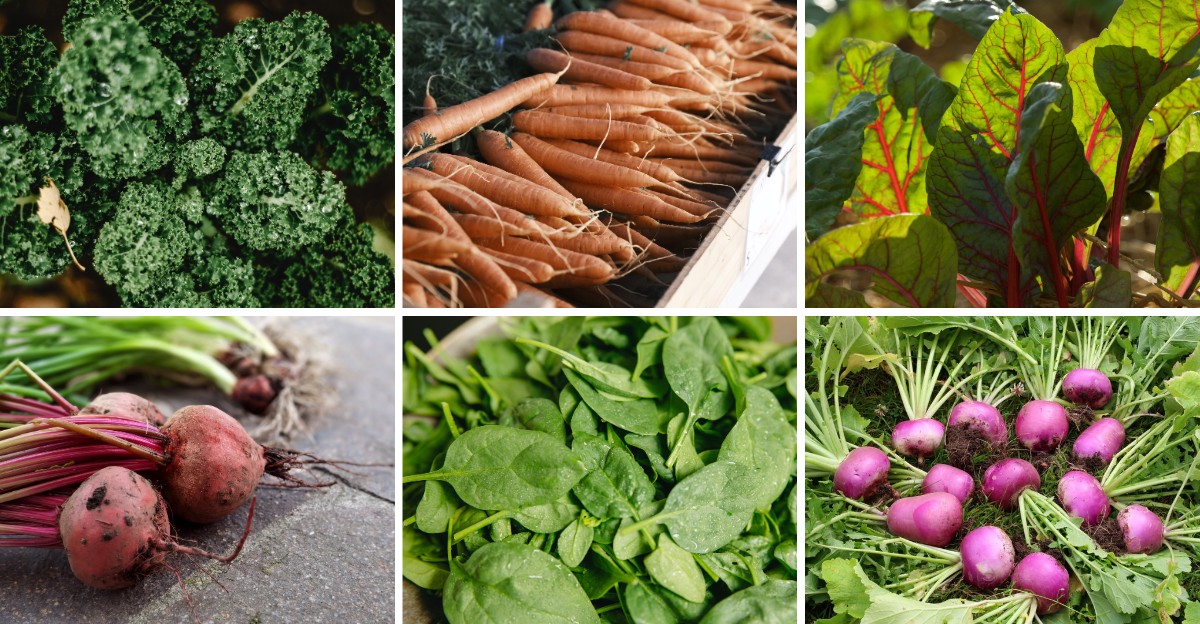
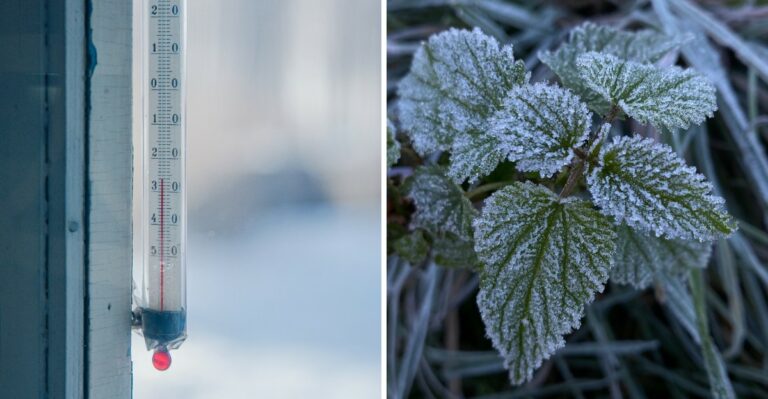
A hard frost can actually make some garden leaves taste sweeter than they ever did in July. Chilled plants convert stored starch into sugars, which act like a natural antifreeze inside their busy cells.
Virginia gardens sit mostly in USDA zones 6 and 7, with milder pockets near the coast. That range gives many tough crops plenty of time to keep growing well after the first frost hits.
I have to admit that November is my favorite month for wandering the garden with an empty basket. You might notice the beds look tired, yet the best flavors are often hiding right under those leaves.
Some of these crops even stay snug in the ground through winter, waiting patiently until you want them. So which cold-hardy favorites deserve a spot in your Virginia garden before the next freeze arrives?
Kale
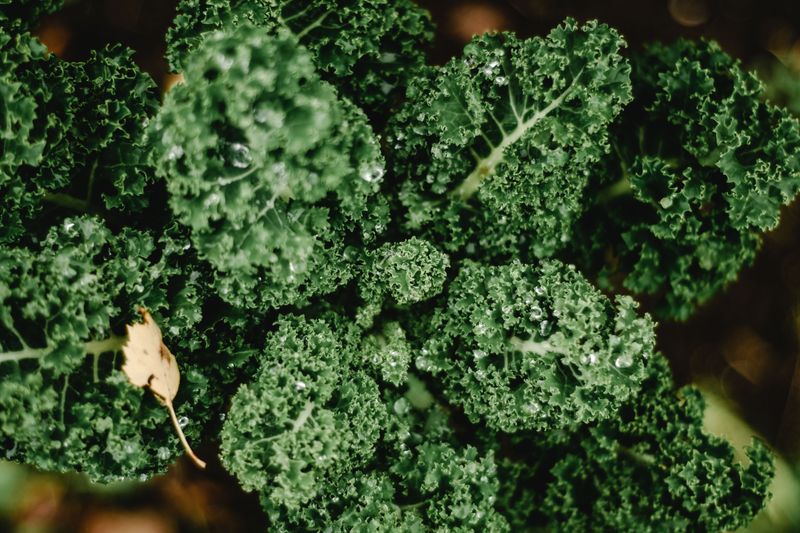
Frost on kale leaves looks like powdered sugar, and honestly the flavor follows that sweet promise. I love snapping a few ruffled leaves on a cold morning and tasting how mellow they have become.
Kale belongs to Brassica oleracea, the same species that gave us cabbage and broccoli through careful selection. Many varieties handle temperatures down into the teens, so November rarely slows them down much.
Harvest from the bottom up by snapping off the largest outer leaves when they reach hand size. Leave the central bud alone, because that small growing tip keeps producing fresh leaves for weeks.
You need to pick before leaves turn yellow or tough, since older foliage gets chewy and bitter. Younger leaves near the top are tender enough for raw salads with a squeeze of lemon.
Curly types like Winterbor and flat Lacinato kale both stand up well to chilly nights in most yards. Personally, I grow a few of each, because Lacinato holds its shape nicely in soups and stews.
Watch the undersides of leaves for aphids, which sometimes linger on brassicas during mild autumn spells. A strong spray of water from the hose usually knocks them loose without any harsh products at all.
Spread a few inches of shredded leaves or straw around the stems to keep soil moisture steady. During a deep cold snap, a floating row cover adds several degrees of protection overnight for tender leaves.
Spinach
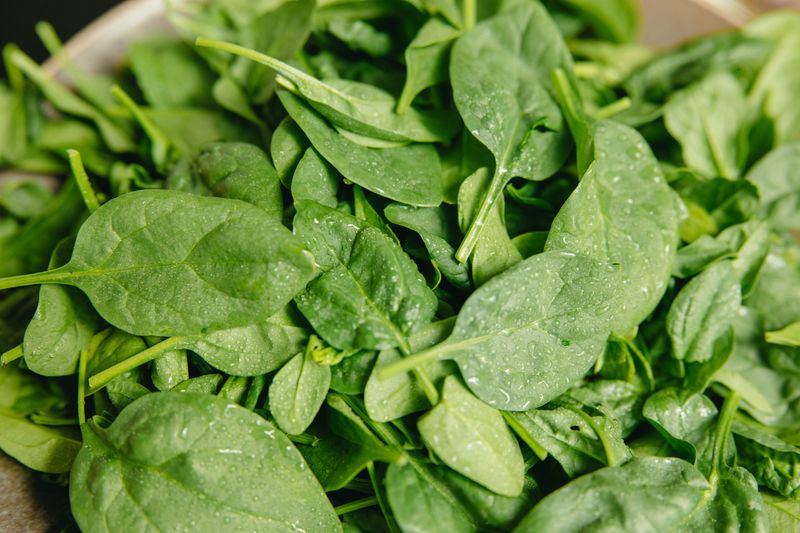
Few greens shrug off cold quite like spinach, which can handle temperatures near 20 degrees with little fuss. I find something cheerful about spotting those glossy dark leaves while everything else in the garden fades.
Spinach grows in a low rosette, so its leaves hug the warm soil on chilly November nights. That snug shape helps explain why fall-sown plants often keep going well into early winter in many areas.
Savoy types like Bloomsdale have crinkled leaves, while smooth types are easier to rinse after a muddy harvest. You might prefer semi-savoy varieties, which offer a nice middle ground between texture and easy cleaning.
Pick the outer leaves once they are about three inches long, leaving the center to keep growing. Cutting the whole plant an inch above the crown sometimes brings a smaller second flush of regrowth.
Cool weather also keeps spinach from bolting, which is the flowering stage that turns leaves bitter in spring. Fall plantings reward you with sweeter, thicker leaves than most springtime crops manage to produce in warmer weather.
Keep the soil evenly moist, since dry spells in autumn can stall growth and make leaves tough. A light layer of straw between rows helps hold moisture and keeps mud from splashing onto leaves.
Some gardeners leave a few healthy plants in place under a row cover through the coldest months. Those patient plants often send up a burst of fresh leaves as soon as early spring warmth returns.
Carrots
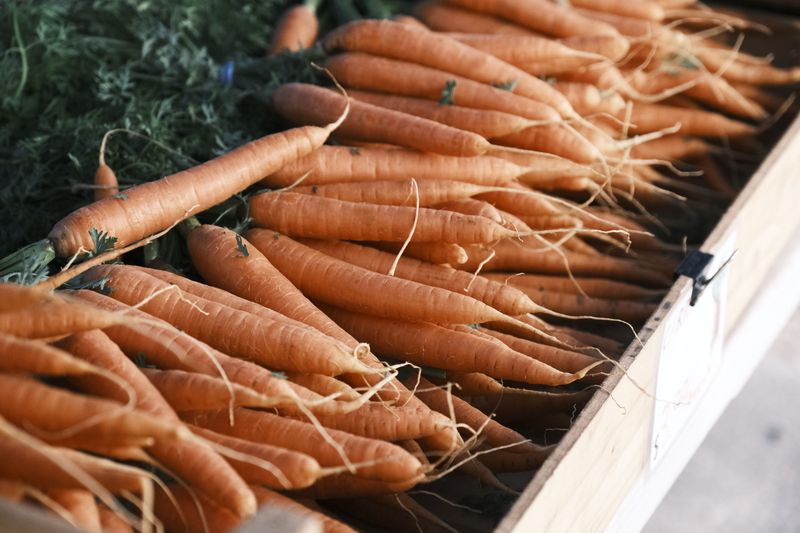
Pulling a carrot from chilly November soil feels a bit like finding buried treasure with crunchy orange edges. You’re in for a big surprise when you taste one, because cold weather pushes their sugar content noticeably higher.
Carrots store starch in their roots, then convert some of it into sugars as soil temperatures drop. That shift protects the plant from freezing, and it happens to make our snacks taste remarkably sweet.
Most carrots sown in late summer reach full size in roughly 70 to 80 days under good conditions. Check the shoulders poking above the soil, since a wide shoulder usually signals a nicely sized root below.
Loosen the soil beside each carrot with a garden fork before pulling, especially in heavier clay ground. Yanking straight up often snaps the root in half, leaving the best part stuck underground for later.
Personally, I leave a portion of my carrots in the bed and dig them as needed through winter. A thick blanket of straw or shredded leaves, about a foot deep, keeps the ground from freezing solid.
Mark the row with stakes before covering it, because finding buried carrots under snow gets tricky fast. Hungry voles sometimes discover mulched roots too, so check your bed every couple of weeks for chewed tunnels.
Twist off the leafy tops right after harvest so the roots stay crisp longer in your refrigerator. Stored in a damp bag, fresh carrots often keep for several weeks without losing their satisfying snap.
Brussels Sprouts
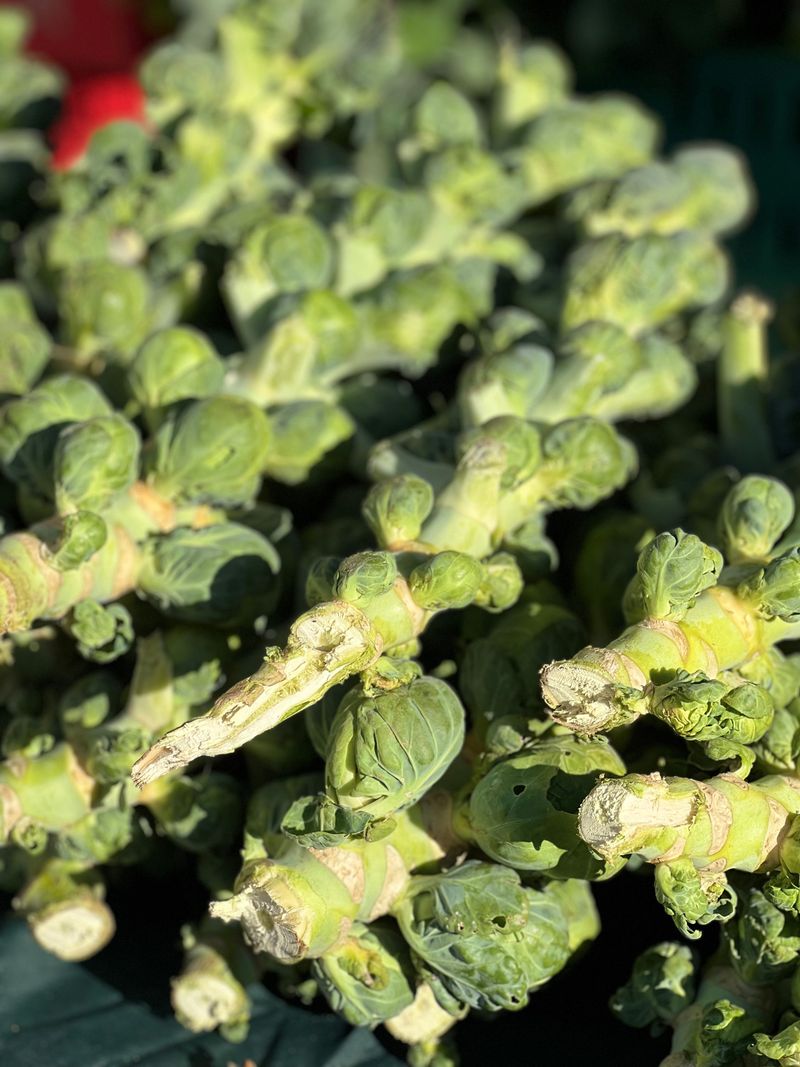
A Brussels sprouts stalk looks like something from a storybook, with tiny cabbages spiraling up a tall stem. Kids usually giggle the first time they see one, and I happily admit that I still do too.
These plants need a long season, often around 90 to 110 days after transplanting, before sprouts reach full size. That slow pace means a summer planting lines up beautifully with cold November weather and sweeter flavor.
Sprouts mature from the bottom of the stalk upward, so start harvesting the lowest ones first. Twist off sprouts when they feel firm and measure roughly one to one and a half inches across.
Snap off the yellowing lower leaves as you go, which gives the remaining sprouts more room to develop. Some gardeners pinch the top bud a few weeks before harvest, encouraging sprouts to size up more evenly.
Brussels sprouts can handle temperatures in the low 20s, and many gardeners swear the flavor improves after frost. You might notice a nutty sweetness in late-season sprouts that grocery store bags rarely deliver.
When a hard freeze threatens, cut the entire stalk and bring it indoors for storage. Stalks kept in a cool garage or refrigerator often hold their sprouts in good shape for a couple weeks.
Personally, I love roasting halved sprouts until the edges turn crispy and brown in a hot oven. A drizzle of maple syrup at the end turns even skeptical relatives into enthusiastic sprout fans.
Collard Greens
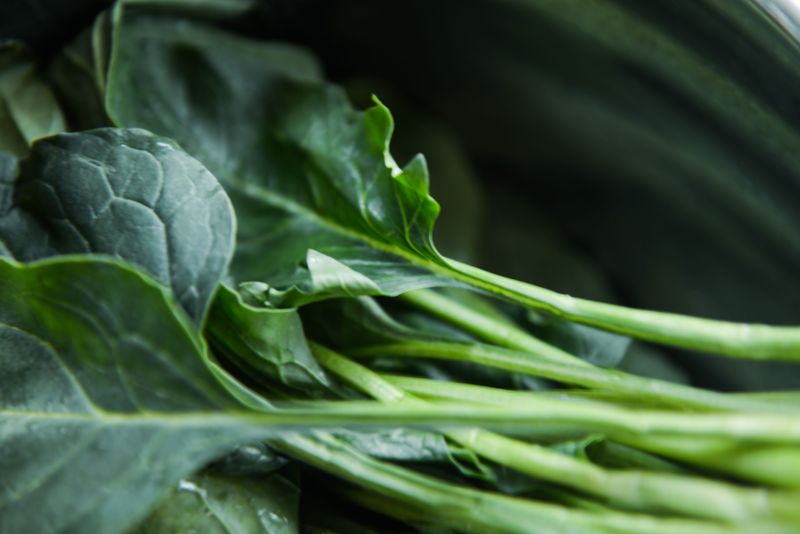
Southern cooks have trusted collards for generations, and one frosty bite shows exactly why they earned that loyalty. Those big blue-green leaves taste mellow and sweet after cold nights, nothing like summer’s tougher foliage.
Collards rank among the most cold-tolerant brassicas, often handling temperatures in the teens without serious damage. Across much of Virginia, established plants commonly keep producing well into December or beyond.
Harvest the lower leaves first, picking them when they reach about ten inches long and feel firm. Leave at least the top cluster of leaves intact, so the plant can keep stretching upward through the season.
Over time, a collard plant starts looking like a small palm tree with a bare stalk below. I love that quirky shape, because it proves how many meals one sturdy plant has already provided.
Georgia and Vates are classic varieties, and both hold up nicely in cooler parts of the state. Champion is another solid pick, known for slow bolting and dependable leaf production in chilly weather.
Check for cabbage worms during mild spells, since those green caterpillars sometimes hang around into early fall. Hand-picking them or using a row cover usually keeps leaf damage to a manageable level.
Stack several leaves, roll them tightly, and slice thin ribbons for quick cooking in a skillet. Slow-simmered collards with onions and a splash of vinegar make a wonderful dinner on a cold evening.
Swiss Chard
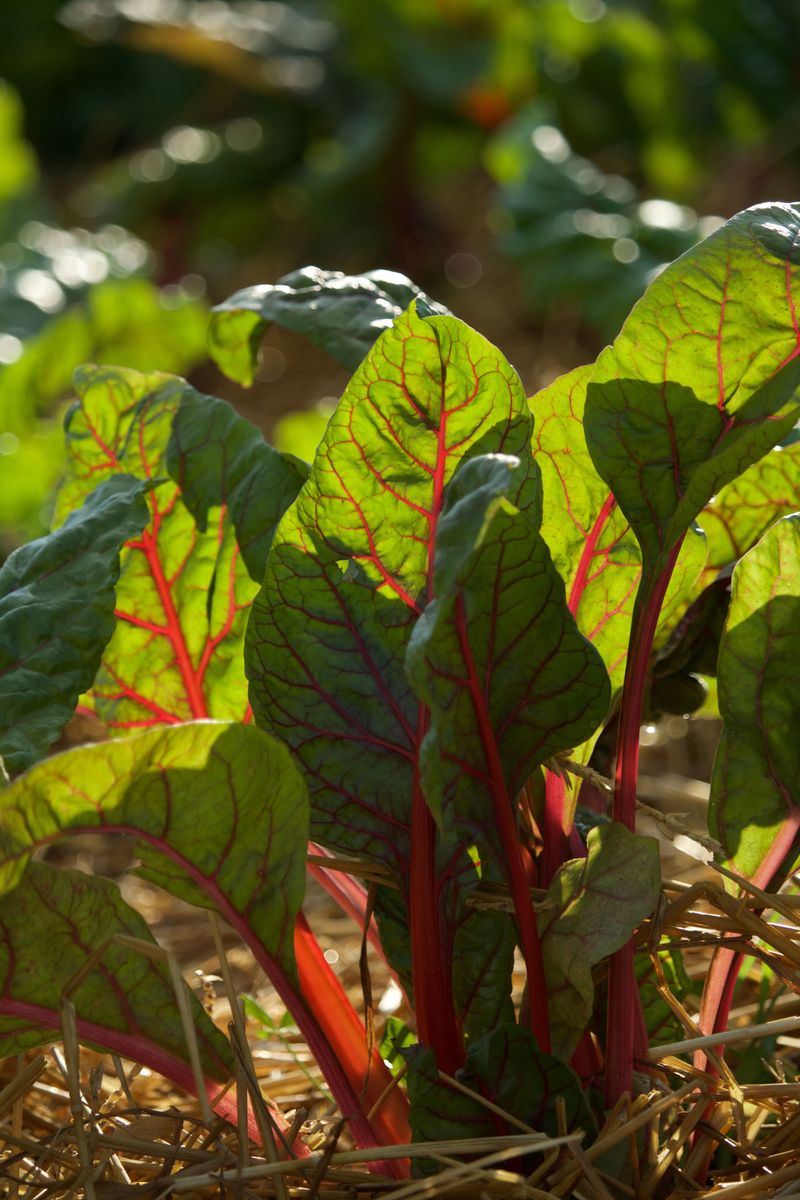
Rainbow chard brings neon stems to a November garden that otherwise looks pretty brown and sleepy. I can’t imagine my fall beds without those glowing red and golden stalks catching the low afternoon sun.
Swiss chard is a close cousin of beets, bred for its leaves rather than a swollen root. It shares the species name Beta vulgaris, which explains the similar earthy flavor in both crops.
Chard tolerates light frosts well, though temperatures in the low 20s can damage the leaves noticeably. Gardeners in the milder coastal regions often keep harvesting longer than those up in the mountains.
Cut outer stalks near the base when leaves are about eight to ten inches long. Leave the inner leaves alone, and the plant will push out new growth whenever the weather stays mild.
Covering plants with a row cover or an old bedsheet on frosty nights stretches the harvest further. Pull the cover off during sunny days so the plants do not overheat underneath the fabric.
Chard stems take a little longer to cook than the leaves, so slice them separately first. Sauté the chopped stems for a few minutes, then toss in the leaves until they wilt softly.
Personally, I think chard deserves a spot in front-yard flower beds as much as vegetable rows. Varieties like Bright Lights look so cheerful that neighbors often ask what ornamental plant you are growing.
Arugula
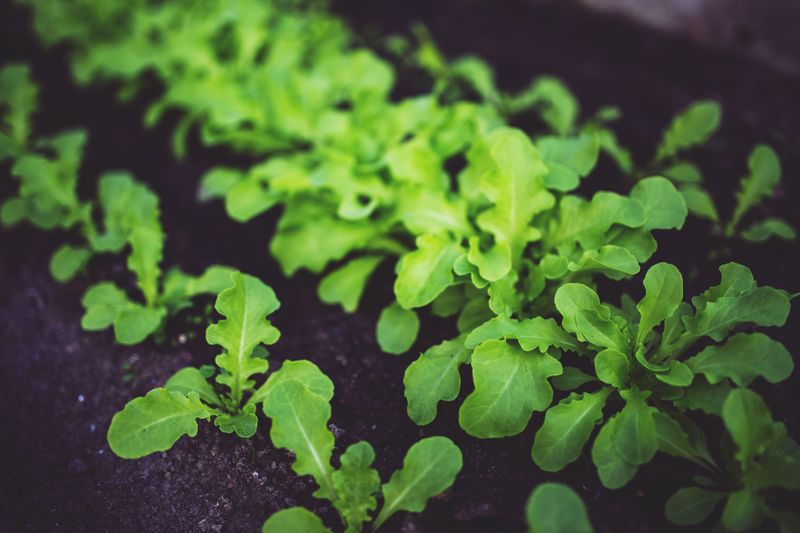
Arugula tastes like someone sprinkled black pepper directly onto a leaf, and kids either love or hate it. Personally, I fall firmly in the love camp, especially when cold weather softens that spicy bite slightly.
This speedy green often reaches baby-leaf size in about three to four weeks after sowing. That quick turnaround makes it perfect for gardeners who planted a little late but still want a fall harvest.
Arugula handles light frost nicely, though a hard freeze in the low 20s can scorch its tender leaves. A simple row cover usually keeps plants producing through chilly November nights in many gardens across the state.
Snip leaves when they are two to three inches long for the mildest and most tender flavor. Larger leaves develop a stronger kick, which some cooks prefer for tossing onto warm pizza.
Cool weather slows bolting, so fall arugula stays leafy much longer than spring plantings usually do. You might notice spring crops shooting up flower stalks quickly, while autumn plants keep calmly producing leaves.
Fun fact for curious gardeners, ancient Romans grew arugula and valued it as a flavorful salad green. People have been enjoying its peppery leaves for thousands of years before it showed up in modern restaurants.
Sow short rows every couple of weeks in early fall for a steady supply of fresh leaves. Toss them with sliced pears and a little honey dressing for a salad that tastes like autumn.
Turnips
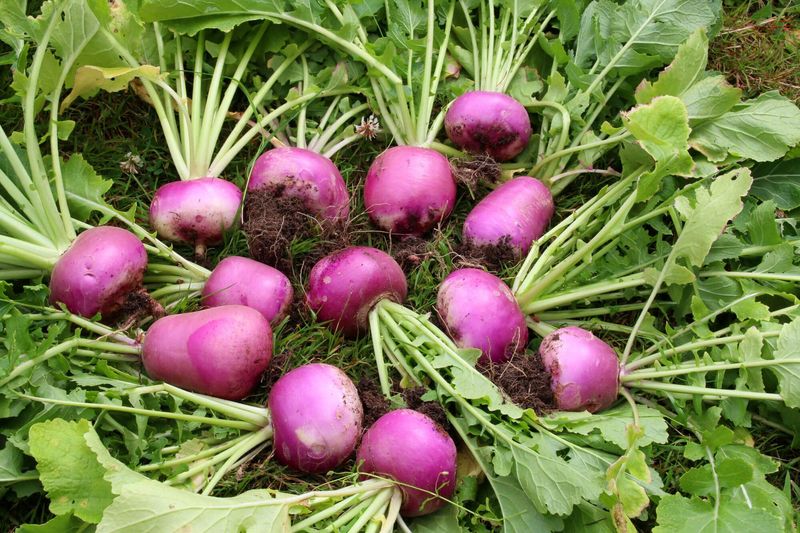
Purple-top turnips look like little painted globes peeking out of the soil in late fall. I love how one humble planting gives you crunchy roots and leafy greens from the very same row.
Turnips grow fast, with many varieties ready in about 50 to 60 days from seed. That speed made them a favorite crop for farmers who needed food quickly before winter settled in.
Pull roots when they are two to three inches across for the sweetest and most tender texture. Oversized turnips often turn woody and sharp, so resist the temptation to wait for giant prize-sized roots.
The greens are delicious too, with a slightly peppery flavor similar to mustard leaves. Pick a few outer leaves from each plant, leaving enough foliage for the roots to keep growing.
Turnip roots handle light frost well, yet a hard freeze in the low 20s can damage them. Harvest the main crop before temperatures plunge, or tuck thick straw mulch over the row for added protection.
Store trimmed roots in a cool, humid spot like the crisper drawer of your refrigerator. Many turnips keep their crunch for several weeks, giving you plenty of time to try new recipes.
Personally, I think roasted turnips get overlooked far too often at the dinner table. Toss cubes with olive oil and a pinch of salt, then roast until the edges turn golden and sweet.
Beets
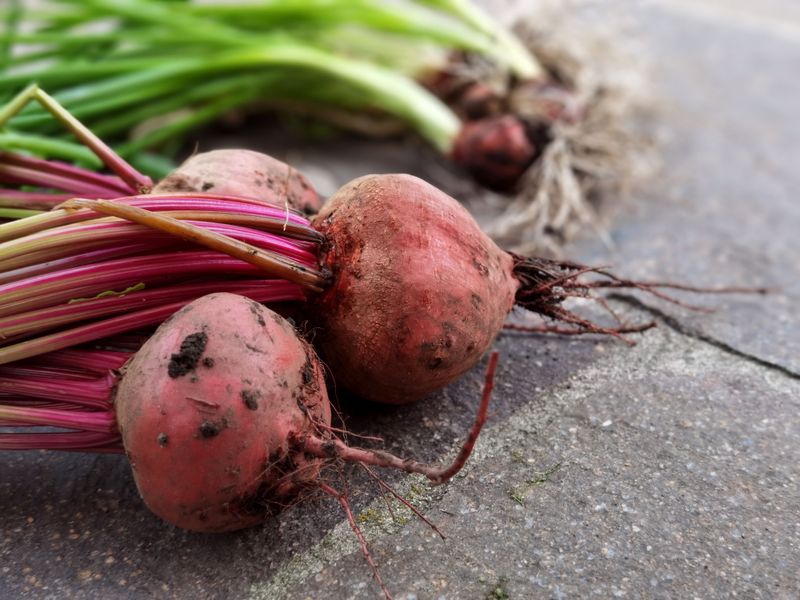
Slice open a Chioggia beet and you will find candy-cane rings of pink and white inside. That surprise never gets old for me, and it turns beet skeptics into curious taste testers quickly.
Beets grow best in cool weather, and fall crops often taste sweeter than those harvested in summer heat. They tolerate light frost, though roots should come out before the ground freezes hard in your area.
Each beet seed is actually a cluster holding several seeds, so seedlings often pop up in tight bunches. Thinning those crowded sprouts early gives the remaining roots enough space to swell into smooth, round shapes.
Pull roots when they are about one and a half to three inches across for the best texture. Bigger beets sometimes turn tough and fibrous, especially if the soil stayed dry for long stretches.
Do not toss the leaves, because beet greens are tender and taste similar to chard. Sauté them with garlic for a quick side dish that uses every part of the plant.
Twist off the tops about an inch above the root before storing beets in the refrigerator. Leaving a small stub of stem helps prevent the roots from bleeding color and losing moisture.
Gardeners in the milder eastern parts of Virginia can stretch the harvest with a sturdy row cover. Personally, I love roasting a tray of mixed red and golden beets on a cold November evening.