Could California’s Upcoming Rainy Season Finally Give Your Garden A Break? Watch For These Signs
Late fall in California carries a particular kind of anticipation. Lawns crunch, shrubs look weary, and the hose has been working overtime for months.
Every gray sky seems to hold a question, and the answer rarely arrives on a predictable schedule.
The wet season can bring real relief, yet the timing and amount stay famously uncertain from one year to the next.
Fortunately, the clues worth watching don’t require guesswork. Some come from forecasters tracking patterns far out over the Pacific.
Others appear right in the yard, in places most people walk past without noticing.
Learning to read both kinds of signals helps answer the season’s biggest garden question: when the watering can finally rest.
1. Check NOAA Seasonal Outlooks First
A map offers a smart starting point before the hose gets put away.
The NOAA Climate Prediction Center releases seasonal outlooks showing where precipitation may lean above or below normal over the coming months, with green shades signaling wetter odds and brown shades leaning drier.
Those colors indicate a tilt rather than a promise. A green patch over California means the chances favor more rain than usual, not that a soaking winter is guaranteed.
White areas mean equal chances, so the outlook offers no strong lean either way.
NOAA also tracks El Niño and La Niña, the warm and cool swings in Pacific Ocean temperatures that can nudge storm tracks. El Niño often tilts Southern California toward wetter winters, while La Niña often leans drier there.
Both have broken the pattern plenty of times, so NOAA’s ENSO update page offers a better guide than assumptions. Northern California often shows a weaker link to either pattern than the south.
Outlooks update monthly, usually around the third Thursday. A quick look again in November and December shows how the odds shift as the season develops.
The outlook works best as a planning tool rather than a reason to stop watering. A wet-leaning forecast makes a good cue to clean gutters or set up a rain barrel, while a dry-leaning one suggests extra mulch and a ready watering schedule.
Either way, plants still need water until real rain reaches their roots.
2. Watch For The First Real Soaking Storm
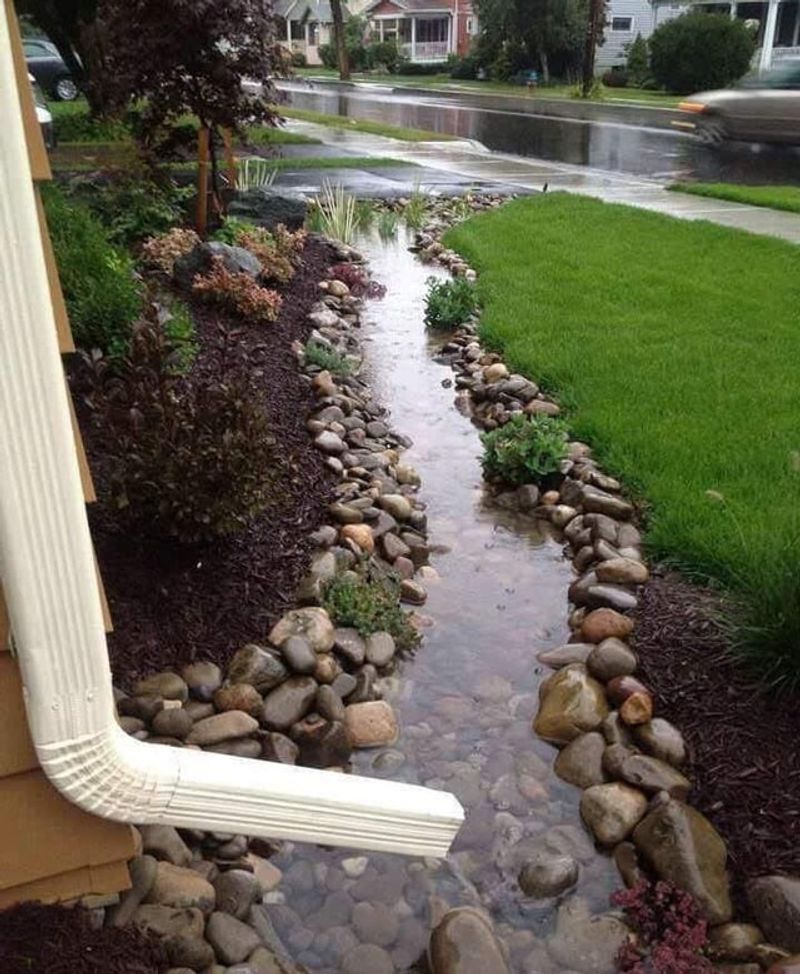
Ten minutes of drizzle that dries by lunch hardly counts. Many gardeners see wet sidewalks and switch off sprinklers too soon, while soil a few inches down stays dry as a cracker.
A real soaking storm looks different, with steady rain over several hours, often adding up to half an inch or more. A simple rain gauge tracks totals, and local National Weather Service offices often post storm totals for nearby towns after big events.
Deep rain changes the whole garden. It flushes salts that build up from months of tap water irrigation, swells clay soils so they hold moisture again, and lets water move down through sandy soils to deeper roots, where trees and shrubs drink most.
The yard’s response offers clues. Leaves often look perkier within a day, and dust on foliage washes away.
Your California Garden Changes Every Week. Your Plan Should Too.
Gardening in California changes quickly throughout the season. Every Friday you’ll receive a simple weekly plan showing exactly what to plant, prune, fertilize, harvest, and protect so you never miss the right timing.
Puddles that drain slowly reveal beds with poor drainage, worth noting for future planting.
After that first soaker, irrigation can often pause for several days or longer, depending on sun and wind. A dry, warm spell afterward calls for switching the system back on.
Santa Ana winds in the south can dry soil quickly, so the forecast deserves continued attention. Many local water agencies also prohibit irrigation within 48 hours after measurable rain.
One good storm makes a welcome start rather than the finish line, and a few more usually need to follow before deep soil fully recharges.
3. Atmospheric River Forecasts Signal Big Rain
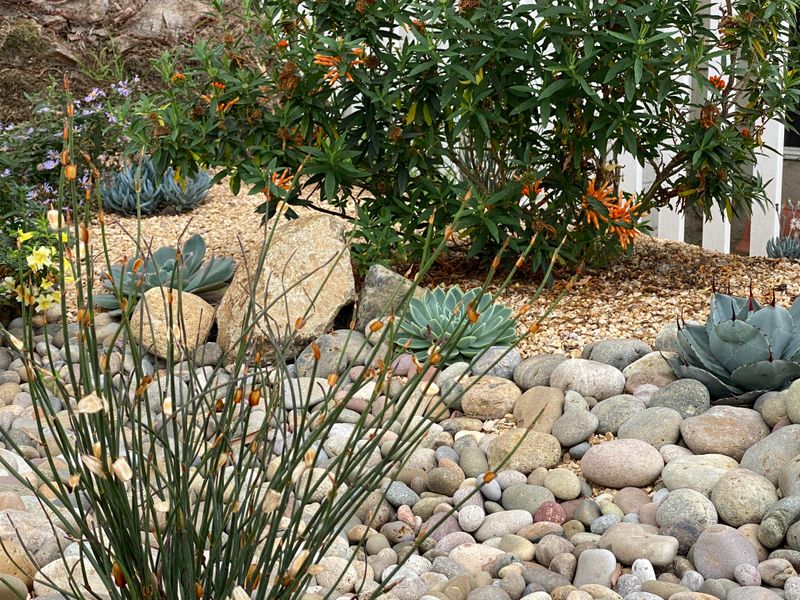
A long, narrow band of water vapor streaming from the tropics toward the coast can act like a river in the sky.
Scientists call it an atmospheric river, and the California Department of Water Resources notes these storms can supply up to about half of the state’s yearly rain and snow.
Forecasters often spot them days ahead. National Weather Service forecast discussions mention them, and the Center for Western Weather and Water Extremes rates them on a scale from 1 to 5.
Lower numbers mark mostly beneficial storms, while higher ones can bring flooding and mudslides.
For the garden, a weak or moderate atmospheric river often arrives as a gift, delivering deep, steady rain that refills soil all the way down. A single strong event can accomplish more than weeks of light showers.
Big storms bring chores, though. Clearing gutters and drains before rain arrives, staking young trees so soggy soil doesn’t let them tip, and moving rain-sensitive potted plants like succulents under an overhang all help.
Slopes deserve a look too. Bare hillsides can wash away, so mulch or straw wattles help hold loose soil, and burn scar areas carry extra debris flow risk worth watching in local alerts.
After the storm passes, a walk through the yard reveals washed-out spots or soil piled against plant stems. Gently pulling it back lets crowns breathe, turning a big storm into a garden boost rather than a muddy mess.
4. Cooler Nights Cut Plant Water Needs
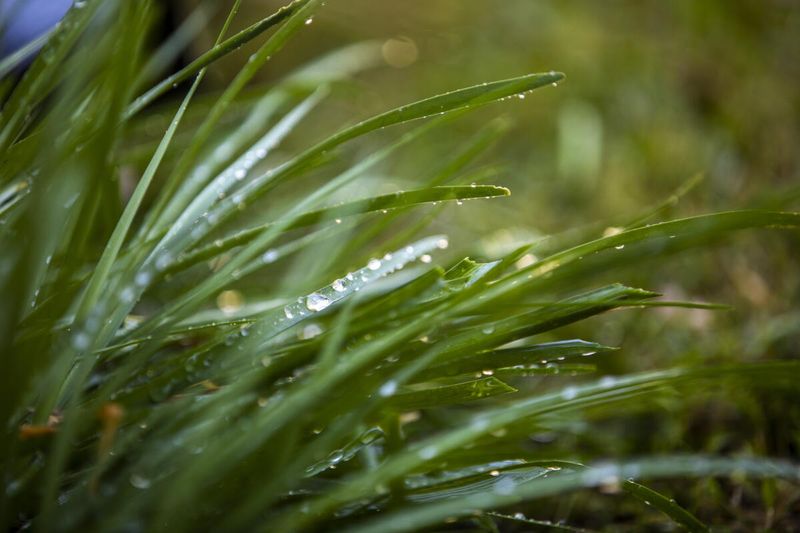
A crisp chill at sunrise affects plants as much as people, and they drink less because of it. Cooler air and shorter days slow the rate at which leaves lose water.
Gardeners call that loss evapotranspiration, a mouthful that simply means water leaving soil and leaves. In summer, heat, long days, and dry air push it high, while by late fall it drops sharply across much of California.
UC ANR guidance encourages cutting back watering as fall cools, and many yards need far less water in November than in July.
Shorter sprinkler run times or more days between watering usually work better than holding onto a summer schedule.
Morning dew offers another clue. Wet leaves at dawn mean the air holds more moisture, easing stress on plants, and coastal fog does a similar job, giving gardens a quiet drink from the air.
Overcorrecting can backfire, though. Warm, windy days still appear in fall, especially in inland valleys and Southern California, and young plants and containers dry out faster than established beds, so they deserve more frequent checks.
A smart controller can help by adjusting to local weather data, while hand-set timers benefit from an update now.
Overwatering in cool weather invites root rot and fungal problems, so lighter is often better. Cooler nights, in effect, start turning the faucet down on their own, and the garden schedule can follow their lead.
5. Soil Moisture Rises Beyond The Surface
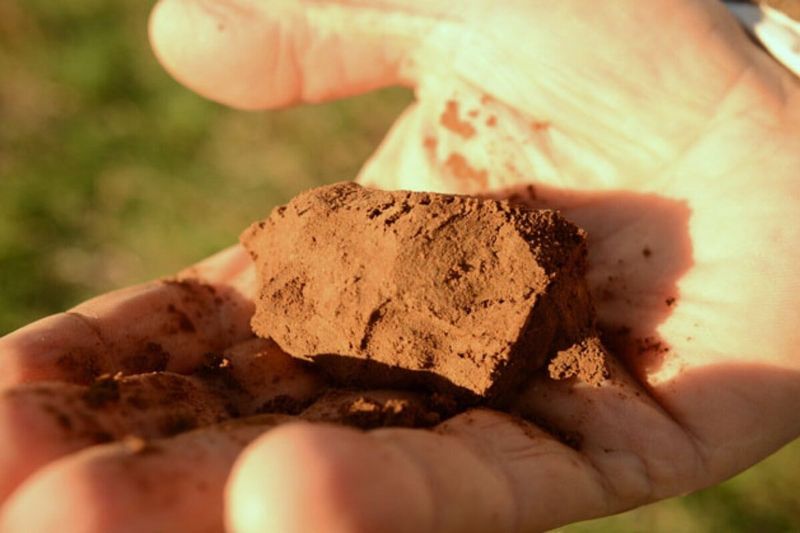
A common trap catches plenty of gardeners. The top inch of soil looks dark and muddy after rain, suggesting the job is done, while six inches down the ground may still be dusty and dry.
Roots of most garden plants live several inches deep, and trees reach much farther, so surface moisture alone won’t keep them happy. What matters is whether water has soaked into the root zone.
Testing is simple and inexpensive. A long screwdriver or soil probe pushed into the ground a day after rain slides in easily where moisture has reached that depth and stops hard where soil below remains dry.
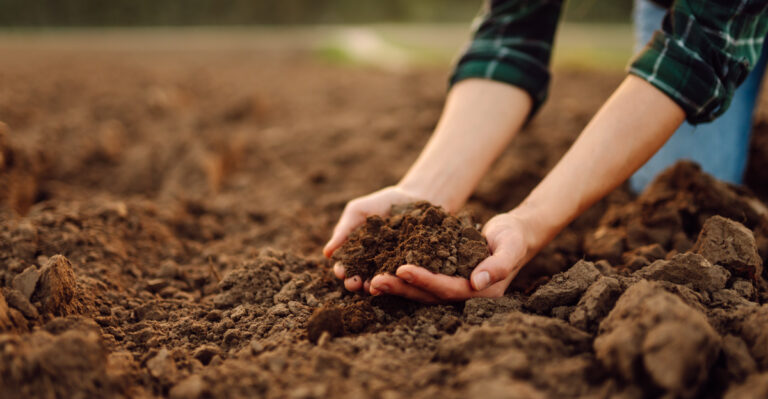
A small trowel works too. A narrow hole six to eight inches deep yields a handful of soil for a squeeze test, with moist soil holding together loosely and dry soil crumbling apart.
Several spots deserve checking, since rain rarely soaks in evenly. Areas under tree canopies, eaves, and thick shrubs often stay drier because leaves and roofs block rain, and slopes shed water faster than flat beds.
Mulch helps rain stay put. A layer of wood chips two to four inches deep slows runoff and keeps soil from drying between storms, kept a few inches from trunks and stems.
In fire-prone areas, wood chips belong beyond the first five feet of the house. Once the probe slides in easily across the yard, the watering can earn a well-deserved rest.
6. Weeds Sprout After The First Rains
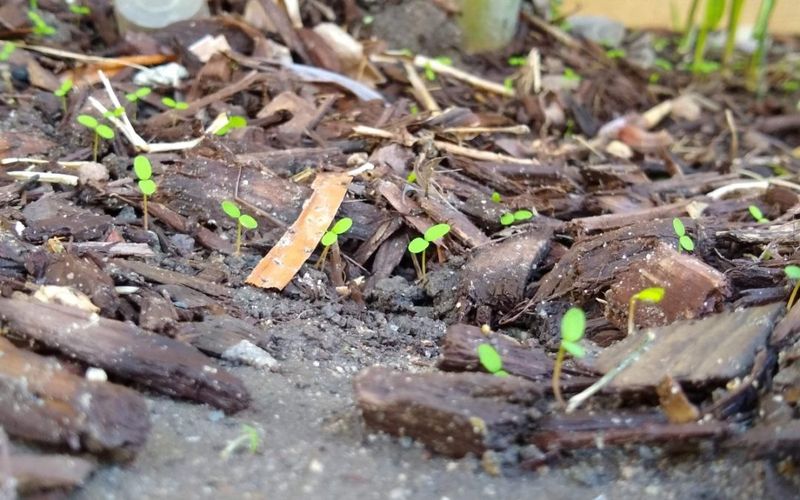
A week after a good storm, green fuzz may cover bare beds. Annoying, certainly, yet surprisingly helpful, since those little sprouts prove the soil has come back to life.
Many common weeds, including annual grasses and cheeseweed, wait in the soil as seeds through the dry summer and need steady moisture to germinate.
When they appear in large numbers, water has reached the top few inches and stayed for days.
That makes weeds a free soil moisture report. Patchy sprouting can point to dry spots or uneven coverage, while a thick, even carpet suggests rain soaked in well across the bed.
Pulling comes next. Young weeds slide out easily from damp soil, roots and all, while waiting until spring means bigger plants, tougher roots, and a fresh batch of seeds dropped for next year.
A sharp hoe works wonders on tiny seedlings. Skimmed just below the surface on a dry afternoon, it leaves them to shrivel in the sun.
For larger areas, pulling weeds and then adding a fresh mulch layer blocks the next wave.
Gloves help, and so does a watchful eye for invasive species. UC IPM’s weed identification tools and local nurseries can help name unfamiliar sprouts.
Getting ahead of weeds now saves hours of back-bending work in March. Wildflower seeds sown in fall sprout around the same time, so a careful look before hoeing protects any desired seedlings.
7. Natives Push New Growth With Rain
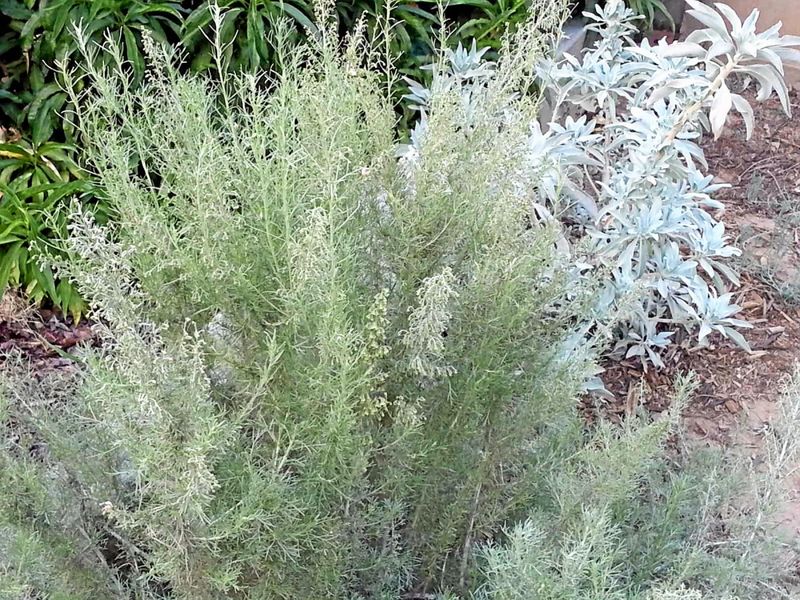
All summer, manzanita and sagebrush may look gray, dusty, and half asleep. Then the rains return, and almost overnight, fresh green tips appear, since California native plants run on a different calendar than most garden plants.
Many natives evolved with the state’s Mediterranean climate of dry summers and wet winters.
They rest through the heat and grow once moisture arrives, so new leaves on natives offer one of the clearest signs that rain has truly reached their roots.
California sagebrush, coffeeberry, ceanothus, and native bunchgrasses make good indicators. Sagebrush turns soft and fragrant, bunchgrasses send up bright green blades from their brown bases, and wildflower seeds such as California poppies may start sprouting in open soil.
Fall also makes the best time to plant natives. Cool weather and winter rain help new roots settle before summer heat, with regular water for new plantings until rains become steady. Fall CNPS chapter sales and native nurseries offer some of the year’s best selection.
Summer-dormant natives that look sleepy before the rains deserve a gentle approach. Heavy watering during hot months can lead to root rot in many of them, so cooler weather and moist soil do the coaxing best.
Heavy pruning is best held off until plants respond to the season. Light shaping works fine, while major cuts can add stress.
When natives start growing green again, the season has truly turned, and the garden can finally ease into the rhythm of California’s wet months.