8 Things Every California Gardener Should Do Before November
There is a particular kind of morning in October that feels like the garden is finally exhaling. The air has that crisp, dusty gold quality to it, the watering schedule is no longer a daily emergency, and everything just feels a little more manageable.
And here is the thing most people get wrong about this time of year: they think the gardening season is wrapping up. It is not.
In California, fall is genuinely one of the most productive and important times to be outside with your gloves on.
A few well-timed chores right now can shape how your entire yard looks and performs next spring, and skipping them tends to mean playing catch-up with weeds, soggy soil, and missed planting windows for months.
The good news is that none of this is complicated. Let’s get into it.
1. Plant Cool-Season Veggies In Your Garden
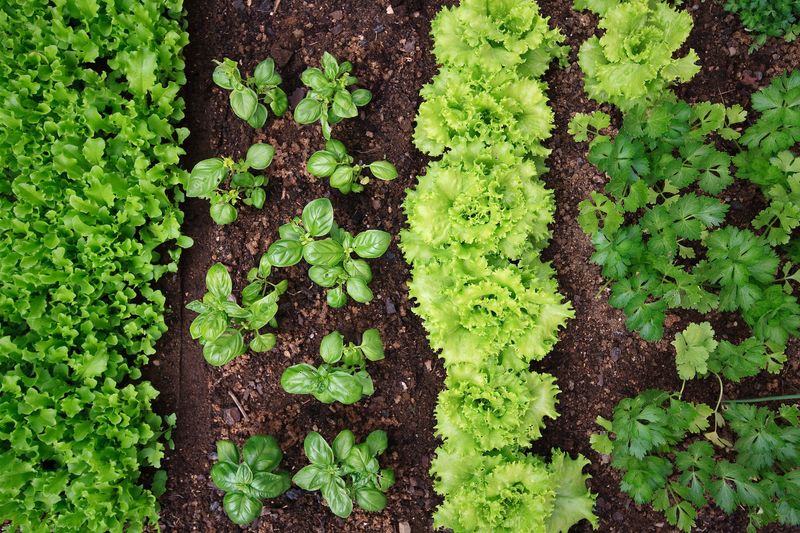
Lettuce loves a cool breeze, and October hands it one on a silver platter. Across most of California, fall is the true start of the best veggie season of the year.
Warm soil helps seeds sprout fast, while cooler air keeps leafy greens sweet and tender. Good picks include kale, spinach, chard, peas, carrots, beets, radishes, and broccoli.
Start with a sunny spot that gets at least six hours of light each day. Loosen the soil about a foot deep and mix in a few inches of compost.
Plant seeds at the depth listed on the packet, then keep the top layer moist until sprouts pop up.
Transplants work great too, especially for broccoli and cabbage. They give you a head start, so you can harvest sooner.
Space them out so air can flow between the leaves.
Fun fact: radishes can go from seed to salad in about 25 days. That makes them a great choice for kids or impatient gardeners who want quick results.
Try planting a small row every two weeks instead of all at once. Staggered sowing gives you a steady supply of fresh greens through winter.
Coastal growers can plant almost nonstop, while folks in hotter inland valleys should wait until the worst heat fades.
By the holidays, you could be tossing a salad you grew yourself.
2. Refresh Your Soil With Compost Before Rains Arrive
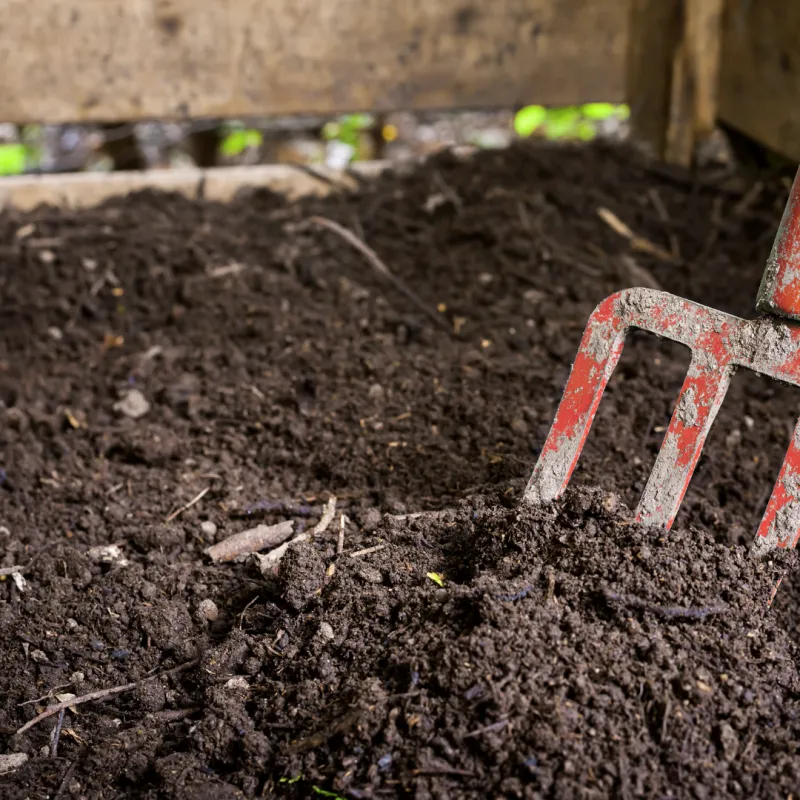
Ask any old-timer what makes a garden thrive, and you will probably hear one word: dirt. Healthy soil is the quiet engine behind every juicy tomato and bright flower.
After a long, hot summer, your beds are likely tired and low on nutrients. Plants pulled food from the ground for months.
Now is the moment to give some of it back.
Spread two to three inches of compost over your garden beds. You can gently work it into the top few inches with a garden fork or simply leave it on top.
Worms and tiny soil creatures will pull it down for you over time.
Timing matters here. Rains in California usually begin in late fall, and they help soak nutrients deep into the ground.
Your California Garden Changes Every Week. Your Plan Should Too.
Gardening in California changes quickly throughout the season. Every Friday you’ll receive a simple weekly plan showing exactly what to plant, prune, fertilize, harvest, and protect so you never miss the right timing.
Adding compost before the first storm means every drop of water carries goodness to plant roots.
Don’t have compost? Aged manure, worm castings, or shredded leaves are solid options.
Just avoid fresh manure, since it can burn tender roots.
Here is a quick tip many people miss. Clay soil, common in many parts of the state, drains slowly and packs down hard.
Compost helps break it up, letting roots spread and water move freely.
Think of it as a big, cozy meal for your yard before winter. Your plants will show their thanks in spring with stronger growth and more blooms.
3. Clean Out Gutters And Drains Around Your Garden
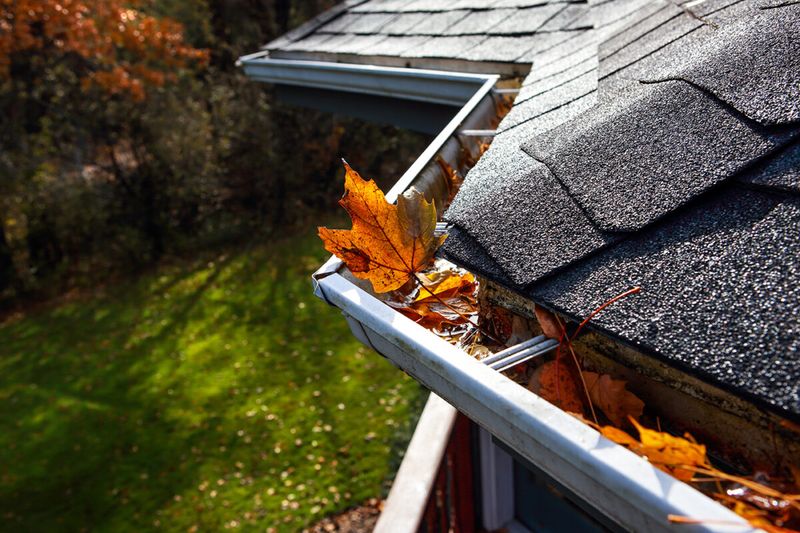
One heavy storm last year turned my neighbor’s flower bed into a muddy pond. The culprit was a gutter stuffed with dry leaves and pine needles.
Water has to go somewhere. When gutters and drains clog, rain spills over the edges and pounds the soil below.
That can wash away mulch, drown roots, and even push dirt against your house.
Before November, take an afternoon to check every gutter, downspout, and yard drain. Scoop out leaves by hand or with a small trowel.
Then run a hose through to make sure water flows freely.
Look closely at where downspouts empty. Ideally, water should flow at least a few feet away from the home’s foundation.
Splash blocks or extension tubes can help steer it in the right direction.
Here is a smart bonus move. Many California homeowners now connect downspouts to rain barrels.
A single inch of rain on a small roof can fill a barrel quickly, giving you free water for dry months. Some cities even offer rebates for buying one.
Also check low spots in your yard where puddles tend to form. Adding a gravel trench or rain garden can help soak up extra water slowly.
It may not feel like real gardening, but your plants care a lot about drainage. A little ladder time now saves you from soggy surprises later.
4. Plant Native Shrubs And Perennials Now
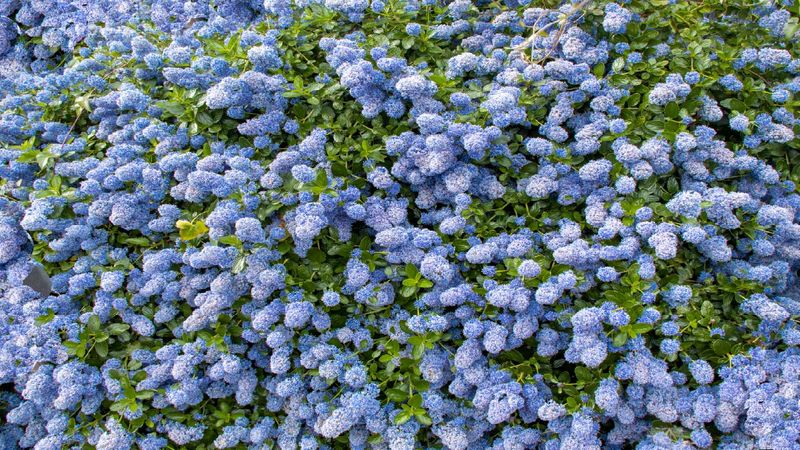
Native plant lovers have a favorite saying: fall is for planting. Gardeners in California who follow it often enjoy tougher, happier plants for years.
Why fall instead of spring? Cooler air means less stress on new plants, and winter rain does much of the watering for you.
Roots grow strong all season, so plants are ready to handle summer heat.
Natives like manzanita, ceanothus, sages, and California fuchsia evolved to thrive in our dry summers and wet winters. Once settled, many need little extra water.
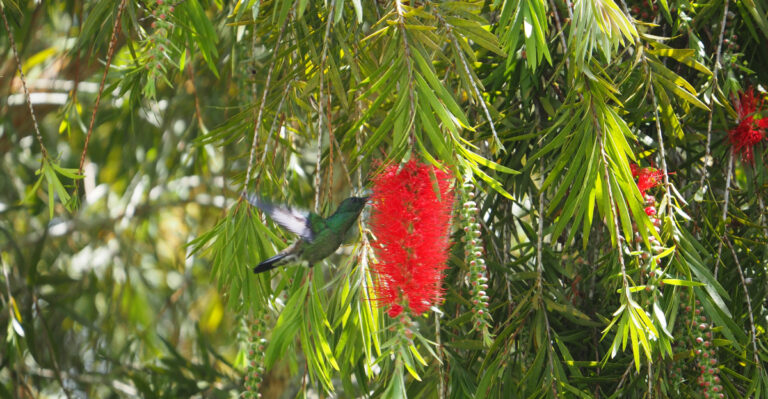
They also feed bees, butterflies, and hummingbirds that call the state home.
Dig a hole about twice as wide as the pot but no deeper. Fill it with water first and let it drain.
Then set the plant in, backfill with native soil, and water again.
Skip heavy fertilizer and rich compost for these plants. Many natives actually prefer lean soil and can struggle when pampered too much.
Did you know? The California poppy became the state flower in 1903.
You can scatter its seeds in fall, and bright orange blooms may follow by spring.
Local nurseries and native plant societies often hold fall sales. They are a fun place to find unique plants and get expert advice from friendly volunteers who know your area well.
Plant now, and next year your yard could buzz with life.
5. Adjust Your Irrigation For Cooler Weather
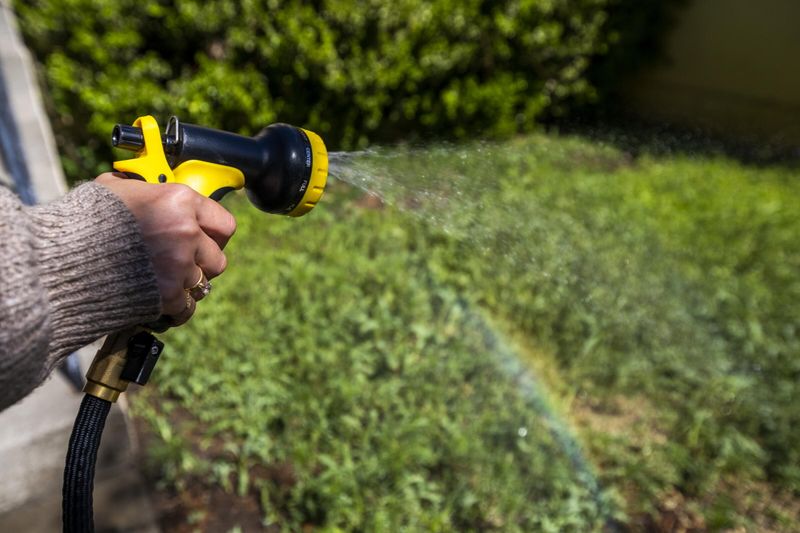
Sprinklers running in the rain are a silly sight, yet they happen all over neighborhoods every fall. Your watering timer probably still thinks it is August.
As days shorten and temperatures drop, plants need much less water. Soil also stays moist longer because the sun is not baking it all afternoon.
Overwatering in fall can lead to root rot, fungus, and wasted money.
Start by cutting your watering schedule by about a third to a half in October. Check the soil with your finger before watering.
If it feels damp an inch or two down, wait another day or two.
Smart controllers are worth a look. They use local weather data to adjust watering on their own, even pausing when rain is in the forecast.
Many water agencies in California offer rebates that make them cheaper.
Take a slow walk around your yard while the system runs. Look for broken heads, leaking drip lines, and sprinklers spraying sidewalks instead of plants.
Fixing these small problems can save hundreds of gallons each month.
Once steady rains begin, you may be able to turn off your system for weeks at a time. Just remember to switch it back on if a dry spell rolls in.
Saving water helps your plants, your wallet, and your whole community. Few garden chores pay off so quickly.
6. Prune And Tidy Up Before Wildfire Season Peaks
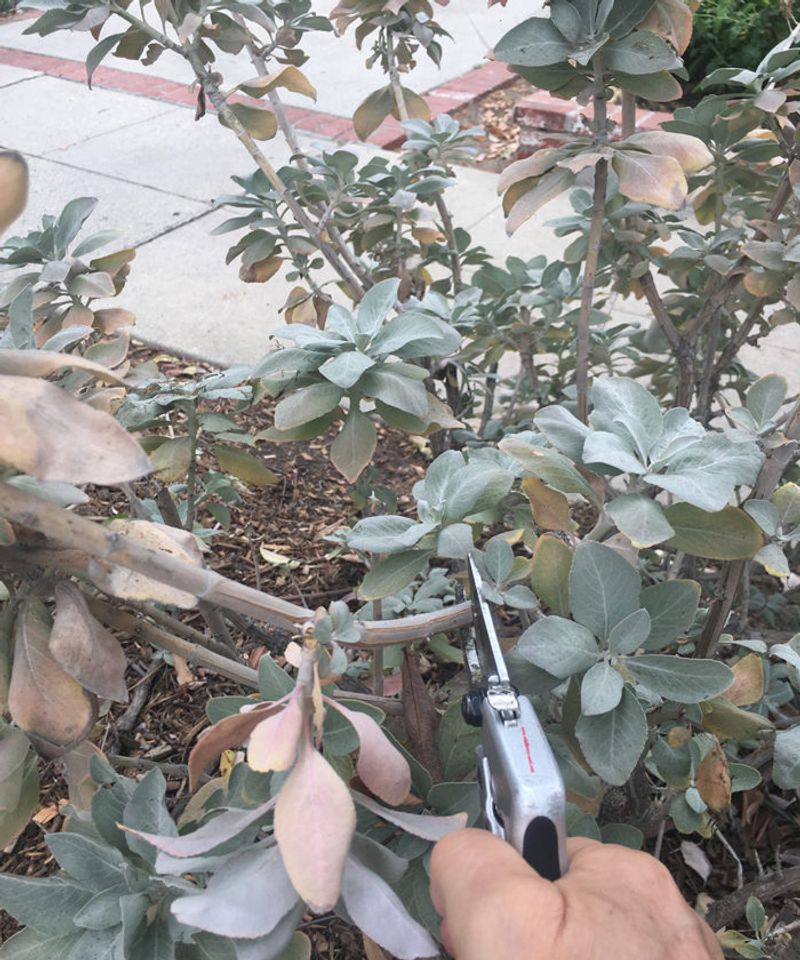
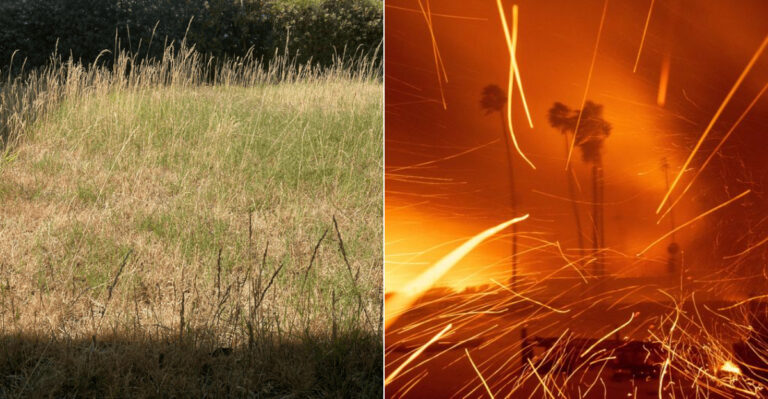
Hot Santa Ana and Diablo winds often blow hardest in fall. Those dry gusts are a big reason fire safety belongs on every gardening checklist in California.
Dry leaves, overgrown shrubs, and piles of woody debris can act like fuel near your home. Cleaning them up creates what experts call defensible space.
It gives firefighters room to work and helps slow flames.
Focus first on the area within five feet of your house. Keep it lean and clean, with gravel, stone, or well-watered low plants.
Remove dry leaves from roofs, decks, and under porches.
Next, look at trees and big shrubs within 30 feet. Trim tree branches so they sit at least six feet above the ground and stay clear of your roof.
Space shrubs so flames cannot easily jump from one to another.
Light pruning on many shrubs is fine now. Save heavy cuts on fruit trees and roses for winter, when they rest.
Chip or haul away the cuttings instead of piling them up. Some cities run free green waste pickups or chipping days in fall.
None of this means your yard has to look bare. Fire-resistant plants like succulents, lavender, and certain natives can still be lush and pretty.
A safer garden can be a beautiful one too, and peace of mind is a great reward.
7. Plant Spring Bulbs That Love California Winters
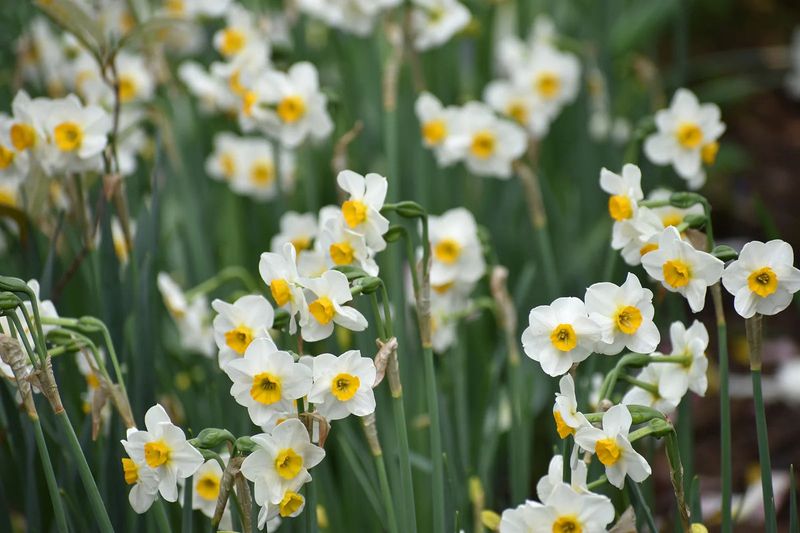
Burying something in the dirt and waiting months for a surprise feels a bit like planting treasure. Spring bulbs reward that patience with bursts of color.
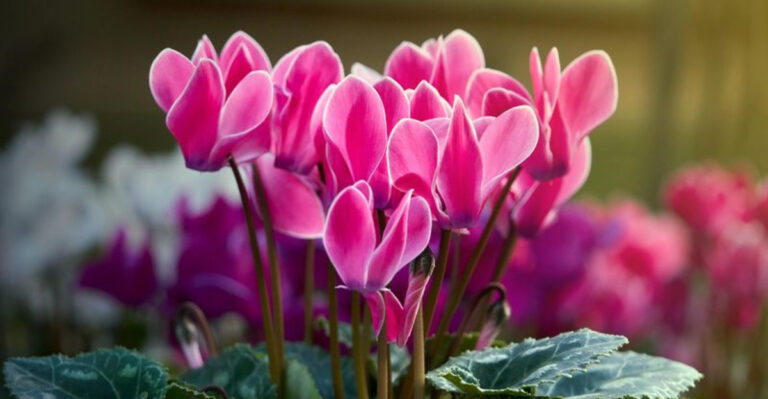
Not every bulb loves mild winters, though. Tulips and hyacinths need a long chill, so many gardeners in California store them in the fridge for six weeks first.
Without that cold nap, they may bloom poorly.
Easier choices thrive here with no fuss. Daffodils, freesias, ranunculus, anemones, and Dutch iris all handle warm winters well.
Daffodils are also a smart pick because gophers and deer usually leave them alone.
Plant most bulbs about two to three times as deep as they are tall. Point the tip upward, and the roots or flat side down.
Water them well once, then let winter rain take over.
Want a natural look? Toss a handful of bulbs gently onto the ground and plant them where they land.
The result feels less like rows and more like a meadow.
Here is a quirky bit of history. In 1630s Holland, a single tulip bulb could sell for more than a house.
Lucky for us, bulbs are much cheaper today.
Plant them in October or early November, then forget about them. Come February or March, you will get a cheerful reminder of your fall effort.
8. Mulch Generously To Protect Your Yard
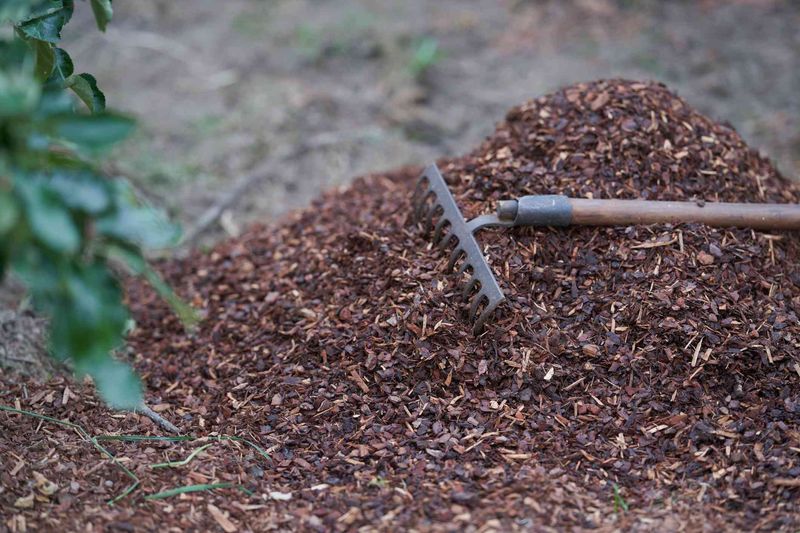
Consider mulch the cozy blanket your garden has been waiting for. A thick layer does more quiet work than almost any other material you can buy.
When winter storms hit, bare soil can wash away or crust over. Mulch softens the blow of falling rain, letting water sink in slowly.
It also blocks weed seeds from sprouting, which means less pulling later.
Spread two to four inches of wood chips, shredded bark, or leaves over garden beds. Keep it a few inches away from tree trunks and plant stems to prevent rot.
Think donut shape, not volcano.
Many cities in California give away free mulch from tree trimming projects. Local arborists sometimes drop off truckloads at no cost too.
Just ask around or check your city website.
Gravel and rock work well for succulents and some natives that dislike damp roots. Near your home, rock mulch is also a fire-safe choice compared to bark.
As wood mulch breaks down, it feeds the soil and invites earthworms to move in. Over a few seasons, even tough clay can turn darker and richer.
Finish this chore last, after planting and composting. That way, everything you worked hard on gets tucked in snugly before the rainy months arrive.
Step back, admire your tidy beds, and enjoy the calm season ahead.