Do These 8 Things To Your Tennessee Crape Myrtles Before The Summer Heat Hits
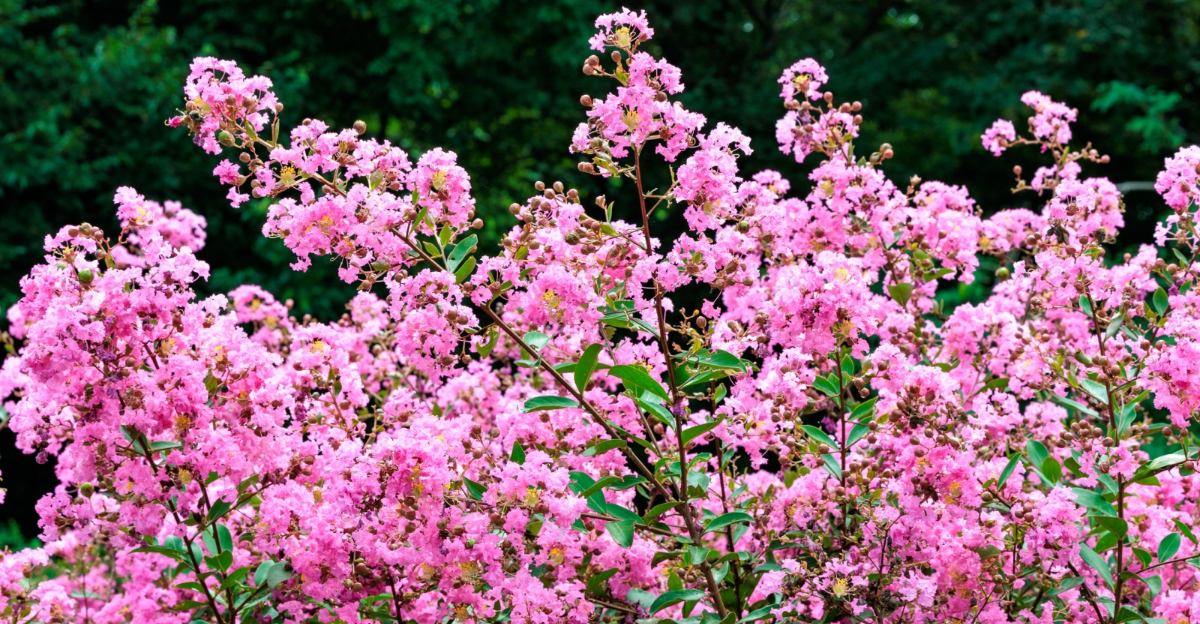
The crape myrtle outside your back porch goes completely silent one August. Not a single bloom, while every tree down the street bursts into waves of pink and crimson.
You walk outside day after day, watching and waiting for something that never comes.
A seasoned gardener wanders over, studies the branches for a quiet moment, and offers four words that shift everything: “It needed more preparation.” Tennessee summers arrive without mercy.
The heat builds fast, presses down hard, and tests every plant in the yard before you even realize the season has shifted.
Is your crape myrtle ready? With a little focused attention now, these resilient trees respond beautifully.
Across Tennessee, the crape myrtles that steal the show every season share one thing in common. They were ready.
1. Water Deeply At The Root Zone Once Or Twice A Week
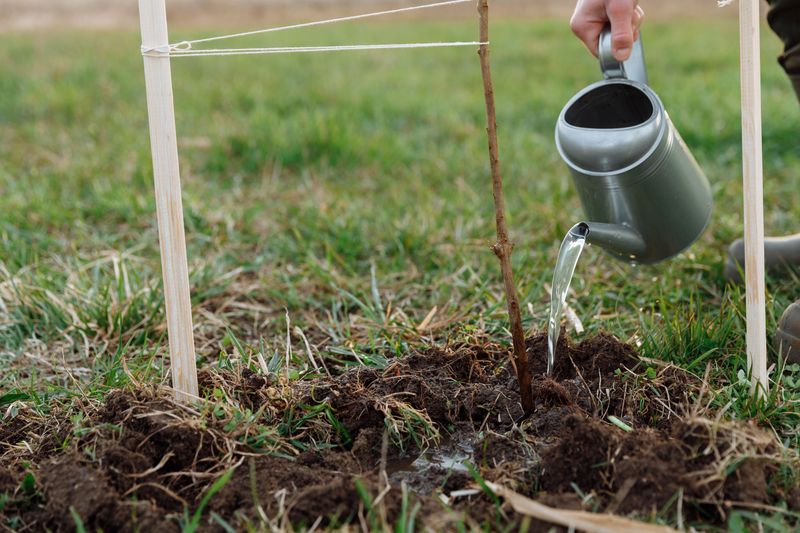
Shallow watering is a slow betrayal of your crape myrtle. When you sprinkle just the surface, roots stay near the top of the soil where they dry out fast.
Deep watering forces roots to chase moisture downward, building a stronger anchor that helps the tree survive intense summer heat.
Aim to soak the soil at least 10 to 12 inches deep each time you water. That depth encourages roots to spread wide and low, where the ground stays cooler and holds moisture longer.
Once or twice a week is usually enough, but sandy Tennessee soils may need slightly more attention than heavy clay.
Pay close attention during dry spells, since even a few days without water can set a struggling tree back significantly.
A soaker hose left running for 30 to 45 minutes near the base works beautifully. Avoid wetting the leaves or trunk, since excess moisture on foliage can invite powdery mildew.
Water early in the morning so the sun evaporates any accidental splashes before fungal issues take hold. Evening watering leaves moisture sitting on foliage overnight, which creates exactly the conditions powdery mildew needs to spread.
Consistency matters more than quantity. Irregular watering confuses the root system and produces uneven growth that weakens the tree over time.
A tree that receives reliable deep watering twice a week will outperform one that gets flooded once and forgotten. Get the roots right, and the rest of your summer care routine becomes much easier.
2. Spread 3 To 4 Inches Of Fresh Mulch Around The Base
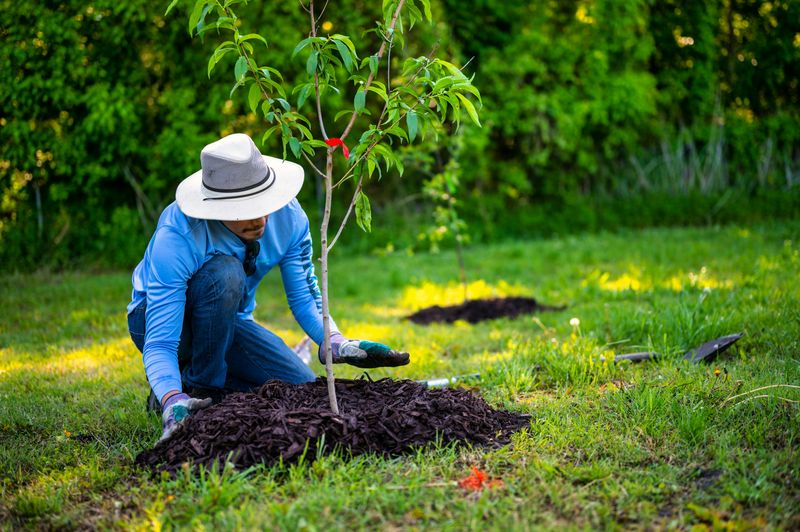
Mulch is a summer blanket for your tree’s roots. A fresh 3 to 4 inch layer around the base locks in soil moisture, keeps root temperatures stable, and blocks competing weeds from stealing nutrients.
Without mulch, bare soil bakes under the Tennessee sun and loses moisture twice as fast. Shredded hardwood, pine bark, or pine straw all work well and break down slowly enough to last through the season.
Each option offers slightly different benefits, so choose whatever is most readily available in your area. Spread the mulch in a wide circle extending at least 2 to 3 feet out from the trunk.
Never pile mulch directly against the bark. That volcano-shaped mound traps moisture against the trunk, invites rot, and creates a cozy home for insects that chew through bark.
Your Tennessee Garden Changes Every Week. Your Plan Should Too.
Gardening in Tennessee changes quickly throughout the season. Every Friday you’ll receive a simple weekly plan showing exactly what to plant, prune, fertilize, harvest, and protect so you never miss the right timing.
Leave a small gap of a few inches between the mulch and the base of the tree. If you already have old mulch from last year, rake it loose before adding a fresh topping.
Compacted mulch repels water instead of holding it in. Loose, airy mulch lets rain soak through to the roots where it belongs.
Fresh mulch also gives your Tennessee landscape a polished, finished look that makes the whole yard feel more intentional.
This one simple step can cut your watering needs significantly once summer temperatures climb. A small effort now pays off in a big way all season long.
3. Remove Any Weak, Rubbing, Or Crossing Branches
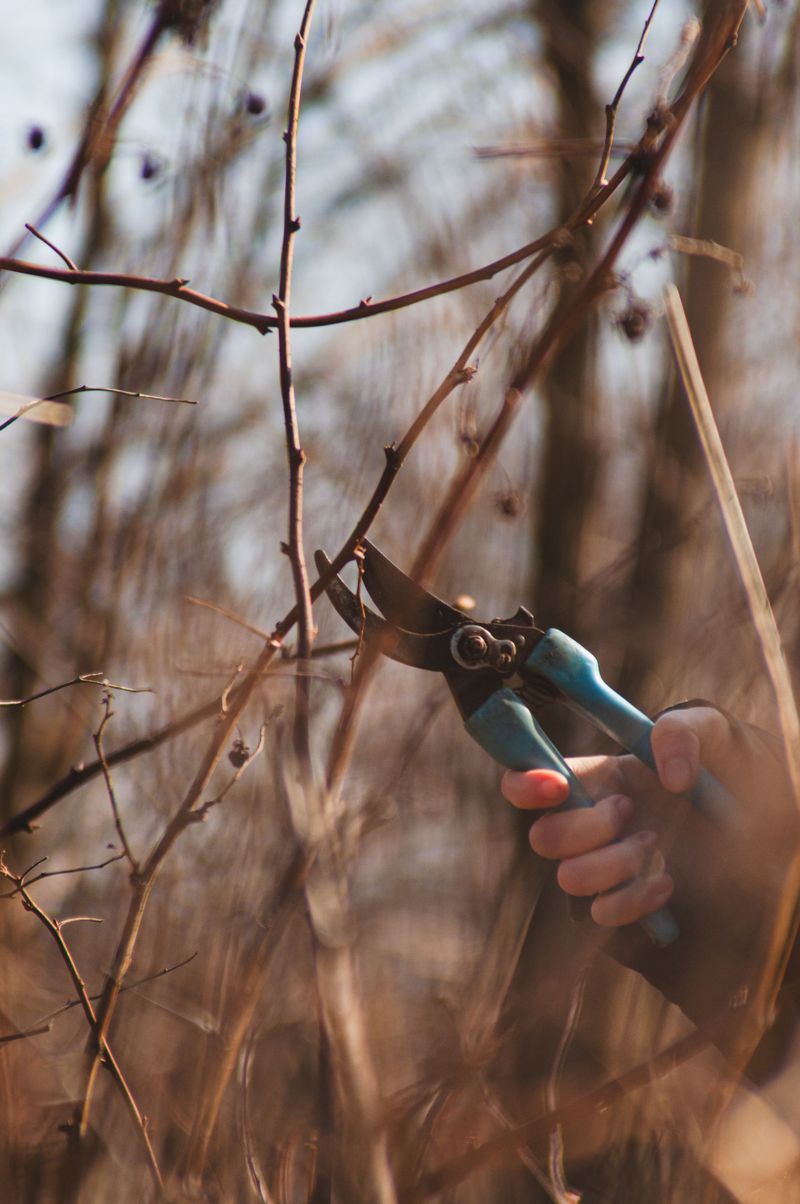
Two branches rubbing together is a wound waiting to happen. Crossing limbs grind against each other, stripping bark and opening the door to insects and disease.
Before Tennessee’s summer stress amplifies every weakness, take a close look at the branch structure and remove anything that crosses, rubs, or looks noticeably thinner than surrounding growth.
Weak branches are most likely to snap under heavy blooms or during a Tennessee thunderstorm. Removing them now protects the stronger branches and improves the overall shape of the tree.
Use clean, sharp bypass pruners for smaller branches and a pruning saw for anything thicker than an inch.
Always cut just outside the branch collar, that slightly swollen ring where the branch meets the main stem. Cutting too close or leaving a long stub both cause problems later.
Disinfect your tools between cuts if you notice any signs of disease.
A simple wipe with rubbing alcohol does the trick. The goal is not to reshape the tree dramatically but to open the canopy so air can circulate freely.
Good airflow reduces fungal pressure and helps Tennessee trees handle heat more efficiently. Think of this step as giving your tree room to breathe before the long, hot months ahead.
4. Never Top Or Stub The Main Trunks
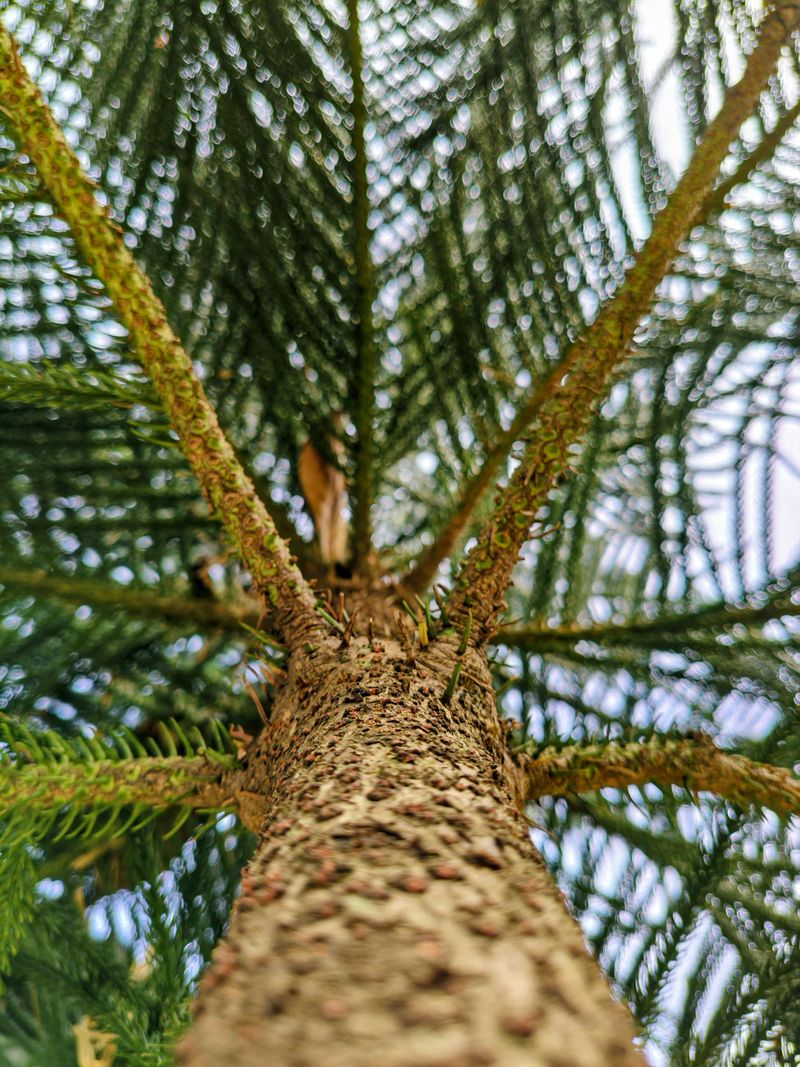
Topping a crape myrtle is one of the most damaging things you can do to this tree. Gardeners across the South have a name for it: harmful over-pruning.
When you cut the main trunks down to stubs, the tree responds by sending out a frantic flush of weak, whip-like shoots from the cut points.
These new shoots are structurally fragile and prone to flopping under the weight of flowers. They also create dense, crowded growth that blocks airflow and invites powdery mildew and aphid infestations.
Topped trees never fully recover their natural, graceful shape. Year after year, those knobby stubs grow bigger, and the tree spends enormous energy trying to compensate.
Crape myrtles are naturally beautiful trees with arching branches and attractive peeling bark worth showing off.
If your tree has outgrown its space, replace it with a smaller cultivar rather than topping it repeatedly. Varieties range from compact 3 to 4 foot shrubs all the way up to 30-foot specimens.
Choosing the right size for the right spot eliminates the temptation entirely. Proper pruning means removing only specific problem branches, never cutting the main structural trunks.
Protect the natural form of your tree and it will reward you with gorgeous blooms for decades.
5. Apply Balanced Fertilizer Before New Growth Begins
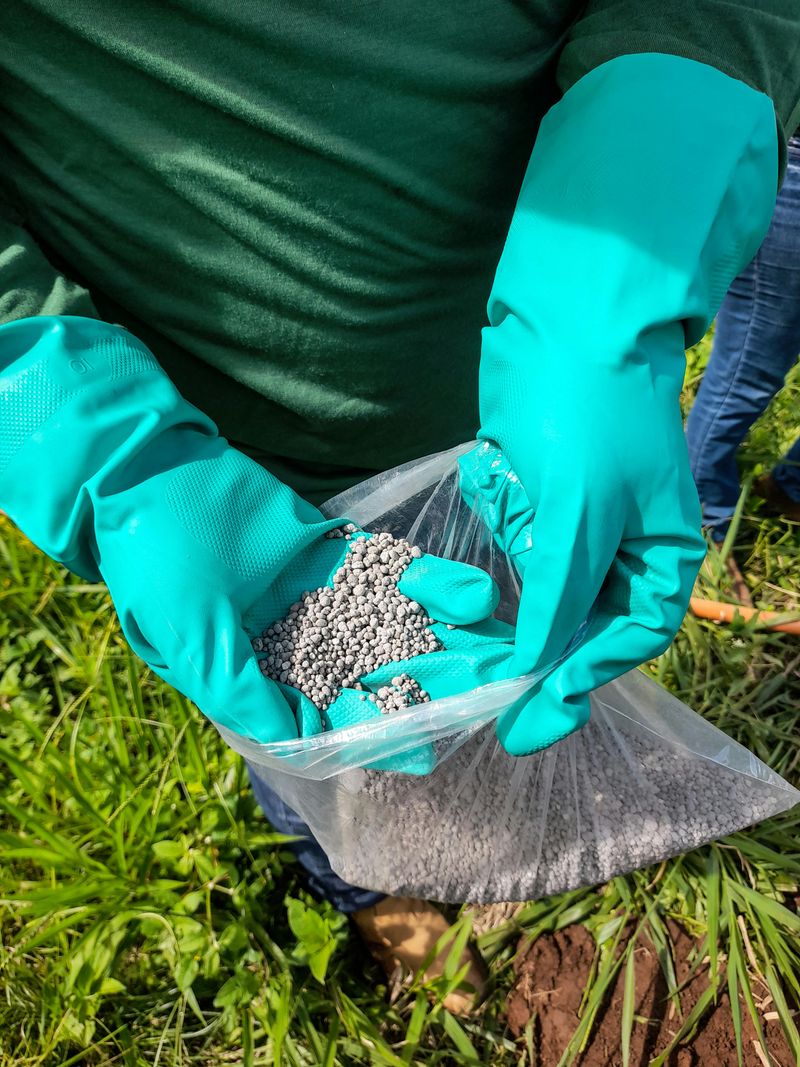
Timing your fertilizer application is everything with crape myrtles. Apply it too late and you push out soft new growth just as Tennessee’s summer heat peaks, which stresses the tree and attracts pests.
The sweet spot is early spring, right before the first signs of new growth appear on the branches. A balanced slow-release fertilizer works well for established trees.
Look for a 10-10-10 or 12-4-8 formula at your local garden center. Scatter granules evenly across the root zone, which extends out to the drip line of the canopy, then water it in thoroughly.
Avoid piling fertilizer close to the trunk since concentrated nutrients at the base can burn the roots.
Young trees may benefit from a second light feeding in early summer. Mature trees generally do fine with one spring application.
Over-fertilizing with too much nitrogen is a common mistake that produces lush green leaves but far fewer flowers. Crape myrtles bloom best when they are not over-pampered.
A soil test from your local Tennessee extension office can tell you exactly what your yard needs. Feed smart now and your trees will put on a show all summer long.
6. Ensure At Least 6 To 8 Hours Of Direct Sun Daily

Crape myrtles are sun lovers, plain and simple. Without at least 6 to 8 hours of direct sunlight each day, these trees struggle.
They produce fewer flowers, grow more slowly, and become far more susceptible to powdery mildew, which thrives in shaded, humid conditions.
Before summer arrives, walk your yard at different times of day and observe where shadows fall and for how long.
Trees planted near large oaks, fences, or buildings may be getting more shade than you realize, especially as surrounding trees leaf out in spring.
If a crape myrtle is struggling in a shady spot, consider whether selective trimming of surrounding trees could open up the canopy above it.
Sometimes removing just one or two lower limbs from a nearby tree makes a dramatic difference. Relocating a young crape myrtle to a sunnier spot is a valid option if the tree is still small enough to transplant successfully.
Established trees are harder to move without significant stress, so placement decisions matter most at planting time.
Full sun also helps the soil dry out slightly between watering sessions, which crape myrtles prefer over constantly soggy ground.
A sun-happy crape myrtle is a blooming crape myrtle, and that is exactly the goal heading into the hottest months.
7. Treat Early For Aphids With Neem Oil Or Insecticidal Soap
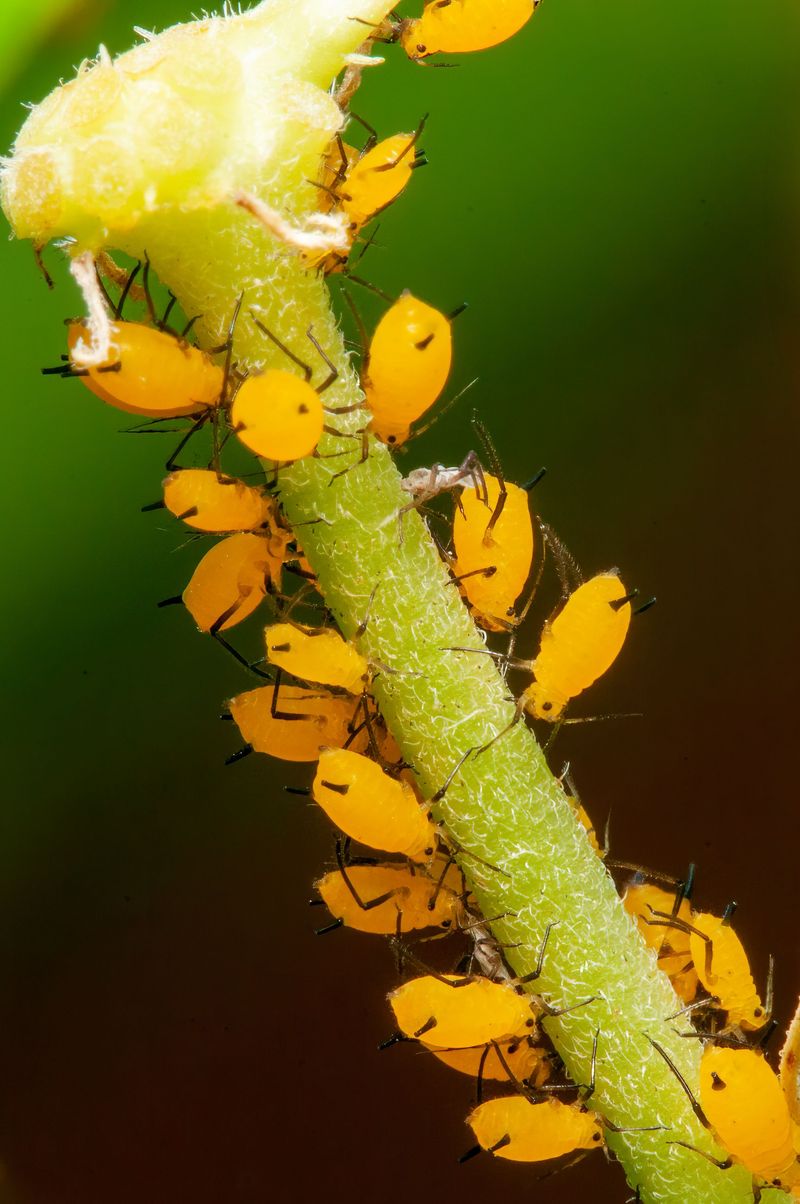
Aphids arrive on crape myrtles fast and settle in quickly. These tiny, soft-bodied insects cluster on new growth and flower buds, sucking out sap and leaving behind a sticky residue called honeydew.
That honeydew turns into black sooty mold, which coats leaves and branches and makes the whole tree look grimy and neglected.
Catching an aphid problem early, before the population grows, is the key to keeping it manageable. Check new growth tips every few days in late spring, their favorite feeding spot.
A strong blast of water from a garden hose can knock small colonies off branches before they establish. For more persistent infestation, use a labeled neem product or insecticidal soap according to directions.
Insecticidal soap sprays work similarly but can harm soft-bodied beneficial insects on direct contact, so apply carefully and only to affected areas.
Always spray in the early morning or evening to avoid burning foliage in direct sun and to protect pollinators.
Coat the undersides of leaves thoroughly since aphids tend to hide there. Repeat applications every 7 to 10 days until the population is under control.
Encouraging natural predators like ladybugs and lacewings by planting pollinator-friendly flowers nearby also helps keep aphid numbers in check.
Stay ahead of this pest now and your crape myrtles will reward you with clean, beautiful foliage all summer.
8. Remove All Sucker Shoots From The Base And Roots
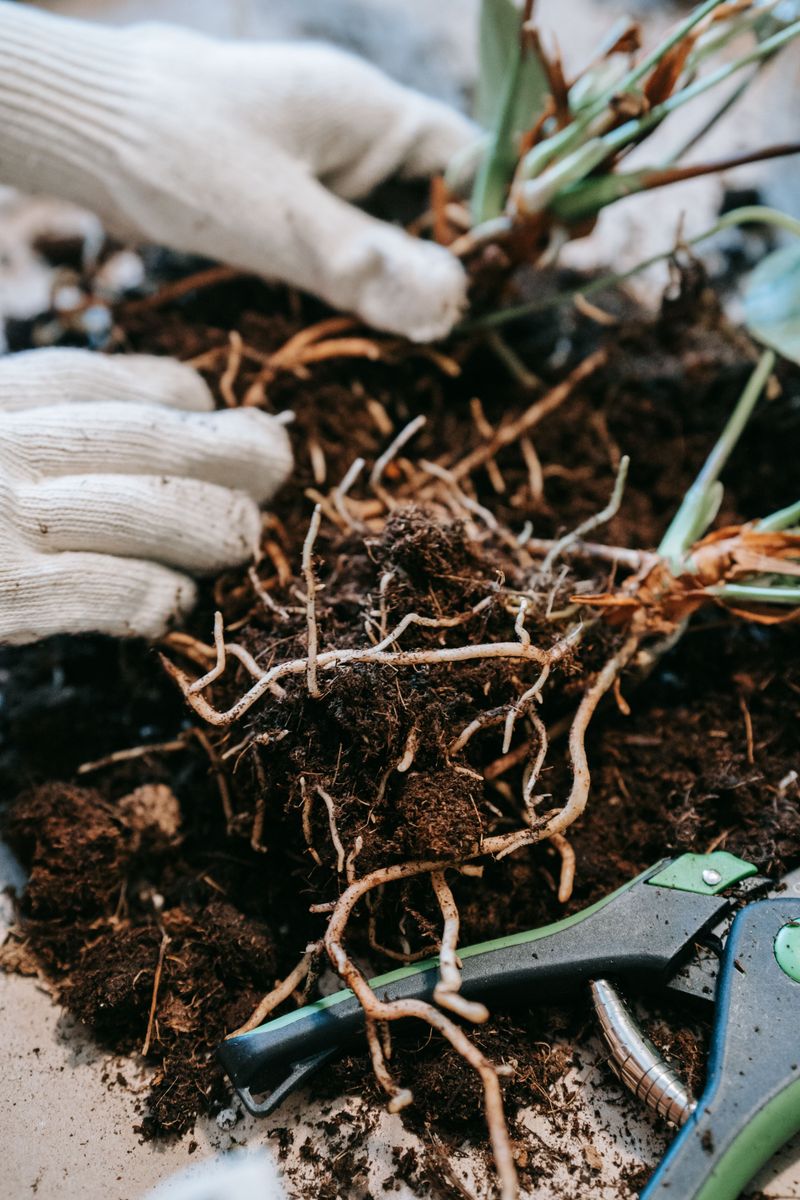
Sucker shoots are quiet energy drains hiding in plain sight. These fast-growing sprouts pop up from the base of the trunk or directly from the root system and look harmless at first glance.
Every sucker that stays on the tree pulls nutrients and water away from the main structure, weakening the overall plant and reducing flower production.
Left unchecked, suckers can turn a beautifully shaped multi-trunk crape myrtle into a tangled, bushy mess within a single growing season.
Removing them takes only a few minutes once you get into the habit. Pull suckers off by hand as close to the point of origin as possible, ideally when they are still small and soft.
Snapping them off at the base is more effective than cutting, because cutting often stimulates faster regrowth.
For suckers growing from underground roots farther from the trunk, use a hand trowel to dig down slightly and remove them at the root attachment point.
Check for new sucker growth every two to three weeks throughout spring and summer since they can reappear quickly. Some crape myrtle cultivars produce more suckers than others, so the frequency of this task varies by variety.
Consistent removal trains the tree to direct its energy upward into the canopy where it belongs.
Clean up those suckers now, and your Tennessee crape myrtles will head into summer strong, focused, and ready to bloom their best.