Creatures You Can’t Legally Remove From Your New York Home Or Garden
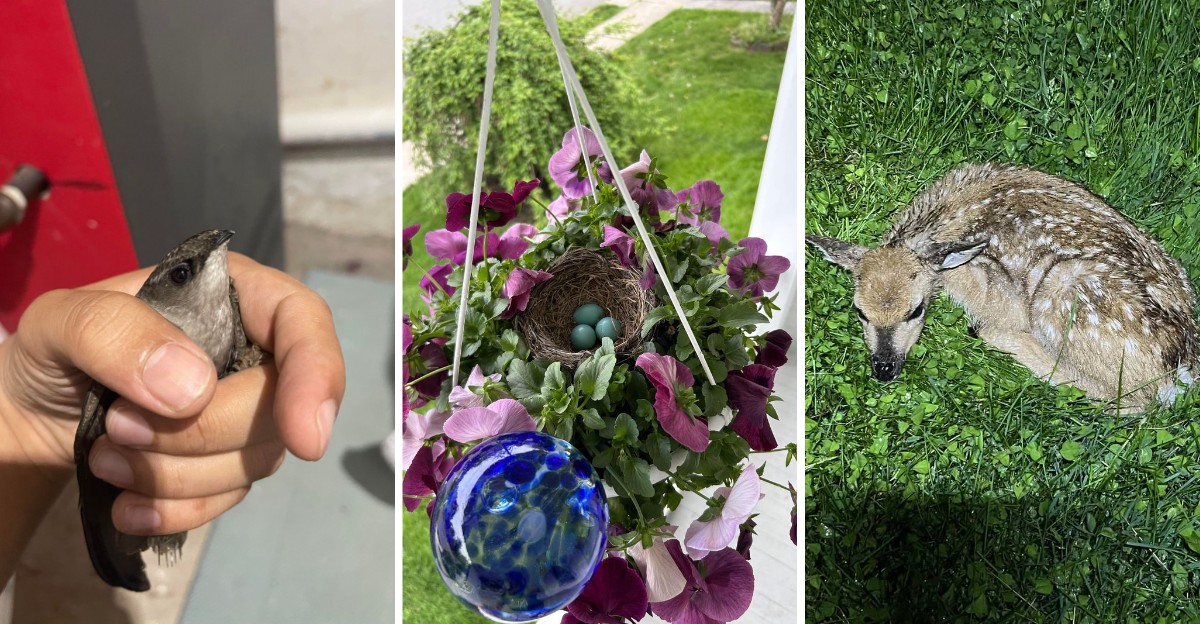
That scratching in the attic might be a roommate who never signed a lease. Across New York, homeowners find wild guests in chimneys, under decks, and tucked into porch rafters.
The first instinct is often to grab a broom and evict them on the spot. Hold that thought, because the law may say otherwise.
Many birds, bats, snakes, and turtles are protected by state or federal rules, even on private property. Removing them the wrong way can bring fines and plenty of headaches.
Most of these critters are also surprisingly helpful neighbors. Some munch mosquitoes, some gobble mice, and some add a little wild charm to your yard.
The guide below shows who’s protected and what you can actually do. Read it before you reach for that broom.
1. Bats Roosting In Attics And Soffits
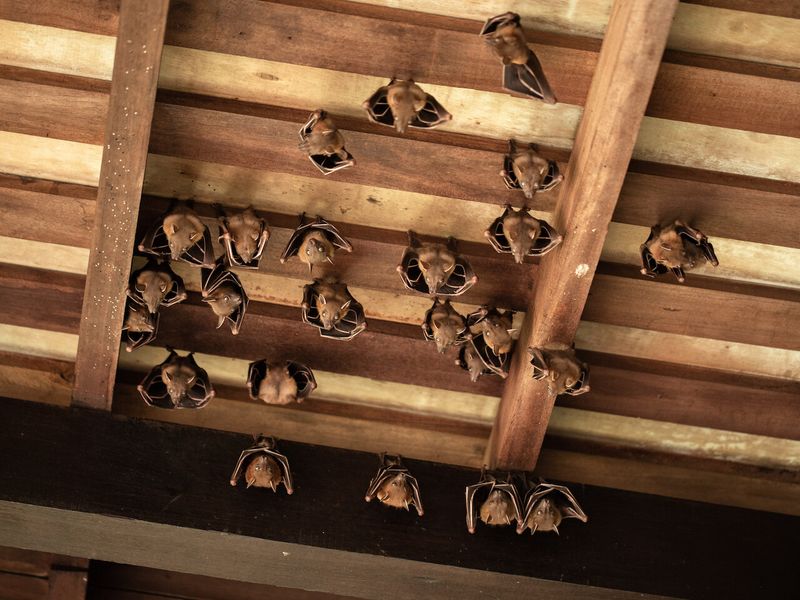
Picture a faint scratching above your bedroom ceiling right as the sun goes down. Odds are good that a small colony of bats has claimed your attic or soffit as home.
Bats are protected wildlife in New York, and some species are federally endangered too. Harming them is illegal, even when they are living inside your own house.
Trapping bats and moving them somewhere else in the state is also against the law. The only legal fix is a one-way exclusion that lets bats fly out but not return.
Timing matters more than most homeowners realize. Exclusions aren’t allowed during the summer maternity season, when flightless pups would get trapped inside.
Sources disagree on the exact dates, so confirm the current window with your regional DEC office or a licensed wildlife operator. Late summer and fall, after pups can fly, are the most common times for exclusions.
Guano, the fancy word for bat droppings, can stain ceilings, create strong odors, and soak insulation. Old piles may also carry spores linked to a lung illness called histoplasmosis.
Rabies is another concern, so avoid touching any bat with bare hands. If a bat ends up in a bedroom, call your local health department for advice.
Hiring a licensed wildlife pro is usually the smartest move here. Ask them to seal gaps after the bats leave, and consider hanging a bat house nearby as a friendly backup.
Here is a fun bonus worth knowing. A single little brown bat can gobble hundreds of mosquitoes in one summer evening.
2. Nesting Songbirds With Eggs Or Chicks
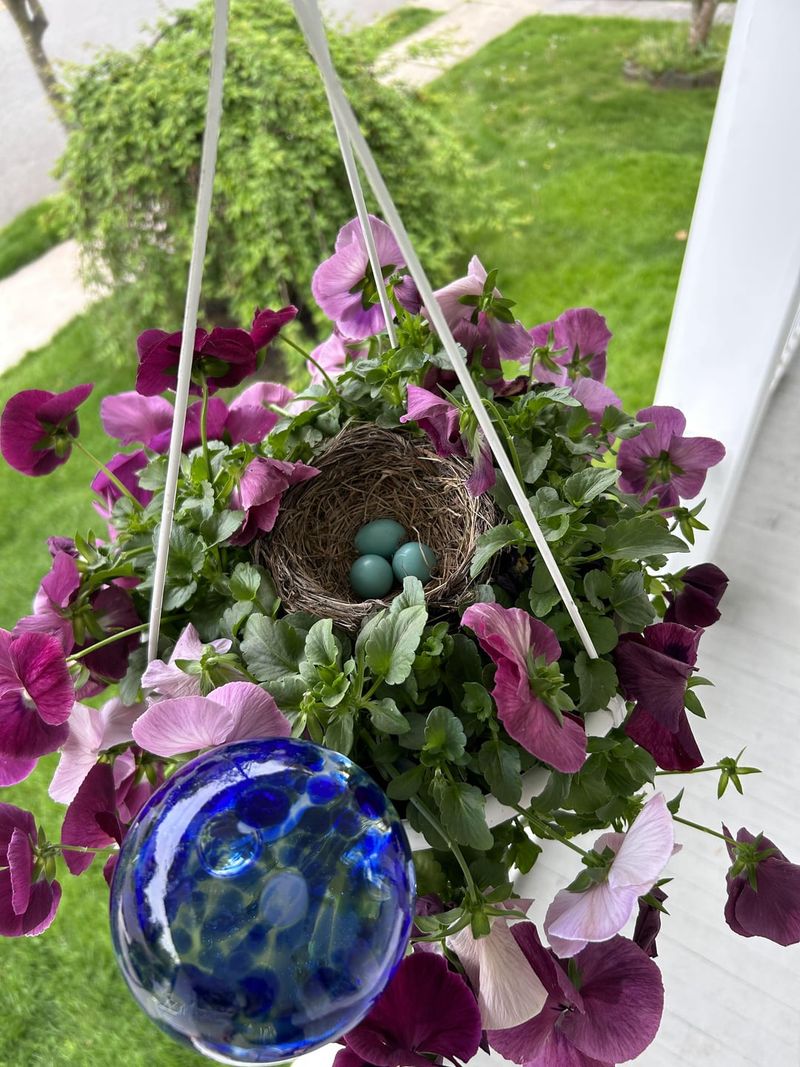
Robins love building nests in awkward spots, like porch lights or hanging ferns. Before you grab that nest, pause and take a closer peek inside.
Most native songbirds are protected by the federal Migratory Bird Treaty Act. The law makes it illegal to take birds, eggs, feathers, or nests without a federal permit.
An active nest is one holding eggs, chicks, or young birds that still depend on it. Moving or destroying one can bring serious trouble, even in your own yard.
Penalties are no joke for homeowners. Misdemeanor fines can reach $15,000, and felony cases carry even steeper penalties.
Your New York Garden Changes Every Week. Your Plan Should Too.
Gardening in New York changes quickly throughout the season. Every Friday you’ll receive a simple weekly plan showing exactly what to plant, prune, fertilize, harvest, and protect so you never miss the right timing.
Luckily, the waiting game is usually short. Many songbirds go from egg to fledgling in about two to three weeks.
While you wait, try using a different door or hanging a gentle reminder sign for guests. Keep pets indoors nearby so the parents feel safe enough to keep feeding.
Once the nest sits empty for good, you can remove it and block the spot. A bit of netting or a slanted board discourages birds from returning next spring.
One exception surprises plenty of people. House sparrows and European starlings are non-native, so the federal law does not cover their nests.
Still, double-check the species before acting, since many small brown birds look alike. A free app like Merlin can help you identify your feathered tenants in seconds.
Think of the whole experience as a free nature show right outside your window. Kids especially love watching tiny beaks pop up at feeding time.
3. Barn Swallows Under Eaves
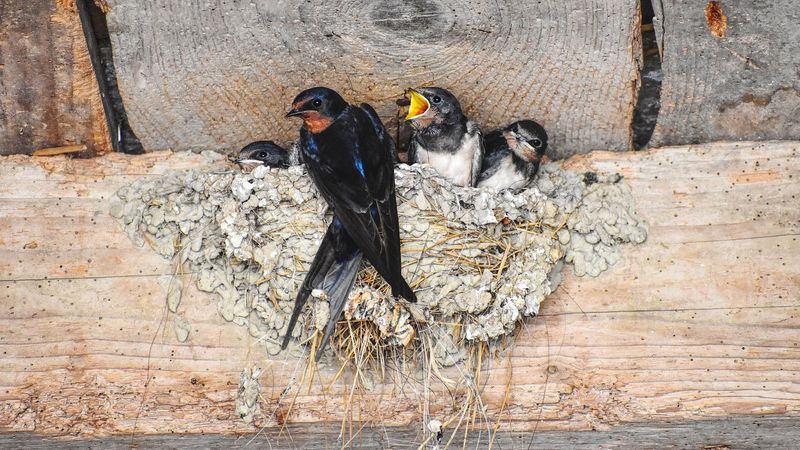
Few birds can match the aerial skills of a barn swallow. Watch one zip under your eaves, and you might think you are seeing a tiny fighter jet.
Those mud cup nests stuck to porches and garages belong to a native, migratory species. Federal law protects them, so removing an active nest with eggs or young is illegal.
Swallows build by carrying hundreds of mouthfuls of mud, one beakful at a time. A single nest can take a pair over a week of hard work.
Droppings below the nest are the most common complaint. Lay down cardboard or newspaper underneath, then toss it out every few days.
Some homeowners mount a small board a few inches under the nest to catch the mess. It is cheap, quick, and keeps your porch railing far cleaner.
Patience pays off with swallows. Most pairs finish raising their families by late summer, then head south for the winter.
After they leave, you can legally knock down empty nests and prepare for next year. Hanging bird netting or smooth flashing under the eaves makes it harder for mud to stick.
Before you rush to block them, consider their pest control perks. Barn swallows snap up flies, mosquitoes, and other flying bugs all day long.
Plenty of farmers in upstate New York welcome them for exactly that reason. You might find their cheerful chatter grows on you too.
Old folklore even says a swallow nest brings good luck to a home. Believe it or not, the birds seem to think your place is special.
4. Chimney Swifts Inside Flues
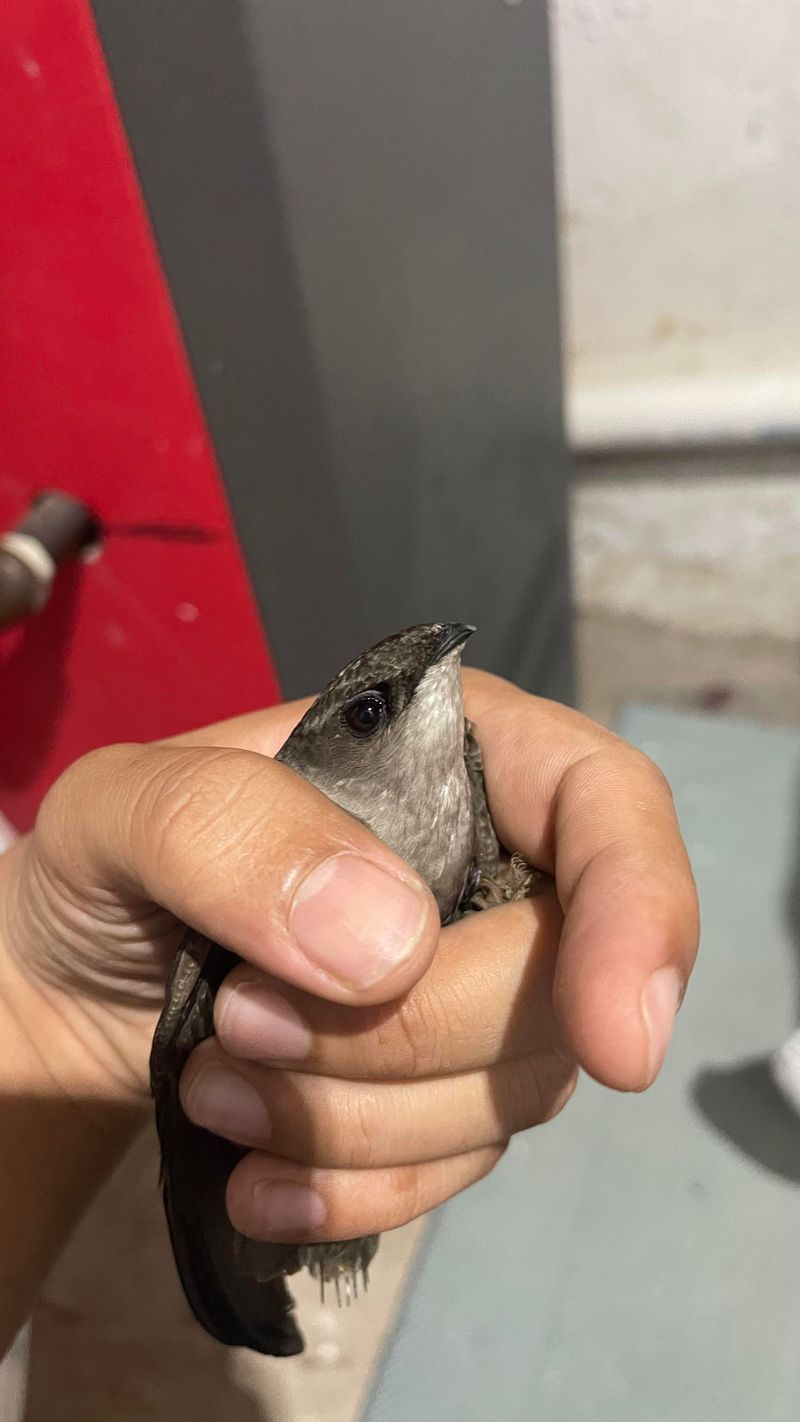
Hear a strange chattering coming from your fireplace in early summer? You may be hosting chimney swifts, birds that spend nearly their whole lives in flight.
Swifts cannot perch on branches like most songbirds do. They cling to rough vertical walls, and brick chimneys suit them perfectly.
Chimney swifts are protected by the Migratory Bird Treaty Act. Active nests with eggs or young cannot be disturbed or removed without a federal permit.
Hold off on lighting fires or scheduling a chimney sweep while they nest. Smoke and brushes can harm the chicks tucked inside the flue.
Their nests are tiny half-cups made from twigs glued together with sticky saliva. You may not even see one unless you shine a flashlight up the flue.
The noise usually peaks when hungry chicks beg for food. Closing the damper can muffle sound and keep curious youngsters from tumbling into your living room.
Most families finish up and move on by late summer. Autumn is the perfect time to hire a sweep and inspect for any damage.
Want to prevent future visits? Install a chimney cap after the birds migrate south in the fall.
Swift numbers have dropped sharply across North America in recent decades. Many New York birders leave old chimneys open to give the birds a place to rest.
A single swift can eat around a third of its body weight in insects daily. Your chimney guests are quietly helping reduce bugs around your yard all summer.
5. Hawks And Owls Using Backyard Trees
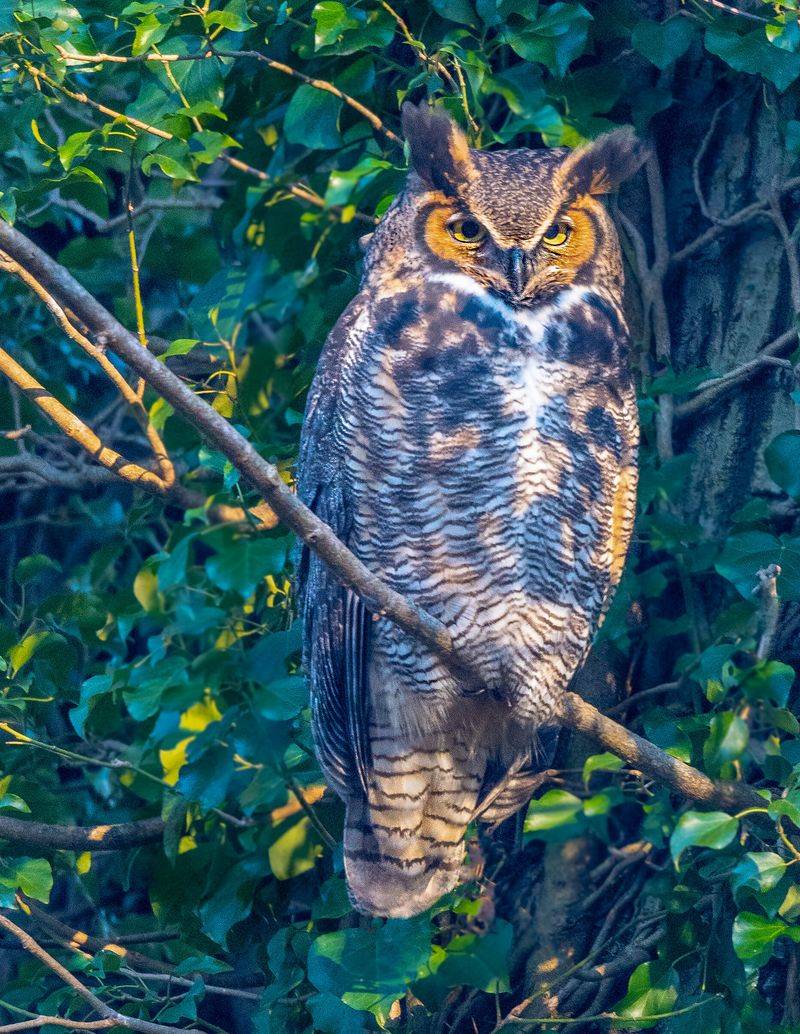
Spotting a red-tailed hawk perched on your maple can feel like a scene from a nature documentary. Hearing a great horned owl hoot at midnight is just as thrilling.
Raptors, also called birds of prey, are protected by the Migratory Bird Treaty Act. Their nests, eggs, and even loose feathers cannot be disturbed or kept without authorization.
Yes, that includes the pretty feather you found on your lawn. Admire it, snap a photo, and leave it where it landed.
Pet owners in New York often worry about small dogs and cats. Supervise tiny pets outdoors and bring backyard chickens into a covered run at night.
Nesting raptors can get defensive in spring. Give the tree plenty of space, and skip pruning or cutting until the young have flown off.
Arborists can help you check when a nest is no longer in use. Many raptors reuse the same nest year after year, so plan any tree work carefully.
Owls and hawks are amazing rodent hunters. A single barn owl family can eat over a thousand mice and rats in one season.
Skipping rat poison helps keep these helpers healthy. Raptors that eat poisoned rodents can become very sick themselves.
Grab a pair of binoculars and keep a simple journal of what you see. Kids especially enjoy tracking when fluffy owlets first appear on a branch.
Seeing an injured raptor is a different story. Contact a licensed wildlife rehabilitator rather than trying to handle those sharp talons and beaks yourself.
6. Native Snakes Under Decks And In Gardens
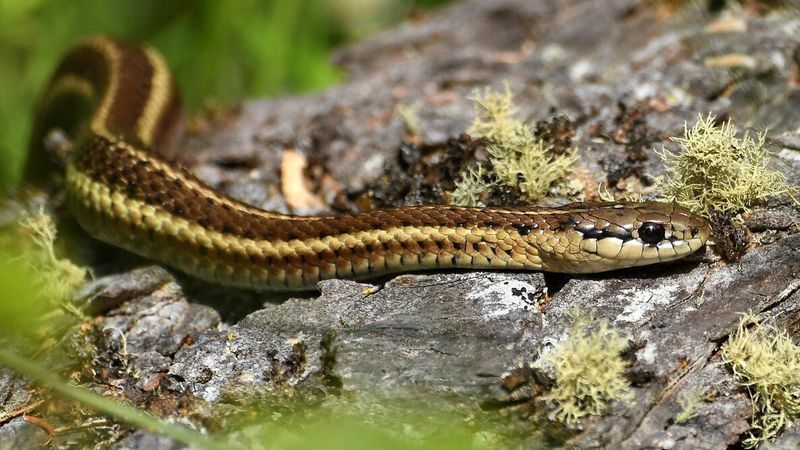
Lifting a garden hose and finding a striped snake underneath can make anyone jump. Take a breath, because most snakes in your yard are harmless and helpful.
All native snakes in New York are protected under state Environmental Conservation Law. Capturing, moving, releasing, or harming one is illegal without proper approval.
Garter snakes, milk snakes, and brown snakes are common backyard visitors across the state. They feast on slugs, mice, and insects that would otherwise wreck your vegetable beds.
Decks attract snakes for simple reasons: shade, shelter, and a steady supply of prey. Reduce those perks, and your scaly visitors will likely drift elsewhere.
Keep grass trimmed and clear away woodpiles, rock heaps, and clutter near the house. Seal gaps around foundations and use hardware cloth to close openings under decks.
Timing is key if you plan to block a space. Wait until the snake leaves on its own, which usually happens on warm, sunny days.
Controlling rodents matters too. Fewer mice means fewer reasons for snakes to hang around your shed or garage.
Should a snake become a real nuisance or cause damage, reach out to the DEC. A permit may be required before anyone takes action.
Teach kids to look, not touch, when they spot a snake. Even harmless species may bite if grabbed, and a respectful distance keeps everyone calm.
Here is a quirky fact for snake skeptics. Garter snakes give birth to live young instead of laying eggs, sometimes dozens at once.
7. Timber Rattlesnakes Near Rock Walls
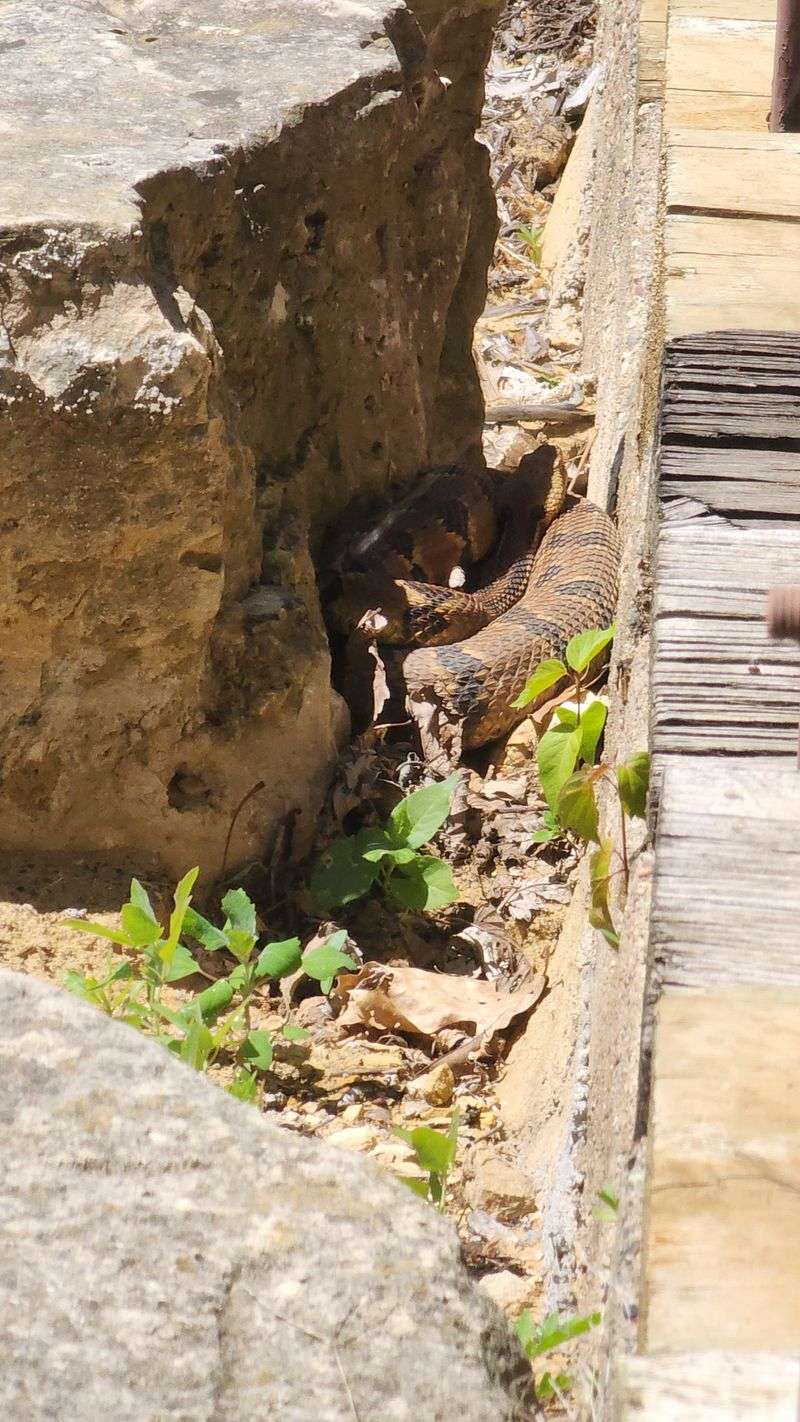
Rocky hillsides and old stone walls in the Hudson Valley hide one of the state’s rarest reptiles. Meet the timber rattlesnake, a shy creature with a famous tail.
Timber rattlesnakes have been listed as a Threatened species in New York since 1983. Populations dropped after years of bounties, habitat loss, and unfair persecution.
State law makes it illegal to annoy, harm, or take one. Their dens, mating spots, and hunting grounds are also protected from changes.
Spotting one near your property can feel scary, but rattlers avoid people whenever possible. Most bites happen when someone tries to handle or move the snake.
Back away slowly and keep at least ten feet of space between you and the snake. Keep children and pets away, and let it move along on its own.
Sometimes a rattler parks itself by a doorway or play area. Call 911 or the DEC Division of Law Enforcement dispatch for help instead of acting alone.
Wearing sturdy boots helps when hiking or doing yard work near rocky areas. Watch where you place hands while moving stones or reaching into brush.
Coloring varies a lot, from yellow with dark bands to nearly black. The telltale rattle, though, gives a clear warning when a snake feels threatened.
Females may give birth only every three to five years. Slow breeding is a big reason every single snake matters to the population.
Ecologists say rattlers help control mice that carry Lyme disease ticks. A quiet neighbor on the rock wall may actually be doing you a favor.
8. Wild Turtles You Can’t Take Home
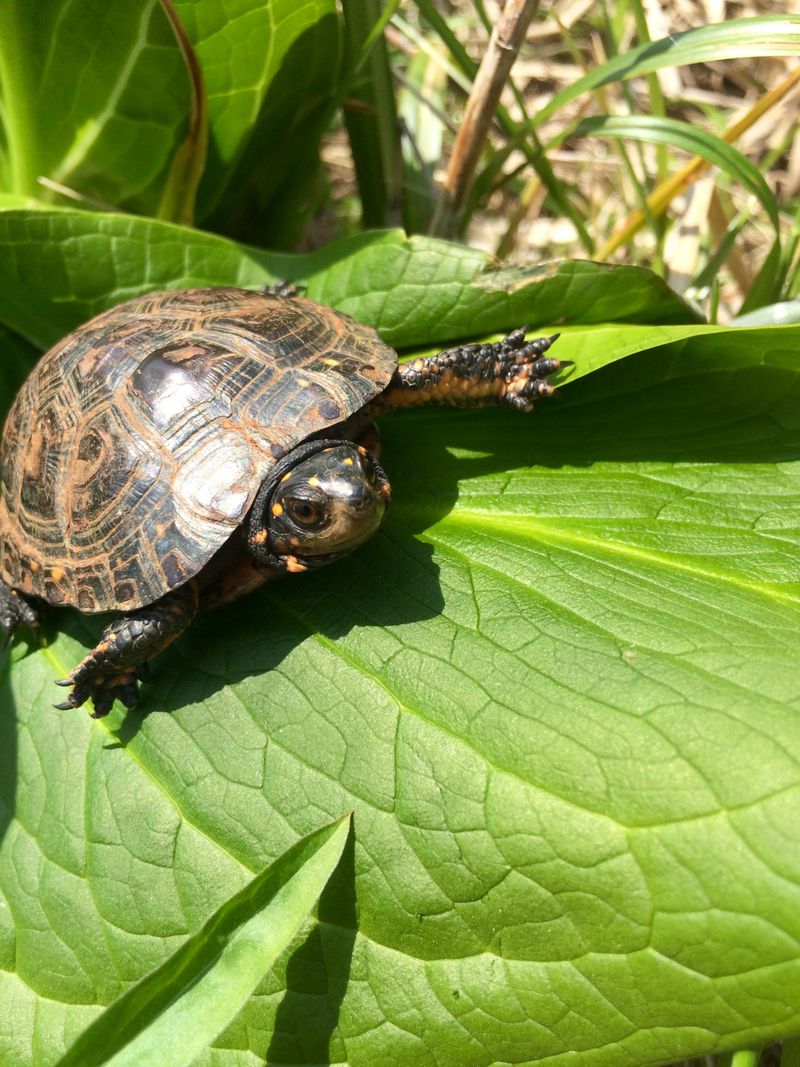
A painted turtle sunning itself on a garden rock looks like the perfect pet. Resist that urge, because taking it home could land you in legal hot water.
All native turtles in New York are protected by law. Keeping one as a pet requires a DEC permit, even if you just found it.
Possessing, buying, selling, or transporting protected native reptiles is illegal. The common snapping turtle is the main exception, taken only with a hunting license in season.
Box turtles have a strong homing instinct and often stay in a small area their whole lives. Moving one even a mile away can leave it lost and stressed.
Turtles also grow slowly and can live for decades. Removing even a few adults can harm a local population for many years.
Spring and early summer bring nesting females into yards and gardens. A turtle digging in your flower bed is likely laying eggs, so give her space.
Road crossings are where you can safely lend a hand. Move the turtle to the shoulder in the direction it was heading, not back where it started.
Snapping turtles deserve extra caution because of their powerful jaws. Let them cross alone or gently guide them with a broom from behind.
Help turtles in your garden by leaving a brushy corner and avoiding pesticides. A shallow dish of water during dry spells also makes a welcome stop.
Curious kids can still learn plenty by observing. Snap photos, note the shell pattern, and share sightings with a local nature center.
9. Baby Wildlife You Shouldn’t Bring Inside
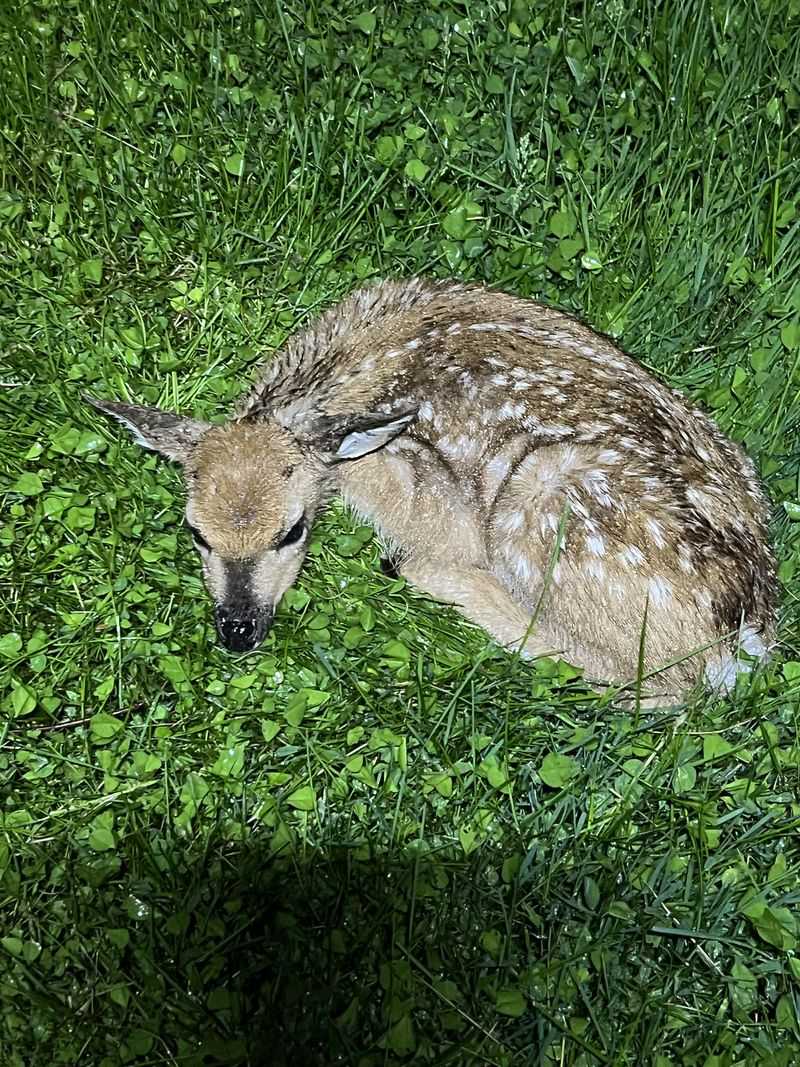
Every spring, well-meaning neighbors scoop up fawns, fledglings, and baby bunnies thinking they are abandoned. Most of the time, the parents are just out of sight.
Deer mothers leave fawns hidden in tall grass for hours to keep predators away. Rabbit mothers visit their nests only a few times a day, mostly at dawn and dusk.
Fledgling birds hopping on the ground are often learning to fly. Their parents keep feeding them nearby, so watch from a distance before stepping in.
Federal law blocks people from adopting young wild birds. In New York, moving wild animals off your property without professional help is also prohibited.
Relocating babies can spread disease and cause serious stress. Even a cozy shoebox in your kitchen cannot replace a wild mother’s care.
Hatchling turtles may seem helpless, but they are built to survive on their own. Leave them where they are unless they face obvious danger, like traffic.
Signs of real trouble include visible wounds, swarming flies, or a baby crying for hours. A parent hit by a car nearby also signals a need for help.
Contact a licensed wildlife rehabilitator in those situations. The DEC website lists rehabbers by county, so save a number in your phone now.
Keep pets inside if you spot a nest or hidden fawn near your yard. A day or two of patience usually gives the family time to move on.
Giving wildlife space can feel hard when your heart says help. Across New York, that simple restraint protects animals far better than a rescue could.