Creeping Charlie Keeps Coming Back In Pennsylvania Yards (Here’s The Fall Fix)
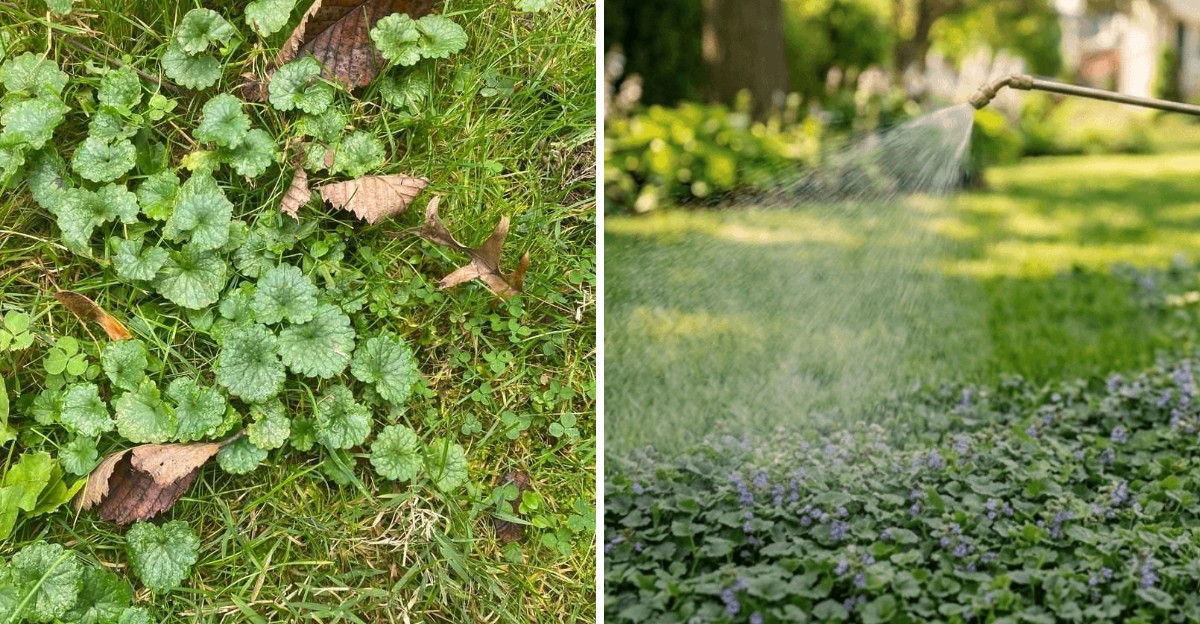
Crush one leaf of this lawn invader and your fingers will smell like mint. That cheerful scent hides a stubborn streak, because every stem joint that touches soil can grow brand new roots.
Settlers once brewed it into tea and even used it to flavor beer before hops caught on. Now it creeps under fences, slips into flower beds, and laughs at the mower all summer long across Pennsylvania.
I used to yank it out by the handful in July and feel very proud. A few weeks later, the same patch looked thicker than before. You might know that sinking feeling too.
The twist is that the calendar matters more than muscle here. Autumn changes how this plant behaves underground, and smart gardeners use that shift to their advantage.
1. Those Minty Scalloped Leaves Have A Sneaky Survival Trick
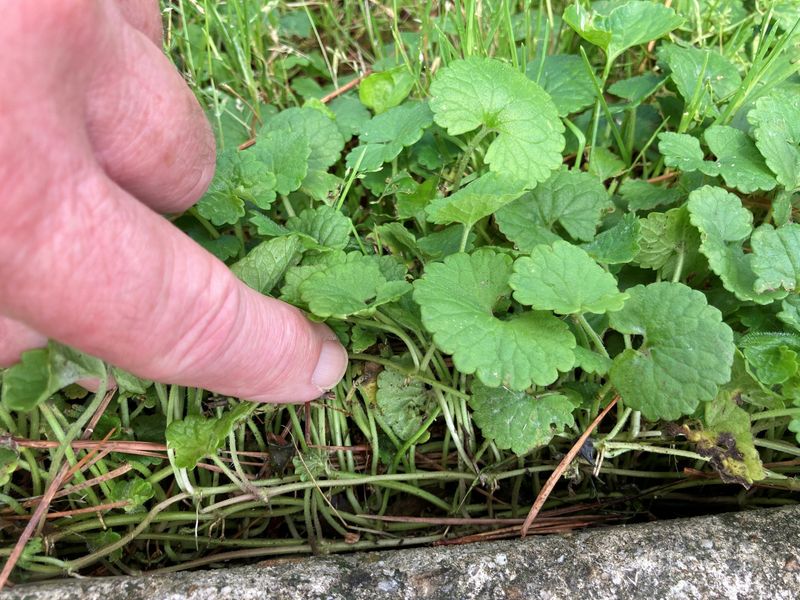
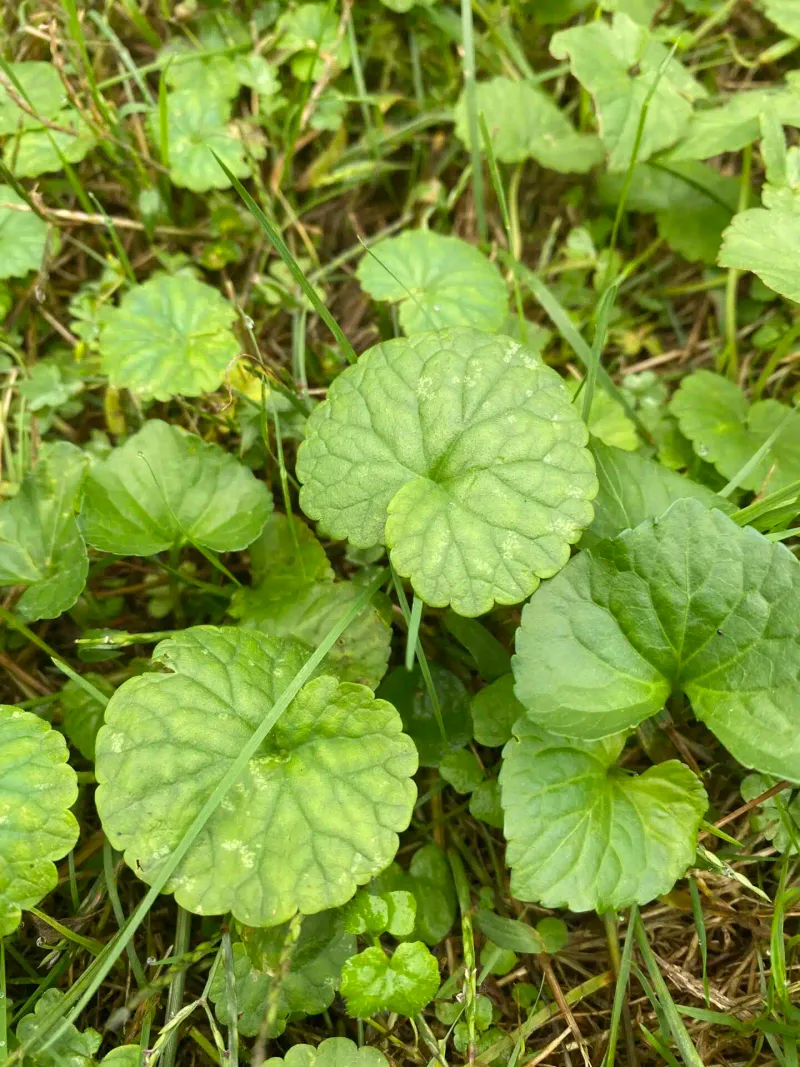
Ground ivy, the plant most of us call creeping Charlie, is a member of the mint family. You can tell by its square stems, its round leaves with scalloped edges, and that minty smell when you step on it.
Its real secret is the stolon. These creeping stems run along the ground and can sprout roots at each node, which is the little joint where a leaf grows. One plant quickly turns into a web of rooted pieces that act like separate plants.
That is why pulling or mowing often backfires. Break a stem into bits, and each rooted piece can keep growing. Penn State Extension and other university experts list it among the toughest broadleaf weeds in home lawns.
The plant came from Europe and Asia and was brought to North America on purpose. People used it as a medicinal herb and a ground cover. It escaped gardens long ago and now shows up in yards across the eastern states.
In spring, it sends up tiny purple, funnel-shaped flowers. Those blooms make it easy to spot, but spring is not the best moment to fight it. The real opening comes later, once the weather cools and the plant starts packing for winter.
2. Cool Autumn Days Send Ground Ivy Energy Straight To Its Roots
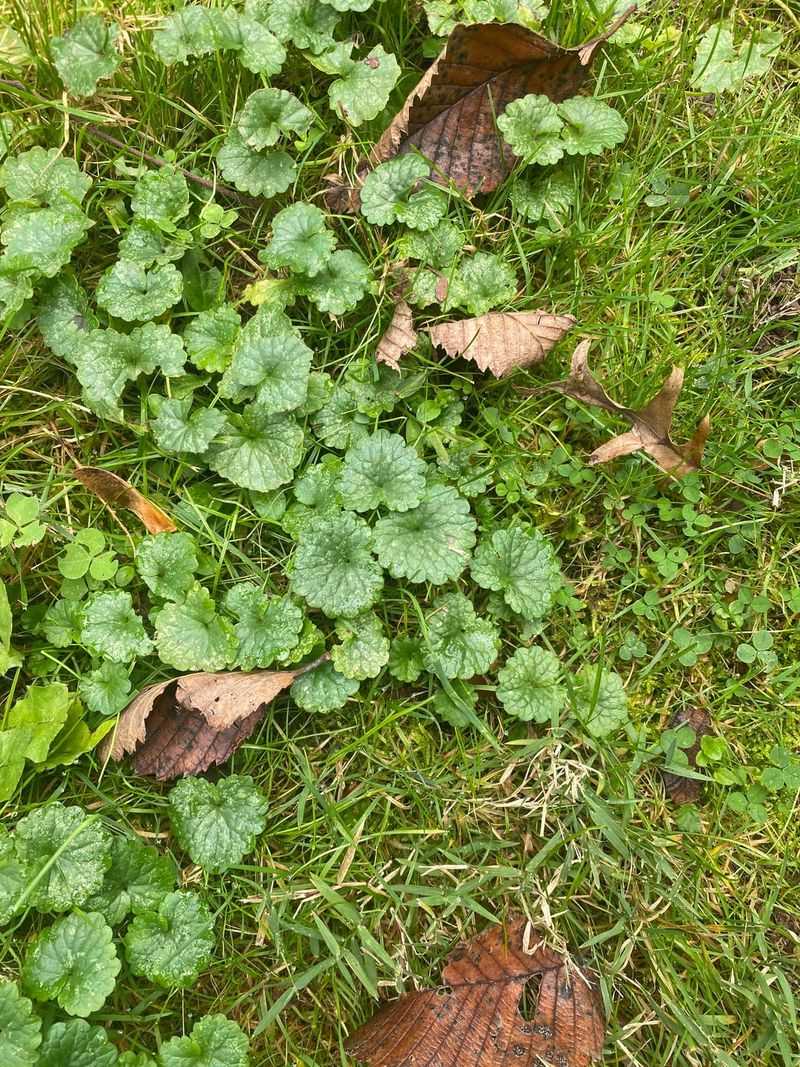
Fall is when creeping Charlie gets a little careless. As days shorten and nights cool, the plant moves sugars and stored energy down into its roots and stolons for winter.
Here is why that matters to you. A systemic weed control product moves through the plant along with that flow of energy. In autumn, the product rides the same path downward, reaching the parts that usually help it bounce back.
Spring sprays mostly scorch leaves while the plant is pushing energy up and out. You may see browning, but the roots often shrug it off. A fall treatment hits much closer to the core.
In most of Pennsylvania, the sweet spot runs from mid-September through October. Folks in the warmer southeast near Philadelphia may have a bit more time. Gardeners in the northern tier and higher mountain areas should aim earlier, since frost arrives sooner there.
Many extension specialists suggest treating once in early fall and again a few weeks later if needed. Another popular rule is to spray after the first light frost, while leaves are still green and active. A hard freeze that browns the foliage closes the window.
3. Pick A Broadleaf Spray With Triclopyr Over Plain 2,4-D
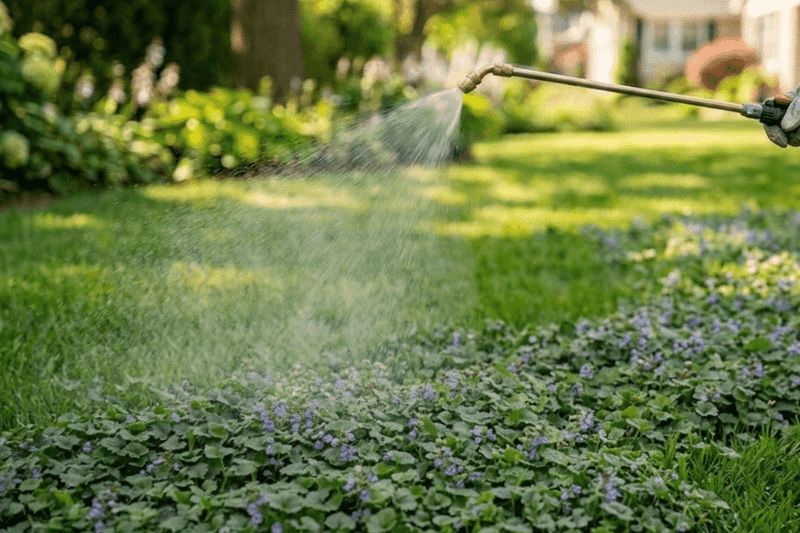
Grab the wrong bottle, and you will waste a weekend. Plenty of lawn products contain only 2,4-D, and university research shows that ingredient alone does a poor job on creeping Charlie.
Look instead for triclopyr on the label. It works well by itself or paired with fluroxypyr. Many three-way products also mix triclopyr with 2,4-D and dicamba, and those tend to perform nicely too.
Timing the spray matters as much as the product. Apply on a dry, calm day when temperatures sit roughly between 60 and 85 degrees. Skip it if rain is expected within a day, since water can wash the product off before it soaks in.
Hold off on mowing for a few days before and after treatment. You want plenty of leaf surface to absorb the spray. Freshly mowed patches simply have less to grab.
Read the label carefully and follow it. The label is a legal document, and it lists rates, safety gear, and when kids and pets can return. Keep sprays away from flower beds and vegetable gardens, since these products can harm many garden plants too.
4. One Fall Spray Rarely Finishes Off A Creeping Charlie Patch
Patience is a gardener’s best friend with this weed. Even a perfectly timed fall spray usually leaves a few survivors hiding under grass blades or along the fence line.
Plan on a second application about two to four weeks after the first, if the label allows it. That follow-up catches pieces that missed the first round. Many university experts say full control can take a couple of seasons.
Spot treating saves money and protects nearby plants. A small pump sprayer lets you target only the patches instead of blanketing the whole lawn. I find it oddly satisfying to walk the yard and hunt down every green clump.
Expect slow results. Treated leaves may curl, twist, or fade over one to three weeks rather than overnight. Resist the urge to spray again just because nothing looks different after a few days.
Next spring, watch for those purple blooms. They act like little flags showing where plants slipped through. Mark those spots with a flag or a photo on your phone, then target them again the following autumn when your chances look best.
5. Thick Grass Mowed At 3 To 4 Inches Crowds Out The Creeper
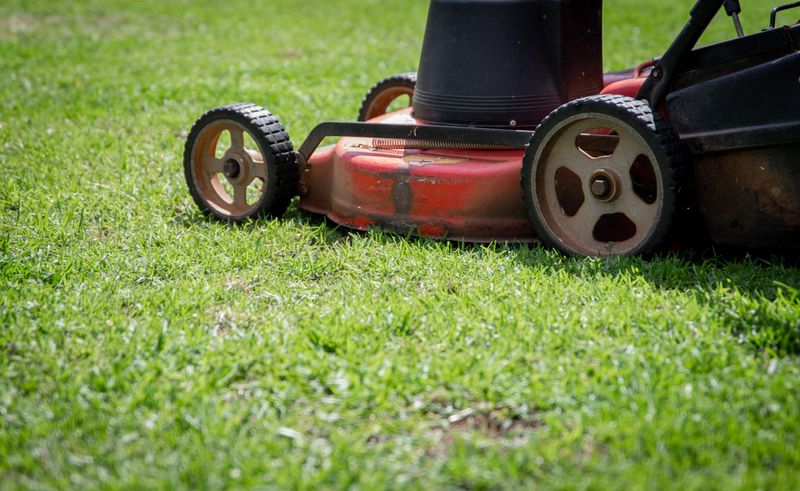
Grass can be your strongest teammate here. Creeping Charlie thrives in thin, weak lawns where it finds bare soil and extra light.
Raise your mower to about 3 to 4 inches. Taller grass shades the soil and grows deeper roots, which makes life harder for low creepers. Scalping the lawn short does the opposite and opens the door.
Early fall is also prime time for overseeding cool-season grasses in Pennsylvania. Soil stays warm while the air cools, which helps new seed sprout and settle in. Penn State recommends late summer through early fall as the best seeding window.
For shady spots, choose fine fescues, which handle low light better than Kentucky bluegrass. Tall fescue is a sturdy pick for areas with partial sun. Ask your local garden center for blends suited to your yard.
A light fall feeding also helps grass build strength for spring. A soil test through Penn State Extension shows exactly what your lawn needs. Just remember to space seeding and weed sprays properly, since some herbicides can harm young grass, so check the label for waiting periods.
6. Shady Spots Under Big Maples Are Ground Ivy Heaven
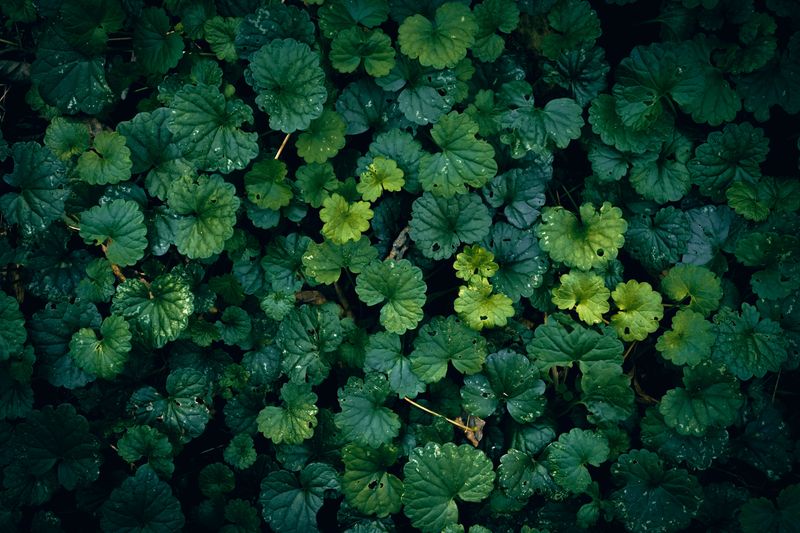
Walk around your yard and notice where this weed grows thickest. Odds are good it loves the shady areas under large trees or along the north side of the house.
Grass struggles in deep shade, but creeping Charlie handles it with ease. That uneven fight explains why it often takes over beneath maples, oaks, and dense shrubs.
Thinning a tree canopy can let more sunlight reach the ground. Removing a few lower branches or trimming crowded shrubs might be enough. For big trees, hire a certified arborist so the work stays safe and healthy for the tree.
Some spots will never get enough light for a nice lawn. In those areas, it can be smarter to stop forcing grass. A mulched bed or a planting of shade-loving natives often looks better with less work.
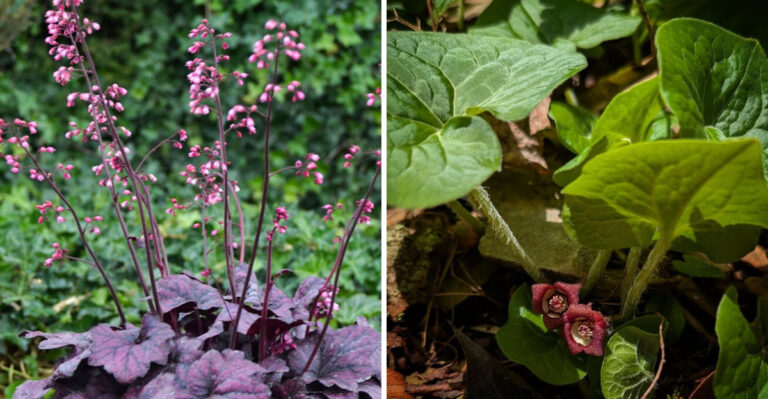
Pennsylvania natives like wild ginger, foamflower, and Pennsylvania sedge do well in shade. They give you a living ground cover that belongs here. Clear the creeping Charlie first, though, or it will sneak right through your new plants and make the job much harder.
7. Soggy Low Spots Practically Roll Out A Welcome Mat For The Vine
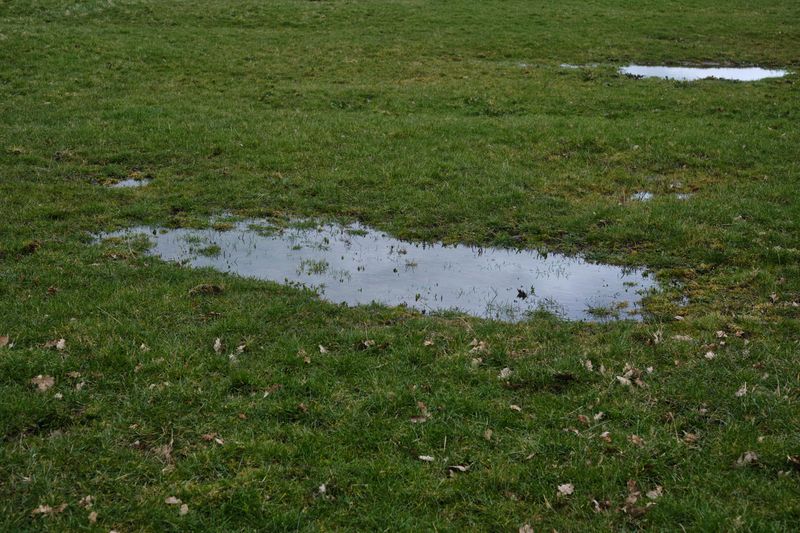
After a rainy week, take a stroll and look for puddles that linger. Those soggy patches often double as creeping Charlie headquarters.
This plant enjoys moist soil, while most lawn grasses suffer when roots stay wet. Heavy clay soils, common in many parts of Pennsylvania, can make drainage worse.
Fixing the water problem shifts the balance back toward your grass. Fall core aeration is a simple first step. It pulls small plugs of soil, letting air and water move down more easily.
Bigger issues may need bigger fixes. Regrading a low area or redirecting a downspout can stop water from collecting. For stubborn trouble spots, some homeowners install a French drain or plant a rain garden with native wetland plants.
Also check your watering habits. Frequent, shallow watering keeps the surface damp and helps shallow-rooted weeds. Deep, less frequent watering trains grass roots to grow downward. By fall, Pennsylvania rainfall usually handles most of the watering, so you can often turn the sprinklers off for the season.
8. Rake, Pull, And Bag Those Runners To Keep The Lawn Clean Next Year
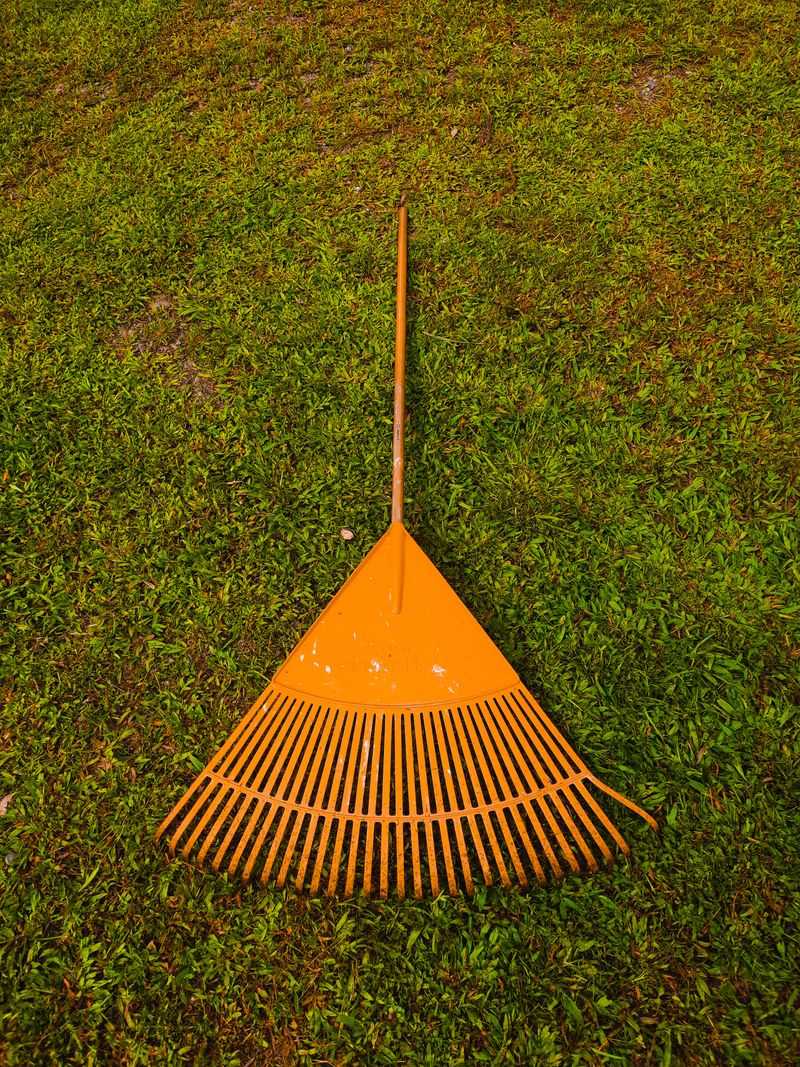
Chemical-free gardeners have options too. Hand pulling works best on small patches, especially after a good soaking rain when the soil is soft.
Rake the area first to lift the runners. Then follow each stem back to its rooted center and pull slowly so the roots come along. Missed fragments can regrow, so a careful approach pays off.
Bag the pulled plants instead of tossing them in the compost. Many backyard piles do not get hot enough to stop rooting pieces. I learned that lesson when my compost pile sprouted a fresh green beard.
For larger areas you plan to replant, smothering can help. Cover the patch with cardboard topped with several inches of mulch, and leave it for a full season. This blocks light and wears the plant down over time.
Keep an eye on edges where lawn meets garden beds, since creeping Charlie loves to sneak across. A clean edge or simple border helps slow it. Pair these habits with fall treatment and healthy grass, and you will see that minty carpet shrink a little more each year.