8 Crops Wyoming Gardeners Can Still Plant In August For A Fall Harvest
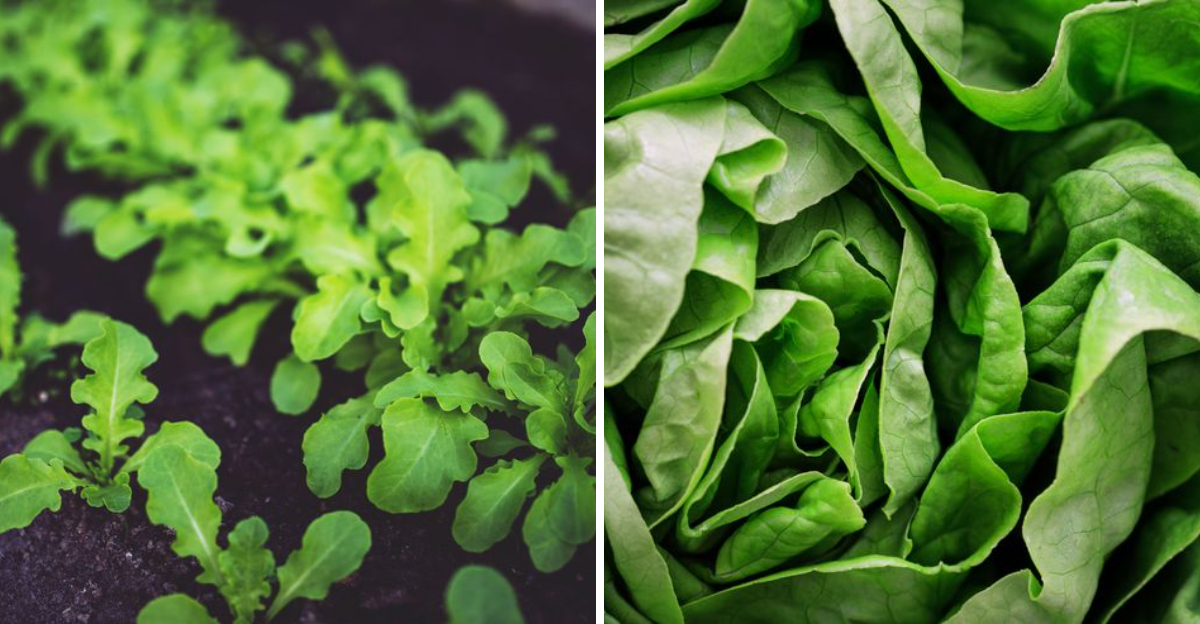
Empty garden beds do not mean your growing season is finished. Wyoming nights turn cool exactly when your plants need speed.
Crisp air actually accelerates growth in your fastest maturing crops. You still have plenty of real weeks left before autumn eases in.
Timing right now decides exactly what actually lands on your plate. Radishes, spinach, and leafy greens flourish in your exact window.
Cooler soil quietly concentrates flavor instead of slowing your harvest. Nothing about late summer in Wyoming asks you to give up.
Your choices this week shape what fills your plate later. Fast crops outrun the chill when you plant them wisely.
Momentum favors you right when you act instead of waiting. Confidence beats hesitation every time your season shifts.
Every week you wait narrows your options for real growth. Smart planting now beats missing your window. Waiting now costs you the best harvest of your year.
1. Radishes
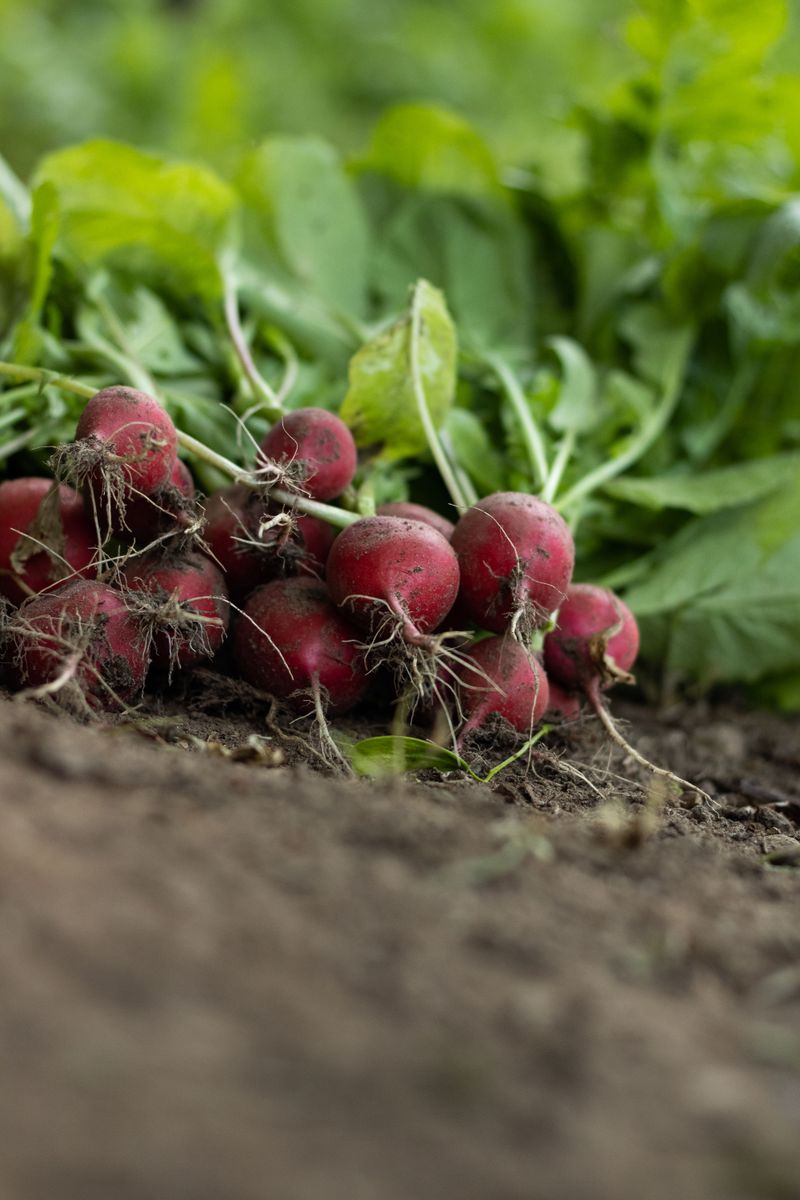
Radishes are one of the fastest-growing vegetables. They go from seed to table in as little as 22 days, making them the ultimate fast crop for August planting.
Radishes thrive in cool soil, which makes them well suited to Wyoming’s climate. As summer heat fades, these little roots actually get sweeter and more tender.
Sow seeds directly into the ground about half an inch deep. Space them two inches apart so each root has room to swell without crowding its neighbors.
Water consistently to avoid a bitter, cracked result. Uneven moisture causes radishes to split and turn spicy in all the wrong ways.
Varieties like Cherry Belle and French Breakfast mature quickly and handle light frost without flinching. That frost tolerance is a serious bonus when Wyoming nights turn cold fast.
Radishes also do double duty in the garden. Their fast growth helps break up compacted soil for other crops planted nearby.
Tuck them between slower-growing plants like kale or spinach to maximize every inch of space. You will harvest radishes long before those neighbors need the room.
Try planting a new row every week for a continuous supply through September. Staggered planting keeps fresh radishes coming instead of a single overwhelming batch.
Pull them as soon as they reach the size of a large marble. Leaving them in the ground too long makes them woody and hollow inside.
2. Spinach
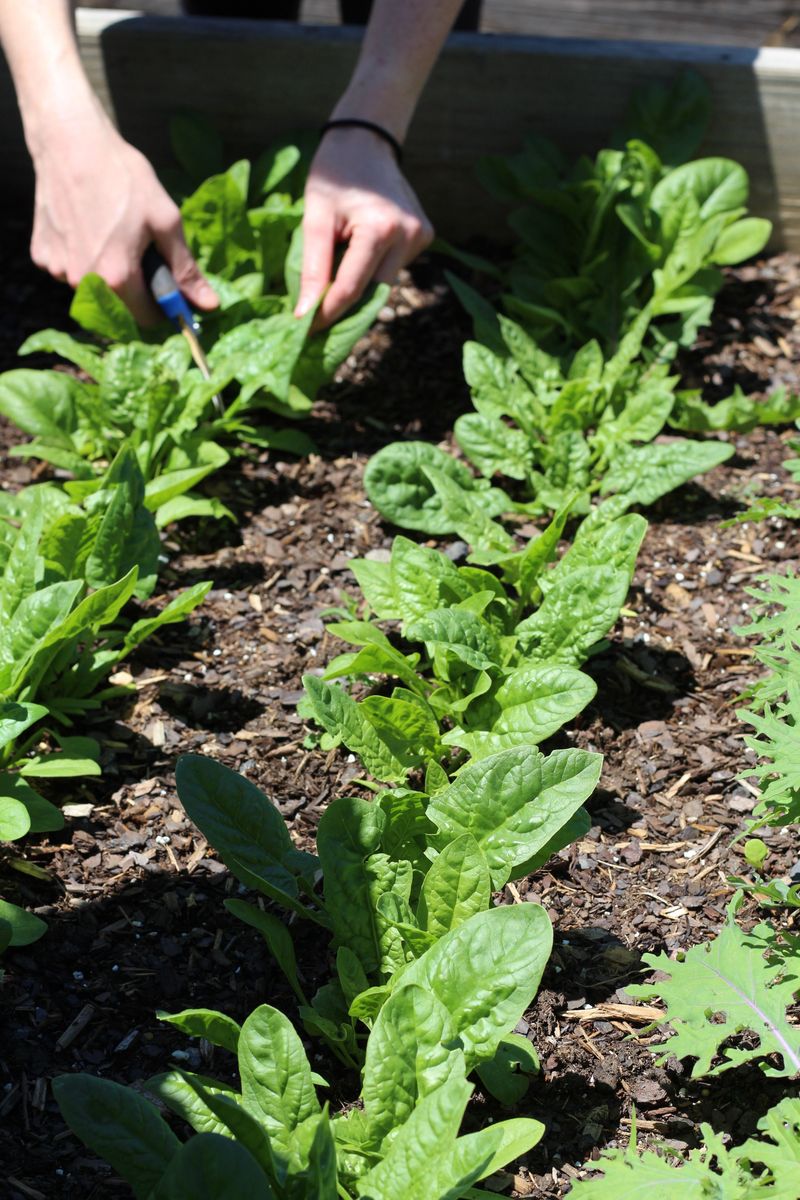
Cool weather is spinach’s best friend, and August in Wyoming delivers exactly that. Planting now means leaves will be tender, sweet, and ready before the first hard freeze.
Spinach tends to grow faster as nighttime temperatures cool, a pattern commonly noted by cool-season growers. That natural chill triggers the plant to push out leaf after leaf in a hurry.
Choose a variety like Bloomsdale or Tyee for the best fall performance. These types are slower to bolt and handle temperature swings without giving up on you.
Sow seeds about half an inch deep and one inch apart in rows. Thin seedlings to three inches once they sprout so air can flow between plants.
Consistent moisture is key during germination, which can take seven to fourteen days. Keep the soil damp but not soggy or seeds will rot before they sprout.
Spinach tolerates a light frost beautifully, and a cold snap actually improves the flavor. The leaves get sweeter as temperatures drop closer to freezing.
Harvest outer leaves first and leave the center intact to keep production going. This cut-and-come-again method stretches your harvest window by several weeks.
Add a layer of straw mulch around plants as October approaches. That simple step insulates roots and extends your picking season by at least two more weeks.
Fresh spinach from your own garden is a completely different experience than bagged grocery store leaves. Many gardeners who grow fall spinach say they rarely go back to buying it.
3. Turnips
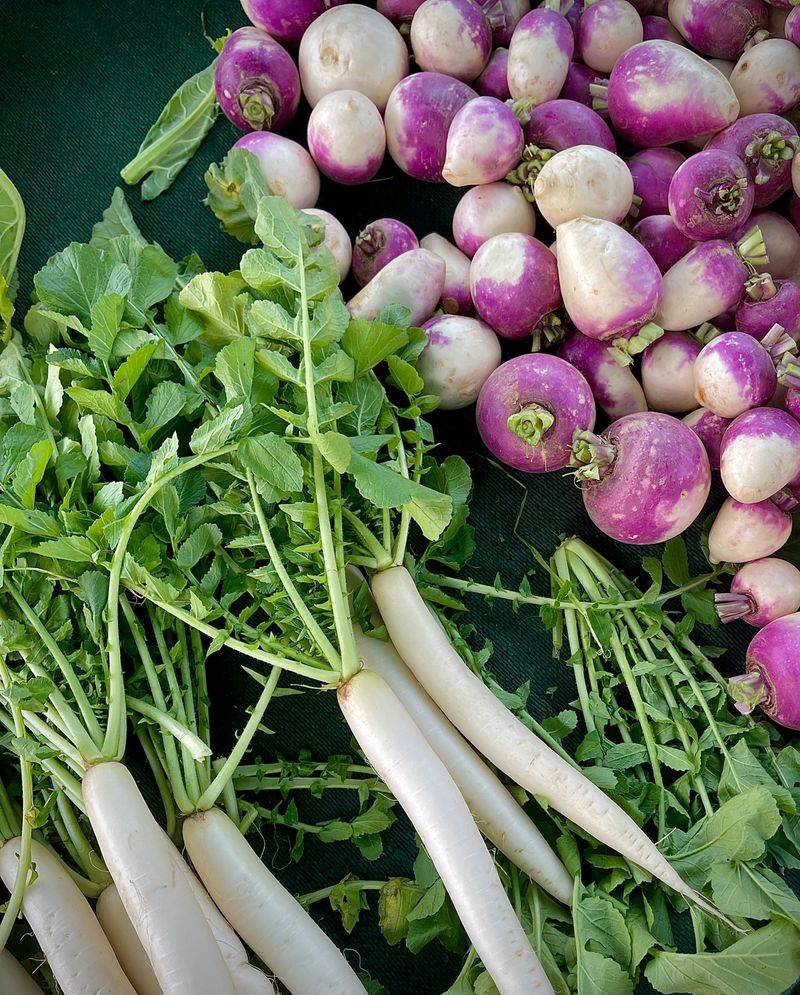
Turnips are one of the most underrated crops a Wyoming gardener can grow. They are tough, fast, and give you two harvests in one: the root and the greens.
From seed to harvest takes about 45 to 60 days, which fits perfectly into an August planting window. You will have roots ready before the ground freezes solid.
Sow seeds directly into the soil about a quarter inch deep and one inch apart. Once seedlings are a few inches tall, thin them to four to six inches apart.
The thinnings you pull out are edible, so toss them into a salad right away. Nothing in a fall garden goes to waste when you plan it right.
Turnip greens can be harvested even earlier than the roots. Snip leaves when they reach six inches tall and saute them with garlic for a quick side dish.
Varieties like Purple Top White Globe and Hakurei are excellent choices for fall planting. Hakurei is especially sweet and mild, almost like an apple when eaten raw.
Turnips love cool soil and actually improve in flavor after a frost hits them. That cold exposure converts starches into sugars, making the roots noticeably sweeter.
Leave roots in the ground past the first frost for peak sweetness. Just mark the rows so you can find them after the leaves fade back.
Gardeners who try turnips often say they plant more the following year, drawn by their ease and reliability.
4. Green Onions
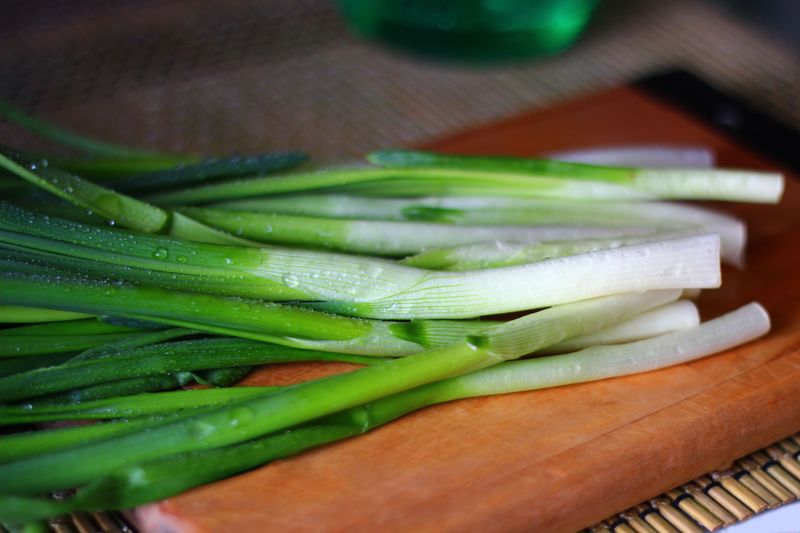
Green onions might be the most low-maintenance crop you can plant in August. They ask for almost nothing and deliver crisp, flavorful stalks for months.
Also called scallions, these plants grow quickly from seed or sets. Sets, which are small bulbs, give you a head start and shave weeks off your wait time.
Plant sets about an inch deep and two to three inches apart in a sunny spot. Water them in well and they will start pushing up green shoots within days.
Green onions do not need much fertilizer to thrive. A light application of balanced fertilizer at planting is usually all they need for the whole season.
They handle frost surprisingly well, staying green and harvestable even after temperatures dip into the low 30s. That cold tolerance makes them one of the last crops standing in a Wyoming fall garden.
Harvest when the green tops reach eight to twelve inches tall. Cut them at soil level or pull the whole plant depending on how you plan to use them.
Varieties like Evergreen Hardy White are specifically bred for cold climates. That variety is known for reliable performance in northern gardens.
Use green onions in soups, salads, stir-fries, and scrambled eggs to stretch your harvest further. They add a fresh punch to almost any dish without overpowering other flavors.
Growing your own scallions also saves money over buying grocery store bunches that wilt in two days. Fresh-cut green onions from your garden stay crisp much longer.
5. Arugula
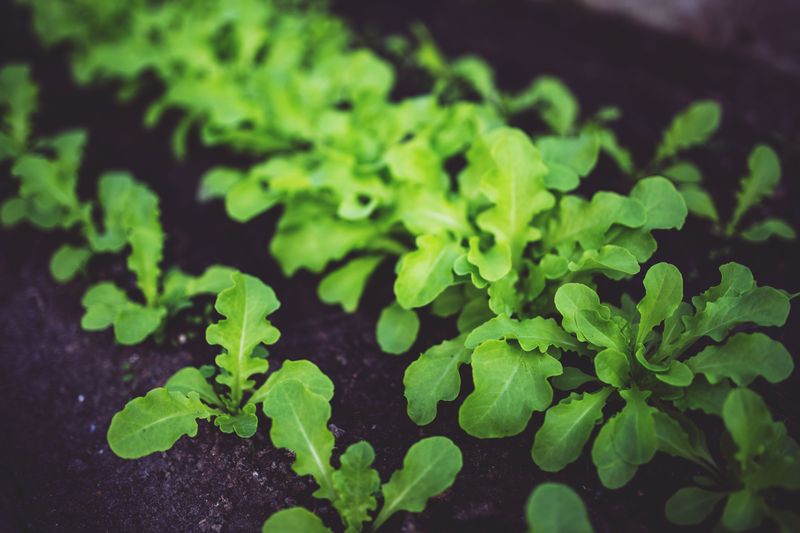
Arugula has a peppery, bold flavor that wakes up any salad or pizza. It is also one of the fastest-growing greens you can plant in August.
Seeds germinate in as few as five to seven days when soil temperatures are between 50 and 65 degrees. August in Wyoming hits that sweet spot perfectly as evenings cool down.
Scatter seeds thinly across a prepared bed and press them gently into the soil surface. Cover lightly with a thin layer of fine soil and water gently to avoid washing seeds away.
Arugula does not need full sun to thrive in fall. Partial shade actually prevents it from bolting, which keeps those spicy leaves tender longer.
Harvest leaves when they reach two to three inches long for the mildest flavor. Larger leaves are edible but carry a stronger, more bitter bite that some cooks love.
Use the cut-and-come-again method to keep plants producing for weeks. Snip leaves about an inch above the base and new growth will follow within days.
Frost makes arugula even more flavorful by concentrating its natural oils. Some gardeners report that arugula harvested after a cold snap in October has the best flavor.
Sylvetta and Astro are two popular varieties that perform well in short-season climates. Both are known for strong cold tolerance and consistent leaf production.
Arugula is also rich in vitamins K and C, making it a nutrient-dense green from your own backyard. Few greens deliver this much flavor and nutrition with this little effort.
6. Lettuce
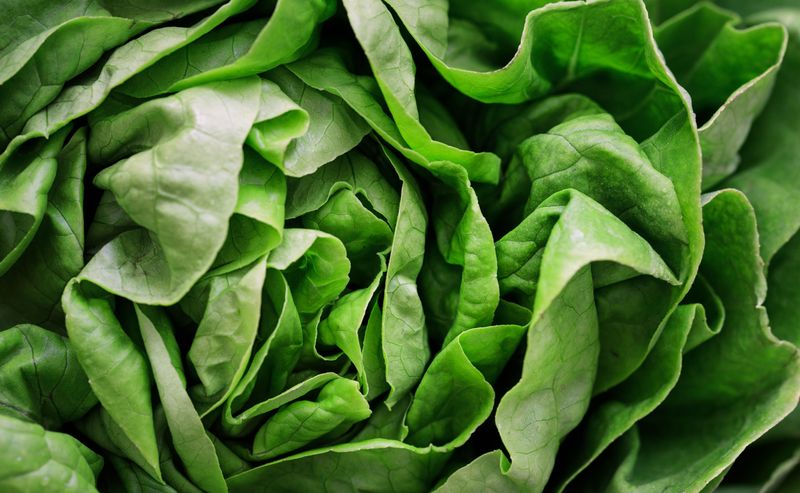
Lettuce loves cool weather the way most people love a warm blanket. Planting it in August sets you up for crisp, colorful heads well into fall.
Summer heat causes lettuce to bolt and turn bitter, but August evenings in Wyoming naturally slow that process down. Cooler nights create the conditions lettuce was born to grow in.
Loose-leaf varieties like Black Seeded Simpson or Red Sails mature in just 45 days. That timeline fits snugly into the remaining growing window before hard frost arrives.
Sow seeds a quarter inch deep in rows or broadcast them across a prepared bed. Thin seedlings to six to eight inches apart once they reach two inches tall.
Water at the base of plants rather than overhead to prevent fungal issues. Wet leaves in cool fall weather can invite mold that ruins an otherwise healthy crop.
Lettuce grows well in containers too, which is useful if your in-ground beds are still occupied. A large pot on a sunny porch works surprisingly well into October.
Row covers are a simple and effective way to extend the harvest past the first frost. A lightweight fabric cover can protect plants from temperatures as low as 28 degrees.
Harvest outer leaves regularly and the plant keeps producing from the center. This approach gives you fresh salad greens for weeks instead of one single cut.
Many gardeners describe fall lettuce as one of the most satisfying crops of the season. Eating fresh salad greens in October is a rewarding payoff for fall gardeners.
7. Kale
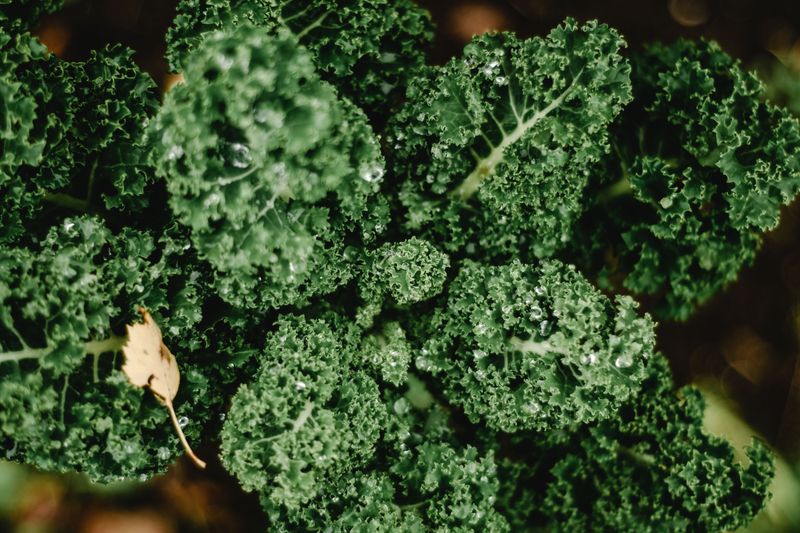
Kale is one of the most cold-resistant crops, and it proves it every fall. Few crops can handle Wyoming’s unpredictable weather swings quite as gracefully as kale does.
Planting kale in August gives it time to establish before cold sets in. Established plants are dramatically more frost-tolerant than seedlings still finding their footing.
Lacinato, also called dinosaur kale, and Red Russian are two excellent choices for fall planting. Both mature in 50 to 65 days and hold up beautifully through cold snaps.
Start seeds directly in the ground or transplant seedlings if you want a head start. Either method works well as long as plants get consistent moisture during the first two weeks.
Established kale can tolerate hard freezes with proper protection, though exact limits depend on plant maturity and local conditions. A row cover or cold frame can keep it alive and harvestable well past Thanksgiving in many areas.
Frost triggers a chemical change in kale that converts starches into natural sugars, increasing sweetness. Leaves harvested after a freeze are noticeably sweeter and more tender than summer-grown kale.
Harvest the lower, outer leaves first and always leave the growing tip intact. That tip is where all the new growth comes from, so protecting it keeps production going strong.
Kale is packed with vitamins A, C, and K, making it a nutrient-dense choice. Growing your own means you get peak nutrition without the wilted leaves from a grocery bag.
Many gardeners who plant fall kale say it becomes a year-round staple for them. Many gardeners say that once they taste kale harvested after a frost, they prefer it to store-bought.
8. Swiss Chard
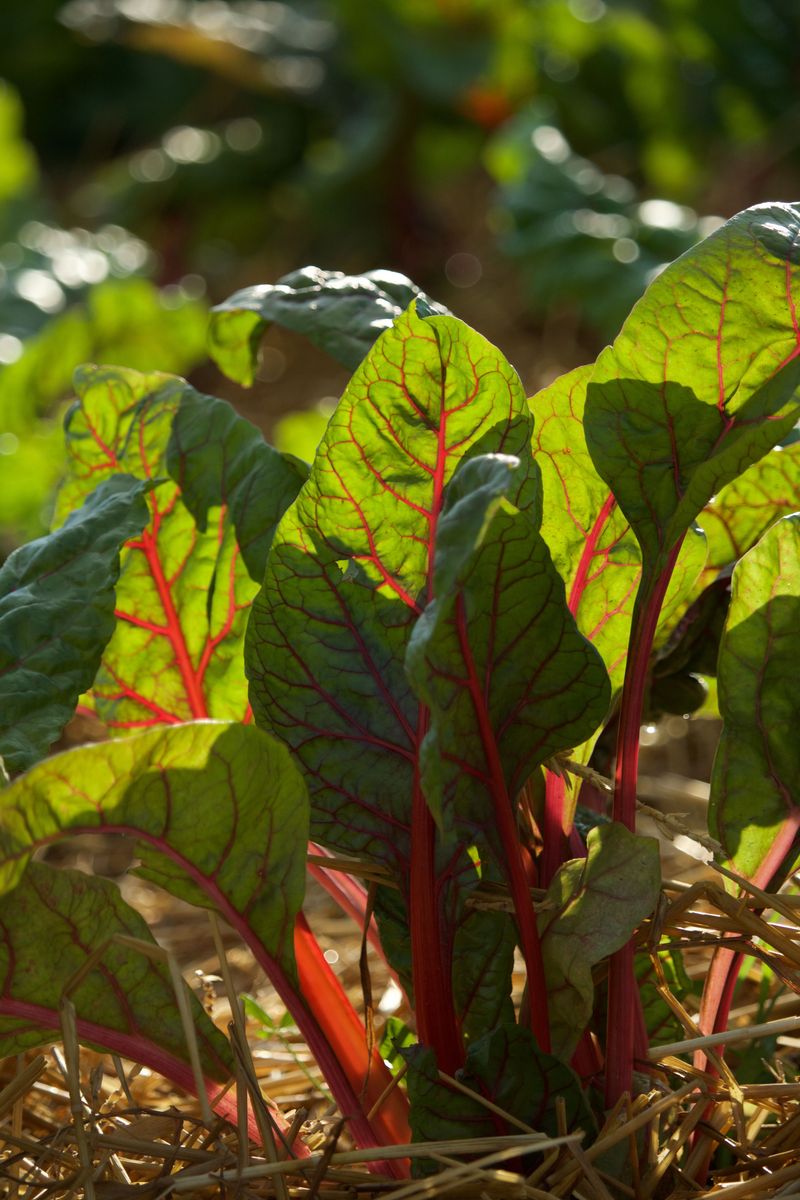
Swiss chard brings noticeable color to the fall garden. Its bright red, yellow, and orange stems are visually striking.
This crop is a perfect August planting choice because it matures in 50 to 60 days. That timeline lands right in the sweet spot before hard frost shuts the season down.
Direct sow seeds one inch deep and space them about six inches apart in rows. Each seed is actually a cluster of seeds, so thin to the strongest seedling once they sprout.
Swiss chard is more heat-tolerant than spinach and more cold-hardy than lettuce. That middle-ground toughness makes it one of the most versatile greens for Wyoming’s unpredictable fall weather.
Varieties like Rainbow Chard and Bright Lights produce a stunning mix of stem colors in one planting. Growing a single row gives you a colorful and flavorful harvest.
Harvest outer leaves when they reach eight to ten inches long. Cutting them close to the base encourages the plant to push out new leaves from the center.
Chard handles light frost without any protection needed. Once temperatures drop into the mid-20s, a simple row cover keeps it producing through very cold nights.
Use the leaves like spinach in soups, pasta, and egg dishes. The stems can be sliced and cooked separately like celery for a satisfying crunch in stir-fries.
For Wyoming gardeners looking to stretch their fall harvest crops season as long as possible, Swiss chard is the dependable, colorful, and delicious choice that never disappoints.