The Real Meaning Behind Spotting A Horned Lizard In Your Texas Yard
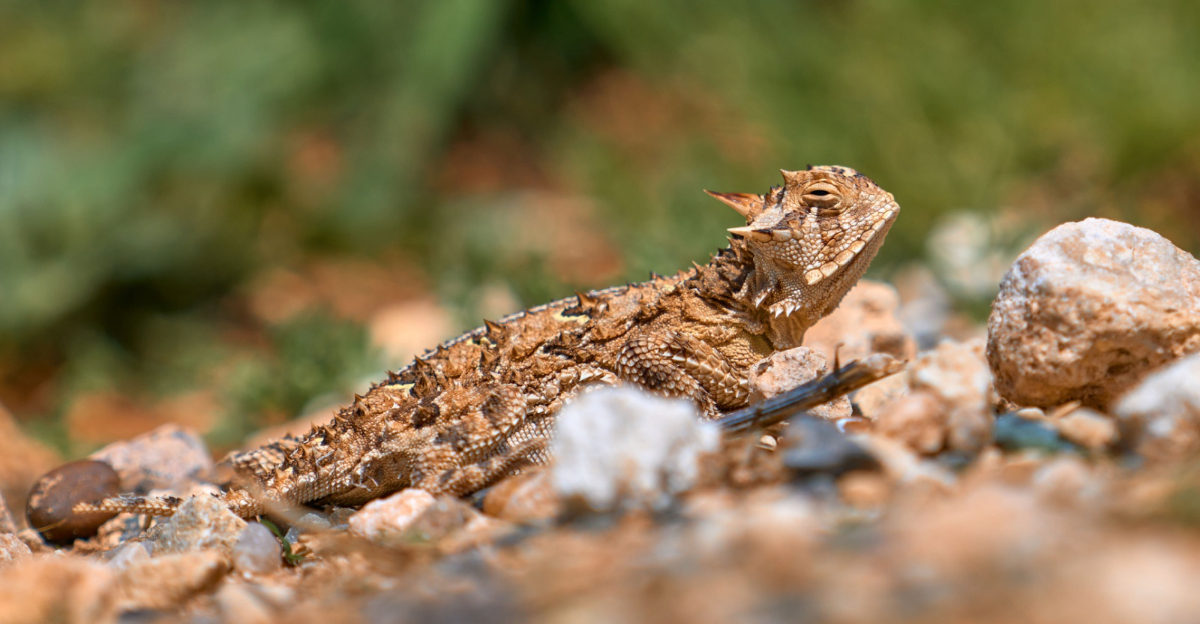
If a horned lizard has ever appeared in your Texas yard seemingly out of nowhere, you already know that feeling.
One second you are going about your business, and the next there is this remarkable little spiny reptile sitting completely still on the gravel like it has been there all along and you just weren’t paying close enough attention.
Honestly, fair point on its part. Horned lizards blend into bare soil and gravel so well that most Texans go years without spotting one up close, which makes a sighting feel genuinely special.
But beyond the initial excitement, a horned lizard appearance is actually telling you something important about your yard.
These lizards have specific habitat needs, and their presence, or absence, can be a meaningful clue about the ecological health of your immediate outdoor environment.
1. Your Yard May Have The Open Habitat They Need
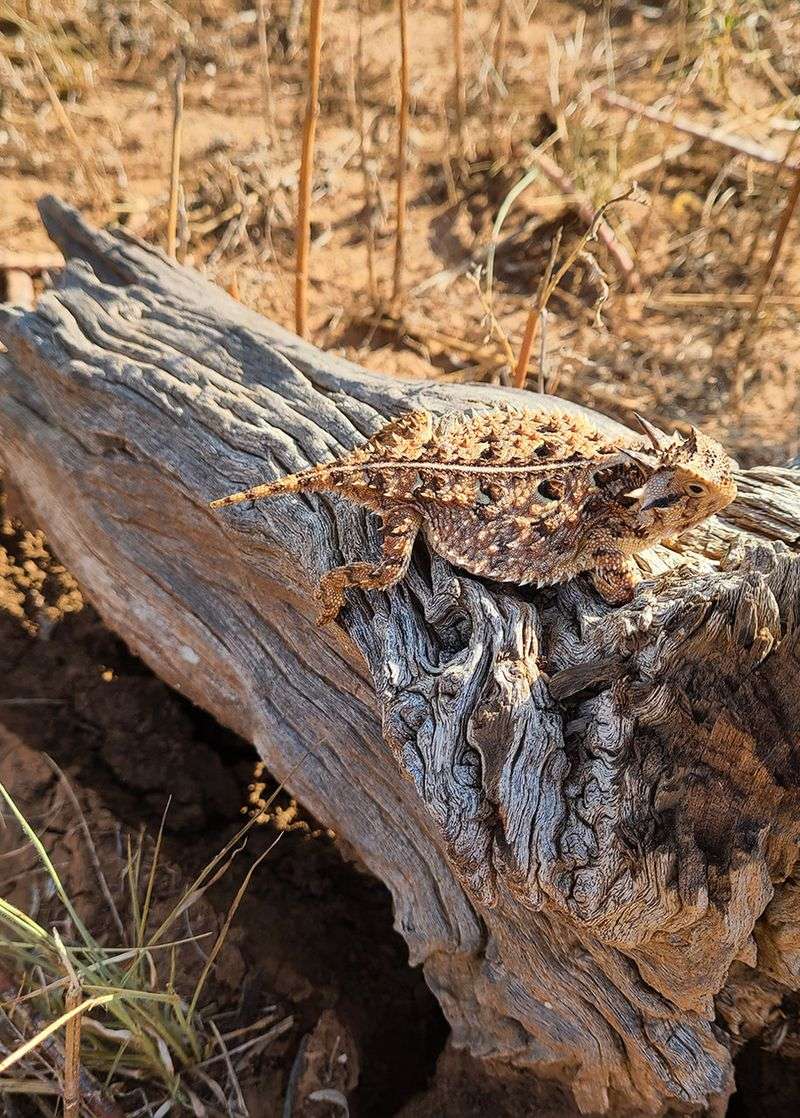
A small spiny reptile freezing on bare soil near a garden edge is one of the most telling signs that your outdoor space may offer something genuinely useful. Texas horned lizards are creatures of open country.
They thrive in places where the ground is exposed, sunlight reaches the soil directly, and movement is easy across short distances.
Unlike many reptiles that prefer dense cover, horned lizards need open patches to warm up quickly in the morning, chase down prey, and watch for threats from above.
A yard that has cleared areas, gravel paths, rock borders, or thin turf may mimic the kind of habitat these lizards prefer in natural Texas settings like the Hill Country, South Texas brush country, or West Texas open rangeland.
Open habitat also supports the ant colonies and native insects that make up most of a horned lizard’s diet. Without open ground, those food sources become harder to access.
A yard with some bare earth, low-growing plants, and sunny warm spots essentially creates a corridor that a passing horned lizard can use comfortably.
That said, one sighting does not confirm that your entire yard is ideal. It may simply mean that one corner or edge of your property offers enough open ground to attract a lizard moving through the area.
Observing where exactly the lizard appeared can help you understand which parts of your outdoor space are most useful to local wildlife.
2. Harvester Ants May Be Present Nearby
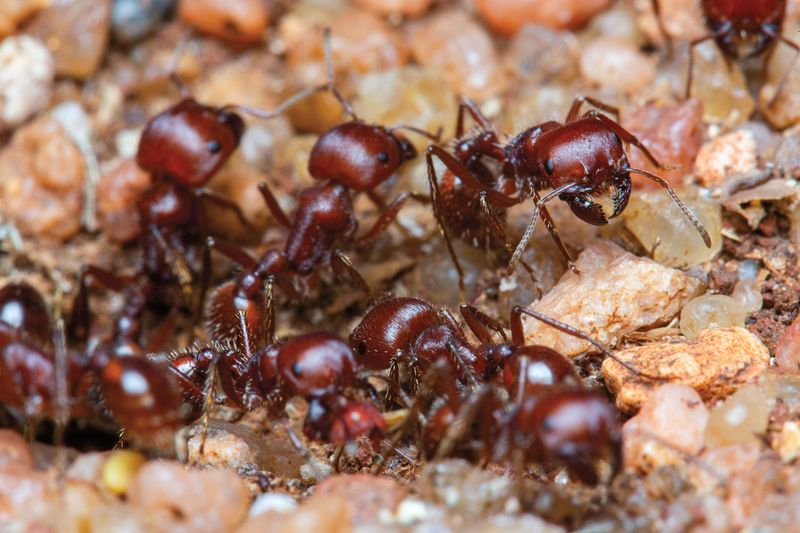
Ant trails crossing a sunny patch of bare ground in a Texas yard often go unnoticed by most homeowners, but to a horned lizard, those trails are everything.
Harvester ants are the single most important food source for Texas horned lizards, and a yard or nearby lot that supports an active harvester ant colony is far more likely to attract one of these reptiles than a yard without them.
Harvester ants tend to build their mounds in open, dry, sandy, or gravelly soil where seeds are accessible. They create visible cleared areas around their mounds and travel along established trails to collect seeds.
These characteristics make them relatively easy to spot if you know what to look for. Seeing small cleared circles in the soil with a central hole and ants moving in steady lines is a strong indicator that harvester ants are active nearby.
Your Texas Garden Changes Every Week. Your Plan Should Too.
Gardening in Texas changes quickly throughout the season. Every Friday you’ll receive a simple weekly plan showing exactly what to plant, prune, fertilize, harvest, and protect so you never miss the right timing.
A horned lizard may visit the same ant trail repeatedly, sitting patiently near the path and snapping up ants as they pass. This feeding behavior requires open ground and undisturbed ant activity.
If your yard borders a field, vacant lot, or native area in Texas where harvester ants are present, the chances of a horned lizard passing through increase considerably.
Harvester ant populations have declined in some parts of Texas due to habitat loss and competition from fire ants, so their presence near your yard is worth noting as a positive sign for local wildlife.
3. Native Insects May Be Supporting The Food Web
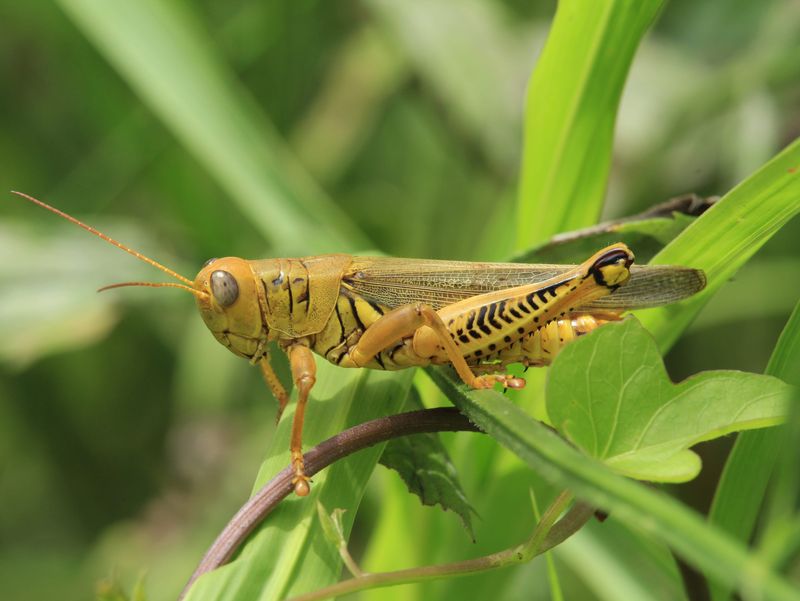
Beyond harvester ants, native insects moving through low grass and native plantings play a real role in supporting the food web that horned lizards depend on.
Beetles, grasshoppers, termites, and other small invertebrates round out the diet when harvester ants are not immediately available.
A yard that supports a diverse mix of native insects is quietly doing something important for local wildlife.
Native plants are the foundation of this. Texas native grasses, wildflowers, and shrubs attract the insects that evolved alongside them over thousands of years.
Non-native ornamental plants often support far fewer insects, which means yards dominated by exotic landscaping may offer less food for insectivorous reptiles like horned lizards.
Even a small section of native planting along a fence line or back border can make a meaningful difference.
Soil insects also matter. Ground beetles, ant larvae, and termites live just beneath the surface of loose, dry soil.
A horned lizard moving across your yard is not just looking at what is on top of the ground but also sensing what might be just below it. Loose, undisturbed soil supports a richer community of soil invertebrates than compacted or heavily treated ground.
Noticing which insects are active in your yard gives you a clearer picture of whether the food web is intact enough to support a horned lizard over time.
Yards with visible insect activity near bare ground are showing one of the quiet signs of a functioning Texas ecosystem.
4. Loose Soil Or Sandy Spots May Offer Burrowing Areas
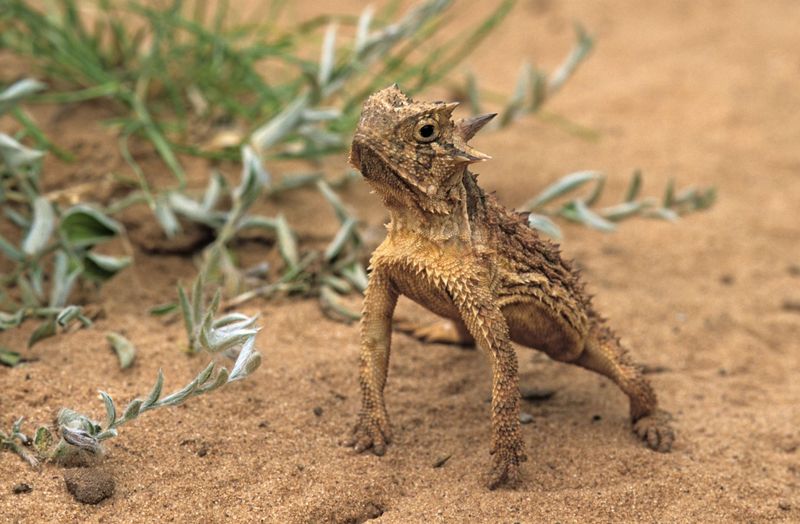
Sandy soil near a fence line or a loose patch of earth in a garden border might look unremarkable to most people, but to a horned lizard, that kind of ground is genuinely valuable.
Horned lizards use loose, dry soil to regulate their body temperature, escape from threats, and shelter overnight.
They push themselves just beneath the surface of soft earth in a behavior sometimes called sand swimming.
Texas has a wide range of soil types, and not all of them are suitable for this kind of burrowing. Compacted clay, heavily mulched beds, and thick turf can all make it harder for a horned lizard to use the ground the way it naturally would.
Sandy, gravelly, or loosely tilled soil gives the lizard access to the shallow subsurface layer where temperatures stay more stable during the hottest parts of a Texas afternoon.
If your yard has sandy patches, decomposed granite paths, loose rocky areas, or bare soil near structures, those spots may be exactly what a passing horned lizard is looking for.
Gardens with native gravel mulch or decomposed granite pathways are particularly common in Hill Country and Central Texas landscapes, and those materials tend to support the kind of loose surface conditions that horned lizards prefer.
Leaving some areas of your yard relatively undisturbed and free of heavy compaction gives local reptiles and other small wildlife a better chance of using your property as part of their home range.
5. Low Grass And Bare Ground May Make Movement Easier
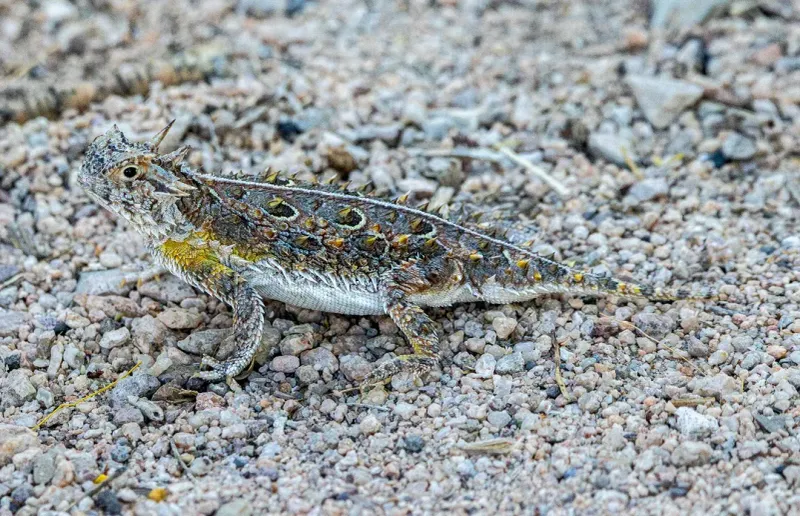
A lizard blending into a gravel path between patches of short grass is a common way Texans first notice a horned lizard in their yard. These reptiles do not move well through tall, dense turf.
Their short legs and flattened body shape are built for open, low-growth environments where they can sprint across bare ground, flatten themselves against the earth, and stay nearly invisible to passing hawks and roadrunners.
Yards with low-cut grass, native ground covers, gravel borders, or open rock gardens offer the kind of terrain a horned lizard can navigate with ease. Conversely, a thick, tall lawn with dense coverage from edge to edge offers very little to a lizard trying to move through it.
The ability to cross open ground quickly and find cover in a nearby loose patch of soil is central to how these reptiles survive.
In suburban Texas yards that back up to open land, low grass and bare ground near the transition zone between maintained lawn and natural habitat are often where horned lizards show up most often. They are not deep-yard explorers by nature.
They tend to stay near edges and open corridors where movement feels manageable and food sources are accessible.
Keeping at least part of your yard low and open, especially near a back fence or a sunny corner, can make your property more passable for horned lizards and other small Texas reptiles that rely on open ground to survive and forage effectively.
6. Pesticide Use May Be Low Enough To Support Prey
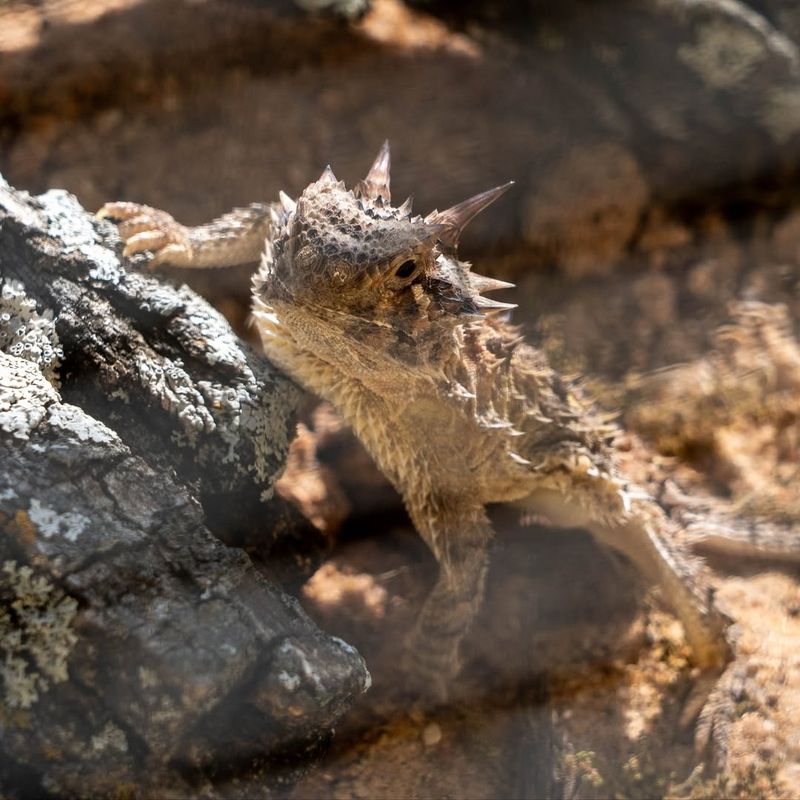
Yards where broad-spectrum pesticide sprays are used frequently and heavily tend to support far fewer insects overall. When insect populations drop, the food web that reptiles like horned lizards depend on starts to thin out.
A horned lizard appearing in your yard may be a quiet signal that insect life in your outdoor space is active enough to support a foraging reptile.
Broad-spectrum insecticides applied to lawns, gardens, or soil can reduce populations of harvester ants, beetles, grasshoppers, and other invertebrates that horned lizards eat.
Even products that are not directly harmful to reptiles can reduce the prey base enough to make a yard less useful as foraging habitat.
Horned lizards need to consume a large number of ants and insects regularly to meet their energy needs, so a yard with suppressed insect activity is not likely to hold their interest for long.
Many Texas homeowners who have reduced or eliminated routine pesticide applications in their yards report noticing more insect activity over time, which in turn attracts more birds, lizards, and other wildlife.
Targeted pest management that avoids blanket spraying tends to preserve more of the native insect community while still addressing specific problem areas.
Seeing a horned lizard in a yard that has not been heavily sprayed recently is consistent with what wildlife-friendly land stewardship looks like in practice.
It does not mean the yard is entirely chemical-free, but it may suggest that insect life has remained active enough to support at least occasional visits from a foraging lizard.
7. Fire Ant Pressure May Be Lower Than In Nearby Areas
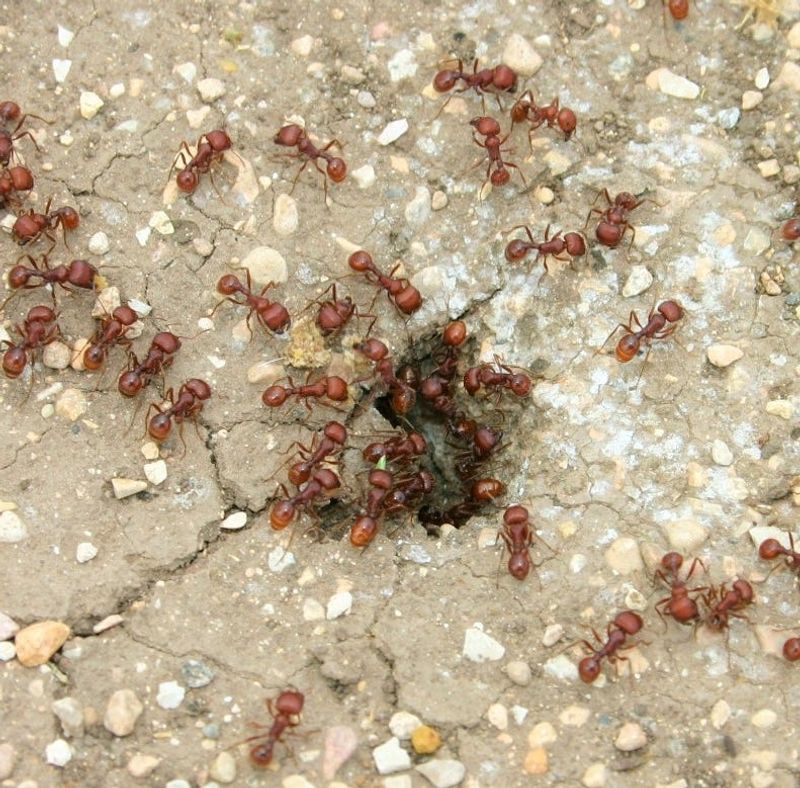
Fire ants have changed the balance of insect life across a large portion of Texas, and their impact on horned lizards has been significant.
Red imported fire ants aggressively compete with and displace harvester ants, which are the primary food source for Texas horned lizards.
In areas where fire ants dominate the landscape, harvester ant populations often struggle, and horned lizards tend to be far less common as a result.
A horned lizard appearing in your Texas yard may suggest that fire ant pressure in your immediate area is lower than in surrounding neighborhoods or properties.
This could be because your yard has drier, sandier soil that harvester ants prefer and fire ants find less suitable, or because your area has less soil disturbance, which tends to favor fire ant establishment.
Rural properties, open lots with native ground cover, and yards along natural habitat edges in Texas sometimes maintain lower fire ant densities than heavily disturbed suburban areas.
If your yard or a neighboring property has active harvester ant mounds, that is a meaningful sign that fire ants have not fully displaced native ant species in your immediate area.
Observing which ant species are active near where the horned lizard appeared can give you useful information about the local insect community.
If you see large, slow-moving ants carrying seeds rather than the aggressive swarming behavior typical of fire ants, your yard may still be supporting the native ant populations that horned lizards genuinely rely on to survive.
8. The Best Response Is To Watch Without Handling
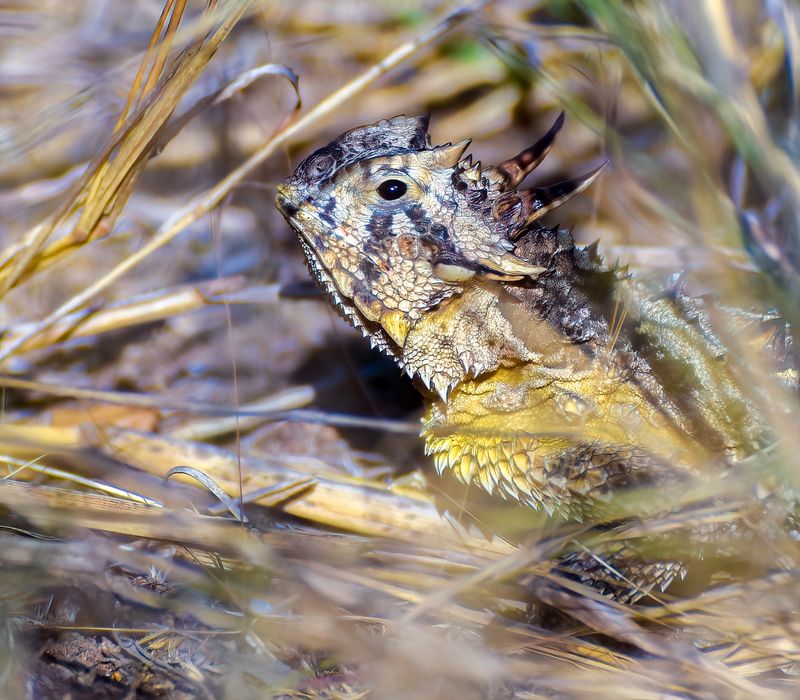
The moment a child wants to pick up the horned lizard is usually the moment a parent needs to gently step in. As fascinating as these small reptiles are up close, handling them causes real stress.
Horned lizards have a well-known defense response that involves shooting blood from their eyes, and being grabbed or handled triggers alarm responses that can be genuinely harmful to a lizard that is already navigating a challenging environment.
Watching quietly from a short distance is the most respectful and most useful thing you can do when a horned lizard appears in your Texas yard. Give it space to move naturally.
Notice where it goes, what it seems to be doing, and what part of the yard it favors. That kind of observation tells you far more about your yard’s habitat quality than any quick interaction would.
Texas horned lizards are protected under state law, which means collecting, handling, or relocating them without proper permits is not permitted.
Beyond the legal aspect, relocating a horned lizard to a different yard or habitat patch often does more harm than good, since these reptiles are tied to specific home ranges, ant colonies, and soil conditions they have already located and learned.
If a horned lizard has found its way to your yard on its own, that is the best possible outcome.
Let it stay, let it move freely, and appreciate the fact that your outdoor space in Texas is offering something real and meaningful to one of the state’s most iconic and quietly vulnerable native reptiles.