9 Florida Shrubs You Can Propagate From Hardwood Cuttings in November
Ancient Mediterranean farmers started new fig trees from bare winter twigs, and gardeners still copy their trick today. Those plain brown sticks hold enough stored food to grow fresh roots once they land in damp soil.
Florida gardeners get a sweet advantage here, because our cool months stay mild while the stems rest quietly. Roots can form slowly all winter, so new plants are ready to leaf out when spring warmth arrives.
I have to admit that pruning day feels different once you realize every trimmed branch could become a gift. You only need sharp pruners and a pot of gritty mix to start filling your yard for free.
What surprises me most is how many Florida favorites root this way, including a few natives with gorgeous berries.
Which of these nine shrubs is already growing in your yard, waiting for a quick snip?
1. American Beautyberry
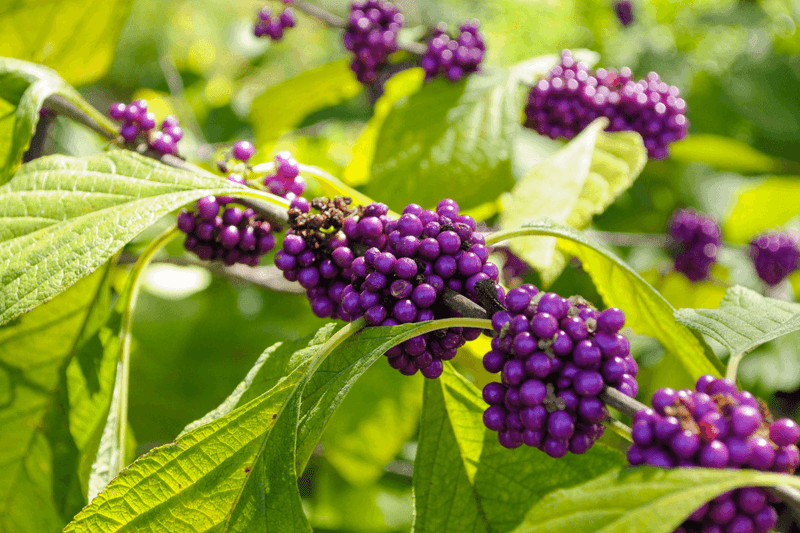
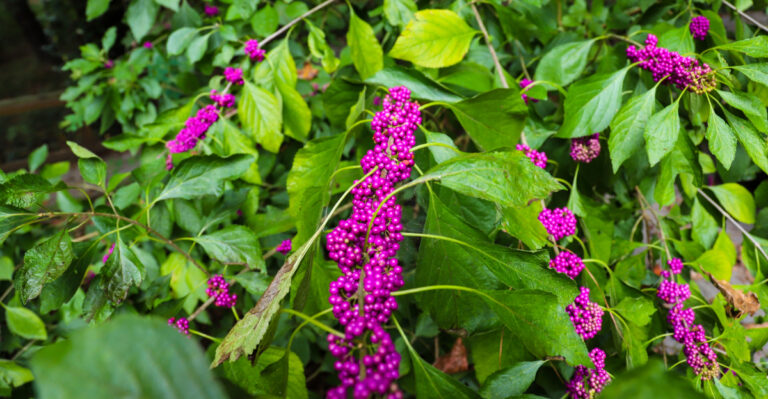
Those glossy purple berry clusters look almost fake, like someone glued shiny candy beads along every long arching stem. Old-time Southern folks crushed the leaves to shoo mosquitoes, and USDA researchers later found compounds that back them up.
This tough native shrub grows wild across most of the state’s woods, usually reaching three to eight feet tall. Mockingbirds and brown thrashers gobble the fruit through fall and winter, so new plants pay you back in a hurry.
After the leaves drop, use clean pruners to snip pencil-thick pieces of this year’s growth, five to eight inches long. Dip each bottom end in rooting hormone, then push it two-thirds deep into a pot of moist sandy mix.
In South Florida the shrub may hold onto some leaves, so just strip the lower ones before planting them. Personally, I keep my pots in bright shade and check the soil every few days during long dry spells.
Roots usually show up by spring, and a gentle tug that meets resistance tells you things are working. Beautyberry blooms on new wood, so even small rooted cuttings may flower and fruit during their first full summer.
2. Crape Myrtle
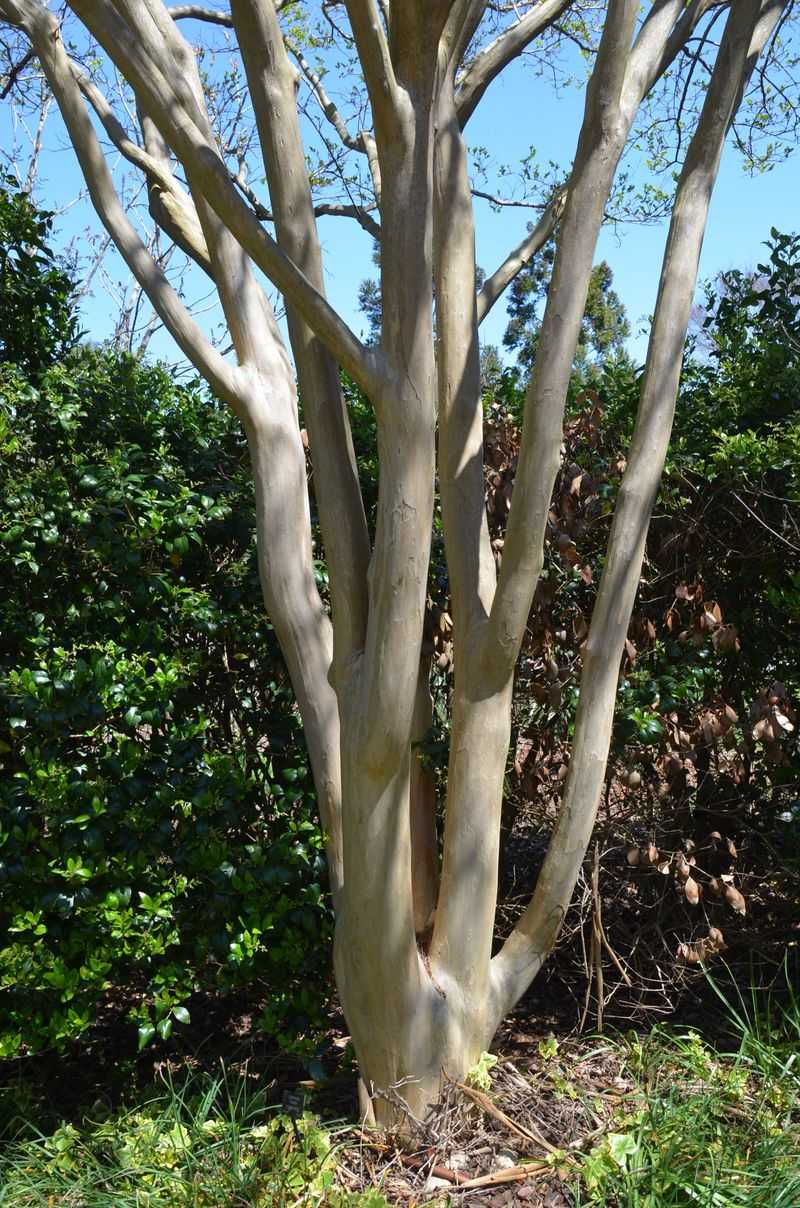
Every winter I wince at crape myrtles chopped into knobby stumps, a habit many Southern gardeners love to grumble about. The healthy branches you remove with a light, careful trim can turn into a whole row of new plants.
Originally from Asia, this deciduous favorite thrives in north and central Florida, where summers bring weeks of ruffled blooms. The peeling cinnamon bark steals the show in winter, giving bare trunks a smooth, mottled look you can admire.
Once leaves have fallen, cut six to eight inch pieces from one-year-old wood about as thick as a pencil. Make a flat cut just below a bud at the bottom and a slanted cut at the top end.
That slanted tip reminds you which end goes up, which saves a lot of confused head scratching later on. Rooting hormone helps a bit, but crape myrtle often roots well without it in moist, loose, well-drained potting mix.
I like to choose a parent tree with a color I adore, since cuttings grow true to that variety. Keep the pots in a sheltered corner, and by late spring you should spot fresh leaves on many sticks.
3. American Elderberry
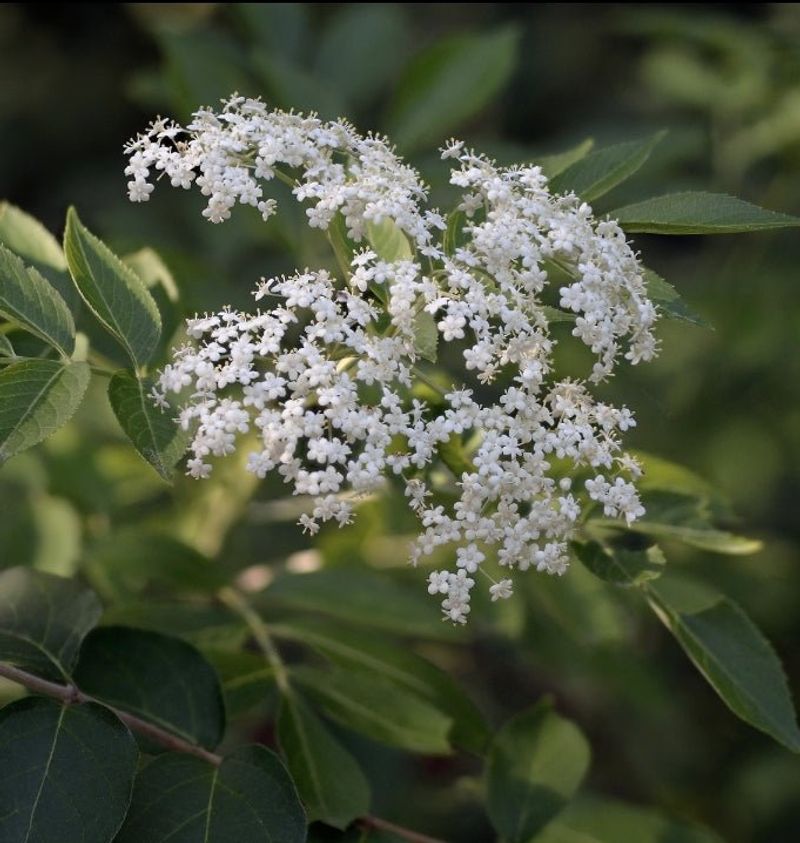
Few shrubs grow as fast as elderberry, which can shoot up several feet in a single growing season. The flat, lacy cream flower clusters smell faintly sweet, and pollinators crowd them like shoppers at a farmers market.
This native loves wet feet, so it settles happily along ditches and soggy low corners of the yard. It usually grows ten to fifteen feet tall in the wild, though regular pruning keeps it smaller and much more manageable.
Grab eight to ten inch sections of this year’s woody growth, making sure each piece holds at least two buds. Bury the bottom bud below the soil line, since that spot is where most new roots will eventually emerge.
I believe elderberry is the most forgiving shrub on this list, rooting in plain potting mix or damp ground. You can take cuttings anytime from now through February, which gives busy procrastinators plenty of extra breathing room.
One quick safety note matters here, because raw berries and the leafy stems contain compounds that can upset your stomach. Cook ripe berries into jam or syrup before eating, and skip any green unripe fruit you spot on branches.
4. Fig
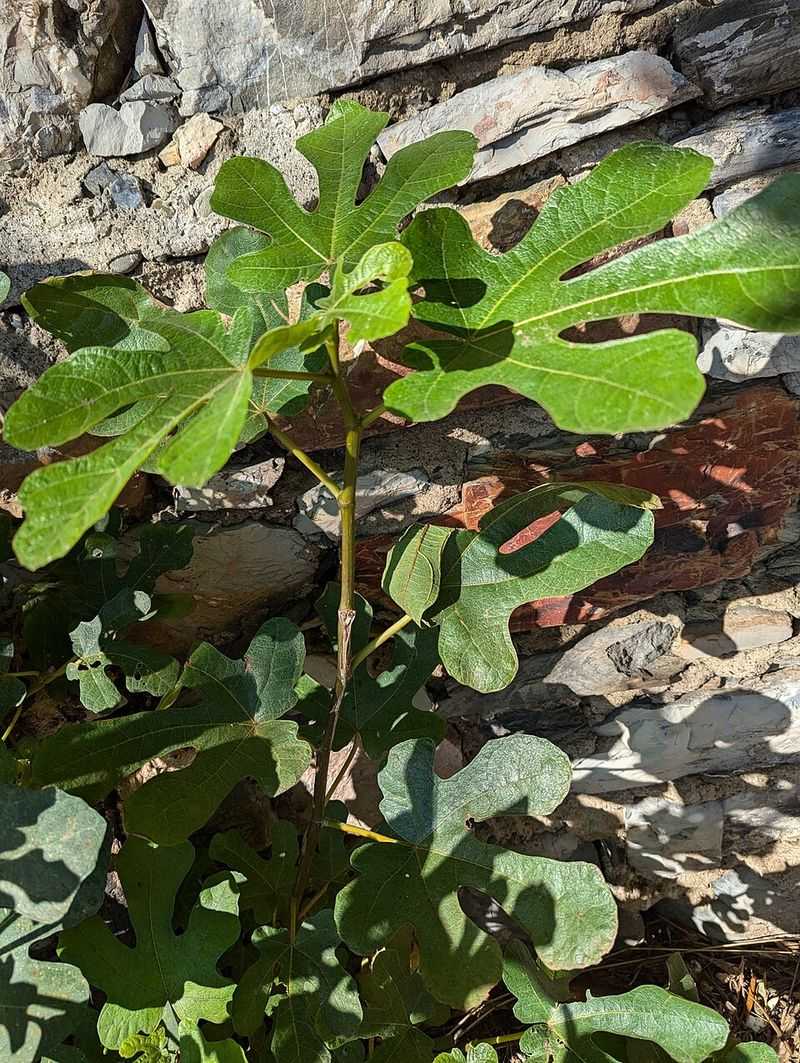
Snap a fig twig and milky white sap beads up instantly, so slip on gloves before you start snipping. That sticky latex can irritate skin, but the rest of this job is about as easy as gardening gets.
Figs are technically small trees, yet most backyard growers keep them pruned into broad, bushy shrubs around ten feet tall. UF/IFAS suggests varieties like Celeste and Brown Turkey, which handle the state’s steamy summer heat and humidity fairly well.
After leaf drop, cut eight to ten inch pieces from ripened wood about as thick as your index finger. Stick them deep, leaving only one or two buds above the soil, and water until the mix feels evenly damp.
Personally, I squeeze four cuttings into one gallon pot, because sharing space saves room and hedges my bets. Keep the soil moist but not soggy, because rot creeps in fast when cuttings sit in standing water for days.
Rooted figs can be separated and planted in a sunny spot by late spring, ideally with a thick mulch layer. Mulch matters because shallow fig roots dry out quickly and often struggle with root-knot nematodes in sandy Florida soil.
5. Oakleaf Hydrangea
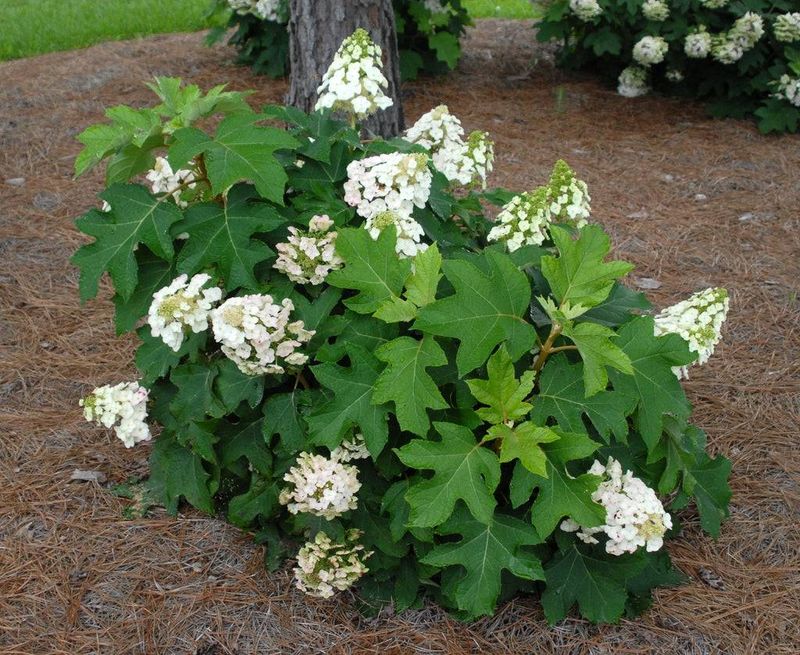
Big leaves shaped like oak foliage turn rich ruby red in late fall and often cling into winter. I love how the cinnamon-colored bark peels in papery strips once those leaves finally let go on older stems.
This hydrangea grows wild along shady bluffs in the Panhandle and north Florida, staying six to ten feet tall. It prefers rich moist soil and afternoon shade, so it struggles down in the hot, steamy southern tip of the peninsula.
Once the leaves drop, take five to six inch cuttings from this year’s stems, each with a couple of buds. Dip the base in rooting hormone and tuck them into damp sand mixed with peat or pine bark fines.
Hardwood cuttings of this shrub are a bit fussier than figs, so I start extra pieces to cover losses. You might notice slow progress, since roots on oakleaf hydrangea often take until steady spring warmth to finally appear.
For a backup plan, pin a low branch under some soil so it roots while still attached to the parent. Gardeners call that trick layering, and it works beautifully with this hydrangea in a cool, shady corner of the yard.
6. Buttonbush
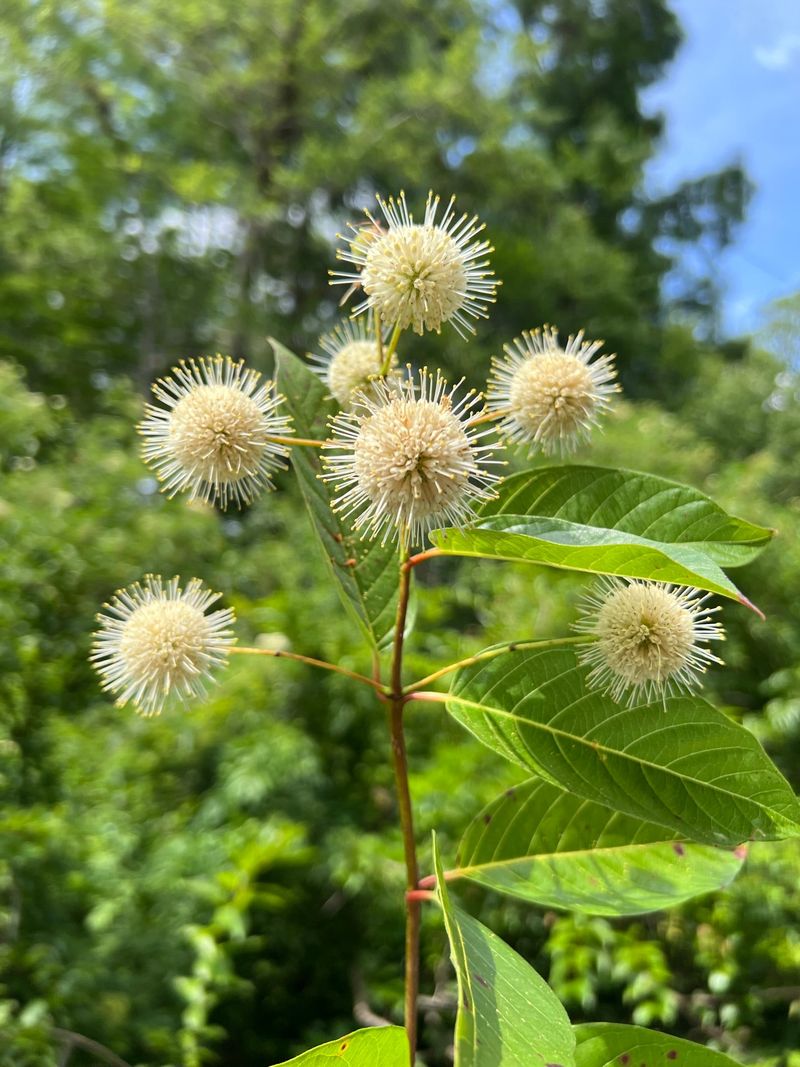
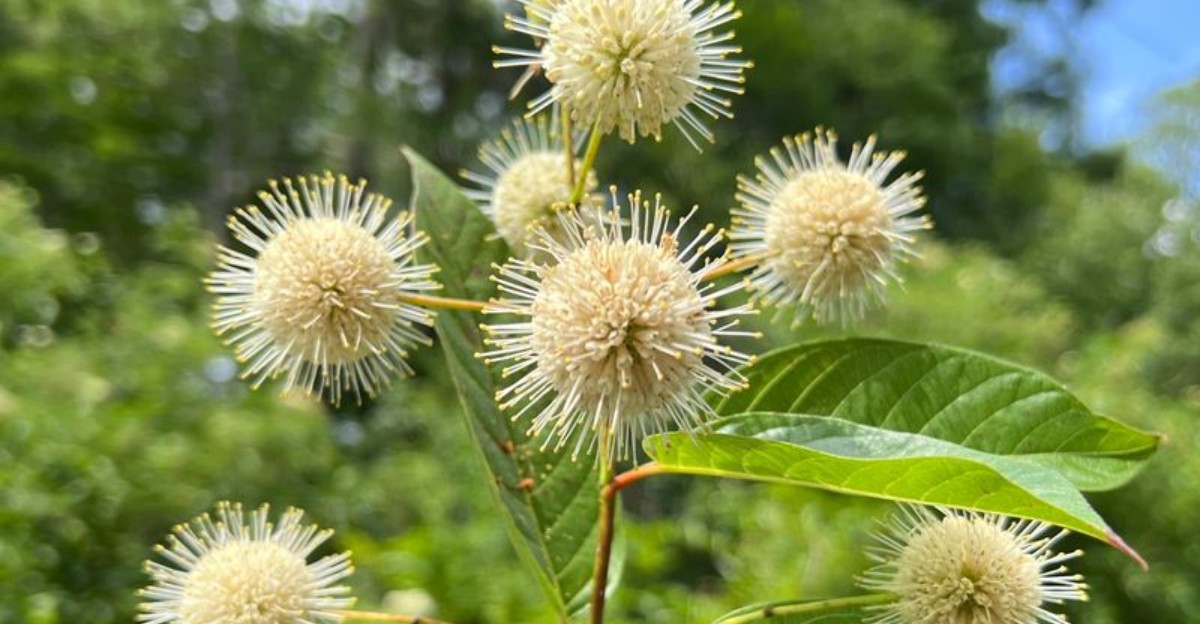
Buttonbush flowers look like tiny white pincushions or fuzzy space satellites floating above the leaves all summer long. Butterflies and bees crowd those round blooms, and ducks and other waterbirds later snack on the hard little seed balls.
You’ll find this native shrub along swamps and pond edges statewide, often standing with its roots right in shallow water. Most plants reach six to twelve feet, making them handy for rain gardens or that soggy spot by the downspout.
Rooting buttonbush feels a little like cheating, because cuttings strike roots so readily that even nervous first-timers usually succeed with ease. Choose dormant stems about the thickness of a pencil, then cut them into pieces roughly eight inches long with sharp pruners.
I keep my pots sitting in a shallow tray of water, which mimics the marshy home this shrub craves. Unlike most cuttings, these seem to appreciate soggy soil, so you can relax a little about overwatering for once.
By spring, fresh glossy leaves will push out along the stems, and roots may poke through the bottom drainage holes. One caution worth sharing is that buttonbush foliage is toxic to livestock, so plant it away from grazing animals.
7. Pomegranate
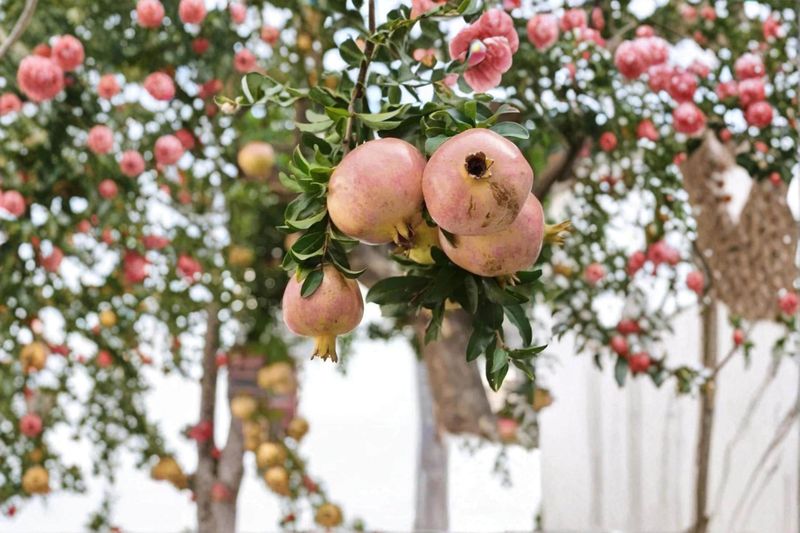
Pomegranates have been grown since ancient times, and the fruit’s jewel-like seeds even show up in old Greek myths. I can’t imagine a more storybook shrub to grow from a handful of plain knobby sticks pruned in winter.
Bright orange-red crinkled flowers appear in spring, and the shrub grows as a fountain of stems around ten feet tall. It handles sandy soil and heat well, though heavy summer rains can split ripening fruit and invite leaf spots.
Choose straight stems from last season’s growth, then cut ten inch pieces that are roughly pencil thick or slightly larger. Stick them most of the way into moist potting mix, leaving a bud or two peeking above the surface.
You’re in for a big surprise if you expect fussiness, because pomegranate cuttings usually root with surprisingly little effort. A dab of rooting hormone speeds things along, though plenty of gardeners report success without any at all.
Keep the pots in a sunny, sheltered place, since the cuttings appreciate warmth once spring days start to lengthen again. Plants grown from cuttings often flower within two or three years, and they match the parent plant’s fruit exactly.
8. Rose Of Sharon
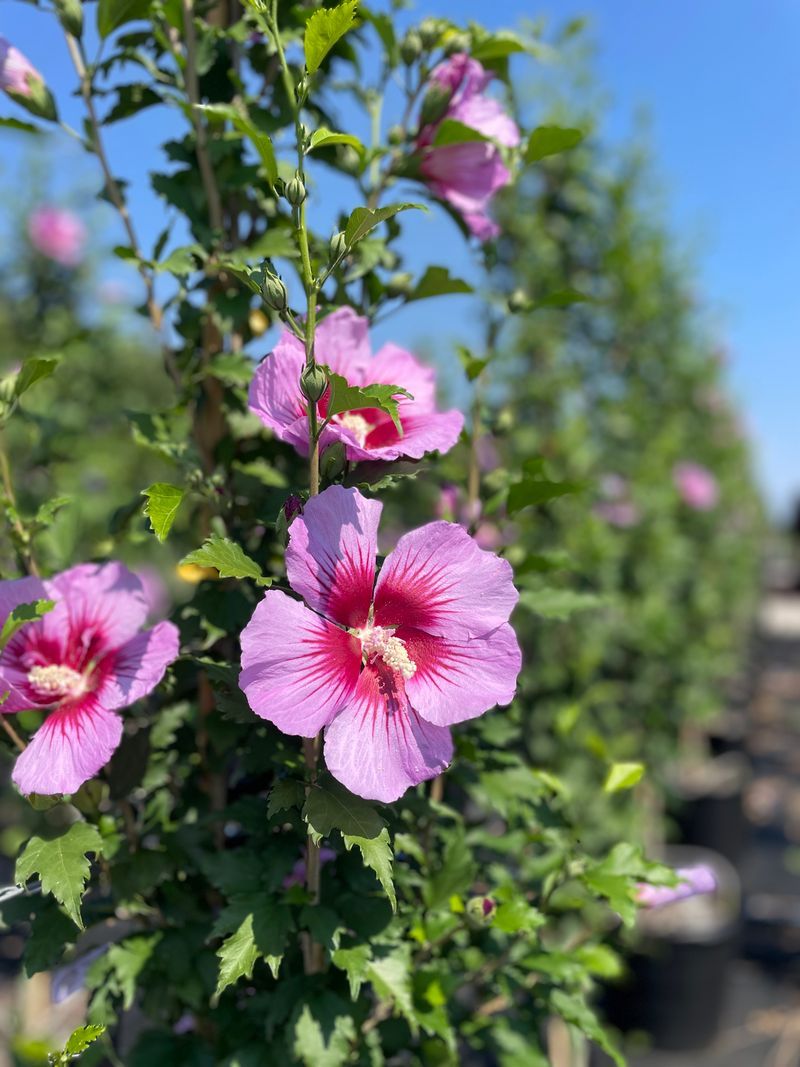
Rose of Sharon is actually a hibiscus, and its wide summer blooms prove it in shades of lavender and pink. Unlike its tropical cousins, this one drops its leaves and shrugs off the chilly winter nights of north Florida.
It grows as an upright shrub around eight to twelve feet tall, ideal for a privacy screen with flowers. Some older types scatter seedlings everywhere, so I prefer low-seed National Arboretum releases like the classic Diana and Minerva.
Once leaves fall, cut six to eight inch sections from firm, pencil-thick stems that grew during the past season. Trim just below a bud at the base and dust that end with rooting hormone before planting in gritty mix.
I have to say these cuttings behave like very eager students, pushing out roots without much coaching at all. Water them lightly through the cool months, letting the top inch of the mix dry out slightly between drinks.
Rooted plants can move into the ground next spring or early summer, preferably somewhere with full sun and decent drainage. Cuttings stay true to the parent, which matters especially when you love one particular bloom color in your yard.
9. Old Garden Roses
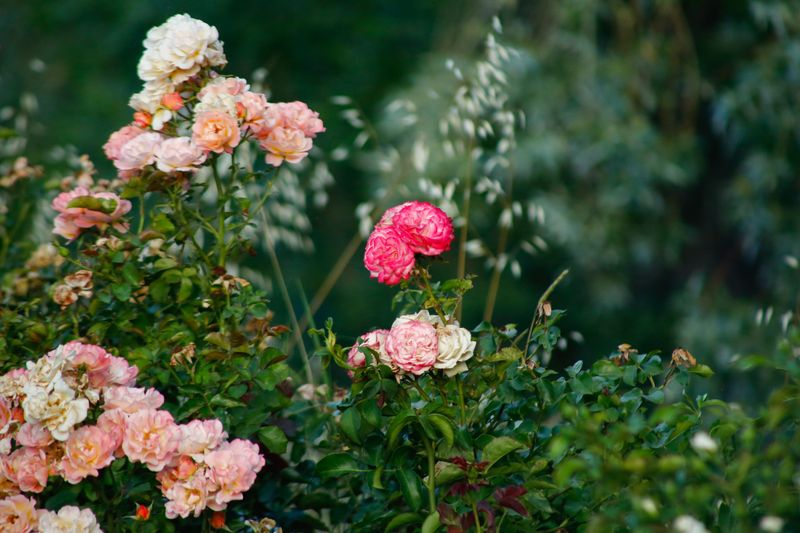
Old homesteads across the South still hide antique roses that have bloomed for generations with zero fuss or fancy care. Louis Philippe, often called the cracker rose, is a deep crimson China rose many families happily shared through cuttings.
China roses like Louis Philippe and Old Blush handle heat and humidity far better than many modern hybrid teas. They grow on their own roots happily, which makes them great candidates for a crowded pot full of cuttings.
Pick pencil-thick stems that flowered this year, then cut eight inch pieces and strip off the lower leaflets carefully. Dip each base in rooting hormone and sink it halfway into a gritty, fast-draining mix in a bright spot.
Some gardeners swear by covering cuttings with a clear two-liter soda bottle, which holds humidity like a tiny greenhouse. I love how those foggy little domes let you peek at progress without disturbing the tender new roots forming inside.
Skip popular patented roses, since plant patents legally prohibit making new plants from cuttings without the breeder’s permission. Heirloom roses carry no such rules, so you can share them freely with friends and family who admire your blooms.