8 Virginia Evergreen and Magnolia Cuttings That Make Free Holiday Decor
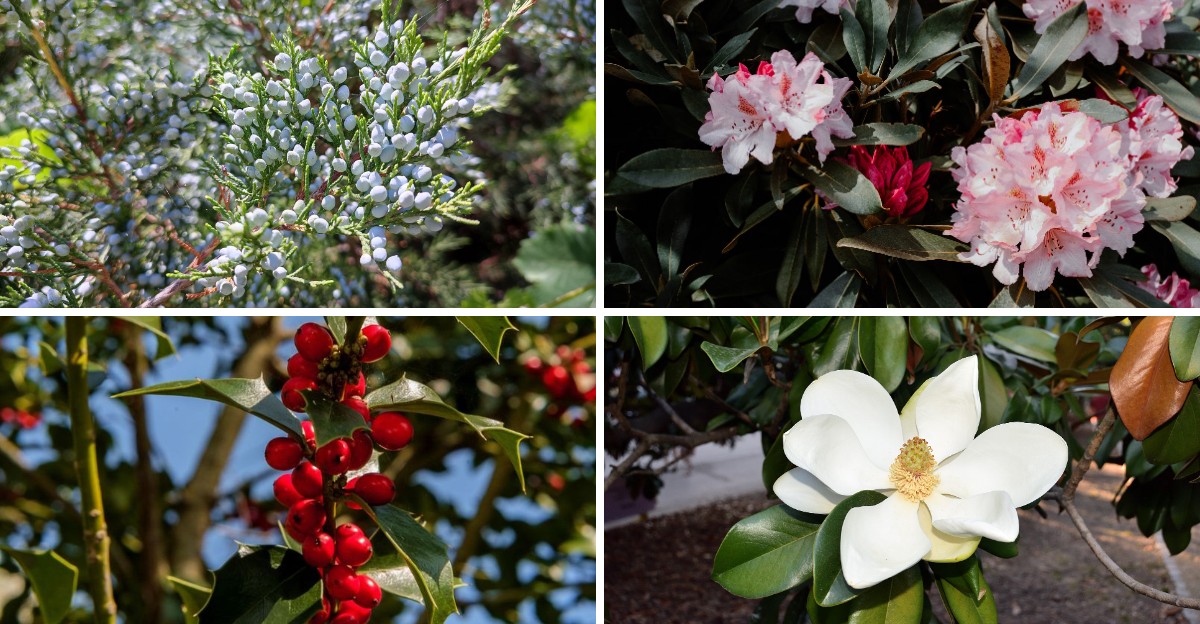
Those famous Williamsburg door wreaths are not truly colonial, since the style took shape during the 1930s. A flower arranger named Louise Fisher helped popularize those fruit and greenery designs for visitors back then.
That history made me look at my own yard with fresh and slightly greedy eyes. Virginia gardens hold plenty of glossy leaves and fragrant boughs that cost nothing but a pair of pruners.
Store wreaths can run fifty dollars or more, and many of them dry out before New Year’s Day arrives. Branches clipped from your own shrubs often stay fresh longer because they skip the long trip in a truck.
My garden taught me that a careful winter trim helps many evergreens look tidier when spring growth returns. So which plants give the best holiday branches, and which leaves last for months without a drop of water?
1. American Holly
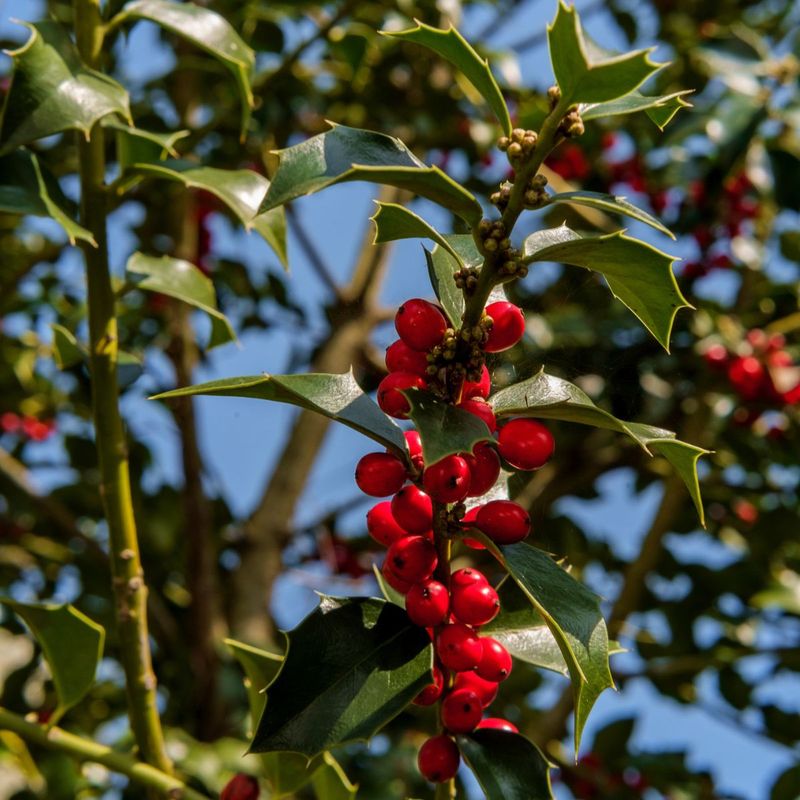
Few branches shout holiday cheer like a sprig of spiny green leaves dotted with bright red berries. American holly, or Ilex opaca, is a native tree that grows wild across much of the Old Dominion.
In my own yard, I clip holly in early December, when the berries look plump and the leaves shine. Those cuts double as a light pruning, so the tree keeps a neater shape without any extra work.
Funny thing is, many people wonder why their holly has no berries at all, even after years of waiting. Hollies come as separate male and female plants, and only females produce fruit when a male grows nearby.
Wear sturdy gloves before you start, since those leaf edges carry sharp points that can scratch tender fingers. Cut stems at an angle with clean pruners, then soak them in cool water for several hours before arranging.
Holly sprigs tuck nicely into wreaths and window boxes, where cold outdoor air helps the cuttings last much longer. Indoors near a heater, the leaves may curl within a week, so keep displays away from warm vents.
Keep berries away from curious kids and pets, because holly fruit can cause stomach upset if someone eats them. Birds, though, enjoy them later in winter, so leave plenty on the tree for hungry robins and cedar waxwings.
American holly grows well in USDA zones 5 through 9, which covers every corner of the state comfortably. Plant one in part shade to full sun with moist, slightly acidic soil, and enjoy free decor for decades.
2. Eastern Redcedar
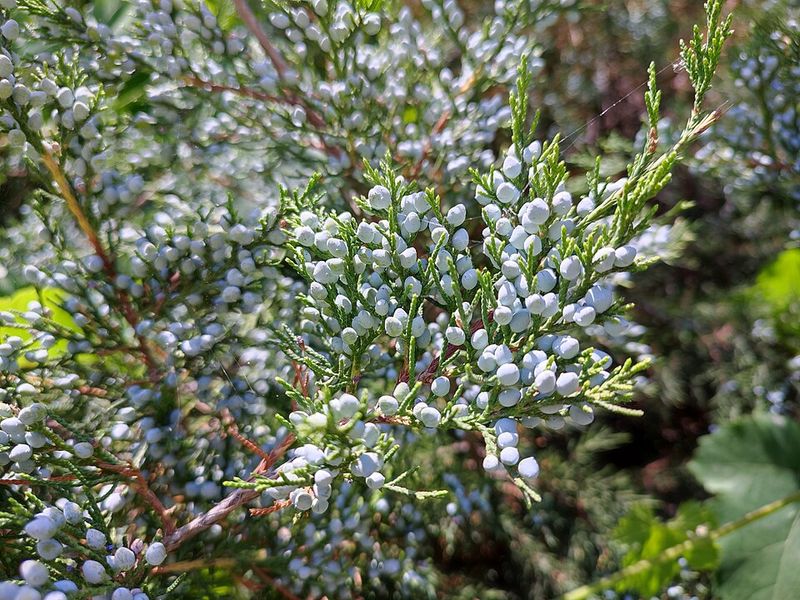
Crush a sprig of eastern redcedar between your fingers, and a sharp, woodsy scent fills the air right away. Despite the name, Juniperus virginiana is actually a juniper and not a true cedar in any botanical sense.
This tough native pops up along fence lines and old fields, where birds drop the seeds after a meal. If you own a few wild ones, you already have a free supply of rustic holiday greenery.
What caught my attention last winter was the small dusty blue cones that female trees carry like berries. Those tiny blue beads add a cool, frosty color that pairs beautifully with red ribbons and pinecones.
Snip outer branch tips from the lower parts of the tree, where cuts will barely show from the road. Mature foliage feels scaly, while young growth can feel prickly, so gloves make the job much more pleasant.
Redcedar works well in swags and garlands, and it holds its color nicely in cool porches and doorways. Indoors, mist the greens every few days to slow drying and keep that lovely fragrance going a little longer.
Apple growers should know that redcedar hosts cedar-apple rust, a fungus that spends part of its life on apple trees. Clipping off the orange, jelly-like galls in spring helps reduce the problem if you grow both plants nearby.
Eastern redcedar thrives in zones 2 through 9 and tolerates poor, dry soil better than many evergreens do. Cedar waxwings even earned their name from feasting on those blue cones, which gives the tree extra charm.
3. Eastern White Pine
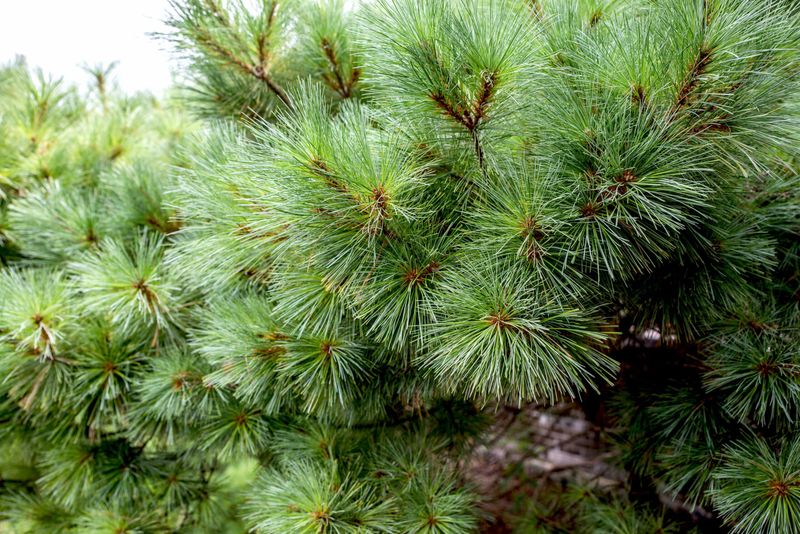
Run your hand along a white pine branch, and the needles feel more like a soft paintbrush than a pine. Pinus strobus carries its needles in bundles of five, which makes a handy trick for identifying it in winter.
If you ask me, white pine makes the friendliest garland material because it rarely pokes anyone while you work. Long, blue-green needles also drape gracefully over mantels and stair rails, giving a relaxed and airy look.
This native giant can reach eighty feet or taller, so lower limbs often need trimming anyway in home landscapes. Holiday time gives you a perfect excuse to remove a few crowded branches and bring them indoors for free.
Cut branches with sharp loppers just outside the branch collar, which is the slightly swollen ring near the trunk. Clean cuts there help the tree seal the wound properly instead of leaving a stub that invites decay.
White pine needles hold up fairly well, though they can drop sooner than fir or redcedar in a heated room. Give boughs a long drink in a bucket of water overnight, and they usually stay fresh for a few weeks.
Don’t forget the cones, which grow long and slender, often reaching four to eight inches with sticky resin streaks. Let them dry on newspaper in a warm spot, and they open into lovely shapes for bowls and wreaths.
White pine grows best in zones 3 through 8, especially in the cooler western and northern parts of the state. Pine sap can feel tacky on hands and tables, so a little cooking oil helps lift it right off.
4. Boxwood
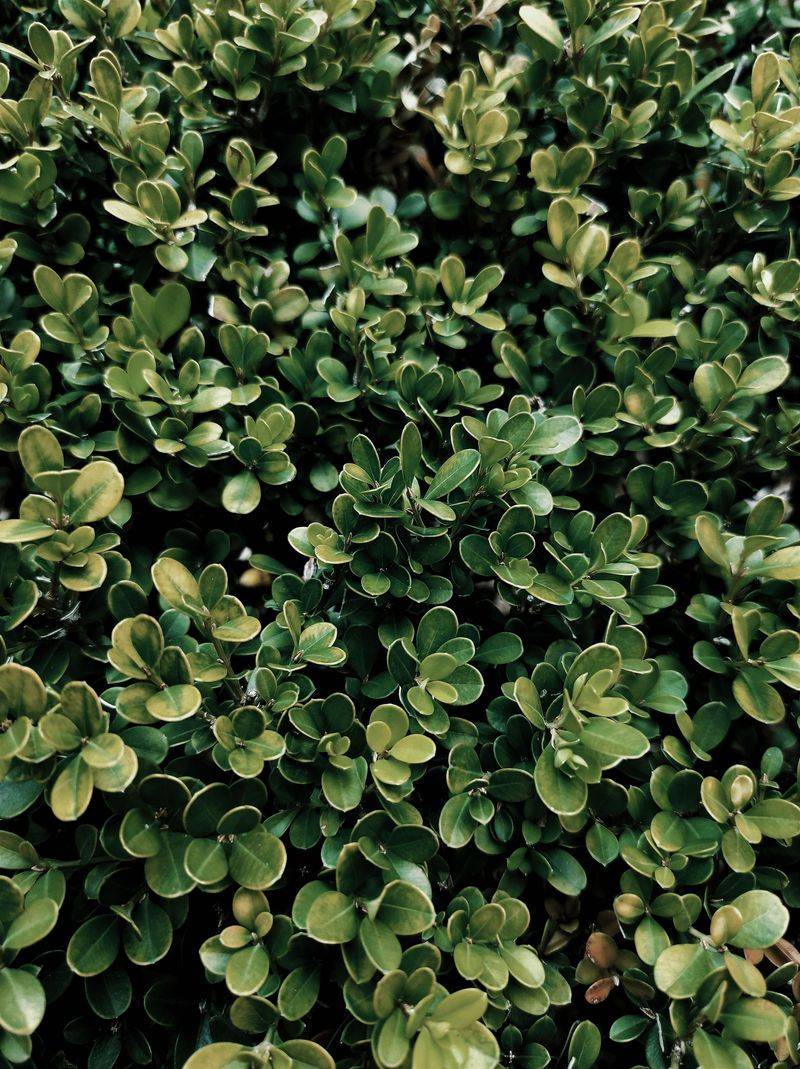
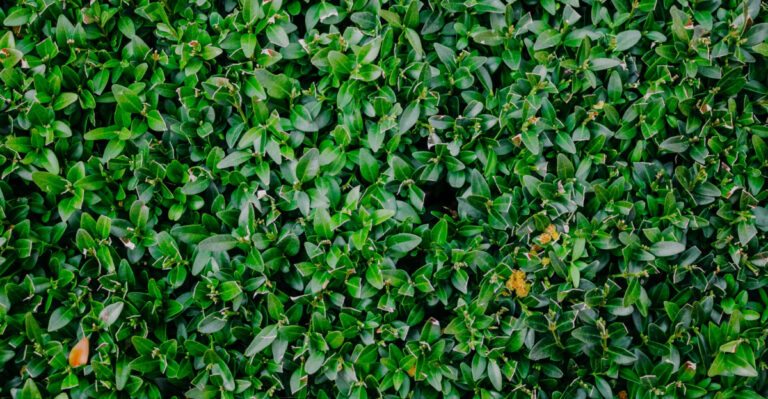
Colonial Williamsburg made boxwood famous, and its formal hedges still frame many historic gardens across Virginia today. Those small, glossy leaves look polished and classy, almost like each one was waxed by hand.
Boxwood, usually Buxus sempervirens or its hybrids, is not native, but it is a trusted garden shrub here. Its dense habit means you can snip stems from the inside and the plant still looks tidy afterward.
Truth be told, thinning boxwood at the holidays is one of my favorite chores because it helps the plant breathe. Opening up the center lets in light and air, which can lower the risk of fungal problems later.
Be careful with plants showing boxwood blight, a serious disease that causes dark leaf spots and sudden leaf drop. Avoid moving sick clippings around, and clean your pruners with disinfectant between shrubs to stop spreading spores.
Cut stems about six inches long, then soak them in water overnight so the leaves fill up with moisture. After that soak, boxwood stays green for weeks in wreaths, even without any water source at all.
Boxwood kissing balls are a classic, made by poking short stems into a soaked floral foam sphere until covered. Add a ribbon loop at the top and hang it in a doorway for a charming old-fashioned welcome.
Boxwood leaves are toxic if eaten, so keep scraps away from pets and nibbling toddlers during your cleanup. Most types grow well in zones 5 through 8 with well-drained soil and some afternoon shade in hot summers.
5. Mountain Laurel
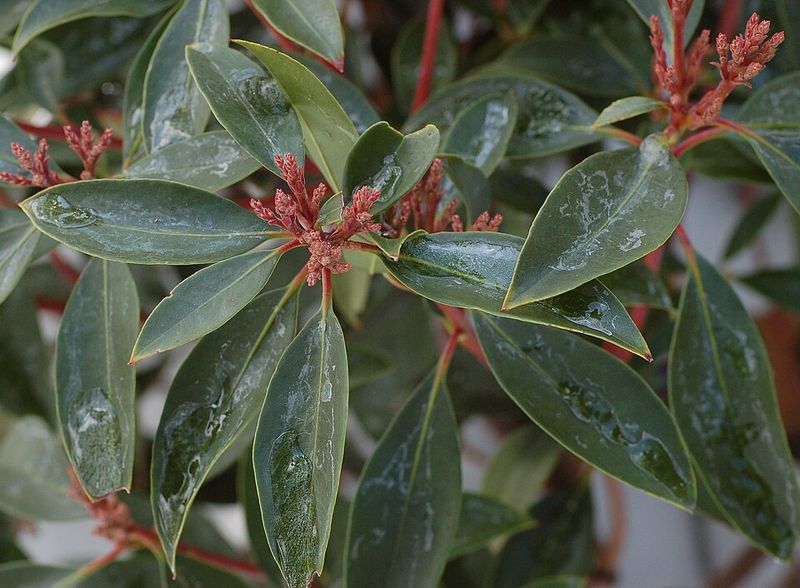
Mountain laurel brightens rocky hillsides with pink and white blossoms each spring, yet its winter leaves deserve attention too. Kalmia latifolia keeps glossy, leathery foliage all year, and it ranks as the state flower of Pennsylvania and Connecticut.
This native shrub grows wild through the mountains and Piedmont here, often forming thick tangles under oaks and hardwoods. Please leave wild plants alone and only cut from shrubs growing in your own landscape or with permission.
My garden taught me that mountain laurel grows slowly, so a light hand with the pruners matters a great deal. Take only a few stems per plant, choosing branches that cross or crowd the center of the shrub.
Look closely at the stem tips after the flowers fade, and you might find small, dry, rusty brown seed capsules. Those tiny clusters add a nutty, natural texture to arrangements and look lovely beside shiny holly leaves.
One serious caution applies here, because every part of mountain laurel is toxic to people and pets alike. Keep arrangements up high, and wash your hands after handling stems or trimming leaves for your projects.
Cut stems last nicely in a vase of water, often staying fresh and green for two weeks or longer. Change the water every few days to keep it clear, and recut the ends if leaves start to droop.
Mountain laurel likes acidic, well-drained soil with partial shade, and it grows in zones 4 through 9. If you want spring flowers too, trim lightly, because next year’s buds form on stem tips over winter.
6. Rhododendron
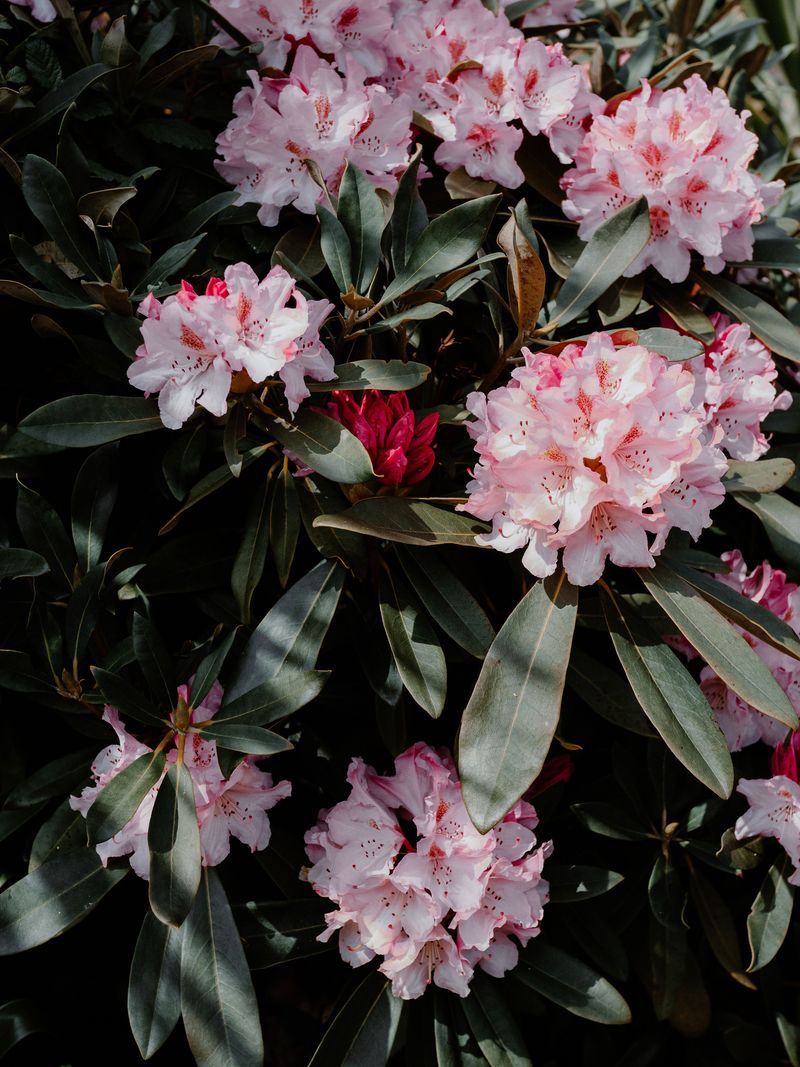
On frigid mornings, rhododendron leaves curl tight like little cigars, which helps them hold moisture in the cold. Watching that leafy thermometer is one of my favorite winter quirks, and it makes a fun story for guests.
Great rhododendron, Rhododendron maximum, is a native that grows along shady mountain streams in the western part of the state. Garden hybrids work just as well for cutting, since their large leaves offer bold green drama in arrangements.
Before cutting, look for the fat, pointed flower buds at stem tips, which hold next spring’s blooms inside. Clip leafy side shoots without those buds, and you can enjoy holiday greens and spring flowers from one shrub.
Rhododendron leaves work beautifully as a base layer in wreaths, where their size covers the frame very quickly. Tuck in finer greens like pine or cedar on top, and the mix of textures looks rich and layered.
Soak cut stems in water overnight before arranging, especially if they will sit outside in drying winter winds. Outdoor porch pots stay fresh for weeks, while indoor pieces last longer when placed away from sunny windows.
Like its laurel cousin, rhododendron contains toxins that can sicken pets and people, so display it out of reach. Grazing animals and nosy puppies are the main worry, so skip it in low centerpieces if you have pets.
Rhododendrons prefer acidic, moist, well-drained soil with dappled shade, and many types thrive in zones 4 through 8. A layer of mulch over the roots helps them handle summer heat and winter swings in our changeable climate.
7. Southern Magnolia
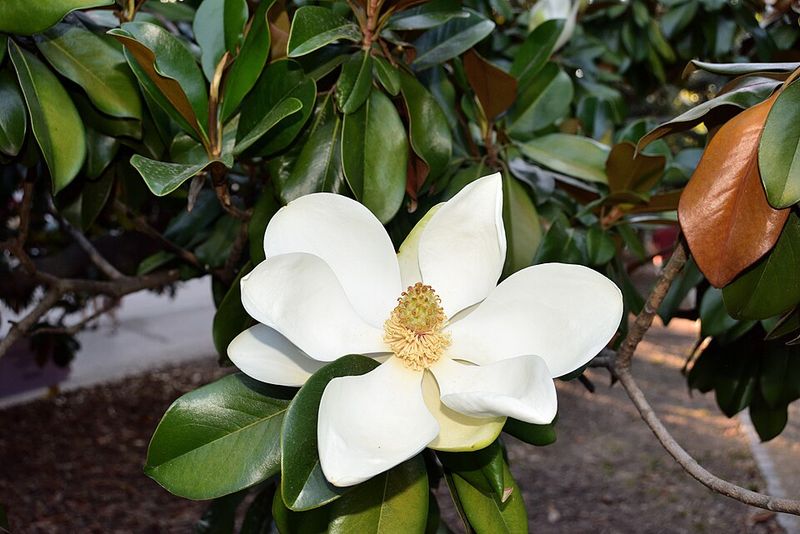
Flip a southern magnolia leaf over, and you’ll find a fuzzy, cinnamon-brown underside that feels like soft suede. That two-toned look makes Magnolia grandiflora the star of so many elegant holiday wreaths and garlands.
This big evergreen is native to the Southeast, with its natural range reaching up through the Carolinas. It grows well across much of the state, especially in the eastern half and warmer Piedmont areas.
In my own yard, a single magnolia supplies enough leaves for a door wreath and a full mantel garland. Lower limbs often sweep the ground, so trimming a few gives you greenery and makes raking a little easier.
Magnolia leaves are famous for lasting a long time, and they slowly dry in place without crumbling or dropping. Many decorators keep magnolia wreaths up for months, as the leaves fade to a warm bronze tone over time.
For the freshest look, cut branches with several leaves attached and set them in water for a day first. Arrange leaves in alternating directions so both the glossy tops and velvety backs show off their colors together.
Its bright red seeds pop from fuzzy cone-like pods in fall, and squirrels and songbirds gobble them up quickly. Save a few dried pods for your arrangements, since their knobby shapes add a fun woodland touch to displays.
Southern magnolia handles zones 6 through 10 and prefers rich, moist soil with plenty of room to spread out. Some trees top sixty feet tall, so plant one far from your house and give it decades to shine.
8. Sweetbay Magnolia
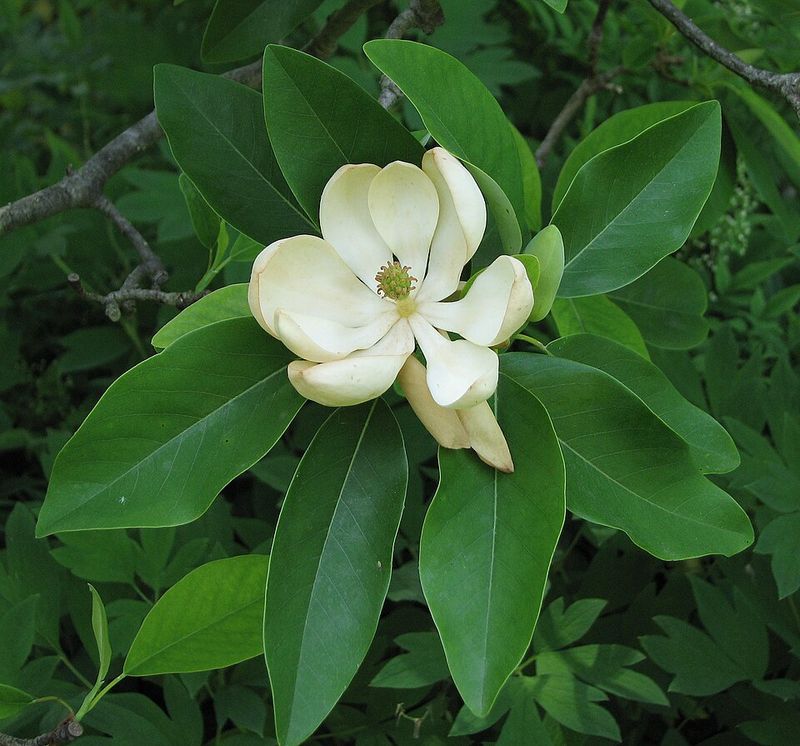
Linnaeus named this tree Magnolia virginiana back in 1753, borrowing the name of the colony where samples were collected. Sweetbay magnolia leaves flash silvery white underneath, so every breeze turns the tree into a shimmering show.
Unlike its big southern cousin, sweetbay is native here and grows naturally in swamps and wet coastal woods. Leaves are smaller and lighter green, which gives arrangements a softer and more delicate look than grandiflora.
Funny thing about sweetbay is that it can be evergreen, semi-evergreen, or deciduous depending on winter cold. In warmer coastal areas, many trees hold their leaves through winter, while mountain trees often drop most of them.
If your tree still has leaves in December, snip a few slender stems for vases or table runners. Those silvery backs catch candlelight beautifully, and they pair nicely with white pine for a gentle frosty theme.
Sweetbay leaves dry faster than southern magnolia, so plan on enjoying them for one or two weeks indoors. Keeping stems in water helps a lot, and cooler rooms slow the curling that can happen near heaters.
Gardeners love sweetbay because it handles soggy soil that would trouble many other trees in a typical yard. It stays fairly small too, often reaching ten to thirty feet, which suits suburban lots and rain gardens.
Sweetbay grows in zones 5 through 10 and prefers acidic soil with full sun to part shade for best growth. Creamy spring blooms smell like lemon, so you’ll get a fragrant bonus long after the holiday decorations come down.