Plants You’ll Never Need To Divide In Your North Carolina Garden
Division sounds like a simple garden task until you are on your knees in August prying apart a root ball that has been sitting in the same spot longer than you have. Many popular perennials demand it every few years just to stay healthy and productive.
Skip it and they decline, crowd out everything nearby, or simply stop blooming without any explanation. Not every plant in a North Carolina garden works that way, though.
Some grow for decades without any intervention, filling their space gradually and asking almost nothing in return. No digging, no splitting, no trying to schedule it for a cooler weekend that never quite comes.
They are the quiet, reliable backbone of a low effort garden and they thrive best when left completely alone.
1. Baptisia
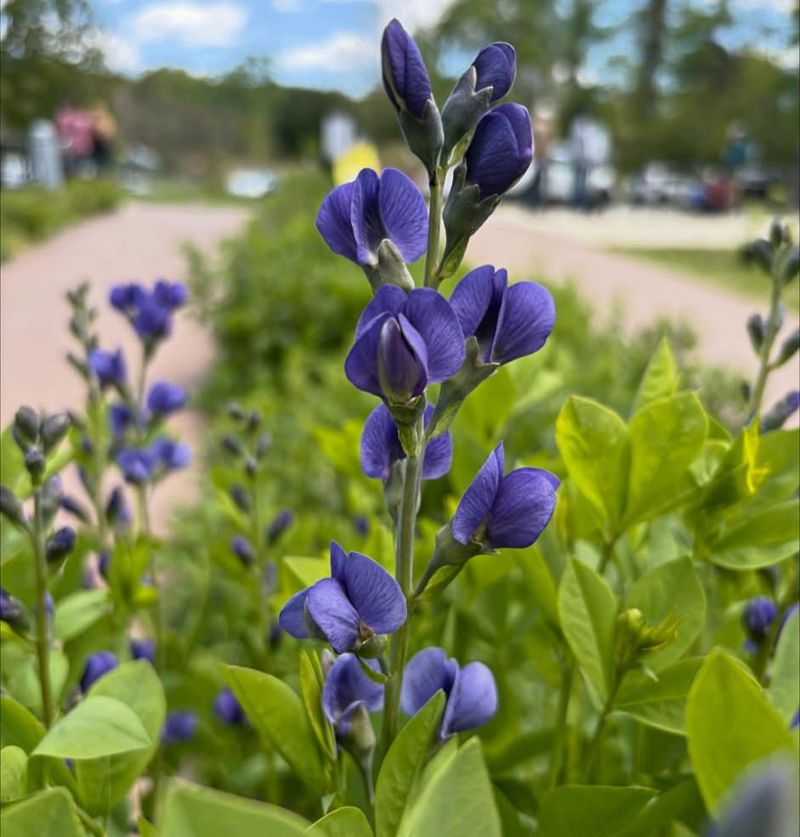
Few plants command a garden bed quite like Baptisia australis, also called Blue Wild Indigo. When those tall, lupine-like spikes of deep blue-purple flowers shoot up in spring, it looks like something out of a botanical garden, not a backyard.
The blooms last for weeks, and even after flowering, the plant stays attractive with its blue-green foliage and interesting seed pods.
Here is the thing about Baptisia: it grows a deep, thick taproot that anchors itself firmly into the soil. Moving or dividing a mature plant stresses it badly and often sets it back by several years.
North Carolina gardeners should choose a permanent, sunny spot with well-drained soil and commit to it from day one.
Establishment takes patience. The first two or three years, growth seems slow, but underground the roots are building strength.
Once settled, Baptisia handles summer drought with ease and rarely needs extra water. It also fixes nitrogen in the soil naturally, which is a bonus for the plants nearby.
Skip the fertilizer, skip the division, and skip the fuss. A well-placed Baptisia can thrive for twenty years or more with almost no intervention.
Mulch lightly around the base each spring and cut back old stems in late winter. That is genuinely all it asks for in return for decades of stunning spring color.
2. Peonies
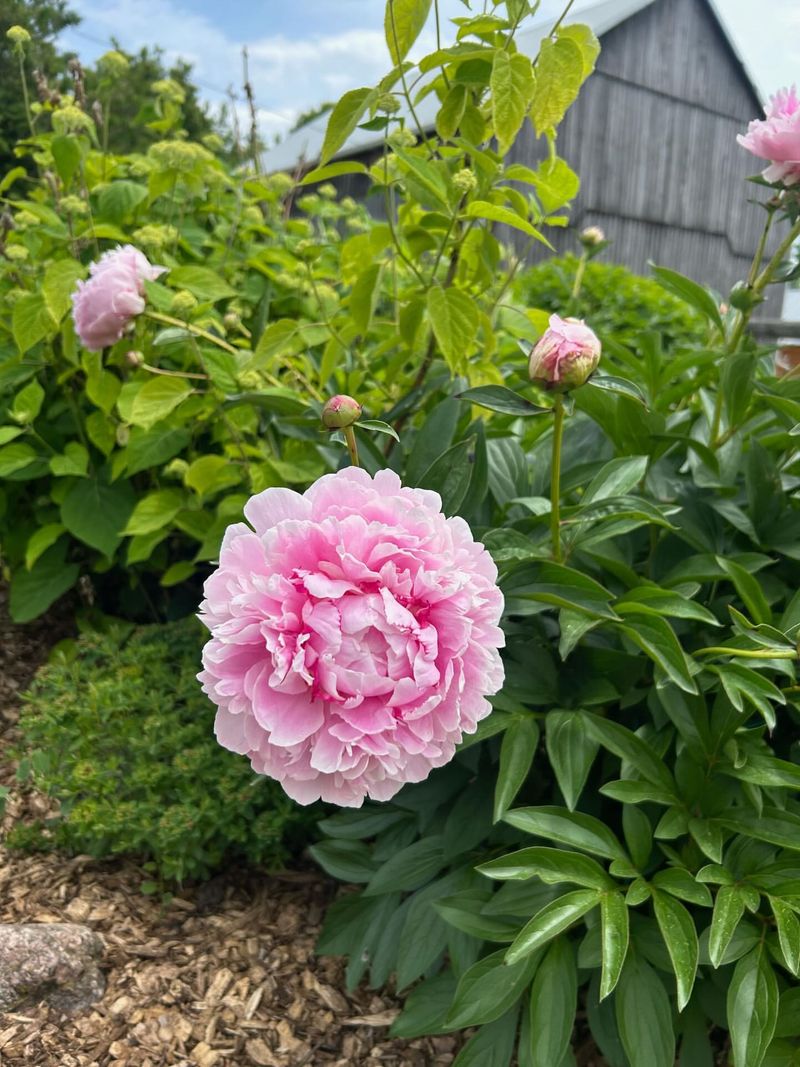
Peonies have been gracing Southern gardens for generations, and there is a very good reason for that. Paeonia lactiflora is one of those rare plants that actually blooms better the longer it stays undisturbed.
Some gardeners have peony plants in their yards that have been in the same spot for thirty, forty, even fifty years, still producing armloads of fragrant blooms every spring.
Planting depth is everything with peonies. The eyes, which are the reddish buds on the root, should sit no more than one to two inches below the soil surface.
Plant them too deep and they simply will not bloom, no matter how healthy the plant looks. Full sun, good airflow, and well-drained soil are the other keys to success in North Carolina’s humid climate.
Division is rarely needed and should only happen if you want to share plants or move them to a new location. Dividing a happy peony just for the sake of it often results in fewer blooms for several seasons while the plant recovers.
Your North Carolina Garden Changes Every Week. Your Plan Should Too.
Gardening in North Carolina changes quickly throughout the season. Every Friday you’ll receive a simple weekly plan showing exactly what to plant, prune, fertilize, harvest, and protect so you never miss the right timing.
If your peony is blooming well, leave it completely alone. Spring blooms in North Carolina typically arrive from late April through May. After flowering, the foliage stays attractive through summer and fall.
Cut stems back to ground level in late fall, and your peony will return reliably every single year without any extra effort from you.
3. Hellebores
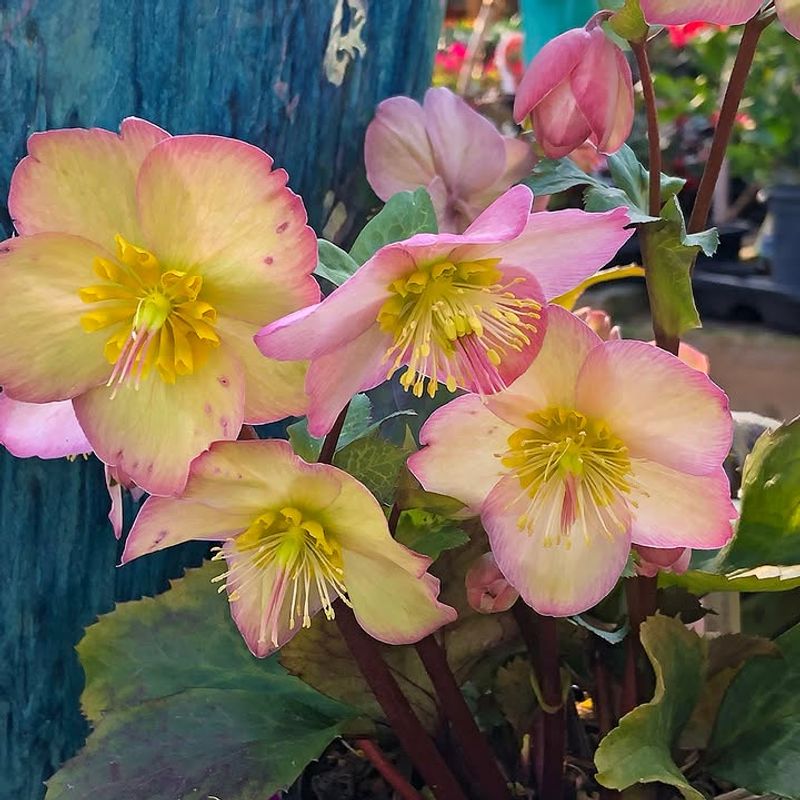
Blooming when almost nothing else dares to, Helleborus x hybridus earns its nickname Lenten Rose with style.
These tough shade perennials push out their nodding, cup-shaped flowers from January through March in North Carolina, adding color to the garden during the most dormant time of year.
The leathery, evergreen foliage stays attractive long after the blooms fade. Hellebores genuinely prefer to be left alone. Their root systems settle deep and wide over time, forming clumps that look fuller and more impressive with each passing year.
Disturbing or dividing them without good reason often causes a noticeable setback in flowering the following season. Choose a shaded or partly shaded spot with well-drained, slightly acidic soil, and plan for it to be permanent.
North Carolina summers can be tough on hellebores, especially the humidity. Good drainage is critical because standing water around the crown encourages rot.
A layer of organic mulch helps keep roots cool and moist during hot months. Cutting off the old leaves in late January before new growth emerges keeps plants looking tidy and helps reduce disease pressure.
One of the most exciting things about hellebores is that they self-seed gently over time. Young seedlings pop up nearby, slowly filling in shaded areas under trees.
Each seedling can have slightly different flower colors, making your garden feel like a living surprise every spring. No division required, just patience and a good planting spot.
4. Christmas Fern
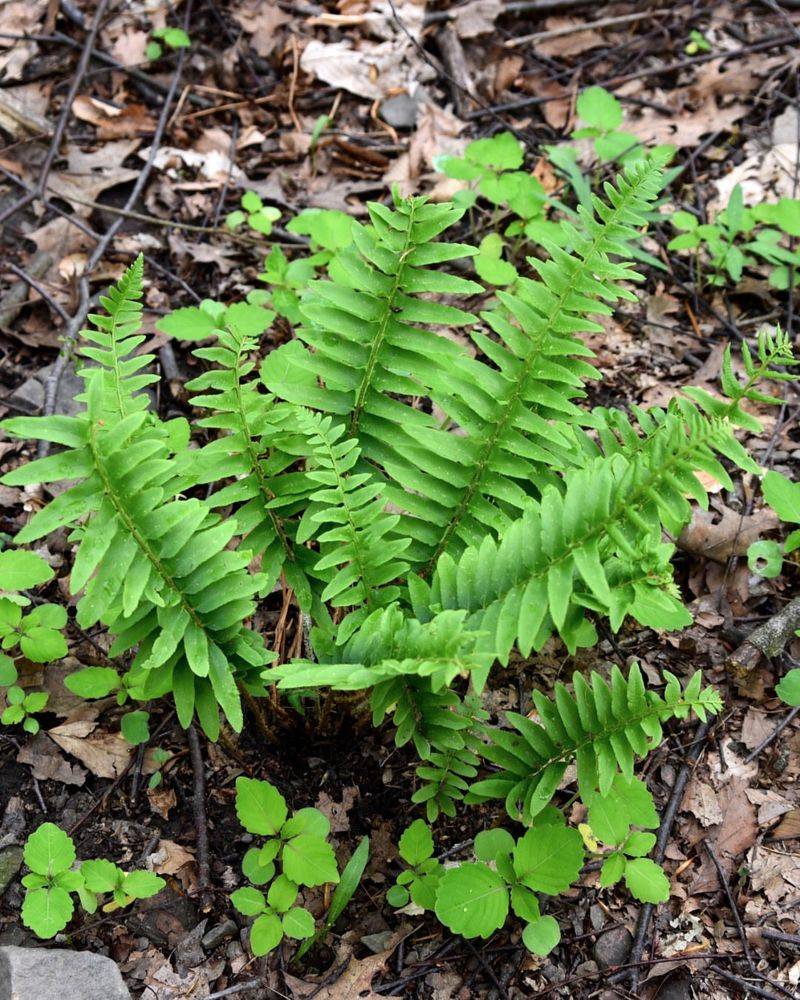
Walk into any North Carolina woodland and you will almost certainly spot Christmas Fern growing along a shady slope or stream bank.
Polystichum acrostichoides is one of the most dependable native plants in the Southeast, and it brings that same reliability right into your garden.
The deep green, glossy fronds stay evergreen through winter, which is how this fern got its festive name.
Once established, Christmas Fern builds a dense, fibrous root system that holds soil beautifully on slopes and hillsides. It spreads slowly and steadily, filling in woodland gaps without becoming aggressive.
There is no need to divide it unless you want to transplant a clump to a new area of the garden. Left undisturbed, it just keeps growing more lush and full every year.
Moisture is important, especially during the first growing season. After that, established plants handle dry spells surprisingly well for a fern.
A generous layer of leaf mulch around the base mimics the natural woodland floor and keeps roots cool and happy through North Carolina summers. Avoid heavy clay soil without amendment, as good drainage prevents crown issues.
Low maintenance barely covers it. There is no fertilizing, no dividing, and no complicated pruning routine.
Simply rake old fronds away in late winter before new growth unfurls in spring. Planted beneath large trees or along shady paths, Christmas Fern creates a lush, natural look that improves steadily with minimal effort from you.
5. Oakleaf Hydrangea
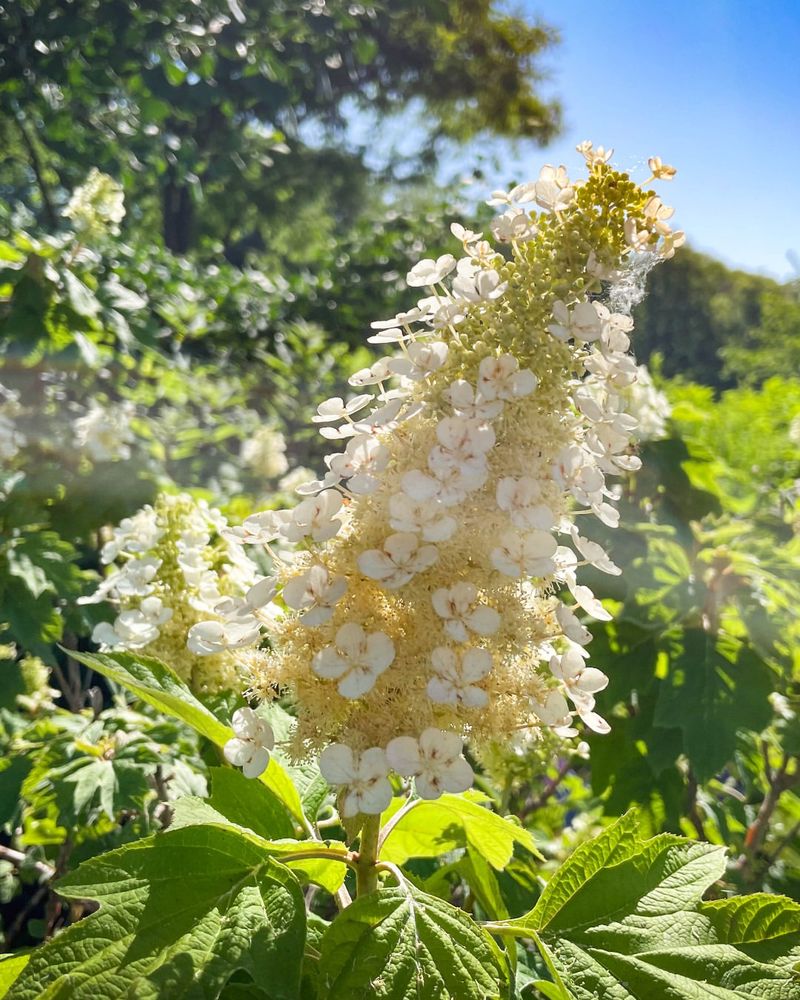
Bold, beautiful, and built for the long haul, Oakleaf Hydrangea is one of the best native shrubs you can plant in a North Carolina garden.
Hydrangea quercifolia earns its place in four seasons: dramatic white cone-shaped flowers in summer, rich burgundy and orange foliage in fall, attractive peeling cinnamon bark in winter, and fresh green leaves in spring.
Very few shrubs deliver that kind of year-round interest. Unlike clump-forming perennials, Oakleaf Hydrangea grows as a woody shrub, which means division is simply not part of its care routine. It does not need to be dug up and split to stay healthy or productive.
What it does need is the right spot from the beginning: partial shade to full sun, well-drained soil, and enough room to spread. Mature plants can reach six to eight feet wide, so give them space.
Pruning is occasionally needed to remove older stems and keep the shape tidy, but it should be done right after flowering ends in late summer. Pruning in fall or winter removes next year’s flower buds, which form on old wood.
Other than that, these shrubs are remarkably self-sufficient once established in a suitable location.
Oakleaf Hydrangea also handles the red clay soils common in the Piedmont region of North Carolina better than most shrubs.
Mulch deeply around the base to retain moisture and protect roots. Plant it once, place it well, and enjoy it for decades without any need to divide or relocate it.
6. Sweetshrub
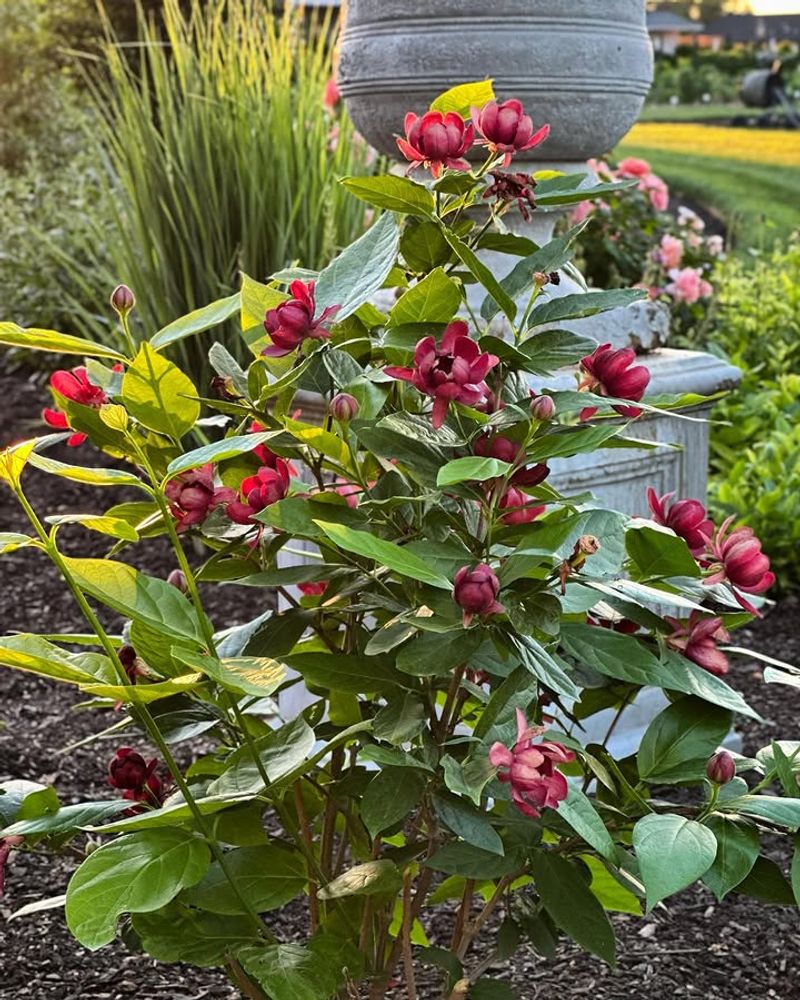
There is something almost nostalgic about Sweetshrub. Calycanthus floridus has been growing in Southern gardens and wild woodlands for centuries, and its unusual reddish-brown flowers carry a spicy, fruity fragrance that stops you in your tracks.
Some people describe the scent as a mix of strawberry, banana, and clove. It is one of those plants that surprises people every time they encounter it for the first time.
Sweetshrub is a woody native shrub, not a perennial, so dividing it is not something that fits into its care plan at all. Treating it like a clump-forming plant that needs to be dug up periodically would only damage its established root system.
Instead, choose a location with partial shade to full sun, and give it room to grow naturally to its mature size of six to nine feet tall and wide.
One of Sweetshrub’s best qualities is its adaptability. It handles clay soil, heat, and humidity with ease, making it an excellent fit for many North Carolina landscapes.
It also tolerates periods of dryness once established, though consistent moisture during the first year helps it settle in faster. Pruning can be done after flowering to shape the plant or remove any crossing branches.
Suckers occasionally emerge from the base over time, and removing them keeps the plant tidy without disrupting the main shrub.
Sweetshrub works beautifully at woodland edges, along fence lines, or as an informal hedge. Plant it right once, and it will reward you with fragrance and foliage for many years ahead.
7. Eastern Bluestar
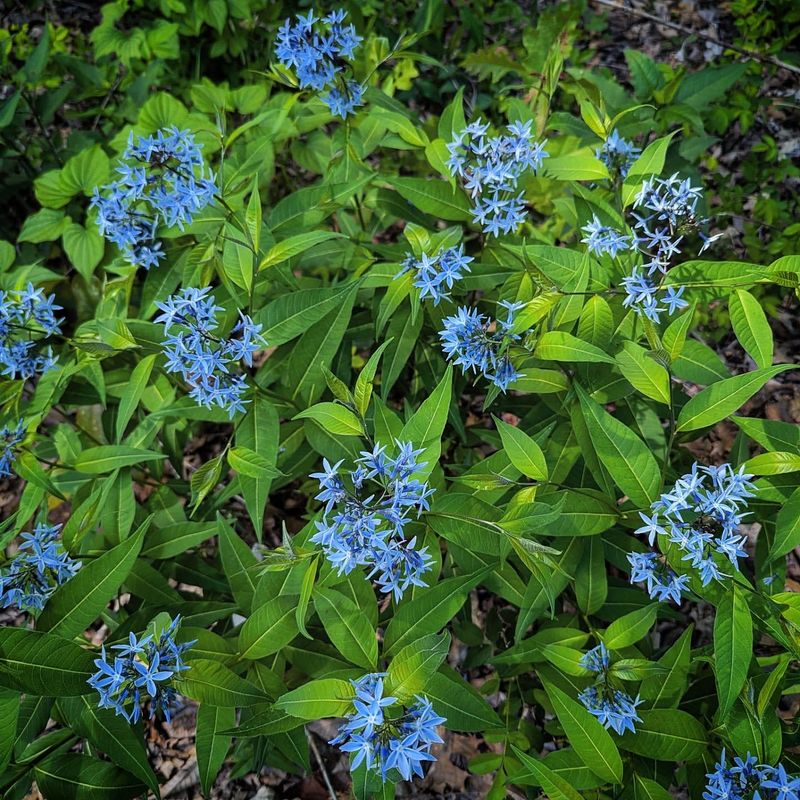
Spring in a North Carolina garden gets a lot more interesting when Eastern Bluestar is in bloom. Amsonia tabernaemontana produces clusters of small, soft blue star-shaped flowers in April and May that look delicate but belong to one seriously tough plant.
What many gardeners do not expect is the equally stunning fall display, when the fine-textured foliage turns a rich, glowing golden yellow that rivals any autumn shrub.
Eastern Bluestar forms tidy, rounded clumps that grow slowly and steadily over time. The root system becomes quite established after a few years, and the plant genuinely does better when left undisturbed.
Unlike some perennials that spread aggressively and demand regular division to stay in check, this one stays in its lane. A single plant can look full and impressive for a decade or more without any need to dig it up.
Full sun to partial shade both work well in North Carolina gardens, and once established, Eastern Bluestar handles summer drought without complaint.
The stems can get a bit floppy after flowering, and cutting them back by about one third right after bloom helps keep the clump compact and tidy through the rest of the growing season.
Fertilizing is rarely needed, and this plant is mostly unbothered by pests or disease. It works beautifully in mixed borders alongside ornamental grasses or coneflowers.
Plant it in a spot with good drainage and decent sunlight, and it will reward you with two seasons of visual interest every single year.
8. Japanese Forest Grass
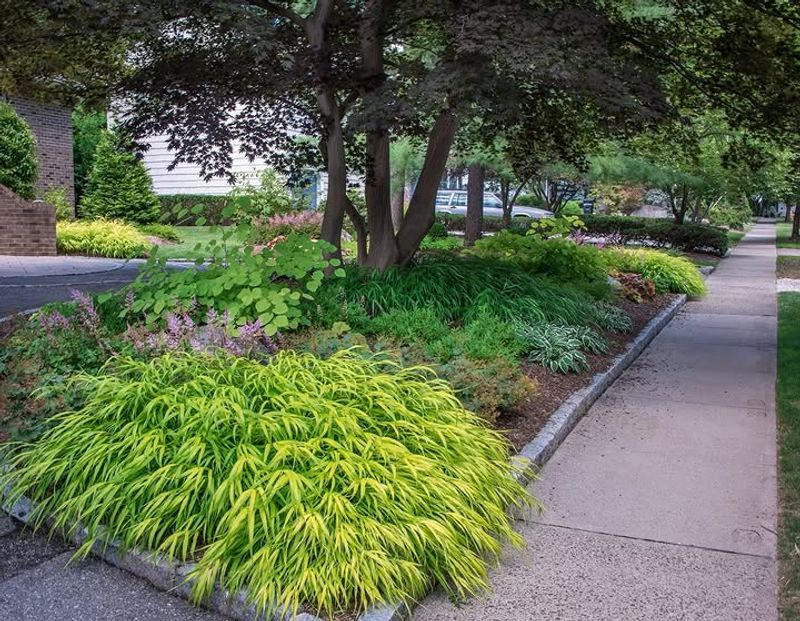
Hakonechloa macra, commonly called Japanese Forest Grass, moves with the breeze in a way that makes any shaded garden corner feel alive.
The cascading, bamboo-like foliage in shades of gold, chartreuse, or soft green creates a flowing texture that contrasts beautifully with broad-leafed shade plants like hostas or hellebores.
It is one of the most graceful ornamental grasses available for North Carolina gardens.
Slow and steady is this plant’s motto. Japanese Forest Grass spreads gradually through short rhizomes, building a fuller clump over several years rather than expanding aggressively.
Because of that slow growth habit, it rarely needs division and actually performs best when left to mature at its own pace. Dividing it too early or too often can set back its development noticeably.
Partial shade is essential in North Carolina’s climate. Too much direct afternoon sun, especially during summer, scorches the foliage and dulls the color.
Morning sun with afternoon shade is the sweet spot. Consistent moisture is also important, particularly during the heat of summer when the plant is most vulnerable to stress. A layer of mulch helps retain soil moisture and keeps roots cool.
Unlike many grasses that need cutting back aggressively each year, Japanese Forest Grass benefits from a lighter trim in early spring to remove old foliage and make room for fresh growth. The new shoots emerge with beautiful color and quickly fill the clump back in.
Place it thoughtfully in a shaded border and it will reward you with effortless elegance for many years.
9. Autumn Fern
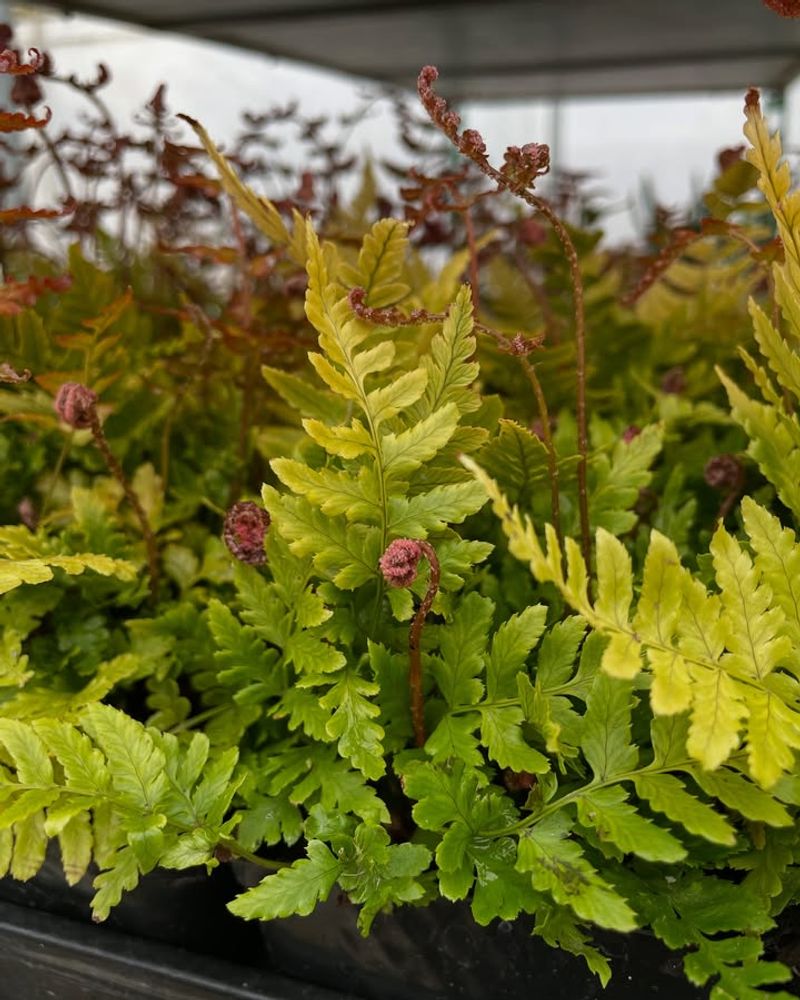
When new fronds emerge in spring, Autumn Fern puts on a show that surprises most gardeners who expect ferns to always be green. Dryopteris erythrosora pushes out striking copper and bronze-red fronds that gradually deepen to a rich, glossy green as they mature.
That seasonal color shift is what earned this plant its name, and it makes the garden feel dynamic even in the shadiest corners.
Autumn Fern is one of the most reliable low-maintenance plants you can grow in a North Carolina shade garden. It forms a tidy, vase-shaped clump that fills in beautifully over time and holds its structure without any help from you.
There is no need to divide it on a regular schedule. The clump simply grows fuller and more attractive with each passing year when planted in the right conditions.
Semi-evergreen to fully evergreen depending on the winter, this fern keeps the garden looking presentable through the cooler months. It appreciates consistent moisture and well-drained, organically rich soil.
A good layer of mulch around the base helps regulate soil temperature and moisture during both summer heat and winter cold, which is especially helpful in North Carolina’s variable climate.
Pest pressure on Autumn Fern is minimal, and it rarely draws attention from deer either. Plant it under trees, along shaded walkways, or in combination with other shade perennials for a layered, lush look.
Once settled, it asks for very little while delivering year-round texture and that unforgettable copper flush every spring.
10. Wild Ginger
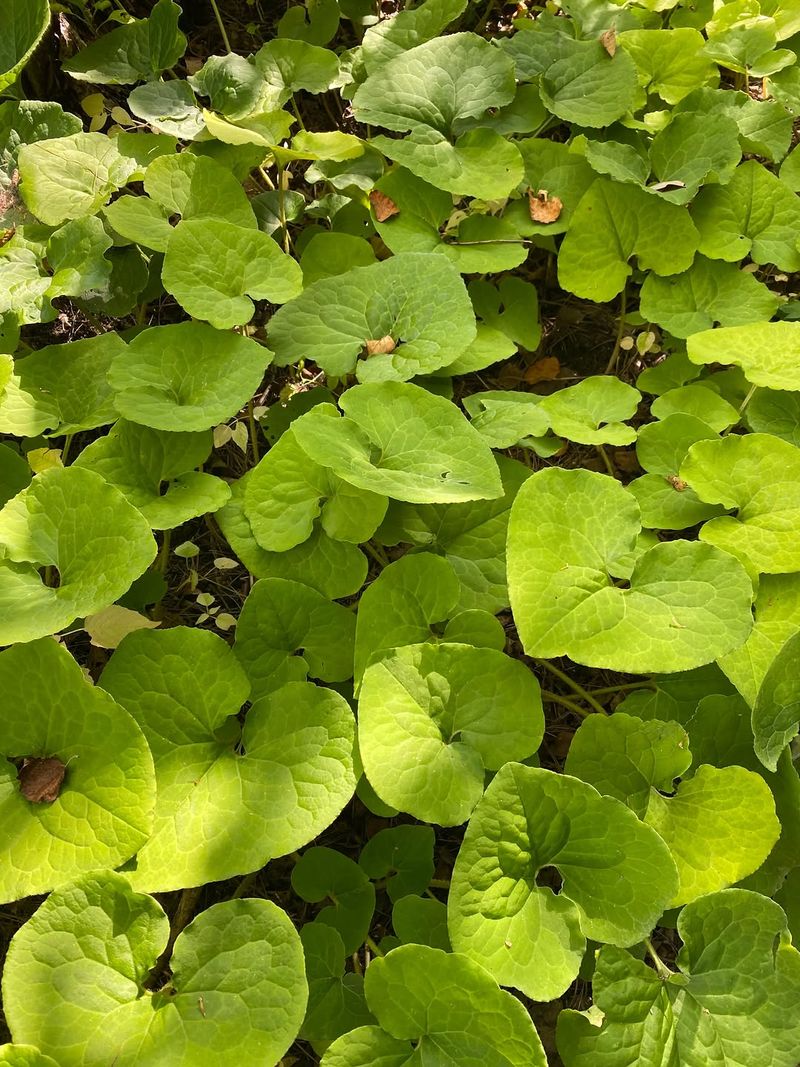
Tucked beneath the canopy of a shaded North Carolina garden, Wild Ginger creates a lush carpet of heart-shaped leaves that looks like it belongs in a fairy tale forest.
Asarum canadense is a native woodland groundcover that spreads slowly through shallow rhizomes, quietly filling in gaps under trees where grass refuses to grow and many other plants struggle to survive.
It is patient, persistent, and completely charming. The spreading habit of Wild Ginger is gentle and manageable. It does not race across the garden or crowd out neighbors aggressively.
Instead, it expands gradually season by season, building a dense mat that suppresses weeds naturally without any help from you.
Because it spreads through underground rhizomes rather than forming large clumps that become congested, routine division is simply not necessary for this plant to stay healthy and useful.
Deep shade and consistent moisture are what Wild Ginger loves most. It naturally grows on rich, moist woodland floors, so mimicking those conditions in your garden sets it up for long-term success.
A generous layer of leaf mulch around and over the planting area feeds the soil, retains moisture, and recreates the forest floor environment this plant evolved in.
The hidden flowers are a fun discovery in early spring, tucked beneath the foliage close to the ground where most people never think to look. They are small, jug-shaped, and brownish-purple, pollinated by ground-level insects.
Wild Ginger grows slowly but steadily, and once it finds its groove, it handles itself beautifully with almost no maintenance at all.