8 Plants That Grow Well With Tradescantia In Florida Gardens
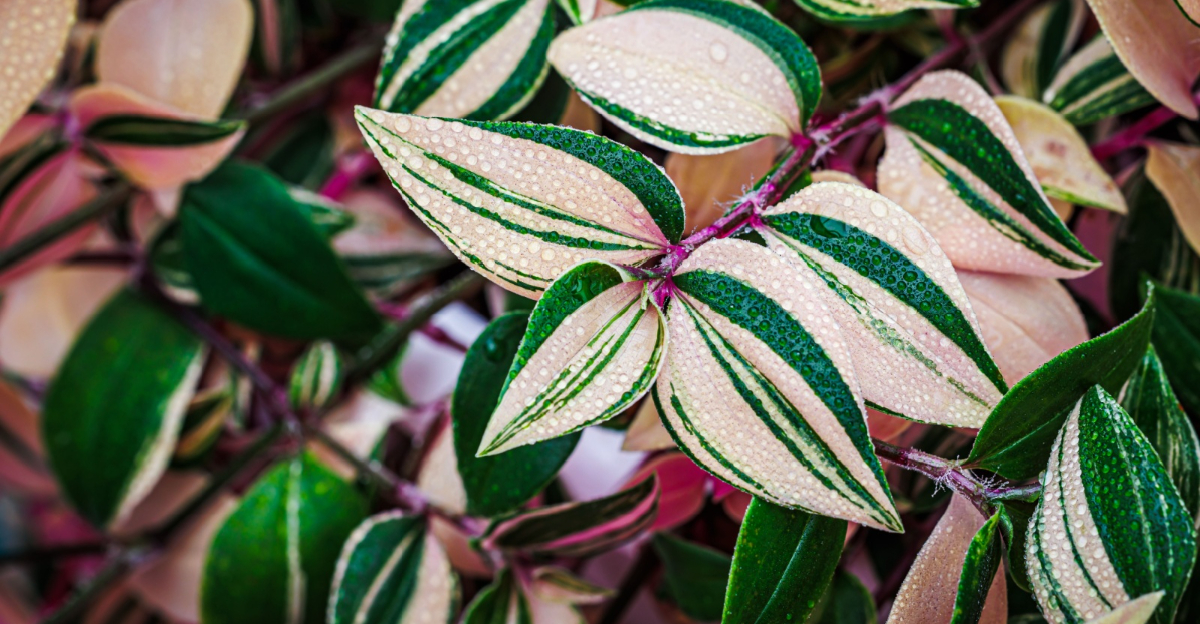
Tradescantia rules Florida gardens. Its trailing stems, colorful foliage, and effortless growth make it a star in patios, beds, and containers alike.
But even a superstar plant needs the right friends. Plant the wrong companions, and Tradescantia can get crowded, shaded out, or tangled in a messy battle for space.
The secret to a thriving garden isn’t just planting Tradescantia, it’s pairing it with plants that complement its bold colors, trailing habits, and fast growth.
Done right, these partnerships create a lush, low-maintenance paradise where every plant shines.
These companion plants are the perfect allies for Tradescantia in Florida gardens, boosting beauty, texture, and resilience while keeping your garden looking effortlessly vibrant all season long.
1. Caladium Adds Bold Color Beside Tradescantia
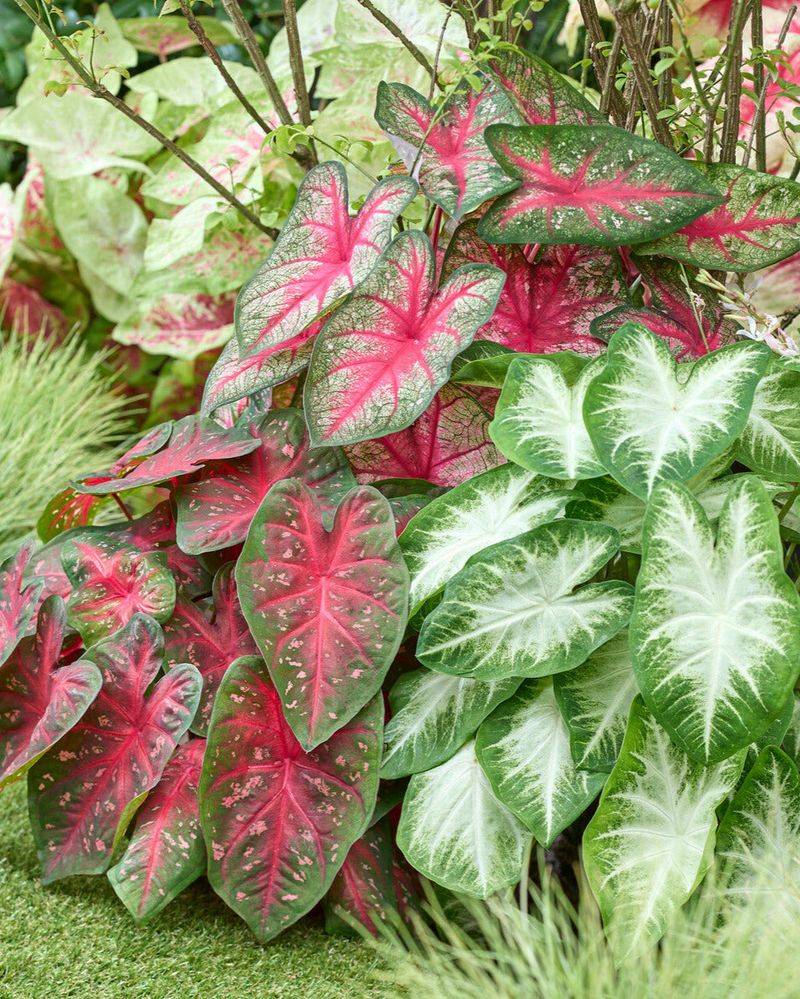
Few plants make a statement in a shaded Florida garden quite like caladium. With its spectacular heart-shaped leaves splashed in shades of red, pink, white, and green, caladium brings an almost theatrical energy to any planting bed.
Placed right beside Tradescantia, the contrast between caladium’s bold patterns and Tradescantia’s flowing, narrow foliage creates a display that is hard to walk past without stopping.
Both plants share a love of warm, humid conditions, which makes Florida an ideal home for this pairing. Caladiums prefer indirect light or dappled shade, which lines up perfectly with the filtered sun that Tradescantia thrives in.
They also both appreciate consistently moist, well-drained soil, so you can water them on the same schedule without any guesswork.
UF/IFAS Extension recommends caladiums as one of Florida’s top shade garden plants, and it is easy to see why. Plant caladium bulbs in spring after the soil warms up, and they will reward you with months of stunning foliage through the hot summer.
For containers on a shaded porch or patio, mixing caladium and Tradescantia together creates a layered tropical look that feels lush, colorful, and unmistakably Floridian.
2. Coleus Brings Bright Foliage To Shaded Beds
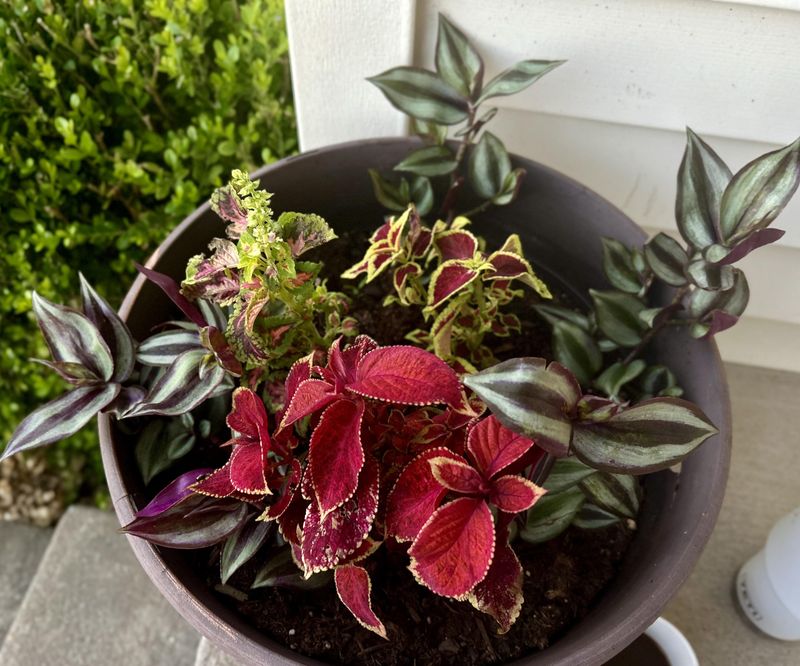
Coleus is the kind of plant that makes gardeners do a double take. Its leaves come in an almost unbelievable range of colors, from deep burgundy and lime green to bright coral and creamy white, often all on the same plant.
Planted alongside Tradescantia in a shaded Florida bed, coleus creates a rich tapestry of color that looks like a professional designer put it together.
What makes coleus such a reliable companion for Tradescantia is how closely their growing needs align. Both plants prefer partial to full shade, especially in Florida where the summer sun can be intense.
They also thrive in moist, fertile soil with good drainage, and both respond well to regular feeding with a balanced fertilizer during the growing season.
Florida gardeners will appreciate that modern coleus varieties are bred to hold their color even in high heat and humidity. Unlike older varieties that faded in summer sun, newer sun-tolerant coleus types stay vibrant through Florida’s long warm season.
Pinch back the growing tips occasionally to keep coleus bushy and full rather than leggy. Paired with the trailing habit of Tradescantia, coleus adds upright structure and a burst of personality to any shaded garden corner or container arrangement.
Your Florida Garden Changes Every Week. Your Plan Should Too.
Gardening in Florida changes quickly throughout the season. Every Friday you’ll receive a simple weekly plan showing exactly what to plant, prune, fertilize, harvest, and protect so you never miss the right timing.
3. Impatiens Fill Garden Spaces With Easy Blooms
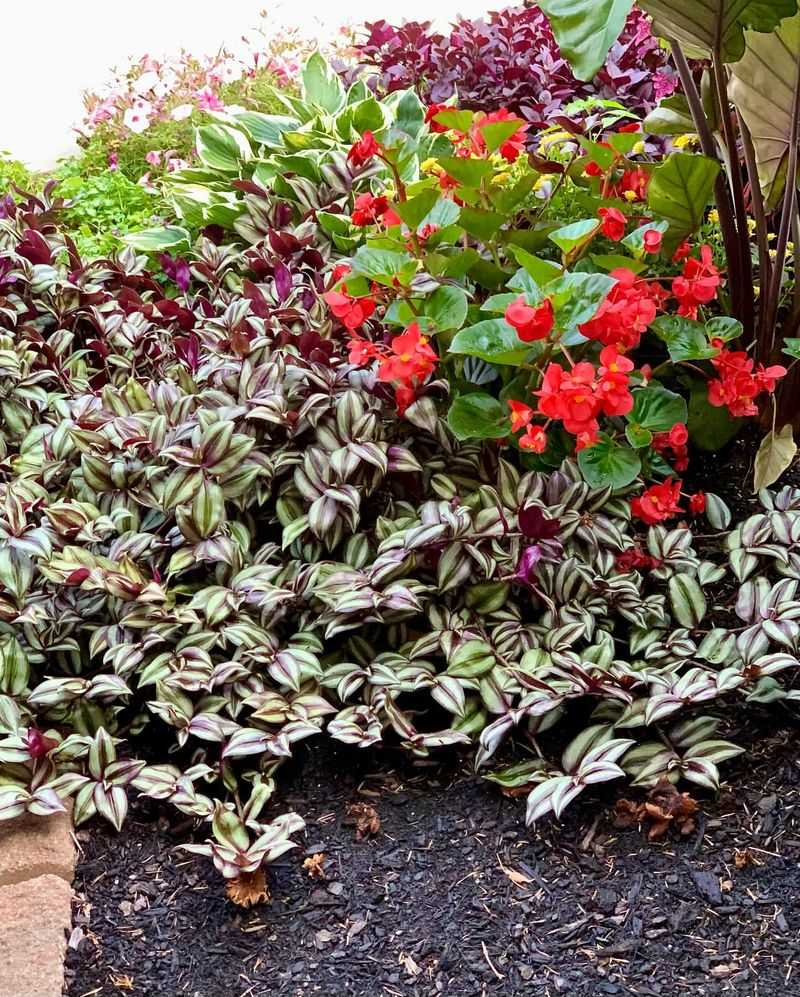
Walk through almost any Florida neighborhood in spring or fall, and you will spot impatiens lighting up shaded garden beds with their cheerful, non-stop blooms.
Unlike many flowering plants that need full sun to perform, impatiens actually prefer the kind of dappled or partial shade that Tradescantia loves.
That shared preference makes them natural companions in any Florida shade garden design.
Impatiens bring something that Tradescantia cannot offer on its own: continuous flowers in soft shades of pink, red, white, coral, and lavender.
The combination of Tradescantia’s bold foliage and impatiens’ gentle blooms creates a planting that has both texture and color working together at all times.
The soft mounding habit of impatiens also fills in gaps around Tradescantia’s trailing stems beautifully.
Keep in mind that Florida gardeners should look for New Guinea impatiens or impatiens varieties resistant to downy mildew, a disease that can affect standard types in humid conditions.
Water impatiens at the base rather than overhead to keep the foliage dry and healthy.
Both plants appreciate regular moisture and benefit from a slow-release fertilizer applied at planting time. Together, impatiens and Tradescantia create a full, blooming ground layer that looks polished and inviting throughout the growing season.
4. Boston Fern Creates A Lush Tropical Layer
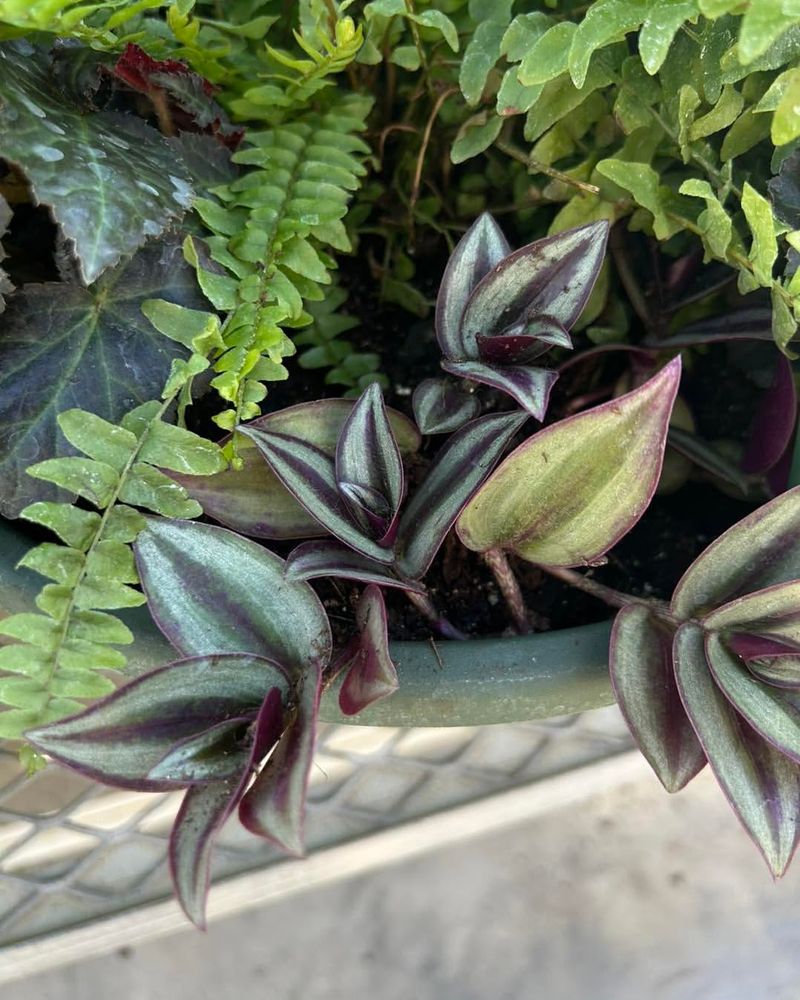
There is something almost jungle-like about the way a Boston fern fills a shaded garden space. Its long, arching fronds covered in tiny leaflets create a dense, feathery canopy that adds incredible texture to any planting bed or container.
In Florida’s humid climate, Boston ferns absolutely thrive, and they make one of the most natural-looking companions for Tradescantia you can find.
Both plants enjoy similar conditions: indirect light, consistent moisture, and the kind of warm, humid air that Florida delivers in abundance. Boston ferns are particularly well suited to shaded patios, covered porches, and garden beds under tree canopies.
When planted beside Tradescantia, the contrast between the fern’s fine, feathery texture and Tradescantia’s broader, colorful leaves creates a layered tropical effect that feels genuinely lush.
UF/IFAS Extension notes that Boston ferns are among the most popular plants for Florida landscapes and indoor spaces because they handle heat and humidity so well.
Keep the soil evenly moist and mist the fronds occasionally during dry spells to maintain that vibrant green color.
Avoid placing Boston ferns in direct afternoon sun, as the fronds can scorch quickly in Florida’s intense heat. With proper care, this pairing creates a year-round tropical display that feels effortlessly beautiful.
5. Begonias Thrive In The Same Shady Conditions
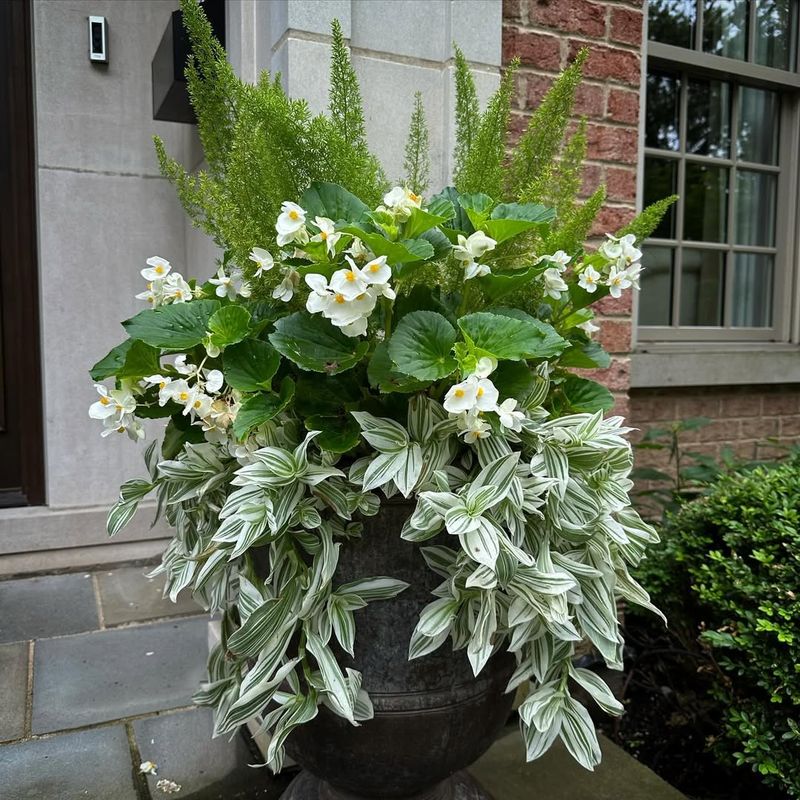
Begonias have been a staple of Florida shade gardens for decades, and once you pair them with Tradescantia, it is easy to understand why they remain so popular.
Wax begonias, in particular, offer glossy, rounded leaves and cheerful flowers in shades of red, pink, and white that complement the purple and green tones of Tradescantia foliage beautifully.
The result is a planting combination that feels both polished and effortlessly tropical.
One of the biggest reasons begonias work so well alongside Tradescantia is their shared love of warm shade and consistent moisture.
Florida’s summer rains keep both plants well hydrated, and their similar soil preferences mean you can prepare one bed for both without any complicated soil adjustments.
Begonias also tolerate the kind of brief dry spells that occasionally occur between Florida rain events, adding a layer of resilience to the planting.
For the best results, choose wax begonias or angel wing begonias for outdoor Florida beds. Both types handle heat and humidity much better than tuberous begonias, which prefer cooler conditions.
Plant begonias at the front edge of a bed with Tradescantia spreading behind them for a layered look. A light application of balanced fertilizer every four to six weeks keeps both plants blooming and growing vigorously through the long Florida season.
6. Sweet Potato Vine Spreads Beautifully Around Tradescantia
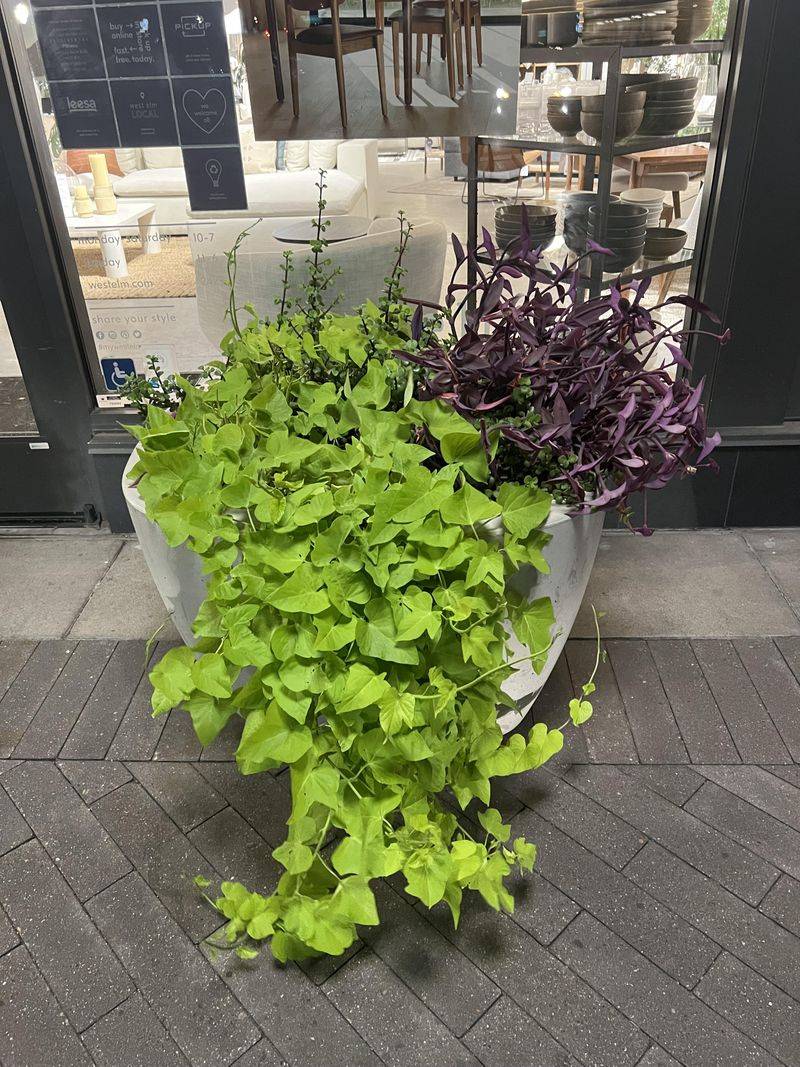
Sweet potato vine is one of those plants that earns its place in the garden through sheer drama.
Its large, lobed leaves come in striking shades of chartreuse, deep purple, bronze, and variegated green and white, and it spreads quickly to fill containers and garden beds with cascading color.
When combined with Tradescantia, the trailing habits of both plants create a flowing, layered look that is almost impossible to achieve with upright plants alone.
Florida gardeners love sweet potato vine because it genuinely thrives in the state’s heat and humidity. It grows vigorously from spring through fall and can handle both partial shade and full sun, giving you flexibility in where you place it.
In shaded or partially shaded spots, sweet potato vine’s growth slows slightly but its color often becomes even richer and more saturated, which looks stunning alongside Tradescantia’s purple and silver tones.
For container plantings, try combining a purple-leafed sweet potato vine with Tradescantia’s green and silver foliage for a high-contrast display that looks professionally designed.
Make sure containers have good drainage, as both plants dislike sitting in waterlogged soil.
Trim sweet potato vine back occasionally if it starts to overwhelm the Tradescantia, keeping the planting balanced and visually appealing throughout the growing season.
7. Peace Lily Adds Elegant Texture To Garden Beds
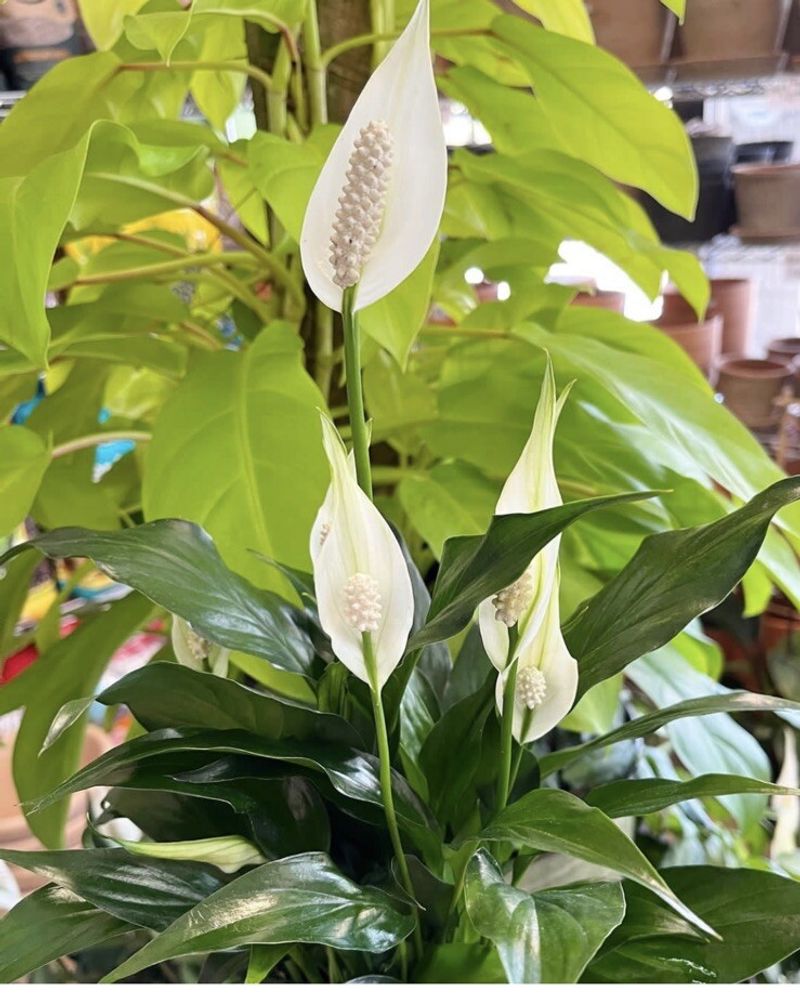
Elegant, understated, and surprisingly tough, peace lily brings a quiet sophistication to shaded Florida garden beds that few plants can match. Its broad, glossy dark green leaves create a bold vertical presence that contrasts beautifully with the lower, trailing growth of Tradescantia.
When peace lily sends up its creamy white blooms on tall stems, the whole planting combination takes on a refined, almost formal quality.
Peace lily thrives in the same low-light, high-humidity conditions that Tradescantia prefers, making Florida’s shaded garden spots an ideal home for both.
The plant handles the warm, moist air of Florida summers without any complaints and actually produces more flowers when kept in consistent shade rather than bright light.
Its tolerance for occasional overwatering also makes it a forgiving neighbor for Tradescantia in garden beds that receive heavy summer rains.
Plant peace lily in groups of two or three behind a mass planting of Tradescantia to create a natural height gradient in the bed. This layered approach adds depth and visual interest without requiring complex design work.
Keep the soil rich and consistently moist but never waterlogged. According to UF/IFAS recommendations, peace lily performs best in Florida landscapes when planted in well-amended soil with added organic matter to support healthy root development.
8. Ti Plant Brings Height And Tropical Color
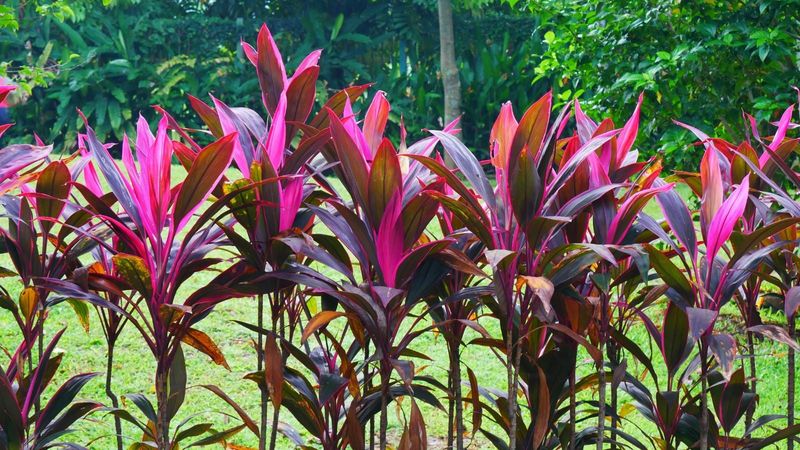
Bold, architectural, and unmistakably tropical, the ti plant is one of Florida’s most striking landscape plants.
Growing anywhere from three to ten feet tall depending on the variety, ti plants offer long, strap-like leaves in shades of deep red, burgundy, pink, green, and multicolored combinations that create a dramatic vertical accent in any garden.
Planted behind or beside low-growing Tradescantia, the height and color contrast between the two plants is absolutely spectacular.
Ti plants are well suited to Florida’s warm climate and grow vigorously in USDA hardiness zones 10 and 11, with some cold-hardy varieties performing in zone 9 as well. They prefer partial shade to filtered sunlight, which aligns well with Tradescantia’s preference for indirect light.
Both plants appreciate regular moisture during the growing season, though ti plants are somewhat more drought-tolerant once established in the landscape.
Florida gardeners often use ti plants as a bold backdrop in mixed tropical beds, and pairing them with the spreading, ground-hugging habit of Tradescantia creates a natural two-tier planting design.
The ti plant draws the eye upward while Tradescantia fills in the lower layer with rich foliage.
Together, they deliver that layered, lush look that defines Florida’s best tropical garden designs, all with relatively minimal maintenance required from you.