8 Vegetables Florida Gardeners Grow During Rainy Season
Rainy season is when Florida gardens stop pretending to be polite. The sky opens almost daily, the soil stays damp, and anything too delicate starts looking like it made a terrible life choice.
But some vegetables can take the mess. They grow through the steam, bounce back after downpours, and make the whole season feel less like a washout.
That is the smarter way to look at it: not fighting the rain, but planting for it.
Instead of watching tender crops melt in the humidity, Florida gardeners can lean into vegetables that know how to handle wet feet, heavy air, and sudden weather mood swings.
The garden may be muddy, the weeds may get bold, and the storms may roll in right on schedule, but dinner does not have to wait for drier skies.
1. Okra Keeps Producing When The Rain Rolls In
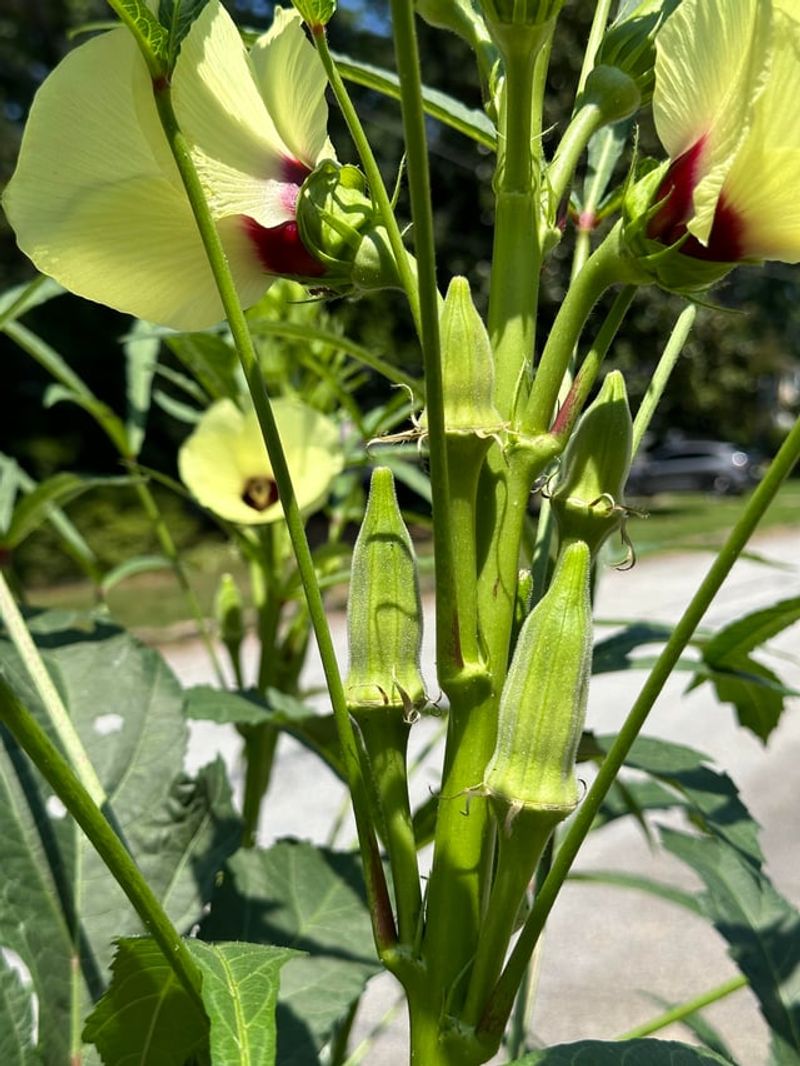
Few vegetables handle a hot, wet summer with as much reliability as okra. It thrives in full sun, tolerates high humidity, and keeps pushing out pods even when afternoon storms roll through almost every day.
That combination makes it one of the most practical choices for warm-climate summer gardens.
Good drainage is still essential. Okra does not sit well in waterlogged soil, so raised beds or well-amended garden plots with loose, fast-draining soil work best.
If your yard tends to hold water after heavy rain, consider mounding the soil up before planting. Spacing plants properly also helps airflow move through the foliage, which reduces the chance of fungal problems during humid stretches.
Regular harvesting is one of the most important things you can do to keep plants producing. Pods grow fast in summer heat and quickly become tough and fibrous if left on the plant too long.
Checking every two to three days is a reasonable habit during peak production.
Okra tends to be a stronger rainy-season fit than most cool-season crops, especially in Central and South gardens where summer heat and moisture linger well into fall. Tall varieties may need staking in areas with frequent afternoon wind or storm gusts.
Overall, it rewards consistent attention with a steady, generous harvest through the hottest months.
2. Sweet Potatoes Turn Wet Heat Into Vigorous Growth
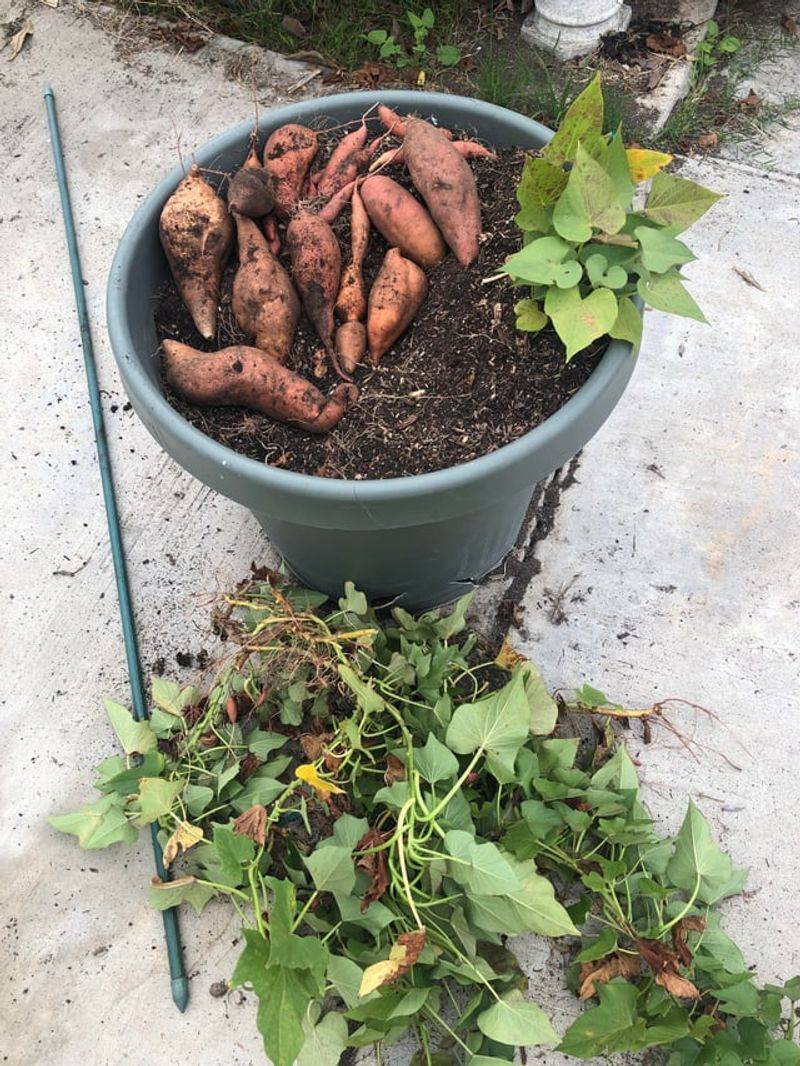
Most vegetables slow down when summer heat peaks, but sweet potatoes seem to take it as a personal challenge to grow faster.
Their vines spread quickly in warm, humid conditions, covering ground and producing edible leaves that some gardeners harvest throughout the season.
The actual tuber harvest comes later, typically after several months of steady growth.
Loose, well-drained soil is critical. Sweet potatoes need room to develop underground, and heavy or compacted soil can limit tuber size and shape.
Sandy soils common in many parts of the state actually work well here, as long as moisture does not become excessive. Soggy conditions are still a real problem, even for this heat-loving crop.
Raised beds help in areas where drainage is poor or rainfall is especially heavy.
Vines can spread aggressively, so give them space to roam or plan to redirect them away from neighboring plants. Some gardeners train vines along a fence or let them cover open ground between other crops.
Your Florida Garden Changes Every Week. Your Plan Should Too.
Gardening in Florida changes quickly throughout the season. Every Friday you’ll receive a simple weekly plan showing exactly what to plant, prune, fertilize, harvest, and protect so you never miss the right timing.
Sweet potatoes can be a smart option where summer heat makes other crops nearly impossible to grow. They are not completely maintenance-free.
Pest monitoring, especially for sweet potato weevil, is worth keeping up throughout the season. Timing your planting based on your region helps too, since South gardens have a longer warm season than Panhandle gardens.
3. Southern Peas Handle Humidity Better Than Most
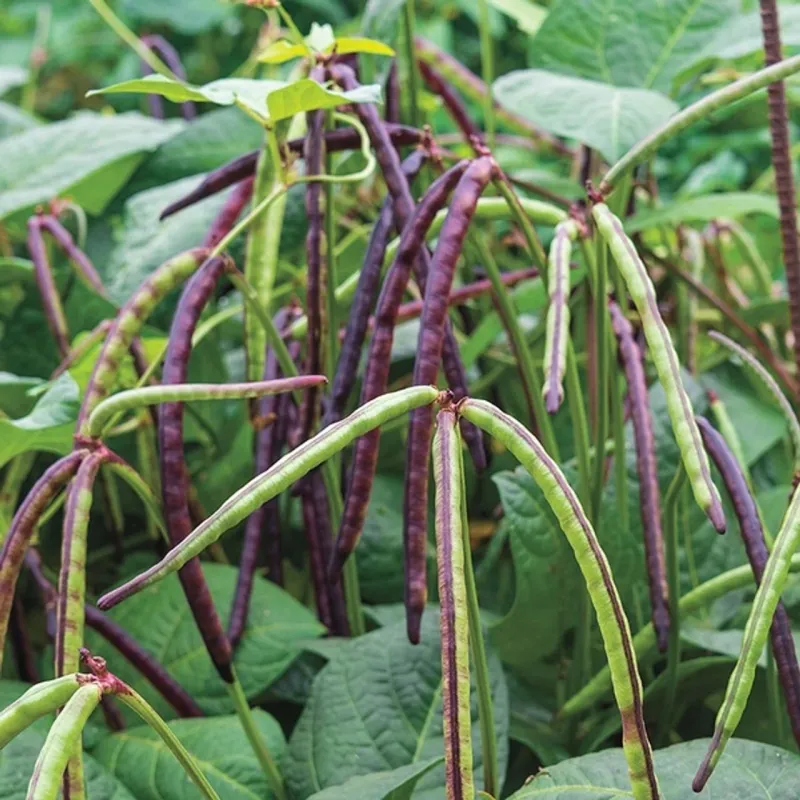
Cowpeas, black-eyed peas, zipper peas, and other southern peas have a well-earned reputation for holding up in conditions that send other crops sideways. They were bred for warm, humid climates.
Their tolerance for summer heat and even poor sandy soils makes them useful when rainy season is in full swing.
Drainage and spacing still matter. Even a heat-tolerant crop can struggle in waterlogged beds, and crowded plants create the kind of still, humid microclimate that encourages disease.
Giving plants room to breathe is a simple step that pays off through the season. Trellising or caging vining types helps keep foliage off wet soil, which also reduces disease risk.
Planting windows vary depending on where you garden. North and Panhandle gardens often have a tighter summer window compared to Central and South gardens, where warm conditions stretch longer.
Checking with your local Extension office for recommended planting dates in your specific area is worth the effort before you put seeds in the ground.
Southern peas also offer a practical bonus beyond the harvest. Like other legumes, they can add nitrogen back into the soil, which benefits the garden long after the plants are finished.
They are not a set-it-and-forget-it crop, but for gardeners willing to stay attentive, they are one of summer’s more rewarding options.
4. Malabar Spinach Loves Steamy Summer Weather
True spinach has no real interest in a hot, rainy summer. It bolts fast, turns bitter, and generally gives up.
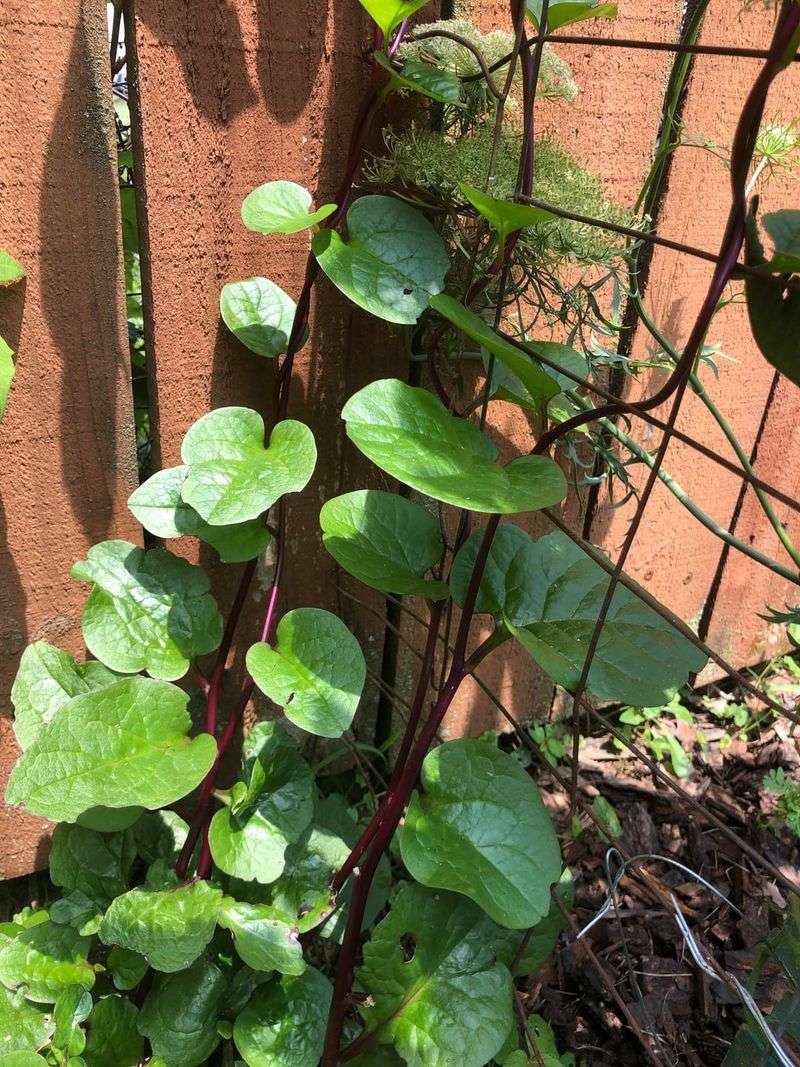
Malabar spinach plays an entirely different game. It is not actually related to true spinach, but its thick, glossy leaves offer a similar leafy green option during the months when cool-season greens simply cannot survive.
This vine loves heat and moisture, which makes it a natural fit for steamy summer gardens.
It climbs readily, so giving it a sturdy trellis, fence, or other support structure from the start saves a lot of untangling later.
Without support, the sprawling vines can quickly take over nearby plants or trail along wet soil, increasing the chance of disease.
Consistent moisture helps Malabar spinach thrive, but standing water is still a problem. Well-drained beds that stay evenly moist work better than spots that flood and dry out repeatedly.
Harvest young, tender leaves regularly to keep the plant productive and prevent it from becoming too woody.
Coastal gardens with high humidity often see especially vigorous growth from this crop.
South gardens can grow it for a longer stretch than North or Panhandle gardens, where the season winds down earlier.
Malabar spinach fills a real gap in the summer garden and gives cooks a fresh leafy green option during months when the produce aisle feels like the only alternative.
5. Eggplant Holds Up In Hot Rainy Gardens
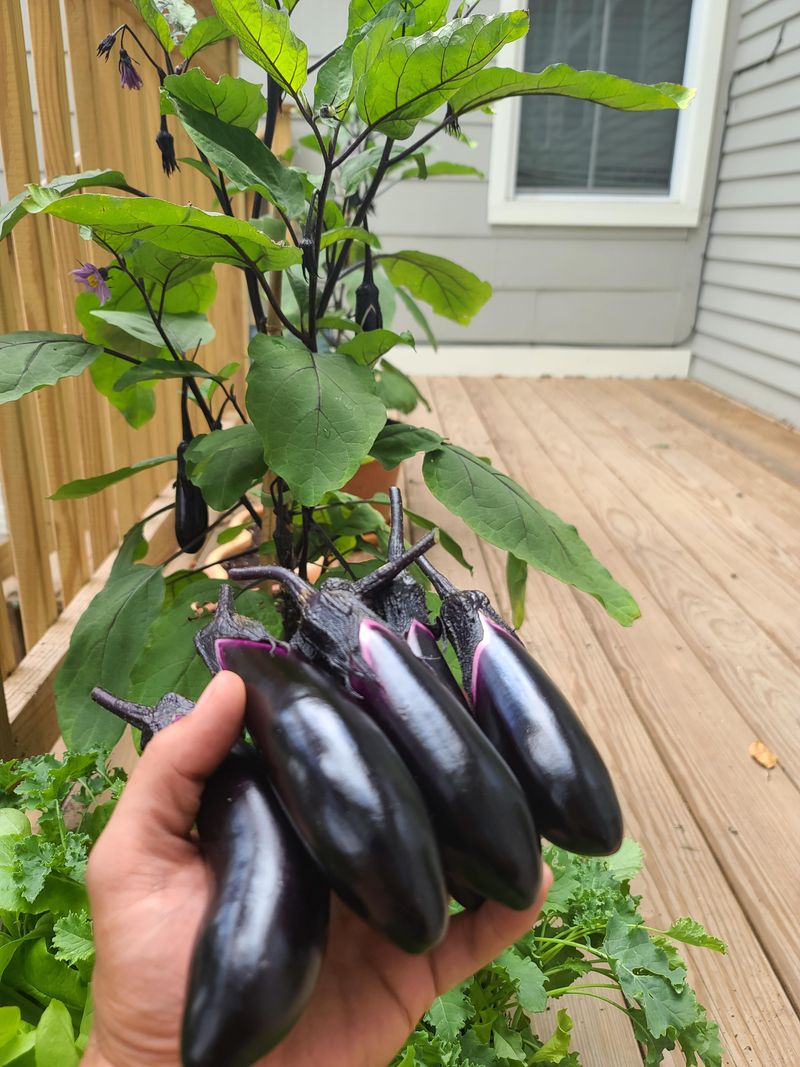
Eggplant has a genuine tolerance for summer heat that many other fruiting vegetables simply do not share. It keeps flowering and setting fruit through warm, humid stretches that would shut down a tomato plant almost immediately.
That resilience makes it a reasonable choice for rainy-season beds, as long as growers go in with realistic expectations.
Full sun is non-negotiable. Eggplant needs at least six to eight hours of direct sunlight to produce well.
Mulching around each plant helps regulate soil moisture and keeps roots from overheating. It also reduces soil splash onto lower leaves during heavy rain.
That splash-back is one of the ways soil-borne diseases reach plant foliage, so anything that reduces it helps.
Pest pressure tends to climb during humid, rainy months. Flea beetles, spider mites, and other common pests can appear quickly and cause significant leaf damage if not caught early.
Checking plants every few days and acting on problems promptly makes a real difference. Staking or caging taller varieties helps keep heavy fruit from pulling branches down into wet soil.
Disease pressure is real in coastal and Central gardens where humidity stays high for weeks at a time. Good airflow between plants, proper spacing, and consistent monitoring are not optional extras during rainy season.
They are the habits that separate a productive eggplant bed from one that struggles through July and August.
6. Peppers Can Keep Going With Good Drainage
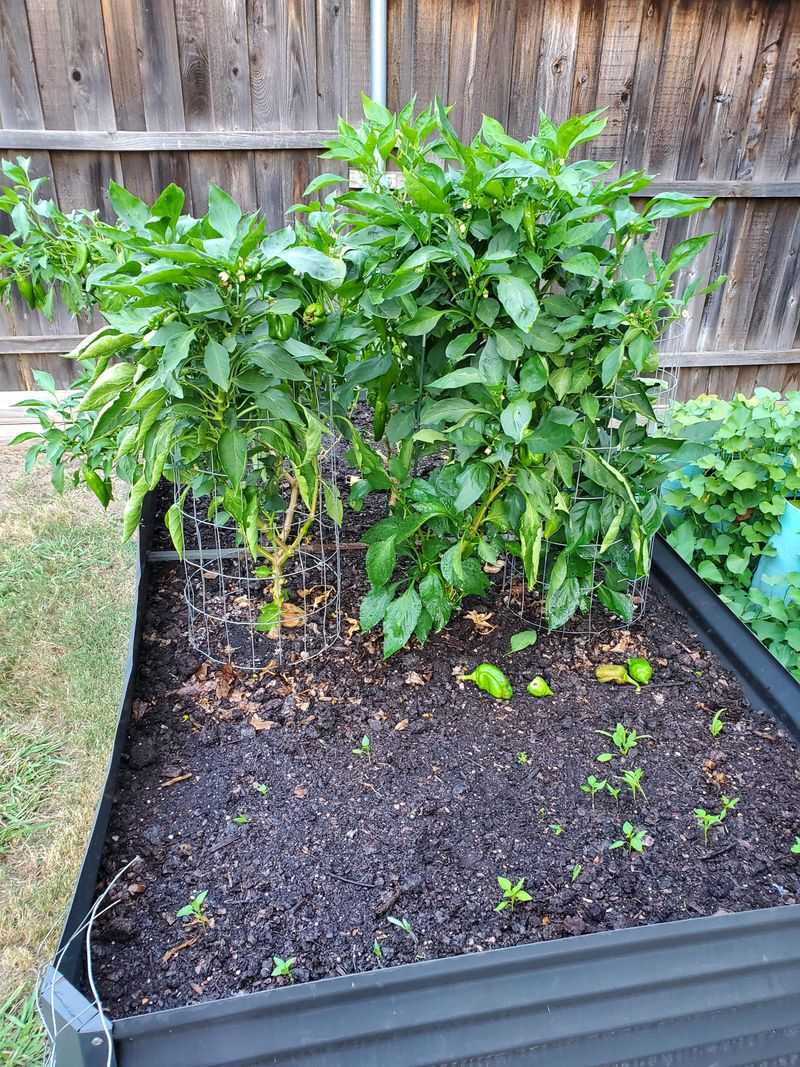
Peppers occupy a complicated spot in the rainy-season garden. They genuinely like warm temperatures and can keep producing through summer heat, but they are also surprisingly sensitive to saturated soil and extreme wet-dry swings.
Getting the growing conditions right takes more thought than it does for some of the tougher summer crops.
Raised beds and containers are worth considering seriously here. They offer better drainage control than in-ground beds in areas that receive frequent heavy downpours.
A well-draining potting mix in a container can help a pepper plant stay productive when the ground outside is waterlogged. Mulching around in-ground plants helps buffer soil moisture between rain events.
Extreme heat, particularly overnight temperatures that stay very high, can cause flowers to drop before they set fruit. This is a real issue in South gardens during peak summer.
Panhandle and North gardens may have a slightly more comfortable window for summer peppers, though humidity and disease pressure still apply across the board.
Bacterial spot and other fungal diseases become more aggressive during wet, humid months. Choosing resistant varieties when available and keeping foliage as dry as possible helps reduce problems.
Avoid overhead watering if you are supplementing rain, and space plants far enough apart to encourage airflow. Peppers reward careful management during rainy season, but they are not the most forgiving crop if drainage and disease go unaddressed.
7. Cherry Tomatoes Need Airflow To Beat Rainy Season Stress
Large-fruited tomatoes and rainy season are not a great match. Humidity, heavy rain, and warm nights create ideal conditions for diseases like early blight and Southern blight.
These can move through tomato plants very quickly. Cherry tomatoes are not immune to those same pressures.
Their smaller fruit and faster production cycle give them a better shot at producing before disease takes over.
Timing matters a great deal and varies by region. South gardens may need to time plantings differently than Panhandle or North Florida gardens, where the rainy season ends earlier and fall temperatures arrive sooner.
Checking with your local Extension office for recommended planting windows is the most reliable approach.
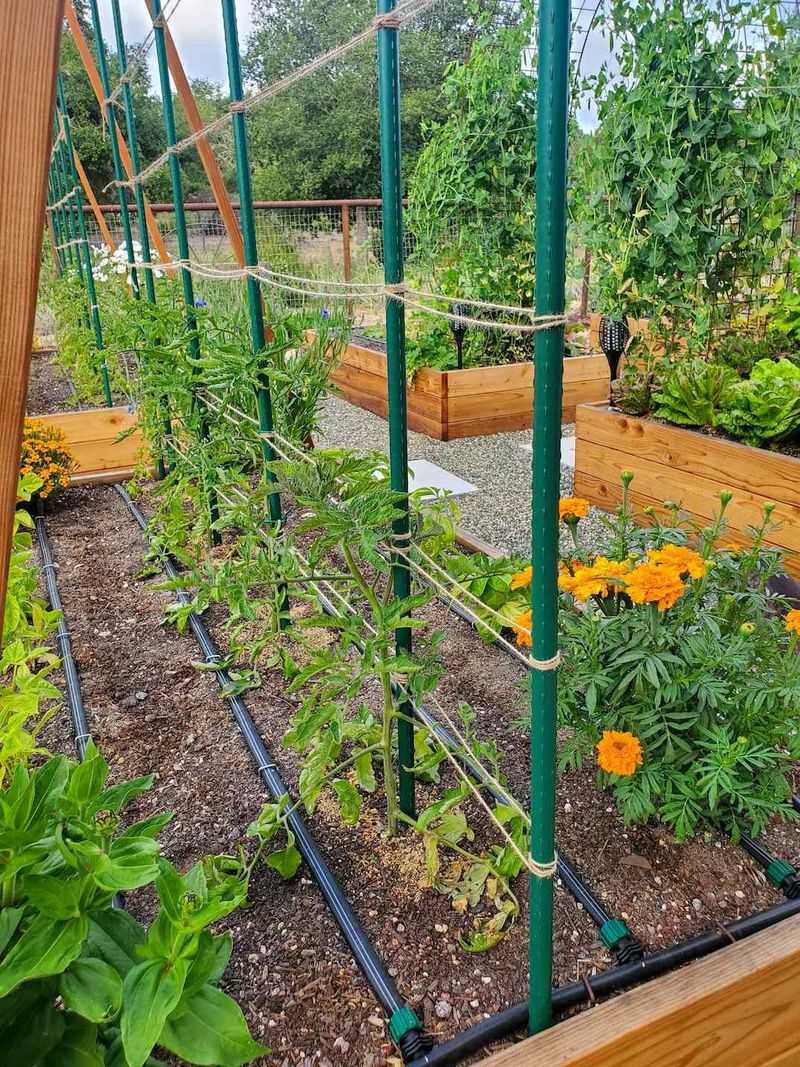
Airflow is one of the most important factors for rainy-season tomatoes. Prune lower leaves to keep foliage off wet soil and improve air circulation through the plant.
Stake or cage plants firmly so they stay upright during storms. Mulch helps reduce soil splash onto lower leaves, which is one of the main ways disease spreads.
Choosing disease-resistant varieties makes a meaningful difference. Look for varieties with resistance to common fungal and bacterial issues rather than just picking based on flavor or size.
Even with resistant varieties, consistent monitoring and prompt action on any signs of disease are necessary habits. Cherry tomatoes can produce through rainy season, but they ask for real effort in return.
8. Yardlong Beans Thrive When Other Beans Slow Down
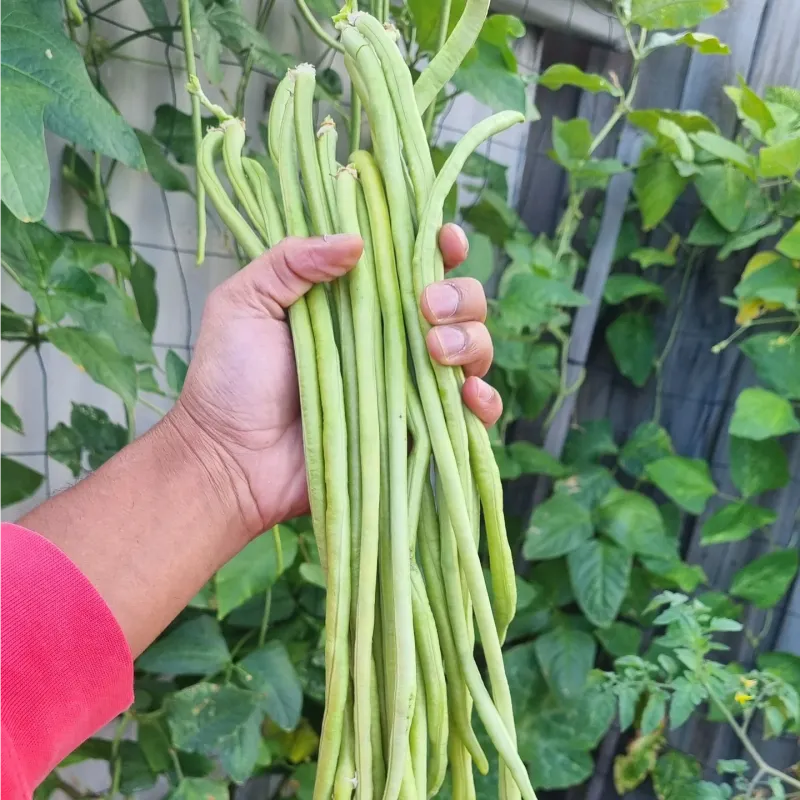
Standard snap beans and common green beans tend to struggle when summer heat and humidity peak. Yardlong beans, sometimes called asparagus beans or Chinese long beans, take a very different approach.
They are heat-lovers by nature, and the same steamy conditions that wear out other beans are exactly what yardlong beans seem to enjoy most.
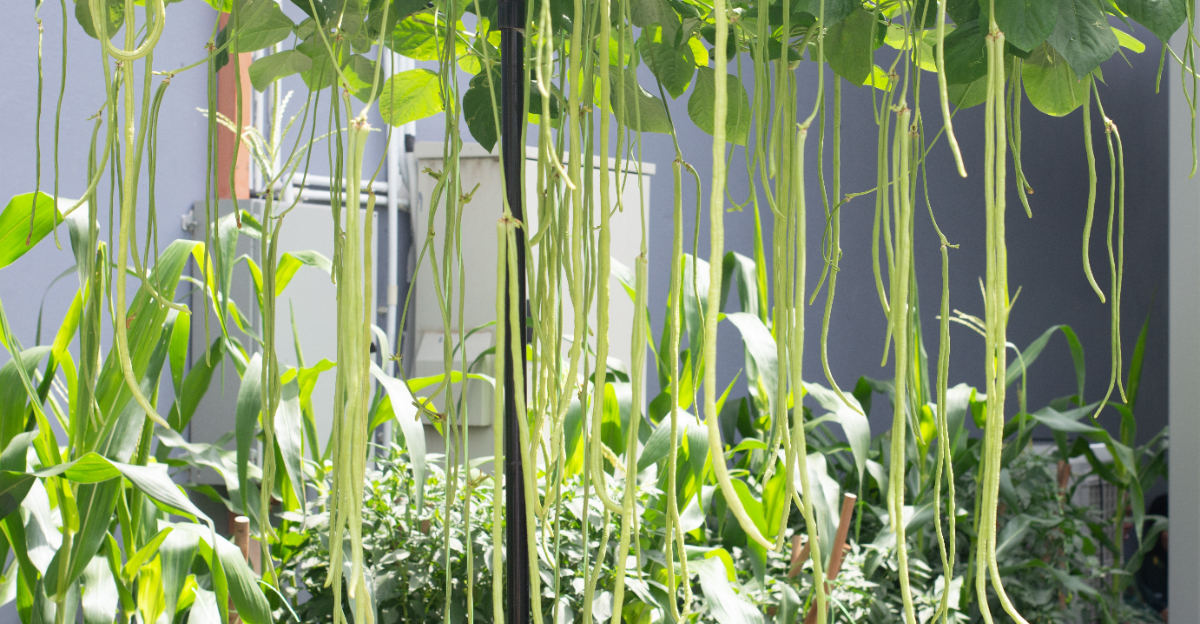
A sturdy trellis is essential. These vines grow tall and produce long, slender pods that hang down from the plant in clusters.
Without support, the vines sprawl across wet soil and become much harder to manage. A trellis also improves airflow around the foliage, which helps reduce disease pressure during humid stretches.
Harvesting young is the key to the best flavor and texture. Pods left on the vine too long become tough and seedy.
Checking every two to three days during peak production keeps the harvest quality high and encourages the plant to keep flowering. Full sun is important for consistent production, so choose a spot that gets strong light throughout the day.
Drainage and pest monitoring still apply. Yardlong beans are not pest-proof, and wet, warm conditions can bring out aphids, bean beetles, and other common garden insects.
Staying observant through the season helps catch problems before they get out of hand.
For gardeners in Central and South gardens where summer heat lingers, yardlong beans can be a reliable and rewarding crop well into the season.