How Florida Gardeners Save Plants From Waterlogged August Soil
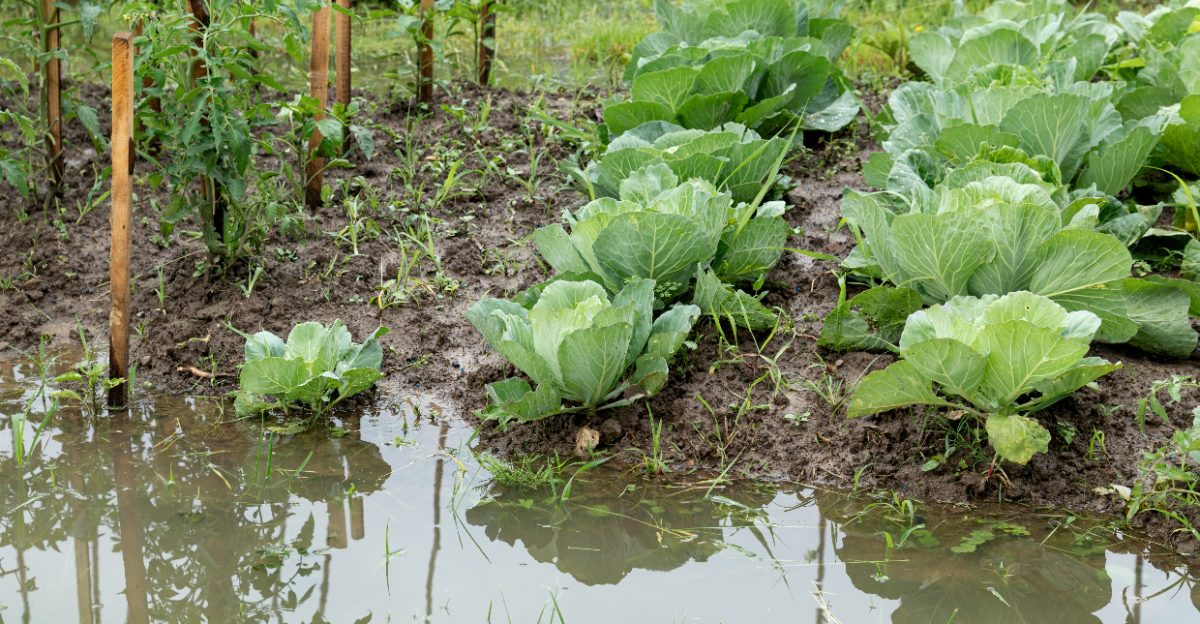
Your soil is drowning right now, and your plants have no way to tell you. Water pools quietly where roots desperately need air to survive. Silence spreads underground long before wilting ever shows on the surface.
Florida summers turn ordinary rainfall into a slow, unnoticed emergency. August storms dump water faster than most soil can ever absorb. Nobody warns you until leaves yellow and stems suddenly soften.
Something shifts beneath the ground long before you notice it above. Roots begin suffocating while everything on top still looks fine. Gardeners across Florida face this exact struggle every single August.
Few realize how quickly recovery becomes impossible once damage sets in. Every choice you make right now decides what actually survives. Waiting even one more day could cost you the whole bed.
1. Check First For Root Rot Warning Signs
Your nose knows something is wrong before your eyes do. A sour, swampy smell rising from the soil is one of the first clues that root rot has moved in.
Root rot happens when soil stays saturated too long and oxygen gets cut off from the roots. Without air, roots begin to break down fast, and the damage spreads quickly through the plant.
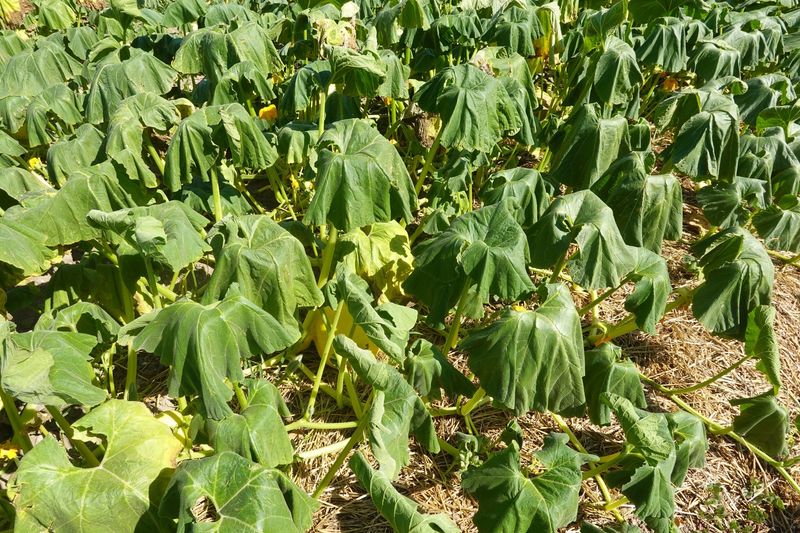
Look for yellowing leaves that droop even when the soil feels wet. Wilting plants in soggy ground are a red flag, not a sign that they need more water.
Gently pull the plant or push aside some topsoil near the base. Healthy roots look white or tan and feel firm to the touch.
Rotting roots are dark brown or black, and they feel mushy when you press them. A slimy texture means the problem has already advanced pretty far.
Check multiple plants across your garden, not just the ones that look sick. The same conditions spread to every root system nearby once ground stays this saturated.
Catching root rot early gives you real options. Plants with only minor root damage can often be saved with quick action and better drainage.
Ignoring the warning signs means losing plants that could have survived with a little attention. Spotting trouble early is the first step every Florida gardener should take when August rains hit hard.
2. Stop Watering And Let Beds Breathe
Put the hose down. Seriously, step away from it right now.
After heavy August rains, the biggest mistake gardeners make is continuing their normal watering schedule. The soil is already saturated, and adding more water only makes things worse.
Roots need both water and oxygen to survive. When soil pores fill completely with water, roots essentially start suffocating because there is no room left for air.
Skip watering for at least three to five days after a major storm. Check the soil two inches down before you even think about reaching for a hose.
If the soil still feels wet at that depth, leave it alone for another day or two. Your plants will handle a short dry spell far better than prolonged saturation.
Mulch can actually trap moisture in an already-wet bed, so consider pulling it back temporarily. Exposing bare soil to air and sun helps moisture evaporate faster.
Your Florida Garden Changes Every Week. Your Plan Should Too.
Gardening in Florida changes quickly throughout the season. Every Friday you’ll receive a simple weekly plan showing exactly what to plant, prune, fertilize, harvest, and protect so you never miss the right timing.
Avoid walking through wet garden beds during this time. Foot traffic compacts saturated soil, squeezing out the little remaining air pockets that roots depend on.
Light breezes and sunshine do a lot of the drying work for you. Position any portable fans near container plants if you need to speed up the process indoors or on a covered porch.
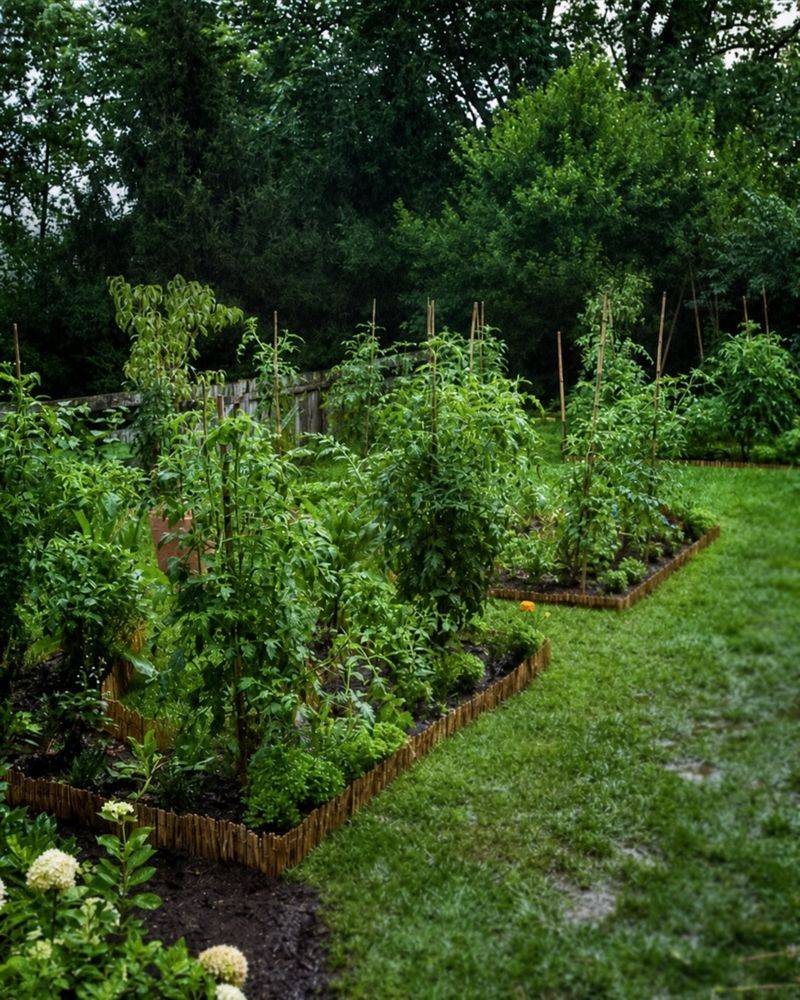
Letting beds breathe after heavy rain is one of the simplest and most powerful things you can do for struggling plants.
3. Create Drainage Channels Around Beds
Standing water pooling around your beds is a warning sign worth acting on fast. Getting that water moving is the fastest way to protect your roots.
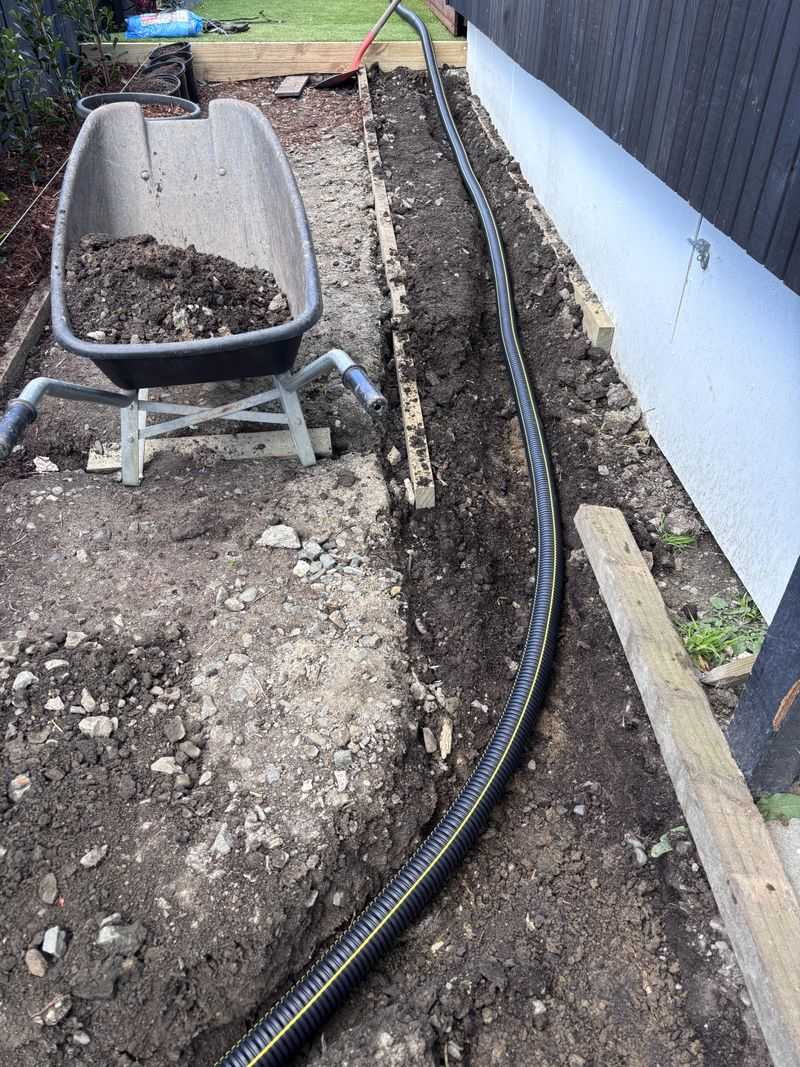
Drainage channels are shallow trenches dug along the edges of garden beds to redirect water away from plant roots. They work by giving excess water a path to flow toward lower ground or a designated drain area.
You do not need fancy equipment to create them. A standard garden spade and about thirty minutes of work can make a real difference after a soaking storm.
Dig channels about six inches wide and four to six inches deep along the sides of your beds. Angle them slightly downhill so gravity does the heavy lifting.
Direct the channels toward a low spot in your yard, a rain garden, or a gravel pit designed to absorb runoff. Avoid sending water toward your neighbor’s property or a paved surface.
For permanent solutions, consider lining channels with gravel or installing perforated pipe. These upgrades handle repeated heavy rains without requiring you to re-dig after every storm.
Sandy soils drain faster than clay-heavy ones, but even sandy ground struggles during intense August downpours. Channels help in both soil types by moving surface water away quickly.
Once water stops pooling around your beds, root systems get the chance to dry out and recover. A well-placed drainage channel can literally be the difference between a plant that recovers and one that doesn’t.
4. Raise Vulnerable Plants Into Containers
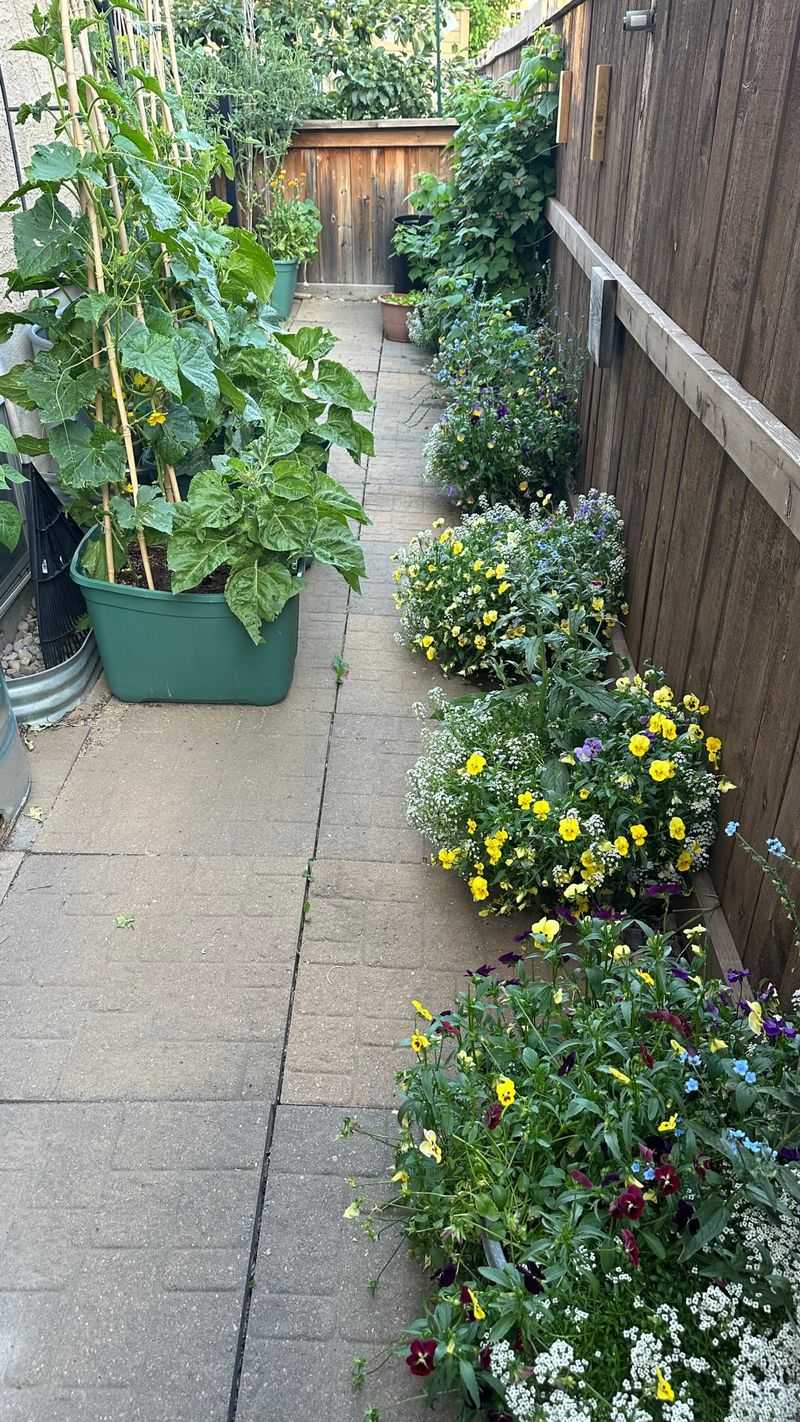
Some plants just cannot handle wet feet, no matter what you do to the surrounding soil. Moving them up off the ground changes everything.
Containers give you instant control over drainage. A pot with proper drainage holes lets excess water escape quickly, keeping roots from sitting in saturated conditions.
Herbs like basil, rosemary, and thyme are especially sensitive to soggy soil. Transplanting them into containers during August can save an entire crop that would otherwise rot in the ground.
Choose containers that are at least one size larger than the plant’s current root ball. Extra space allows roots to spread into fresh, well-draining potting mix.
Use a high-quality potting mix rather than garden soil in containers. Garden soil compacts in pots and drains poorly, which defeats the whole purpose of moving the plant.
Elevate containers off the ground using pot feet, bricks, or a slatted wooden platform. This prevents the drainage holes from sitting in pooled water, which would trap moisture all over again.
Move containers under a porch or overhang during heavy rainstorms when possible. Even partial shelter reduces the amount of water hitting the soil and overwhelming the drainage system.
Containers also make it easier to monitor each plant individually. You can check moisture levels, adjust placement, and respond quickly when conditions shift, which is exactly the kind of control a Florida garden needs during a soggy stretch.
5. Add Organic Matter To Heavy Soil
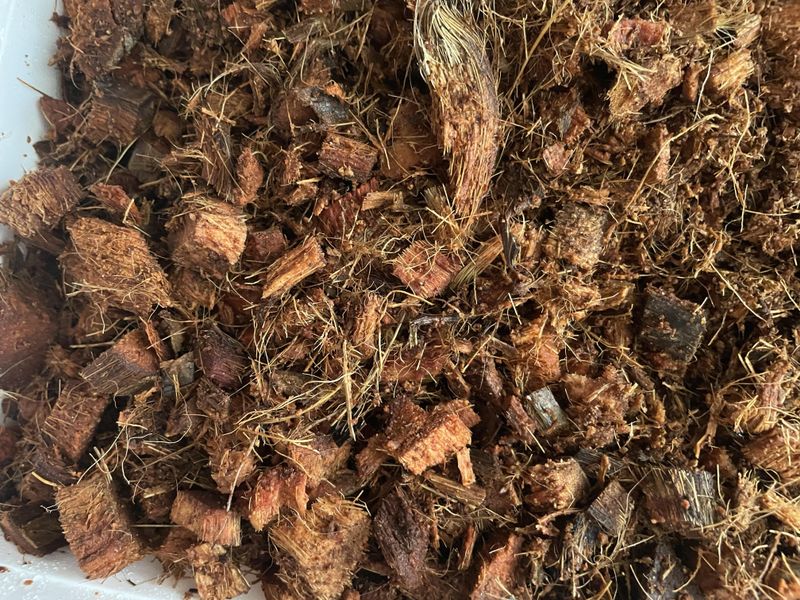
Heavy clay soil and Florida summer rain are a terrible combination. Clay holds water like a sponge and releases it almost never.
Adding organic matter changes the structure of dense soil over time. Compost, aged bark, and coconut coir all help create tiny air pockets that allow water to move through more freely.
Work two to three inches of compost into the top six inches of soil during a dry window between storms. Mixing it in thoroughly helps break up compaction and improves drainage noticeably.
Worm castings are another excellent option for heavy soil. They improve both drainage and nutrient availability, giving recovering plants an extra boost after a rough wet stretch.
Avoid adding raw wood chips directly into planting beds. Fresh wood pulls nitrogen from the soil as it breaks down, which can stress plants that are already struggling.
Perlite is a lightweight volcanic mineral that works especially well in container mixes and raised beds. Adding it to existing soil blends opens up drainage channels without altering soil chemistry.
Building healthy soil takes more than one application, so think of each addition as a long-term investment. Gardens that get regular organic matter additions handle August rains far better each year.
Soil that drains well is the single best defense against waterlogged conditions. Improving your soil now means your plants will have a much stronger foundation for every rainy season ahead.
6. Trim Damaged Roots Before Replanting
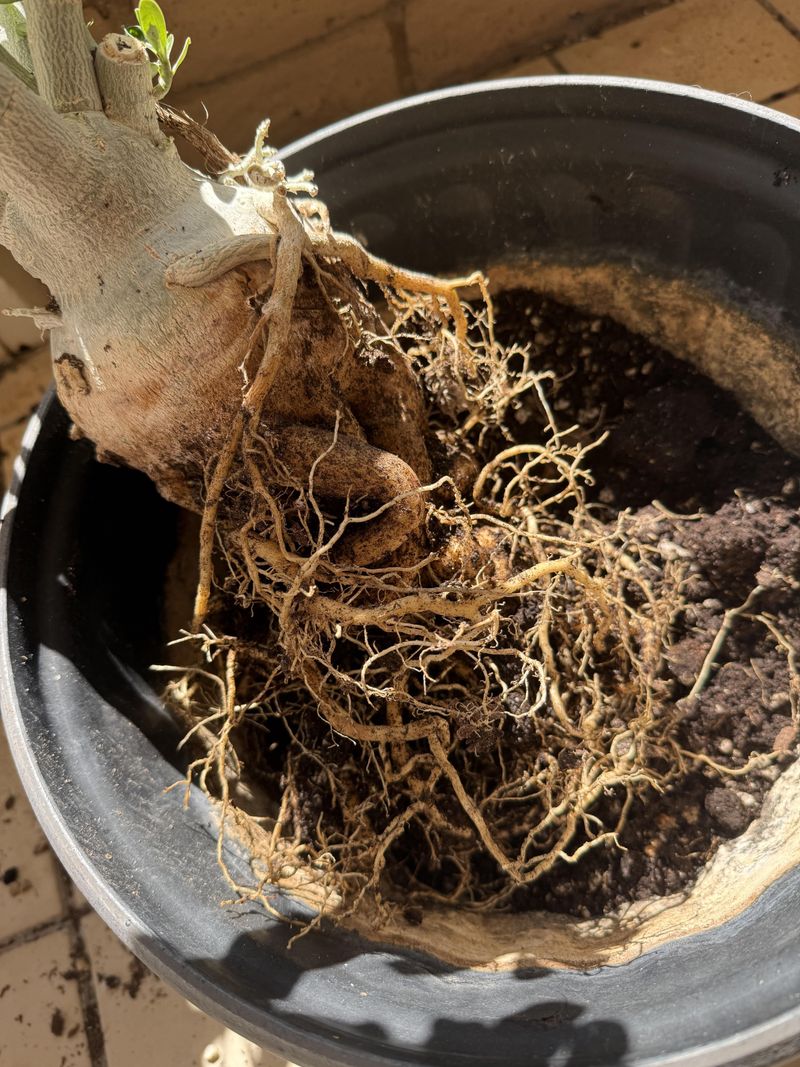
Mushy roots rarely recover, and keeping them attached only makes things worse. Cutting them off is an act of rescue, not failure.
Before replanting any plant that has suffered from waterlogged soil, inspect the entire root system carefully. Remove every root that looks dark, feels soft, or smells off.
Use clean, sharp pruning shears or scissors to make precise cuts. Dull or dirty tools spread disease from one plant to another, so wipe blades with a disinfecting solution between each cut.
Trim roots back to healthy white or tan tissue. If you cannot find any healthy tissue, the plant may be too far gone to recover.
After trimming, let the roots air out for fifteen to thirty minutes before placing the plant in fresh soil. This brief drying period helps reduce the chance of new infection taking hold.
Dust cut root ends lightly with powdered cinnamon as a natural option, or use a commercial rooting fungicide. Both options help prevent fungal pathogens from entering through the open wounds.
Replant into fresh, well-draining soil rather than returning the plant to the same spot where rot developed. Old soggy soil still carries the pathogens that caused the problem in the first place.
Water lightly after replanting and then hold back for a few days. Trimmed roots need time to stabilize before they can handle much moisture, and a careful approach now sets the plant up for a strong recovery.
7. Choose Wet-Tolerant Varieties Going Forward
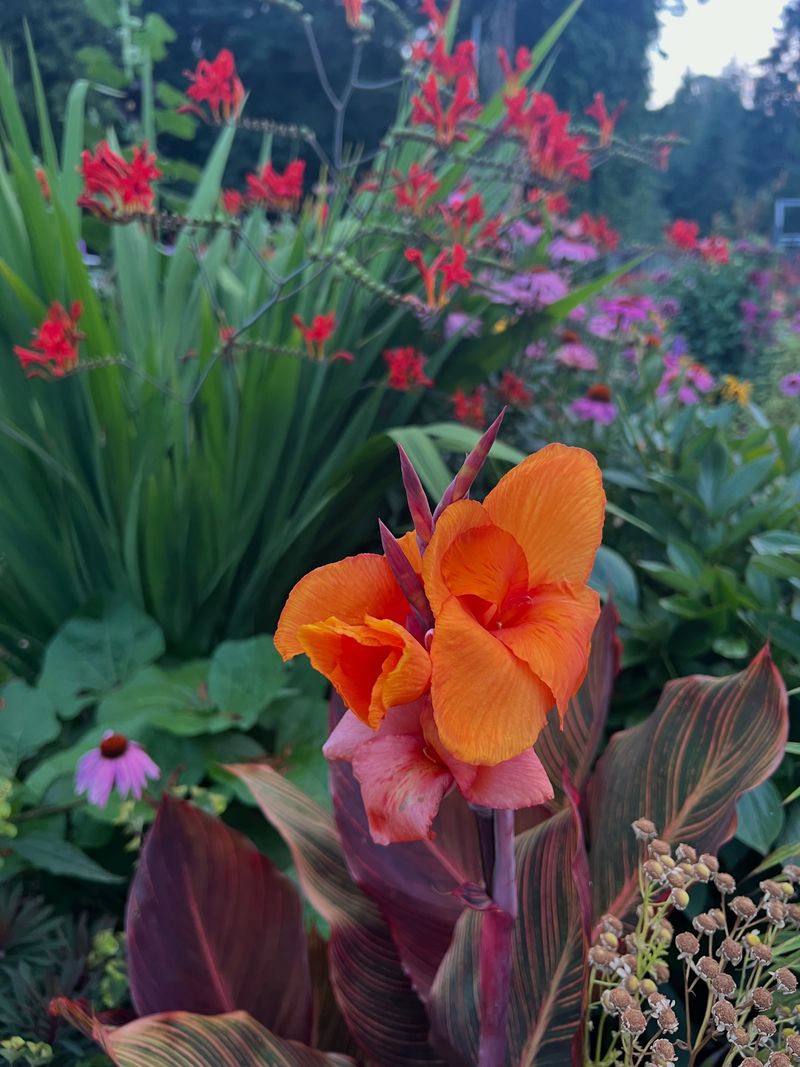
Fighting your climate every single season gets exhausting. Choosing plants that actually enjoy wet conditions makes August feel a lot less stressful.
Many beautiful plants thrive in moist to wet soil and are perfectly suited to the summer rain patterns common across the state. Planting them means working with nature instead of against it.
Canna lilies are showstoppers that love moisture and grow vigorously during the wettest months. Their bold tropical foliage and bright blooms make them a practical and gorgeous choice for low spots.
Elephant ears handle wet conditions extremely well and grow fast enough to fill gaps left by plants that did not survive. Their large dramatic leaves add a lush, jungle-like feel to any garden space.
Louisiana iris and blue flag iris both tolerate standing water for short periods. They are excellent choices for areas that regularly collect runoff after storms.
Swamp sunflower, also called Helianthus angustifolius, blooms brilliantly in fall and thrives in consistently moist ground. Planting it in a low spot turns a drainage problem into a seasonal highlight.
Native plants adapted to local conditions often handle wet spells better than exotic varieties. Visit a native plant nursery and ask specifically about options suited to poorly draining areas.
Replacing repeat problem plants with wet-tolerant varieties is one of the smartest long-term moves any gardener can make. Your future self will thank you every time August rains roll in across waterlogged soil.
8. Keep Monitoring Soil Moisture Going Forward
August storms ease up, but September does not always bring relief. The rainy season often stretches well into fall across much of the state.
Monitoring soil moisture consistently through September gives you the information you need to act before problems develop. Guessing at soil conditions leads to overwatering or under-reacting when things stay wet too long.
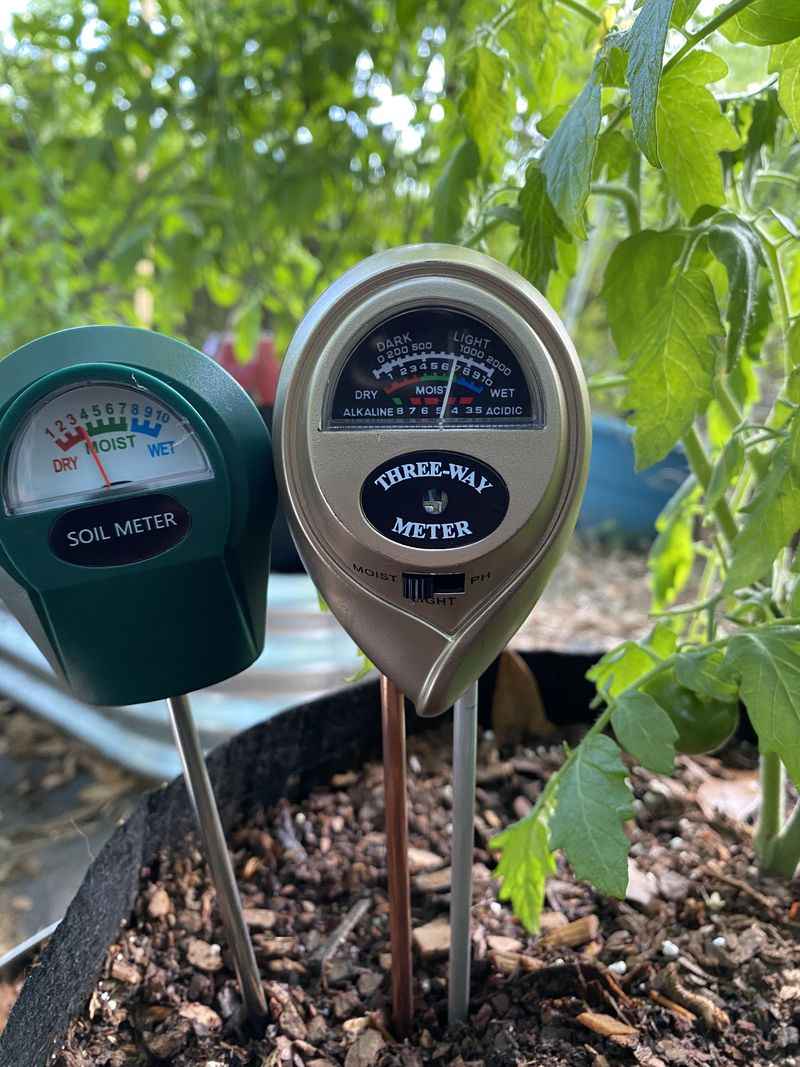
A basic soil moisture meter is inexpensive and removes all the guesswork. Push the probe into the soil near the root zone and read the result in seconds.
Check moisture levels every two to three days rather than on a fixed watering schedule. Adjusting based on actual conditions protects plants far better than sticking to a calendar routine.
Keep a simple garden journal during this period. Jot down rainfall amounts, soil readings, and how each plant looks so you can spot patterns and respond faster.
If the same area stays wet repeatedly after every storm, that spot has a drainage problem worth solving before next summer. Addressing it now saves you from repeating this whole process again.
Watch for new symptoms like yellowing leaves or sudden wilting even as rainfall slows. Lingering moisture damage can show up weeks after the worst storms have passed.
Staying attentive through the rest of the rainy season separates gardeners who lose plants from those who don’t. Protecting a garden through wet weather is an ongoing commitment.