Do This In November And California Screech Owls May Move In By Spring
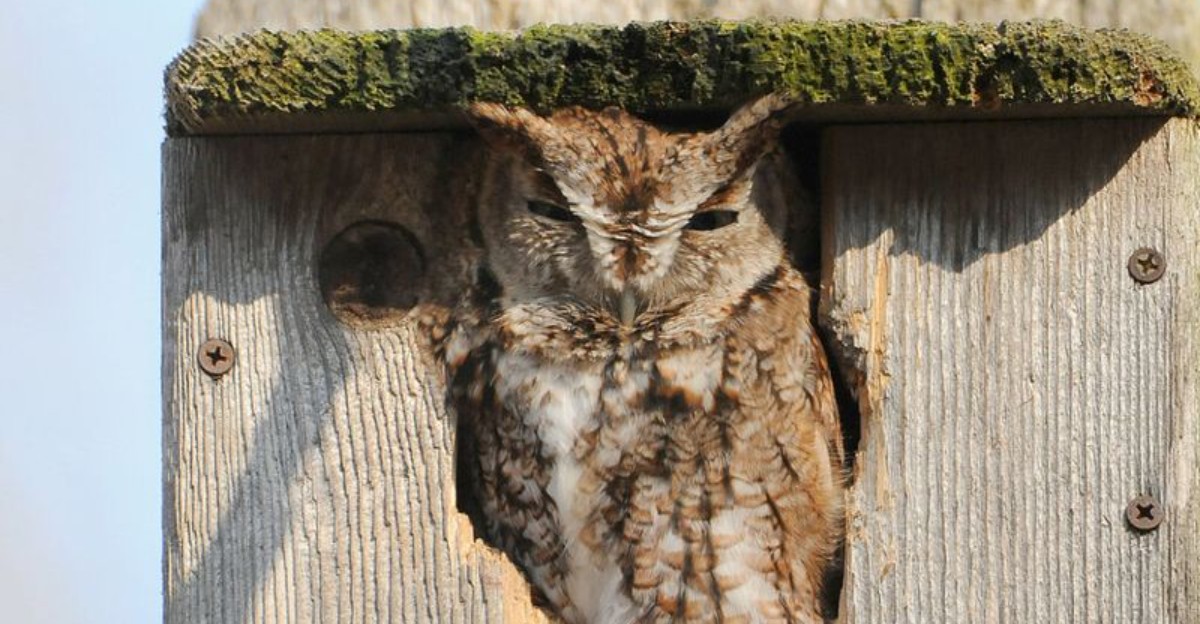
A bird no bigger than a pint glass of milk can sound like a bouncing ping-pong ball slowing down in the dark. That odd, speeding-up trill drifts through plenty of California neighborhoods on winter nights.
The little caller hides in plain sight. Its gray, bark-patterned feathers blend so well with tree trunks that most people walk right past one at dusk.
I love that this tiny hunter lives here all year and happily uses suburban yards. It eats mice, beetles, moths, and even crayfish, so it earns its keep without asking for much in return.
You may be closer to hosting one than you realize. Males start claiming nest sites in midwinter, and the homes they choose are often decided long before spring arrives. So what could a little work this month do for your backyard next April?
A Small Wooden Owl Box Could Become Prime Real Estate
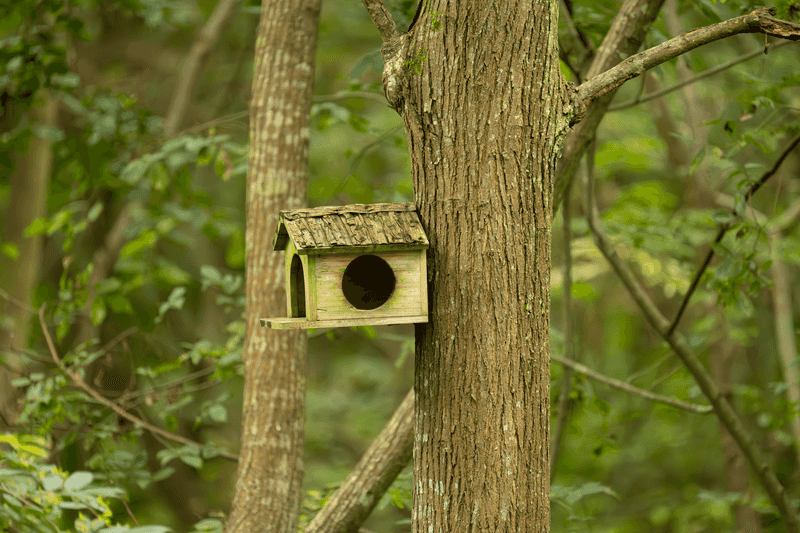
Western Screech-Owls can’t dig their own homes. Biologists call them secondary cavity nesters, which means they borrow old woodpecker holes and natural tree hollows.
In many California suburbs, those hollows are scarce. Brittle old limbs get trimmed, aging trees get removed, and tidy yards leave few spare rooms for a small owl. A well-built nest box fills that gap nicely, and it is the single most useful step you can take this month.
November timing makes real sense. Owls roost in cavities during cool weather, and males begin scouting and defending nest sites from about late December through February. A box hung now has weeks to weather, lose its new-wood smell, and get noticed by a curious owl checking the neighborhood.
Eggs usually appear around March or April, depending on where you live. Coastal and southern areas can run a bit earlier, while mountain foothills may run later.
Nothing is guaranteed, of course. Some boxes sit empty for a season or two before anyone moves in. Still, I find the waiting part fun, because every dusk feels like a small game of peekaboo with the wild side of your own yard.
Pick A Screech Owl House With The Right Measurements
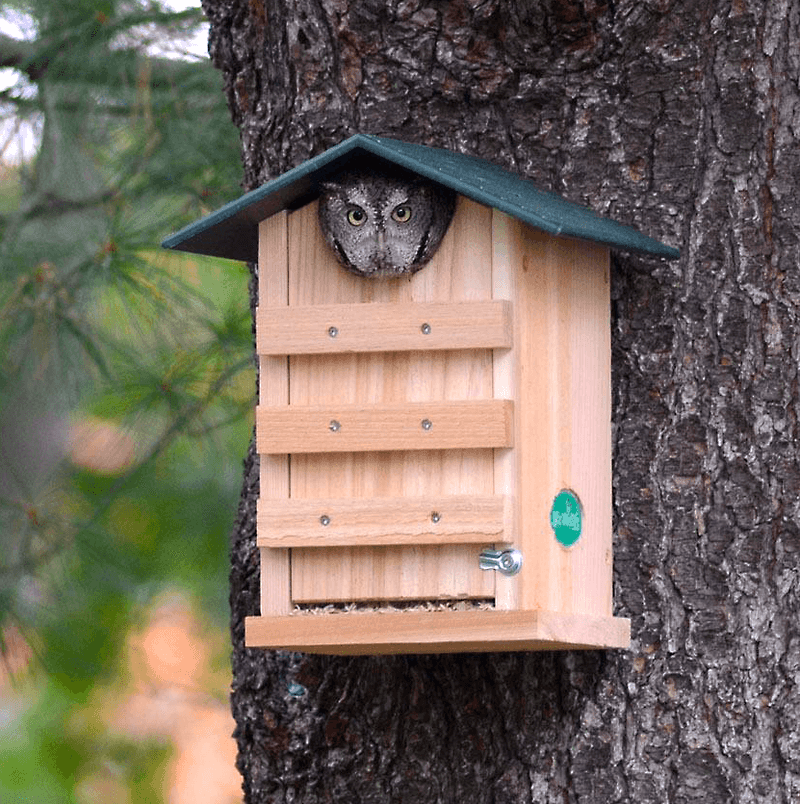
Size matters a lot to a bird that stands only about eight inches tall. A box built for bluebirds is too small, and a barn owl box is far too roomy.
Aim for these numbers, which match guidance from Audubon groups and owl researchers:
An entrance hole about 3 inches across. A floor near 8 by 8 inches. An inside depth of roughly 12 to 15 inches, with the hole sitting 9 to 12 inches above the floor.
That deep space below the hole gives owlets a safer spot away from reaching raccoon paws. It also helps the box feel like a real tree hollow.
Untreated cedar or redwood is a smart choice. Both hold up to weather and insulate well, while plywood and particle board tend to swell and break down outside. Skip paint or stain on the inside, since fumes and chemicals don’t belong near eggs.
Look for a few practical touches too. Small drainage holes in the floor, vent gaps near the roof, and a side or top that opens for cleaning make life easier. A rough inside wall below the hole helps young owls climb out when they are ready to leave.
Mount The Box On A Sturdy Tree Trunk Away From Busy Paths
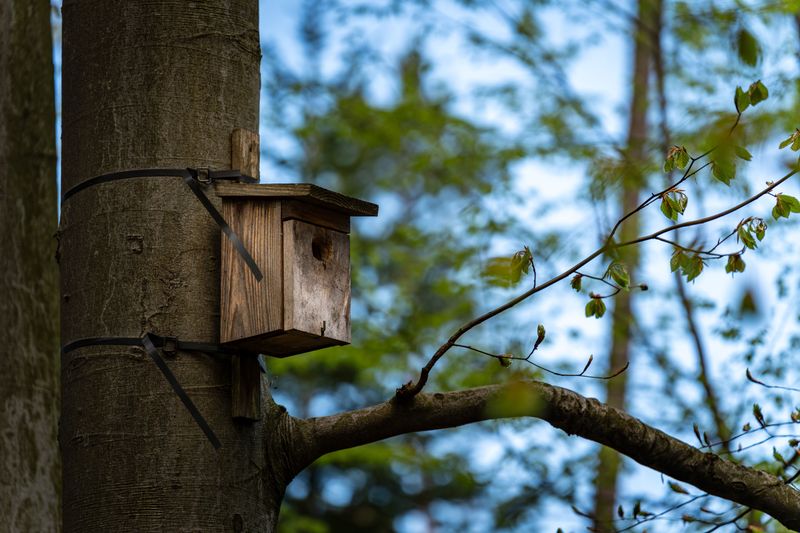
Location can make or break your owl plans. My favorite rule is simple: put the box where a shy bird would feel hidden yet still have room to fly.
Mount it about 10 to 30 feet high on a solid tree trunk. Oaks, sycamores, and other large shade trees work well, and a spot under a leafy limb adds extra cover from sun and rain.
Owls like the edge of things. A tree near a lawn, meadow, or open garden bed gives them a hiding place plus clear hunting space nearby.
Keep the entrance free of branches directly in front. Those twigs can give squirrels, cats, and raccoons an easy approach. Facing the hole east or south is often suggested, since it shelters the opening from strong afternoon heat in warmer parts of California.
Choose a quiet corner too. A box hanging over a busy patio, play set, or dog run may get passed over.
Use screws or lag bolts instead of nails driven straight into the tree, and leave some slack for trunk growth. Safety matters for you as well, so ask for help with tall ladders.
A Few Inches Of Wood Shavings Make The Owl Box Feel Like Home
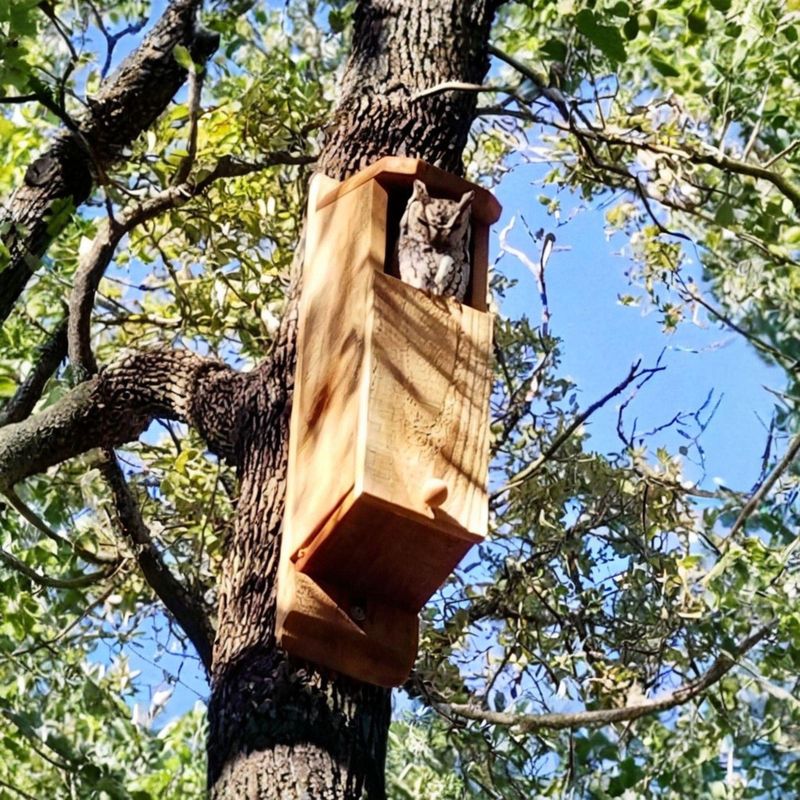
Owls are not much for decorating. Unlike robins or wrens, screech owls carry no twigs, grass, or soft lining to their nest site.
In a natural tree hollow, the female lays her eggs on whatever crumbly wood and debris sits on the bottom. Your box needs a similar layer, or the eggs may roll around on bare boards.
Add about 2 to 3 inches of untreated pine or aspen wood shavings. Dry, coarse shavings let moisture drain and give the female a soft spot to scrape a shallow bowl.
Skip sawdust, which packs down and holds water. Straw and hay can mold, and cedar shavings may release strong oils, so plain pine is a safer bet.
Fun fact here: a pair may also fill the box with pellets, feathers, and leftover prey bits as the season moves along. It isn’t tidy, but it is normal owl life.
Plan a quick refresh each fall. Late October or early November, after any young have left, is a good time to swap old bedding for fresh shavings. Wear gloves and a mask while cleaning, and check first that no owl is napping inside.
Messy Garden Corners Feed Hungry Screech Owls All Winter
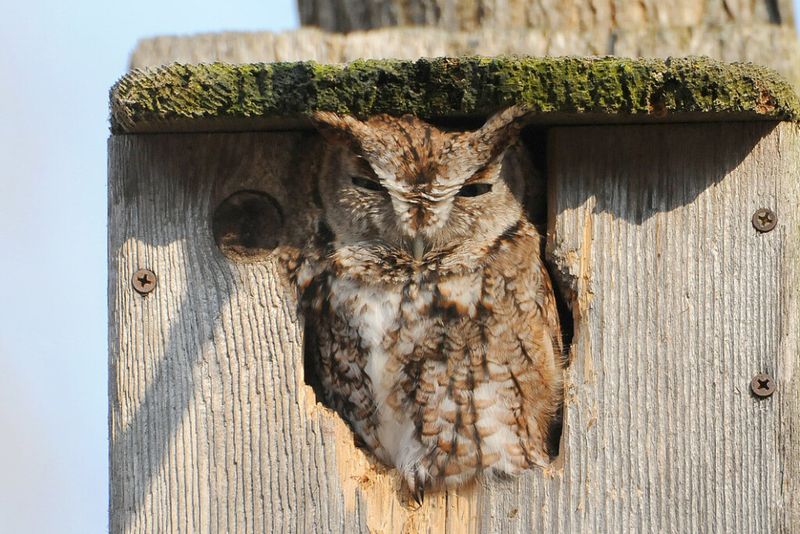
Honestly, this might be my favorite assignment. Letting parts of the yard look a little wild is real habitat work, not laziness.
Western Screech-Owls hunt a wide menu. They grab mice, voles, moths, beetles, crickets, small birds, and even worms, lizards, or crayfish near water.
Many of those snacks need cover to survive the season. Leaves piled under shrubs shelter insects and spiders, and those creatures in turn draw small rodents.
Try a few easy changes this November:
Leave native bunchgrasses such as deergrass uncut until late winter. Rake leaves into planting beds instead of bagging them. Tuck a loose brush or log pile into a back corner where it won’t block paths.
Native plants matter too. Oaks are famous for hosting huge numbers of caterpillars, which feed the insects and birds owls eat. Toyon, coffeeberry, and California sagebrush add shelter while staying friendly to local wildlife.
A low perch or two helps as well. Owls often hunt from a branch, fence post, or shrub about 6 to 15 feet up, dropping onto prey below.
In fire-prone areas, keep brush piles away from your home and follow local defensible space rules.
Rat Poison Can Quietly Harm The Owls You Want To Attract
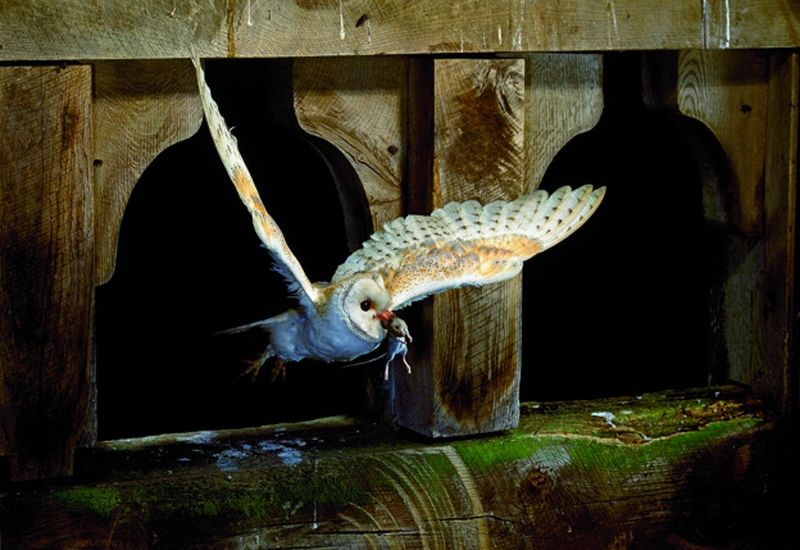
A poisoned mouse rarely drops on the spot. Instead, it often wanders slowly in the open for days, which makes it easy prey for a hunting owl.
That is how secondary poisoning happens. Anticoagulant rodenticides build up in predators that eat affected rodents, and studies in California have found these compounds in many owls, hawks, bobcats, and other wildlife.
California has already acted on this problem. State law now restricts the use of second-generation anticoagulant rodenticides, with limited exceptions, and some first-generation products face added rules too. Check current Department of Pesticide Regulation guidance before buying anything.
So what works instead? Start by sealing gaps around foundations, vents, and garage doors with steel mesh or hardware cloth.
Store pet food and birdseed in metal or heavy plastic bins. Pick up fallen fruit, and keep compost covered.
Snap traps placed inside closed boxes or indoors can handle a problem rodent without risking wildlife. Pest companies that use exclusion and trapping are easy to find in most cities.
Talk with neighbors as well. A screech owl hunts across several yards, so one bait station next door can still reach your owls.
Dimmer Yard Lights Help A Night Hunting Owl Do Its Job
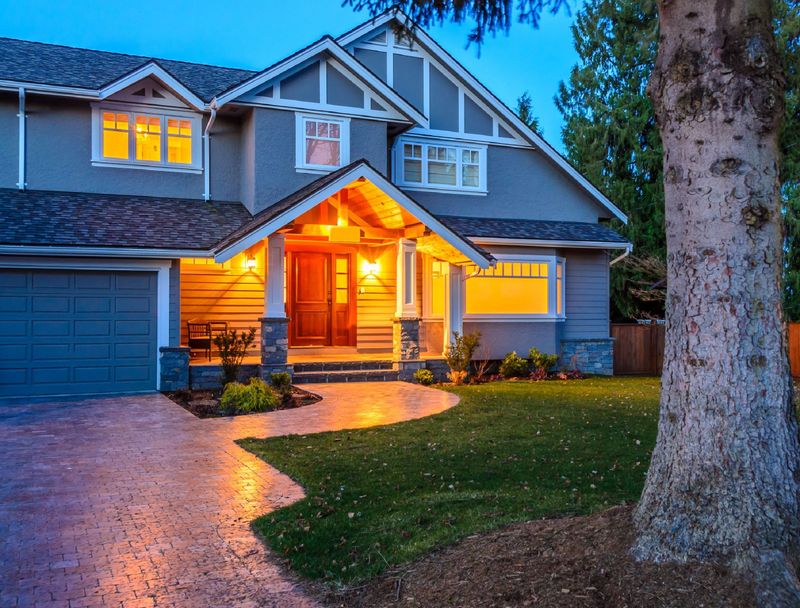
Owl eyes are built for darkness. They are so large compared with the skull that owls can’t roll them, so they turn their heads instead.
Those eyes gather tiny amounts of light, helping a screech owl spot a moving beetle or mouse at night. Bright floodlights and glaring uplights can wash out that advantage and push owls to hunt elsewhere.
Fixing this is cheap and quick. Turn off decorative lights you don’t need after bedtime.
Swap always-on security lights for motion sensors. Choose warm-colored bulbs, ideally around 2700K or lower, and point fixtures downward with shields so the light hits paths instead of treetops.
Keep bright lights especially far from the owl box and the trees around it. Light shining into the entrance makes a cavity feel exposed.
Your yard gains other perks too. Moths, bats, and frogs also do better with less light at night, and stars look clearer from the patio.
Here’s a little reward for the effort. Darker evenings make it easier to hear the owl’s bouncing-ball trill or the soft double trill pairs use while calling to each other in late winter.