8 California Flowers That Can Keep Your Garden Colorful Into Late Fall
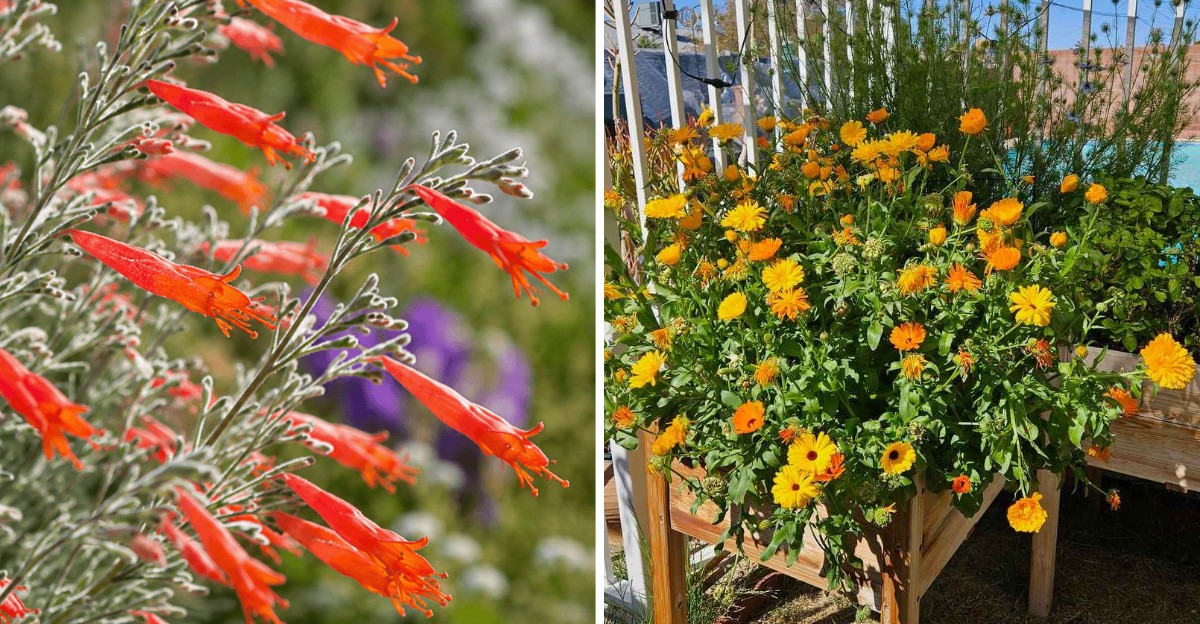
By mid-November, most yards on the block have gone quiet, bare dirt where summer flowers used to stand.
One yard down the street, though, is still glowing. Orange, gold, purple, right when everyone else has given up on color for the season.
That garden isn’t running on magic. It’s running on the right flower choices.
California’s mild fall weather rewards a very specific kind of plant, one that keeps blooming while the neighbors are already raking spent stalks into bags.
Here’s what most people don’t realize until it’s too late to plant. Picking flowers that bloom late can stretch color for weeks, and it feeds bees and hummingbirds when almost nothing else is open for business.
Eight flowers make that late-season glow possible, and where you garden, coast, valley, or desert, changes how long each one holds on.
Curious which bloom might still be going strong in your yard come Thanksgiving? The first one’s probably already standing guard at the edge of your vegetable bed.
1. Marigold Holds Color Later Than Expected
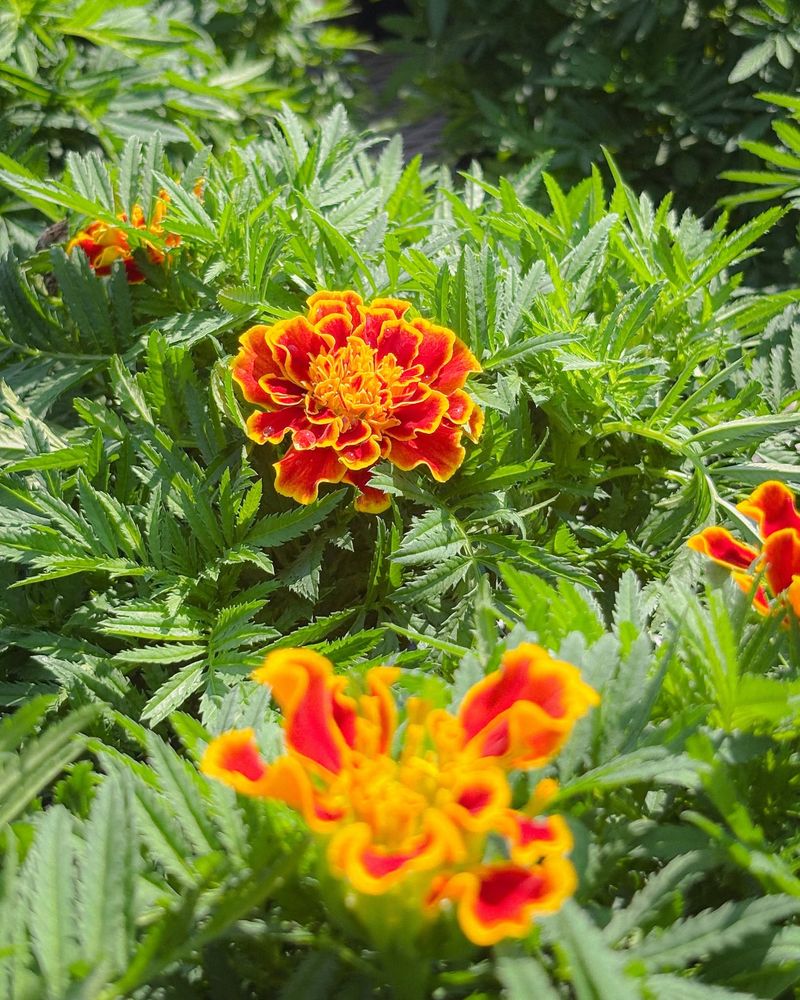
Ask any grandparent who grew a vegetable patch, and they probably remember a row of marigolds standing guard at the edges. Those cheerful orange and yellow pom-poms are tougher than they look.
Planted in spring or early summer, they often keep flowering well past the point when other annuals give up entirely.
Marigolds love full sun and warm soil, which California has plenty of from May through October. Once cooler nights arrive, many gardeners expect them to quit right on schedule.
In mild coastal and Southern California spots, though, plants can keep producing buds into November if frost stays away.
The secret is simple. Pinch off faded flowers. When a bloom dries up, the plant starts making seeds and slows down on new flowers instead.
Snipping spent heads every few days tells it to keep going strong.
French marigolds, the smaller type, tend to bloom more steadily than the tall African kinds. Water at the base instead of spraying the leaves.
Wet foliage in cool fall weather can invite mildew and gray mold fast.
Let the top inch of soil dry out between drinks, since marigolds dislike soggy roots. Inland valley gardeners should watch the forecast closely, because the first hard frost can blacken plants overnight.
In the Central Valley, that often happens sometime in late fall or early winter. Until then, enjoy bright color at the front of beds, in pots, or beside fall vegetables like lettuce and kale.
2. Rudbeckia Keeps Blooming As Days Shorten
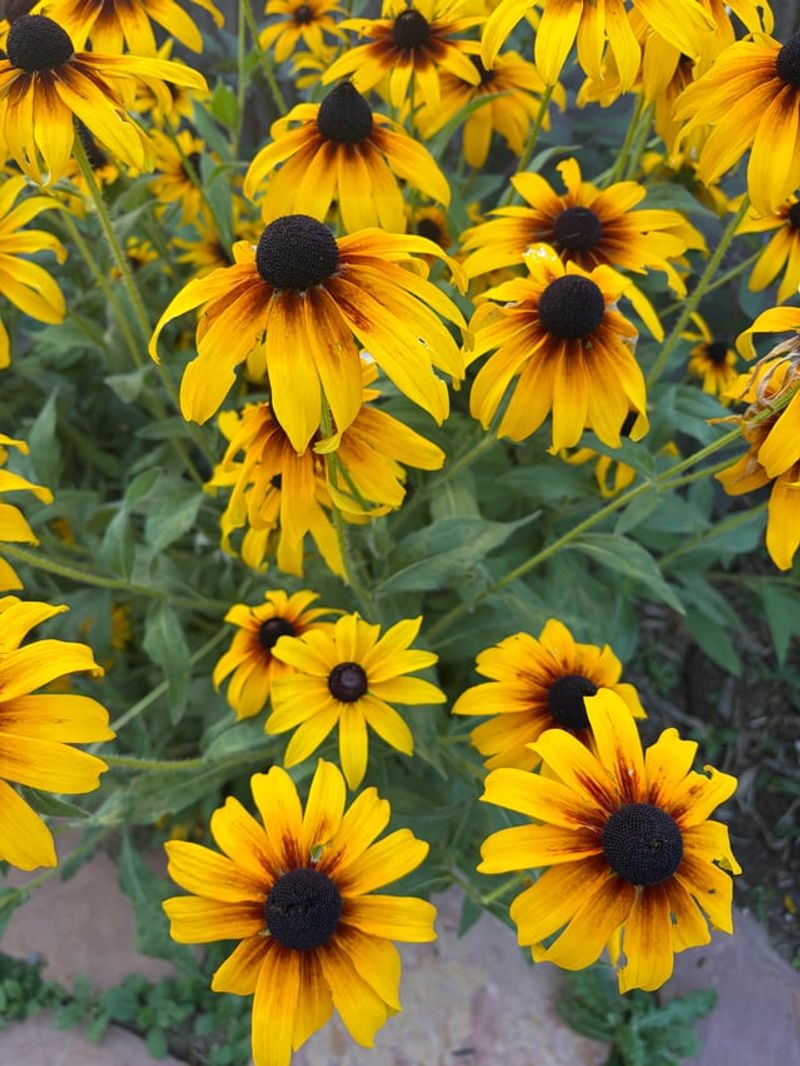
Picture a daisy that got a little too much sunshine and decided to wear it permanently. That’s rudbeckia, often called black-eyed Susan, with golden petals circling a dark brown center.
While summer slips away, it just keeps showing off without a care.
Most rudbeckias start flowering in midsummer and can carry on through September and October. In mild parts of California, some plants still hold blooms into November as daylight hours shrink.
Perennial types like Rudbeckia fulgida ‘Goldsturm’ tend to be especially reliable late in the year.
Your California Garden Changes Every Week. Your Plan Should Too.
Gardening in California changes quickly throughout the season. Every Friday you’ll receive a simple weekly plan showing exactly what to plant, prune, fertilize, harvest, and protect so you never miss the right timing.
Trimming makes a real difference here. Cut each faded flower stem back to a leaf or side bud, and the plant will often push out fresh blooms in response.
If you’d rather feed the birds, leave a few seed heads standing instead, because goldfinches love them.
Rudbeckia likes full sun and soil that drains well. Once it settles in, it can handle some dry spells, but a deep soak every week or so during warm fall weather keeps flowers coming.
Crowded plants can get powdery mildew, so give them room for air to move.
Coastal gardens with cool, foggy summers may see slower growth and fewer blooms overall. Hot inland areas usually get a bigger show, though an early frost will end it fast.
Either way, pairing rudbeckia with purple salvia or asters creates a bold, cheerful contrast that brightens any fall border. Just think of it as the friend who stays late to help clean up after the party ends.
3. Salvia Draws Pollinators Into Late Fall
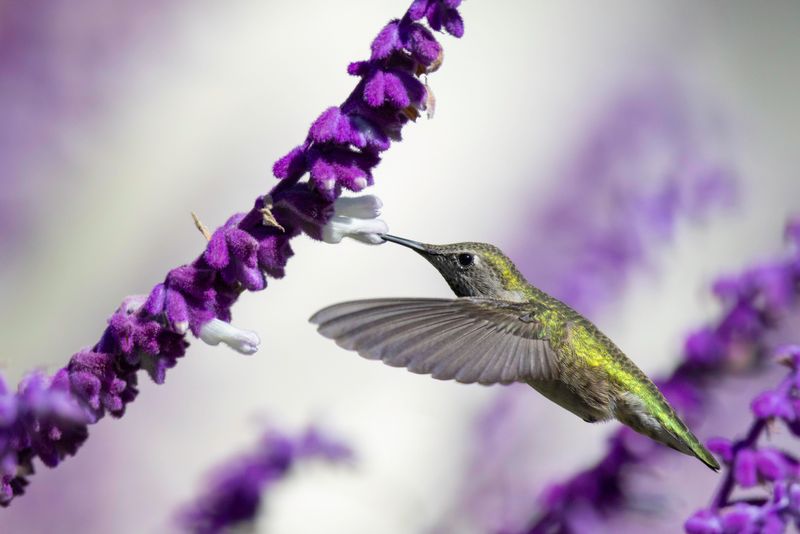
Stand near a blooming salvia on a warm October afternoon, and you might hear it before you see the visitors. Hummingbirds zip in, bees bump from flower to flower, and the whole plant seems to hum with activity.
Few garden plants feed so many creatures this late in the year.
Salvia, also called sage, is a huge group with hundreds of kinds. Some of the best for fall color include Mexican bush sage, with its fuzzy purple spikes, and autumn sage, which comes in red, pink, and white.
Both often keep flowering from late summer until cold weather or winter pruning arrives.
California natives, such as hummingbird sage and Cleveland sage, usually bloom earlier in the year, so check the label before buying if late color is your goal. Nursery staff at local garden centers can point you to types that perform well in your area.
Most salvias want full sun and fast-draining soil. Many are drought tolerant once established, which makes them a smart pick for water-wise yards.
Too much water or heavy clay can lead to root rot, especially as temperatures cool off.
To stretch the season, trim off spent flower spikes during summer and early fall. Save the hard cutback for late winter, after the risk of frost has passed in your region.
Desert and inland gardeners may notice a pause during extreme heat, followed by a strong comeback once nights turn cooler. Keep a chair nearby, because the show is worth watching.
4. California Fuchsia Peaks When Others Fade
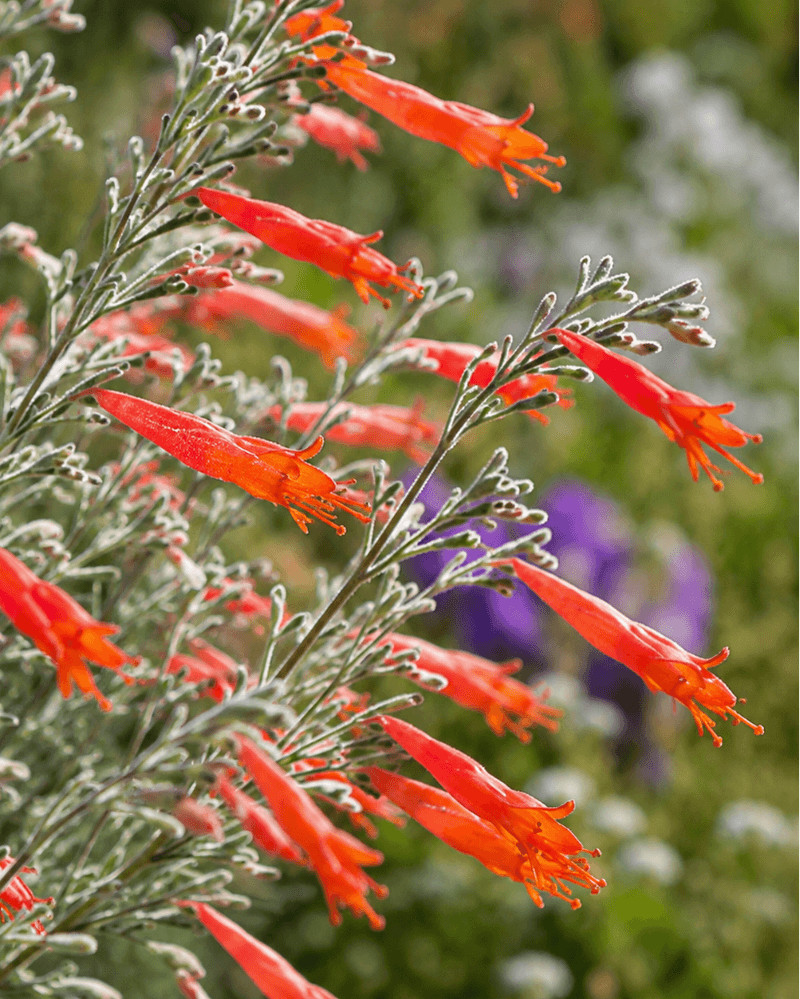
Just when the hillsides turn gold and dusty, a scrappy little native bursts into flames of scarlet. California fuchsia, known to botanists as Epilobium canum, saves its biggest show for late summer and fall.
Old-timers may still call it Zauschneria, its former scientific name from years past.
Despite the name, it’s only a distant cousin of the fuchsias hanging in baskets on shady porches. Its tube-shaped red-orange flowers are built for hummingbirds, which visit often as other nectar sources dry up.
Watching them feed is half the fun of growing this plant.
Blooming usually starts around August and can run into October or November, depending on where you live. Coastal gardens often enjoy the longest display, while hot inland spots may see flowers wind down sooner.
Hard frost in colder areas can end things early too.
Growing it is refreshingly easy overall. Give it full sun, soil that drains quickly, and very little water once roots are established. Too much summer irrigation or rich compost can make it floppy and short-lived.
After flowering ends, cut the stems down close to the ground in late fall or winter. Fresh growth will return in spring, often spreading a bit wider each year.
Many gardeners tuck it along slopes, rock walls, or dry borders where thirstier flowers would struggle to survive.
Planting it also supports California’s own wildlife, which feels good on top of everything else. Few native plants deliver so much color with so little fuss, right when the rest of the garden is running out of steam.
5. Chrysanthemum Remains The Classic Choice
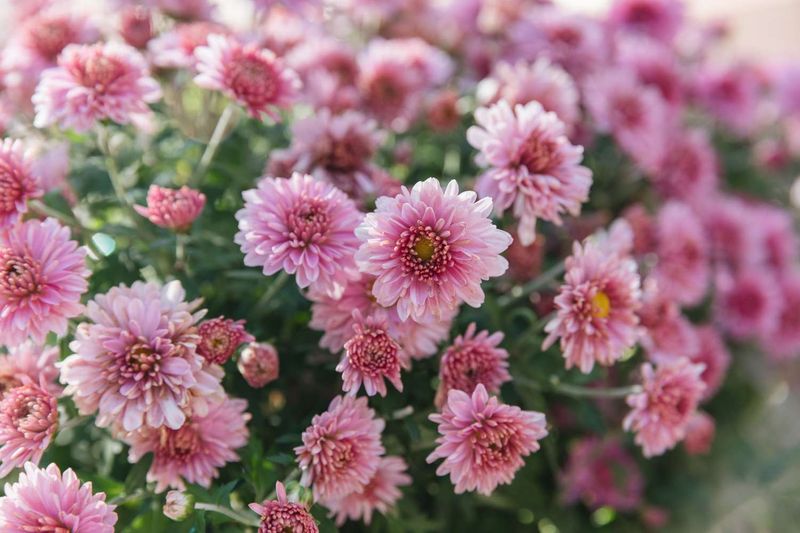
Walk past any grocery store in October, and you’ll spot them. Buckets of mums in rust, bronze, gold, and burgundy. Chrysanthemums have been fall favorites for generations, and for good reason.
Few flowers are so dependable once the calendar flips to autumn.
Here’s the fun science part worth knowing. Mums are short-day plants, meaning they form flower buds when nights grow longer, so they bloom naturally in fall instead of summer.
That built-in timer is why they look their best just as many other plants are fading out.
Potted mums from the store are often grown for one season of show and nothing more. Garden mums, sometimes labeled hardy mums, are a better bet if you want plants that return year after year instead.
Planting them in spring gives roots a full season to settle before the fall show begins.
From spring to early summer, pinch back the stem tips every few weeks. This keeps plants bushy and packed with buds instead of tall and floppy.
Many growers stop pinching around midsummer so flower buds have time to form properly.
Mums like full sun, steady moisture, and soil that drains well. Snipping off browned blooms keeps the display tidy and can encourage a few extra flowers to open.
In mild coastal areas, color may last into November, while desert heat or an early inland frost can shorten the season considerably.
Set a few pots by the front door with a pumpkin or two, and your porch will feel like autumn for weeks.
6. Aster Adds A Final Burst Of Purple
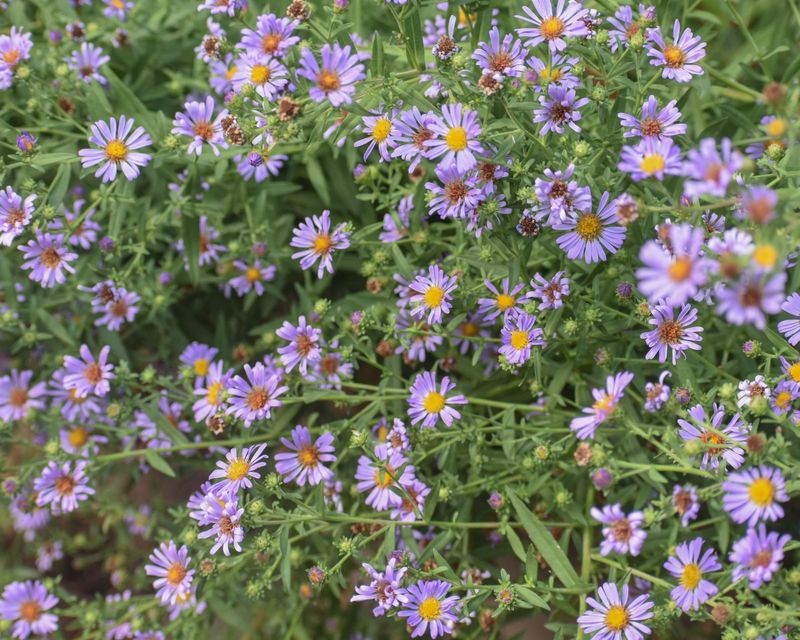
The word aster comes from the Greek word for star, and one look at those daisy-like blooms explains why immediately. Masses of small lavender, purple, or pink flowers with sunny yellow centers can cover a plant like a night sky.
Better yet, many asters wait until late summer and fall to put on their show.
California has its own native option, the Pacific aster, now known scientifically as Symphyotrichum chilense. It spreads by underground stems, handles coastal conditions well, and attracts butterflies and native bees late in the season.
Garden favorites such as Michaelmas daisy and Frikart’s aster add even more choices to the mix.
Asters grow best in full sun with decent drainage. Give them regular water while blooming, since thirsty plants may drop flowers early otherwise.
Leaves can get powdery mildew in crowded beds, so space plants apart and water the soil rather than the foliage.
Pinching stems back by about a third in early summer helps many asters grow fuller and less leggy overall. Once flowers fade, cutting them off can sometimes coax a few more blooms.
Leaving some seed heads, though, gives finches a snack later on.
Bloom length varies a lot across the state depending on where you garden. Foggy coastal gardens may enjoy purple color into November, while inland valleys can see an earlier finish when frost arrives.
Try planting asters beside golden rudbeckia or orange marigolds for a final pop of contrast before winter sets in. Your garden gets one last starry night before the cold.
7. Sedum Holds Its Color For Weeks
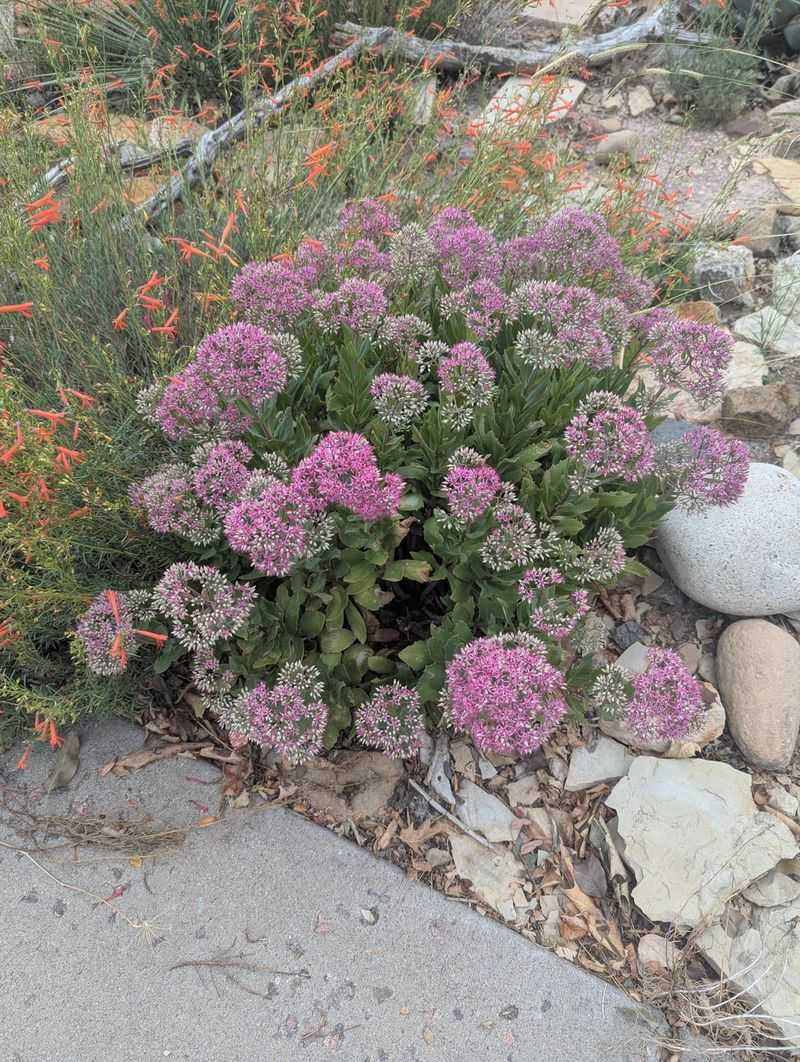
Some flowers bloom and vanish in a week. Sedum prefers to take its time instead, changing colors slowly like a mood ring over several weeks straight.
If you want a plant that almost looks after itself, this succulent deserves a spot in your yard.
The best-known fall type is ‘Autumn Joy,’ now often sold under the name Hylotelephium. Its flat clusters of tiny buds start pale green in summer, open to pink, and then deepen to rosy red and coppery rust as fall moves along.
Even the dried heads look handsome into early winter.
Bees and butterflies crowd onto the flowers while they’re open for business. Since the plant stores water in its thick leaves, it handles dry spells better than most flowering perennials around it.
Overwatering is the most common way people accidentally harm it.
Plant sedum in full sun and gritty, fast-draining soil. Rich soil or too much shade can make the stems flop open in the middle awkwardly.
In hot inland and desert gardens, a little afternoon shade may help keep leaves from scorching in peak heat.
Unlike many flowers on this list, sedum does not need trimming to keep its color going. Simply leave the flower heads alone and enjoy how they change over the weeks.
Cut the old stems down in late winter, just as fresh rosettes appear at the base.
Want a bonus? Sedum is easy to share with friends. Snap off a stem in spring, stick it in moist soil, and it will usually root within a few weeks, giving you free plants to pass around.
8. Calendula Handles Milder Late Season Temperatures
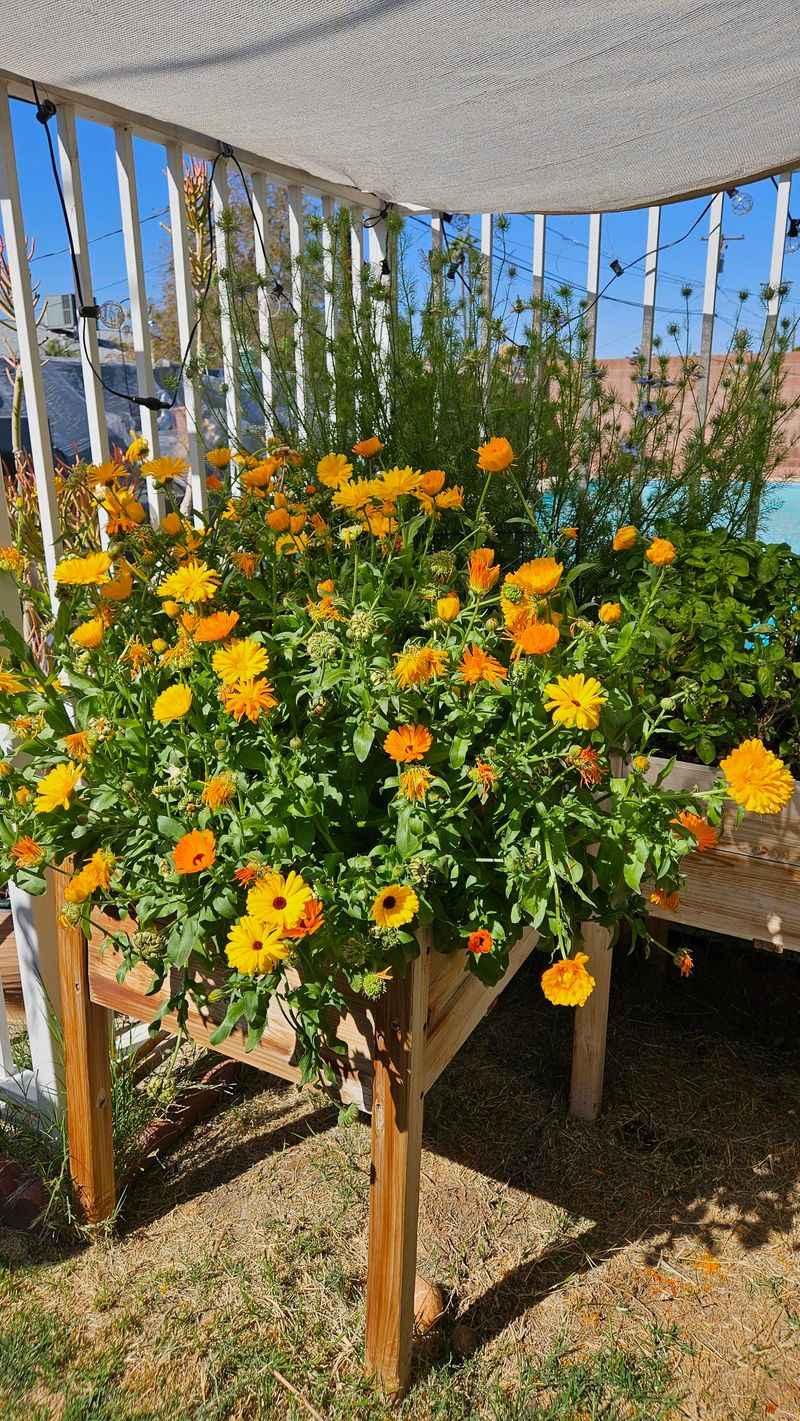
While most summer flowers sulk when the weather cools, calendula practically cheers instead. Often called pot marigold, though it’s not a true marigold, this sunny annual actually prefers mild temperatures.
That makes it a natural fit for California’s gentle late fall stretch.
Across much of the state, gardeners sow calendula seeds or set out young plants in late summer or early fall. With cool nights and warm days, plants can bloom through fall and, in frost-free areas, keep going into winter and spring.
Hot summer weather is what usually wears them out first.
The flowers come in bright orange, gold, cream, and apricot shades. Their petals are edible, and people have sprinkled them on salads and used them to color food for centuries.
Only eat flowers you grew yourself without pesticides on them.
Keeping up with spent blooms is the biggest favor you can do for calendula. Pull off faded blooms every few days, and the plant will keep producing new buds instead of setting its curled seeds.
Skip that chore, and flowering can slow down quickly.
Results will not look the same everywhere across the state. Coastal and Southern California gardens often enjoy the longest run, while inland valleys may lose plants to hard frost and low desert gardens may do best with plantings timed for the cooler months.
Match your timing to local conditions, and ask your county’s Master Gardener program for planting calendars specific to your area.
A few seeds this fall could mean cheerful color long after the neighbors have given up entirely.