8 Tender Herbs Worth Bringing Indoors Before Ohio Frost Arrives
The porch light is on, the weather app says 34 degrees by sunrise, and you are outside in a jacket with a flashlight, dragging pots toward the kitchen window before it’s too late.
Ohio frost tends to show up sometime between early October in the north and late October farther south, and it does not wait around for your weekend plans to line up conveniently.
Some herbs handle that sudden move inside with barely a shrug, settling right into a sunny windowsill without complaint.
Others sulk, drop leaves, or quietly give up no matter how carefully you water them afterward.
Most gardeners find that out the hard way, hauling in a whole collection only to watch half of it fade by December.
Knowing which is which saves you pots, potting soil, and a fair amount of disappointment once winter really settles in.
1. Rosemary Adjusts Well With Bright Light
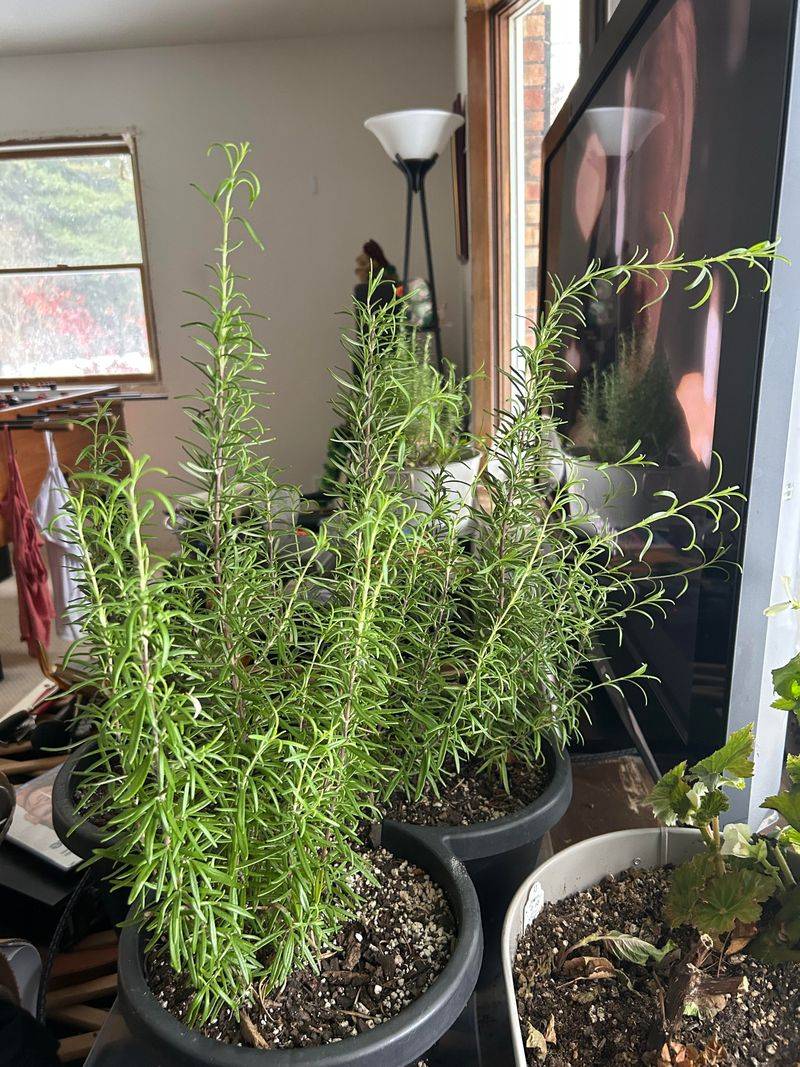
Few herbs make the leap from garden bed to living room as convincingly as rosemary, provided you hand it the sunniest spot you own in the house.
In Ohio, rosemary is treated as a tender perennial because most cultivars cannot reliably survive our winters outdoors, so digging it up before frost is standard practice for most gardeners.
Light is the whole ballgame here, more than anything else. A south-facing window delivering six or more hours of direct sun keeps the needles firm and fragrant, while a dim corner produces thin, floppy growth within weeks.
Water carefully and infrequently throughout the season. Rosemary roots rot fast in soggy soil, yet the plant also fades quickly if the rootball dries out completely, which is the sneaky failure most people hit in a heated house.
Check the top inch with a finger and water deeply only when it feels dry, letting excess drain away instead of sitting in a saucer underneath.
Powdery mildew is the other winter nuisance, and it thrives in still, stuffy air indoors. A small fan running nearby for a few hours a day, or simply cracking a door between rooms, helps enormously.
Bring rosemary in before overnight lows dip toward the mid-30s, and inspect the pot for aphids and spider mites first before it comes indoors.
2. Bay Laurel Handles Indoor Winters Easily
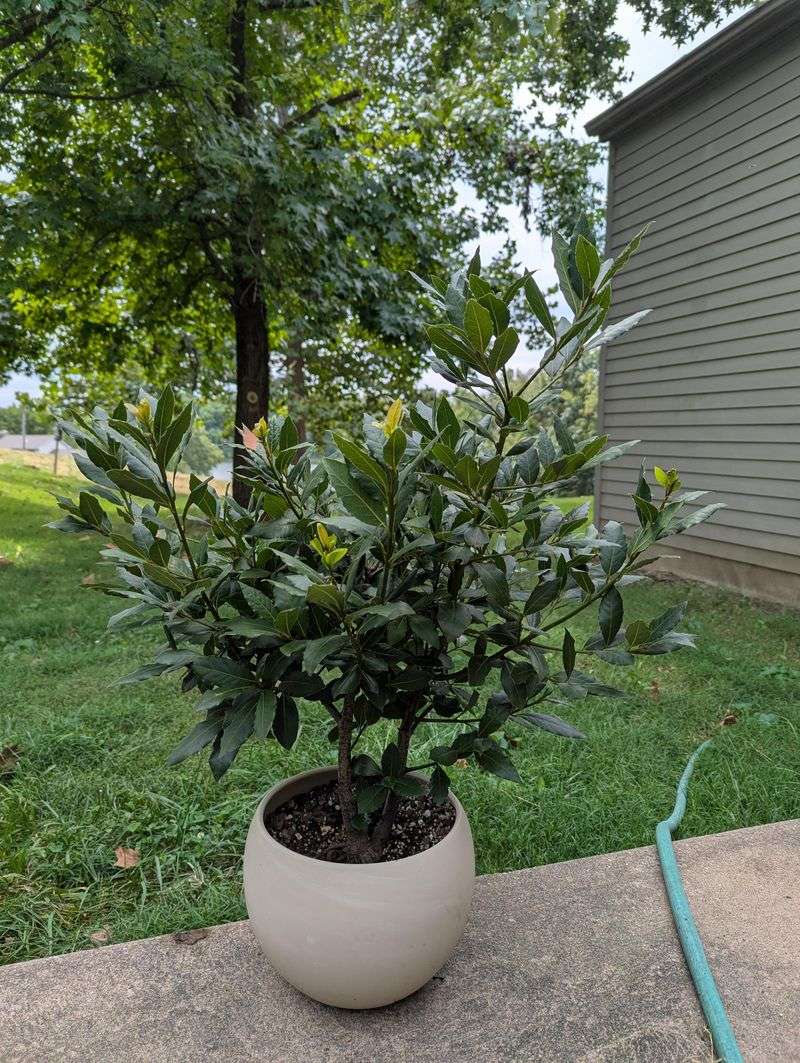
Patient, slow, and remarkably forgiving, bay laurel behaves less like a fussy herb and more like a well-mannered houseplant that asks for very little.
It is hardy only to roughly USDA zone 8, which means anywhere in Ohio it needs shelter long before the first hard freeze arrives.
Bay’s biggest advantage indoors is its tolerance for less-than-perfect light. Bright, indirect light near an east or west window keeps it healthy, though a few hours of direct sun makes the leaves deeper green and thicker.
Growth practically stops in winter, and that is exactly what you want from this plant. A dormant-ish bay needs very little water, so let the top two inches of soil dry before watering again.
Overwatering is the number one cause of loss in potted bay trees, especially in cool rooms where soil stays damp for days at a stretch.
Your Ohio Garden Changes Every Week. Your Plan Should Too.
Gardening in Ohio changes quickly throughout the season. Every Friday you’ll receive a simple weekly plan showing exactly what to plant, prune, fertilize, harvest, and protect so you never miss the right timing.
Cool temperatures suit it just fine. An unheated but frost-free garage window, a spare bedroom, or an enclosed porch that stays above freezing all work nicely for this plant.
Watch for scale insects, small brown bumps along stems and leaf undersides. Wiping them off with a cotton swab dipped in rubbing alcohol handles a small outbreak before it spreads further.
3. Lemongrass Recovers Fast After The Move
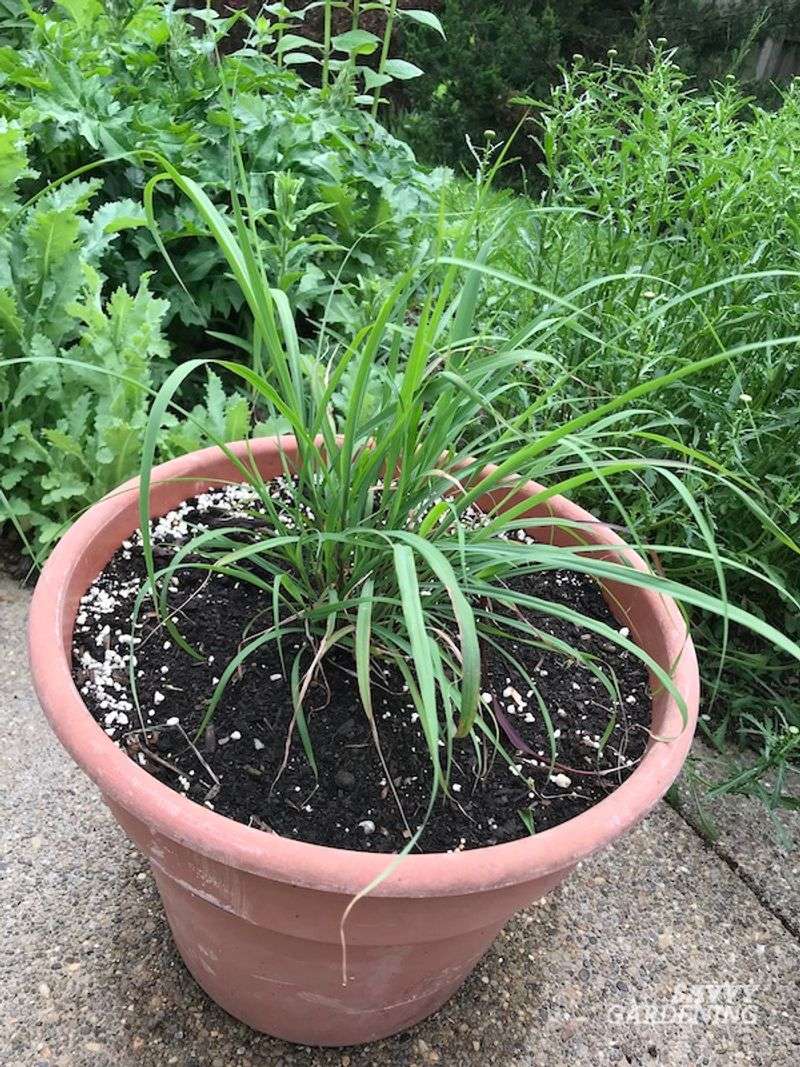
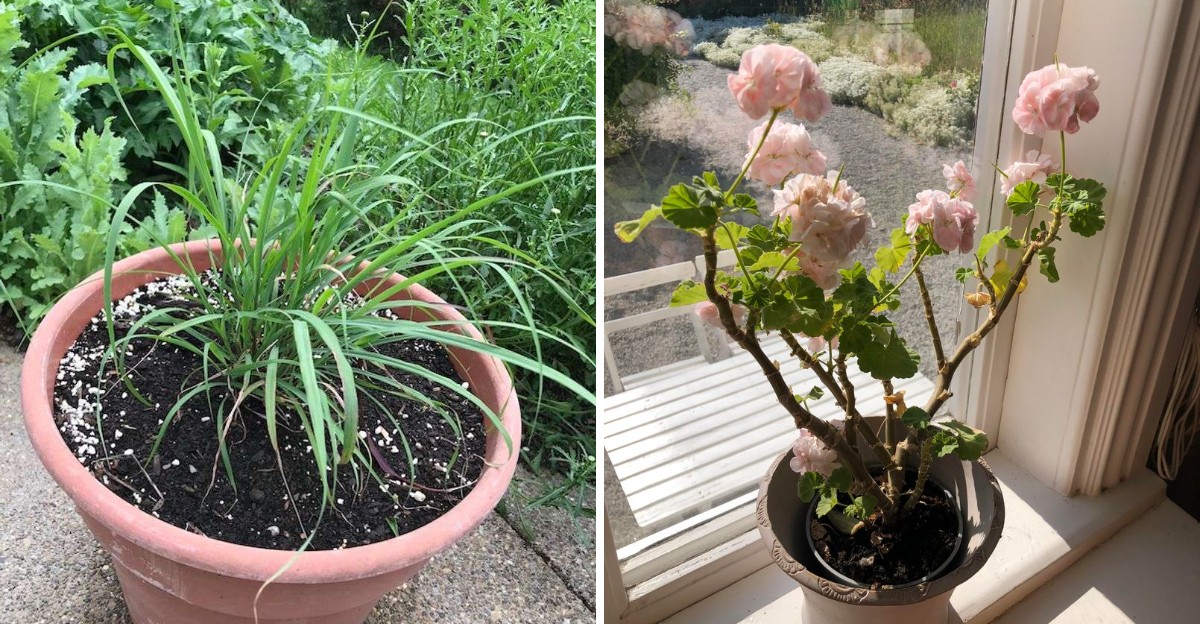
Chop it back, haul it inside, and lemongrass shrugs the whole thing off without much fuss at all. That resilience is why this tropical grass ranks among the easiest tender herbs to rescue.
Native to warm Southeast Asian climates, lemongrass turns to mush after a hard freeze, so it must come in while nights are still in the 40s rather than waiting.
Cutting the foliage back to roughly six or eight inches before the move reduces stress and makes the pot far easier to carry indoors. New blades push up within a couple of weeks if the plant gets decent light.
Unlike most herbs, lemongrass likes consistently moist soil throughout winter. Do not let it dry out completely, and consider setting the pot on a pebble tray to boost humidity in a furnace-dried room.
A sunny window suits it best, but lemongrass tolerates moderate light better than rosemary does. Expect slower, paler growth in a dimmer spot, not outright decline.
Here is a handy trick worth trying. Lemongrass roots readily in water. Snip a thick stalk, set the base in a glass on a windowsill, and you will see white roots in a week or two.
Come May, after Ohio’s last frost date has safely passed, harden it off gradually before returning it outdoors for the season.
4. Chives Keep Producing On A Sunny Sill
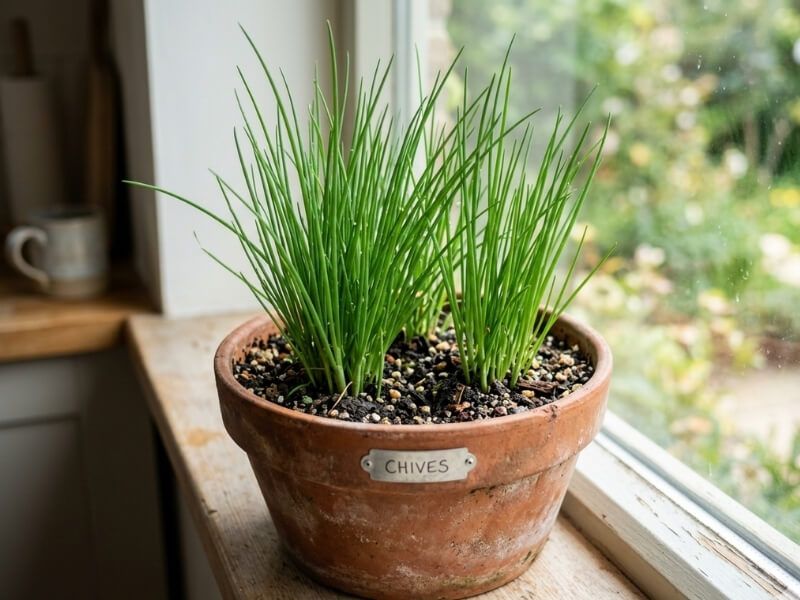
Ask any cook who scatters green confetti over baked potatoes in January where those snips came from, and odds are the answer is a pot sitting on the kitchen sill.
Chives are among the most cooperative herbs you can overwinter indoors, requiring surprisingly little effort overall.
Technically chives are cold-hardy perennials that survive Ohio winters outside just fine, so bringing a clump in is about convenience rather than genuine survival need.
Extension horticulturists often recommend a trick that improves results dramatically. Dig a clump in fall, pot it, and leave it outdoors or in a cold garage for several weeks of chilling first before bringing it in.
After the chill period, set the pot in a south-facing window and trim the old foliage back to about an inch. Fresh blades appear quickly once warmth returns.
Water when the surface feels dry, and avoid letting the pot sit in standing water underneath. Chives dislike soggy roots more than most other kitchen herbs.
Harvest by snipping outer blades near the base rather than shearing the whole clump flat at once. Cutting this way keeps the plant producing steadily for months on end.
Return the clump to the garden in spring, and it will settle right back into its old spot without much trouble.
5. Thyme Tolerates Lower Indoor Humidity
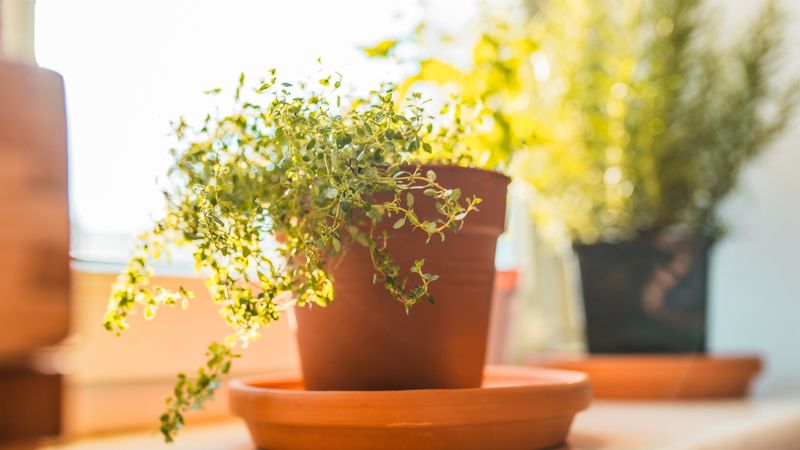
Mediterranean hillsides are rocky, breezy, and bone dry in summer, which explains a lot about why thyme copes so calmly with a heated Ohio house in February.
That dry, stony heritage makes it one of the least fussy herbs to move indoors for the winter season ahead.
Winter heating can drop indoor humidity into the 20 percent range, a level that crisps the leaf edges of many plants sitting nearby. Thyme’s small, tough, slightly waxy leaves lose moisture slowly by comparison.
Common thyme is generally hardy in Ohio gardens, so an indoor pot is mostly about winter cooking access rather than survival. Creeping and lemon varieties can be less reliable outdoors though, benefiting more from shelter.
Give it the brightest window you have, ideally facing south for maximum exposure. Weak light produces leggy, sparse stems with little flavor worth cooking with.
Underwatering beats overwatering every single time with this plant. Let the soil dry noticeably between drinks, use a gritty, fast-draining mix, and always choose a pot with drainage holes.
Trim regularly, even if you are not cooking that particular night. Snipping the stem tips encourages bushy growth instead of a woody sprawl over time.
6. Oregano Bounces Back With Regular Light
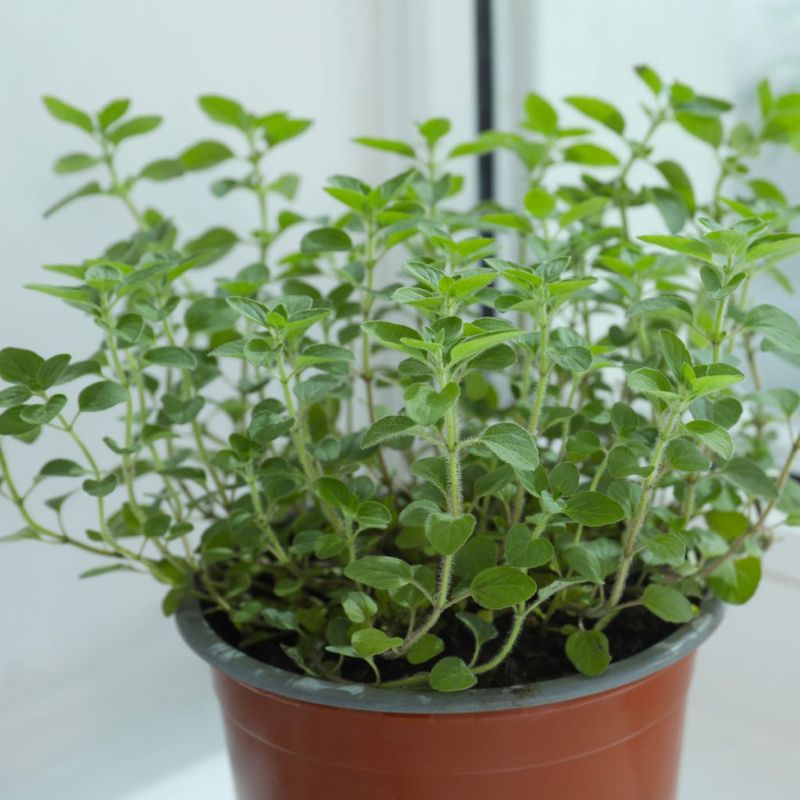
Trim it hard, move it inside, and within a month oregano is usually pushing fresh leaves like nothing happened to it at all.
That willingness to recover makes it a low-risk candidate for your winter windowsill lineup this year.
Greek oregano survives Ohio winters in the ground in most of the state, but plants in containers are far more exposed to freezing and often do not make it through on their own.
Consistent light matters more than intense light for this particular herb. Six hours near a bright window keeps stems compact, while a dim corner produces long, pale runners with faint flavor.
If your windows face north, a simple LED grow light on a timer for twelve to fourteen hours makes a real difference and costs little to run through winter.
Water moderately throughout the season. Oregano prefers soil on the drier side and rots in dense, constantly wet potting mix, so a mix amended with perlite or coarse sand works well.
Pinch stem tips often, even when you are not harvesting for the kitchen. Regular harvesting prevents flowering and keeps the leaves at their most aromatic overall.
Indoor-grown leaves often taste milder than August’s garden harvest, simply because oregano’s flavor intensity depends heavily on available sunlight throughout the growing period.
7. Scented Geraniums Reward Indoor Space
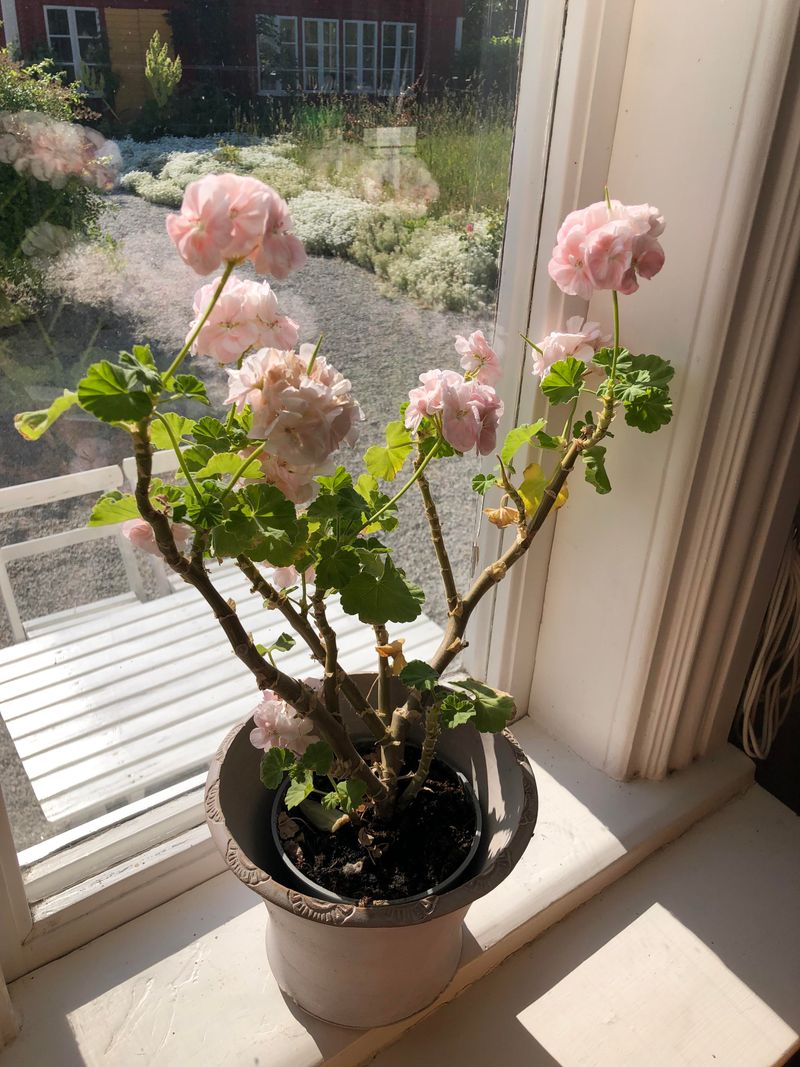
Brush past one on your way to the coffee maker, and the whole kitchen smells like roses, lemons, or peppermint depending on which variety you happened to choose.
Scented geraniums, properly called Pelargonium, earn their windowsill real estate in a way few plants really manage to do.
They are strictly tender in Ohio and will not survive a frost, so they need to come in well before the first freeze warning shows up on the forecast.
Many gardeners treat these as disposable annuals every year, which is genuinely a shame given how long they can live and how much fragrance they offer with just a little winter shelter.
Bright light keeps them happy, and a south or west window suits them best throughout the winter months. With less sun they stretch out, though they rarely fade outright from it, just growing leggier than you would like.
Let the soil dry between waterings consistently. These plants store moisture in thick stems and sulk when kept constantly damp, particularly in cool winter rooms with less airflow moving through them.
Cut plants back by about a third before or shortly after the move indoors. That reduces wilting stress and prevents the awkward, leggy shape that develops by March otherwise, especially in a dimmer spot.
Save the trimmings from this pruning rather than tossing them in the compost bin. Stem cuttings root easily in moist potting mix, giving you free plants for next summer’s containers without spending anything extra at the garden center.
Historically, Victorian gardeners collected dozens of scent varieties, everything from nutmeg to apple, and used the leaves to flavor sugars, jellies, and cakes throughout the colder months.
Tucking a rose-scented leaf at the bottom of a pound cake pan before baking is a genuinely old trick still worth trying this winter, adding a subtle fragrance to something as simple as dessert.
8. Basil Often Struggles So Take Cuttings Instead
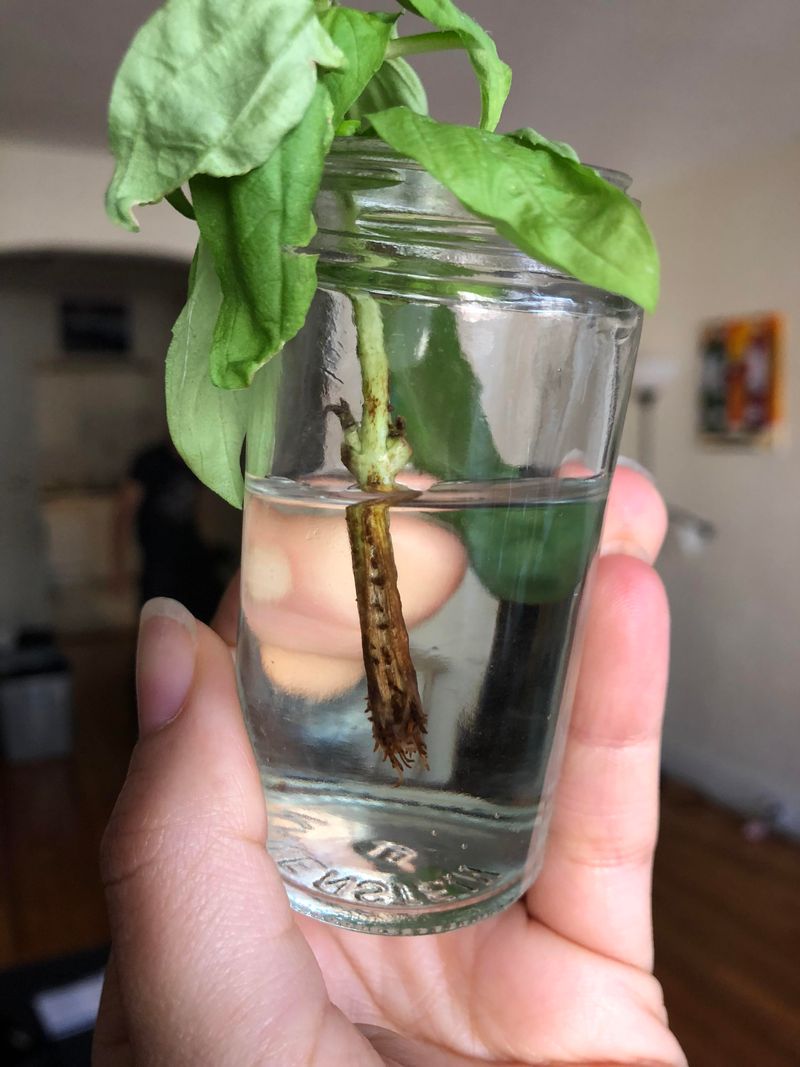
Honest talk here. The basil plant you drag in from the garden in October is probably not going to make it to Christmas, no matter how carefully you tend it.
Gardeners repeat this disappointment every single year, and it usually has nothing to do with effort or lack of care on their part.
Basil is a warm-season tropical annual that demands very high light and warmth to thrive. Indoor winter light in Ohio is short, weak, and angled, while heated homes run far drier than basil actually prefers.
Mature garden plants are also already winding down by the time frost threatens. Many have flowered, their stems have turned woody, and root disturbance from digging adds a shock they rarely recover from cleanly.
The predictable result is yellowing lower leaves, dropping foliage, and a sad skeleton by midwinter regardless of watering schedule or attention given.
A far better strategy is taking cuttings in early fall instead, while plants are still vigorous and actively growing. Snip four to six inch stem tips below a leaf node, strip the lower leaves, and set them in a glass of water.
Roots typically appear within one to two weeks under decent conditions. Pot the rooted cuttings in fresh potting mix, and you get young, actively growing plants instead of tired old ones struggling to survive.