Stop Ignoring Black Sooty Mold On Your Georgia Azaleas This August
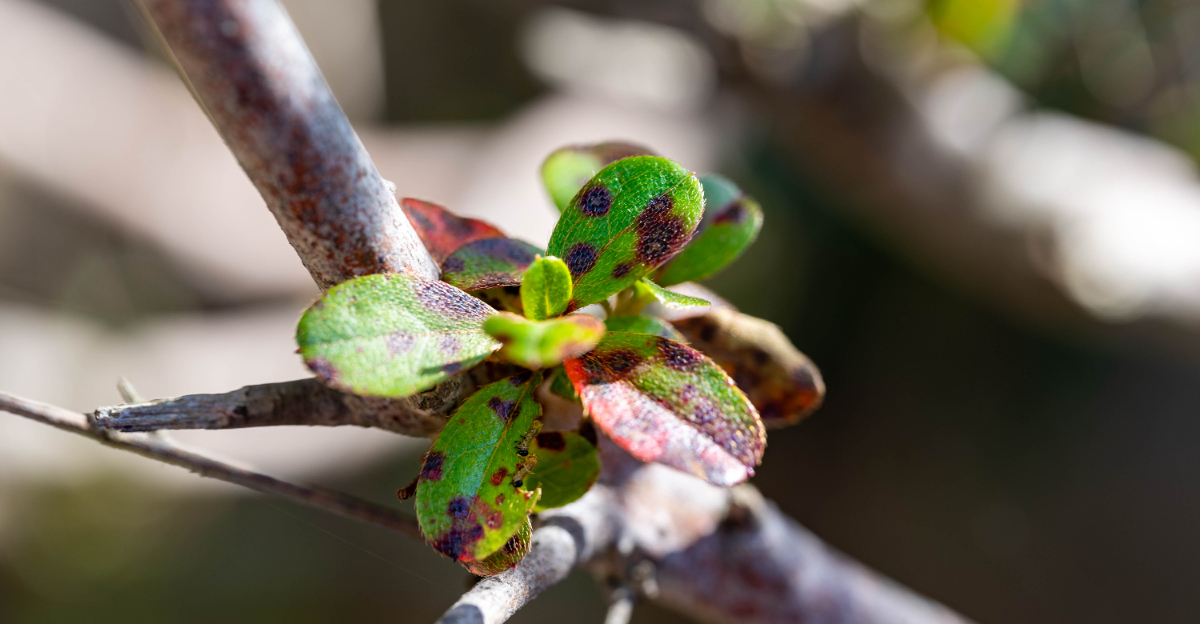
Stop brushing off those black leaves as simple dirt. If your azaleas suddenly look dusty or coated with dark patches, something else is happening.
Black sooty mold is easy to spot, but it is not the real problem. Georgia gardens often see this issue during August, and waiting too long can leave shrubs looking worse than they should.
Take a closer look before the damage spreads further. The sooner you figure out what is feeding the mold, the easier it becomes to help your azaleas recover.
A few careful checks now can save you plenty of frustration later. Healthy shrubs should brighten your landscape, not disappear beneath a black coating.
Knowing what this mold really means is the first step toward bringing those beautiful blooms and glossy green leaves back into view.
1. Sooty Mold Comes From Sticky Honeydew Buildup
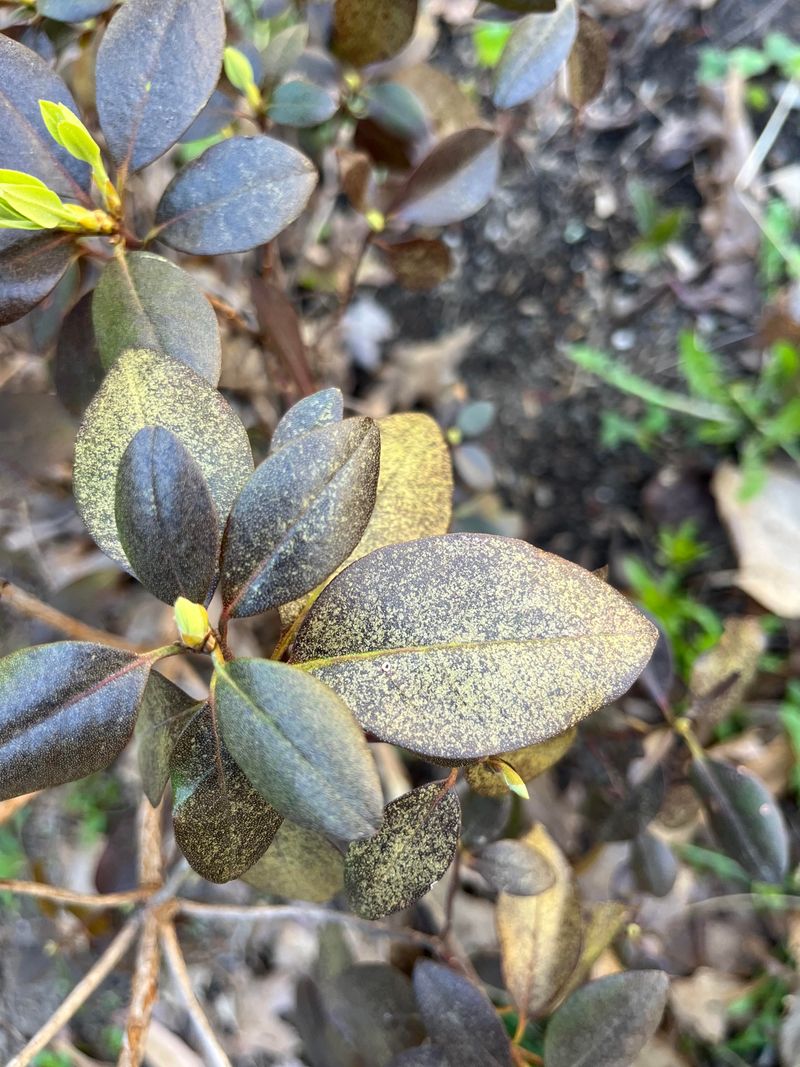
Black and powdery on your azalea leaves is not normal grime. Sooty mold is a fungus, and it grows on a sticky substance called honeydew.
That honeydew does not come from the plant itself.
Honeydew is actually a waste product left behind by sap-sucking insects. When bugs feed on your azalea, they excrete this sugary liquid onto the leaves and stems below.
It coats the surface and creates the perfect food source for sooty mold spores floating in the air.
Once spores land on honeydew, they settle in and spread fast. Hot, humid August weather speeds that process up considerably.
Sooty mold does not infect the plant tissue itself, but a thick coating can block sunlight from reaching the leaf surface.
Leaves need sunlight for photosynthesis. When mold covers a large portion of the leaf, the plant struggles to produce enough energy.
Over time, this can weaken the azalea noticeably, especially during an already stressful summer month.
Wiping the leaf clean and seeing the green underneath confirms you are dealing with sooty mold rather than a deeper issue.
Recognizing honeydew buildup early gives you a head start on managing the whole problem before it spreads further across the shrub.
2. Aphids And Scale Often Cause The Problem
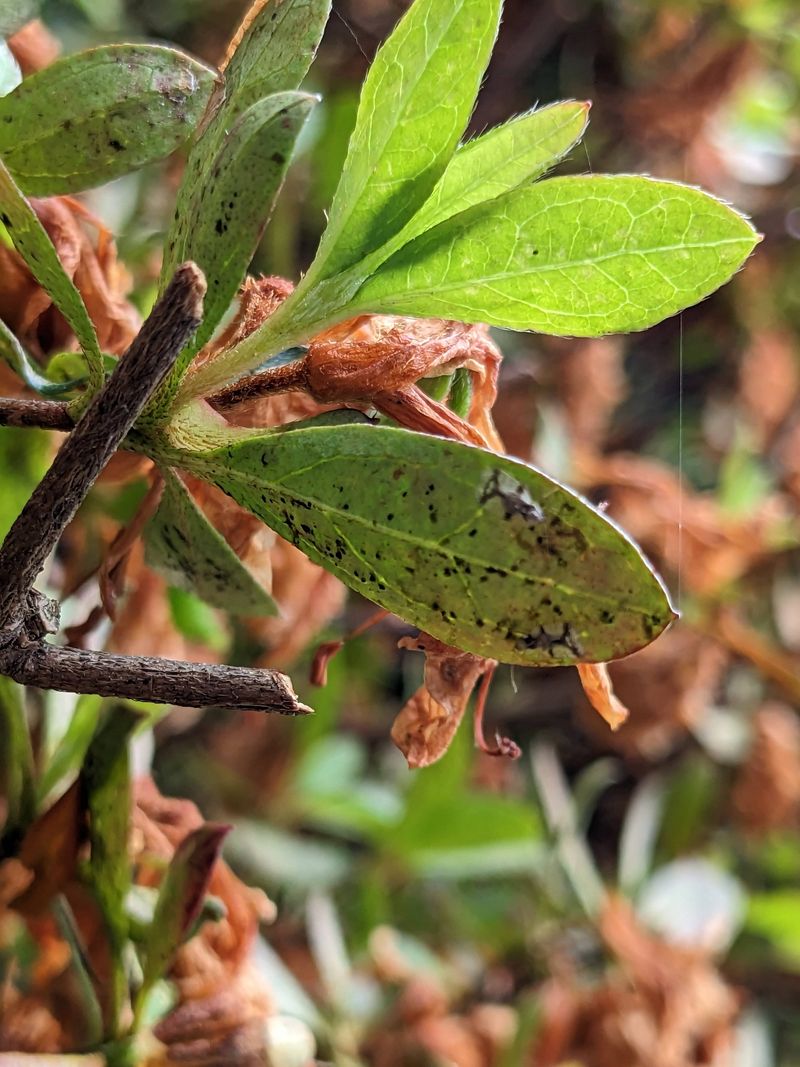
Tiny insects are usually the real culprits behind sooty mold. Aphids and scale insects are the two most common offenders on azaleas during summer.
Both feed by piercing plant tissue and drawing out sap.
Aphids tend to cluster on new growth and the undersides of leaves. They are small, soft-bodied, and can be green, black, or pale in color.
A quick look under the leaves often reveals them right away.
Scale insects look different. They appear as small bumps stuck to stems or leaf surfaces.
Some have a waxy shell, which makes them harder to spot and harder to treat. Both types produce honeydew as they feed.
Whiteflies can also contribute to honeydew buildup on azaleas, though they are less common than aphids or scale. Checking for all three is worth the effort when sooty mold shows up.
Pest populations tend to grow fast in warm weather. August heat in the Southeast creates conditions where insects reproduce quickly.
Your Georgia Garden Changes Every Week. Your Plan Should Too.
Gardening in Georgia changes quickly throughout the season. Every Friday you’ll receive a simple weekly plan showing exactly what to plant, prune, fertilize, harvest, and protect so you never miss the right timing.
Catching an infestation early, before numbers explode, makes management far more practical. Inspect your azaleas closely at least once a week this time of year.
3. Remove The Mold From Azalea Leaves
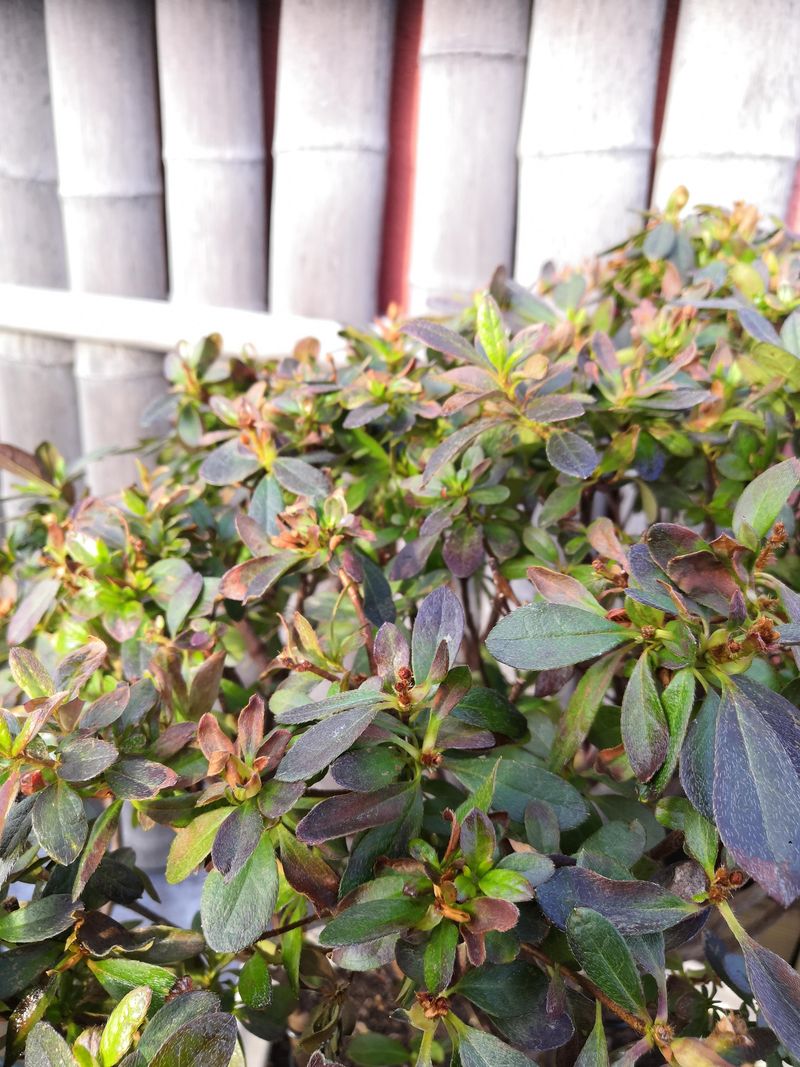
Scrubbing mold off leaves sounds simple, and in many cases it actually is. A soft cloth dampened with plain water can remove light sooty mold from individual leaves without much trouble.
Work gently to avoid tearing the leaf.
For heavier buildup, a mild soap and water solution can help. Mix a small amount of liquid dish soap into a bucket of water.
Wipe leaves carefully, then rinse with clean water to prevent soap residue from sitting on the surface.
Avoid scrubbing too hard. Azalea leaves are not tough, and aggressive wiping can damage the surface.
Focus on removing what you can without stressing the plant further during an already hot month.
Rinsing the entire shrub with a garden hose can dislodge sooty mold from areas that are hard to wipe by hand. A strong but gentle stream works better than a high-pressure spray, which can bruise foliage.
Removing mold manually does not solve the underlying pest problem. It does, however, restore some light to the leaves while you work on the actual source.
Think of it as giving the plant breathing room while you address what caused the mess in the first place.
4. Control The Pests Creating Honeydew
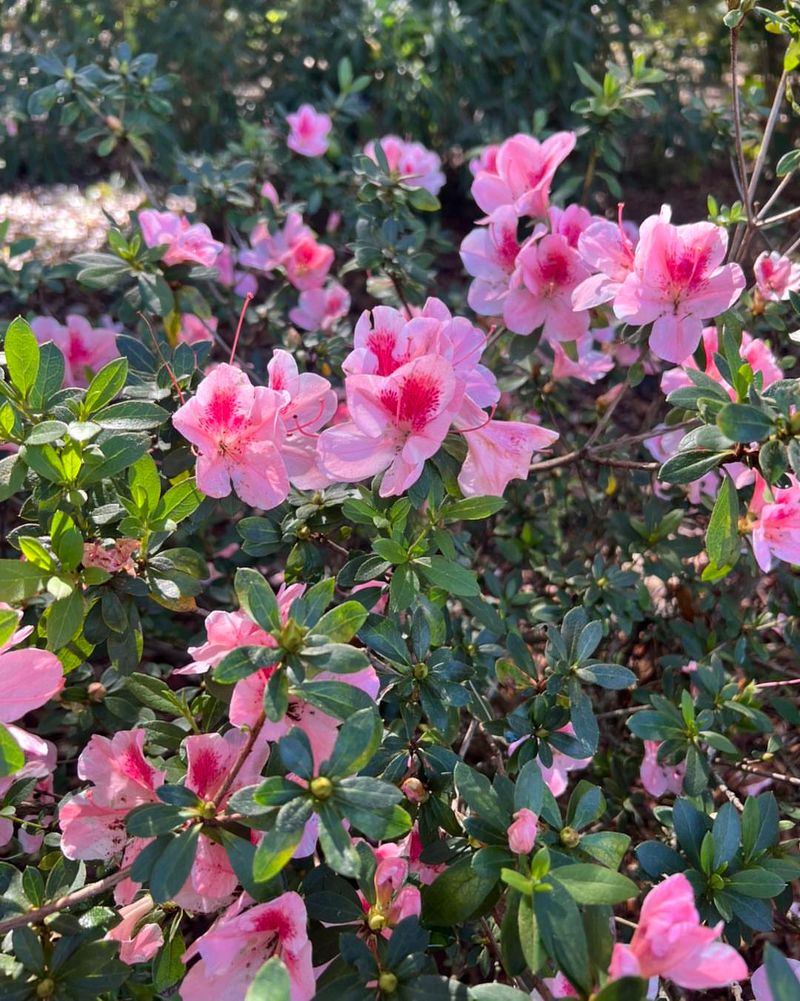
Cleaning mold off leaves buys time, but stopping the pests is what actually solves the problem. Without addressing the insects producing honeydew, mold will return within days.
Pest control is the core step in breaking the cycle.
Neem oil is a widely used option for soft-bodied insects like aphids. It works by disrupting the insect’s ability to feed and reproduce.
Apply it in the early morning or evening to reduce the chance of leaf scorch in summer heat.
Insecticidal soap is another practical choice. It targets soft-bodied pests on contact and breaks down quickly without leaving heavy residue.
Repeat applications are often needed since it does not have a lasting protective effect.
Scale insects can be more stubborn. Horticultural oil applied during appropriate conditions can smother them effectively.
Check the label carefully before applying any product during high-temperature periods, as some oils can stress plants when temperatures are very high.
Avoid broad-spectrum pesticides when possible. Strong chemical sprays can affect beneficial insects that naturally help keep pest populations in check.
A targeted approach tends to cause less disruption to the overall garden environment.
5. Thin Crowded Branches For Better Airflow
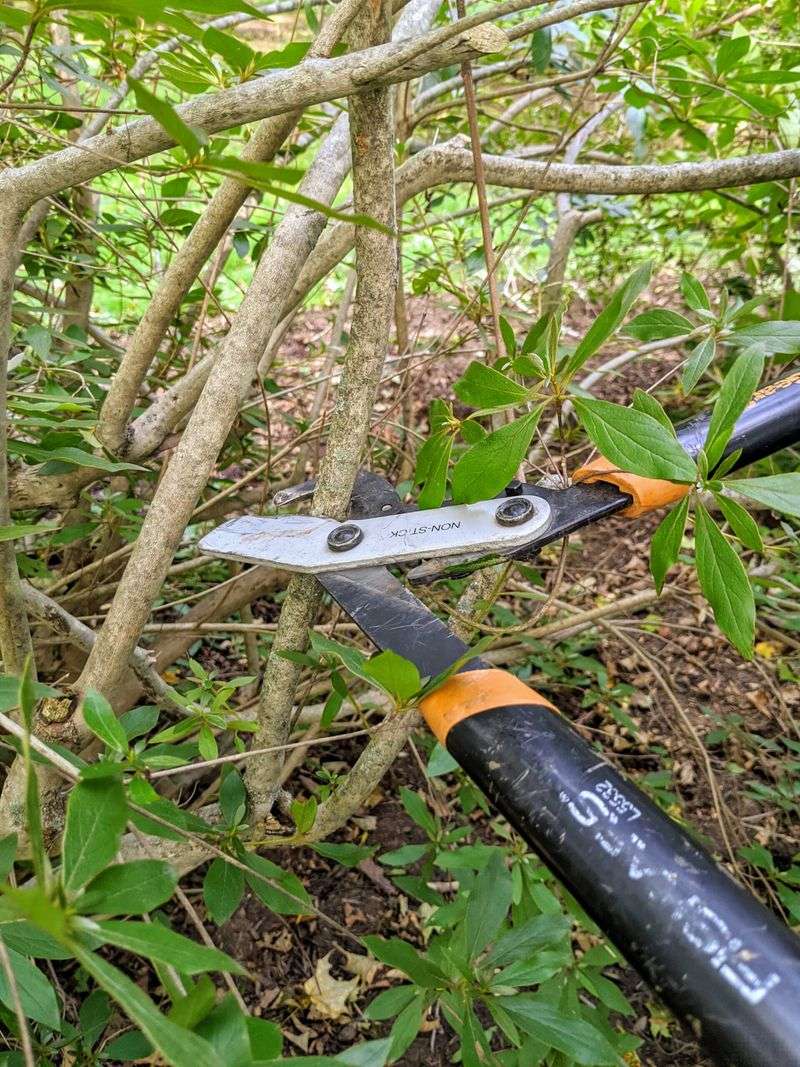
Crowded azaleas trap moisture and create conditions where pests and mold thrive. Good airflow through the shrub makes a real difference in how problems develop and spread.
Thinning branches is one of the most practical steps you can take.
August is not the ideal time for heavy pruning on azaleas. Major pruning is best done after blooming in spring.
Still, removing a few crossing or overcrowded interior branches during summer is generally considered acceptable and beneficial.
Focus on branches that rub against each other or block light from reaching the center of the shrub. Removing these opens up space without dramatically changing the shape of the plant.
Use clean, sharp hand pruners to make smooth cuts.
Disinfecting your pruning tools between cuts is a good habit, especially when disease or pest activity is already present. A simple wipe with a disinfecting solution helps prevent spreading issues from one branch to another.
Better airflow also helps foliage dry faster after rain or irrigation. Wet leaves sitting in stagnant air give fungal spores a better chance to settle and spread.
Thinning dense growth addresses both pest habitat and moisture retention at the same time.
6. Avoid Extra Stress During Hot Weather
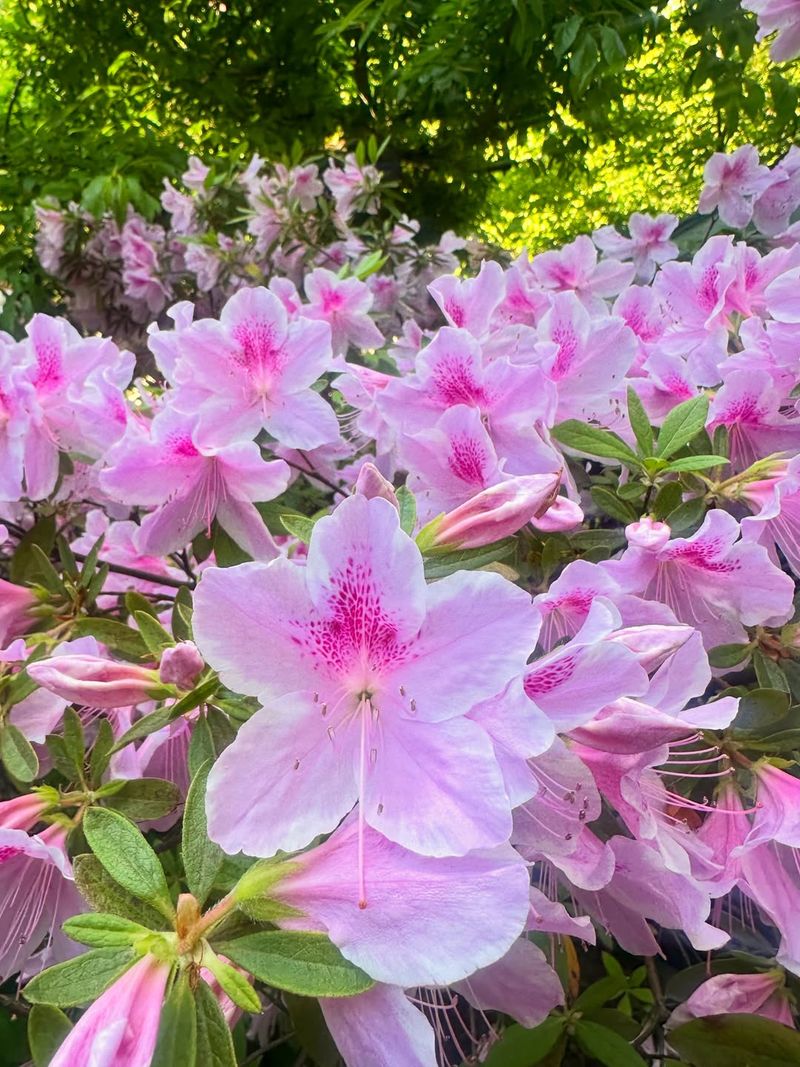
Stressed azaleas are more vulnerable to pests and slower to recover from mold damage. August in the Southeast brings intense heat that already pushes plants to their limits.
Adding extra stress on top of that makes recovery harder.
Consistent watering matters most during dry summer stretches. Azaleas prefer moist, well-drained soil.
Letting the root zone dry out completely weakens the plant and reduces its ability to push through pest pressure or fungal buildup.
Mulch helps retain soil moisture and keeps roots cooler. A two to three inch layer of organic mulch around the base of the shrub, kept away from the stem, can make a noticeable difference during hot, dry weeks.
Skip fertilizing during peak summer heat. Applying nitrogen fertilizer in August can push soft new growth that attracts aphids.
Holding off until fall, when temperatures drop, is generally the safer approach for azaleas already dealing with problems.
Avoid overhead watering in the evening if possible. Wet foliage sitting overnight creates conditions that favor fungal growth.
Morning watering gives leaves time to dry before temperatures peak. Keeping the plant as stable as possible during a stressful month gives it the best chance to recover once you address the mold and the pests causing it.
7. Support Azaleas After Mold Problems
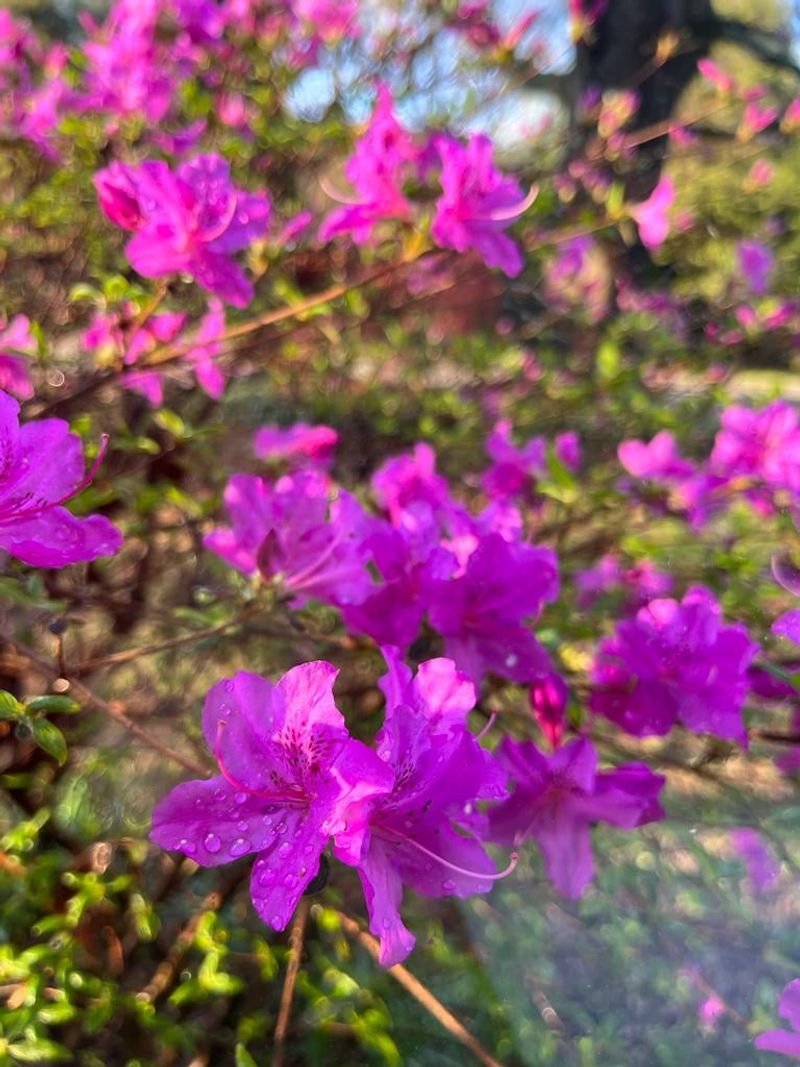
Getting rid of sooty mold and the pests behind it is only part of the work. Helping the plant bounce back after a rough stretch takes some attention too.
Recovery does not happen overnight, but steady care moves things in the right direction.
Once pest pressure drops and mold is removed, monitor the shrub weekly. New mold appearing quickly signals that insects are still active.
Catching a reinfestation early prevents the cycle from starting over again.
Leaf color can take time to fully improve after a mold episode. Some discoloration may linger even after the fungus is gone.
New growth pushing out in fall is usually a positive sign that the plant is stabilizing.
Soil health supports recovery too. If your azalea has not been amended in a while, a light application of an acidic, slow-release fertilizer in early fall can help.
Azaleas prefer acidic soil, and keeping pH in the right range supports overall plant vigor.
Patience is part of gardening, especially after a setback. Azaleas are generally resilient shrubs when given proper conditions.
Across many Georgia gardens, plants that looked rough in August have come back looking much stronger by the following spring bloom season.