Do This To Ohio Lantana Before June Ends And It Blooms Better All Summer Long
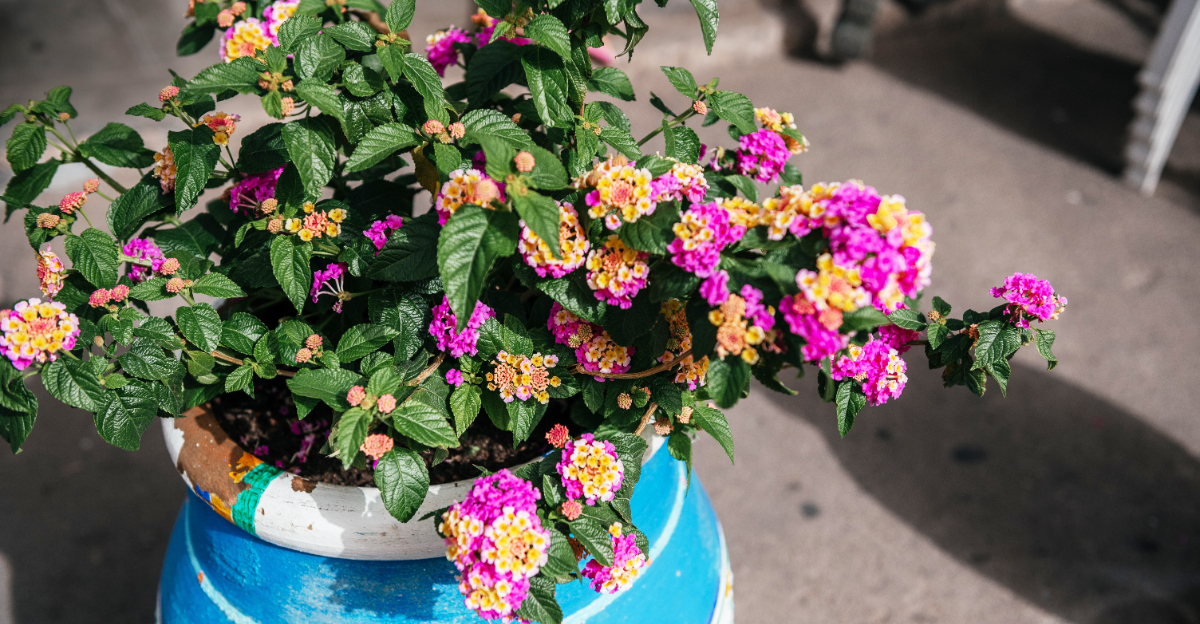
Lantana in Ohio has a reputation for being low maintenance, and for the most part that reputation holds. But low maintenance does not mean no maintenance.
There is one specific task that separates the lantana plants that bloom nonstop through summer from the ones that start strong and quietly run out of steam by August. June is the month it matters most.
Not July, not August. Right now, before the month closes out, is when this task has the biggest impact on what your lantana does for the rest of the season.
Most Ohio gardeners skip it because lantana looks fine without it. And it will look fine.
Fine is just a long way from what lantana is actually capable of when it gets what it needs at the right moment. One task, done before June ends, changes the whole trajectory of the plant through summer.
1. Trim Leggy Lantana Before Summer Growth Gets Messy
A plant can still look alive and green while quietly losing the shape that made it so colorful in May. Leggy growth happens when stems stretch out long and bare, with most of the leaves and blooms bunched at the tips.
This is common in lantana by late June, especially if the plant got off to a fast start in warm spring weather.
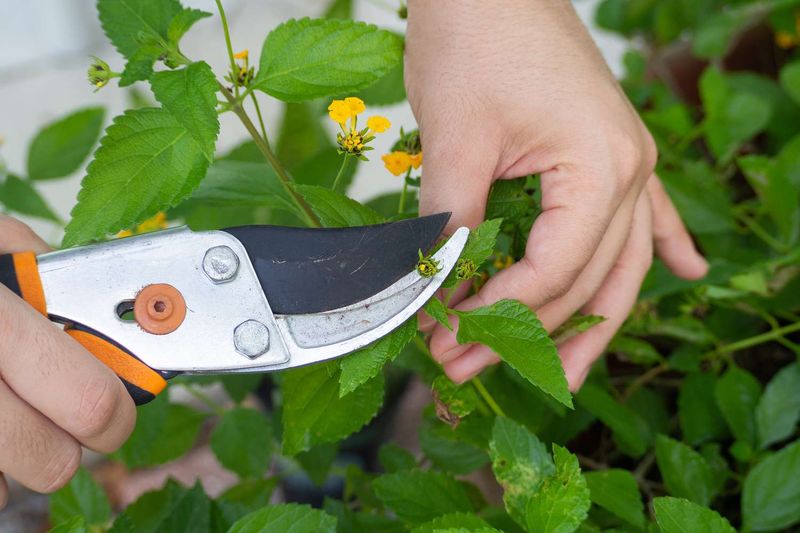
A light trim can help pull the plant back into a fuller, more controlled shape. Focus on stems that look noticeably longer than the rest of the plant.
Snip them back to a point where you see healthy leaves or a branching junction. You do not need to cut the whole plant down hard, and doing so during warm weather is not recommended.
Think of this as a tidying session, not a major overhaul. Removing just the longest and most stretched stems encourages the plant to branch outward instead of continuing to reach.
Lantana responds well to this kind of gentle shaping. A cleaner silhouette going into July means more branching points, and more branching points generally mean more spots for new flower clusters to form later in the season.
2. Remove Spent Flower Clusters To Encourage Fresh Buds
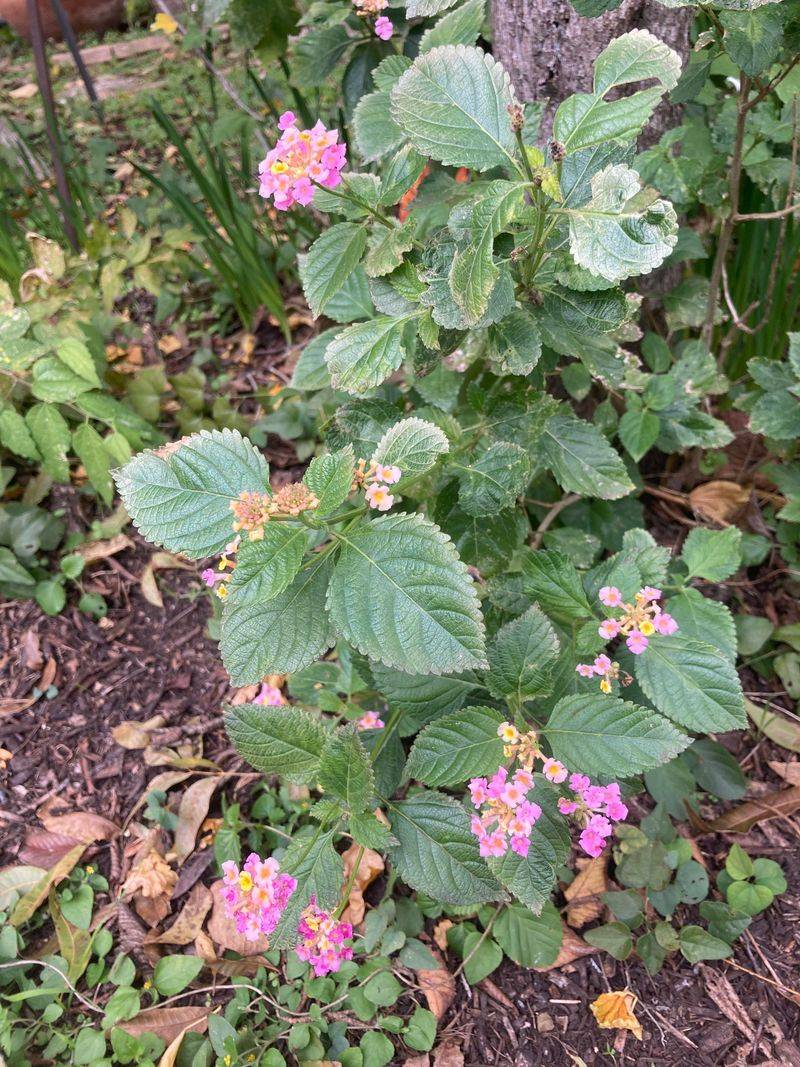
Fading blooms can be easy to overlook when a plant still has plenty of color going on. But those old, dried-out flower clusters do not just look untidy.
On some lantana varieties, leaving spent blooms in place long enough allows the plant to shift energy toward seed production instead of pushing out fresh buds.
Removing spent clusters is a simple task that takes only a few minutes per plant. Use your fingers or a pair of small snips to pinch or cut off clusters that have turned brown, papery, or fully faded.
Work through the plant section by section so you do not miss clusters tucked deeper in the foliage.
One important note: not every modern lantana variety needs constant trimming to keep blooming. Some newer cultivars are bred to rebloom reliably without much help.
If your plant is already putting out fresh clusters alongside the old ones, removing the spent blooms is still a good habit for keeping things tidy. But do not stress if you miss a cluster here and there.
Your Ohio Garden Changes Every Week. Your Plan Should Too.
Gardening in Ohio changes quickly throughout the season. Every Friday you’ll receive a simple weekly plan showing exactly what to plant, prune, fertilize, harvest, and protect so you never miss the right timing.
The goal is a general cleanup, not a perfectly manicured plant checked daily.
3. Cut Back Long Stems To Keep Plants Fuller
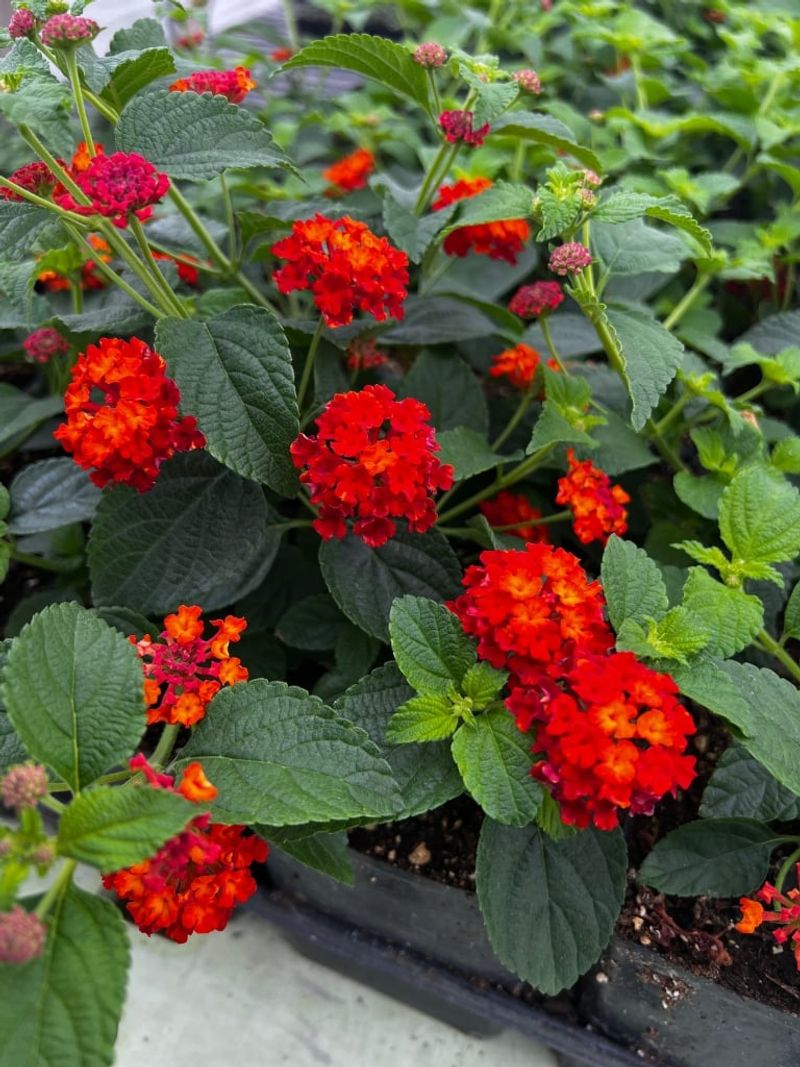
Container lantana and border plantings can both develop an uneven, open look when a few stems grow noticeably longer than the rest. This tends to happen on one side of the plant, especially if it leans toward a light source or gets more water on one side.
The result is a lopsided shape that looks sparse in some spots and crowded in others.
Cutting those longer stems back to a leaf node or a branching point helps restore balance. A leaf node is simply a spot on the stem where a leaf grows out.
Cutting just above one of these points encourages new side shoots to form. Those side shoots are where future flower clusters will develop.
For beginners, this can feel a little uncertain at first. A helpful rule of thumb is to avoid removing more than about one-third of the plant at one time.
If stems are extremely long, you can cut them back in stages over a few weeks rather than all at once. Keep your pruning shears clean and sharp.
A clean cut heals faster than a ragged one. This small detail makes a genuine difference in how quickly the plant bounces back and starts pushing new growth.
4. Check For Berries That Can Slow New Blooms
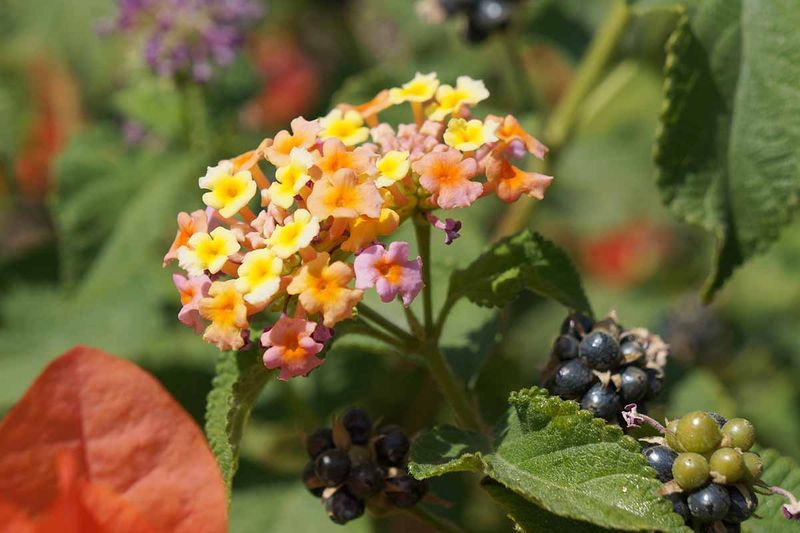
Not every gardener notices when lantana starts forming berries, but it is worth paying attention. After flower clusters fade on certain lantana types, small round berries begin developing in their place.
These berries start out green and turn dark, almost black, as they ripen. They are a natural part of the plant’s reproductive cycle.
The catch is that producing seeds takes energy. When a plant is focused on ripening berries, it may slow down on pushing out new flower clusters.
This does not happen the same way with every variety. Some modern cultivars produce very few berries or none at all.
But if your plant has older genetics or is a species type, berry formation can be noticeable.
Checking for berry clusters during your late-June tidy is a smart habit. If you spot them, simply remove them along with any spent flower material.
You do not need special tools for this. Fingers work fine for small clusters.
The goal is to reduce the amount of seed-making the plant is doing so it can put more effort into producing new flowers. This step is especially useful if your lantana bloomed heavily in May and early June but seems to be slowing down now.
5. Move Containers Into Stronger Sun Before July
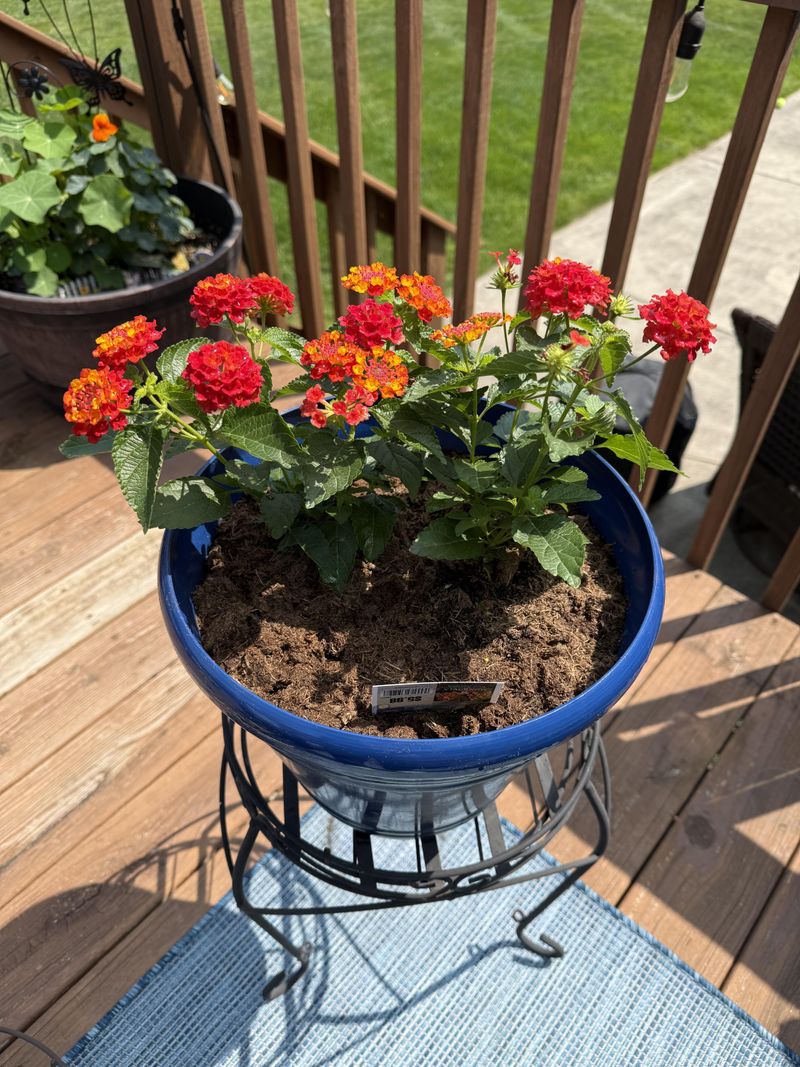
Patios shift shade more than most gardeners realize. A spot that got six or seven hours of direct sun in April can drop to three or four hours by late June as nearby trees fill out and the sun angle changes.
Container plants are especially vulnerable because they stay wherever they are placed, even when conditions around them quietly change.
Lantana is a sun-loving plant. It blooms best with at least six hours of direct sun each day.
When light drops below that threshold, the plant often responds by pushing leafy growth instead of flower clusters. A plant that looks green and healthy but is not blooming well may simply be sitting in too much shade.
Moving a container to a brighter location is one of the easiest fixes available before July heat builds. South-facing spots or open areas away from large trees are usually reliable choices.
If you are not sure how much sun a spot gets, observe it on a clear day and count the hours of direct light. Even shifting a pot a few feet can sometimes make a meaningful difference.
Once the plant is in stronger light, give it a few weeks to adjust and start redirecting energy back toward flowering.
6. Stop Overwatering Before Roots Stay Too Wet
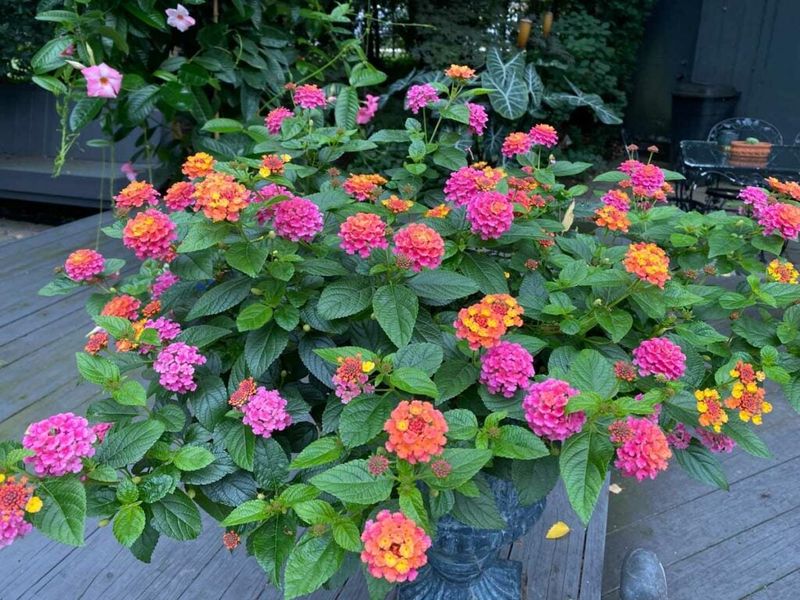
Soggy roots are one of the quieter reasons lantana underperforms in summer. The plant comes from warm, dry climates and does not thrive when its roots sit in consistently wet soil.
Overwatering is a common habit, especially with container plants, where it is tempting to water on a set schedule rather than checking what the plant actually needs.
A simple test works better than any schedule. Press two fingers about an inch into the potting mix or soil near the base of the plant.
If it feels moist, wait another day or two before watering. If it feels dry at that depth, go ahead and water thoroughly.
This method is more reliable than watering by the calendar because temperatures, pot size, and sun exposure all affect how quickly soil dries out.
Poor drainage can make overwatering worse. Check that container pots have working drainage holes and that garden beds are not holding standing water after rain.
Lantana planted in Ohio heavy clay soil may need some soil amendment to improve drainage over time. The plant can tolerate short dry spells better than it handles prolonged wetness.
Keeping roots in well-drained conditions sets the plant up to bloom more consistently through the rest of summer.
7. Skip Heavy Fertilizer That Pushes Leaves Over Flowers
More fertilizer does not always mean more flowers. With lantana, heavy feeding can actually work against blooming, especially if the fertilizer is high in nitrogen.
Nitrogen is the nutrient that drives leafy, green growth. When a lantana gets too much of it, the plant puts its energy into making bigger leaves and longer stems rather than producing flower clusters.
This is a common mistake with container plants because potting mix can lose nutrients faster than garden soil. Ohio gardeners sometimes respond by feeding heavily and frequently.
A light application of a balanced fertilizer once or twice during the season is usually enough for most healthy lantana plants. If the plant is growing in reasonably good soil and getting regular water, it may not need much feeding at all.
If you have already been feeding heavily and the plant is very leafy with few flowers, skip the next feeding session and let the plant settle. Pulling back on nitrogen gives the plant a chance to shift its energy toward blooming.
A slow-release fertilizer with a balanced ratio, or one slightly lower in nitrogen, tends to work better for lantana than liquid feeds applied every week. Read the label carefully and use less than you think you need when uncertain.
8. Water Deeply After Trimming To Help Plants Rebound
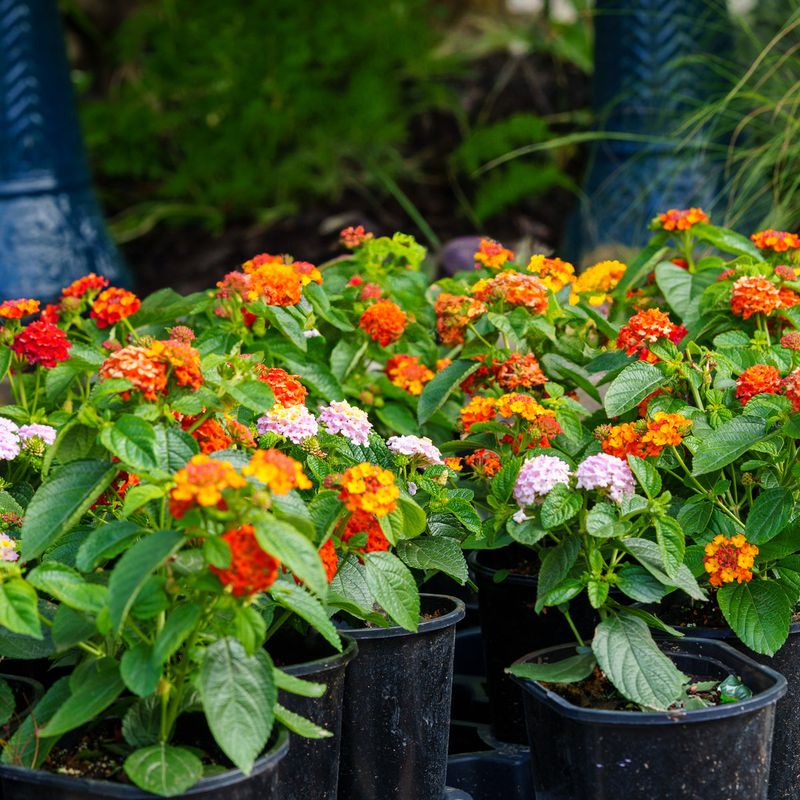
Right after a trimming session, lantana benefits from a good, deep watering if the soil or potting mix is dry. Trimming removes some of the plant’s active growth, and that small stress is easier to recover from when roots have access to steady moisture.
A quick splash at the surface is not enough to do the job properly.
Deep watering means soaking the soil slowly so moisture reaches several inches down. For container plants, water until it runs freely out of the drainage holes at the bottom.
For garden bed plants, water slowly at the base and let it soak in rather than running off. This encourages roots to grow deeper, which helps the plant handle heat and drier spells later in summer.
Drainage still matters even after trimming. Do not let containers sit in saucers full of water after you have finished.
Empty any standing water that collects beneath pots within an hour or so. For in-ground plants, avoid watering again until the top layer of soil feels dry to the touch.
One thorough watering after trimming is more useful than several shallow ones over the following days. Give the plant a couple of weeks and you should start to see fresh new growth emerging from the cut points.