Do This To Texas Crape Myrtles In May For The Best Bloom Season Yet
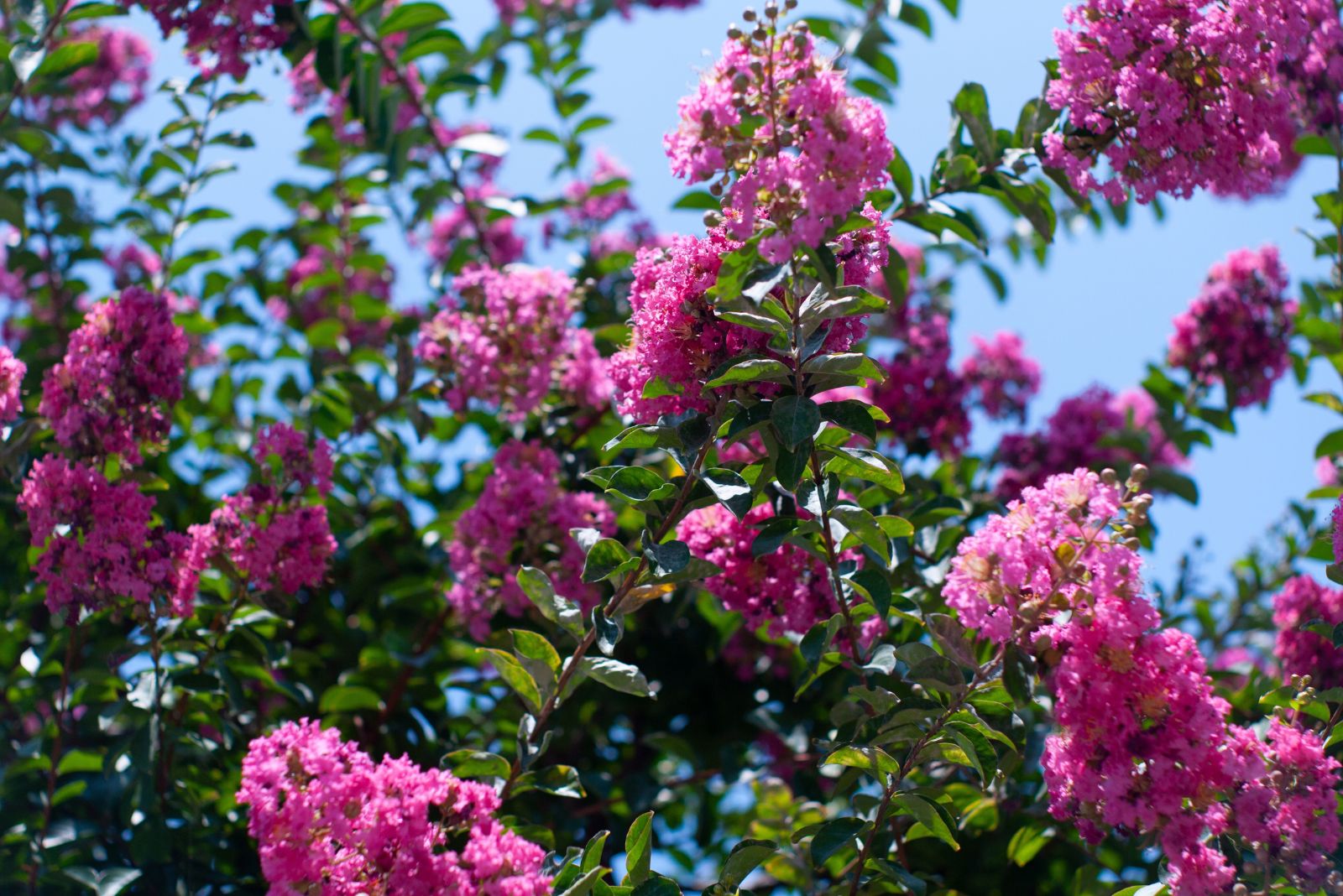
May in Texas is one of the most important months of the year for crape myrtles, and most people let it slip by without doing much of anything to these trees.
That is a missed opportunity, because what you do right now directly shapes how well they bloom and how healthy they look through the hottest part of the season.
Crape myrtles are famously low maintenance, but low maintenance does not mean no maintenance, and a little focused attention in May can be the difference between a decent flowering season and the best one your trees have ever had.
From the way you prune to how and when you feed, the details matter more than most gardeners realize.
There are also a few things people commonly do this time of year that quietly work against the bloom and should be avoided. Get May right with your crape myrtles and the results will show all the way through fall.
1. Water Deeply During Dry Spells
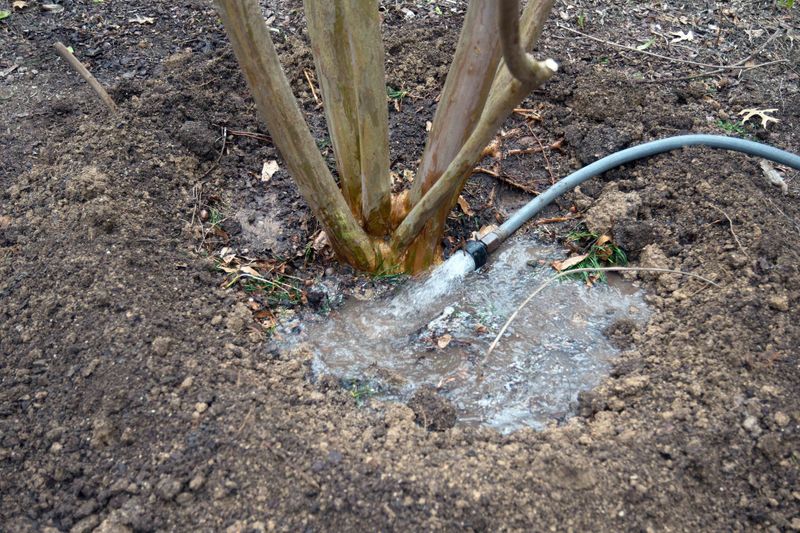
Crape myrtles are tough trees, but they still need a good drink when the weather turns hot and dry. May can bring stretches of low rainfall, especially in Texas, and that dry soil can stress your tree right before its most important growing period.
Deep watering now helps the roots reach down into the soil and build a strong foundation for summer blooms.
Shallow watering, like a quick sprinkle every day, does not do much good. It keeps moisture near the surface and encourages roots to stay shallow.
Instead, water slowly and deeply once or twice a week, letting the water soak at least 10 to 12 inches into the ground. A soaker hose or drip system works really well for this.
When roots grow deep, the tree becomes more resilient during Texas heat waves. Deep roots can pull moisture from lower layers of soil even when the top dries out fast.
This means your crape myrtle keeps pushing out healthy new growth and flower buds even on the hottest summer days.
Try watering in the early morning so the soil absorbs moisture before the afternoon heat kicks in. Avoid watering late at night, as sitting moisture can sometimes encourage fungal problems.
Checking the soil with your finger before watering is a smart habit. If the top two inches feel dry, it is time to water.
Consistent deep watering in May gives your crape myrtle everything it needs to put on a truly stunning bloom show all summer long.
2. Add Fresh Mulch Around The Base
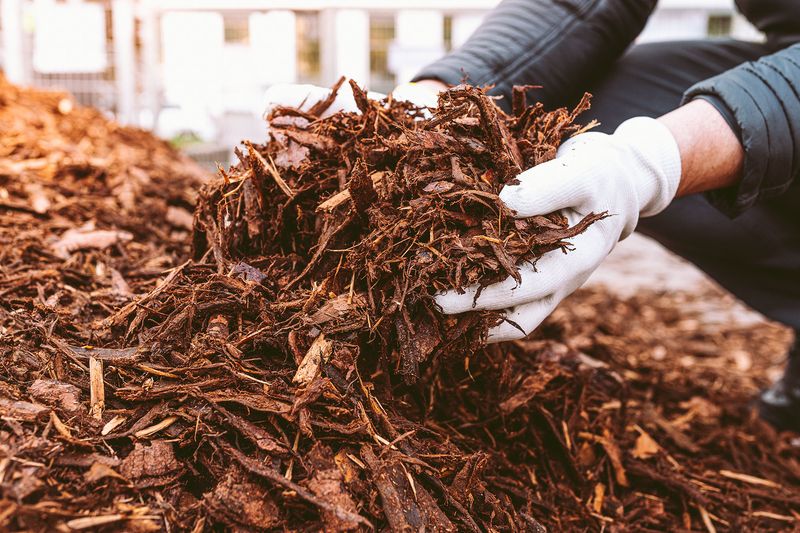
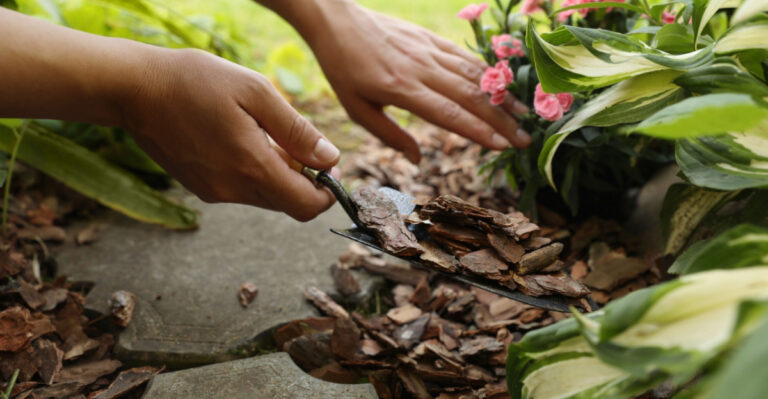
Spreading fresh mulch around the base of your crape myrtle in May is one of the simplest things you can do with a big payoff.
As temperatures climb, mulch acts like a blanket that keeps the soil cooler and holds moisture in longer. That means less watering for you and a more comfortable root zone for your tree.
A good layer of mulch also slows down weed growth around the base. Weeds compete with your crape myrtle for water and nutrients, so keeping them under control is a real win.
Your Texas Garden Changes Every Week. Your Plan Should Too.
Gardening in Texas changes quickly throughout the season. Every Friday you’ll receive a simple weekly plan showing exactly what to plant, prune, fertilize, harvest, and protect so you never miss the right timing.
Organic mulches like shredded bark, wood chips, or pine straw work great and break down over time to improve the soil too.
Spread mulch in a ring around the tree, starting a few inches away from the trunk. Never pile mulch right up against the bark, because that can trap moisture and lead to rot or pest problems.
Aim for a layer about 2 to 4 inches deep and extend it out to the edge of the canopy if possible.
One thing that surprises a lot of gardeners is just how much difference mulch makes during a heat wave. When the ground stays cooler and moist, the tree does not have to work as hard to stay hydrated.
That saved energy goes straight into producing more flower buds and stronger growth. Fresh mulch in May is a small effort that pays you back all summer with a healthier, more vibrant crape myrtle that blooms longer and looks more beautiful than ever.
3. Remove Weak Or Crossing Branches
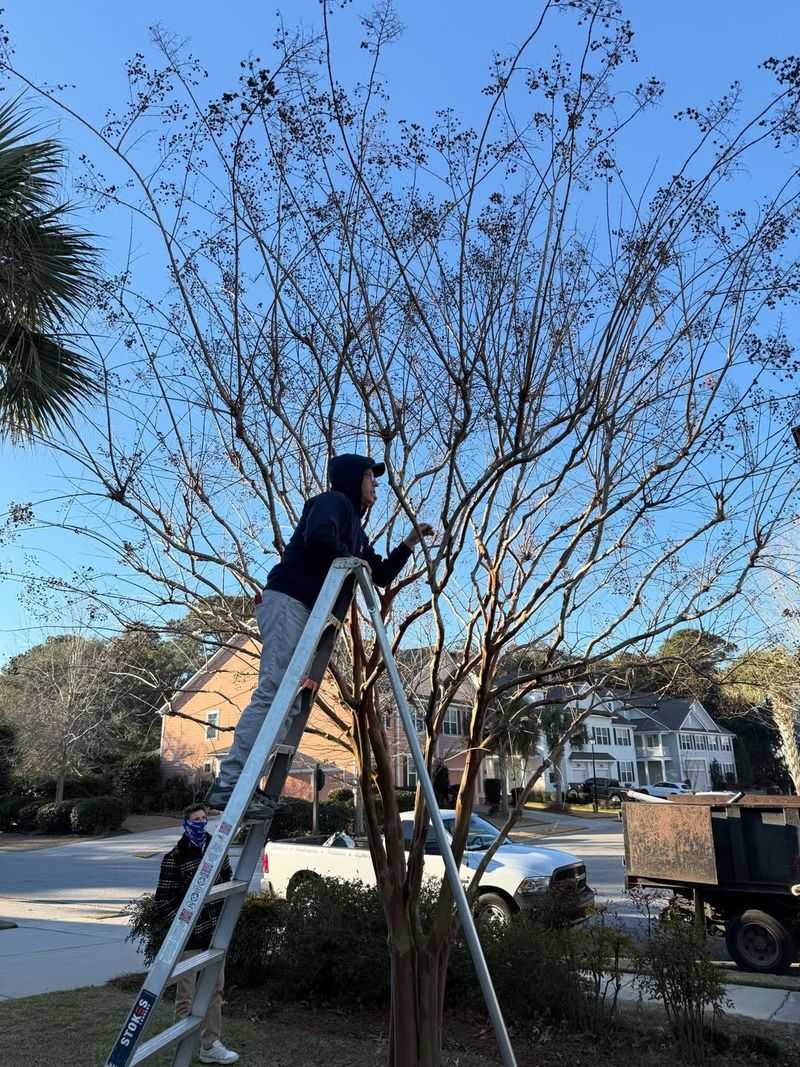
Not all pruning is bad for crape myrtles. While heavy topping causes real problems, removing a few weak or crossing branches in May is actually a smart move.
Light selective pruning at this time of year helps the tree put its energy where it counts most, into producing strong, healthy blooms.
Crossing branches rub against each other as the tree grows and the wind blows. Over time, that friction creates wounds in the bark that can invite pests or disease.
Weak, spindly branches also tend to snap under the weight of heavy flower clusters in summer. Removing them now prevents bigger headaches later in the season.
Look for branches that grow inward toward the center of the tree rather than outward. Also check for any stems that look thin, pale, or damaged.
Use clean, sharp pruning shears for small branches, and always make your cut just outside the branch collar, which is the slightly swollen area where the branch meets the main stem. Clean cuts heal faster and reduce the risk of infection.
After pruning, step back and look at the overall shape of the tree. A well-shaped crape myrtle has an open, airy center that allows sunlight and air to reach all parts of the canopy.
Good airflow helps reduce fungal issues like powdery mildew, which crape myrtles can be prone to in humid weather. A little thoughtful pruning in May sets up your tree for a summer full of strong, beautiful blooms that last from June all the way through August.
4. Feed Lightly With A Balanced Fertilizer
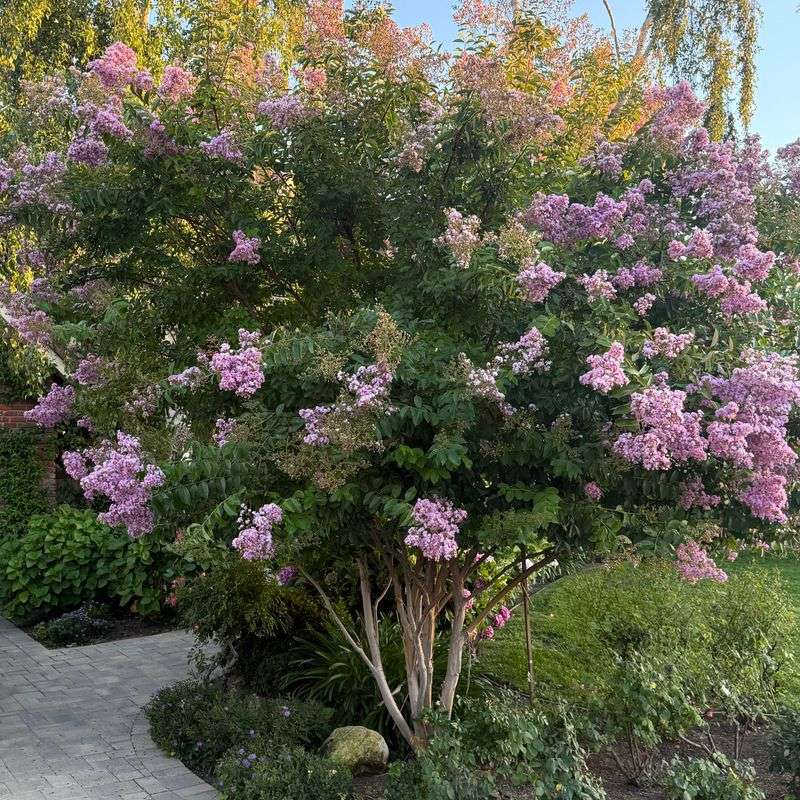
Feeding your crape myrtle in May gives it a boost right when it needs it most. Late spring is when the tree starts pushing out new growth and forming flower buds, so having the right nutrients available makes a noticeable difference.
The key word here is lightly. Too much fertilizer can actually work against you. When crape myrtles get too much nitrogen, they put all their energy into growing big leafy branches instead of producing flowers.
A balanced fertilizer with equal or near-equal amounts of nitrogen, phosphorus, and potassium is ideal.
Look for something labeled 10-10-10 or similar. Slow-release granular formulas are a great choice because they feed the tree gradually over several weeks.
Scatter the fertilizer evenly around the drip line of the tree, which is the outer edge of the canopy where rain naturally falls off the leaves. Avoid placing fertilizer right against the trunk.
Water the area after applying so the nutrients start moving down into the root zone where the tree can actually use them.
One application in May is usually enough for most crape myrtles. Over-fertilizing is a common mistake that leads to lush green leaves but very few flowers.
If your tree already grows in rich soil, you might skip fertilizing altogether or use a very light dose.
Healthy crape myrtles that receive moderate feeding in spring tend to produce denser, more colorful bloom clusters that last longer into the summer months, giving your yard that show-stopping look everyone notices driving by.
5. Check For Aphids Early
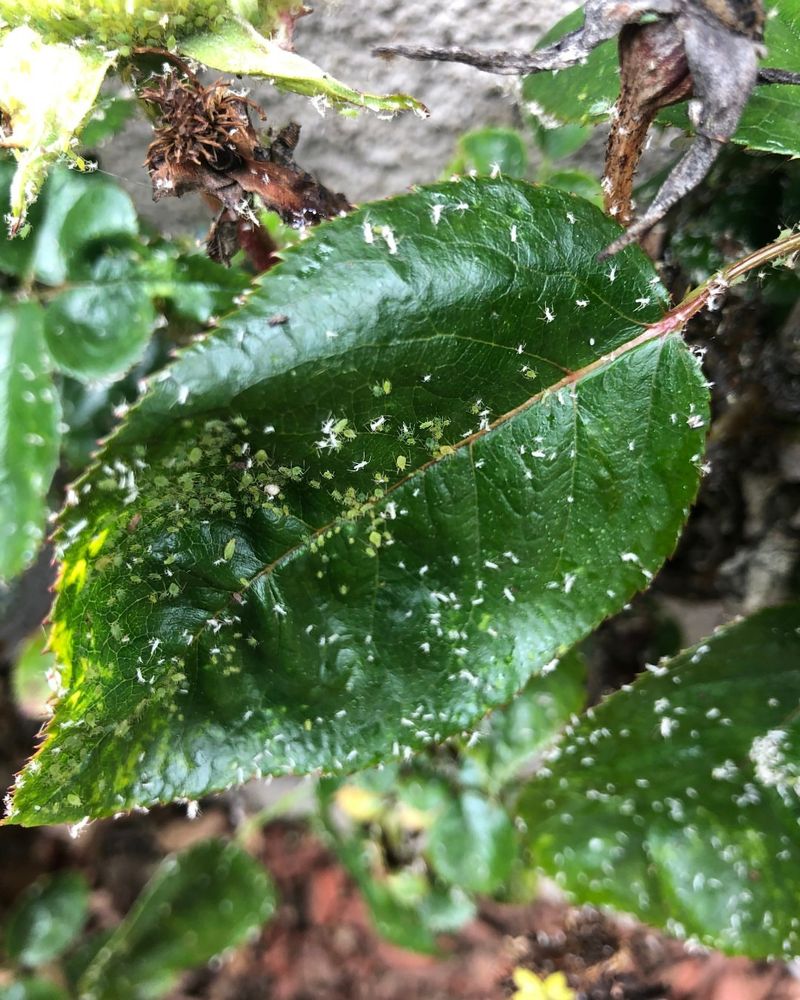
Aphids love crape myrtles, and May is right when they start showing up in force. These tiny, soft-bodied insects cluster on new growth and tender stems, sucking out plant sap and causing leaves to curl, yellow, or look distorted.
Catching them early makes a huge difference in how easy they are to manage. One telltale sign of an aphid problem is a sticky, shiny coating on leaves or the ground beneath the tree. That stickiness is called honeydew, a waste product aphids leave behind.
Honeydew attracts a black fungal growth called sooty mold, which can coat leaves and block sunlight. The tree does not get seriously harmed right away, but heavy infestations can slow growth and reduce flowering if left unchecked.
The good news is that aphids are usually easy to deal with when you act quickly. A strong spray of water from the garden hose knocks them off the leaves and is often all you need.
Natural predators like ladybugs and lacewings also love to feast on aphids, so encouraging a healthy garden ecosystem helps keep populations in check naturally.
For more stubborn infestations, a diluted neem oil spray or insecticidal soap applied in the early morning works well without harming beneficial insects too much. Avoid spraying when bees are active.
Check your crape myrtles every few days during May, focusing on the newest, most tender growth at the tips of branches. Staying on top of aphid populations early in the season keeps your tree healthy and on track for a stunning bloom season.
6. Avoid Heavy Topping Or Severe Pruning
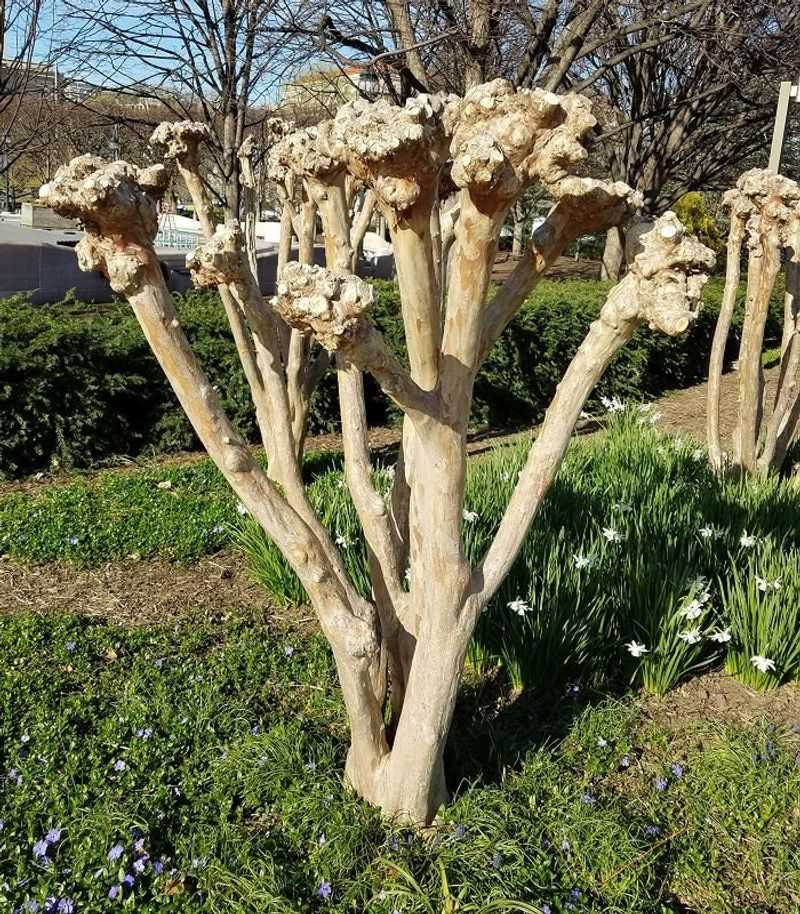
Walk through almost any neighborhood in the South and you will spot crape myrtles that have been brutally cut back to thick, ugly stubs every year. Severe topping might seem like it keeps the tree tidy, but it actually does the opposite of what most people want.
When you cut back to the same stubs year after year, the tree responds by sending out a burst of weak, fast-growing shoots from those cut points. Those new shoots are spindly and cannot support the weight of large flower clusters properly.
The natural elegant shape of the crape myrtle gets lost, replaced by an awkward, broom-like silhouette that looks unnatural all year long.
Heavy topping also stresses the tree and makes it more vulnerable to insects and disease. Wounds from large cuts take a long time to seal over, leaving entry points open for pests.
The tree spends so much energy recovering from the damage that it has less to put into producing the vibrant blooms you want to see.
If your Texascrape myrtle has gotten too large for its space, the best solution is to replace it with a smaller variety rather than cutting it back severely every year. For existing trees, stick to removing only dry wood, crossing branches, and seed pods from last season.
Crape myrtles that are allowed to grow in their natural form are genuinely stunning trees. They reward you with graceful branches, smooth peeling bark, and season after season of breathtaking blooms that no amount of heavy pruning could ever improve.