8 New Jersey Cucumber Tips To Follow Right After Planting
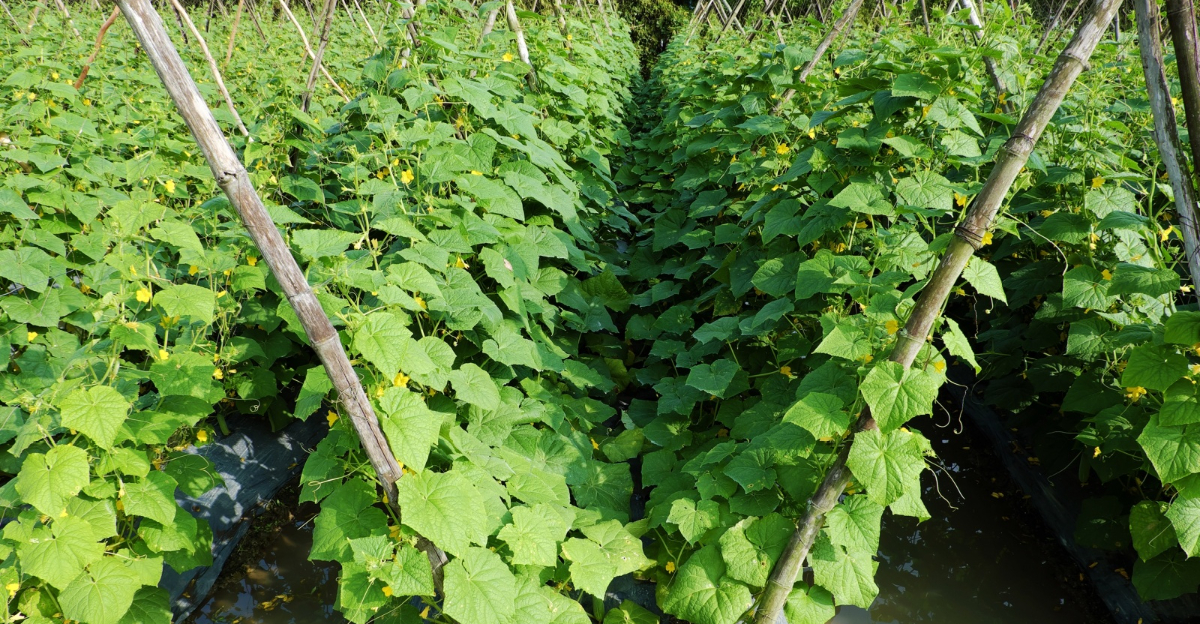
Crisp, cool cucumbers straight from your own backyard are one of summer’s greatest simple pleasures. New Jersey gardeners have a genuine advantage here.
The state’s humid summers and nutrient-rich soil create near-perfect growing conditions for cucumbers. But the real secret to a thriving harvest lies in what happens immediately after planting.
The first few days set the tone for everything that follows. Small, intentional actions taken early can mean the difference between a sparse yield and vines loaded with fruit.
You do not need a sprawling farm or years of experience. A backyard plot and the right post-planting routine are enough to get impressive results.
These eight steps will walk you through exactly what to do, why it matters, and how to give your plants the strongest possible foundation.
Get this part right, and New Jersey’s summer season will reward you generously.
1. Water Deeply Right After Planting
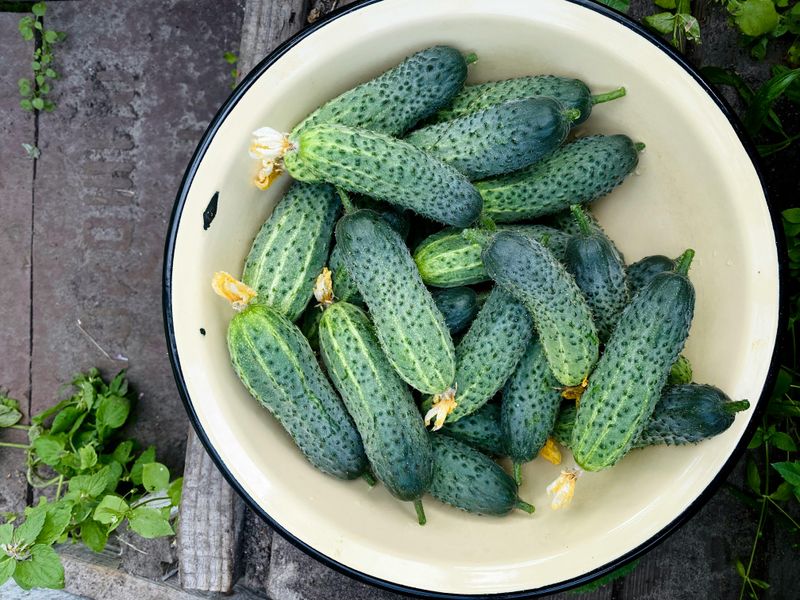
Water is the first promise you make to a newly planted cucumber.
Skipping that first watering is one of the most common mistakes gardeners make, and it costs more than most people realize.
Your seedlings just went through the stress of transplanting.
Their roots are exposed, vulnerable, and searching for stability.
Moist soil gives them something to hold onto.
Dry soil, on the other hand, is an open invitation for transplant shock to set in.
The way you water matters just as much as whether you water.
A hard blast from the hose can wash away soil and leave tender roots exposed.
A slow, steady trickle is what you want. Let the water sink gradually into the ground.
You are aiming for moisture that reaches at least six to eight inches deep.
That depth encourages roots to follow the water downward, which builds a stronger plant over time.
Air pockets around the root zone are a hidden problem after transplanting.
Deep, slow watering helps collapse those pockets and pulls the soil into firm contact with the roots.
That connection is what kick-starts recovery and growth.
New Jersey summers can be surprisingly aggressive. Heat pulls moisture out of the soil faster than you might expect.
Getting water in immediately after planting gives your cucumbers a buffer against that early stress.
Think of this first deep drink as the moment your plant shakes hands with its new home.
Nail this step, and you have already given your cucumber the strongest possible start.
2. Add A Layer Of Mulch Around The Base
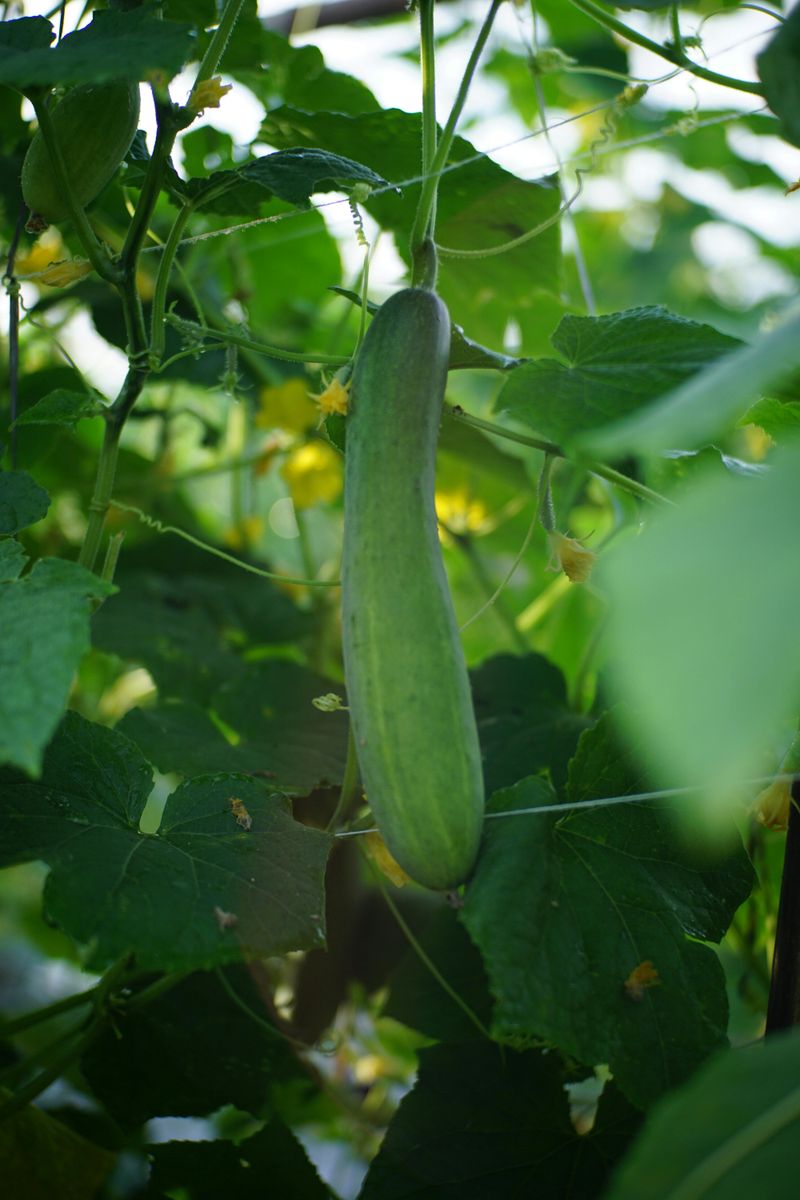
Mulch is the quiet workhorse of a productive cucumber bed.
Experienced gardeners rarely skip it, and once you understand what it does, you will not skip it either.
A two to three inch layer of straw, shredded leaves, or wood chips transforms the environment around your plants in ways that go far beyond appearance.
First, it locks in moisture.
After that first deep watering, mulch acts like a lid over the soil, slowing evaporation and keeping the root zone consistently damp.
That consistency is exactly what young cucumber plants need to settle in and grow.
Your New Jersey Garden Changes Every Week. Your Plan Should Too.
Gardening in New Jersey changes quickly throughout the season. Every Friday you’ll receive a simple weekly plan showing exactly what to plant, prune, fertilize, harvest, and protect so you never miss the right timing.
Second, it suppresses weeds.
Weeds compete directly with your cucumbers for nutrients, water, and space.
A solid layer of mulch makes it much harder for them to take hold.
Timing matters here.
Apply your mulch right after that first watering, while the soil is still damp underneath. Spread it in a wide circle around each plant.
Keep it a couple of inches away from the stem itself.
Piling mulch against the base traps moisture against the stalk and invites rot and fungal problems.
New Jersey summers are unpredictable.
Scorching dry spells can follow heavy rain within the same week.
Mulch buffers both extremes.
On a hot July afternoon, mulched soil stays noticeably cooler than bare dirt.
That cooler, stable environment lets roots focus energy on growth rather than simple survival.
The first time you notice how rarely you need to water a mulched bed, something clicks.
This step earns its place every single time.
3. Install A Trellis Or Support Structure
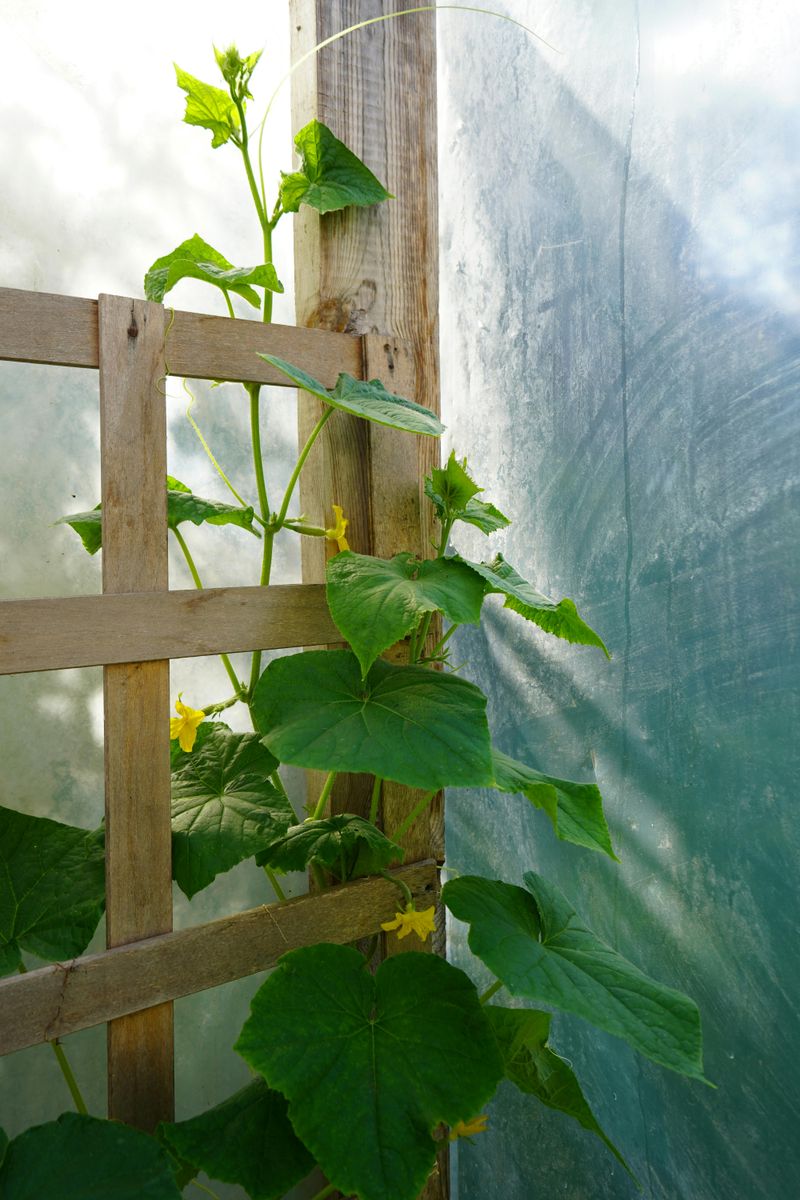
Give a cucumber vine something to climb, and it will surprise you with what it can do.
Cucumbers are natural climbers, and supporting that instinct early in the season changes everything about how your plants develop.
Installing a trellis or support structure right after planting is one of the smartest moves you can make.
It saves you from wrestling with tangled, established vines later, which is a battle that often ends with broken stems and lost fruit.
Set up your support while the plants are still small and the soil is easy to work.
A simple wooden stake, a bamboo pole, or a wire cage all do the job well for most backyard gardens.
If you are working with a larger plot, a sturdy A-frame trellis built from two-by-fours and wire mesh is worth every bit of the effort.
It lasts for multiple seasons and handles heavy vine growth without complaint.
Placement matters.
Position your support on the north side of the planting row so it does not cast shade over the plants during peak sun hours.
Cucumbers need that light, and you do not want your own trellis working against you.
Vertical growing does more than save space.
It improves air circulation around the leaves, which significantly reduces fungal diseases like powdery mildew.
Fruit that develops off the ground also grows more evenly and stays cleaner through the season.
Come August, when the harvest is heavy and the vines are full, you will be glad you took twenty minutes to do this right.
4. Cover With Row Covers To Protect From Pests
Cucumber beetles do not wait for an invitation.
They will locate your freshly planted seedlings within days of going in the ground, and the damage they cause runs deeper than a few chewed leaves.
These insects carry bacterial wilt, a disease that can take down an entire plant in a matter of weeks.
By the time you notice the symptoms, it is often too late to save it.
Row covers are your first and best line of defense.
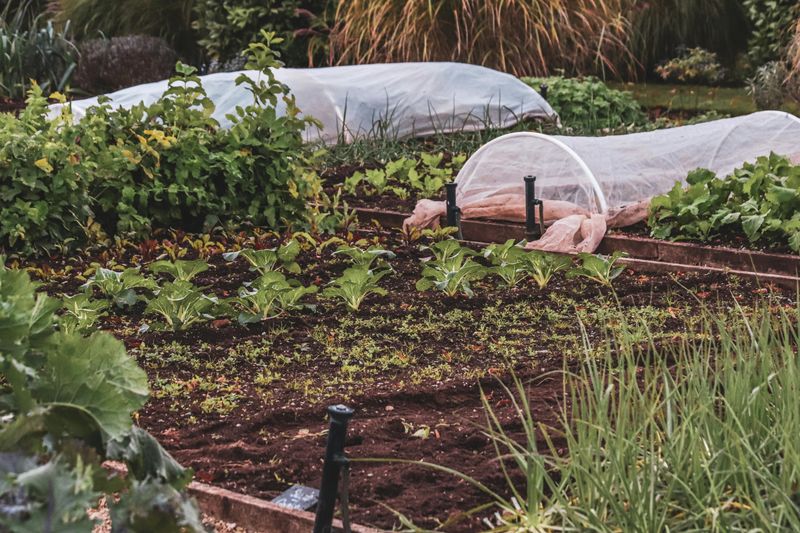
Lightweight floating row covers let sunlight, air, and rainfall through while creating a physical barrier that insects simply cannot cross.
Drape them loosely over your seedlings immediately after planting.
Secure the edges with soil, rocks, or garden staples so there are no gaps for pests to sneak through.
Leave enough slack in the fabric for the plants to grow upward freely.
A cover pulled too tight will restrict growth and cause its own problems.
This protection is temporary by design.
Once your cucumber plants begin flowering, the covers need to come off.
Pollinators need access to do their work, and without them, you will not get fruit.
But those first few weeks of sheltered growth make a meaningful difference in how strong your plants become.
A cucumber that establishes itself without early pest pressure builds better defenses naturally.
It enters the more vulnerable mid-season stages with more energy and resilience.
Think of row covers as borrowed time.
You are giving your plants the breathing room they need to get tough before the real season begins.
5. Check Soil Drainage To Avoid Waterlogging
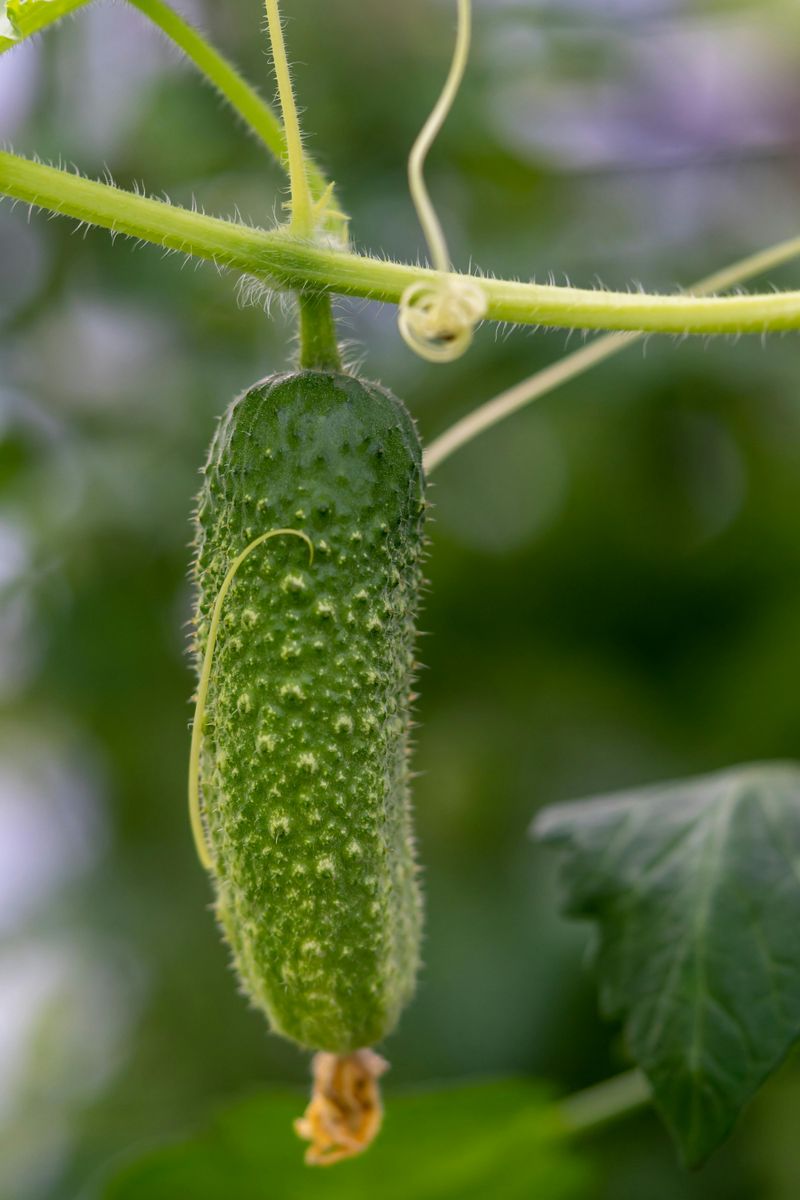
Soggy soil is one of the quietest threats to a cucumber plant.
There are no dramatic warning signs at first.
The plant simply struggles, weakens, and declines while the real problem stays hidden underground. Cucumbers need consistent moisture to thrive, but they cannot tolerate sitting in waterlogged soil for any stretch of time.
That combination of excess water and poor drainage creates the ideal conditions for root rot, and once root rot takes hold, the plant is very difficult to save.
After your first deep watering, give it about thirty minutes and then take a close look around your plants. Any puddles that have not soaked in are a signal worth taking seriously.
That standing water tells you the soil beneath is not draining the way it needs to.
The fix depends on what you are working with.
Clay-heavy soil holds water far too long, but mixing in compost or coarse sand opens up the texture and improves drainage noticeably.
Raised beds are a strong option for gardeners dealing with compacted or difficult native soil.
They drain more efficiently, warm up faster in spring, and give you direct control over what your plants are actually growing in.
If you are planting directly in the ground, try mounding the soil slightly around each plant.
That gentle slope encourages water to move away from the stem rather than pooling at the base.
Good drainage rarely gets the attention it deserves.
But every other step on this list depends on it working properly.
6. Mark Your Planting Date For Tracking Growth
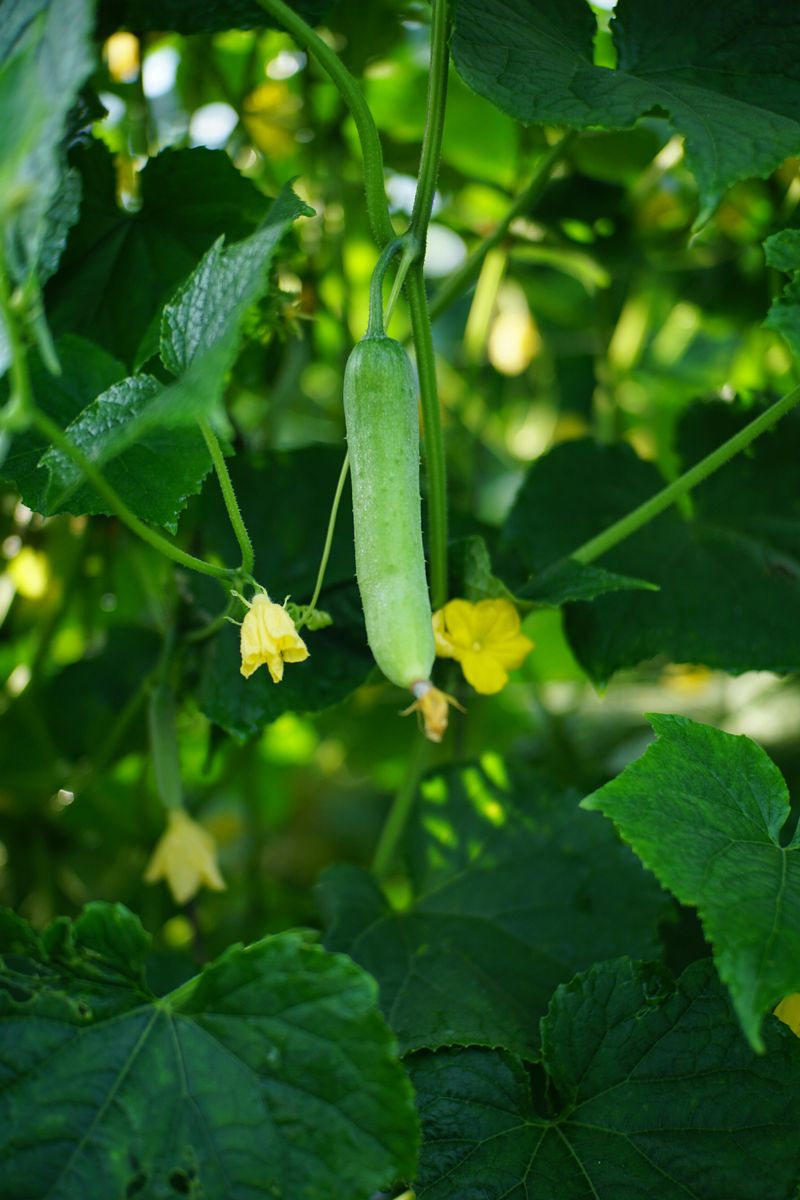
A garden marker pushed into the soil takes ten seconds, and it will pay you back all season long.
Gardeners skip this step entirely.
They spend weeks guessing when to expect their first harvest, when to plant a second round, and why last year’s timing felt slightly off.
That guesswork is easy to eliminate with a little information captured on day one.
Cucumbers typically take fifty to seventy days from transplanting to first harvest.
Knowing your exact start date keeps that window clear in your mind.
You can count forward with confidence instead of estimating.
When the harvest window approaches, you will be watching and ready rather than caught off guard.
Use a waterproof marker on a plastic or wooden stake.
Write the planting date and the cucumber variety at minimum.
Add any other notes that feel relevant, such as the weather conditions at planting or the soil amendments you used.
That stake will hold up through rain, heat, and a full New Jersey summer without fading.
Tracking dates also makes succession planting much more manageable.
If you want a steady supply of cucumbers through late summer, you need to stagger your plantings by a few weeks.
Knowing exactly when your first round went in makes scheduling the second round straightforward.
At the end of the season, those notes become next year’s head start.
You will know what worked, what could shift, and how your specific yard responds over time.
Simple handwritten data, recorded consistently, makes every season a little smarter than the one before it.
7. Set Up A Consistent Watering Schedule
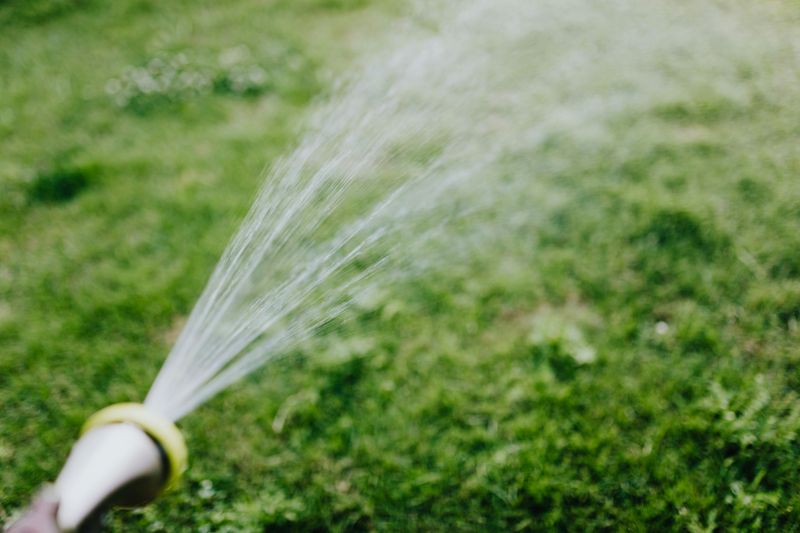
Cucumbers run on rhythm, and inconsistent watering breaks it fast.
Random, irregular moisture is one of the most common reasons home gardeners end up with bitter fruit and uneven growth.
Inconsistent watering can affect cucumber fruit quality too, sometimes leading to uneven development before the fruit is ready to harvest.
It is almost entirely preventable with a steady watering routine established early in the season.
Most cucumber plants need about one inch of water per week.
During heat waves and dry stretches, that number goes up. The key is consistency.
Your plants should never swing between bone dry and waterlogged.
That cycle of stress and relief weakens roots and shows up in the quality of your harvest.
A soaker hose or drip irrigation system is worth considering seriously.
Both deliver moisture directly to the root zone without wetting the leaves, which keeps fungal disease risk low.
If you water by hand, aim at the base of the plant rather than overhead.
Morning watering gives any wet foliage time to dry out before cooler evening temperatures arrive.
A simple timer attached to your outdoor spigot can automate the whole routine.
It runs on schedule whether you remember or not, which matters during busy weeks when the garden is easy to neglect.
New Jersey summers can shift quickly between wet and dry stretches.
Having a reliable watering habit already in place means your plants stay stable through those swings. Consistent moisture builds deeper roots, stronger vines, and a harvest that keeps delivering well into late summer.
8. Inspect Surrounding Plants For Pests
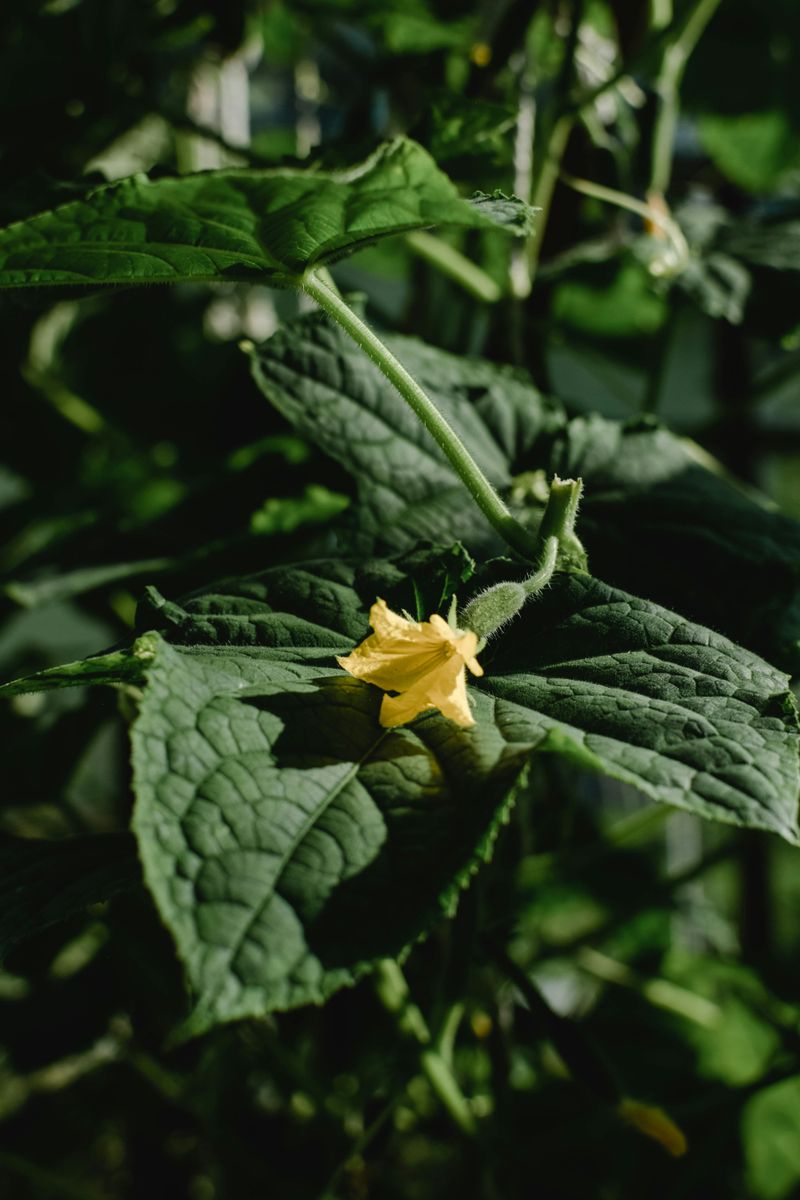
Your cucumber plants do not grow in a bubble, and neither do the pests that want to damage them.
Aphids, spider mites, and squash bugs move freely between plants, hopping from one host to the next without much resistance.
Catching a problem on a nearby tomato or squash plant before it reaches your cucumbers is one of the most valuable things you can do on planting day.
Walk your entire garden the same day you put your seedlings in the ground.
Do not just glance at the tops of leaves.
Flip them over and look underneath.
Many insects lay their eggs on the underside of foliage specifically because it is hidden from casual inspection.
Look for clusters of tiny eggs, sticky residue, or small irregular holes that signal active feeding.
Early detection is the most powerful tool available to any gardener working without heavy chemical intervention.
Problems caught at the egg or early infestation stage are manageable.
Problems discovered after they have spread across multiple plants are a much harder fight.
There is another layer to this worth knowing.
Plants under stress from pest damage release chemical signals that can actually draw more insects into the area.
One struggling plant can quietly make the whole garden more vulnerable.
Following smart cucumber growing practices means thinking about the full garden ecosystem, not just a single row of seedlings.
Removing affected leaves quickly, applying insecticidal soap, or introducing beneficial insects like ladybugs can shift the balance fast.
A five-minute walk through your garden today can save you hours of damage control next week.