8 New Jersey Pine Barrens Native Plants Every Yard Should Consider Adding
Pitch pines twist sideways instead of up, and the soil beneath them barely holds a drop of rain. Yet somehow, this stubborn corner of New Jersey has stayed wild for thousands of years.
What grows here doesn’t ask for permission. Pitch pine roots dig deep into the sand, wild blueberries fruit in dirt too poor for most vegetables, and orchids bloom in bogs that would drown anything less patient.
Bring these plants home and something shifts in your yard. The hose stays coiled longer, pollinators start showing up uninvited, and a patch of ground that once needed babying starts taking care of itself.
Pitch Pine
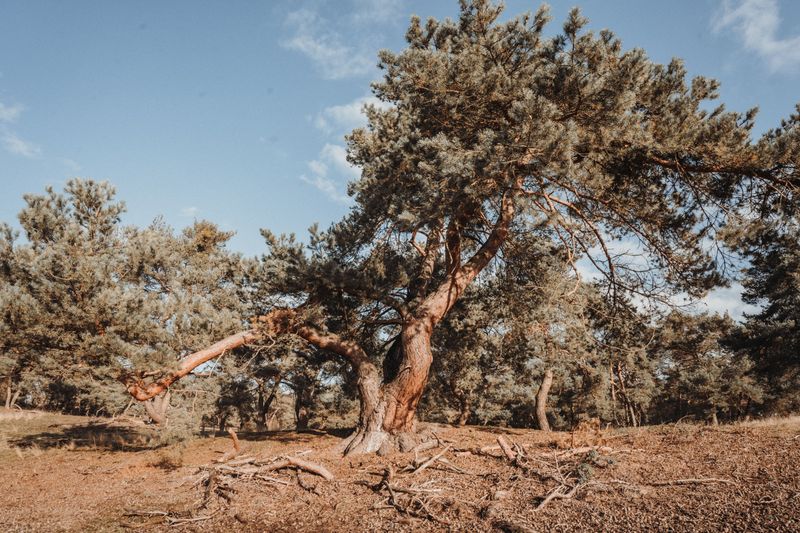
Pitch Pine is the soul of the Pine Barrens. This rugged, wind-twisted tree has survived wildfires, droughts, and centuries of harsh coastal weather without much trouble.
What makes Pitch Pine so special is its fire resistance. Its bark is thick and its buds can actually resprout after a blaze, which is a trait few trees can match.
This fire tolerance shapes the entire ecosystem around it. Regular burns clear out competing plants and recycle nutrients into the sandy soil, keeping the whole barren landscape healthy.
Growing a Pitch Pine in your yard means you are planting a piece of living history. These trees can live for a couple of centuries, which makes them a lasting presence in any landscape.
For home gardeners, Pitch Pine works best in sandy, well-drained soil with full sun. It does not need fertilizer and actually prefers poor soil, so skip the compost and let it do its thing.
The tree grows slowly, reaching about 40 to 60 feet at maturity. Its crooked, sculptural shape gives it serious personality in any landscape setting.
Birds love Pitch Pine cones. Chickadees and nuthatches will show up regularly to pick seeds from those small, spiky cones through the colder months.
Planting one near a naturalized garden edge creates a dramatic focal point. The twisted silhouette looks stunning against a winter sky.
New Jersey Pine Barrens native plants do not get more iconic than this one. Pitch Pine is the anchor, the original, the one that started it all.
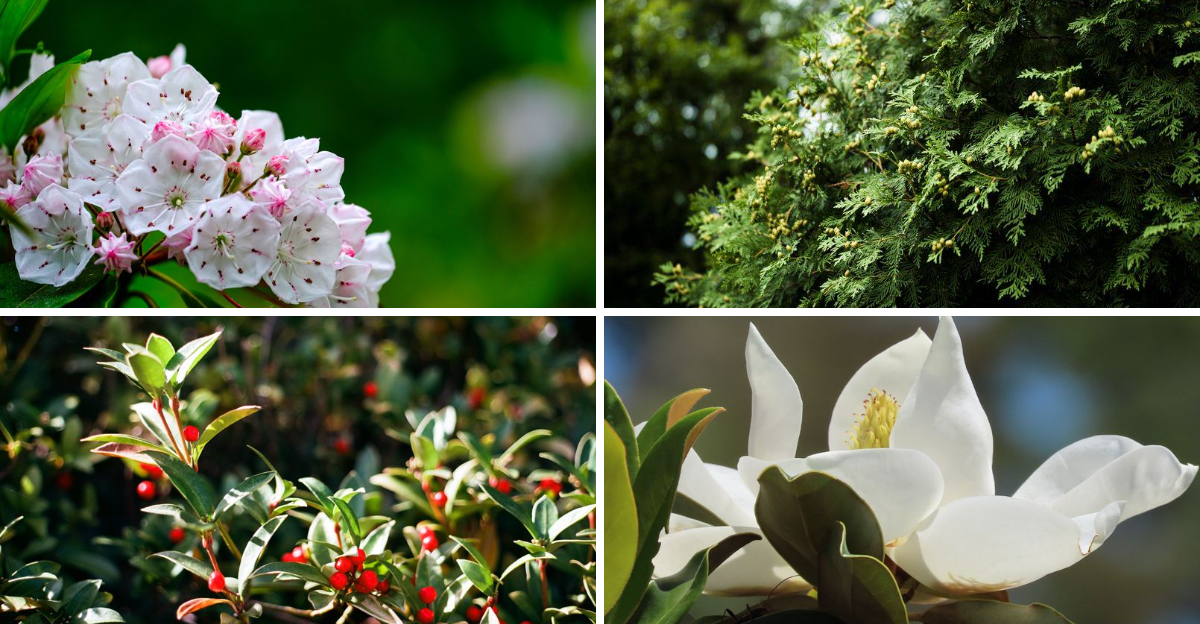
Atlantic White Cedar
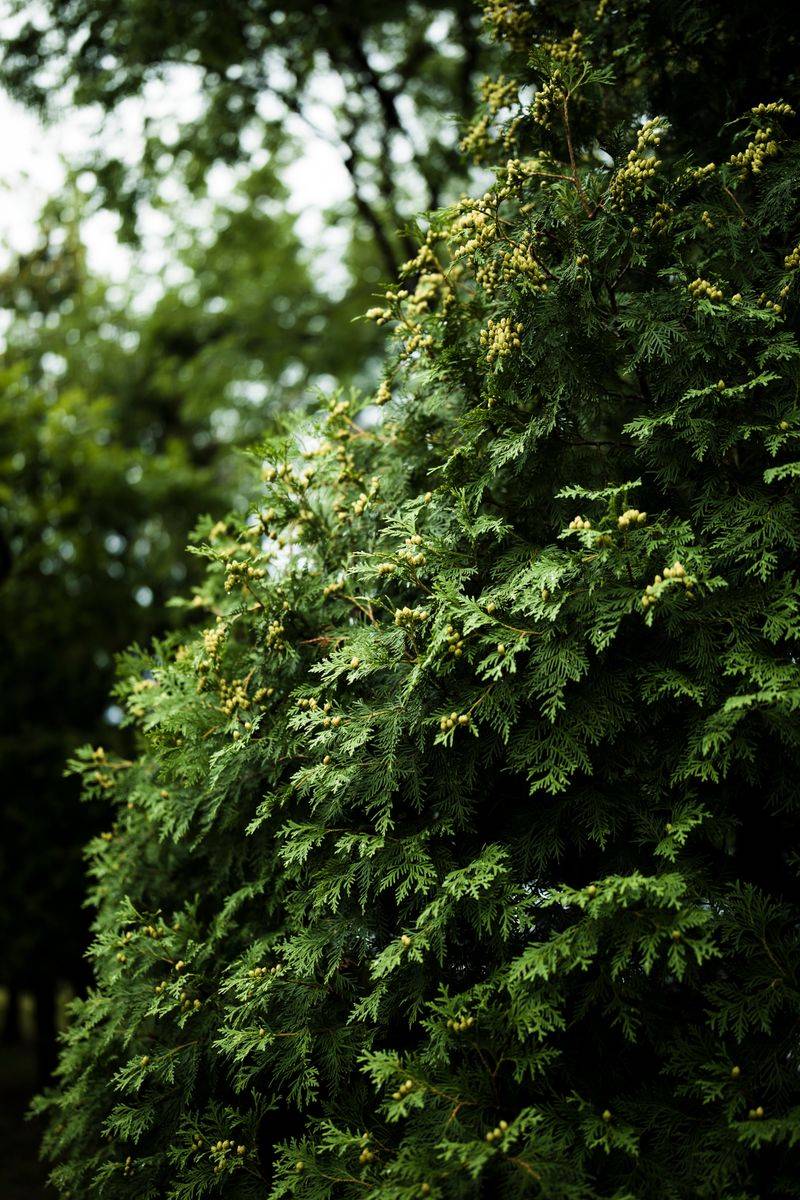
Walk into a stand of Atlantic White Cedar and you will feel like you stepped into another world. The air smells sharp and clean, the light filters green, and everything gets very quiet very fast.
This elegant evergreen tree is native to the coastal wetlands of the Pine Barrens. It grows tall and straight, sometimes reaching 80 feet, with feathery blue-green foliage that stays beautiful year-round.
Atlantic White Cedar thrives in wet, boggy areas where most trees refuse to grow. If you have a low-lying spot in your yard that stays soggy after rain, this tree was practically made for that problem.
The wood has historically been prized for its rot resistance. Colonial shipbuilders and barrel makers sought it out, which unfortunately reduced its natural populations significantly over the centuries.
Planting Atlantic White Cedar today is an act of ecological restoration. Cedar swamps provide critical habitat for rare birds, amphibians, and insects that depend on this specific ecosystem.
For home use, plant it in groups for maximum impact. A small grove creates a natural privacy screen that stays dense and green through all four seasons with very little upkeep.
It prefers acidic, moist soil and full to partial sun. Avoid dry or compacted ground, and this tree will reward you with decades of graceful, towering presence. Few native trees carry themselves with this much quiet authority.
Highbush Blueberry
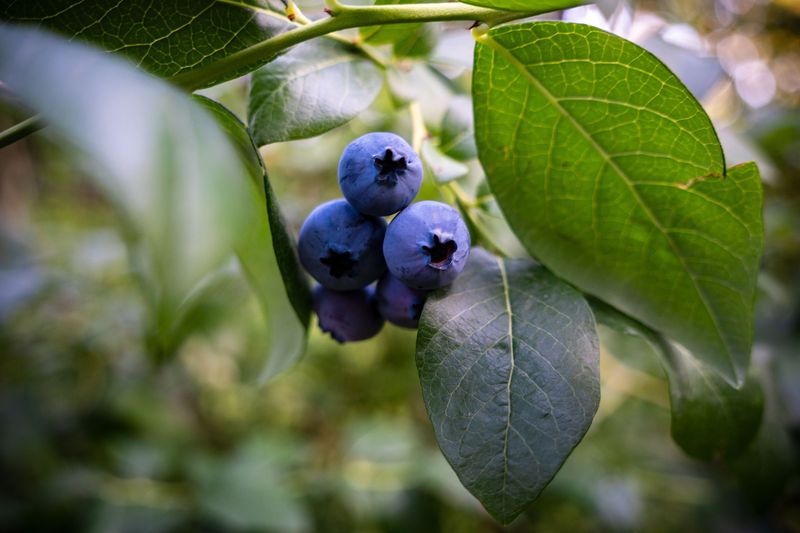
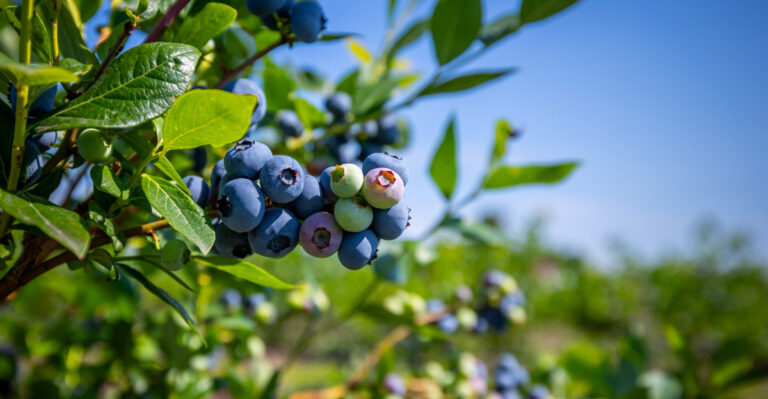
Forget the grocery store. Growing your own Highbush Blueberry means stepping outside in July and eating handfuls of warm, sweet berries straight off the branch.
Highbush Blueberry is native to the Pine Barrens and is perfectly suited to the region’s sandy, acidic soil. It is one of the few plants that actually prefers the conditions most gardeners consider a challenge.
This shrub pulls double duty all year long. Spring brings delicate white bell-shaped flowers, summer delivers the berries, fall turns the leaves a blazing scarlet, and winter reveals handsome reddish stems.
For best fruit production, plant at least two different varieties near each other. Cross-pollination dramatically increases berry yield, and bees will flock to the spring blooms with enthusiasm.
Highbush Blueberry grows 6 to 12 feet tall and wide, so give it room to spread. It works beautifully as a natural hedge along a property line or driveway edge.
Soil pH is the key to success with this plant. Aim for a pH between 4.5 and 5.5, and if your soil is not acidic enough, amend it with sulfur before planting.
Wildlife benefits are enormous. Dozens of bird species eat blueberries, and the dense branching provides excellent nesting cover for songbirds throughout the warmer months.
Highbush Blueberry might be the single most rewarding New Jersey Pine Barrens native plant you can add to your outdoor space this season.
Mountain Laurel
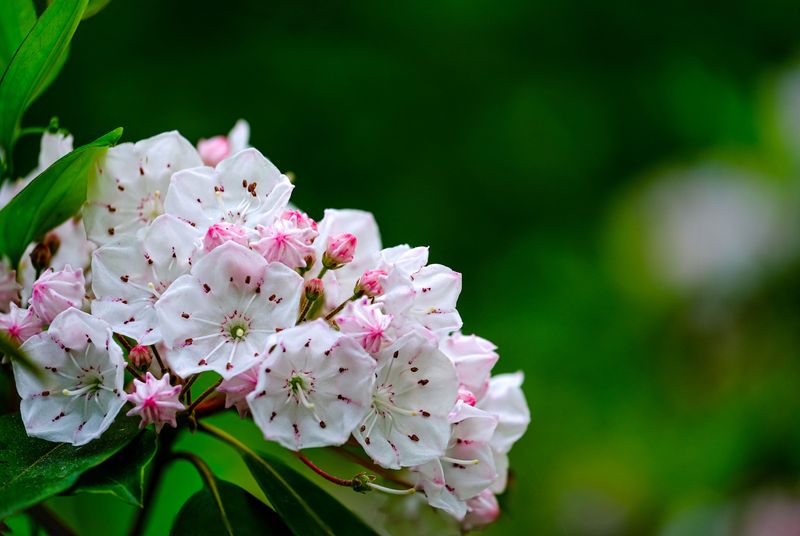
Mountain Laurel in full bloom stops people in their tracks. The clusters of pink and white flowers have a delicate, layered look that few other native shrubs can match.
As one of the region’s signature native shrubs, Mountain Laurel has deep roots in this area’s identity. It blooms in late May and June, covering roadsides and woodland edges with a spectacular floral display.
This broadleaf evergreen shrub grows 5 to 15 feet tall and thrives in partial shade. It is perfect for planting under the canopy of taller trees where other flowering shrubs struggle to perform.
Mountain Laurel prefers well-drained, acidic soil and does not like wet feet. Once established, it is surprisingly drought-tolerant and requires little supplemental watering during normal rainfall years.
The glossy dark green leaves look attractive year-round, making this shrub a strong choice for winter interest in the garden. Even without flowers, it holds its own beautifully.
Pollinators show up in force for Mountain Laurel blooms. Bumblebees have a particularly clever relationship with the flower’s spring-loaded anthers, which fling pollen onto visiting insects.
Pruning is rarely necessary, but if the shrub gets leggy over time, cut it back hard in early spring. It regenerates vigorously from old wood within a single growing season.
For shaded spots where color feels impossible, Mountain Laurel delivers the kind of floral drama that makes neighbors stop and ask what you planted.
Swamp Azalea
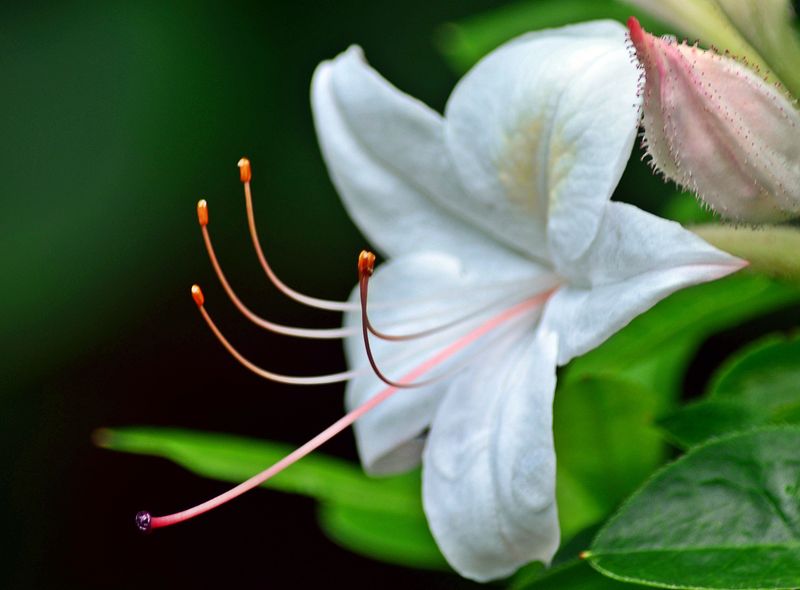
Close your eyes and imagine catching a wave of sweet perfume drifting across a warm June evening. That is exactly what Swamp Azalea delivers, and it does it without asking for much in return.
Native to wetland edges throughout the Pine Barrens, this deciduous shrub is one of the most fragrant plants in the eastern United States. The white to pale pink blooms open in June and July, right when the garden needs a refresh after spring’s big show.
Swamp Azalea grows 5 to 8 feet tall and wide in moist, acidic soil. It is a natural fit for rain gardens, pond edges, or any low-lying area that stays consistently damp.
Unlike many azaleas sold at garden centers, this native species is cold-hardy and adapted to local conditions. It rarely needs coddling or special winter protection in most New Jersey yards.
The flowers are a magnet for hummingbirds and sphinx moths, which hover and feed at dusk with remarkable grace. Planting near a patio or outdoor seating area lets you enjoy the whole evening show up close.
Fall foliage adds another layer of appeal. The leaves turn shades of orange and crimson before dropping, giving the shrub a fiery send-off each autumn.
Swamp Azalea pairs beautifully with Highbush Blueberry and Inkberry Holly in a moist native planting bed. Together, they create a layered habitat that supports wildlife from spring through winter.
Sweetbay Magnolia
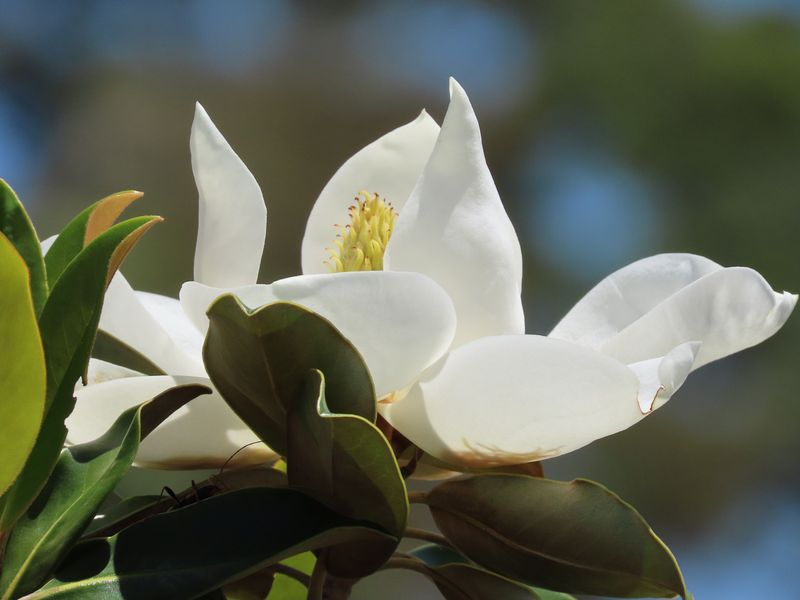
There is something undeniably romantic about a Sweetbay Magnolia in bloom. The creamy white flowers release a soft lemon-vanilla fragrance that floats through the yard on warm May evenings.
This semi-evergreen tree is native to the coastal plain, including the Pine Barrens region, making it a natural and ecologically appropriate choice for New Jersey home gardens.
Sweetbay Magnolia grows 10 to 20 feet tall, which makes it a manageable size for most suburban yards. It fits beautifully near a deck or bedroom window where the scent can drift indoors on a summer breeze.
The leaves are as interesting as the flowers. The tops are glossy and rich green, while the undersides are a striking silvery white that flashes in the breeze like tiny mirrors catching the light.
This tree tolerates wet soil conditions that would stress or stunt most ornamental trees. Plant it in a low spot near a downspout or drainage area and watch it thrive where others fail.
After the flowers fade, red seed clusters emerge and attract songbirds through the fall. Cardinals and vireos are particularly fond of the bright red seeds that dangle from the spent blooms.
Sweetbay Magnolia is largely pest and disease free when grown in appropriate conditions. It is one of the most low-maintenance small trees available for mid-Atlantic gardens.
Beauty, fragrance, and toughness rarely show up in the same plant, but this one manages all three.
Inkberry Holly
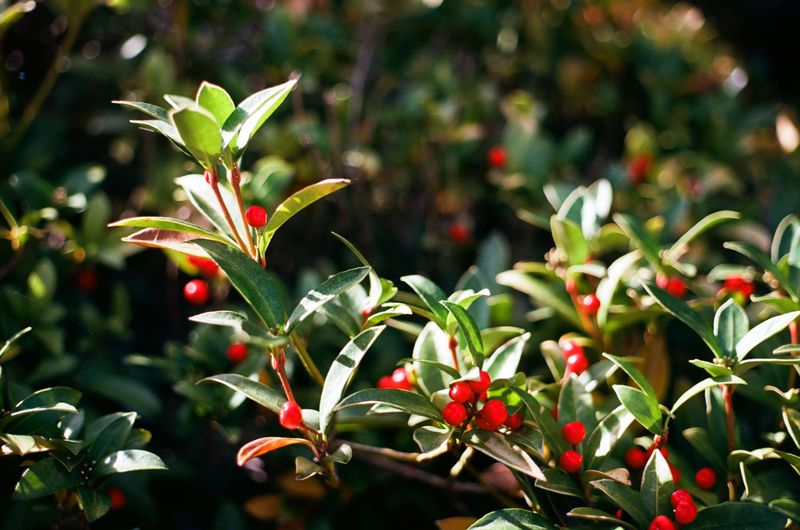
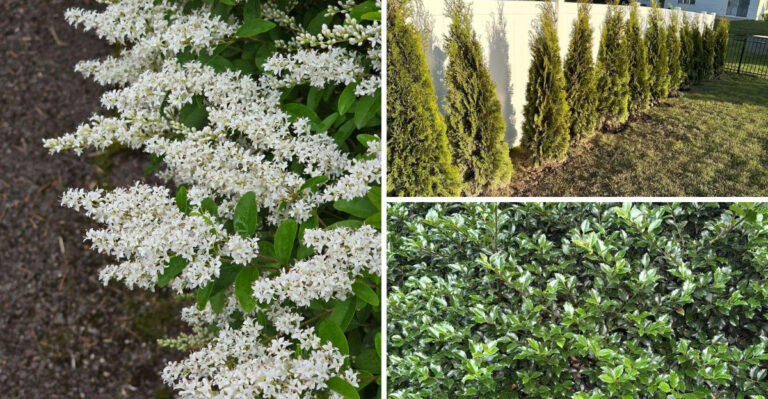
Inkberry Holly is the workhorse of the native shrub world, and it never gets the credit it deserves. Tough, adaptable, and loaded with ecological value, this plant earns its keep in any yard.
Native to the Pine Barrens and coastal wetlands, Inkberry is a broadleaf evergreen holly that stays green through winter when most of the garden goes brown and bare.
The small black berries that appear in fall and persist through winter are a useful food source for many bird species. Cedar waxwings, bluebirds, and mockingbirds will eat them during cold months when other food is scarce.
Inkberry grows 5 to 8 feet tall and spreads by suckers to form dense, wildlife-friendly thickets over time. If you want a tighter, more formal shape, it responds well to pruning in early spring.
This shrub handles wet soil, dry soil, sun, and partial shade with impressive ease. Few native plants offer that level of flexibility, which makes Inkberry a top pick for tricky spots in the landscape.
For berry production, plant both male and female shrubs nearby. One male can pollinate several females, so you do not need an even ratio to get a strong berry crop each fall.
Inkberry Holly pairs especially well with native grasses and ferns in a low-maintenance border. The contrast of its dark berries against golden fall grass is genuinely stunning.
This is the plant that makes your yard a refuge for wildlife through the hardest part of the year.
Bearberry
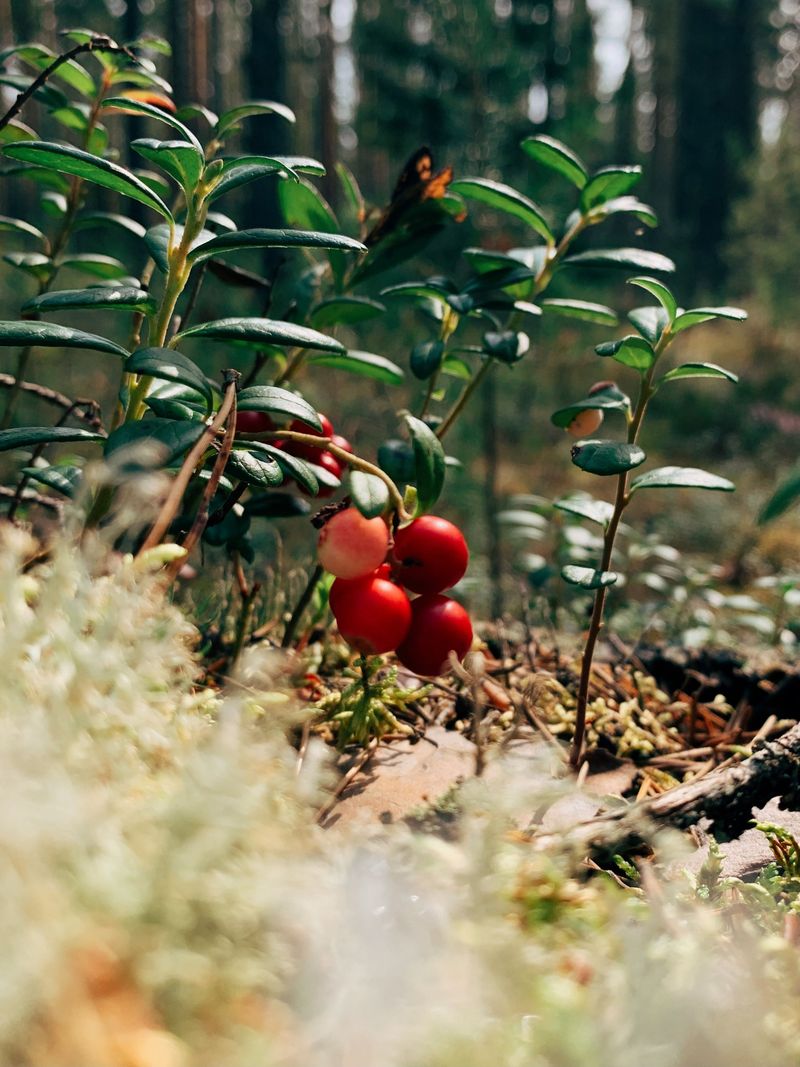
Bearberry is the underdog of the native plant world, creeping quietly across sandy ground while everyone else chases tall shrubs and showy trees. Do not overlook it.
This low-growing evergreen groundcover is one of the few plants that genuinely thrives in the poor, sandy, acidic conditions of the Pine Barrens. Where grass gives up, Bearberry gets comfortable.
It spreads slowly to form a dense mat just 6 to 12 inches tall. The glossy, small leaves stay attractive year-round, turning slightly bronzed in winter before greening up again in spring.
Tiny pink-white flowers bloom in early spring, followed by bright red berries that persist well into winter. Bears famously love these berries, which explains the plant’s very literal common name.
For home gardeners, Bearberry is an outstanding lawn alternative for sunny, dry slopes where erosion is a problem. Its roots grip sandy soil firmly and hold banks in place through heavy rain events.
Once established, Bearberry is exceptionally drought-tolerant and needs no supplemental watering in most years. Skip the irrigation system and let this plant handle itself on its own terms.
It prefers full sun and needs well-drained soil to thrive. Do not plant it in clay or anywhere water pools after a storm, or you will quickly run into root rot issues. Sometimes the smallest plant in the yard ends up doing the most work.