Does Vinegar Really Fix Arizona’s Alkaline Soil? What Actually Works
Pour vinegar on some Arizona dirt and it may fizz like a science fair volcano. That little show feels like proof that you are changing the soil.
It is not, and the reason says a lot about what is really going on under your feet. Here is what vinegar can and cannot do, and what works better for your yard.
Vinegar Is Not a Lasting Soil Fix
Short answer: no, vinegar is not a dependable, lasting fix for alkaline Arizona soil. Acetic acid is an acid, so a splash can nudge the pH for a moment.
A brief nudge is a long way from a durable change in a whole garden bed.
Many desert soils push back against added acid. University of Arizona Extension plant-selection guidance points out that lowering pH in calcareous ground can be difficult and may take repeated treatment.
No one has shown a household vinegar recipe, dilution, or schedule that reliably does the job.
Vinegar also shows up in the weed aisle, which adds confusion. Stronger horticultural products burn the plant tissue they touch, and that is a contact effect, not a soil amendment.
The EPA warns that acetic acid above 8% can cause severe burns and eye damage, so natural does not mean harmless.
So skip the pour. The better path starts with testing and figuring out what your soil is really doing.
Carbonate Helps Soil Resist Added Acid
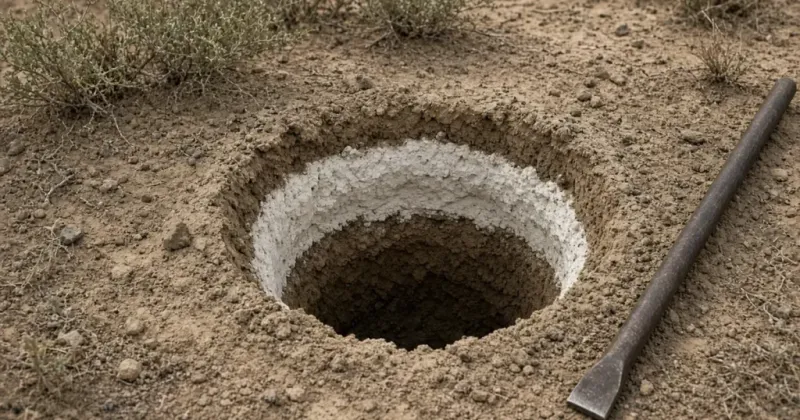
Think of carbonate as the soil’s built-in antacid. Many Arizona soils contain calcium carbonate, and it soaks up acid before the pH can shift much.
Your vinegar gets used up fighting the carbonate.
University of Arizona fertilizer guidance notes that lowering pH in these soils is difficult and may need repeated treatment. That is why one-time fixes tend to fade.
Conditions still vary by location. A yard in Tucson may not match one in Flagstaff or Yuma, so avoid assuming your neighbor’s soil is your soil.
High pH matters because it can make iron and other micronutrients harder for plants to use, as Extension’s desert soil nutrient guide explains. Still, pH is only one piece of the puzzle, and changing it will not fix unrelated soil problems.
A Fizz Test Does Not Measure Soil pH
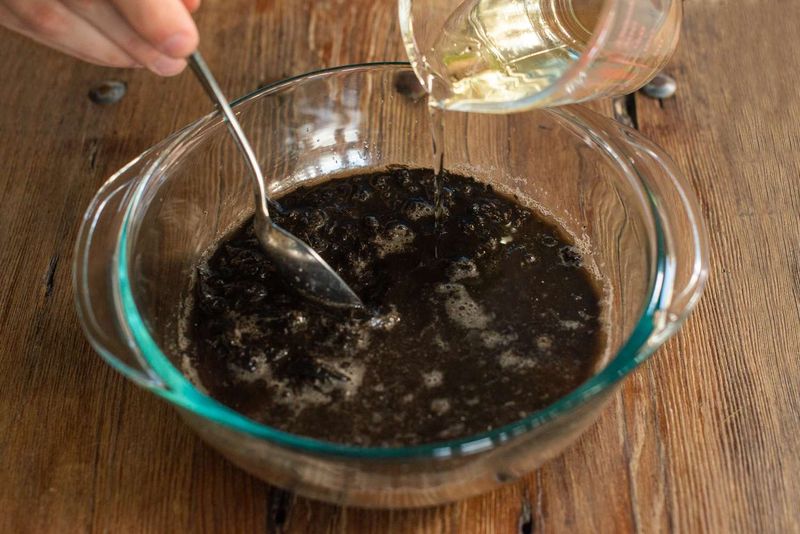
Dribble vinegar on a spoonful of dirt and watch for bubbles. Fizzing can hint that carbonate is present, which is what the University of Arizona plant-selection guide describes.
It is a fun kitchen experiment with a real clue inside.
But bubbles are not a number. A fizz cannot tell you your exact pH, how much carbonate you have, or whether any amendment would help.
A laboratory result is different because it measures what the fizz only suggests. Treat the reaction as a reason to get a proper test, not as grounds for buying or applying anything.
If your soil does not fizz, that does not clear it either. Salinity, drainage, and other issues can still affect your plants.
Start With a Representative Soil Test
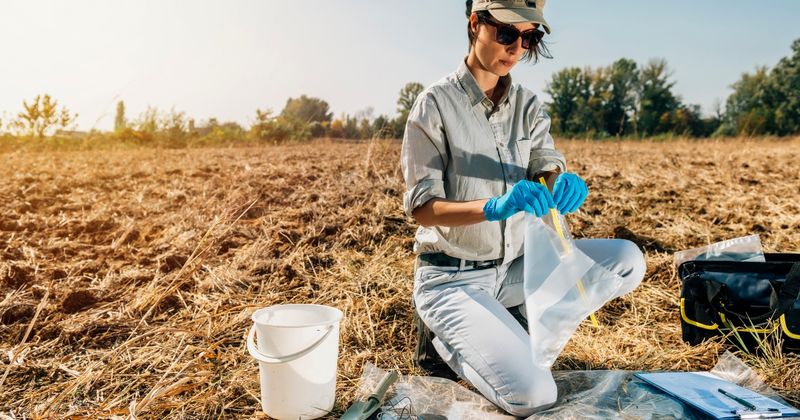
Before you spend a dime, collect a sample that represents the bed you care about. Take small scoops from several spots, mix them, and send a portion to a lab.
University of Arizona sampling guidance walks through the steps.
One scoop from one corner can mislead you, especially in a yard with fill dirt or patchy irrigation. Separate areas, like a vegetable bed and a front planting, may deserve separate samples.
Ask the lab which measurements fit your situation. Depending on your goals, that could include pH, calcium carbonate, or salinity.
Extension also keeps a list of labs that serve homeowners. Pick one, and use the results to guide your next move.
Alkalinity Is Not the Only Possible Problem
Alkaline, saline, sodic, and calcareous are four different words, and they are not interchangeable. High pH can lower micronutrient availability, as Extension’s nutrient guide explains.
Salinity is a separate matter, and Arizona guidance notes it can affect plant growth on its own.
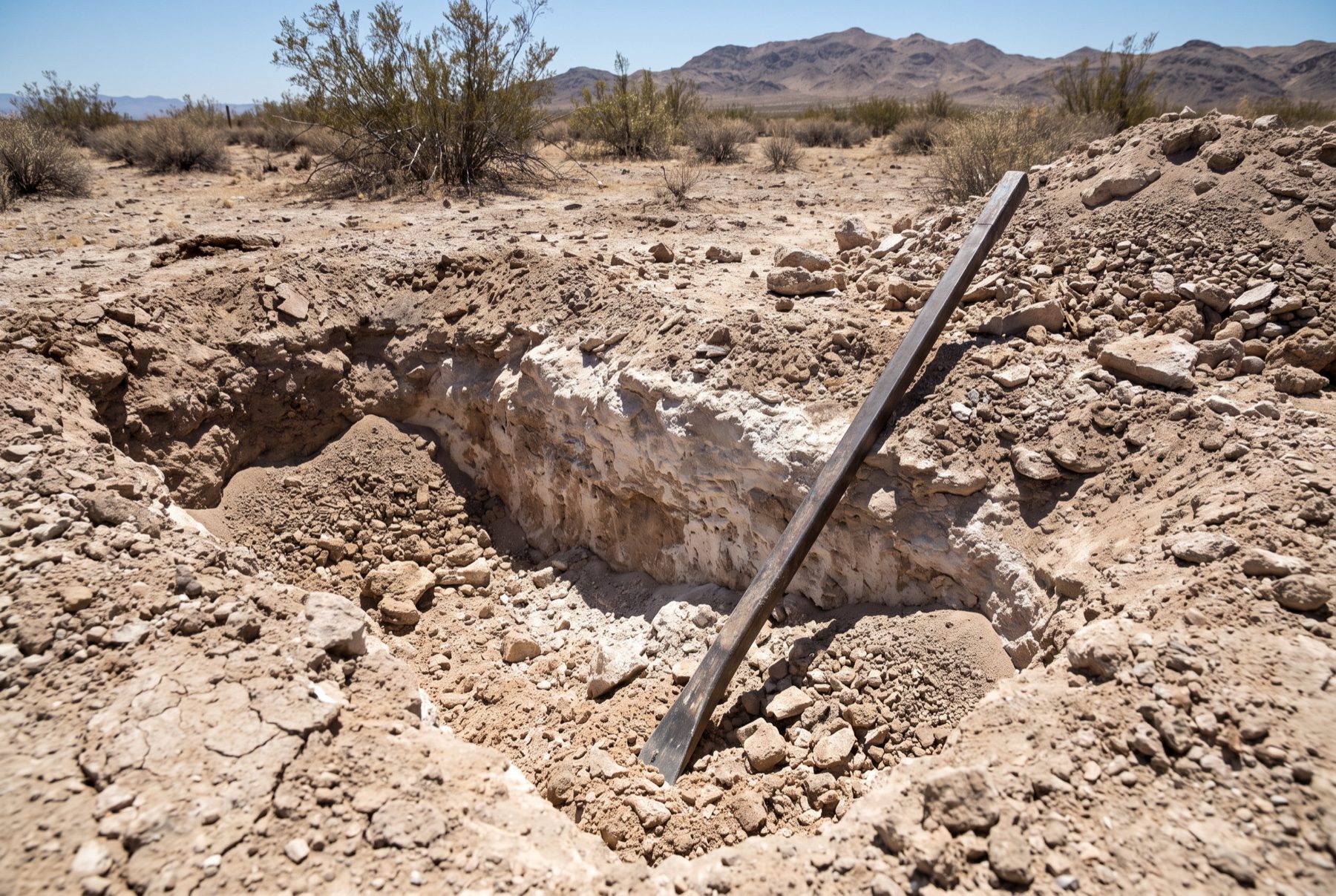
Then there is caliche, a hard layer that can limit roots and water movement. Extension’s caliche guide covers it.
Changing pH will not soften that layer or fix poor drainage.
Yellow leaves tempt a quick iron diagnosis. Iron chlorosis does occur in high-pH soil, but yellowing alone does not prove it.
Check drainage, dig a test hole, and get lab results before choosing a remedy.
Use Sulfur Only When the Soil Recommendation Supports It
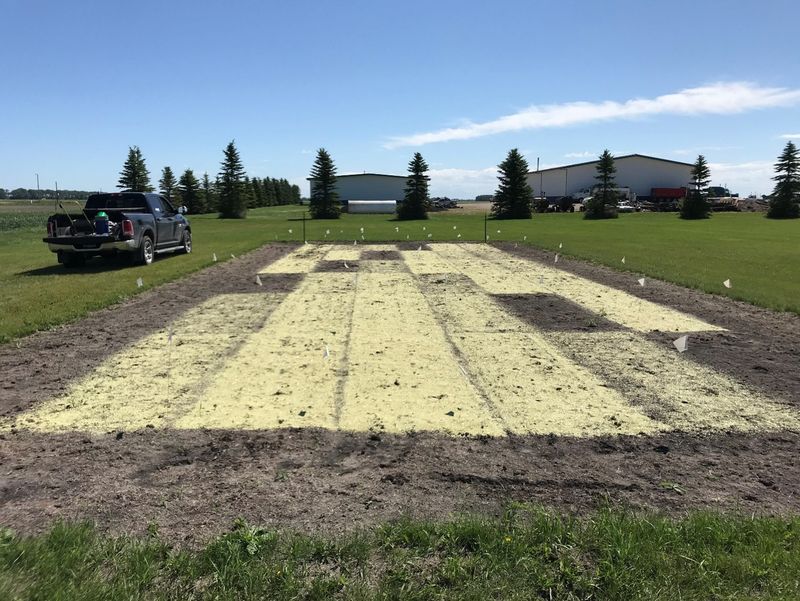
Elemental sulfur is the amendment you will hear about most. Under suitable conditions it can lower soil pH, but University of Arizona guidance notes that free lime limits its effect.
Results may also need maintenance over time.
The right amount depends on your soil properties, your target pH, and what you plan to grow. That is why there is no universal rate and no kitchen recipe here.
Guessing can waste money and leave plants no better off.
Treat sulfur as a conditional option. Use it only if test results and plant needs both point that way, and follow a soil-specific recommendation.
If your soil is full of carbonate, a large change in a whole yard may be unrealistic. A smaller, targeted approach often makes more sense.
Choose Plants for the Soil You Have
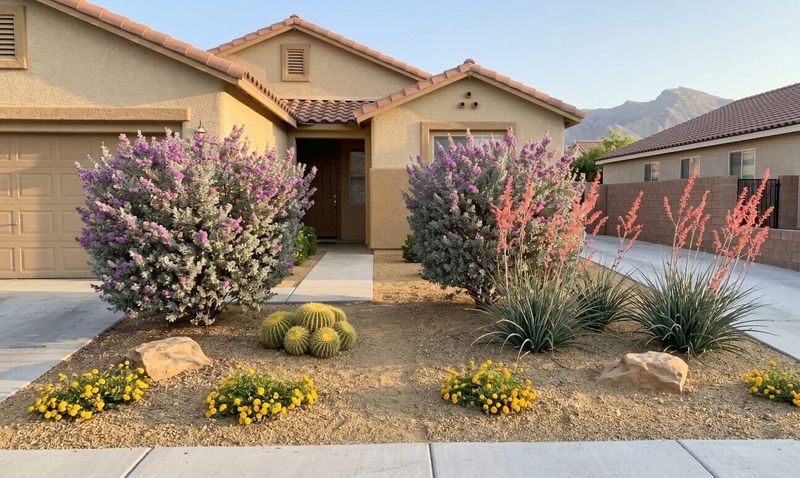
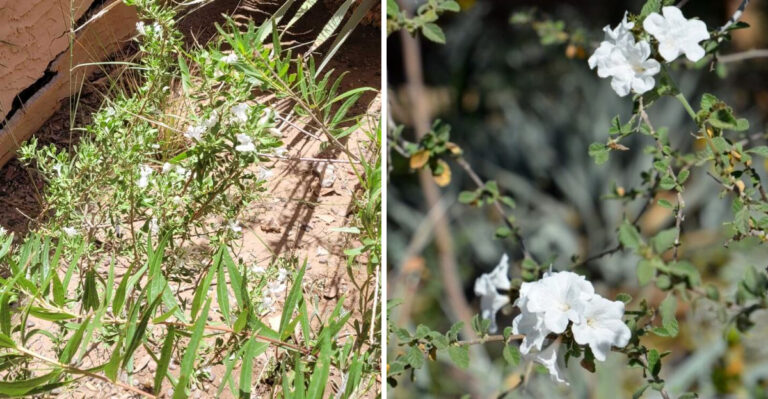
Working with your soil beats fighting it. Pick plants adapted to local conditions where you can, since many desert natives handle alkaline ground without fuss.
Extension’s Choosing the Right Plants guide is a good place to browse.
For plants that truly need acidic growing media, the same guidance suggests large containers filled with artificial potting soil. That is an alternative to reworking calcareous ground, not a guarantee of success.
Bigger pots hold moisture longer and give roots room.
Notice a pattern here? Start by testing, as laid out in the earlier soil sampling steps.
Then name the real constraint, whether that is pH, salinity, or a hard layer, and match the response to your plant.
A fizz on the ground is a clue, and a lab report is the answer.