Does Your Homeowners Insurance Cover Storm-Downed Trees in New York? What to Check Before Cleanup
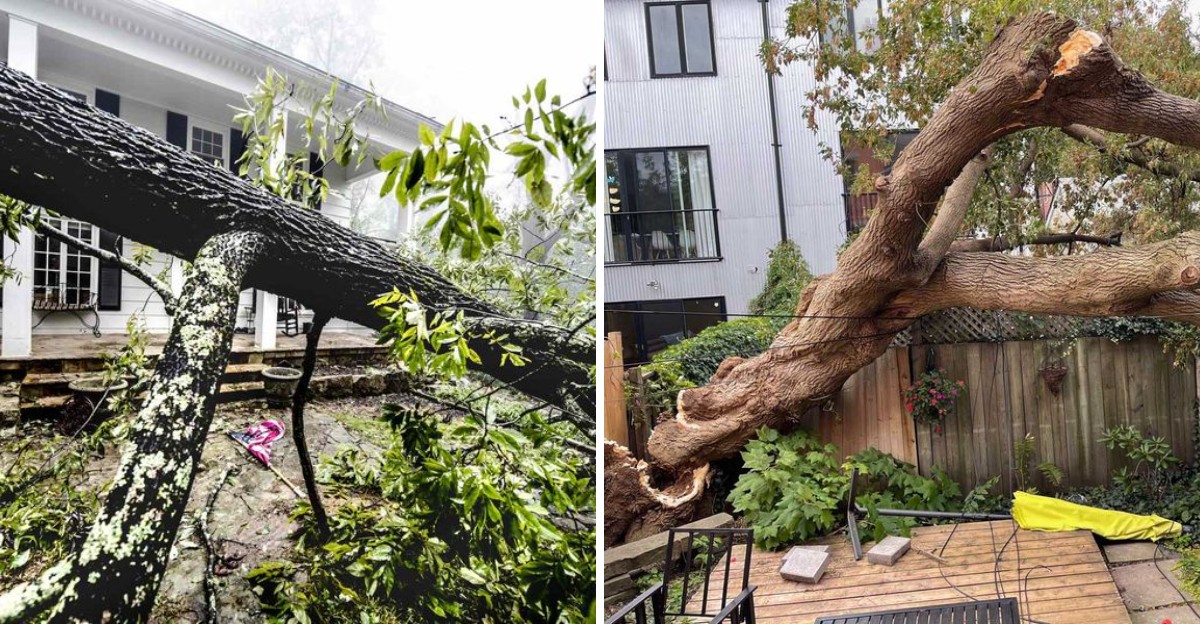
A tree can crash through your roof, and your insurer may pay for the roof but only a small slice of hauling the trunk away. That same tree landing on open lawn often earns nothing at all.
I learned this the hard way after a wild summer squall here in New York. My old maple dropped a huge limb, missed the house by a few feet, and the cleanup bill landed squarely on me.
Now that I think about it, I had read my policy exactly once. Maybe you have too, tucked in a drawer beside seed catalogs and garden receipts.
The rules hinge on a few small details. Where did the tree land, and why did it fall? Who owned it, and did anyone know it was weak?
Those answers can mean the difference between a paid claim and a pricey weekend with a chainsaw rental.
Where That Fallen Tree Landed Matters Most
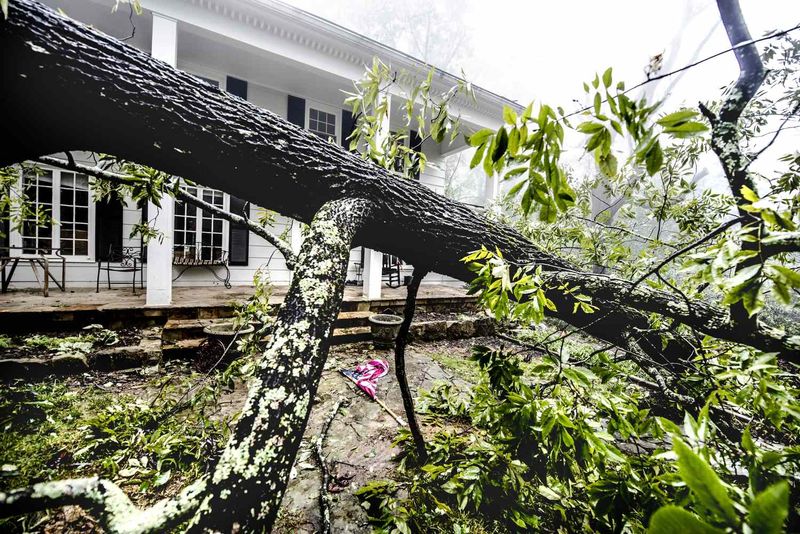
Insurance adjusters care less about how big your tree was and more about what it hit. That single detail shapes almost every claim after a storm.
A standard homeowners policy, like the common HO-3 form, covers damage from named perils such as wind, hail, lightning, and the weight of ice or snow. If a tree falls because of one of those perils and strikes a covered structure, your policy usually helps.
Covered structures include your house, a detached garage, a fence, or your garden shed.
Land a tree on open grass, though, and the story changes fast. Most policies treat that as yard cleanup, not property damage.
Your flower beds, lawn, and shrubs rarely qualify either, unless your policy has special landscaping coverage.
I think of it as a simple test. Ask yourself whether the trunk or a big limb touched something with walls, a roof, or posts.
If yes, call your agent. If no, expect to pay for removal yourself in most cases.
Driveway blockage can be an exception worth checking. Some insurers pay a small amount to clear a tree blocking your driveway or a wheelchair ramp.
Read your debris removal section closely, because those little lines can save you a few hundred dollars.
Tree Removal Coverage Often Comes With A Small Cap
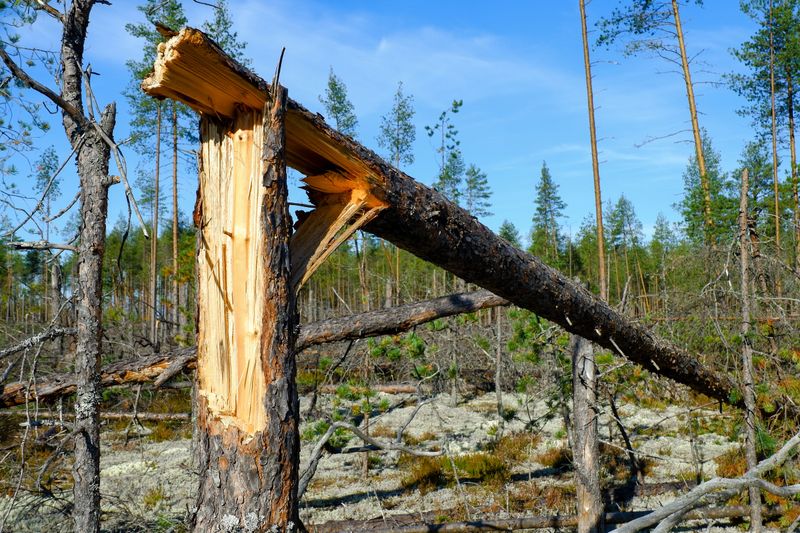
Most people are shocked by this number. Debris removal from a fallen tree is often capped around $500 to $1,000 per tree, or per storm, depending on your policy.
Professional removal of a big tree off a roof can easily cost more than that. Cranes, climbers, and chipping add up quickly.
So read the debris removal line in your policy before a storm, not after.
Some relief may still exist. When removing the tree is needed to repair your house, part of that cost may fall under your dwelling coverage instead of the smaller debris limit.
Ask your adjuster how they split it, and ask in writing if possible.
Your deductible still applies too. If your deductible is $1,000 and the damage is $1,200, your payout is small.
On Long Island and other coastal areas, many policies carry a separate hurricane or windstorm deductible, often a percentage of your home’s insured value.
Cars are another twist. A tree that smashes your car is usually handled by the comprehensive part of your auto policy, not your homeowners policy.
If you dropped comprehensive coverage on an older car, that loss may be yours.
My advice is simple. Grab a highlighter and mark your debris limit and deductibles today.
Downed Power Lines Come Before Any Chainsaw
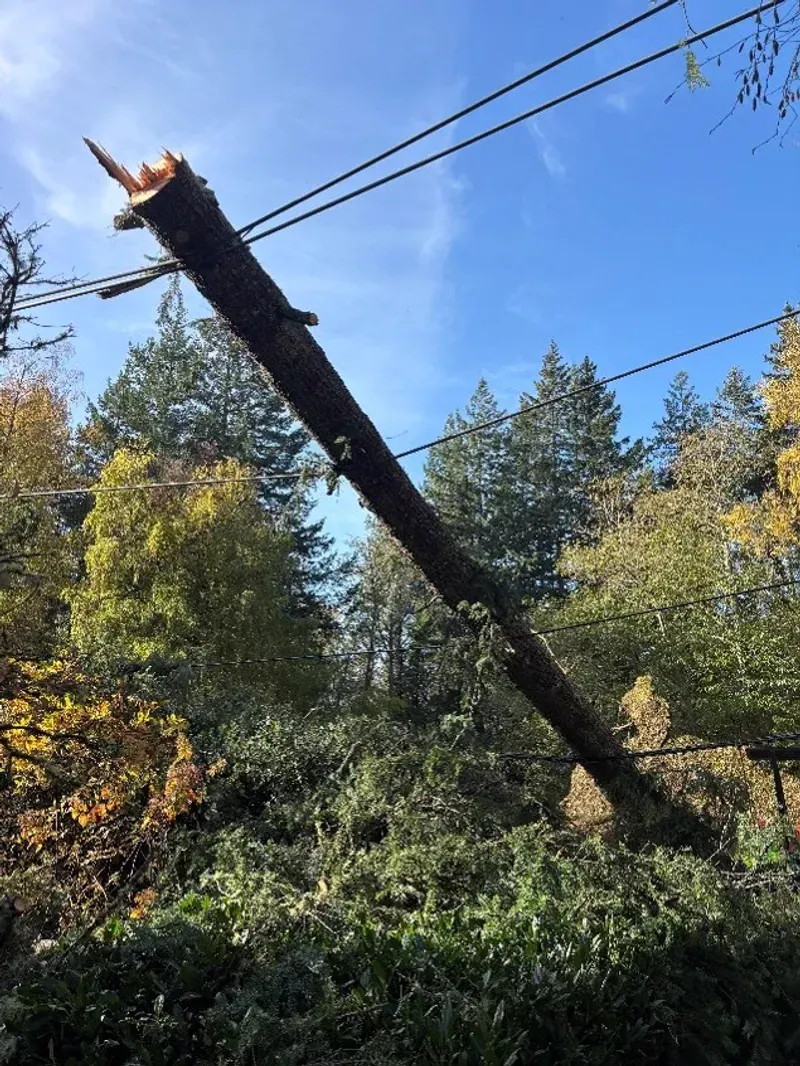
Insurance can wait a few hours. Your safety cannot, so this step sits ahead of every phone call to your agent.
Get everyone, including pets, out of any room the tree touched. If the roof sags, walls crack, or you smell gas, leave the house.
Stay well back from the tree, since trunks and hanging limbs can shift without warning.
Treat every downed wire as live, even when it looks quiet. Wires tangled in branches can energize the whole tree and wet ground around it.
Call 911 and your utility, such as Con Edison, National Grid, NYSEG, Central Hudson, RG&E, or PSEG Long Island, depending on where you live.
Chainsaw work on storm trees is dangerous. Bent trunks store tension, called spring poles by arborists, and they can snap back hard when cut.
Even experienced gardeners get hurt this way.
Wear sturdy shoes and gloves if you must move small sticks, and skip ladders on a damaged roof. Leave tree-on-house work to licensed, insured tree crews.
One more tip from my own scare. Keep a flashlight, charged phone, and your insurer’s claim number in one spot before storm season starts.
Snap Photos Of The Fallen Trunk Before Anything Moves
A phone full of pictures can be worth more than a stack of receipts. Adjusters want to see the scene before cleanup changes it.
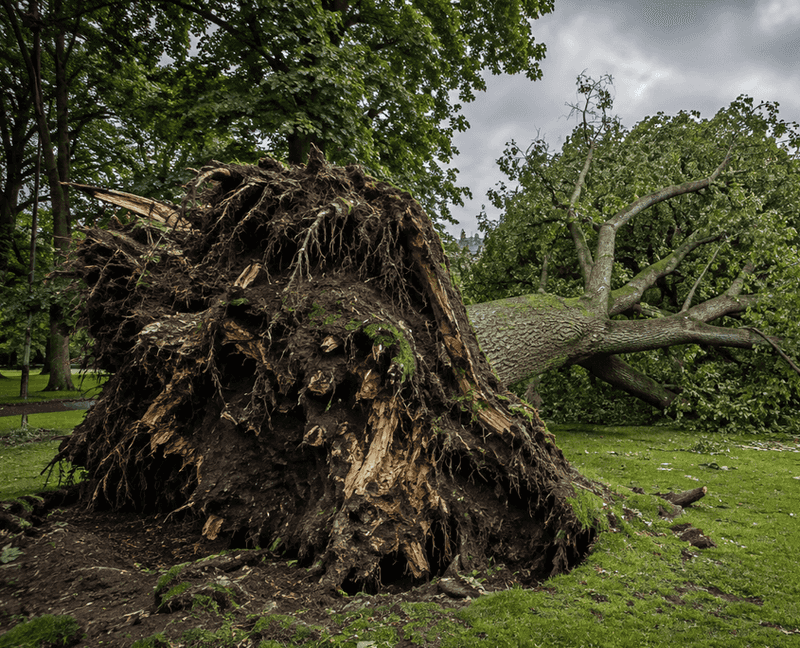
Once the area is safe, walk around and shoot photos and short videos from every side. Show where the tree landed, the broken roof or fence, and the root ball or snapped trunk.
That last part matters, because a clean break or uprooting in a big wind tells a different story than a hollow, rotted core.
Head inside next. Photograph ceiling stains, cracked drywall, broken windows, and doors that suddenly stick.
Damage inside can be easy to miss on a stressful day.
Write down the date, time, and weather. Save local storm reports or National Weather Service warnings for your area, since they help prove a covered peril like high wind.
Keep anything damaged that you can safely store, like broken gutters or fence boards, until the adjuster says otherwise. If you must tarp a roof right away to stop rain, photograph before and after the tarp goes on.
Back up every file to cloud storage too. I once nearly lost a whole set of photos to a dropped phone, and that would have hurt my claim.
A Neighbor’s Toppled Maple Usually Means Calling Your Own Insurer
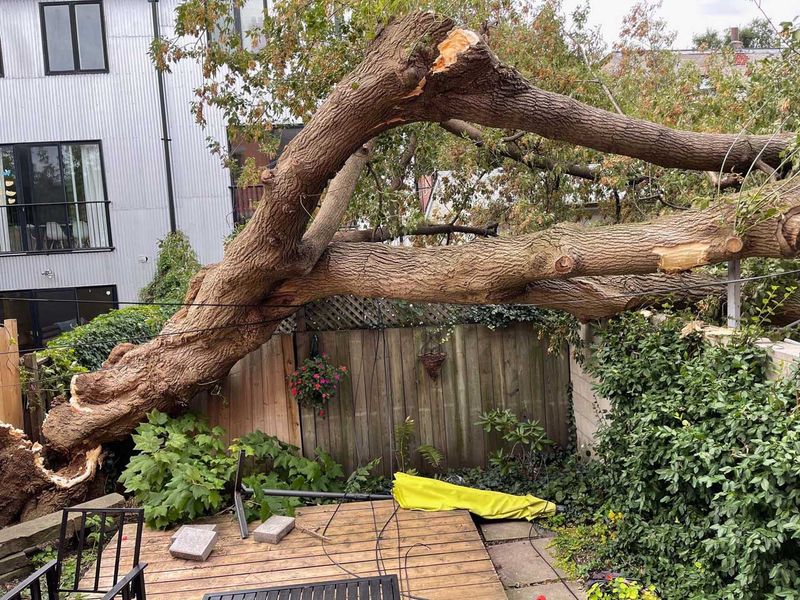
Many folks assume the tree owner pays. In New York, that often is not how it works.
When a healthy tree falls in a storm, the event is usually treated as an act of nature. Nobody was careless, so the owner of the land where it lands typically files with their own insurer.
Your policy covers your damaged house, fence, or shed, minus your deductible.
Negligence changes the picture. New York courts have held tree owners responsible when they knew, or reasonably should have known, the tree was hazardous.
Signs include a hollow trunk, large decayed sections, fungus at the base, or a lean that kept getting worse.
Records help a lot here. If you once sent your neighbor a polite text or letter about a cracked limb, save it.
Your insurer may use it to recover costs from the neighbor’s insurer, a process called subrogation.
Talk before you cut, too. A tree trunk on your side of the fence may belong to the person whose land it grew on, so agree on removal plans together.
Friendly conversations go further than angry ones. Neighbors who share cleanup often stay friends long after the sawdust settles.
Rotted Trunks And Ignored Warning Signs Can Sink A Claim
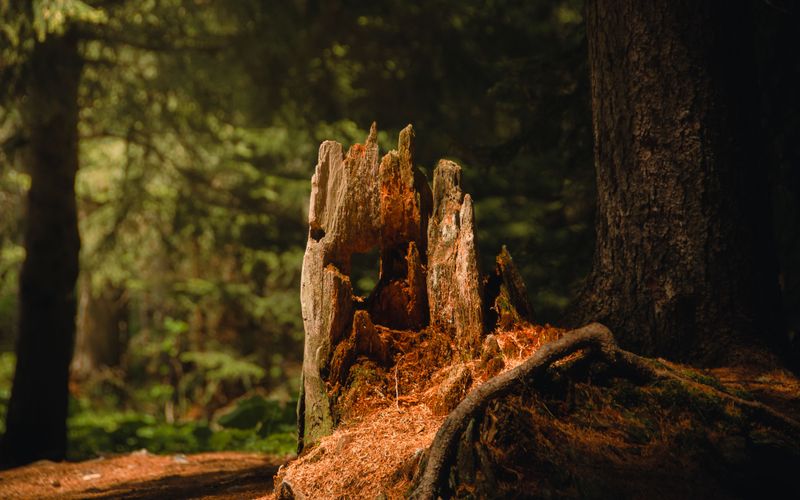
Insurers expect homeowners to care for their trees much like they care for a leaky roof. Neglect is one of the most common reasons storm tree claims get denied.
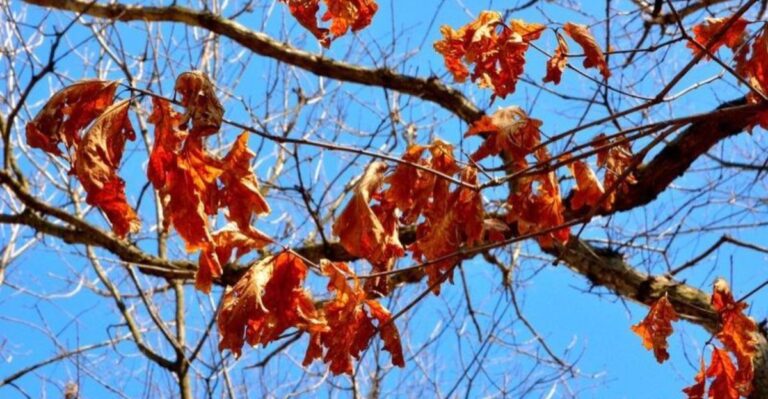
Watch for warning signs during your garden rounds. Mushrooms or shelf fungi at the base, deep cracks, missing bark, hollow spots, and big bare limbs in summer can point to decay.
A tree that suddenly starts leaning after heavy rain also deserves attention.
Ash trees deserve extra care across the state. Emerald ash borer has spread widely, and infested ash trees can turn brittle quickly.
Cornell Cooperative Extension offices share guidance on spotting the D-shaped exit holes and thinning crowns.
Flooding is another gap. Standard homeowners policies exclude flood damage, so a tree loosened by floodwater may raise tricky questions.
Flood coverage comes through separate policies like the National Flood Insurance Program.
My garden taught me to schedule a certified arborist visit every few years for big shade trees. Many arborists carry ISA certification, and their written report is a helpful record if questions come up later.
Pruning or removing a risky tree costs money now. Still, it is usually cheaper than an uncovered repair after a big wind.
Call Your Agent Before Hiring The Tree Crew
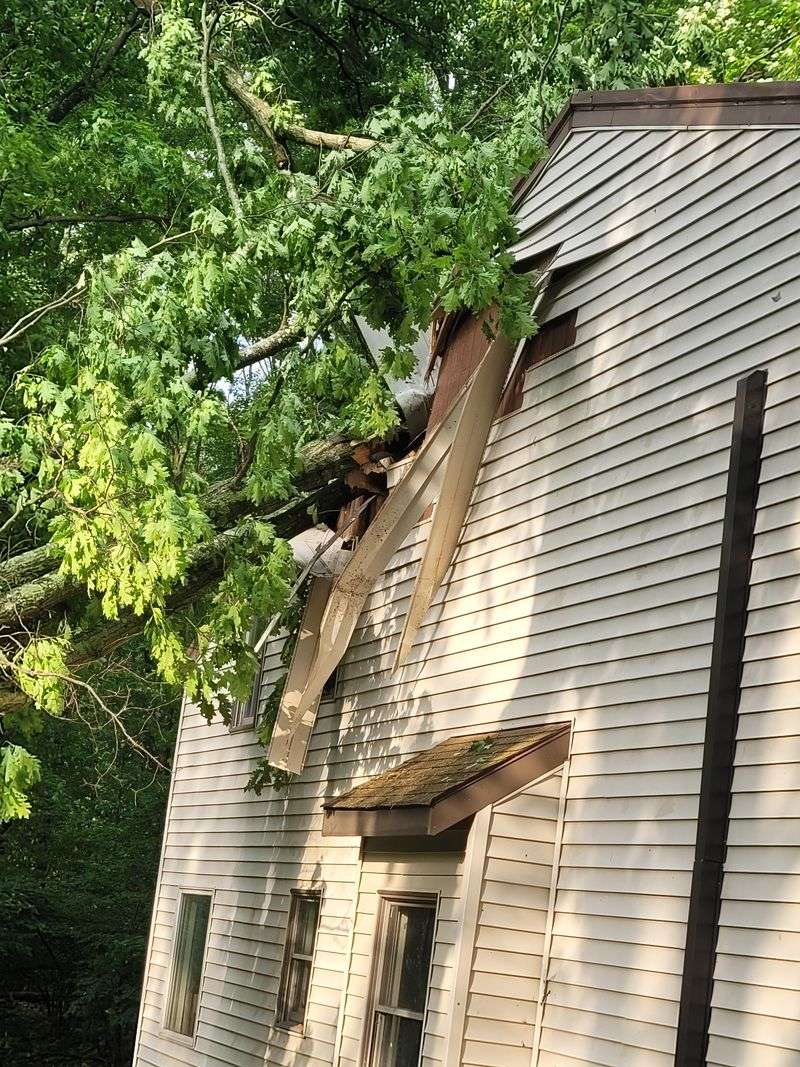
Speed matters with claims. Most policies require prompt notice of a loss, so reach out as soon as everyone is safe.
Explain clearly where the tree fell, what it hit, and whether the house is livable. Ask how your insurer wants emergency work handled.
Many will approve roof tarping or boarding windows right away, since policies expect you to prevent further damage.
Ask about extra living expenses as well. If the house is unsafe, loss of use coverage may help pay for a hotel and meals while repairs happen.
Hire licensed, insured tree professionals and ask for proof of liability and workers’ compensation insurance. After big storms, door-knocking crews sometimes pop up offering fast cash deals, so check reviews and get written estimates.
Request itemized invoices. Separating tree work on the house from general yard cleanup helps your adjuster sort what falls under dwelling coverage versus debris limits.
Hidden damage can lurk in framing and rafters. A contractor or structural engineer can spot problems before you sign off on a settlement.
If a claim stalls, New York homeowners can contact the Department of Financial Services for help with insurance complaints. Keep a simple log of every call, name, and date.
A Quick Policy Checkup Under Your Shade Trees Pays Off
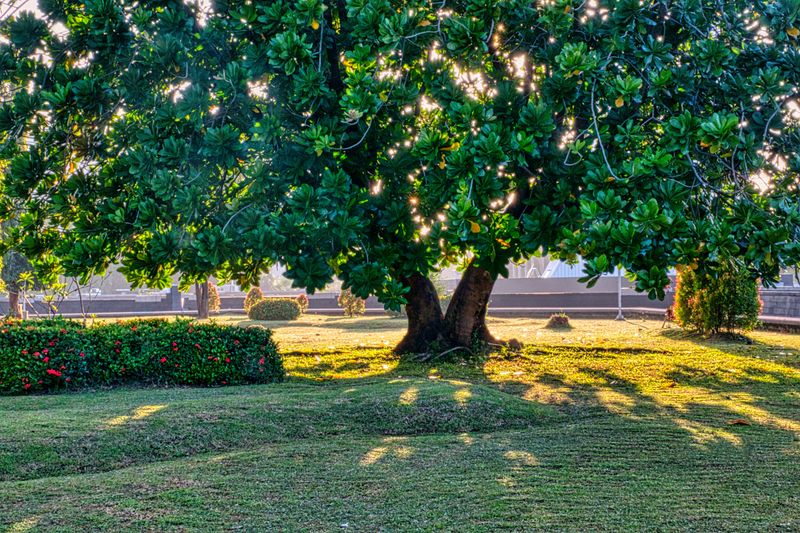
Calm weather is the best time for paperwork. Pour some iced tea, sit under your favorite tree, and spend twenty minutes with your policy.
Look for these key details. Find your debris removal limit, your regular deductible, and any separate windstorm or hurricane deductible.
Check whether trees, shrubs, and plants carry any coverage, and what limit per tree applies.
Write down questions for your agent. Ask whether driveway clearing is included and how removal costs get split when a tree hits the house.
Ask if raising the debris limit costs much, since some carriers offer endorsements.
Walk your yard afterward with fresh eyes. Note trees that lean toward the house, limbs hanging over the roof, and anything near power lines.
Utility companies handle trimming around their lines, so call them rather than tackling it yourself.
Plant smart for the future too. Native trees like red oak, sugar maple, and white oak fit much of the state when placed well away from your foundation and wires.
Store a copy of your policy and photos of your trees online. If you ask me, a little planning beats any storm-day scramble, and it gives you peace of mind when the wind picks up.