Neighbor’s Branches Hanging Over Your Michigan Yard? Here’s What the Law Says About Trimming Them
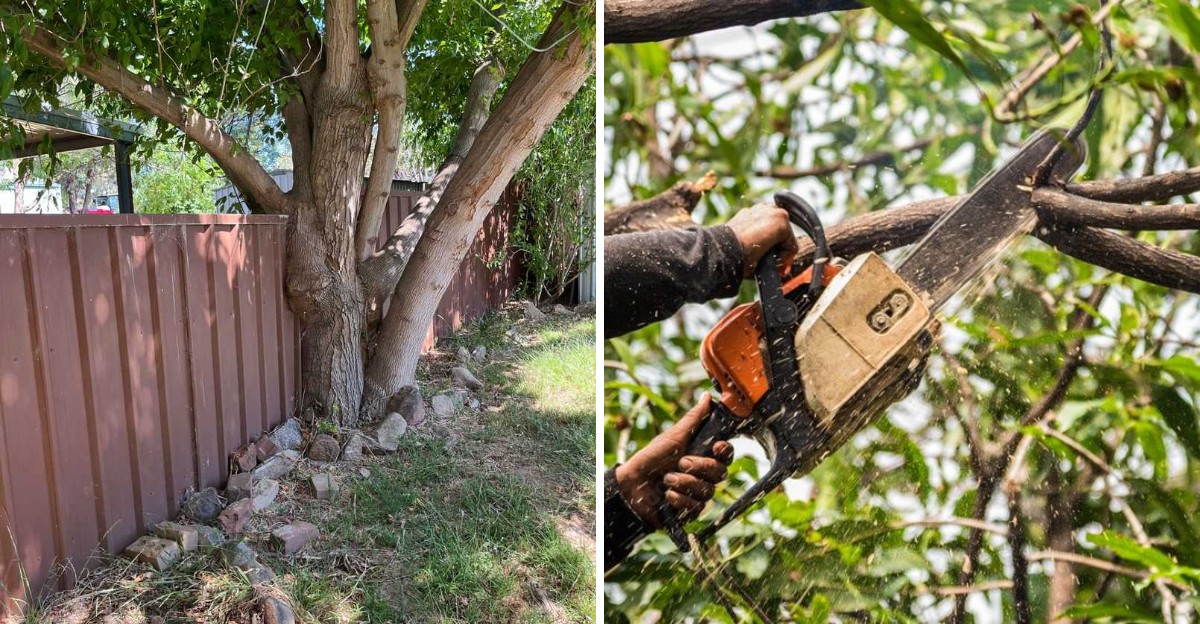
A Michigan statute lets a tree owner collect up to three times a tree’s value when someone else cuts it without permission. That one rule changes how I look at every leafy limb drooping over a fence.
You probably know the scene already. Maple leaves clog your gutters each fall, and your tomatoes sulk in shade by July. Meanwhile, the tree’s owner sips coffee on a porch next door, blissfully unaware.
State courts have long allowed homeowners to trim what crosses into their space. The catch lies in the details, and those details can get expensive fast.
I believe most neighbor fights over trees start with good intentions and a little too much confidence with a saw.
You deserve to know where your rights begin and where they quietly stop. So how far can your pruners actually go before trouble follows?
1. That Leafy Limb Over Your Fence Line Isn’t Off Limits
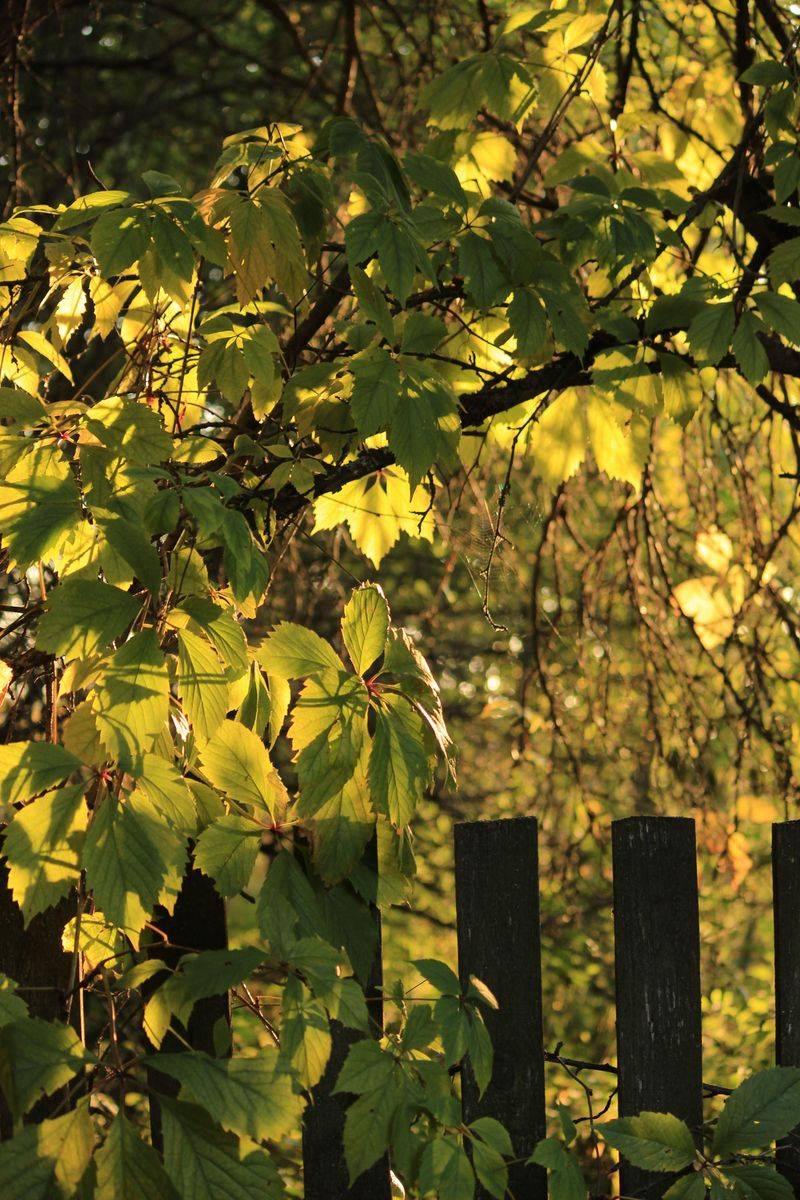
Courts across the country, Michigan included, follow an old common law idea. A branch that crosses the property line is intruding into your space, even if the trunk sits firmly next door.
Personally, I find that oddly comforting. You aren’t stuck staring at a shady mess forever, wishing your neighbor would notice the problem. The law gives you something called a self-help right.
Self-help means you can remove the parts of the tree that hang over your land. That covers branches drooping over your patio, limbs scraping your garage roof, and even roots creeping under your lawn. You don’t need a court order to start.
That right, though, comes with a fence of its own. You only get to deal with the overhang, not the whole tree. The tree still belongs to your neighbor, and the trunk and everything on their side stays their business.
Think of it like sharing a long table at a picnic. You can move the stuff that slides onto your plate, but you can’t reach across and rearrange their side. Keeping that picture in mind helps you stay on solid ground.
Before you sharpen anything, take a slow walk along the boundary. Look at which limbs truly cross over and which ones just look close. That simple check sets up every smart decision that follows.
2. Trim Those Overhanging Branches Only Up To The Property Line

Picture-perfect boundaries rarely exist in real yards, so precision matters here. Your trimming rights stop right at the property line. Anything past that invisible line stays untouched.
You also need to do the work from your own side. Stepping into the neighbor’s yard, climbing their tree, or leaning a ladder against their fence without permission can count as trespassing.
A pole pruner or a hired crew working from your lawn keeps things clean. Not sure where the line actually sits?
Fences are often placed a few inches or even feet off the true boundary. Your closing papers, a plat map from the county, or a professional survey can settle the question.
Roots follow the same idea. You can cut roots that spread under your land, though deep root cuts near the trunk carry real risk to the tree’s stability. Ask an arborist before trenching close to a big trunk.
I like to mark the line with stakes or garden string before any cutting starts. It sounds fussy, but it gives you a visual guide and a record if questions come up later.
One more tip worth following: cut back to a healthy side branch or the branch collar when possible. Clean cuts heal better than ragged stubs and look far less like an act of revenge.
3. Heavy Cuts That Ruin A Neighbor’s Tree Can Cost You Triple
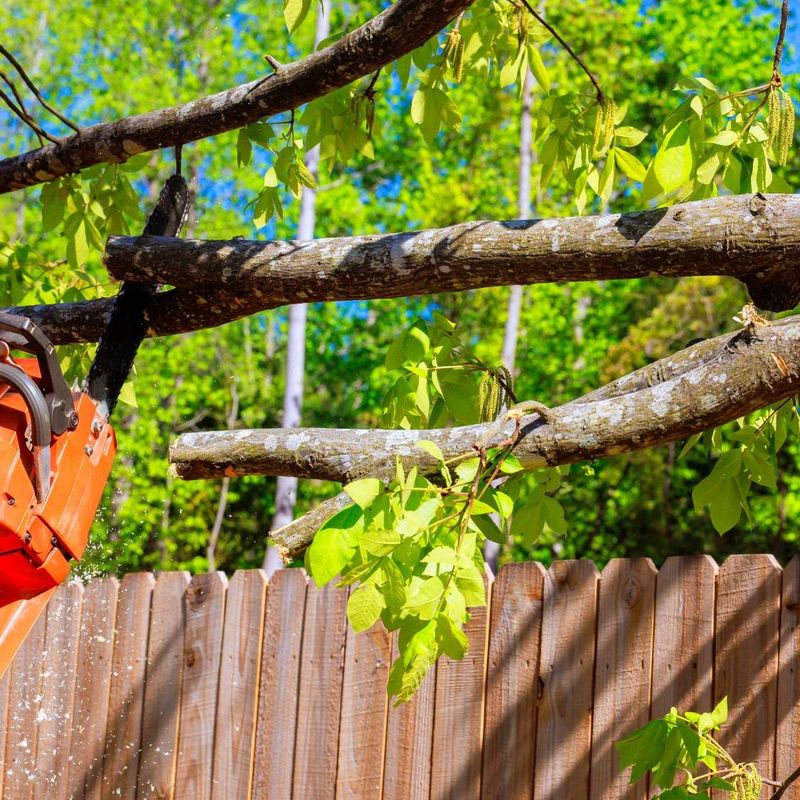
Michigan takes trees seriously, and the price tag proves it. Under state law, MCL 600.2919, a person who cuts or harms another person’s trees without permission can owe up to three times the amount of damages.
So how does that connect to trimming overhang? Your self-help right covers reasonable trimming. If your cuts are so heavy that the tree declines, becomes unstable, or has to be removed, a court could see it as damage to your neighbor’s property.
Big trees carry big values. Appraisers can price a mature oak or maple in the thousands, and tripling that number turns a weekend project into a financial headache. Intentional destruction of property can also bring criminal charges in some cases.
Arborists generally advise against removing more than about a quarter of a tree’s live canopy at once. Lopping a whole side off to the trunk, or topping branches into stubs, invites decay and weak regrowth.
I can’t imagine paying triple for a few extra hours of sunshine. Spreading major trimming over a couple of seasons is often kinder to the tree and to your wallet.
When the job involves large limbs, hire a certified arborist. Their insurance, training, and written notes about what was cut give you a strong record if your neighbor ever questions the work.
4. A Friendly Chat Over The Fence Beats A Surprise Chainsaw
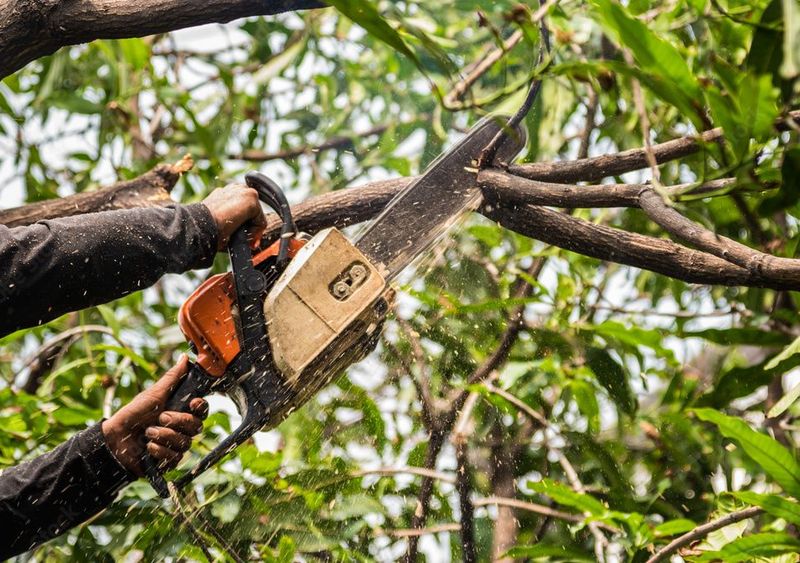
Legally, you usually don’t need permission to trim the overhang. Practically, a heads-up can save years of awkward driveway waves.
Most people feel attached to their trees. A neighbor who comes home to fresh cuts and a pile of limbs may feel blindsided, even if you did everything by the book. A five-minute talk beforehand changes the whole mood.
Try explaining the problem plainly. Maybe the branches scrape your roof, drop sap on your car, or shade the vegetable bed you’ve worked on for years. People respond better to a real reason than to a demand.
Here’s a bonus: your neighbor might agree to share the cost or let your crew work from their side. That access often makes for better cuts and a healthier tree. Get any agreement in writing, even a quick email or text.
Another thing to ask about is debris. Some neighbors want the wood for their fire pit, while others would rather never see it again. Settling that early prevents a fresh argument later.
If talking feels tense, a short, polite letter works too. Keep it factual, mention the specific branches, and suggest a timeframe. Calm notes age far better than heated ones, especially if anyone ever needs to show them to a lawyer.
5. Who Pays For The Tree Trimming Crew Might Surprise You
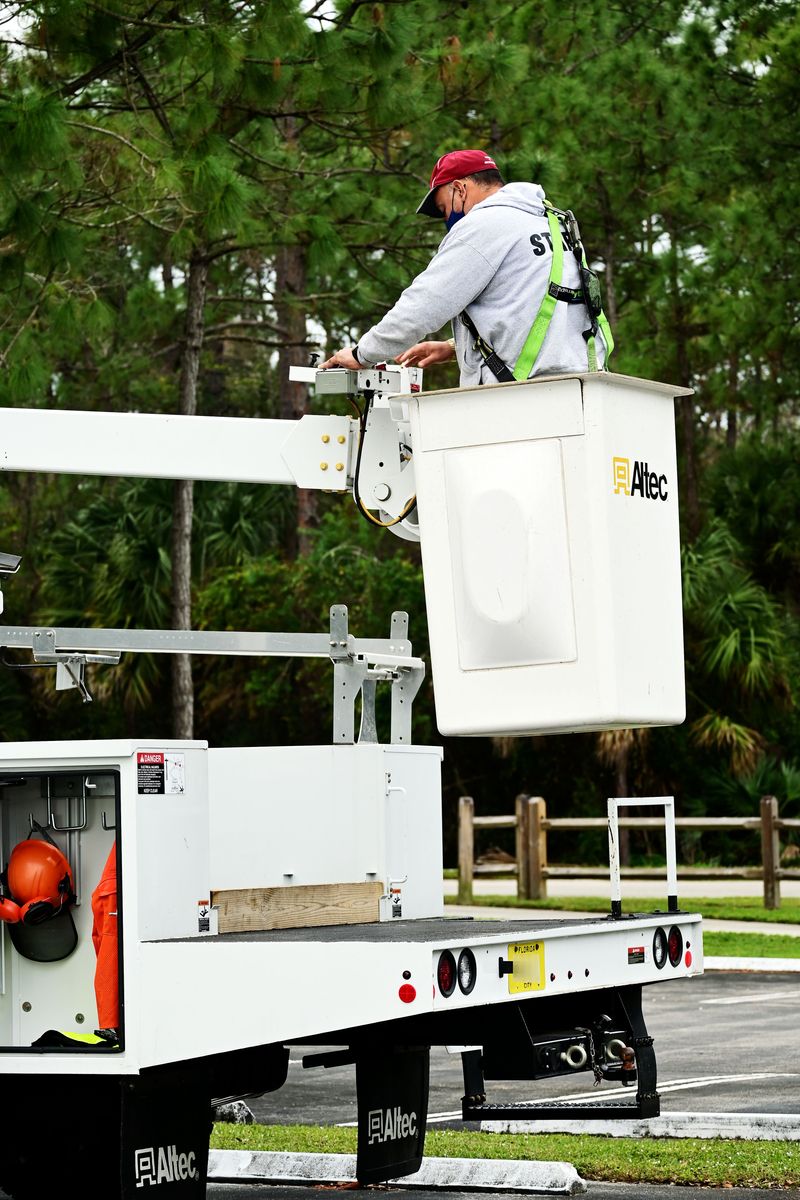
Pull out your wallet, because the bill for routine trimming typically lands with you. When you choose to cut overhanging branches for your own benefit, your neighbor generally isn’t required to cover the cost.
That covers trimming for sunlight, tidier gutters, fewer leaves, or simple looks. The law treats those as your preferences, so you handle the expense. Hauling away the cut wood usually falls on you as well.
Costs vary a lot. A few small limbs might take an hour with a pole saw, while a crew with a bucket truck handling large branches can run several hundred dollars or more. Getting two or three quotes helps.
When hiring, I’d look for an ISA certified arborist and ask for proof of liability insurance. A company without coverage can leave you responsible if a falling limb smashes a fence or shed.
Timing can also stretch your budget. Many Michigan tree services stay slammed after summer storms but have more openings in late fall and winter. Dormant season trimming is also easier on many trees.
Oaks deserve special care, though. Michigan State University Extension advises avoiding oak pruning from about April through July because sap beetles can spread oak wilt to fresh wounds. Winter cuts are the safer bet.
6. A Rotting Limb Over Your Roof Changes The Rules
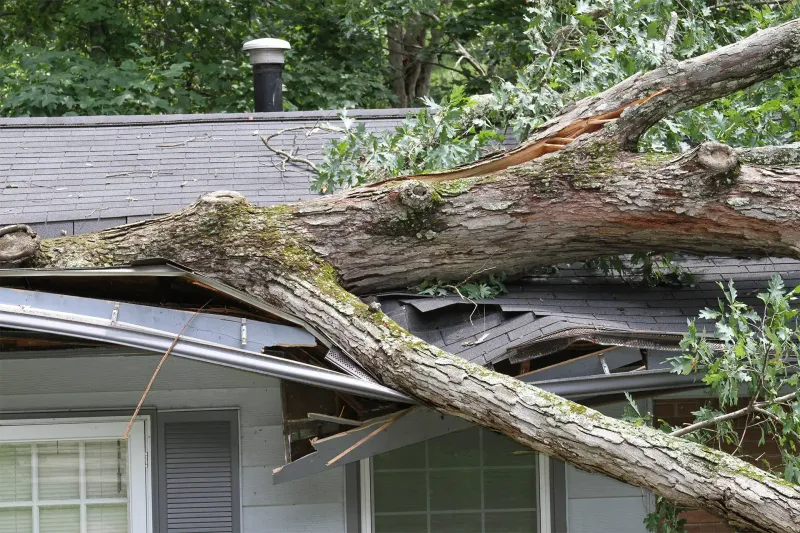
Some branches are more than a nuisance. A cracked, hollow, or fungus-covered limb hanging over your house is a safety problem, and the legal picture shifts with it.
When a healthy tree falls in a storm, courts often treat it as an act of nature, and each owner’s insurance covers their own side. But if the owner knew or should have known the tree was hazardous, they may be held responsible for the damage.
That’s where your paper trail matters. Take dated photos of the cracks, peeling bark, mushrooms at the base, or bare, leafless branches. Then send your neighbor a written notice describing what you see and asking them to address it.
Keep copies of everything. If that limb later crashes through your roof, your notice can help show the owner had warning and chose not to act.
You can still trim a dangerous overhanging limb yourself, within the same property line limits. With heavy wood over a house, though, please call a professional. Falling limbs injure plenty of homeowners every year.
Also check in with your homeowners insurance agent. Policies treat tree damage in different ways, and knowing your coverage ahead of storm season beats learning the details from a tarp-covered roof.
7. Your City Or Township May Protect Certain Trees
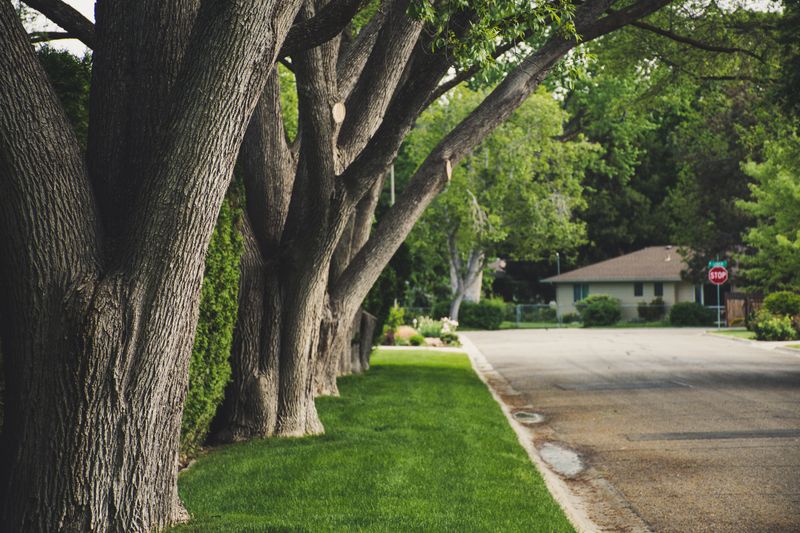
State rules tell only part of the story. Many Michigan cities and townships have their own tree ordinances, and those local rules can add a surprising twist.
Some communities protect large or heritage trees, require permits for major work, or limit what can be done to trees near streets. Ann Arbor, for example, regulates work on trees in the public right-of-way.
Street trees catch a lot of homeowners off guard. That tree near the curb might belong to the city even if you mow around it every week. Trimming it could require permission from public works.
Homeowners associations add another layer. Your HOA bylaws may set rules about tree care, removal, or who handles shared landscaping. A quick read can prevent a fine.
Utility lines are a firm no-go zone. If branches touch or sit near power lines, call your electric company, such as DTE or Consumers Energy. Their trained crews handle line clearance, and amateur cuts near wires can cause serious injuries.
My advice is simple: make one phone call to your local planning or forestry office before any big job. It takes a few minutes and can spare you a permit violation or a bill you didn’t see coming.
8. A Tree Trunk Sitting Right On The Boundary Belongs To You Both
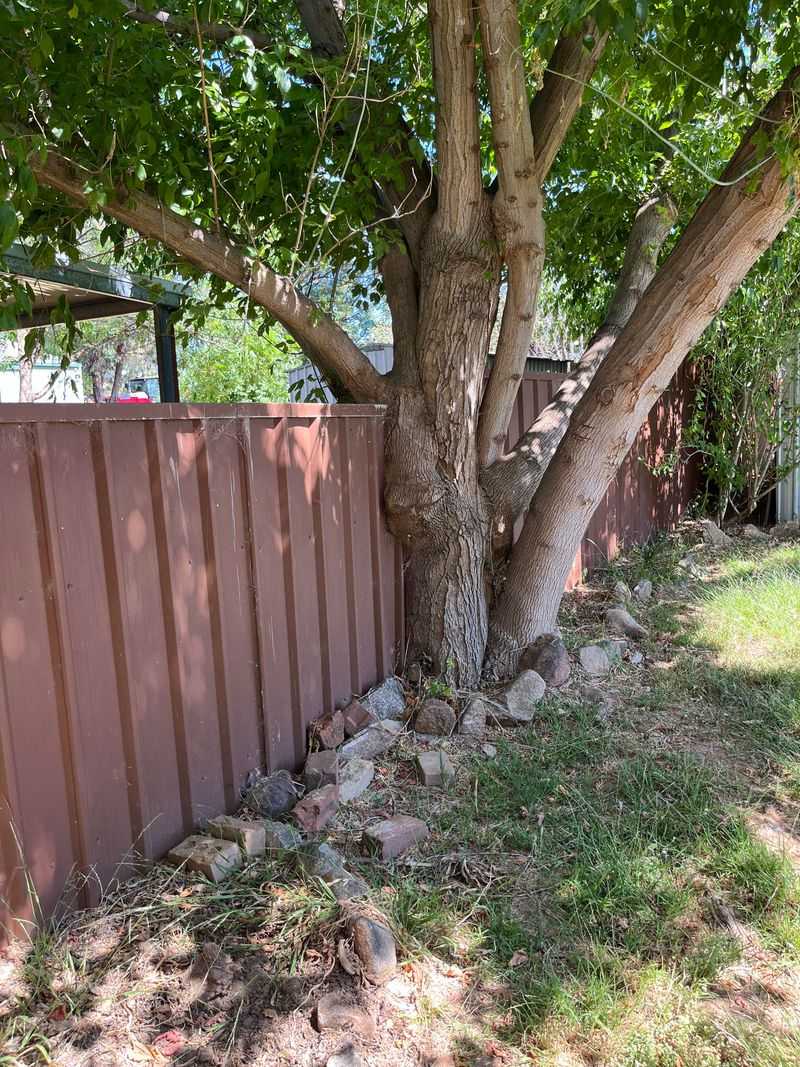
Every so often, a trunk grows smack on the line, half on your land and half on your neighbor’s. These are called boundary trees, and they follow different rules.
In Michigan, as in many states, a boundary tree is generally treated as shared property. Neither owner can remove it or seriously harm it without the other’s agreement. Doing so could open the door to those costly damage claims.
Routine trimming of your side may still be fine, but big decisions need both voices. Removing the whole tree, cutting major limbs, or grinding roots near the trunk should happen only with a signed agreement.
A survey can answer whether a tree truly straddles the line. Sometimes the trunk sits a few inches into one yard, which changes who owns it outright.
Shared trees can also mean shared costs. Neighbors often split bills for pruning or removal, though you’ll need to work that out together.
So what’s the takeaway after all this? Know your line, trim only what crosses it, protect the tree’s health, and document everything. Talk first, hire pros for the heavy stuff, and check local rules.
Your yard gets its sunshine back, and the neighborly peace stays intact too.