The Florida Yard Tasks Worth Doing In Mid-July And The Ones That Can Wait
Mid-July in Florida is not the time to be heroic in the garden. The heat is serious, the humidity is relentless.
Tasks that made sense in May can stress plants badly when pushed through Florida’s hardest stretch. Some tasks become more urgent in mid-July, not less.
Miss them now and the consequences show up later in ways that are harder to address. Others are better left alone until conditions ease.
The timing matters more than most Florida gardeners realize, and the wrong call in either direction costs something. The divide between what needs attention now and what can wait is not always obvious.
That is exactly why mid-July catches so many gardeners off guard. This list sorts it out.
The tasks worth doing right now, and the ones that should stay on hold until summer stops meaning business.
1. Check Irrigation Before Heat Stress Spreads
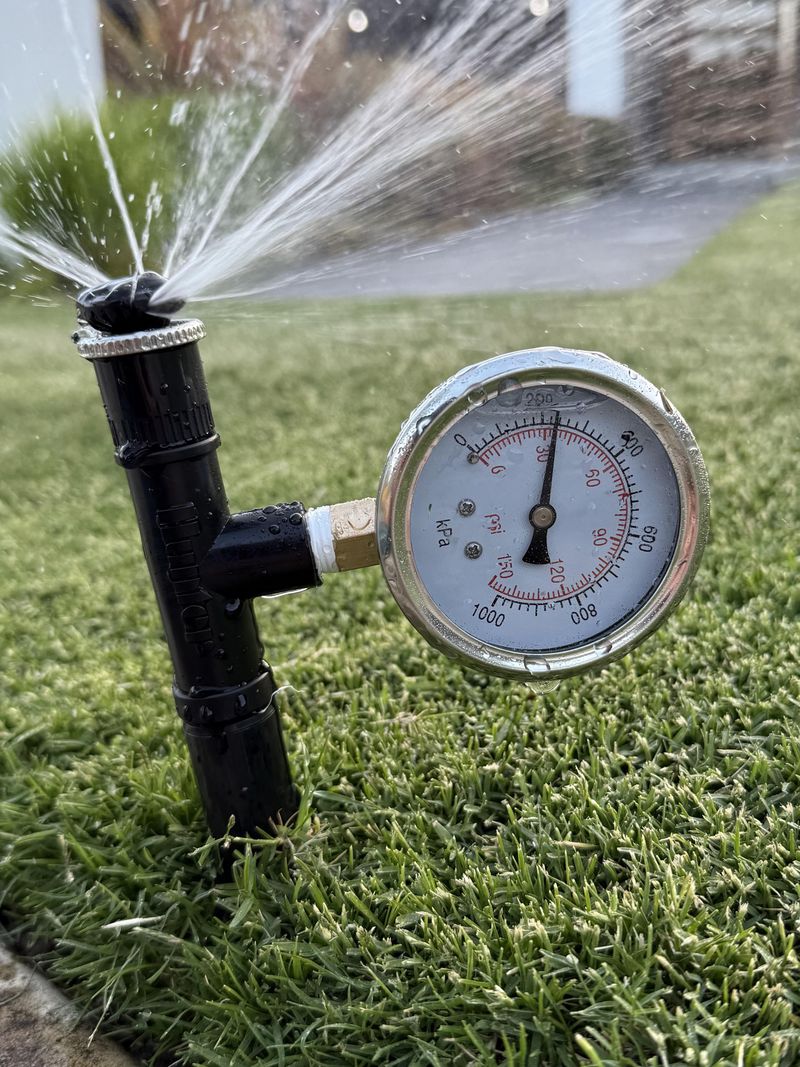
A sprinkler head missing a bed or spinning the wrong direction can leave roots dry for days before anyone notices. Mid-July is worth the time to run each irrigation zone manually and watch what actually happens.
Look for broken heads, clogged emitters, dry arcs, and spray patterns blocked by overgrown shrubs or mulch buildup.
Sandy soil loses moisture fast, especially during dry spells between rain events. A bed that looks fine on the surface can be bone dry just a few inches down.
Check container plants separately, since pots dry out much faster than in-ground beds and often need hand watering even when the irrigation runs.
The goal is not to water more. The goal is to confirm that water is reaching the root zone where plants actually need it.
Overspray onto pavement wastes water and may violate local watering rules. Check your county, city, or water-management district guidelines before adjusting any schedule.
A quick visual check costs nothing and can catch problems before wilting or root stress sets in. If you find a broken head or a zone with poor coverage, repair it promptly.
Catching a coverage gap early is far easier than nursing a stressed plant back through the rest of summer.
2. Refresh Mulch Where Soil Is Bare And Hot
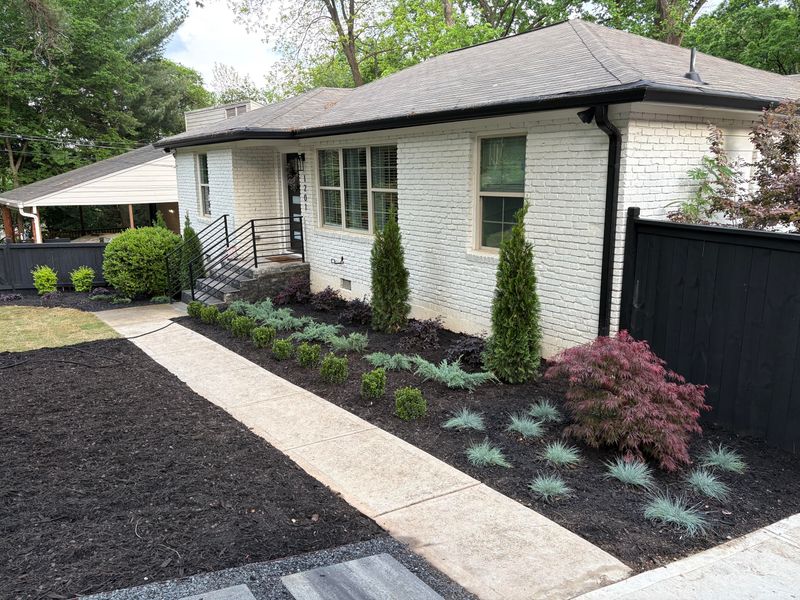
Bare soil in a Florida summer garden is not just an eyesore. It heats up fast, loses moisture quickly, and gives weeds an easy foothold.
A thin layer of mulch pulled away from tree rings or foundation beds is a simple problem worth fixing in mid-July.
A fresh layer of two to three inches of organic mulch can help moderate soil temperature, slow moisture loss between rains, and protect shallow roots. Sandy beds, young shrubs, and container plants near hot walls or pavement benefit the most from a modest mulch refresh.
Avoid the common mistake of piling mulch too thick or too close to trunks, stems, crowns, or walls. Wet mulch pressed against a trunk traps moisture and can lead to rot or pest problems.
Keep mulch a few inches away from the base of any plant.
Skip mulch volcanoes entirely. A thin, even layer spread out to the drip line does far more good than a heavy pile at the base.
Your Florida Garden Changes Every Week. Your Plan Should Too.
Gardening in Florida changes quickly throughout the season. Every Friday you’ll receive a simple weekly plan showing exactly what to plant, prune, fertilize, harvest, and protect so you never miss the right timing.
After refreshing, check that drainage is not blocked around the root zone. Done right, a mulch refresh is one of the quieter tasks that pays off through the rest of the summer heat.
3. Trim Summer Flowers Without Heavy Pruning
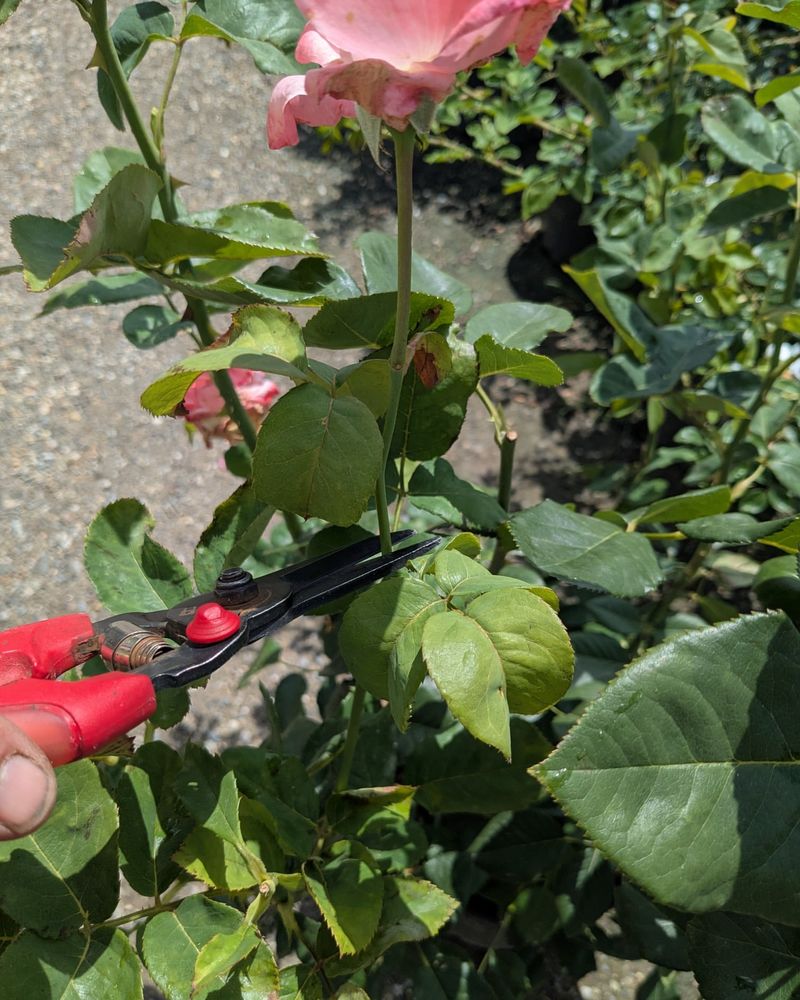
Spent blooms left on summer annuals and containers do not look great, but they also signal the plant to slow down flowering. Removing them gently encourages new buds without putting the plant through any real stress.
Mid-July is a fine time for this kind of light cleanup.
Zinnias, pentas, angelonia, and salvia tend to respond well to trimming during summer. Snip or pinch just above a healthy leaf node rather than cutting back into woody stems.
With hibiscus, remove spent flowers but hold off on any shaping cuts until cooler weather arrives.
Light trimming is not the same as hard pruning. Cutting a stressed plant back aggressively during peak heat removes stored energy and exposes tender tissue to sun and dry air.
Stick to spent flower removal and leave healthy foliage and stems alone for now.
A container on a patio or a bed near a sunny wall tends to show spent blooms faster than shaded garden spots. Check those areas every few days during summer.
Pinching back faded flowers takes only a few minutes and keeps plants looking tidier through the rest of the rainy season. It does this without adding any real stress to already-working roots.
4. Scout For Pests Before Damage Gets Ahead
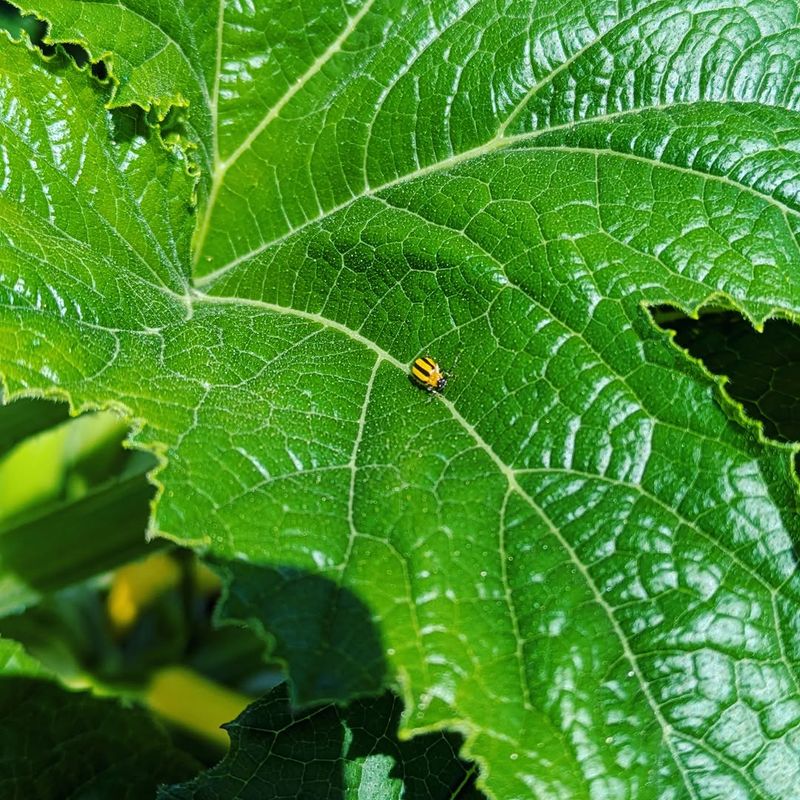
Hot, humid weather is when pest populations can build fast. A quick walk through the yard every week or two during mid-summer catches problems early, before they spread to neighboring plants or cause serious damage.
Check the undersides of leaves, especially on hibiscus, citrus, vegetables, and ornamentals. New growth on stressed plants is a favorite target for aphids, whiteflies, and caterpillars.
Turf patches that look off may signal chinch bugs, sod webworms, or fungal issues rather than drought stress alone.
Always identify the pest before reaching for any product. Treating the wrong problem wastes money and can harm beneficial insects.
UF/IFAS Extension resources and your county Extension office can help with identification if you are unsure what you are seeing.
Not every pest outbreak requires a spray. A strong stream of water dislodges many soft-bodied insects from ornamentals.
Beneficial insects like parasitic wasps and lady beetles often manage small populations on their own. If a product is needed, follow the label directions carefully and choose the most targeted option available.
Broad pesticide use as a first response often causes more harm than the original pest problem.
5. Clean Up Fallen Fruit Before Wildlife Finds It
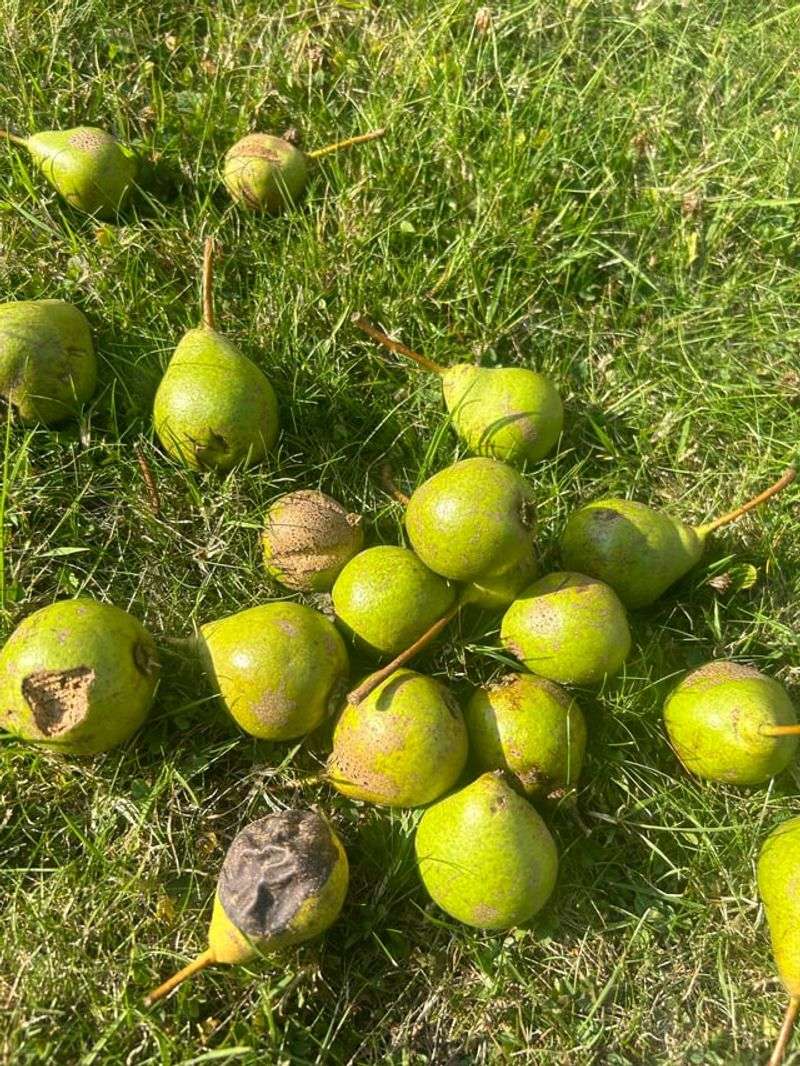
A pile of overripe mangoes under a tree might look harmless, but it does not stay that way for long. Fallen fruit draws rats, raccoons, ants, and flies quickly, especially during warm, humid summer weeks when wildlife is active and food sources are scattered.
Pick up fallen fruit every few days during peak ripening season. Figs, citrus, and mangoes are the most common culprits in warm-region yards, but any overripe produce left on the ground becomes an attractant.
Florida vegetable gardens and compost areas near the house deserve the same attention.
Pet feeding spots and birdseed that falls from feeders can add to the problem. Leaving food sources accessible trains wildlife to return and can lead to repeated visits near the house, patio, or garden beds.
Sanitation is always the safest first step.
Do not try to handle, feed, trap, or approach wildlife yourself. If a wildlife problem has already developed into a habit, contact your county Extension office or a licensed wildlife professional for guidance.
Cleaning up attractants before problems start is far simpler than managing an established pattern. A few minutes of daily cleanup during fruiting season goes a long way toward keeping the yard calm and pest-free.
6. Delay Major Planting Until Conditions Ease
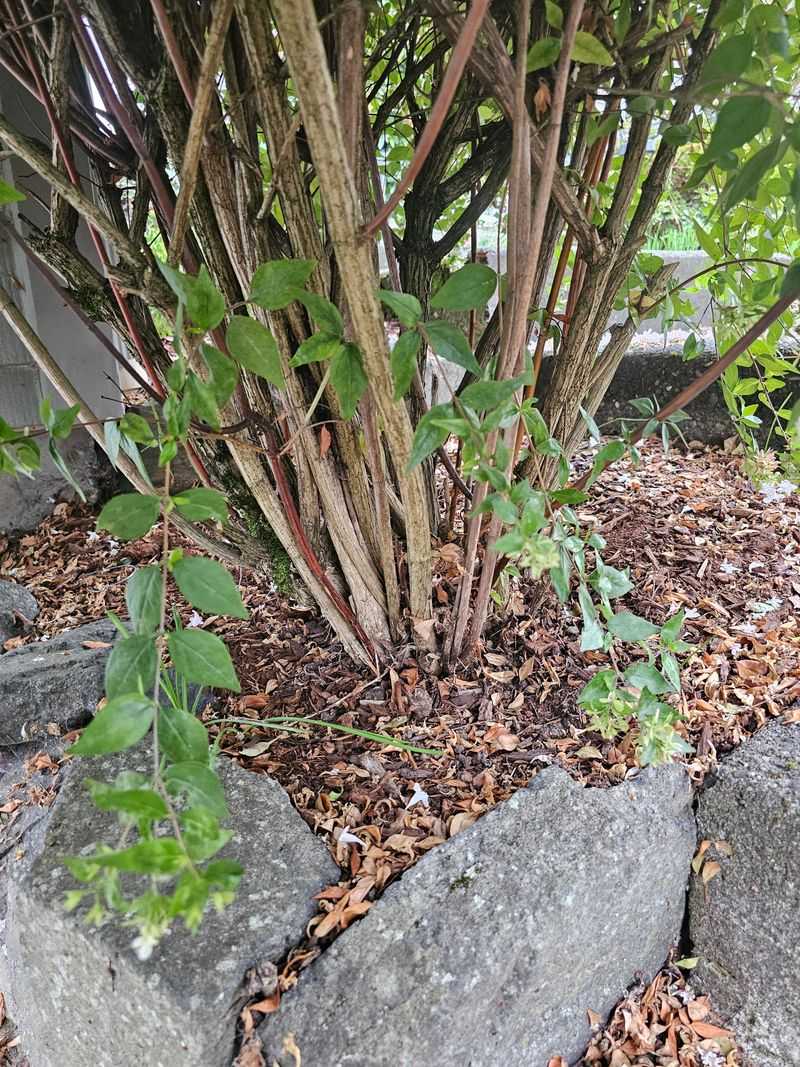
A cart full of plants at the nursery is tempting, but mid-July is often a rough window for major landscape changes.
Hot soil, intense afternoon sun, dry spells between storms, and transplant shock can put new roots under serious stress before they have a chance to establish.
New plants need consistent moisture and moderate temperatures to settle in. When soil temperatures are high and rain is unpredictable, root systems struggle to anchor and absorb water at the same time.
Even plants that look healthy in a nursery pot can decline quickly after going into a stressed summer landscape.
Emergency replacements do happen, and carefully managed container planting may still make sense in some situations. However, large-scale landscape changes are usually better timed for late September through early November.
That is when temperatures ease and rain patterns stabilize across most of the state.
Mid-July is actually a useful time for planning. Research plant choices suited to your soil type, light, and irrigation setup.
Prep the site by improving drainage, clearing weeds, or adjusting mulch. Selecting the right plant for the right place before you buy saves time and reduces the chance of losing plants to poor timing.
Good planning now leads to better results when conditions improve.
7. Skip Heavy Fertilizer During Peak Stress
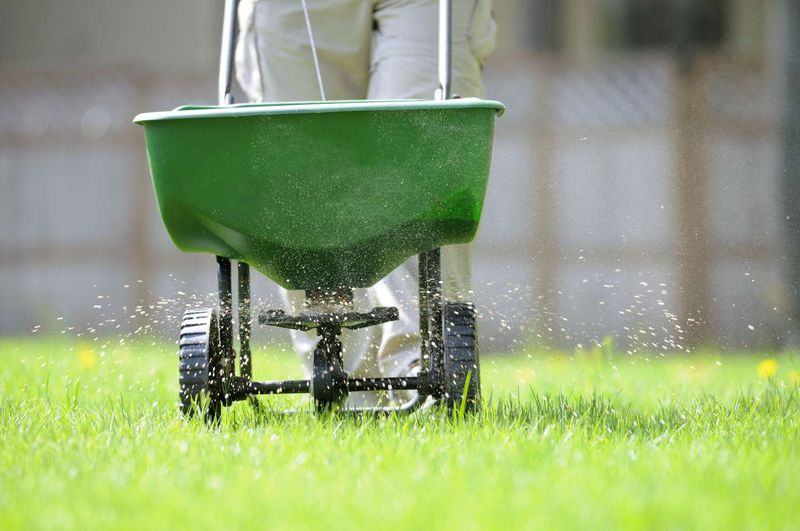
Reaching for a bag of fertilizer when plants look stressed or grass looks off is a natural instinct. Mid-July, though, is often not the right moment for heavy feeding.
Heat, saturated soil, drought stress, pest pressure, and disease issues can all make fertilizer work against the plant rather than for it.
Heavy fertilizer pushes new, tender growth. During peak summer stress, that soft new growth becomes a target for pests and is vulnerable to heat damage.
Fertilizer applied to waterlogged or drought-stressed soil may not absorb properly and can contribute to runoff into nearby waterways.
Many counties in this state have fertilizer blackout ordinances during the rainy season, particularly for nitrogen and phosphorus. Check your local county, city, or water-management district rules before applying any lawn or landscape fertilizer.
Ignoring those rules can result in fines and contributes to water quality problems.
Fertilizer is not a rescue tool for yellowing or wilting plants. Yellowing leaves during summer often point to overwatering, root problems, or pests rather than nutrient deficiency.
Follow UF/IFAS Extension guidance for your specific plant type and region before making any fertilizer decisions. When in doubt, wait for a drier, cooler stretch and get a soil test first.