These Popular Florida Plants Need Feeding In September – But These Ones Don’t
The fertilizer bag has been sitting in the garage since June. Untouched, forgotten, no reason to think about it again until spring.
September makes that feel like the safe move.
It isn’t, not for everything. Some plants are pulling in nutrients right now.
Building roots. Storing energy before growth slows down for the season.
Skip this window and they head into winter running on empty. Nobody notices until spring, when growth comes in thin or flowers barely show up at all.
Other plants want the opposite treatment. Feed them now and they push out fresh growth with no time to harden off.
That growth gets hit hard the moment the first real cold snap shows up.
Florida doesn’t treat every plant the same way this time of year. Neither should the fertilizer bag.
1. Keep Roses Fed Through Their Fall Blooming Stretch
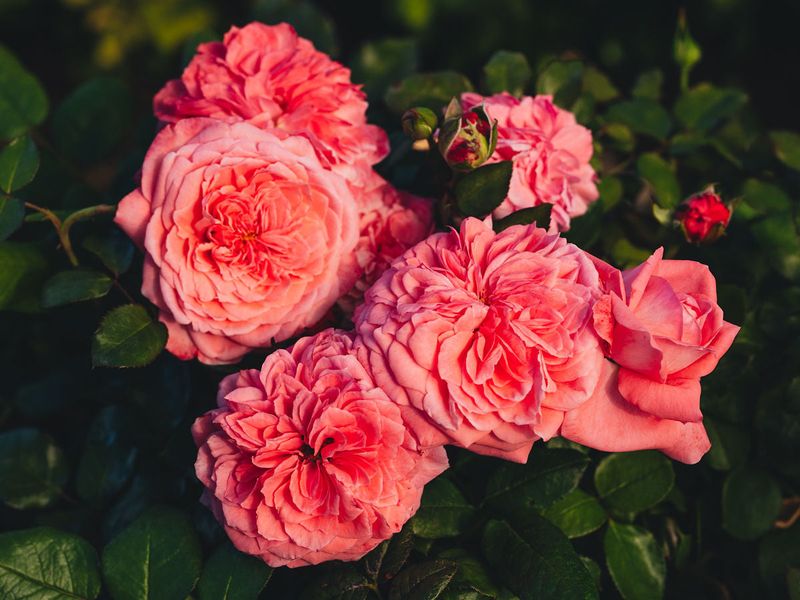
Roses in our state barely take a break, which is both wonderful and slightly exhausting for the gardener holding the watering can. Much of the state sees blooms almost year-round, and September nights that finally cool off a degree or two can wake up fresh buds.
Modern types like hybrid tea, grandiflora, floribunda, and polyantha are the hungriest of the bunch.
In North and Central Florida, roses can continue to need feeding during the active growing season, but the schedule should follow the product label and the plant’s growth rather than a fixed monthly rule.
South Florida gardeners can stay on that monthly rhythm all year long.
Late summer into early fall is a smart time for a slow-release, lower-nitrogen product. It feeds roots steadily instead of shoving out a rush of soft growth, and it sets up next season’s flower display.
Water the bed first, then fertilize. Dry roots plus fertilizer salts is a recipe for scorched feeder roots, especially in sandy soil that drains fast.
One more timing note for the northern counties: stop feeding roughly six to eight weeks before your average first frost date. Tender new shoots do not handle a cold snap gracefully.
Check your county rules too, since some fertilizer restrictions run through September 30th and may shift your schedule slightly.
2. Feed North Florida Gardenias In September And Wait Until October Farther South
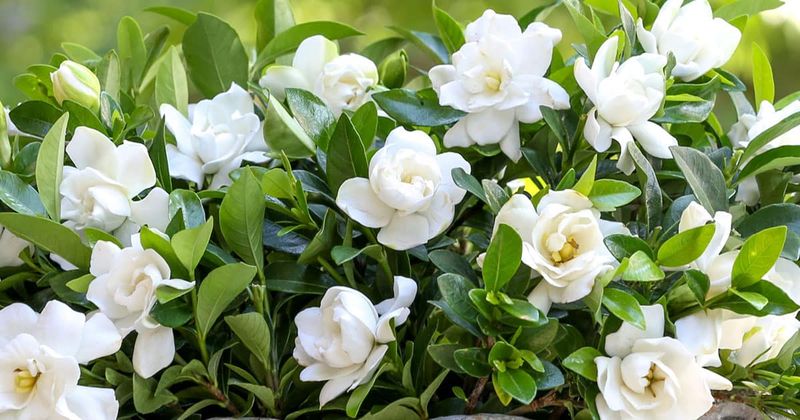
Few shrubs announce themselves like a gardenia in bloom, and few sulk quite as dramatically when they are underfed. Yellowing leaves with green veins usually mean the plant is asking for help, not for more water.
Timing depends on where you garden. North Florida gardenias appreciate a September feeding, while South Florida plants typically wait until October for theirs.
Through the growing season, roughly spring into fall, feeding every six to eight weeks works well for most shrubs. South Florida gardeners sometimes stretch applications from March through October at two to four week spacing, depending on how the plant looks.
Pick a balanced, slow-release blend such as 12-6-8 or 10-4-10, or grab a formula labeled for acid-loving plants. Gardenias benefit from adequate micronutrients, particularly iron when a true iron deficiency is present.
Your Florida Garden Changes Every Week. Your Plan Should Too.
Gardening in Florida changes quickly throughout the season. Every Friday you’ll receive a simple weekly plan showing exactly what to plant, prune, fertilize, harvest, and protect so you never miss the right timing.
Diagnose yellowing before adding supplements rather than assuming the plant needs more nutrients.
Winter feeding is the habit worth breaking. Pushing soft new growth in December leaves those tips exposed when temperatures drop.
Spread fertilizer out under the canopy rather than piling it near the trunk, then water it in gently. Sandy soil moves nutrients quickly, so slow-release products stretch your effort further and keep less of it headed toward the nearest storm drain.
3. Keep Young Citrus On Its Scheduled Growing-Season Feeding Plan
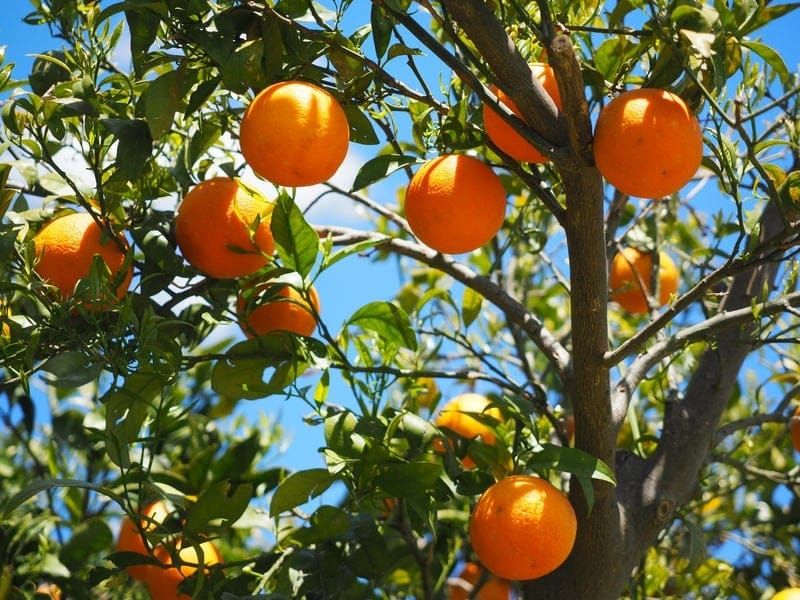
A young citrus tree is basically a teenager: growing fast, eating often, and slightly dramatic about everything. Those first few years in the ground are when frequent, light feedings pay off the most.
North Florida citrus generally gets fertilizer somewhere in the February through September window. Newly planted trees do well with a feeding about two weeks after planting, then roughly every six weeks inside that window for two to three years.
Southwest growers often simplify things to three feedings a year: spring, summer, and early fall. Container citrus prefers lighter meals every four to six weeks during the active growing season.
September sits right at the edge of the schedule, so lean toward a light hand rather than a heavy one. The goal is finishing the season strong, not launching a big new flush.
From October through mid-February, hold off. Tender growth pushed in late fall has a rough time if a cold front sweeps down the peninsula.
Spread granules evenly beneath the canopy edge, keep them off the trunk, and water afterward.
Also check whether your county’s restriction period ends September 30th, because that date may decide whether this month’s feeding happens now or in early October.
4. Give Pindo Palms Their Scheduled Fall Palm Fertilizer
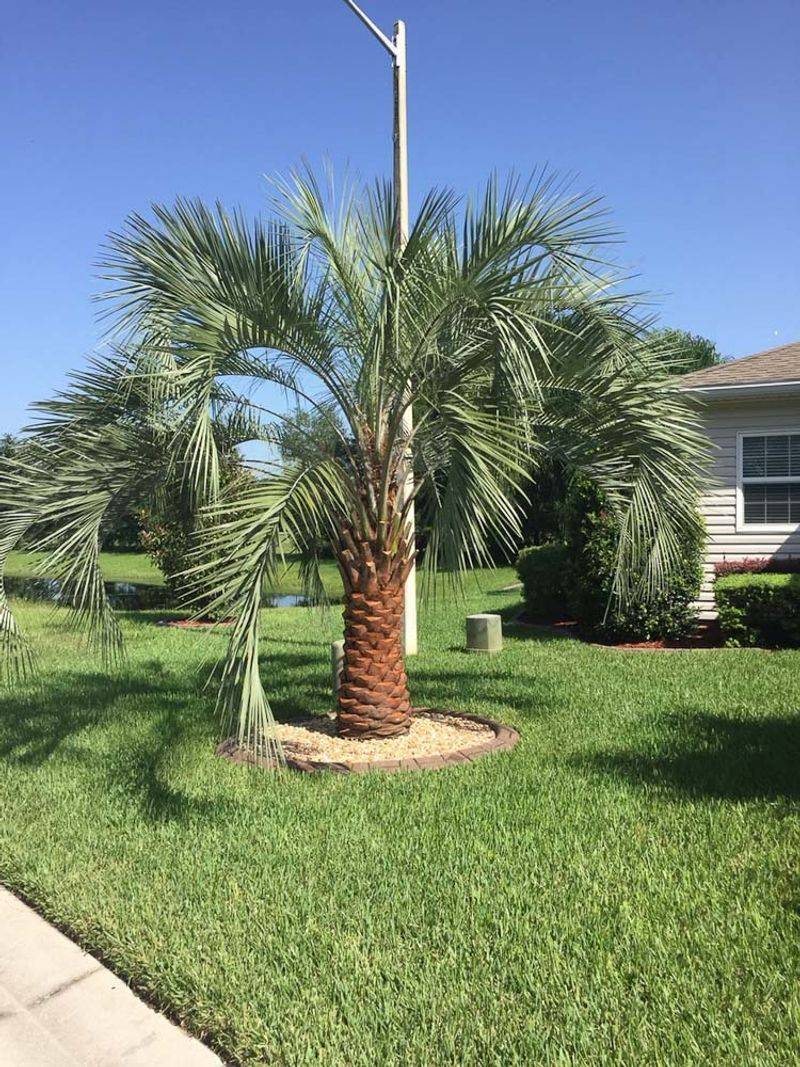
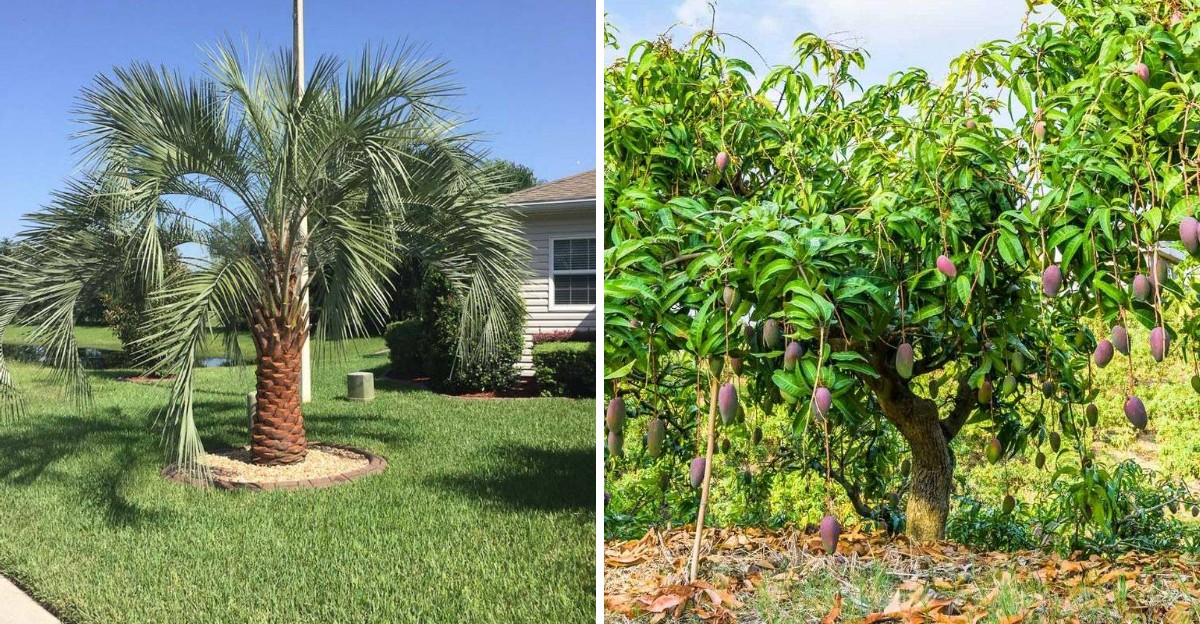
With those silvery-blue arching fronds and clusters of golden fruit, the pindo palm earns its nickname as the jelly palm. It also happens to be one of the palms that genuinely appreciates a regular feeding routine.
Three seasonal applications work well: spring, summer, and autumn. Some growers stretch that to four or more lighter applications across the year using a granular palm product.
Look for a fertilizer formulated specifically for palms and containing the micronutrients they need, rather than choosing a formula based only on its N-P-K numbers.
Palm-specific formulas usually include the micronutrients that prevent the frizzled, spotted fronds palms get when magnesium or manganese runs short.
Warm soil is the key ingredient here. Roots take up nutrients best while temperatures stay high, which makes early fall in Florida a reasonable moment for that autumn round.
Broadcast the granules evenly across the root zone, extending well past the trunk, and water them in. Piling fertilizer against the trunk does nothing helpful.
Continuous-release products are worth the extra cost in sandy soil, since regular downpours can wash quick-release nutrients past the roots.
If your county restriction runs through September 30th, simply shift the autumn feeding to early October and your palm will not mind the short wait.
5. Save Muhly Grass Fertilizer For Its Spring Growth Spurt
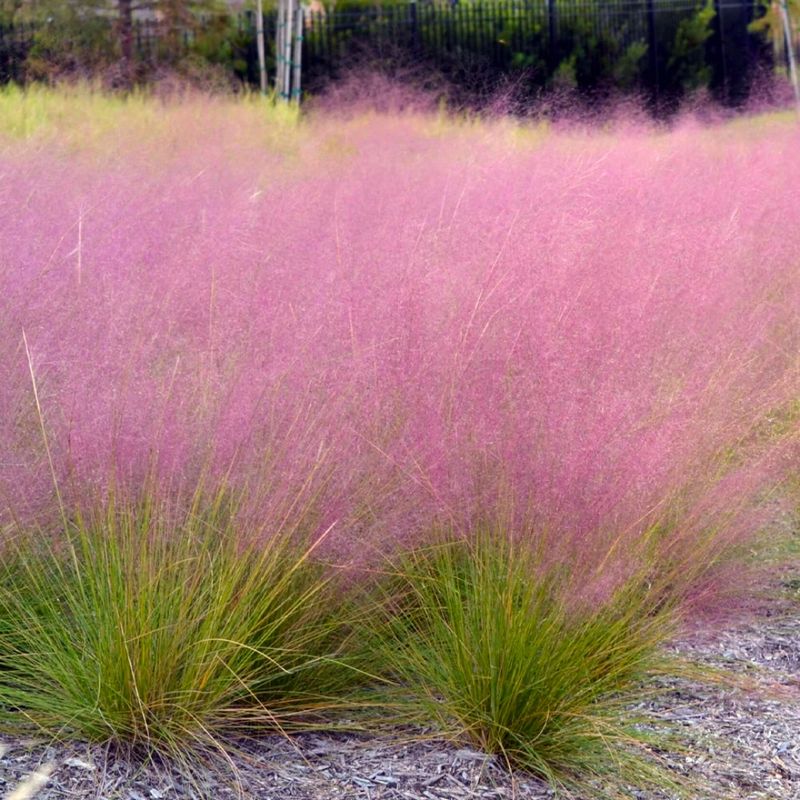
Pink muhly grass puts on its famous cotton-candy cloud show in fall, and gardeners often assume a September feeding will make it even better. That assumption tends to backfire.
Muhly is a light feeder that does fine in ordinary, unimproved soil. In many Florida yards, it wants nothing more than sun and decent drainage.
Extra nitrogen makes the clumps stretch tall and floppy, splaying open in the middle like a bad haircut. Worse, all that leafy energy often comes at the expense of those rosy plumes.
If you decide a boost is warranted, the right moment is early spring as the clump breaks dormancy. One light application of a balanced fertilizer is plenty, and some gardeners add a second small dose in mid-summer for stronger flowering.
Skip feeding entirely during winter dormancy or in shady, low-light spots. The plant simply cannot use it, and the leftovers wash away with the next rain.
As autumn arrives, taper off and stop. Let the grass firm up naturally.
Instead of fertilizer this month, give it room to breathe by pulling weeds around the base. Come February or March, cut old clumps back to a few inches and let the spring flush do the work.
6. Let Native Sabal Palms Skip Routine September Feeding
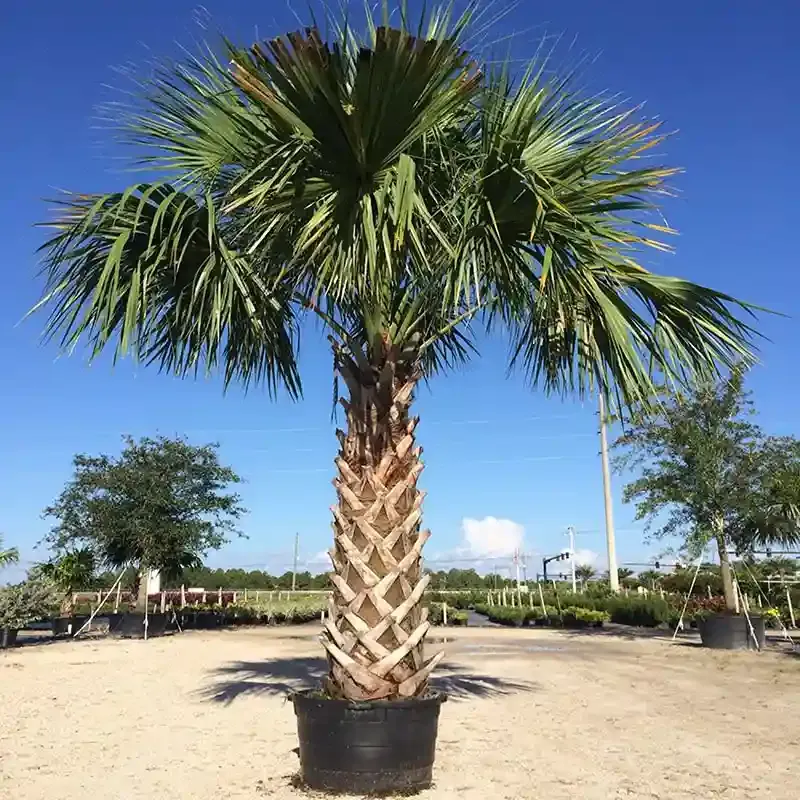
Florida’s state tree has been thriving here since long before anyone invented a fertilizer spreader. Sabal palmetto handles sandy soil, hurricanes, salt spray, and drought with a shrug.
That toughness is exactly why routine September feeding rarely earns its keep. A well-established sabal usually needs less supplemental fertilizer than a young or nutrient-deficient palm, so routine September feeding isn’t automatically necessary.
There is a practical reason to wait, too. Many counties restrict nitrogen and phosphorus fertilizers from June 1st through September 30th to keep nutrients out of lakes, rivers, and springs during the heavy rain season.
UF/IFAS guidance points most annual tree feeding toward the October through May window anyway. So pausing now lines up with both the rules and the science.
If a sabal shows genuine nutrient deficiency, such as widespread frizzled or discolored fronds, an 8-2-12 slow-release palm product applied after the restriction period ends is the usual approach. Diagnose first rather than guessing.
In the meantime, the best care is simple. Keep a wide mulch ring, avoid nicking the trunk with string trimmers, and leave green fronds attached instead of over-pruning them.
Fun bit of trivia: the fibrous boots on young trunks helped these palms survive fires for centuries.
7. Go Easy On Bougainvillea Fertilizer To Protect The Flower Show
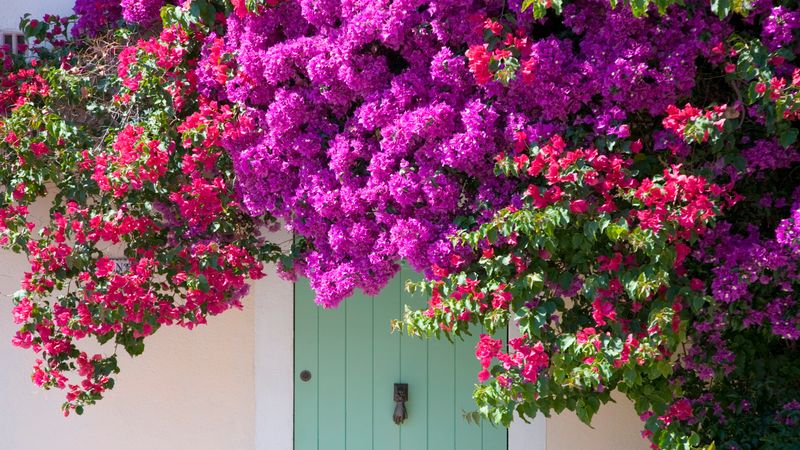
Bougainvillea is the plant equivalent of a performer who does better with a little tension backstage. Treat it too kindly and you get a wall of green leaves with almost no color.
Nitrogen is the usual culprit. Generous nitrogen encourages leafy, rangy growth and pushes flowering to the back burner.
Lower-nitrogen options work better, including balanced blends like 6-6-6 or 8-8-8, or bloom-focused formulas such as 2-10-10. High-potassium, low-nitrogen products are frequently recommended for heavier bract production.
During spring and summer, feeding every four to six weeks suits most plants. South Florida gardeners often settle on three or four rounds a year, ideally before the heaviest summer rains arrive.
By late summer, start tapering. Growth needs time to firm up before cooler weather, and a heavy late-season application usually dulls the next bloom cycle.
A light early fall feeding can support overall vigor, but restraint beats enthusiasm here. Once cool weather settles in, stop until new growth appears in spring.
Remember that the June 1st through September 30th restriction in many counties limits traditional NPK products this month.
Honestly, that pause often helps, since a slightly stressed bougainvillea tends to reward you with more of those papery bracts everyone photographs.
8. Ease Up On Nitrogen For Mature Mango Trees
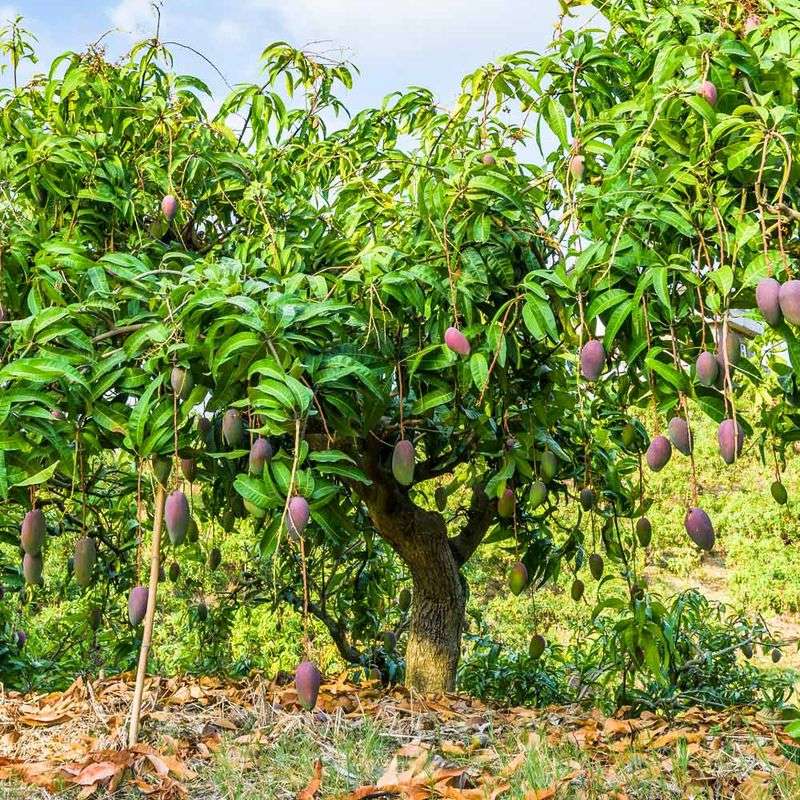
A mature mango tree that is already setting fruit does not need a pep talk from the fertilizer bag. Feeding it like a young sapling usually creates more work, not more mangoes.
Heavy nitrogen encourages long, leafy shoots that make the canopy harder to manage and prune. Those leaves also compete with flowering and fruit set, which is the opposite of what anyone wants.
For bearing trees, the balance shifts toward potassium. Recommendations point to potash around 9 to 15 percent while dropping available phosphoric acid to roughly 2 to 4 percent.
Mixes such as 6-6-6-2, 6-3-16, and 0-0-22 fit that goal. Potassium sulfate with no nitrogen, often sold as 0-0-50, helps replenish producing trees without pushing new shoots.
Micronutrients matter too. Magnesium, manganese, zinc, iron, and boron all support healthy fruit development in sandy ground.
Stick to the active growth period, generally April through September in South Florida, and stop feeding during winter. Applications after mid-summer are discouraged, even when harvest stretches later.
One overlooked detail: heavy lawn fertilizing right under the canopy can reduce fruiting and quality. If your grass program runs close to the tree, pull it back a few feet and let the mango set its own pace.
9. Skip Automatic September Feeding For Established Live Oaks
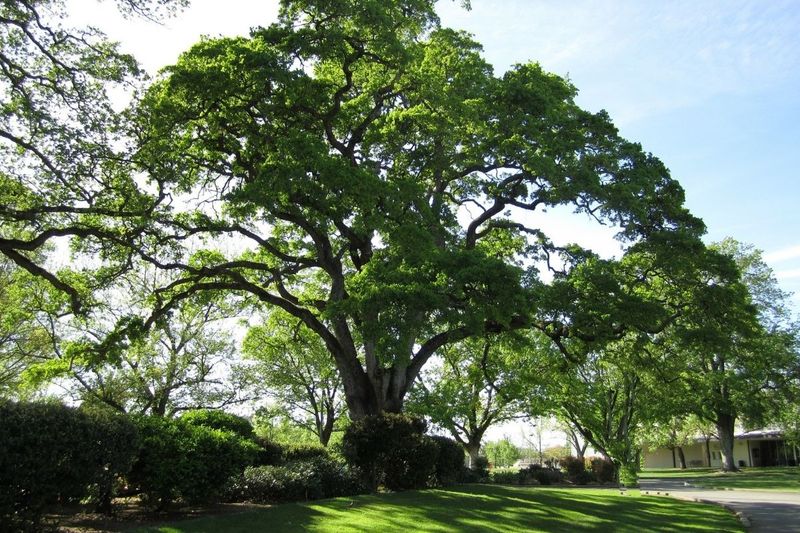
Picture a sprawling live oak draped in Spanish moss, shading half a front yard. A tree that size has a root system reaching far beyond the drip line, quietly gathering what it needs.
Automatic September feeding rarely helps an established specimen. UF/IFAS guidance places most annual tree fertilizing between October and May for good reason.
Feeding from July through September is generally discouraged unless a tree shows real deficiency stress. Growth pushed this late may not harden off before winter, which can leave tender tips damaged when temperatures dip.
There is also the practical matter of county rules. The June 1st through September 30th restriction in many areas rules out standard NPK applications this month anyway.
When an established oak actually needs supplemental nutrients, base the timing and fertilizer choice on the tree’s condition and a soil or nutrient assessment rather than applying a standard formula automatically.
Young nursery trees follow a different, heavier schedule that does not translate to a mature landscape oak.
Better uses of your September energy: refresh mulch out toward the drip line, keep mowers and trimmers away from surface roots, and watch for girdling roots near the base.
Healthy soil and uncompacted ground do more for a big oak than any bag of granules ever will.