Don’t Make This October Mistake With Georgia Hydrangeas Before Winter
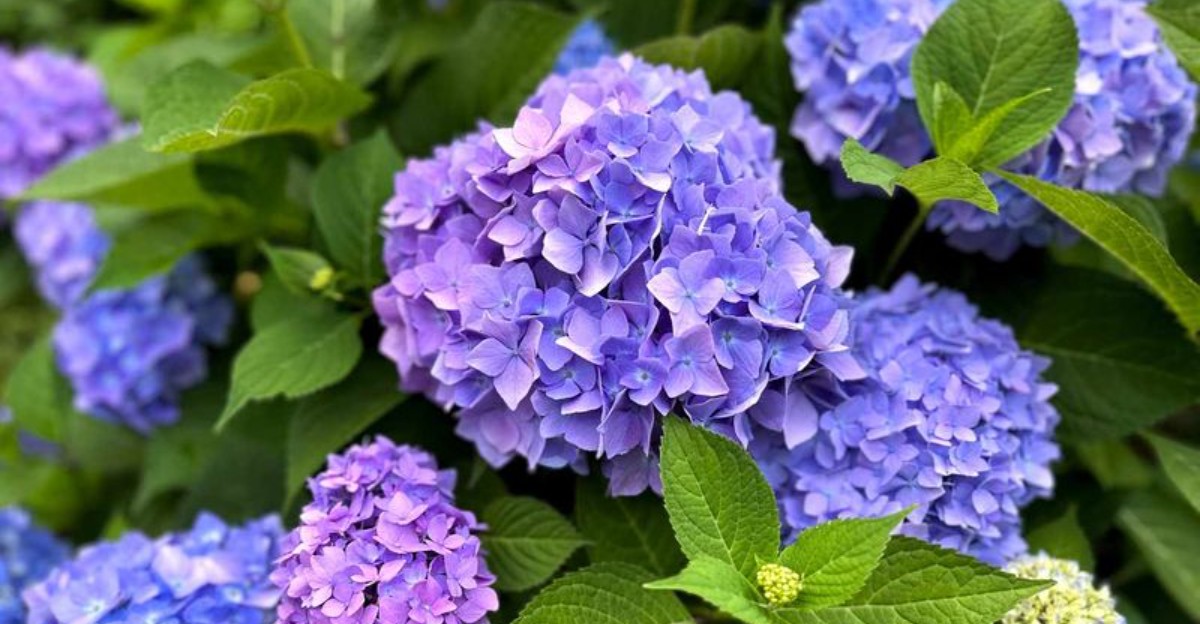
Dried, papery hydrangea blooms hanging on into October can make the whole shrub look tired. It is easy to assume the plant is finished for the year and ready for a fall cleanup.
Bigleaf hydrangeas are far from finished, though. Many of them have already formed the buds that will open into next summer’s flowers.
Buds at this stage are easy to overlook because they sit quietly along the stems, often near the tips.
What you do to the shrub this month can decide whether those buds survive to bloom next year.
Plenty of hydrangeas in Georgia end up with lush leaves and almost no flowers because of a single well-meant fall habit.
Hold off on any big changes until you know which type of hydrangea you are actually growing.
1. A Well-Meant Boost In Fall Can Leave Stems Unready For Cold
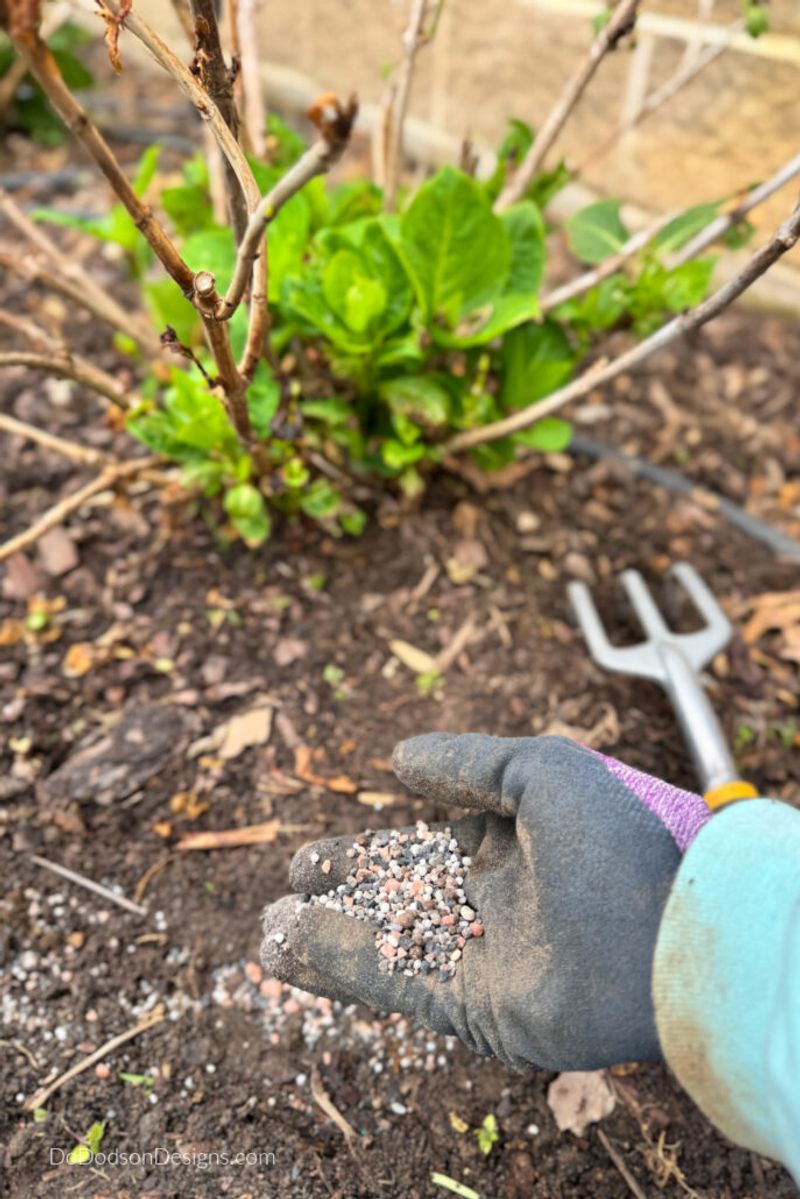
Fertilizer in October is the mistake that catches kind gardeners off guard. You see a tired hydrangea, and feeding it feels like the caring thing to do.
Here is the problem in plain terms. Nitrogen tells a plant to grow, and fall is when a hydrangea should be slowing down instead.
When a shrub gets a late dose, it may push out fresh leaves and soft shoots.
That new growth has very little time to toughen before cold weather shows up. In Georgia, first frost can arrive anywhere from October in the mountains to late November near the coast.
Extension guidance generally suggests feeding hydrangeas in spring and early summer, then stopping by late summer.
Slow-release products count too, since they keep releasing nutrients for weeks. If you already scattered some granules last week, there is no need to panic or dig them out.
Simply hold off on any more feeding and let the plant settle on its own schedule.
A soil test through your county Extension office is a better guide for next year. It shows what your beds actually need, so you are not adding nutrients by guesswork.
Healthy hydrangeas often do fine with modest feeding, especially in soil enriched with compost.
2. Tender Late Growth Is Easily Damaged By An Early Freeze
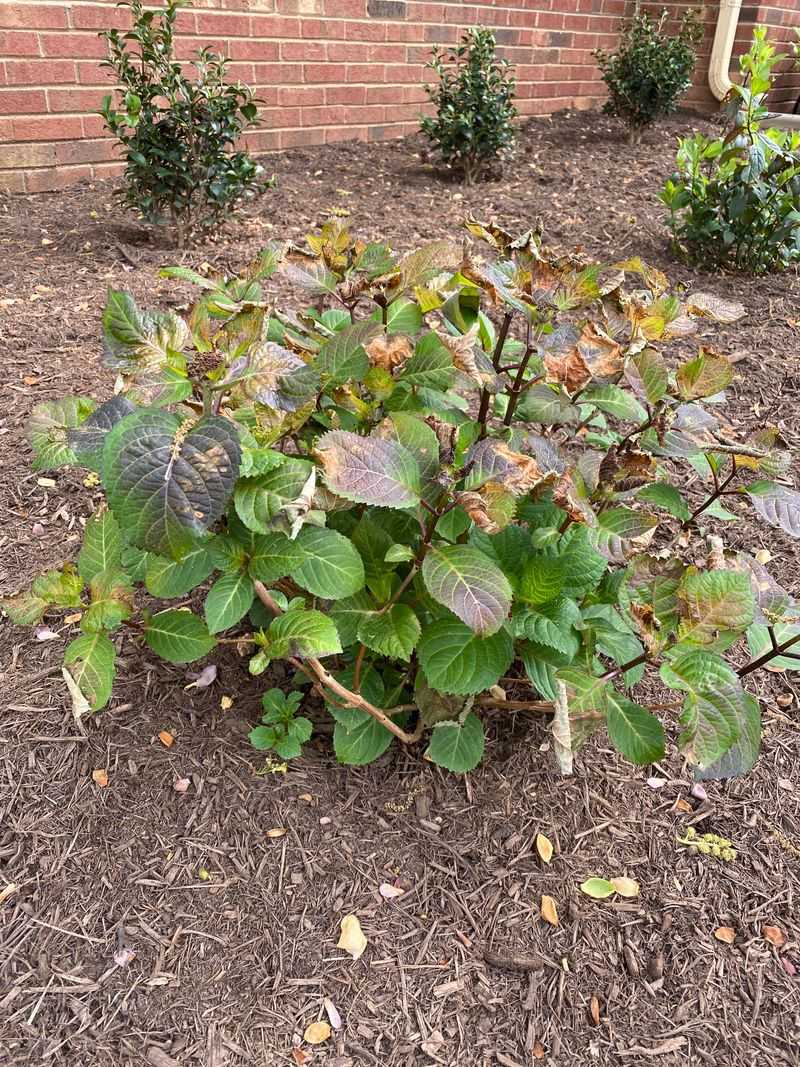
Soft green shoots look healthy, but they are often the weakest part of the plant in late fall. Their cells hold more water and have not built up the toughness older wood has.
An early freeze can turn those shoots limp, brown, or black within a day or two.
Sometimes the damage stays on the tips and leaves. Other times it reaches farther down a stem, depending on how cold it gets and how long the chill lasts.
Bigleaf hydrangeas deserve the most attention here.
Most older bigleaf types set next year’s flower buds on stems that grew this year. If those stems are hurt, the summer show may be thinner, although reblooming types can still flower on new spring growth.
North Georgia gardens usually face this risk sooner than gardens around Savannah or Valdosta.
So what can you do once tender growth is already there? Light frost cloth or an old bedsheet over the shrub on a cold night can help, as long as you remove it when temperatures rise.
Your Georgia Garden Changes Every Week. Your Plan Should Too.
Gardening in Georgia changes quickly throughout the season. Every Friday you’ll receive a simple weekly plan showing exactly what to plant, prune, fertilize, harvest, and protect so you never miss the right timing.
Skip plastic sheeting touching the leaves, since it may offer little protection and can trap heat on sunny days.
Resist trimming off frosted tips right away. They may give a little cover to the buds below until spring.
3. Stems Need Time To Harden As Days Shorten
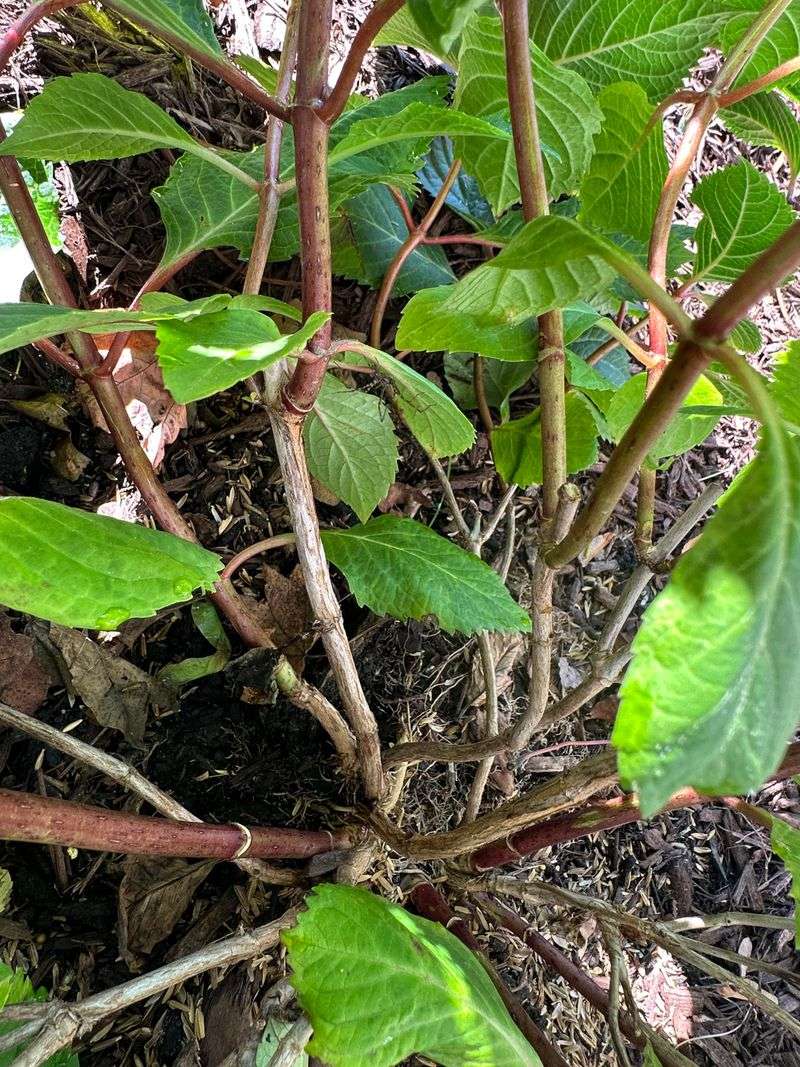
Shorter days do more than change the light in your yard. Hydrangeas notice that shift, along with cooler nights, and begin preparing for dormancy.
Gardeners call this process hardening off, and it happens gradually over several weeks.
Green stems slowly turn woody and tan. Inside, the plant adjusts its tissues so they can handle colder temperatures with less harm.
Your job during this stretch is mostly to stay out of the way.
Heavy pruning in fall is one common way to interrupt things. Bigleaf and oakleaf hydrangeas typically set flower buds by late summer, so cutting them back now can remove next year’s blooms.
Panicle and smooth hydrangeas bloom on new wood, which gives you more freedom with them.
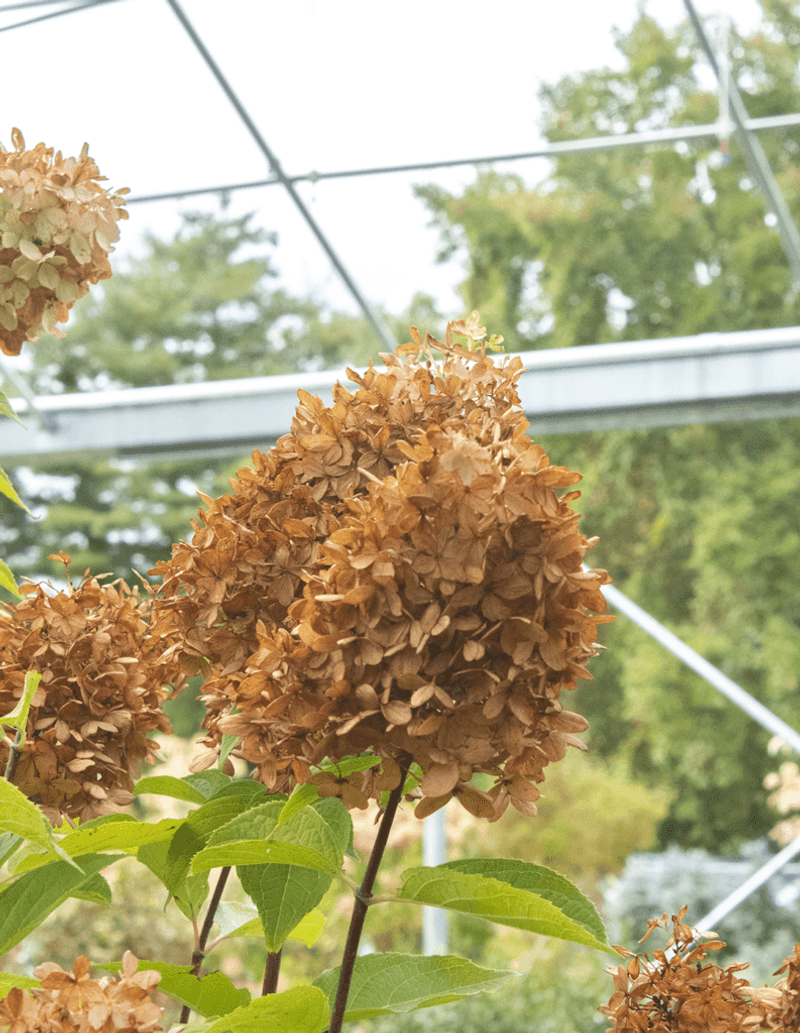
Even with those types, many Extension specialists suggest waiting until late winter to prune. Old stems and dried flower heads can stay up through the cold months and add some winter interest.
Not sure which hydrangea you have?
Big rounded blue or pink blooms usually point to bigleaf, while lobed leaves suggest oakleaf, a native shrub found in parts of Georgia. Cone-shaped white flowers often mean a panicle type.
Knowing the type helps you avoid an accidental haircut that costs you flowers.
4. A Deep Soak During Dry Fall Spells Prepares Roots For Winter
Fall droughts sneak up on people. Cooler air makes it feel like plants need less, yet October can be one of the drier months across much of Georgia in some years.
Hydrangeas have shallow, thirsty roots, and they show stress quickly when soil dries out.
A plant that goes into winter dry may have a harder time handling cold, windy days. Evergreens get most of this attention, but deciduous shrubs can also benefit from moist soil before dormancy.
Check the soil before reaching for the hose.
Push a finger a couple of inches into the ground near the base. If it feels dry, water slowly and deeply so moisture reaches the root zone rather than just wetting the surface.
A soaker hose or a slow trickle from a regular hose works well for this.
Morning is usually the best time to water. Leaves dry faster, and the soil holds moisture through the day.
After a good rain, you can usually skip watering for a while.
Clay soils, common in the Piedmont, hold water longer and can stay soggy. Sandy soils farther south drain fast and may need checking more often.
Avoid keeping the ground constantly wet, since roots also need air to stay healthy.
5. A Few Inches Of Mulch Insulates The Root Zone
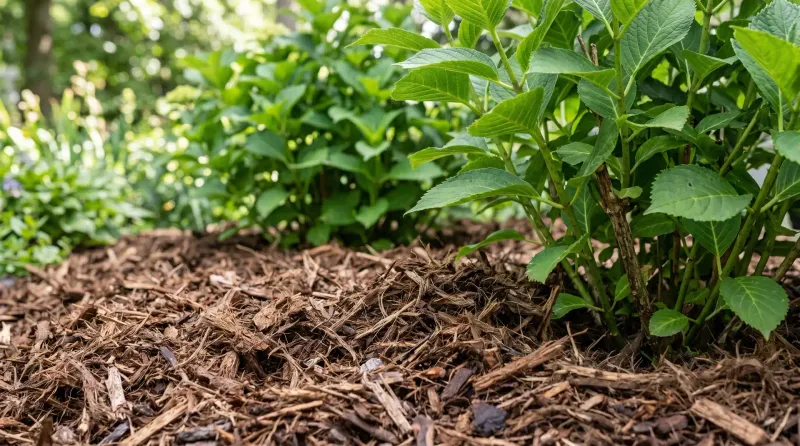
Mulch works a lot like a light blanket for the soil. It cannot stop cold air from reaching the branches, but it does soften temperature swings underground.
Roots tend to stay steadier and more protected under a layer of organic material.
Pine straw is easy to find in Georgia and spreads quickly. Shredded hardwood bark and chopped leaves also work well, and fallen leaves from your own yard cost nothing.
Aim for about two to three inches, which is a common Extension recommendation for shrub beds.
Keep the mulch pulled back a few inches from the main stems. Piling it against the bark can hold too much moisture there and may invite rot or pests.
Spread it wide enough to cover the area under the branches if you can.
Already have old mulch in place? Fluff it with a rake and top it off rather than stacking a thick new layer on top.
Too much depth can make it harder for water and air to reach the roots.
Mulch also helps hold in the moisture from your fall watering.
Over time, organic mulch breaks down and adds a little richness to the soil. That slow benefit is one more reason to make it part of your yearly routine.
6. Warm Spells Followed By Hard Freezes Can Injure Swelling Buds
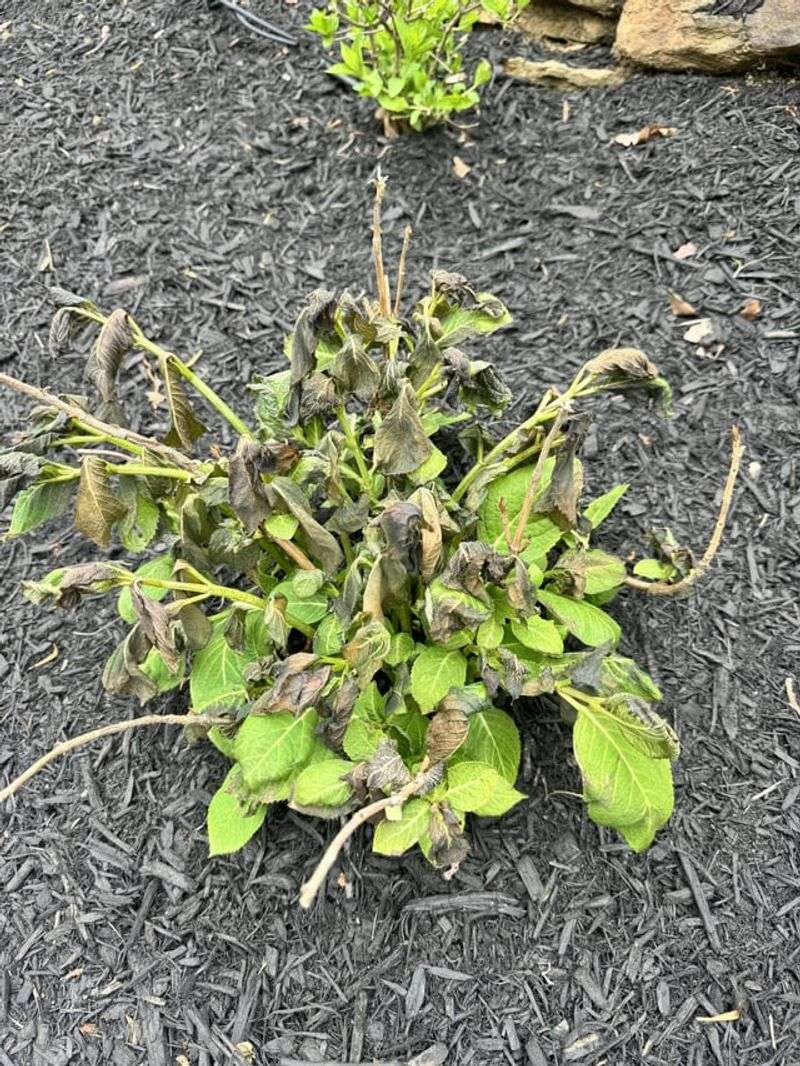
Southern winters rarely stay cold for long, and that up-and-down pattern can be tougher on hydrangeas than steady chill. A string of warm days may convince buds that spring has arrived.
Once buds start to swell and open, they lose much of their cold tolerance.
A sudden hard freeze after that warm stretch can brown the buds or the young leaves. Bigleaf hydrangeas are often the most affected, since their flower buds sit near the stem tips.
You cannot control the weather, and some years just bring rough timing.
Still, watching the forecast helps. When buds are swelling and a hard freeze is predicted, draping frost cloth over smaller shrubs overnight may reduce the damage.
Remove the cover the next day once it warms up.
Placement also matters over the long run. Shrubs near a south-facing wall may wake up earlier, while spots with some morning shade can warm more slowly after a cold night.
Gardeners in north Georgia and the mountains tend to see these swings more often in late winter and early spring.
If you are planting new hydrangeas, reblooming bigleaf types or panicle hydrangeas can be more forgiving. They may still flower even when early buds take a hit.
7. New Spring Growth Makes Winter Damage Easier To Spot
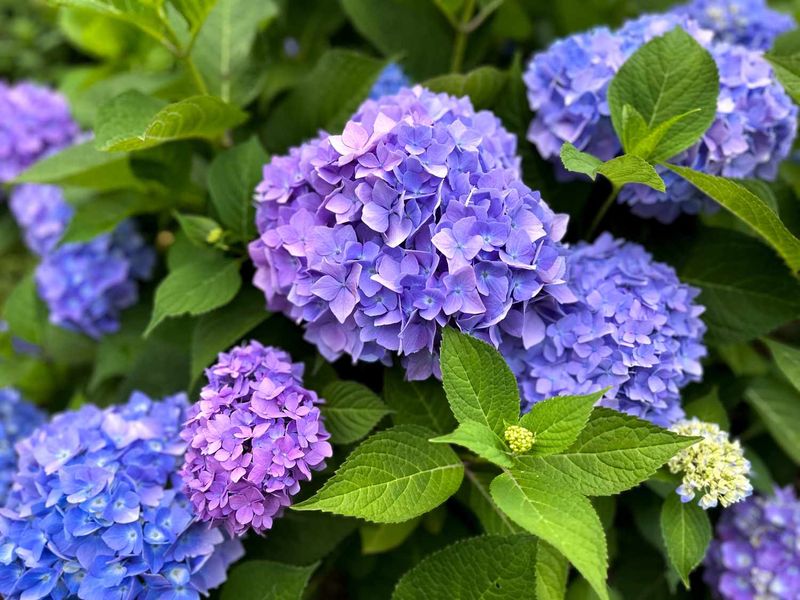
Patience pays off when winter ends. Bare hydrangea stems can look rough in February, yet many of them are still alive and ready to leaf out.
Waiting until new leaves appear is usually the clearest way to tell what made it through.
Once buds break, look along each stem. Green growth shows you healthy wood, while stems with no buds swelling well into spring may have been hurt by the cold.
Try a quick scratch test if you are unsure about a stem.
Gently scrape a tiny bit of bark with your thumbnail. Green underneath is a good sign, while brown and dry tissue suggests that section did not survive.
Trim back damaged tips to just above a healthy bud or set of leaves.
Bigleaf hydrangeas sometimes lose their top buds yet push strong shoots from lower down. Those plants may bloom less that year, but they often recover with time and good care.
Timing differs across Georgia, so spring checks may happen weeks apart in Macon and Blue Ridge.
Remember that leaf-out also depends on the variety and the season. If a plant looks slow, give it a few extra weeks before deciding a stem is lost and cutting it away.