How To Stop Roof Rats From Using Your Florida Palms To Reach The Attic
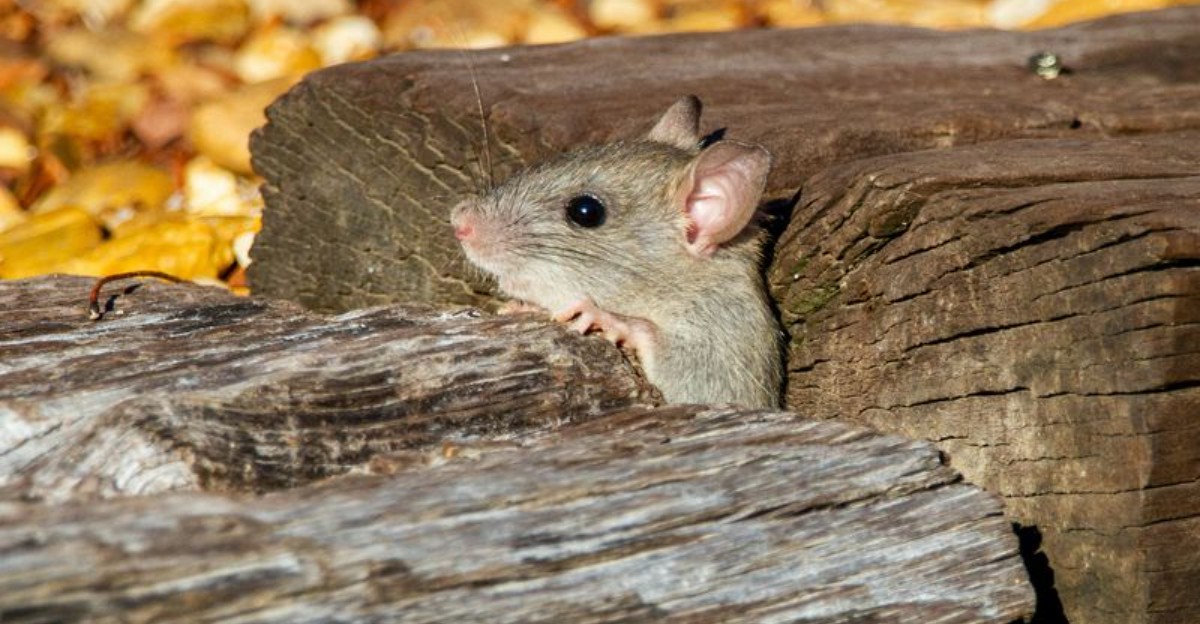
Your palm tree is a ladder, and the rats nesting overhead have been climbing it for months.
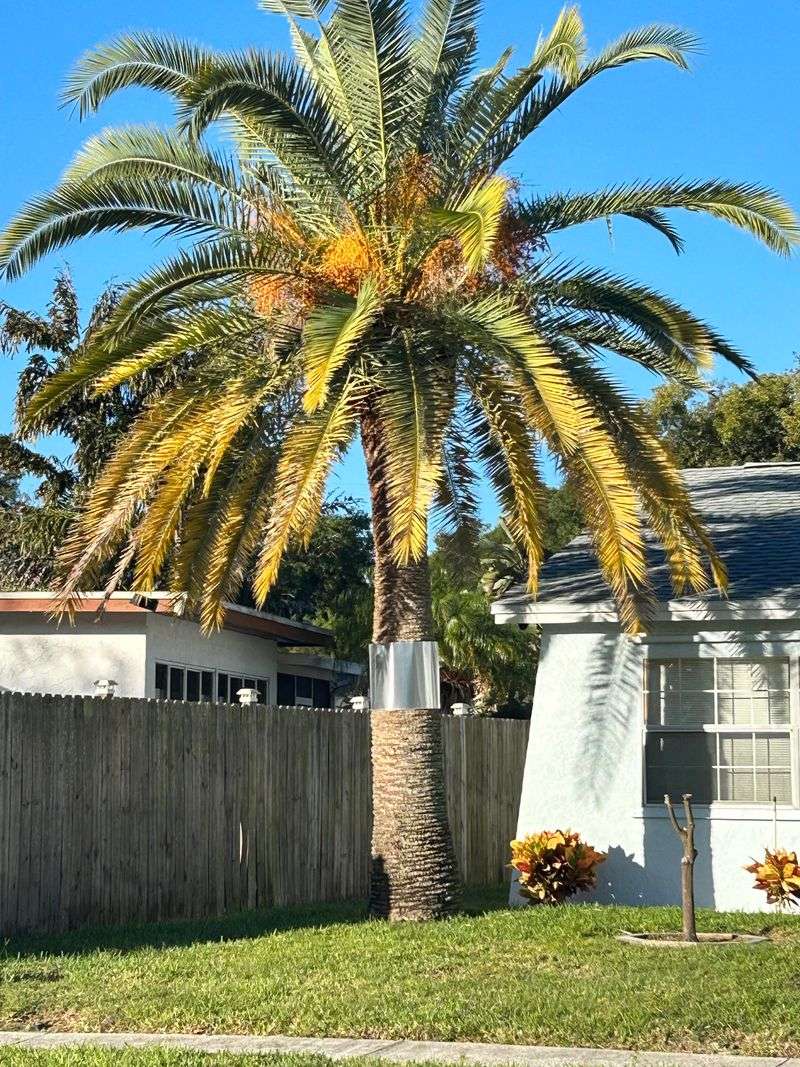
Roof rats treat Florida palms like private elevators. Fronds brush the roofline, trunks give easy grip, and the crown hides a nest from every eye in the neighborhood.
You hear the scratching at night and blame the wind.
Trapping one rat feels like progress. Two more show up next week, because the route stays open.
Real control starts with the road they travel, not the animal itself.
A few small changes to your yard can shut that road down. None of them needs a pest crew or a big budget.
Walk your property at dusk and trace the path from the palm to the roofline. The weak spot usually jumps out in minutes.
1. Roof Rats Are Florida’s Most Common Rat

Ask any pest pro which rat shows up most, and you will likely hear the same answer. Roof rats lead the pack across the Sunshine State.
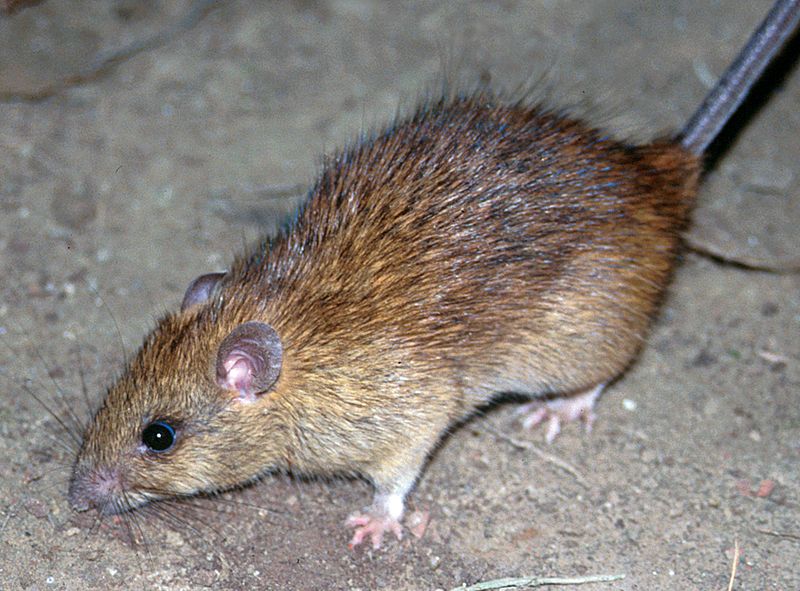
Folks call them by several nicknames, including black rats, fruit rats, and palm rats. That last name tells you a lot about where they like to hang out.
Florida gives these critters nearly everything they want. Warm weather, steady rain, thick plants, and plenty of fruit keep them comfortable all year.
Unlike Norway rats, which tend to burrow near the ground, roof rats prefer high places. They nest in trees, thick vines, and yes, cozy attics with soft insulation.
Knowing which rat you face helps you choose the right plan. Ground traps and burrow fixes may miss a pest that spends most of its time up high.
Watch for small clues around your home. Greasy rub marks along beams, pointed droppings, and chewed fruit on your trees can all point to these climbers.
Nighttime scratching overhead is another strong hint. Roof rats are most active after dark, so listen closely when the house gets quiet.
Here is a quirky bit of history for you. Roof rats likely reached the Americas centuries ago by riding aboard sailing ships.
These skilled stowaways have been climbing ropes, masts, and branches ever since, so your palms are just their newest rigging.
2. They’re Built To Live Up In The Trees

Picture a tiny acrobat with a built-in balance pole. That is pretty much a roof rat in a nutshell.
These rats have slim, light bodies that usually measure about 6 to 8 inches long. Their tails stretch even longer than their bodies, which helps them stay steady on thin branches.
Large ears and pointed noses help them sense danger and sniff out food while perched high. Their sharp little claws grip bark, wires, and stucco with surprising ease.
All of these traits add up to one clear message. Roof rats feel right at home off the ground, and they would rather travel above you than below you.
Palms are especially welcoming to them. The rough trunks are easy to climb, and the thick fronds and seed clusters offer shade, shelter, and snacks.
Your Florida Garden Changes Every Week. Your Plan Should Too.
Gardening in Florida changes quickly throughout the season. Every Friday you’ll receive a simple weekly plan showing exactly what to plant, prune, fertilize, harvest, and protect so you never miss the right timing.
A full palm skirt, made of older fronds hanging down, can work like an apartment building. Rats can tuck into those layers and stay hidden from owls and hawks.
So when you look at your yard, try thinking like a climber. Ask yourself which trees, vines, and wires would make a fun jungle gym for a tiny gymnast.
That shift in thinking makes the rest of your prevention plan much easier. You start spotting the routes before the rats do.
3. Branches Work Like Bridges To Your Roof
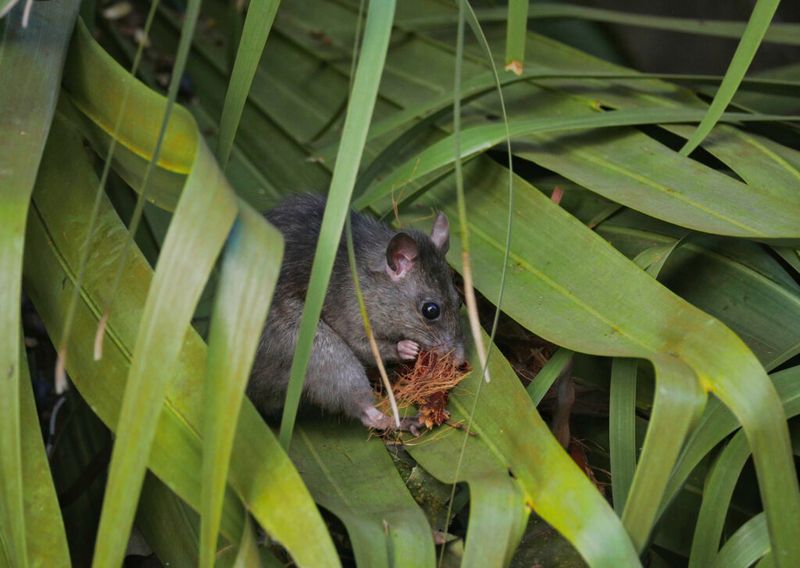
Imagine building a free bridge straight to your attic and then wondering why visitors keep showing up. Overhanging branches do exactly that for roof rats.
A rat can scurry up a palm trunk, run along a frond, and hop onto your shingles in seconds. From there, it searches for any weak spot that leads inside.
Palm fronds are a common culprit in Florida neighborhoods. They grow long, droop low, and often brush right against gutters and eaves.
Oaks, ficus, and fruit trees can create the same problem. Any limb that reaches over or touches your roof gives rats an easy path.
Take a slow walk around your house and look up. Note every spot where leaves or branches touch the roof, gutters, or walls.
Snap a few phone photos as you go. Pictures make it easier to plan trimming and to explain the job if you hire a tree service.
Also check spots that seem small, like a single frond tip resting on a corner. Rats only need a narrow path to make the trip.
Breaking these bridges is one of the most helpful steps you can take. Once the shortcuts are gone, your roof becomes far less tempting to explore.
4. Trim Back Anything Touching Your Roofline
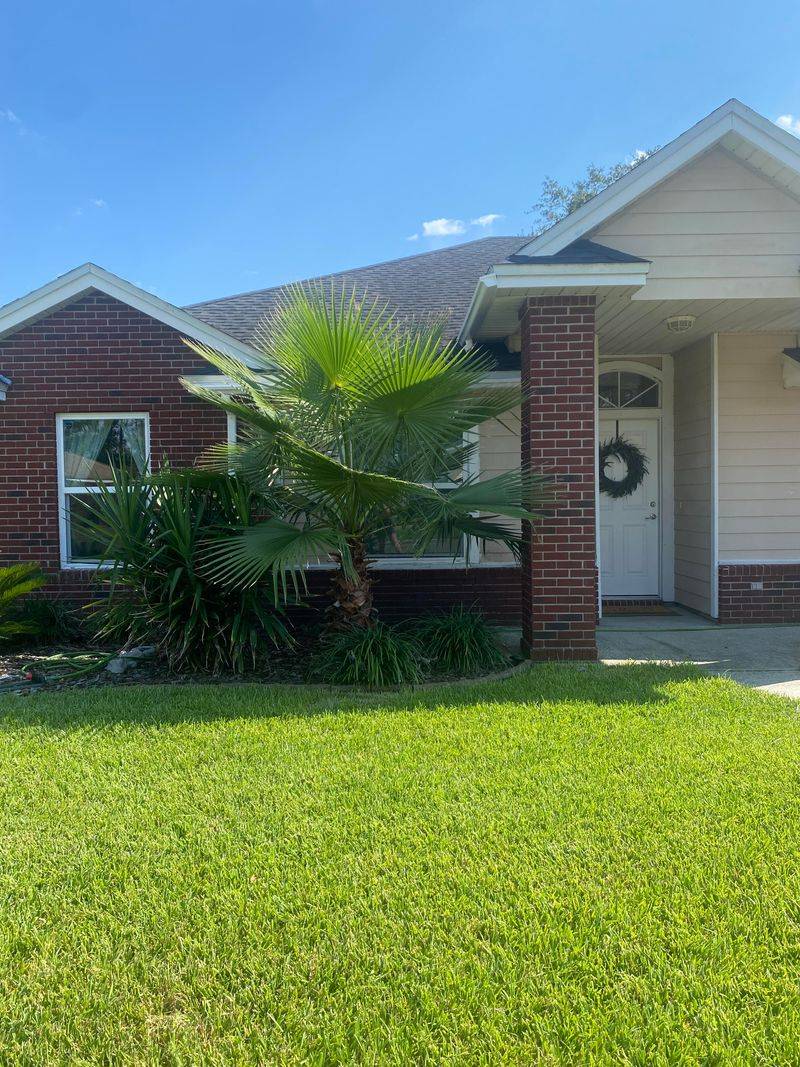
Grab the pole saw, because this is where the real magic happens. Trimming is one of the simplest ways to keep roof rats off your house.
Experts suggest keeping branches at least 3 to 6 feet away from your roof and walls. That gap is wide enough to discourage most leaps from tree to shingle.
Palms need special attention. Remove the older, drooping lower fronds, sometimes called the skirt, so rats lose both a hiding spot and a ladder.
Be careful not to over-trim, though. Cutting too many green fronds can weaken a palm, so leave the healthy upper crown in place.
Climbing vines on walls and fences deserve a look too. Ivy and creeping fig can work like a leafy rope ladder up to your eaves.
For tall trees or anything near power lines, call a licensed tree service. Safety matters more than saving a few dollars, and pros have the right gear.
Put trimming on your calendar a few times a year. Florida plants grow fast, and a gap you made in spring can close by late summer.
A quick check after big storms is smart as well. Wind can shift branches and create brand-new bridges overnight.
5. Don’t Forget Utility Lines And Fence Tops
Here is a sneaky route many homeowners overlook. Roof rats happily tightrope walk across cables and wires like circus stars.
Power, cable, and phone lines often run from poles or trees right to your house. To a rat, that wire is a highway with a door at the end.
Fence tops work the same way. A rat can run along the boards, jump to a shrub, and then climb up to the roof.
Start by checking where each line enters your home. Gaps around these openings are common, and sealing them with sturdy materials makes a big difference.
Rodent guards made for utility wires can also help. These are rolling or spinning tubes that make it hard for rats to keep their footing.
Do not handle electrical lines yourself. Call your utility company or a licensed pro for any work near power cables to stay safe.
For fences, look at what sits close by. Trim plants that connect fence tops to your roof, and move stored items that act like steps.
Think of it like a connect-the-dots puzzle. Every time you remove a dot, the path to your attic gets harder to finish.
6. Keep Low Branches Off The Ground
Sure, roof rats love heights, but every climb starts somewhere. Low, thick plants near your home give them a safe launch pad.
Shrubs that sweep the ground create dark tunnels where rats can move without being seen. Owls, cats, and hawks have a harder time spotting them there.
Try lifting the skirts on bushes by pruning lower branches. Leaving a few inches of open space underneath lets light in and takes away cover.
Dense groundcover hugging the foundation can also be a problem. Thin it out so there is a clear strip between plants and your walls.
Woodpiles, stacked lumber, and old pots make cozy nesting spots as well. Store firewood on a rack, off the ground, and well away from the house.
Clutter like unused toys, tarps, and boxes adds even more hiding places. A quick weekend cleanup can remove a surprising amount of shelter.
A tidy yard is not about looking fancy for the neighbors. It simply makes rats feel exposed and less likely to stick around.
Bonus perk: open, airy shrubs often stay healthier too. Better airflow can mean fewer fungus problems, so your plants and your peace of mind both win.
7. Seal Any Gap Bigger Than A Half Inch
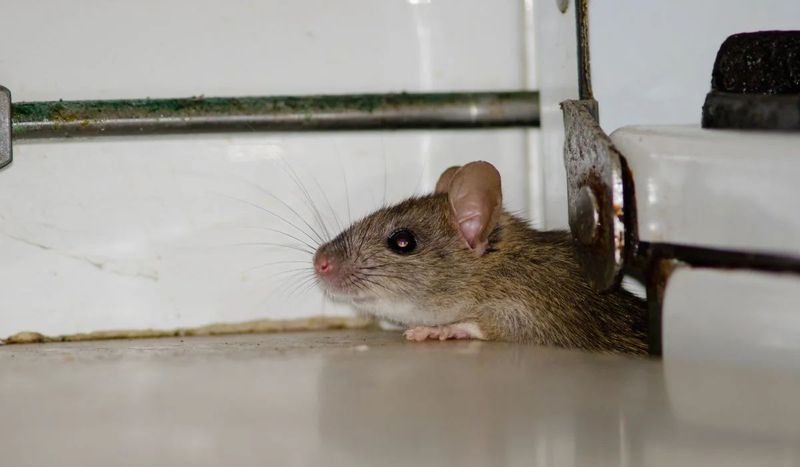
Picture a hole about half an inch wide, smaller than a dime. A roof rat can squeeze through it, which sounds wild but is true.
Rats have flexible bodies that compress to fit tight spaces. An opening just over a half inch can let one slip inside your home.
Many experts suggest sealing anything bigger than a quarter inch. That smaller target keeps mice out too, so you handle two pests at once.
Walk the outside of your house with a flashlight. Check soffits, fascia boards, roof vents, pipe openings, and spots where different materials meet.
Look for chew marks, smudges, and droppings near gaps. These clues often point to a hole that rats already use.
Use tough materials for repairs. Steel wool, copper mesh, metal flashing, and cement hold up better than foam alone, since rats can chew right through soft fillers.
Roof edges can be tricky and high. If ladders make you nervous, a pest control or roofing pro can inspect and seal those areas safely.
After sealing, keep listening at night for a week or two. If scratching continues, a rat may be trapped inside, so call a pro for humane removal advice.
8. Cover Vents With Hardware Cloth
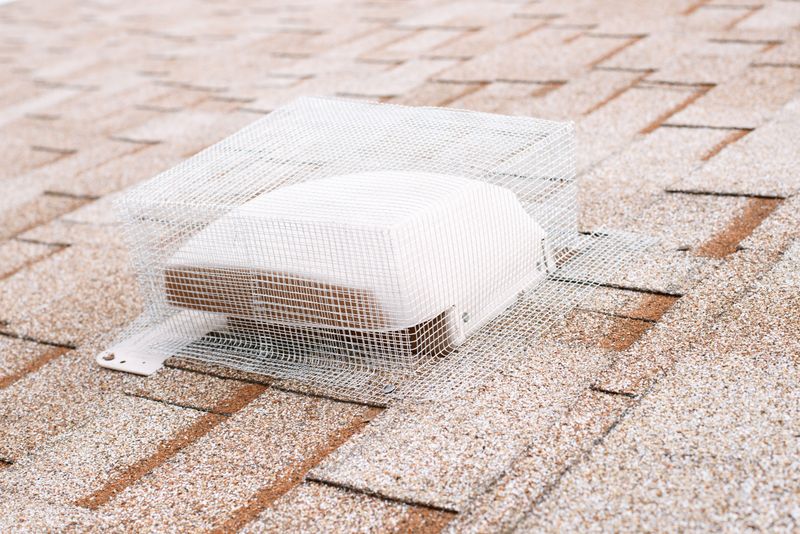
Your attic needs to breathe, but it does not need houseguests with tails. Vents are one of the most common ways rats get inside.
Gable vents, soffit vents, and crawlspace openings often have thin screens. Over time, those screens tear, rust, or get chewed open.
Hardware cloth is a simple fix. It is a sturdy metal mesh that lets air flow while blocking teeth and claws.
Choose galvanized steel for strength and rust resistance. A mesh size of a quarter inch or half inch works well for keeping rodents out.
Cut the cloth a little larger than the vent opening. Then attach it with screws and washers, not staples, so rats cannot pry it loose.
Wear thick gloves while you work, because cut edges are sharp. Tin snips make clean cuts and save your hands some trouble.
Check dryer vents and bathroom fan outlets too. Special vent covers with flaps or guards keep airflow working while stopping visitors.
Fun fact: hardware cloth is not cloth at all. It got its name because it rolls up like fabric, but it is tough enough to guard chicken coops and attics alike.
9. Pick Up Fallen Fruit And Bring Pet Food Inside

Nothing says welcome like a free snack bar. Fallen oranges, mangoes, and avocados are exactly that for hungry roof rats.
Florida fruit trees are a treat for us, but they draw rats in fast. Half-eaten fruit with hollowed-out insides is a classic roof rat sign.
Make a habit of picking up dropped fruit every day or two. Harvest ripe fruit promptly too, so it does not hang around tempting visitors.
Pet food is another big draw. A bowl left on the patio overnight can feed a whole rat family by morning.
Feed pets indoors when you can, or bring bowls in before sunset. Store kibble and birdseed in hard plastic or metal bins with tight lids.
Bird feeders spill seed onto the ground below. Use a catch tray, or take feeders down for a while if you notice rat activity.
Garbage cans need snug lids as well. Rinse food containers before tossing them so smells do not attract a crowd.
Cutting off food works hand in hand with trimming and sealing. When rats find no snacks, no shelter, and no easy path, they usually move on to friendlier spots.