Don’t Use Kentucky 31 In Ohio Just Because The Bag Says Tall Fescue
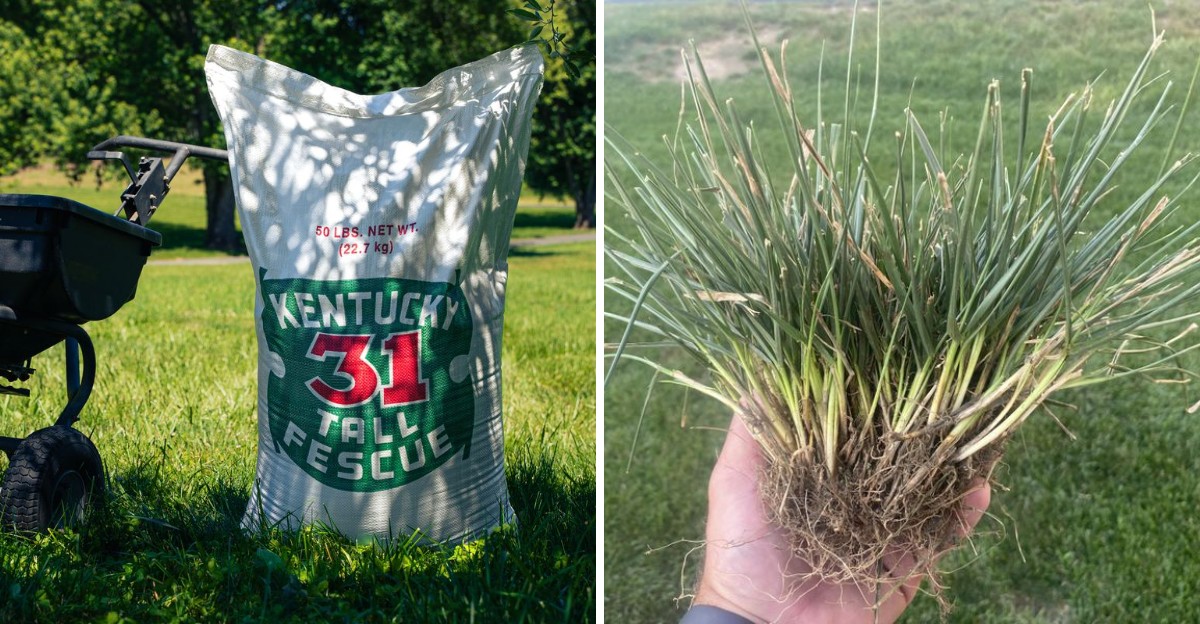
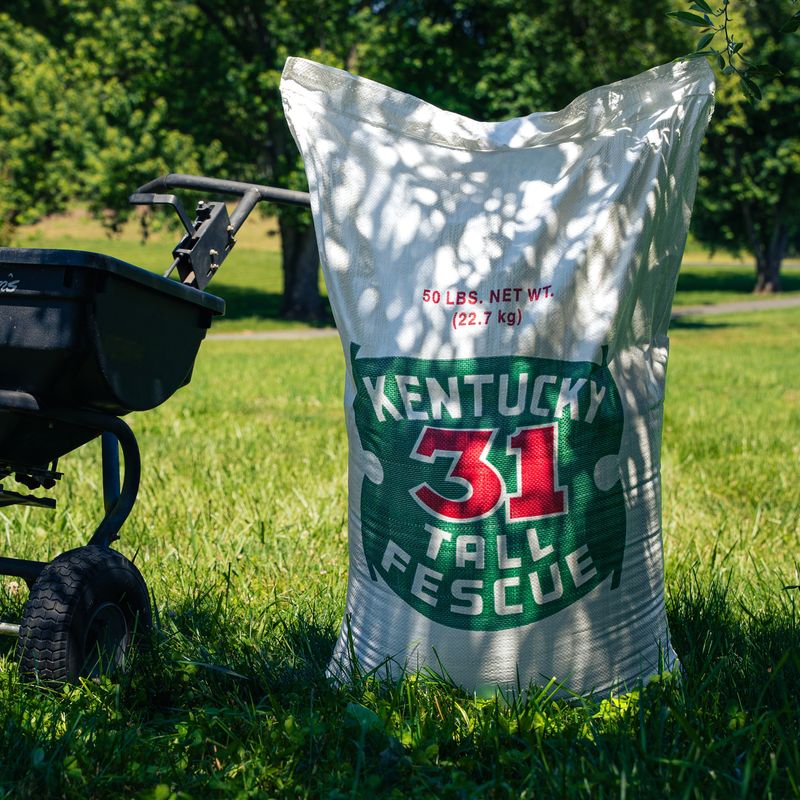
You could plant a bag labeled “tall fescue” and end up with a lawn that looks like it belongs in a cattle pasture instead of your front yard.
Kentucky 31 rides on that same generic name, and plenty of Ohio homeowners grab it off the shelf without a clue they’ve been duped by labeling. This strain was bred tough as nails for grazing animals, not for a yard you actually want to walk across barefoot.
Coarse blades, an aggressive growth habit, a texture that sticks out next to everything around it, none of that shows up until the grass is already established and staring back at you.
By the time you notice, ripping it out and starting fresh costs you a full season, sometimes more.
Read the fine print on that bag before you spread a single seed. One overlooked word could set your whole yard back a year.
1. Kentucky 31 Is Tall Fescue But Not Turf-Type
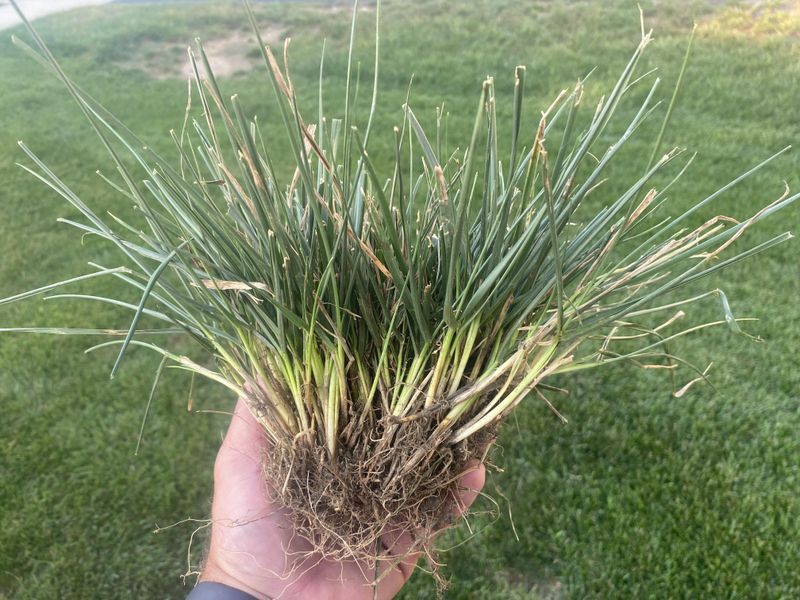
Back in 1931, a Kentucky farm agent spotted a patch of grass thriving on a rocky hillside where other plants sulked. That discovery became Kentucky 31, released in 1942 and celebrated by farmers everywhere.
Here is the catch for homeowners. K31 was bred and promoted as a pasture and forage grass, valued for feeding livestock and holding soil in place on banks and roadsides.
Technically, it belongs to the tall fescue family, so a bag labeled tall fescue is telling the truth. What the label may not say clearly is that turf-type varieties are a separate branch of the same family, developed decades later through careful breeding for lawns specifically.
K31 deserves real credit, though. It helped tall fescue make the jump from cow pastures to front yards, proving the species could handle heat, foot traffic, and thin soils better than many alternatives.
Plant breeders took that rugged foundation and refined it over the years. The result is a long list of modern lawn grasses that share K31’s toughness while looking far more polished.
So when you see that bag stacked at the hardware store for a bargain price, understand what you are buying. It is genuine tall fescue seed, just an older workhorse version with a job description that does not include being pretty.
2. Expect Coarser Blades And A Different Lawn Texture
Run your hand across a stand of Kentucky 31 and you will feel it right away. The blades are noticeably wider and stiffer than what you find in a modern lawn mix.
Color tells the story too. K31 can have a coarser, less refined appearance than many modern turf-type varieties, while turf-type selections are often bred for improved color and lawn texture.
Growth habit is another surprise waiting for new homeowners. K31 shoots up faster and taller, which translates into more mowing sessions during the peak of spring and early summer.
Neighbors sometimes describe the finished look as clumpy rather than carpet-like. Because the plant grows in bunches with thick stems, patchy spots can look more obvious instead of blending in.
Your Ohio Garden Changes Every Week. Your Plan Should Too.
Gardening in Ohio changes quickly throughout the season. Every Friday you’ll receive a simple weekly plan showing exactly what to plant, prune, fertilize, harvest, and protect so you never miss the right timing.
None of that makes K31 a bad plant. It simply means the texture you get will not match the fine, uniform surface most people picture when they imagine a tidy yard.
If you already have K31 growing and cannot figure out why your lawn feels rough underfoot, now you know. A quick test is to compare a handful of your blades to a sample from a well-kept neighbor’s yard, and the width difference usually shows up immediately.
3. Choose Turf-Type Fescue For A Finer Finish

Turf-type tall fescue, often shortened to TTTF, is what most Ohio lawn pros reach for. These varieties came out of research programs aimed at one goal: making tall fescue look good in a yard.
The improvements show up in three places you can see and feel. Blades are narrower, color runs darker green, and the stand grows denser so weeds have a harder time squeezing in.
Disease resistance is the quiet bonus. Brown patch shows up often during humid summer stretches, and many TTTF varieties carry better resistance to it than older forage types.
Density matters more than people realize. A thick stand shades the soil surface, which helps hold moisture and makes crabgrass seed less likely to get the sunlight it wants.
Shopping for TTTF does mean paying more per bag. Think of it as buying the version of tall fescue that had forty extra years of plant breeding poured into its appearance and toughness.
For a front lawn, play area, or other highly visible space, turf-type varieties may be worth the additional cost if appearance and lawn texture are priorities. Ask a local garden center which named varieties perform best in your county, since Ohio State trial results give real guidance on what handles the region’s weather swings.
4. Match Fescue To Your Lawn’s Growing Conditions
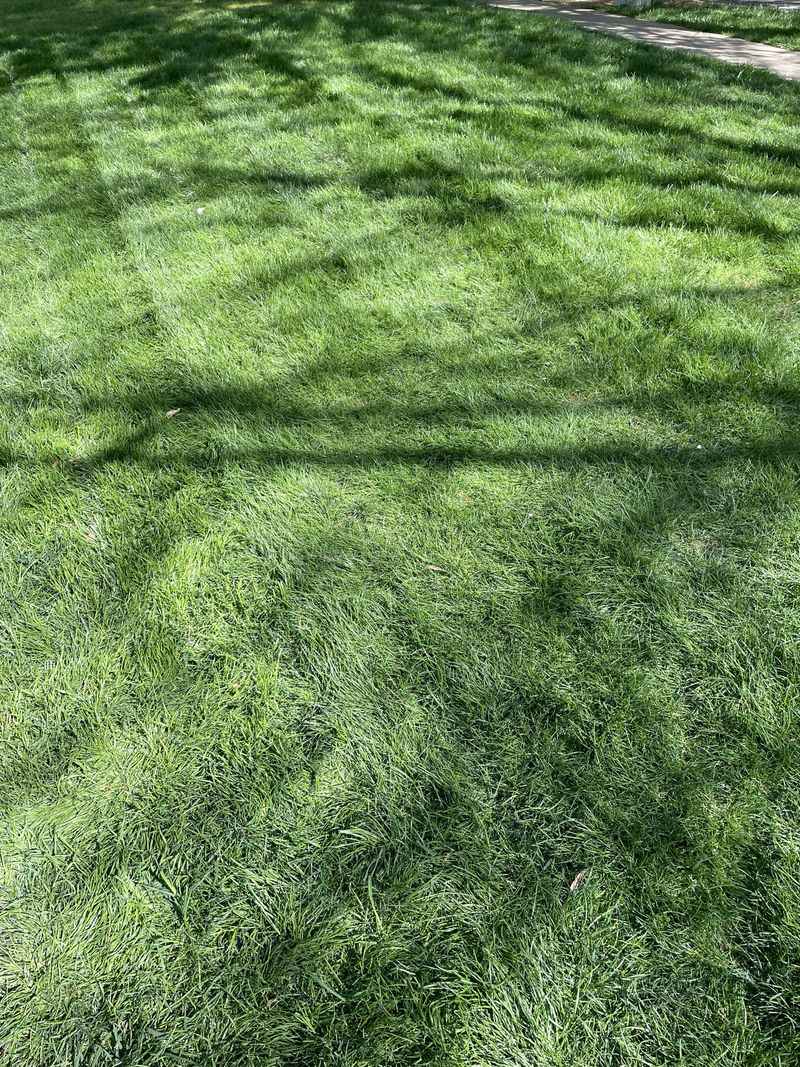
Ohio sits squarely in what turf experts call the transition zone. Cool-season grasses do well here, but they still have to survive muggy August afternoons and January freezes in the same twelve months.
Tall fescue handles that split personality better than most. Its roots reach deeper than Kentucky bluegrass roots, pulling moisture from farther down when rain takes a vacation in midsummer.
Shade is where fescue really earns its keep. Under maples and along the north side of a house, tall fescue holds on where sun-loving grasses thin out and sulk.
Establishment speed is another plus. Tall fescue sprouts and fills in fairly quickly, and once mature it puts up with kids, dogs, and wheelbarrow traffic without falling apart.
Before buying anything, walk your yard and take notes. Count the hours of direct sun in your roughest spots, notice where water sits after storms, and check whether soil is clay, sand, or something in between.
Those observations steer your choice better than any bag graphic can. A shady, compacted side yard and a wide-open sunny front lawn may genuinely call for different seed products, and matching each area to its conditions saves you from reseeding the same bare patch every spring.
5. Use September For Cool-Season Fescue Seeding

Ask any Ohio turf specialist for the best seeding window and you will hear the same answer: late summer into early fall. Late summer into early fall is generally the strongest seeding window for much of Ohio, with the exact timing shifting by location and weather.
Central Ohio yards can often stretch into mid-October, while southern Ohio usually wraps up by late September. Weather that year always gets the final say, so watch the forecast rather than the calendar alone.
The reason this timing works is simple math on temperature. Soil is still warm from summer, which speeds up germination, while cooling air keeps young seedlings from getting stressed.
Weed pressure drops way off in that window too. Crabgrass and other summer weeds are finishing their run, so your new grass is not fighting for space and sunlight.
Fall seeding also gives roots months to develop before winter arrives. Come spring, that established root system handles heat and dry stretches far better than grass planted in April.
Spring seeding is not forbidden, just harder. Young plants face weed competition and then summer heat almost immediately, which is why so many spring projects thin out by July.
Mark your calendar in August and you will be ahead of most of the neighborhood.
6. Give New Seed Good Soil Contact
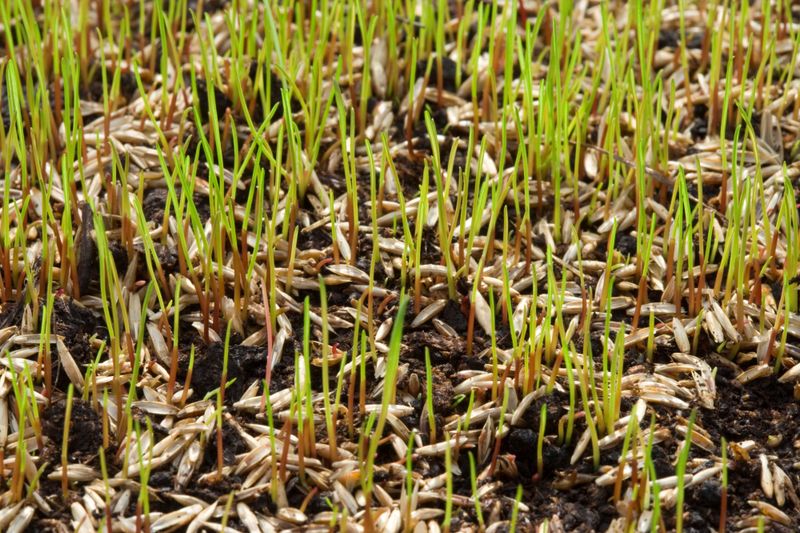
Seed lying on hard ground is basically bird food. Contact with loose soil is what turns a handful of seed into an actual lawn.
Rake lightly, core aerate, or run a slit seeder so seed settles into small openings. That tiny bit of shelter keeps seed moist and in place during rain or wind.
Watering comes next, and this stage takes real attention. Keep the top inch of soil damp, which may mean light watering a few times a day during warm weather.
Tall fescue usually sprouts somewhere between 7 and 21 days. Once you see green, start shifting toward deeper watering less often so roots chase moisture downward.
Hold off on the mower until the new grass reaches about four and a half inches. After that first cut, settle into a routine height of three to four inches and remove only a third of the blade each time.
Weed control products need to wait as well. Give the new planting at least three mowings before any herbicide touches it, since young seedlings are easily set back.
Patience during those first six weeks decides everything. Skip the watering for two hot days and you may be buying seed all over again next month.
7. Avoid Mixing Fescue Types Without A Reason
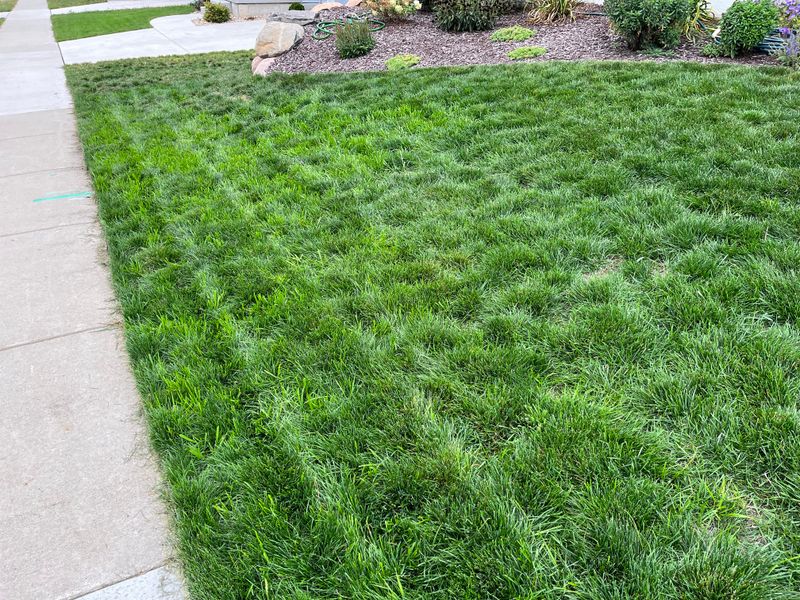
Mixing a cheap bag of K31 into a fine turf-type lawn is one of the most common regrets homeowners share. The two look so different that the repair job stands out worse than the bare spot did.
Blade width, color, and growth speed all clash. You end up with pale coarse clumps poking above a darker, finer background, and mowing cannot hide it.
Blending is not the enemy, though. Combining two to four different cultivars of the same turf-type tall fescue species is actually recommended by turf researchers.
Why bother with multiple cultivars? Genetic variety spreads your risk, so if one cultivar struggles with a particular disease or insect, the others carry the lawn through.
That kind of blend also adapts better to the mixed conditions in a typical yard. One cultivar may shine in the sunny strip by the driveway while another holds strong under the tree.
The rule of thumb is easy to remember. Blend cultivars that look alike, and avoid blending grasses that clearly do not match.
When patching, try to buy the same product you originally used. Keeping the empty bag or snapping a photo of the label makes that follow-up purchase far less of a guessing game.
8. Consider Kentucky 31 For Tougher Low-Maintenance Areas
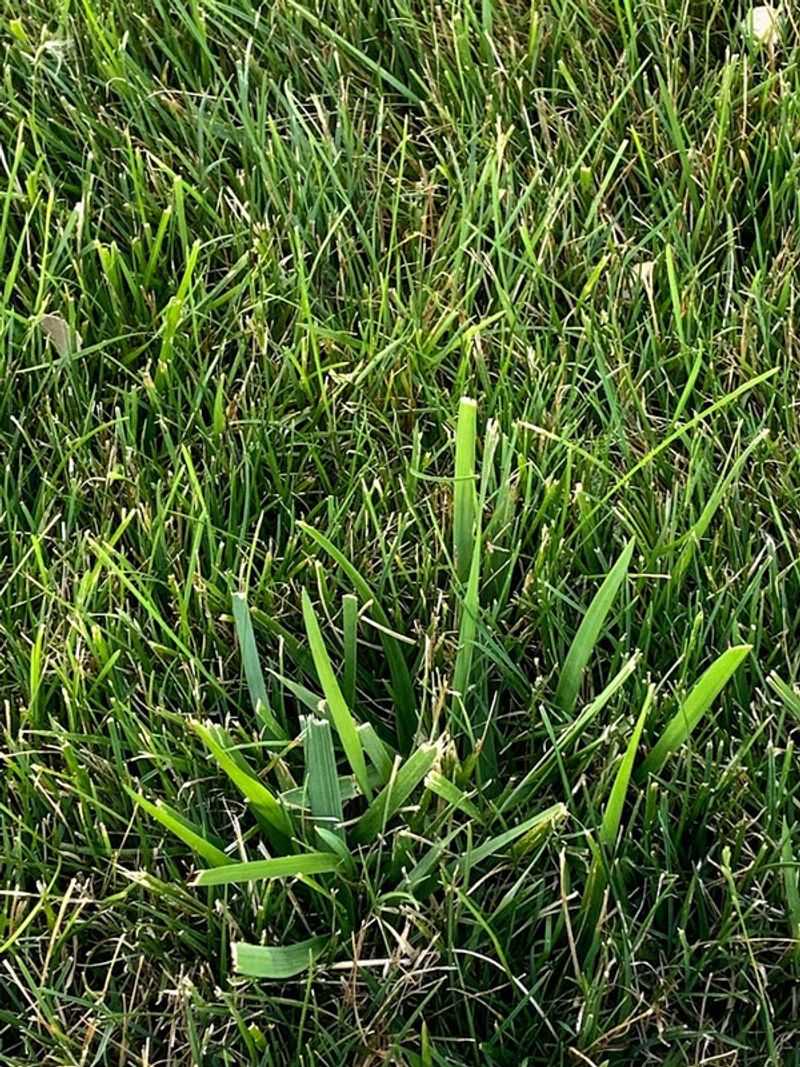
Here is where Kentucky 31 finally gets its applause. On a steep bank, along a gravel lane, or across a farm lot, this grass does work that pickier varieties would refuse.
Erosion control is its calling card. Those deep, aggressive roots grip loose soil on ditch banks, pond edges, and waterways where runoff tries to carry everything downhill.
Cost is a genuine advantage too. K31 seed usually sells for a fraction of what premium turf-type blends cost, which matters when you are covering a large acreage.
Low maintenance is part of the deal. It gets by with little fertilizer, tolerates rough soil, and keeps going in spots nobody waters or babies.
Heavy traffic areas suit it well. Equipment paths, back lanes, and utility strips see abuse that would thin out a fine lawn grass in a single season.
The trade is appearance, plain and simple. Accept the coarse texture and pale green color, and K31 becomes a practical, budget-friendly solution rather than a mistake.
Think of it this way. Use it out back where function rules, and save the refined seed for the areas people actually look at and walk across barefoot on summer evenings.
9. Read The Seed Label Beyond “Tall Fescue”
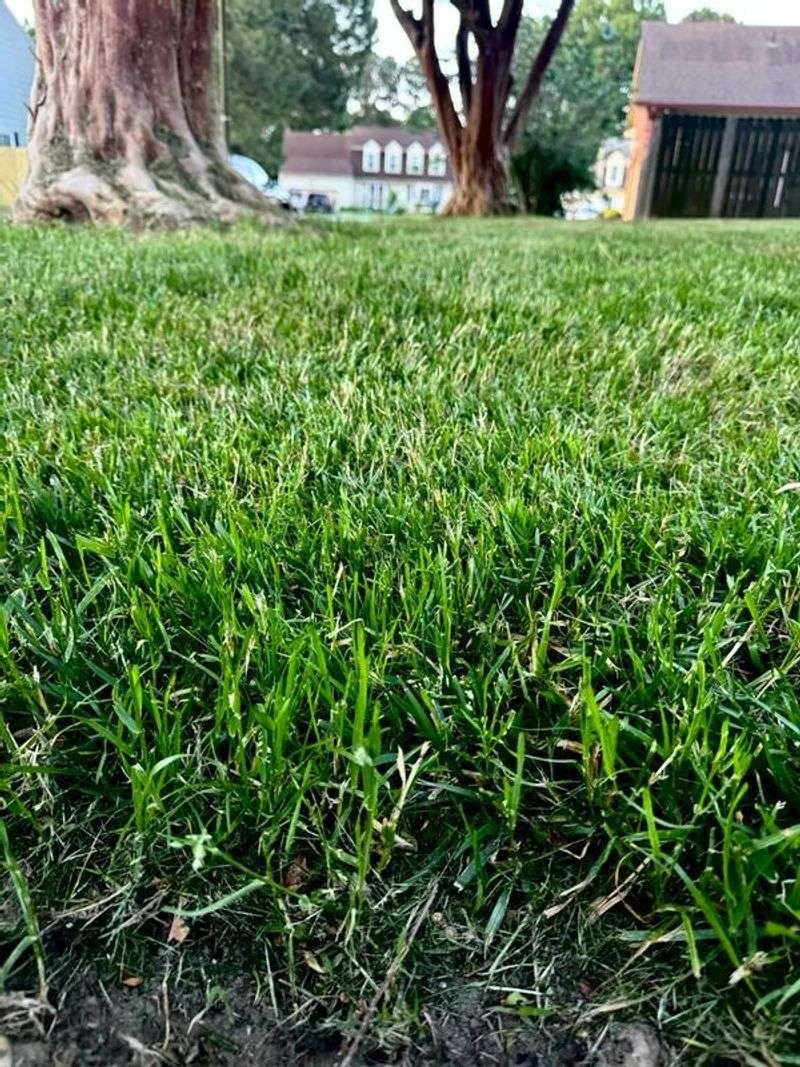
That small tag stitched or printed on the back of the bag is federally required, and it holds more truth than the glossy front ever will. Learning to read it takes about two minutes and saves years of frustration.
Start with species and variety names. A label listing specific named cultivars tells you far more than one that only says tall fescue with no variety given.
Look at the pure-seed, inert-matter, crop-seed, weed-seed, and germination percentages together rather than treating one number as a universal cutoff. Also check the test date, since seed viability can decline with age and storage conditions.
Two lines deserve extra attention. Other crop seed can hide unwanted grasses like orchardgrass or coarse ryegrass, and weed seed should read 0 percent, or at the very worst under 1 percent.
Noxious weeds get listed separately by law. Seeing any entry there is a solid reason to set the bag back on the shelf.
Proprietary named varieties generally deliver better color, disease resistance, and drought tolerance than generic seed. Spending a few extra dollars on a clean, clearly labeled product is the cheapest lawn insurance available.
10. Plan A Smarter Fescue Strategy For Your Yard

Putting it all together is easier than it sounds. Walk your property once with a notepad and decide which areas are for show and which ones are for hard use.
Front lawns, play spaces, and anywhere near a patio call for named turf-type tall fescue cultivars. Back slopes, lanes, and rough utility strips are fair game for the economical option.
Timing is your next note. Circle the window from August into mid-September and gather supplies before the rush hits local garden centers.
Soil prep deserves a line item as well. A soil test through your county extension office tells you about pH and nutrients so seed lands in ground that can actually support it.
Keep records of what you plant and where. A photo of each label on your phone turns future patching into a simple repeat order rather than a guessing game.
Maintenance habits finish the job. Mow high at three to four inches, sharpen the blade a couple times a season, and water deeply but less often once the lawn matures.
Do those things and your fescue lawn holds up through Ohio heat, autumn rain, and winter freeze. The bag you choose starts the story, but your plan is what carries it forward.