What to Do With Your Mums After They Finish Blooming in Ohio
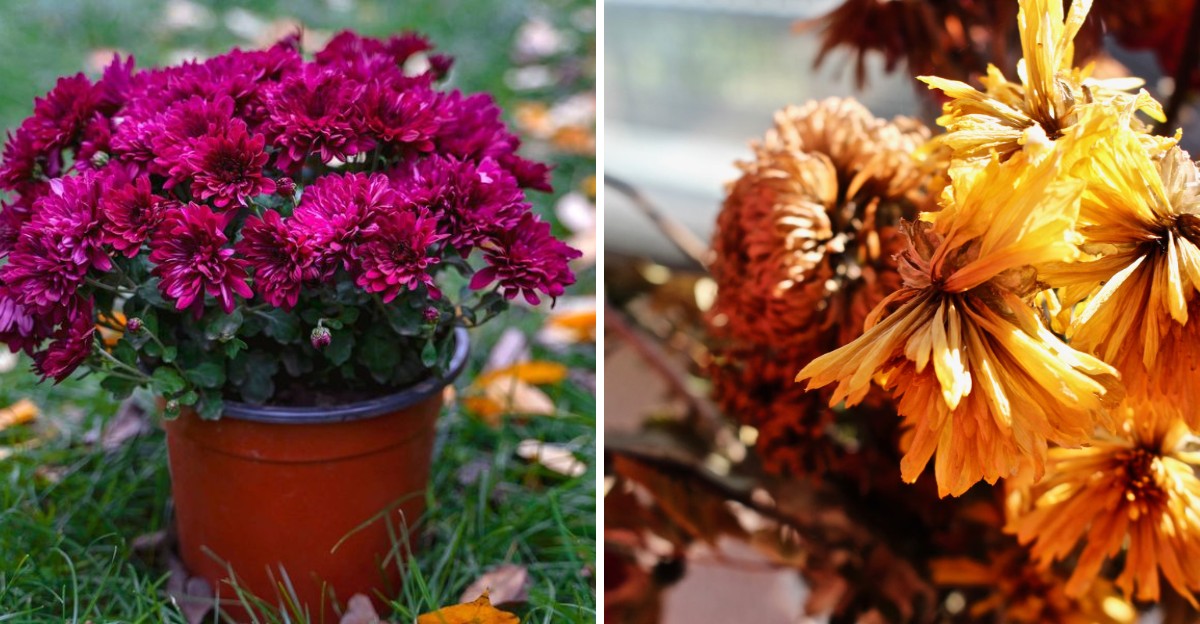
Plenty of the fall flowers sold in grocery store parking lots were bred to bloom hard and fast, not to survive January. That bright pot on your porch may be a short-term show plant in disguise.
I like how one plant can split gardeners into two camps. Some toss the pots by Thanksgiving. Others swear the same clump has come back for ten years.
Personally, I love a plant that rewards a little stubbornness. Ohio winters bring freeze and thaw swings that push shallow roots right out of the soil, yet some of these flowers shrug it off.
Which camp should you join this year? The answer depends on a few clues hiding in plain sight, plus a couple of simple moves you can make before the ground turns hard. Your faded pot might have more to give than you expect.
Not Every Faded Mum Pot Is Ready for the Compost Bin
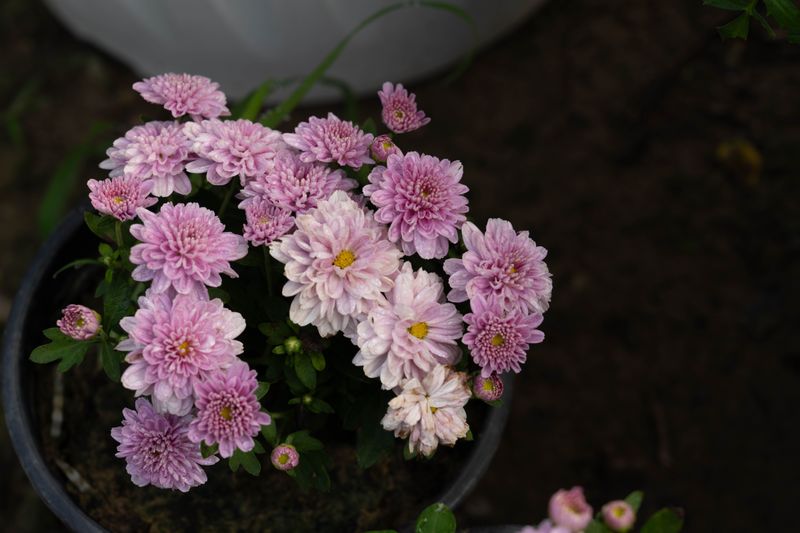
Tags tell a big part of the story. Mums labeled as hardy garden mums are perennials that can return for years, while florist mums are grown mostly for a single season of color.
Florist types often have larger, fancier blooms and come wrapped in foil or sold in gift shops. They rarely build the deep roots needed for a cold winter.
Garden mums, on the other hand, are bred to handle temperatures common across the state, which sits mostly in USDA zones 6a to 6b.
Timing matters just as much as variety. Ohio State University Extension points out that mums bought in full bloom during September or October put their energy into flowers, not roots.
That leaves them with little time to settle in before the ground freezes.
So take a close look at your plant before you toss it. Check the tag, notice whether the stems still look green near the base, and squeeze the root ball gently to see if it feels firm and healthy.
A plant with solid roots and lively lower stems is worth a try. If it came from a florist or looks soggy and brown at the crown, composting it is a perfectly fair choice.
Get Those Potted Mums Into the Ground as Soon as You Can
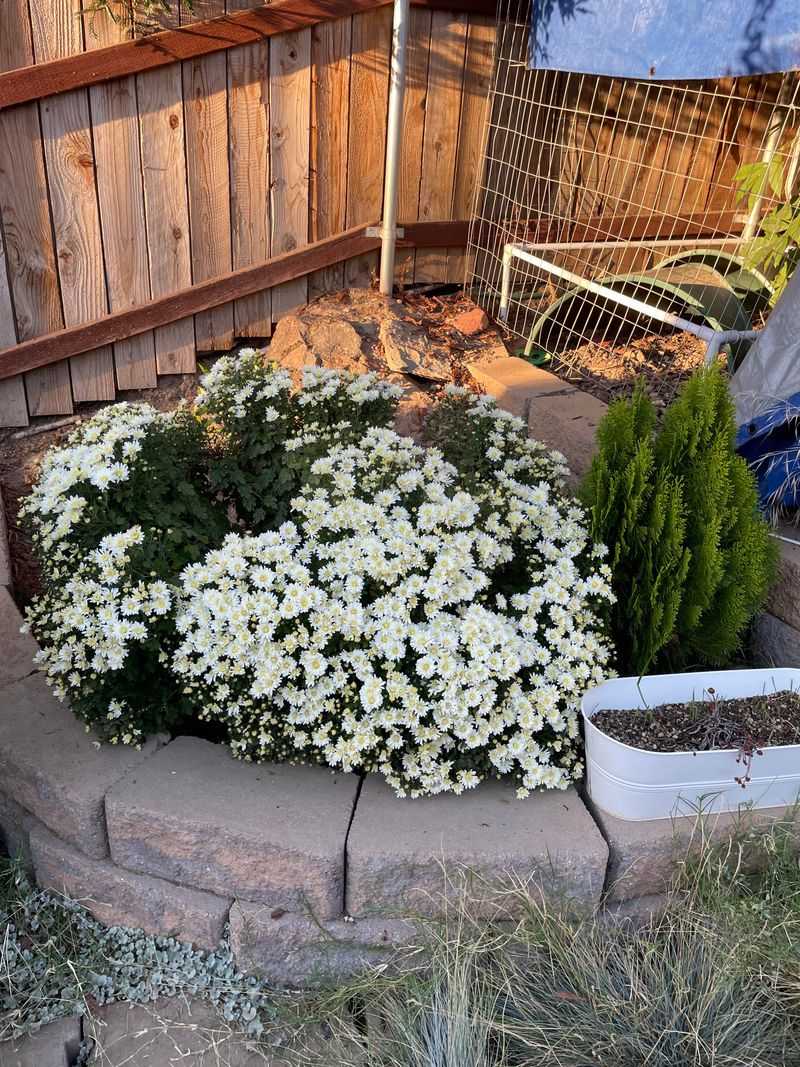
Soil is a far better winter coat than a plastic pot. Roots in a container face cold air on every side, while roots in the ground stay much warmer and steadier.
Pick a spot with at least six hours of sun each day. Drainage is the deal-breaker here, because mums sitting in wet clay over winter often rot at the crown.
A slightly raised bed or a gentle slope works nicely if your yard holds water.
Dig a hole a bit wider than the pot and mix in some compost. Slide the plant out, then tease the circling outer roots loose with your fingers so they can spread into fresh soil.
Set the mum at the same depth it grew in the pot. Firm the soil around it and water well to settle everything in place.
Earlier is better, so aim to plant as soon as the flowers start fading. In northern counties near Lake Erie, frosts may arrive a little sooner, so do not wait for a warm spell that might not come.
Even a few extra weeks of root growth can make a real difference by spring.
Leave Those Brown Mum Stems Standing Until Spring

Messy can be smart. Those tired brown stems might look a little sad by November, but they do a quiet job all winter long.
Many Ohio garden experts recommend leaving the old stems in place until spring. The standing growth helps trap leaves and snow around the crown, which adds a layer of natural insulation right where the plant needs it most.
Research from university trials has backed this up. Mums left unpruned through winter tend to come back more reliably than those cut to the ground in fall.
Still itching to tidy up? You can snip off the faded flower heads to make things look neater without removing the stems themselves.
If you really must trim, wait until after a hard frost and leave about four to six inches of stem above the soil. Cutting too early can encourage tender new shoots that get zapped by the next cold snap.
I like to think of those brown stems as a little scarecrow guarding the crown. They also help you remember where your mums are hiding, so you do not accidentally dig into them during early spring cleanup.
A Cozy Layer of Straw Mulch Keeps Mum Roots From Heaving

Frost heaving sounds like a gym move, but it is a real winter headache. Soil freezes, thaws, and freezes again, slowly pushing shallow roots up where cold air can reach them.
Ohio winters are famous for those swings, with a sunny forty-degree afternoon followed by a single-digit night. That is exactly when a thick blanket of mulch earns its keep.
Wait until the ground has frozen or temperatures stay below freezing. Then spread three to six inches of straw, shredded leaves, or pine needles around the plant.
Some gardeners go even deeper in colder spots.
The goal is not to warm the soil. Mulch keeps the soil at a steady cold temperature, so it stays frozen instead of bouncing back and forth.
Keep the material loose and airy. Heavy, wet mats can hold moisture against the crown and invite rot.
Shredded leaves from your own yard are a free and easy choice. Just run them over with the mower first so they do not pack down into a soggy layer.
Mark the calendar for early spring, because that cozy blanket will need to come off later.
Thirsty Mum Roots Still Need a Drink Before the Freeze
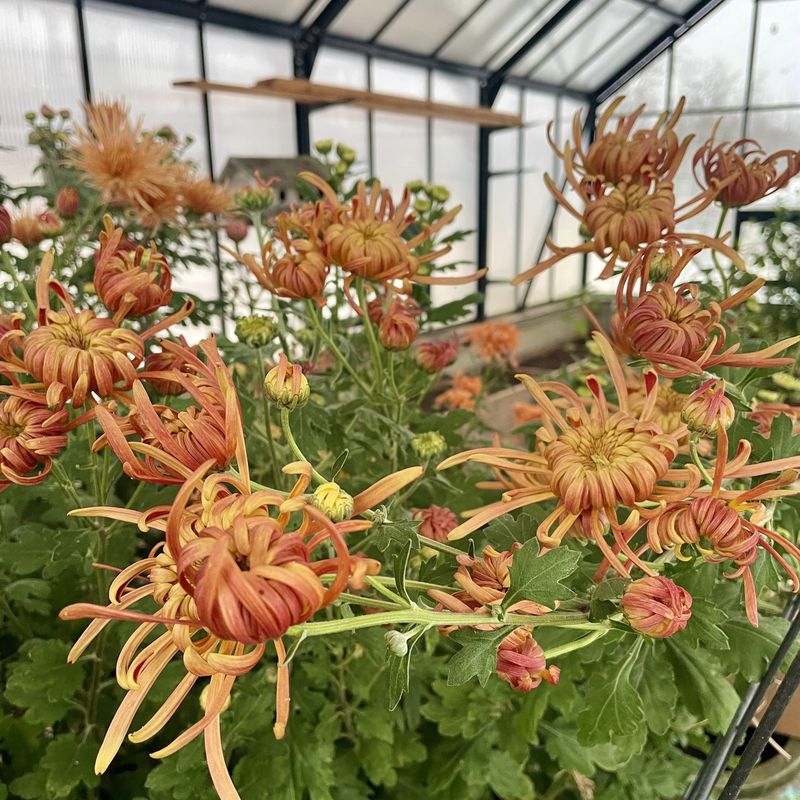
Fall droughts sneak up on lots of us. Once the weather cools, the hose gets coiled up and forgotten, yet roots keep working until the ground freezes.
Newly planted mums are especially sensitive. Their roots have not spread far yet, so a dry week or two in October or November can leave them stressed going into winter.
Check the soil with your finger every few days. If the top inch or two feels dry and rain has been scarce, give the plant a slow, deep soak at the base.
Morning is the best time to water. It gives the soil a chance to drain before chilly nights roll in.
Be careful not to overdo it, though. Soggy soil is just as rough on mums as dry soil, and constantly wet roots can rot over winter.
Once the ground freezes solid, you can put the watering can away. During a long winter thaw with no snow cover, a light drink can help, but only if the soil drains well.
Think of it as topping off a gas tank before a long road trip. A well-watered plant handles cold far better.
Container Mums Can Ride Out Winter in an Unheated Garage
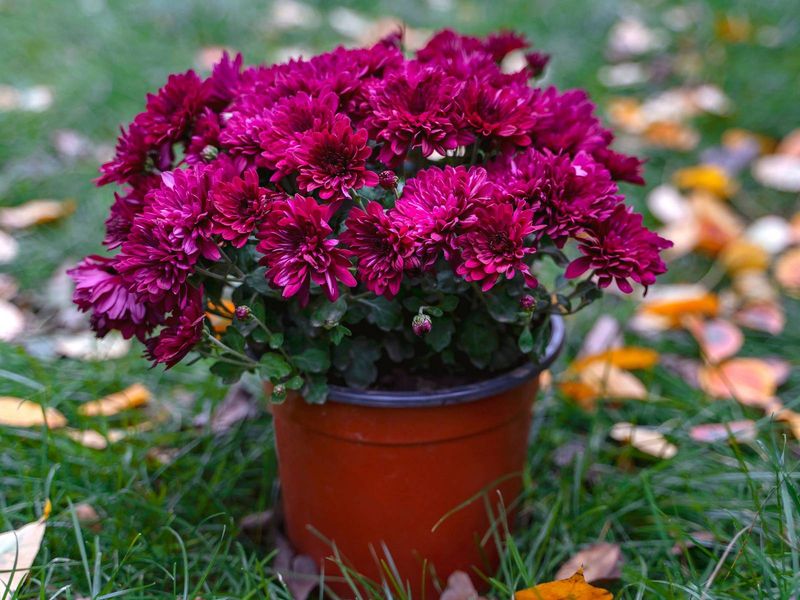
Planting is not the only option. If your yard is full or the ground has already frozen, a cool garage or shed can work as a winter hideout for potted mums.
The key word is unheated. You want the plant to stay dormant, with temperatures that hover just above freezing rather than climbing into room temperature.
Move the pot inside after the flowers fade and before the hardest freezes arrive. Trim the stems to a few inches if they are in the way, then set the pot somewhere out of drafts.
Water sparingly, roughly once a month. The soil should stay barely moist, never soaked, since dormant roots use very little water.
Light is not needed during dormancy. Your plant can sit quietly in a dim corner until spring.
Honestly, results vary with this method. Some gardeners get great comebacks, while others find that pots dried out or froze in a drafty corner.
Grouping several pots together and wrapping them with old blankets or burlap can add extra protection. When spring arrives and frost danger passes, move the plants outside gradually and plant them in a sunny bed.
Pinch Those Spring Mum Shoots for a Fuller Fall Show

Spring is when the real payoff begins. As the soil warms in April, pull back the winter mulch and watch for fresh green shoots near the base.
Cut away the old brown stems at this point, since they have done their job. Give the plant a light feeding of balanced fertilizer once new growth is underway.
Now comes the fun trick. When shoots reach about four to six inches tall, pinch off the top inch with your fingers.
Each pinch encourages the stem to branch, which means more buds and a rounder shape. Repeat every few weeks as the plant grows.
Stop pinching around early to mid-July in most of Ohio. Later pinching can delay blooms so much that frost arrives before the flowers open.
Every three years or so, clumps tend to thin in the center. Dig them up in spring, divide the healthy outer sections, and replant them for fresh vigor.
Did you know mums have been grown for about 3,000 years, starting in China? Your backyard clump is part of a very long tradition, and a little care keeps it going season after season.