Pennsylvania Mulch Choices That Make Roach Problems Worse Around The Foundation
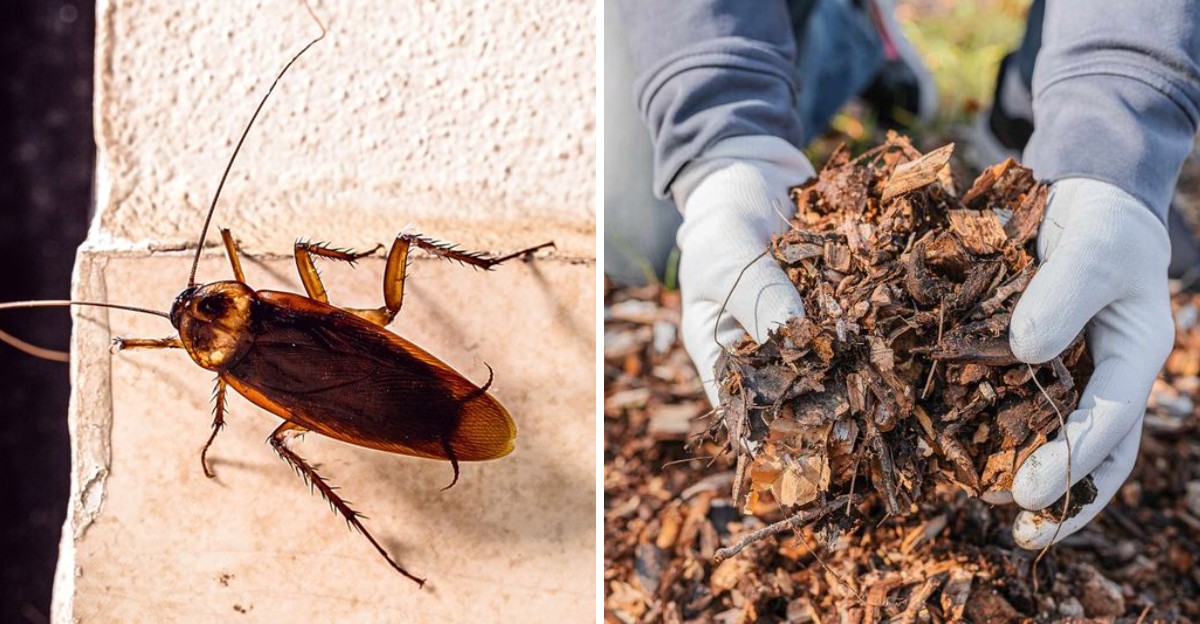
Many Pennsylvania homeowners put mulch around the foundation without giving the choice much thought.
It suppresses weeds, retains moisture, and looks tidy. Which mulch to use feels like a minor aesthetic decision rather than anything with real consequences.
But certain mulch choices are making roach problems significantly worse, and the foundation zone is exactly where that matters most.
Roaches thrive in specific conditions, and some mulch types create those conditions right up against your home’s entry points.
The type, the depth, and how far from the foundation it’s placed all factor into whether your mulch is working for you or quietly working against you.
Here are the Pennsylvania mulch choices most likely to attract roaches to your foundation and what to use instead.
1. Bark Mulch
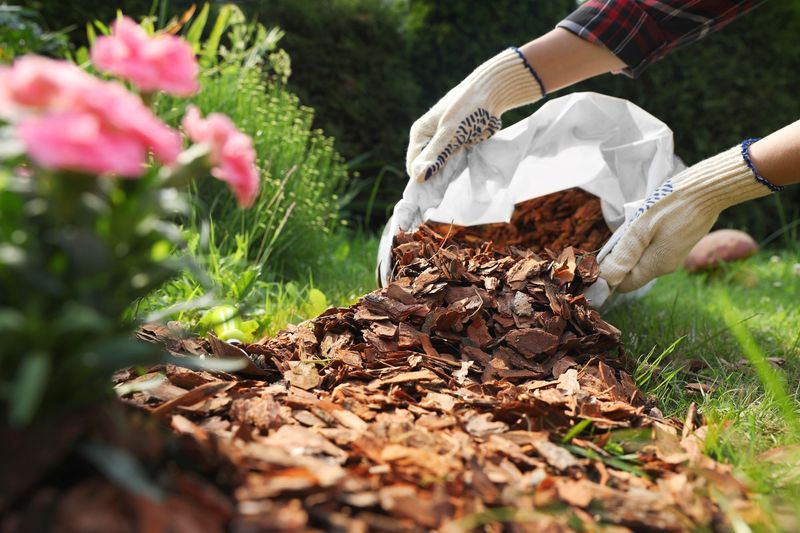
Bark mulch is a favorite for its rich color and clean look, but it hides a soggy secret. The big chunks lock in moisture and create shady pockets where roaches love to hide.
Pennsylvania summers bring plenty of humidity, and thick bark holds that dampness for days.
Roaches need water more than food, so a wet layer of bark gives them exactly what they crave. When you pile it against the foundation, you are basically building them a cool, moist apartment.
The gaps between large bark pieces also give roaches safe tunnels. They can crawl around unseen, breed, and rest until nightfall. From there, foundation cracks become their doorway indoors.
If you enjoy bark mulch, keep the layer thin, around two inches at most. Pull it back at least twelve inches from your walls so there is a dry gap. Bare soil or gravel in that gap makes roaches feel exposed and unwelcome.
Check the mulch after heavy rain. If it stays wet for a long time, rake it out to help it dry faster. Good airflow keeps the ground less inviting to pests.
Fun fact: German cockroaches, common in Pennsylvania homes, can survive on tiny amounts of food but struggle without moisture.
Cut the dampness and you cut their comfort. Bark mulch can still look great in your garden beds farther from the house.
Just remember that pretty and pest-free both matter when you plan where to spread it.
2. Wood-Chip Mulch
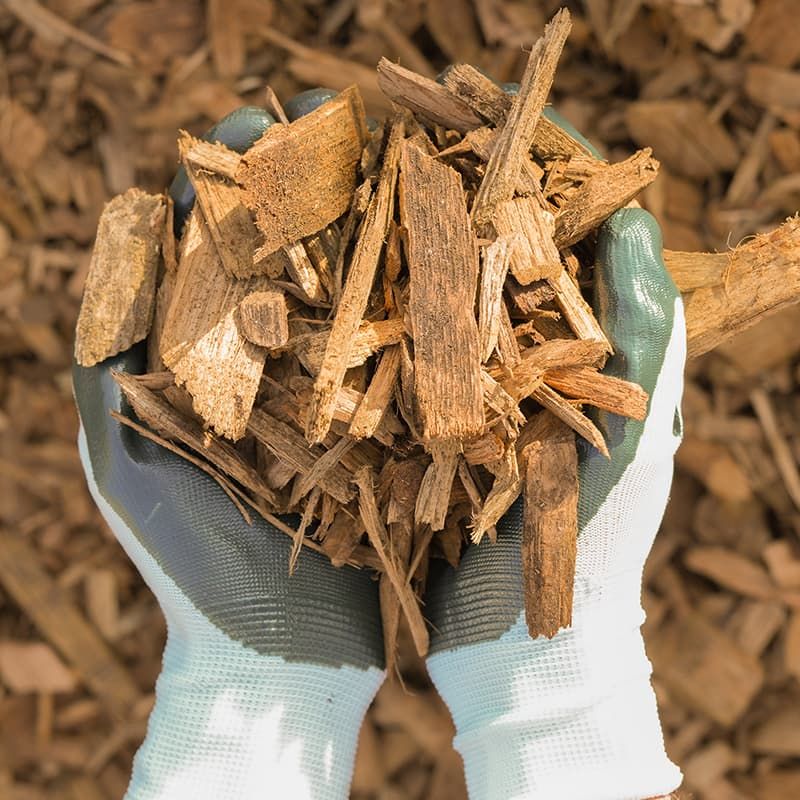
Wood-chip mulch feels like a bargain, especially when you get it free from tree trimming crews. That low cost comes with a hidden downside for anyone fighting roaches.
Fresh chips break down slowly and stay moist underneath for a long time. That damp underside is prime roach real estate, and it sits right where you least want it.
Roaches also snack on rotting wood and the tiny fungi that grow in decaying chips. So a fresh pile near your foundation offers both a drink and a meal. That combination keeps them hanging around your walls night after night.
Another problem is depth. People often dump wood chips thick because they got them for free. A deep bed traps heat and water, turning your flower bed into a roach spa.
Your Pennsylvania Garden Changes Every Week. Your Plan Should Too.
Gardening in Pennsylvania changes quickly throughout the season. Every Friday you’ll receive a simple weekly plan showing exactly what to plant, prune, fertilize, harvest, and protect so you never miss the right timing.
To stay safer, spread chips no more than two inches deep. Keep a clear zone between the mulch and your siding so pests cannot hop right onto the house. Sweep or rake stray chips that drift against the foundation.
Let fresh chips age in a separate pile before using them if you can. Older, drier chips hold less moisture and attract fewer bugs.
Watch the edges near downspouts too. Water pooling there soaks the chips and makes the roach problem worse fast. Point your downspouts away from mulched beds so the ground stays drier.
Wood chips can work fine deeper in the yard. Near the foundation, though, they need careful handling to avoid becoming a roach magnet.
3. Shredded Hardwood Mulch
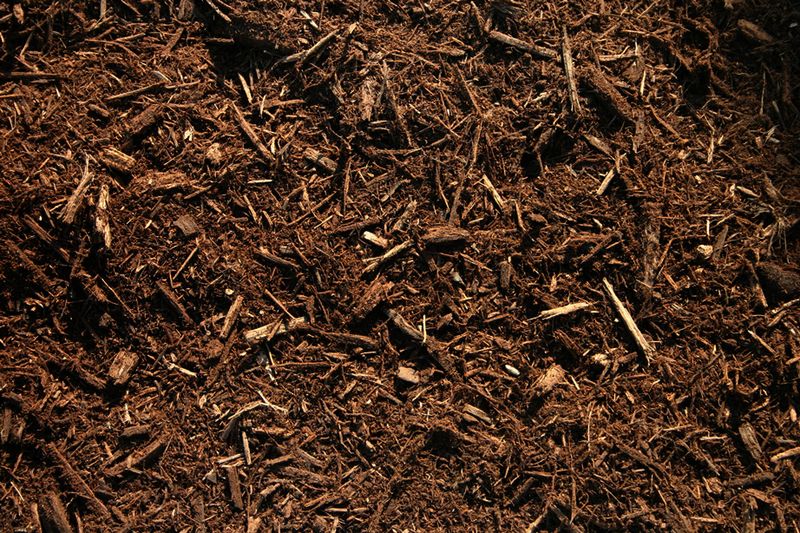
Shredded hardwood mulch clumps together into a thick mat, and that mat is exactly what roaches adore. The tightly packed strands trap water underneath and block sunlight from reaching the soil.
Because the pieces knit together, the bottom layer stays cool and damp long after the top dries. Roaches slip beneath that crust and set up camp against your foundation.
Pennsylvania gardeners love shredded hardwood because it stays put on slopes and does not float away in storms. The same sticky quality that keeps it in place also keeps moisture locked in, so the tradeoff is real.
Over time the mat breaks down and grows soft and spongy. Roaches feed on the decaying bits and multiply in the hidden warmth below. You may never see them until they wander indoors.
If you like this mulch, fluff it now and then with a rake. Loosening the top helps air move through and dries out the layer roaches depend on. A thinner spread also breaks up that solid crust.
Keep the mulch away from window wells and basement vents. Those spots give roaches a shortcut inside once they settle in nearby beds.
Consider mixing in a border of stone right against the house. The dry, hard surface interrupts their path and gives you a clean zone to inspect.
Shredded hardwood is not the enemy on its own. Placed and maintained with care, it can look sharp without turning your foundation into roach headquarters. The trick is airflow, distance, and a watchful eye after wet weather.
4. Leaf Mulch
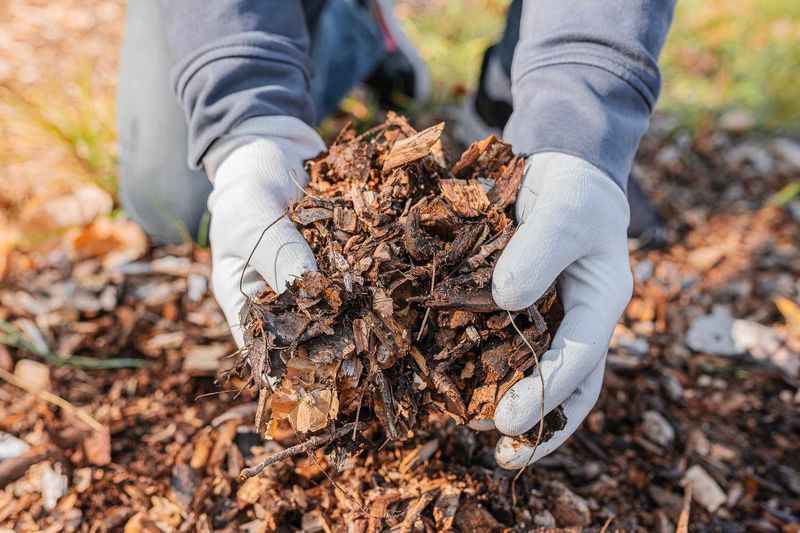
Every Pennsylvania fall drops a free blanket of leaves, and many folks rake them straight into garden beds. It saves money and feels natural, but leaf mulch can quickly become a roach paradise.
Leaves flatten into damp, layered sheets that hold water like a sponge. Underneath those layers, the air stays humid and dark, which is roach comfort at its finest.
Decaying leaves also feed roaches directly. The soft, rotting material is easy for them to eat, and it draws other bugs they like to hunt. A leaf pile against the wall becomes a whole buffet.
The problem grows worse when leaves pile deep and stay soggy through a rainy autumn. Cold weather pushes roaches to seek warmth, and your foundation is the nearest cozy spot.
To use leaves wisely, shred them first so they dry faster and pack less tightly. Spread only a thin layer and keep it well away from your siding and vents.
Never let wet leaves collect in corners or along the base of the house. Clear those spots every week during the busy falling season.
Composting leaves in a bin far from the home is a smarter move. There they can break down without inviting pests to your doorstep.
Did you know leaves also hide roach egg cases that can survive mild Pennsylvania winters? Come spring, a new batch hatches right where you left them.
Leaf mulch has real garden benefits, so do not toss the idea entirely. Just keep it thin, dry, and far from the walls you want to protect.
5. Pine Straw
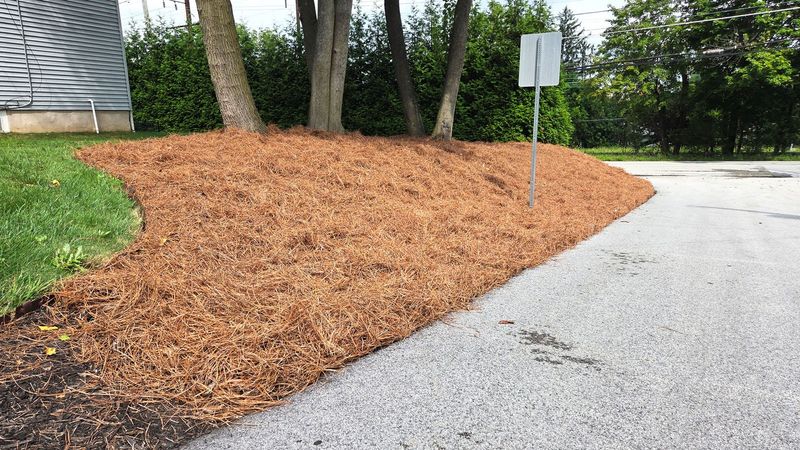
Pine straw brings a soft, golden glow to garden beds, and it drains water better than many chunky mulches. That good drainage tricks people into thinking it is roach-proof, but it is not.
The long needles pile into loose, airy layers that create tons of little hiding spots. Roaches slide between the needles and vanish from sight while staying close to your home.
Pine straw also breaks down slowly, so it sits in place for a long time. The longer it stays, the more chances roaches have to move in and settle near the foundation.
Rain seeps through easily, yet the shaded ground beneath the needles can still hold enough moisture to please a thirsty roach. Add fallen debris and the shelter gets even better for them.
If pine straw is your pick, keep the layer light and rake it now and then to break up dense clumps. Stirring it up chases away pests that expect to be left undisturbed.
Pull the straw back from your siding and around basement windows. A clean gap makes roaches think twice about crossing into open space.
Watch for spots where the straw collects near downspouts or shady corners. Those damp pockets are the ones that cause trouble.
Here is a handy tip: pine straw naturally slides downhill in heavy rain, so check slopes and refresh thin spots. Even coverage keeps beds looking neat and reduces piled-up hideaways.
Used with care and kept away from the walls, pine straw can be attractive. Ignored and left thick, it turns into a quiet roach hideout.
6. Straw Mulch
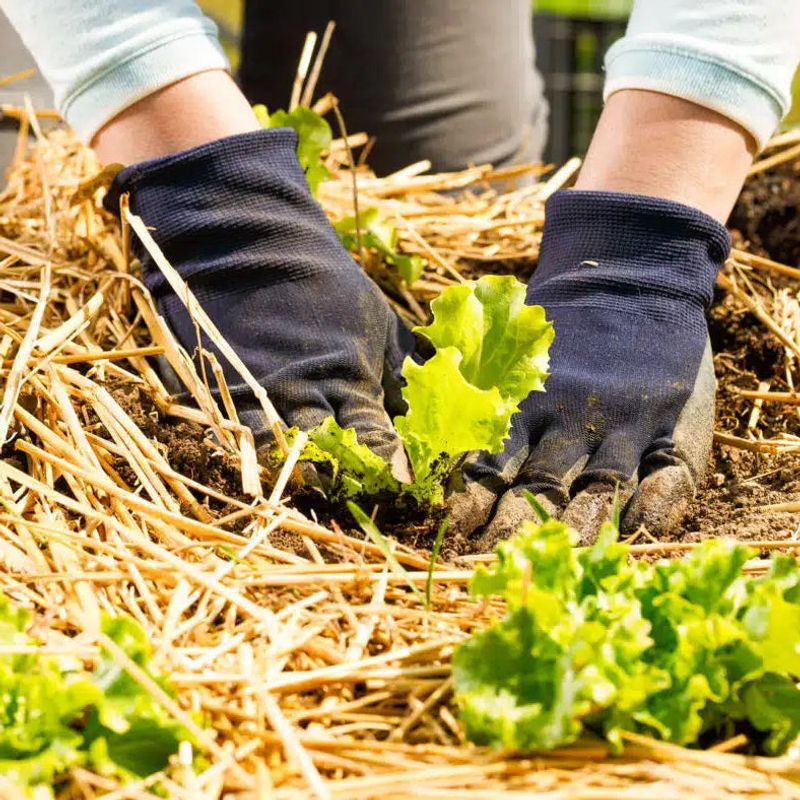
Straw mulch is a garden classic, especially for vegetable beds and freshly seeded lawns. It is cheap and light, yet it can invite roaches faster than almost any other choice.
The hollow stalks and loose weave create endless tunnels and pockets. Roaches treat that tangle like a maze of tiny bedrooms right next to your house.
Straw also soaks up water and stays soggy at the bottom for a long time. That wet base gives roaches the moisture they need to thrive and breed.
Another issue is the leftover grain and seeds mixed into some straw. Those bits are food, and food plus water plus shelter is the full roach package.
People often lay straw thick to hold in soil moisture, which only makes the hiding spots deeper. The heavier the pile, the harder it is for the ground to dry out.
To keep straw safer, spread it thin and let it dry between waterings. Avoid heaping it against foundation walls, steps, or crawl space openings.
Choose seed-free straw when you can, since it carries less food for pests. Cleaner straw means fewer reasons for roaches to linger.
Turn or replace the straw regularly so it does not mat down into a damp carpet. Fresh, fluffy straw dries faster and shelters fewer bugs.
Keep straw for the veggie patch out back rather than the beds hugging your home. Distance is one of your best defenses.
Straw has real uses in the garden. Just remember it is one of the roomiest roach hideouts you can place near a foundation.