Don’t Toss Those Citrus Peels, Michigan Gardeners Put Them to Work in Surprising Ways
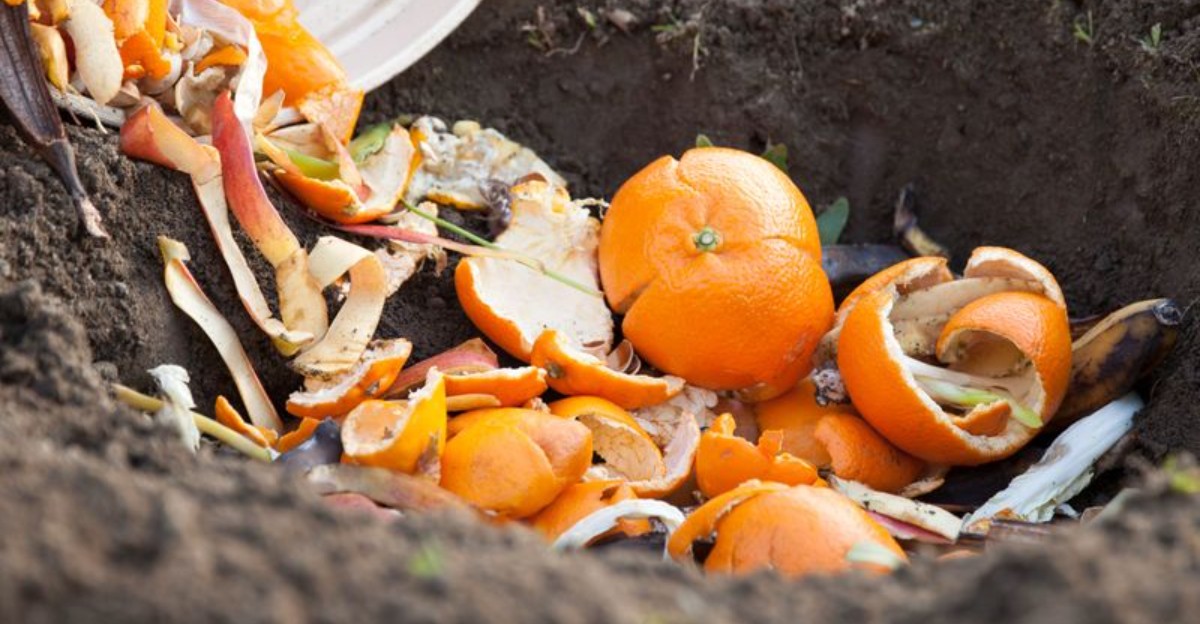
Slugs will happily crawl under a scooped-out grapefruit half and spend the night there like it’s a cozy little tent. That odd habit turns a breakfast leftover into one of the easiest slug traps you can set.
The kitchen scraps most of us drop in the trash hold more garden value than they get credit for. They carry potassium, calcium, and a strong natural oil that many insects and cats find unpleasant.
They also break down into rich, crumbly compost when you handle them the right way. One thing I love about gardening is how often the best tools are already sitting in the kitchen.
Here in Michigan, a cold winter brings plenty of bright, juicy fruit to the table, along with plenty of scraps.
So what happens when you stop treating that pile of rinds as garbage? The answer might change how you look at your fruit bowl.
1. That Grapefruit Rind Doubles as a Slug Hotel
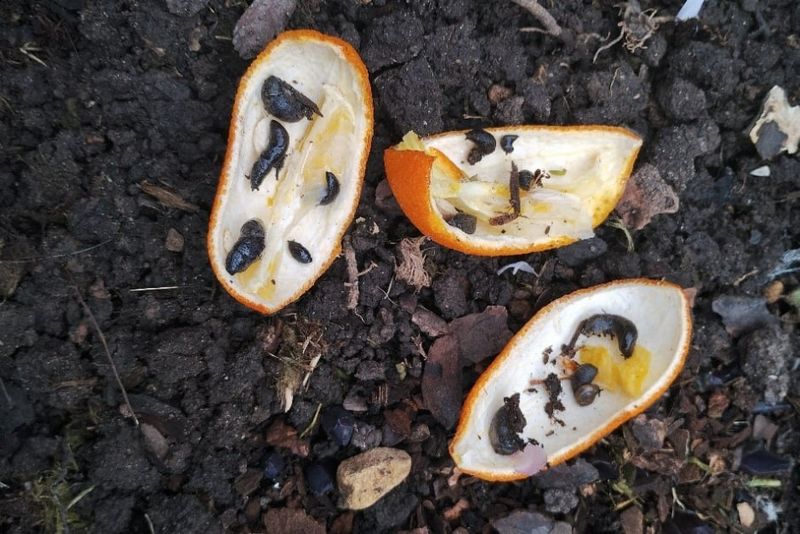
Slugs love damp, dark hiding spots, and a hollowed-out citrus half gives them exactly that. Many gardeners are surprised to learn these pests are drawn to the peel rather than pushed away by it.
Setting the trap is simple. Eat or scoop out a grapefruit, orange, or lemon half, then poke a small hole in the top for air. Place it upside down near your hostas, lettuce, or strawberries in the evening.
By morning, flip it over. You will often find a little crowd of slugs and snails tucked inside. Scoop them into a bucket and move them far from your beds, or dispose of them the way you normally would.
In Michigan, slugs tend to be at their worst during cool, wet stretches of spring and early summer. Shady beds with heavy mulch are prime territory, so start your traps there.
Swap the halves out every few days once they start to soften or mold. A fresh rind keeps pulling in visitors, while an old one mostly attracts fruit flies.
Fun fact: grapefruit halves work especially well because they are wide and deep. More room underneath means more slugs collected per trip.
2. Chopped Orange Peels Make the Compost Pile Happier
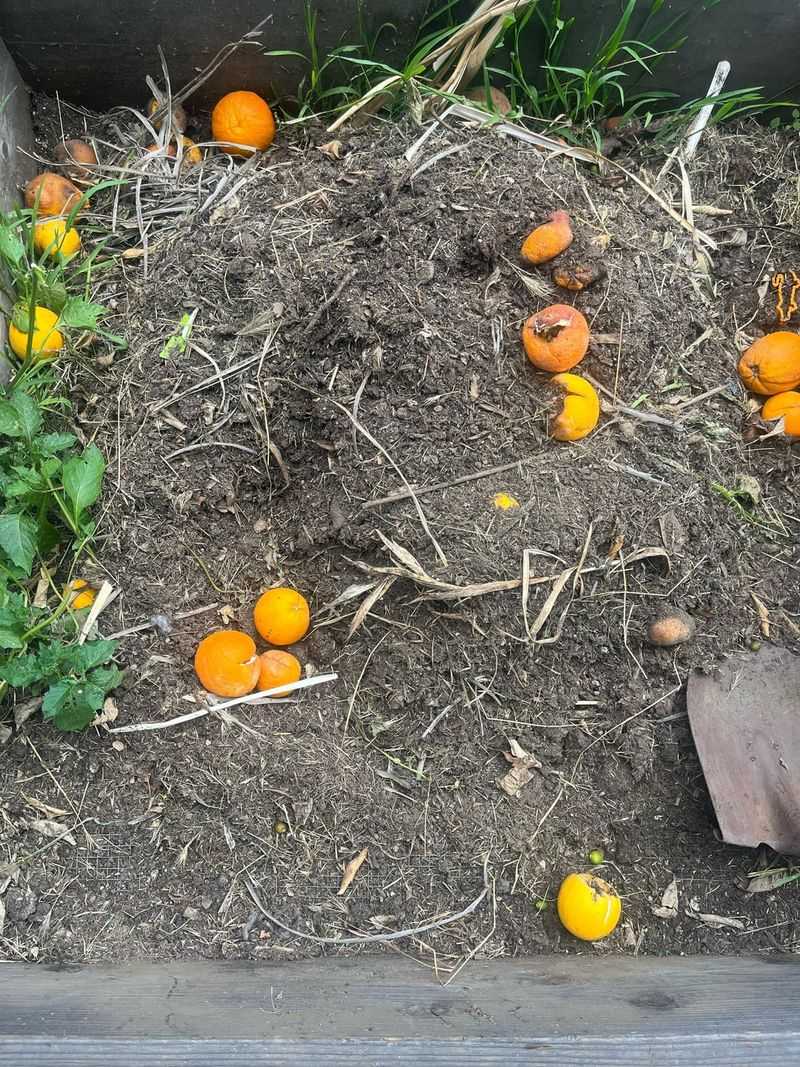
Size matters a lot when citrus heads to the compost bin. Whole rinds have a waxy, tough skin that can take six to nine months to break down. Cut them into roughly one-inch pieces, and they often finish in two to four months.
Small bits give microbes more surface to work on. They also stop peels from matting into a slick layer that sheds water and slows the whole pile.
You may have heard citrus is too acidic for compost. Fresh peels are acidic, but the composting process mostly evens that out. Finished compost usually lands close to neutral or slightly alkaline.
Mix peels with plenty of brown material like dry leaves, shredded cardboard, or straw. A good balance keeps things from turning soggy or smelly.
Michigan winters slow outdoor piles to a crawl, so I like to stash chopped peels in a lidded bucket by the back door. Once spring warms the bin, everything goes in together and gets a good stir.
Moisture should feel like a wrung-out sponge. Turn the pile every week or two, and those bright scraps will become dark, earthy compost before you know it.
3. Cats Tend to Steer Clear of Lemon and Orange Peels
Few things sting quite like finding a neighbor’s cat using your freshly raked seedbed as a litter box. Citrus gives you a gentle way to push back.
Many cats dislike the sharp scent of oranges, lemons, and limes. That aroma comes from oils in the peel, mainly a compound called d-limonene.
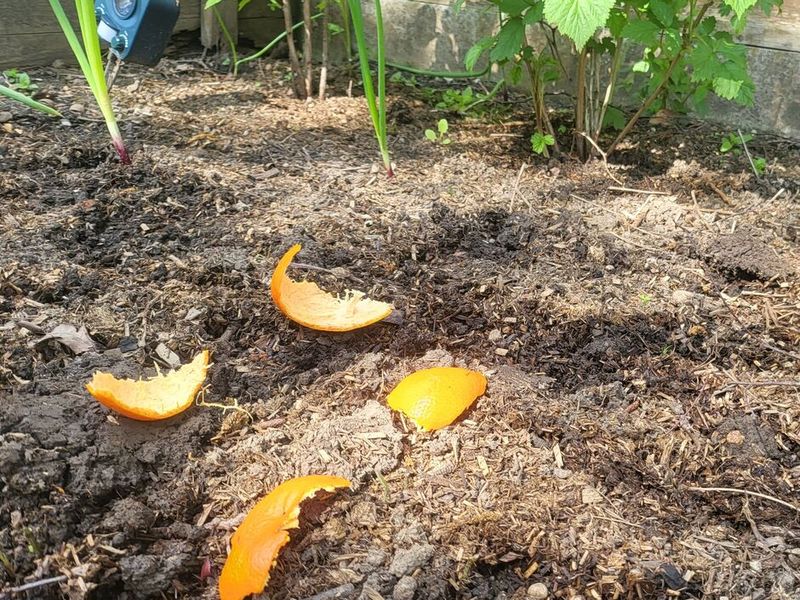
Scatter strips of peel across bare soil where cats like to dig. Focus on newly planted rows, since loose earth is the main attraction. You can also tuck peels under a light layer of mulch so the scent stays put.
Results vary from cat to cat. Some will give the area a wide berth, while a bold few may ignore it, so pair peels with other tricks.
Laying chicken wire flat over the soil or placing pinecones between plants makes digging uncomfortable. Combining scent with texture usually works better than either one alone.
Refresh peels every few days and after rain, since the smell fades fast. Remove any leftover fruit flesh first, because sweet pulp can draw in other critters you don’t want hanging around.
A little patience goes a long way while cats learn to find a new favorite spot.
4. Tiny Seedlings Can Sprout Inside a Lemon Peel Cup
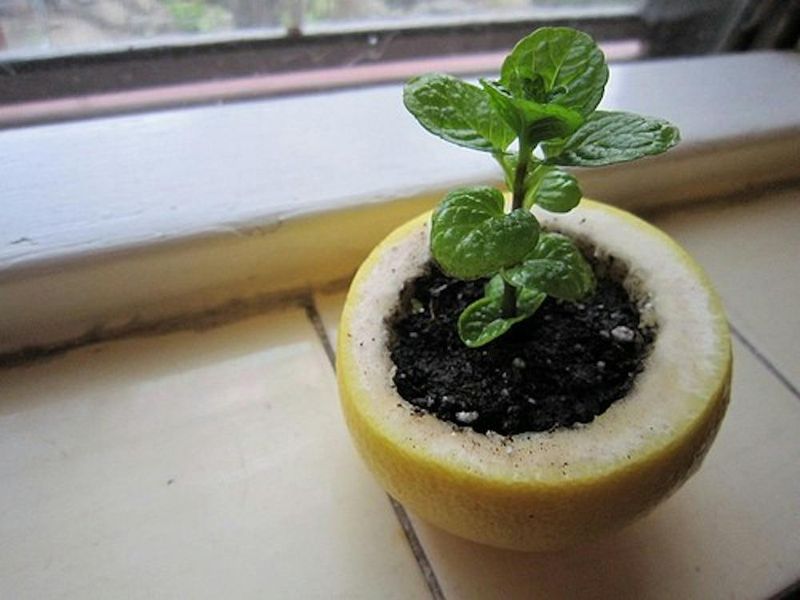
Some of my favorite seed-starting containers come straight from breakfast. A hollowed citrus half makes a charming, biodegradable pot that costs nothing.
Scrape out the pulp from a lemon, orange, or grapefruit half. Poke a small drainage hole in the bottom with a skewer. Fill it with moist seed-starting mix and plant two or three seeds.
Set the cups in an egg carton or muffin tin to keep them upright. A sunny windowsill or grow light helps them along.
For Michigan gardeners, late winter is a smart time to try this. Tomatoes and peppers are often started indoors about six to eight weeks before the last spring frost, which ranges from late April in the south to early June up north.
When seedlings are ready to go outside, gently crack or slice the peel in a few places. Then plant the whole thing in the ground so roots can push through easily.
Keep an eye out for mold, since peels hold moisture. Good airflow and not overwatering keep things fresh. Kids especially love this project, and it makes a cheerful way to start the season.
5. Ant Trails Get Scrambled by Citrus Oil
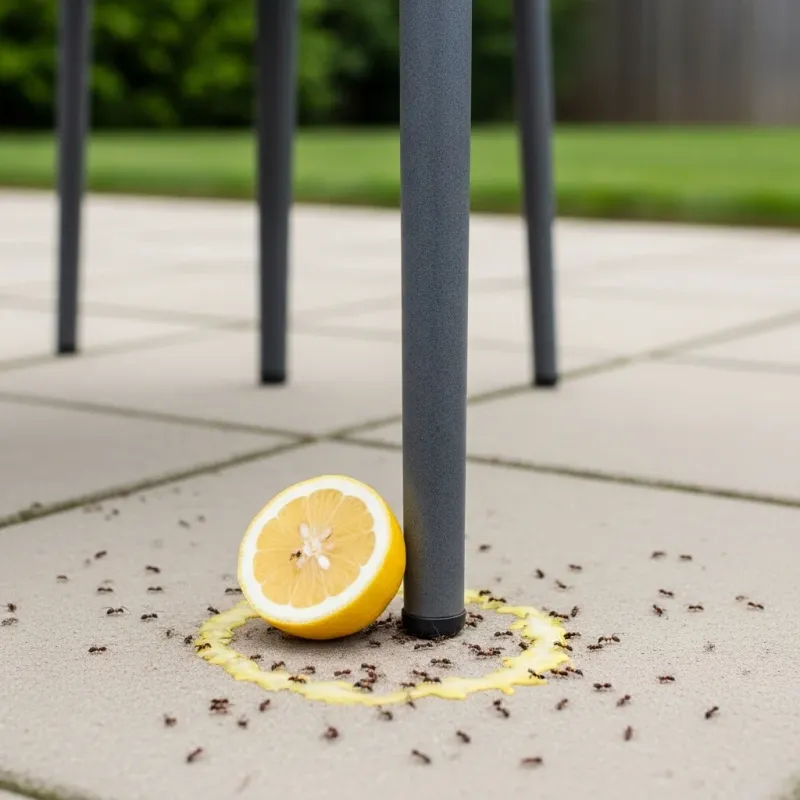
Ants follow invisible scent trails like tiny highways. The oil in citrus peels can muddy those signals and confuse them for a while.
D-limonene, the main compound in orange oil, shows up in some commercial insect products. That gives the idea some real backbone.
For a homemade version, blend a few cups of peels with warm water and let it sit overnight. Strain it, then pour the liquid along ant trails or near patio cracks where they march in. Some gardeners also scatter chopped peels around pots on the deck.
Keep expectations realistic, though. Scattered peels usually offer short-term confusion rather than removing an entire colony. Most ants in Michigan gardens are harmless and even help by loosening soil and eating other pests.
Save your efforts for spots where ants are a nuisance, like near the back door or on plants covered in aphids. Ants often protect aphids for their sweet honeydew, so managing one helps with the other.
Reapply after rain, and test any spray on a few leaves first. Strong citrus liquid can sometimes irritate tender foliage on a hot afternoon.
6. Blueberries Appreciate a Little Dried Peel Powder
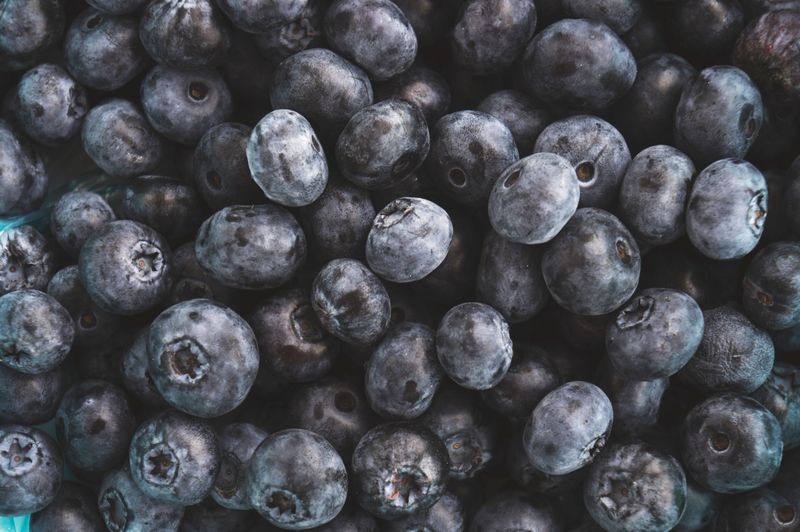
Michigan ranks among the top blueberry-growing states in the country, and these shrubs are famously picky about acidic soil. They thrive when soil pH sits roughly between 4.5 and 5.5.
Dried, powdered citrus peel can add organic matter and a small nutrient boost around acid-loving plants. Azaleas, rhododendrons, and blueberries are common candidates.
To make it, dry peels on a tray in a warm spot or a low oven until they snap. Grind them in an old coffee grinder or blender. Sprinkle a light handful around the base and scratch it into the mulch.
Be honest with yourself about what it can do. Peel powder is a mild helper, not a strong soil acidifier. MSU Extension recommends a soil test and elemental sulfur when pH truly needs lowering.
Think of citrus powder as a bonus, like a sprinkle of seasoning on top of a good meal. Pine needle or wood chip mulch, steady moisture, and the right pH do the heavy lifting.
Skip fresh, wet peels around these shrubs. They can mold and draw pests before breaking down.
7. Fruit Flesh Left on Peels Invites Unwanted Guests
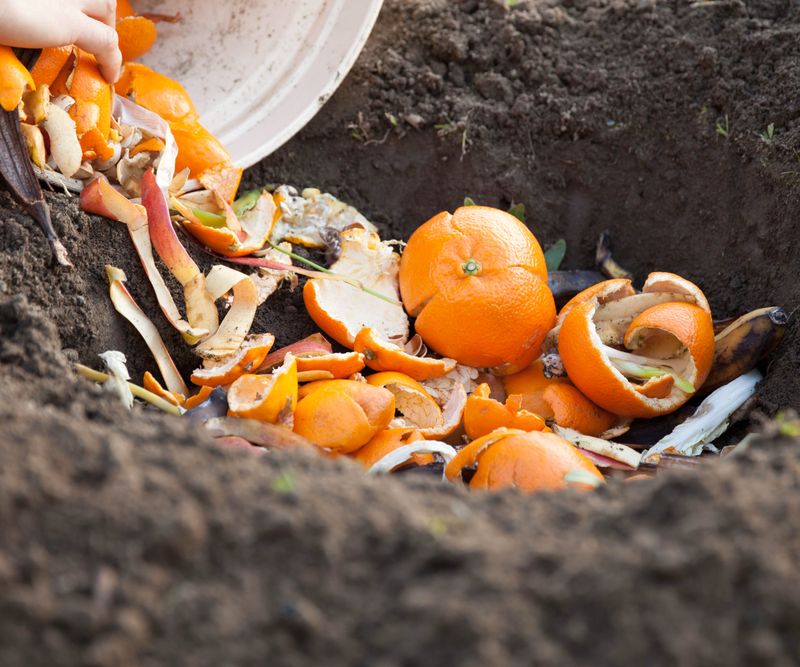
A forgotten orange wedge in the garden can turn into a buffet overnight. Sweet pulp and juice are the real troublemakers, not the peel itself.
Leftover fruit can draw fruit flies, wasps, raccoons, and rodents. Citrus peels are not a reliable way to keep rats away, and pulpy scraps may even pull them closer.
Scrape the white pith and flesh away before using peels outdoors. Toss the sticky bits into a closed compost bin or your kitchen scrap container.
Fresh peels in big piles bring another problem. Their acidity and oils can be a bit harsh when dumped straight onto beds in large amounts.
Small amounts are fine. Larger quantities belong in the compost first or should be dried and broken up.
Worm bins need extra care, too. Many vermicomposters keep citrus to about five to ten percent of what they feed, because worms tend to avoid fresh peels until they soften.
One more caution: d-limonene can bother helpful insects along with pests. Use citrus where you need it most rather than spreading it everywhere, and your pollinators will thank you.
8. Start a Citrus Peel Stash Bucket This Week

Winter is citrus season, which makes it the perfect time to start saving. Grocery stores across the state fill up with navel oranges, clementines, and grapefruit just when gardens are resting under snow.
Grab a lidded bucket and a sorting habit. I like keeping two piles going: chopped peels for compost and clean, scraped halves for spring seed cups and slug traps.
Extra peels can be dried on a rack until crisp and stored in a jar. They hold up for months and are ready for powder or spot pest duty later.
Once the soil thaws, put everything to work. Feed the compost bin, start seedlings indoors, and set grapefruit traps as soon as slugs show up on damp spring nights.
Keep notes on what works in your own yard. Every garden has its own mix of soil, shade, and critters, so your results will be uniquely yours.
Best of all, this habit cuts down on kitchen waste. Food scraps make up a big share of household trash, and a few saved rinds turn that waste into healthier soil and a busier, brighter garden come summer.