Why Michigan Gardeners Are Tucking Their Garlic Beds Under Straw This Time of Year
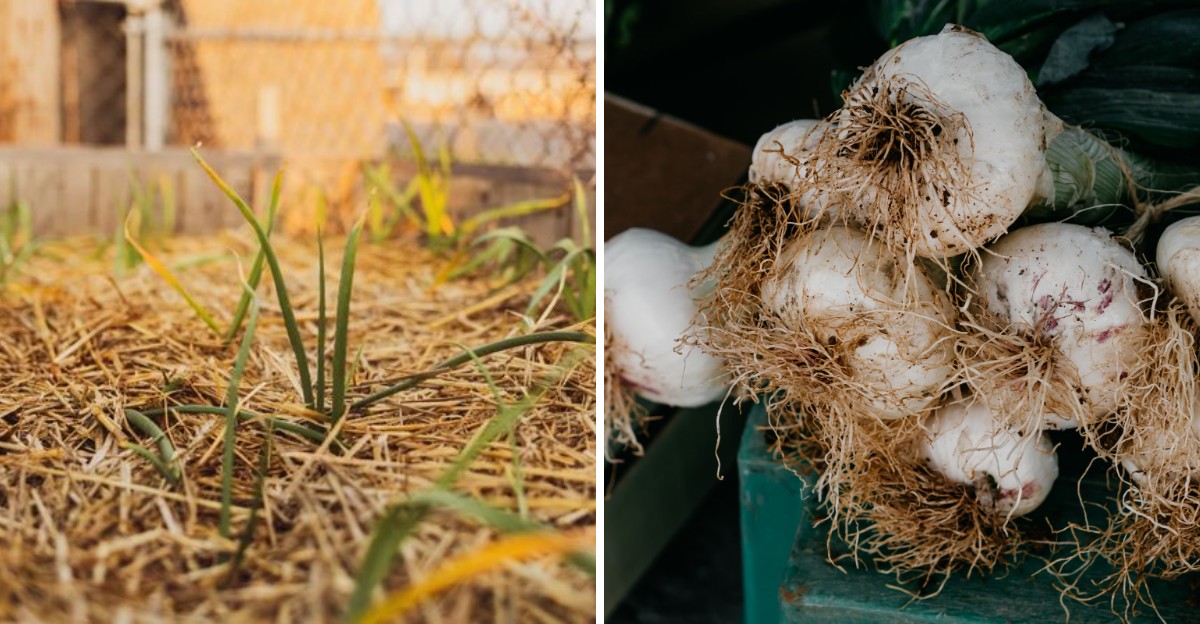
A single clove planted in October can split into a whole head of eight or more cloves by next July. That quiet magic happens while the garden looks fast asleep under snow.
I love that one of the hardiest crops in the garden asks for so little. It goes in when most of us are raking leaves and putting hoses away. Then it spends months building roots in cold soil while we sip cocoa inside.
Michigan winters can be rough on anything sitting near the surface, though. Soil freezes, thaws, and freezes again, and that constant shifting can heave small plantings right out of the ground.
I know how frustrating it can be to find your hard work lying on top of the dirt come March. So why are so many backyard beds suddenly wearing thick golden blankets? The answer is simpler, and smarter, than you might guess.
1. Those Golden Straw Blankets Over Garlic Rows Have a Real Job
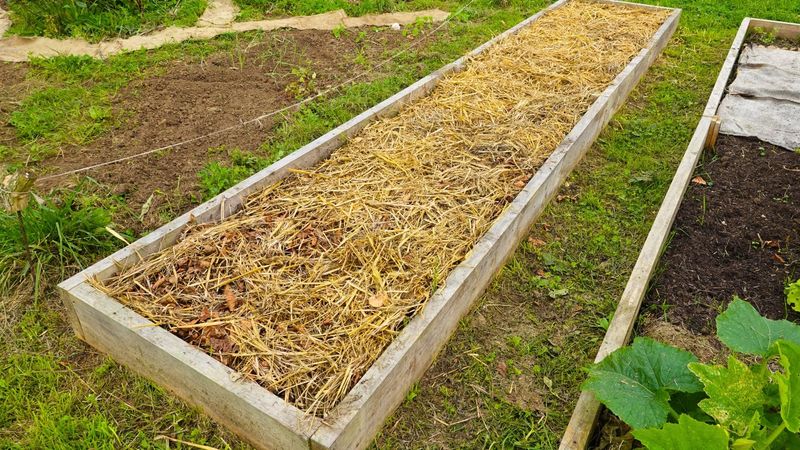
Drive past a vegetable garden in November and you might spot rows that look oddly cozy. Bare beds are tucked under fluffy yellow straw while everything else sits brown and empty. Those beds usually hold garlic, planted just a few weeks earlier.
Garlic is one of the few crops planted in fall for a summer harvest. Michigan State University Extension suggests planting cloves from late September through October in most of the state.
After planting, the cloves get busy growing roots before the ground freezes hard. That root growth is the secret to big bulbs next July.
A clove with a strong root system in fall wakes up in spring ready to grow fast. Without protection, though, those young roots face a long, bumpy winter.
Straw acts like a buffer between the cloves and the wild swings of winter weather. It keeps soil temperatures steadier, slows down frost, and holds moisture. It also smothers weeds before they get a foothold.
So the straw is not decoration or tidiness. It is a simple tool that helps a fall planting reach spring in good shape. Once you understand the reasons, you may want to give your own garlic the same treatment this year.
2. Freeze-Thaw Cycles Can Push Garlic Cloves Right Out of the Soil
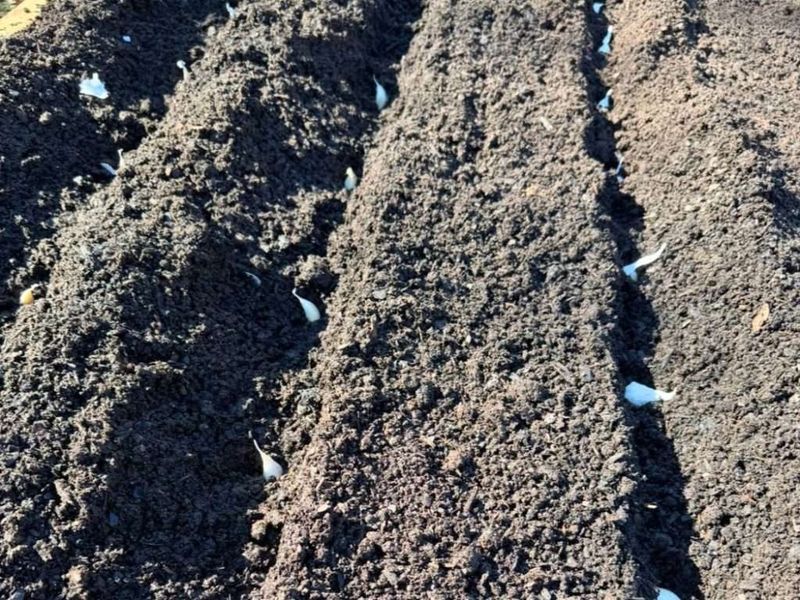
Frost heaving sounds like something from a science fair, but it is a real headache for gardeners. When wet soil freezes, the water inside it expands. The ground swells upward, then settles again when it thaws.
Repeat that cycle a dozen times and shallow plantings start to creep upward. Garlic cloves, sitting just a couple of inches deep, can end up resting on the surface. Exposed roots dry out or get damaged, and the plant struggles to recover.
Michigan sees plenty of these cycles, especially in late fall and early spring. A sunny day in March can thaw the top inch, and a cold night refreezes it.
Southern counties near the Indiana and Ohio borders often get more of this back-and-forth than snowy northern areas.
A thick layer of straw slows the whole process down. It shades the soil from quick warming on sunny days and holds heat on cold nights. The ground freezes more gradually and stays frozen more evenly.
I like to think of it as turning a roller coaster into a gentle hill. The cloves stay anchored, roots keep their grip, and your planting stays right where you put it.
3. Spread the Straw After the Ground Starts to Chill
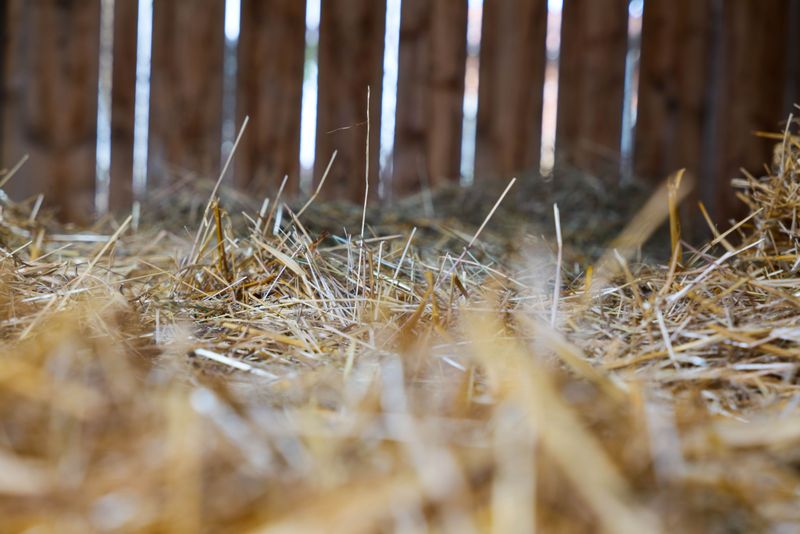
Timing is where many first-time garlic growers trip up. Mulch too early in warm weather and cloves may sprout tall leaves before winter. Mulch too late and you miss some of the protection.
A common approach is to plant first, let roots settle for a few weeks, then mulch once nights turn consistently cold.
In much of the Lower Peninsula, that lands somewhere in November. Some growers mulch right after planting, which also works if planting happens later in October.
How much straw should you use? Many guides recommend about 4 to 6 inches of loose straw. Gardeners in the Upper Peninsula and northern Lower Peninsula often go thicker, around 6 inches or more, because winters run longer and colder there.
Fluff the straw as you spread it rather than dropping heavy flakes straight from the bale. Loose straw traps air, and trapped air is what insulates. Packed slabs can mat down and stay soggy.
A quick tip from experience: wet the straw lightly after spreading it. That helps it settle and keeps the first windy day from scattering your work across the yard.
4. Hardneck Garlic Actually Needs Michigan’s Cold to Form Bulbs
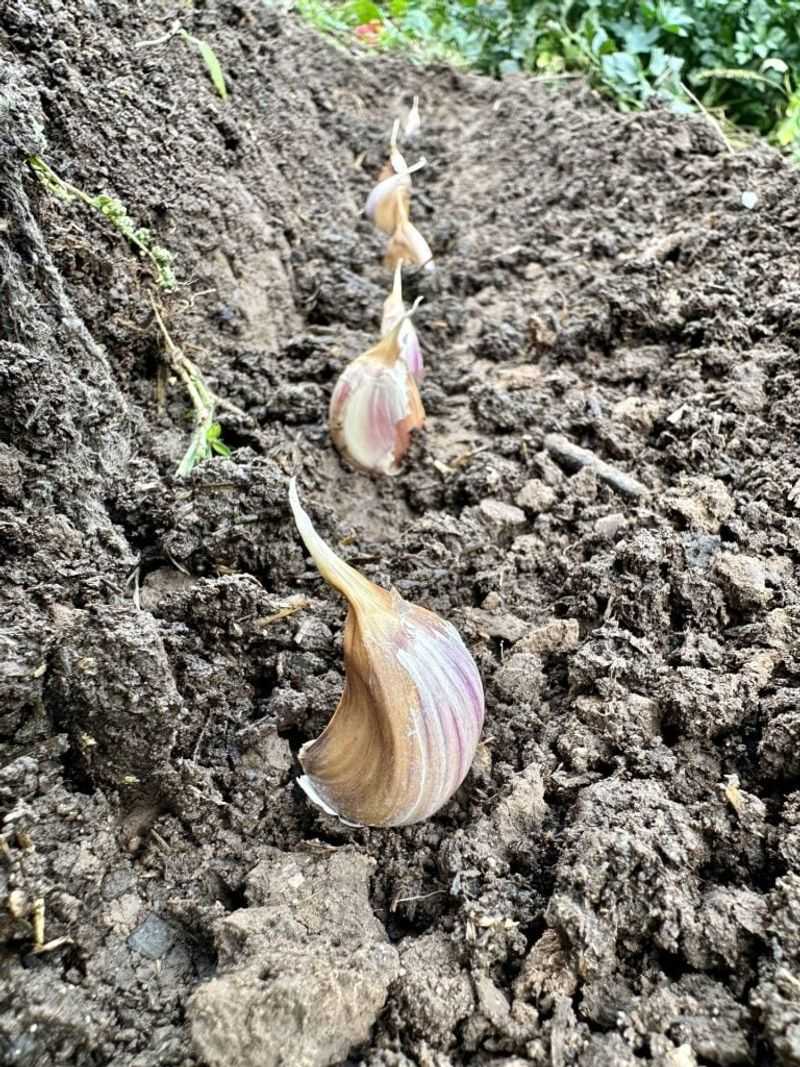
Cold is not the enemy here. Garlic, especially hardneck types, needs a long chilly spell to trigger proper bulb formation. Growers call this vernalization.
Without enough cold, cloves may grow leaves but form small, undivided bulbs. That is one reason hardneck varieties like Music, German Extra Hardy, and Chesnok Red do so well in northern states.
They are built for winters that would frustrate gardeners in warmer regions. So why insulate something that wants the cold? Straw does not keep the soil warm the way a heater would. The soil still gets plenty cold for vernalization.
What the mulch removes is the extreme stuff. Bitter cold snaps without snow cover, sudden thaws, and drying winds can stress young roots. Straw softens those spikes while letting the steady chill do its work.
Here is a fun bonus: hardneck garlic sends up curly flower stalks called scapes in early summer. Snipping them off often helps the plant put energy into the bulb.
Better yet, scapes are delicious in pesto or tossed on the grill. A cold Michigan winter pays you back twice.
5. Weeds Have a Much Harder Time Poking Through Thick Straw Mulch
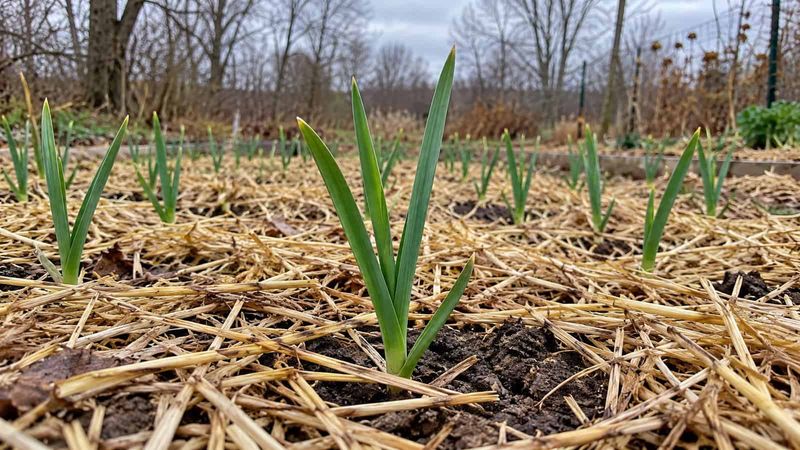
Garlic is a poor competitor. Its skinny, upright leaves cast very little shade, so weeds happily move in around it. Those weeds steal water and nutrients the bulbs need in spring.
Straw blocks sunlight from reaching the soil surface. Many weed seeds need light to sprout, so a thick layer stops a lot of them before they start. The ones that do sneak through are usually easy to pull from loose, moist soil.
That matters more than you might expect. Garlic does much of its bulb growing in May and June. Weed pressure during those weeks can noticeably shrink your harvest.
I have weeded unmulched garlic on my knees in June, and trust me, it is not a fun afternoon. The mulched rows next to it needed maybe ten minutes of attention. That difference alone convinced me.
One caution worth repeating: buy clean straw. Some bales carry grain or weed seeds that sprout into a fuzzy green carpet.
Ask the seller if the straw is seed-free, or look for bales labeled for garden use. Spending a little extra here saves hours of pulling later.
6. Pick Clean Wheat Straw Instead of Weedy Hay for Your Garlic Patch
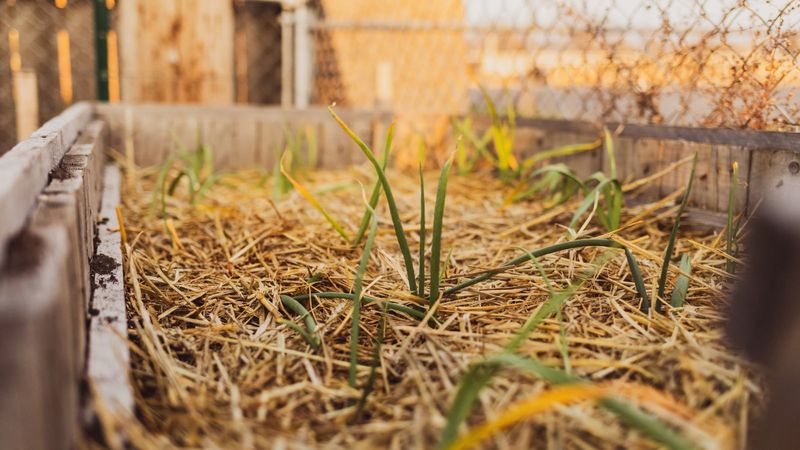
Straw and hay look alike, but they are not the same thing. Straw is the hollow, leftover stem of grain crops like wheat, oats, or rye after the seed heads are harvested. Hay is cut grass or legumes, often with seeds still attached.
For garlic beds, straw usually wins. It has fewer seeds, breaks down slowly, and stays light and airy. Hay can work, but it often brings a crop of grass seedlings along for the ride.
Shredded leaves make another solid choice, and many Michigan yards have plenty in fall. Run them over with a mower first so they do not mat into a soggy sheet. Whole maple leaves can pack down tightly and smother emerging shoots.
Avoid fresh grass clippings in thick layers. They can heat up, turn slimy, and create poor conditions for cloves.
Wondering what to skip? Plastic sheeting and heavy wood chips are not great over garlic, since shoots need to push up easily in spring. Loose organic material is the goal.
Pick something that lets air and water through, and your garlic will find its way to the light without trouble.
7. Spring Garlic Shoots Can Keep Their Straw or Lose It
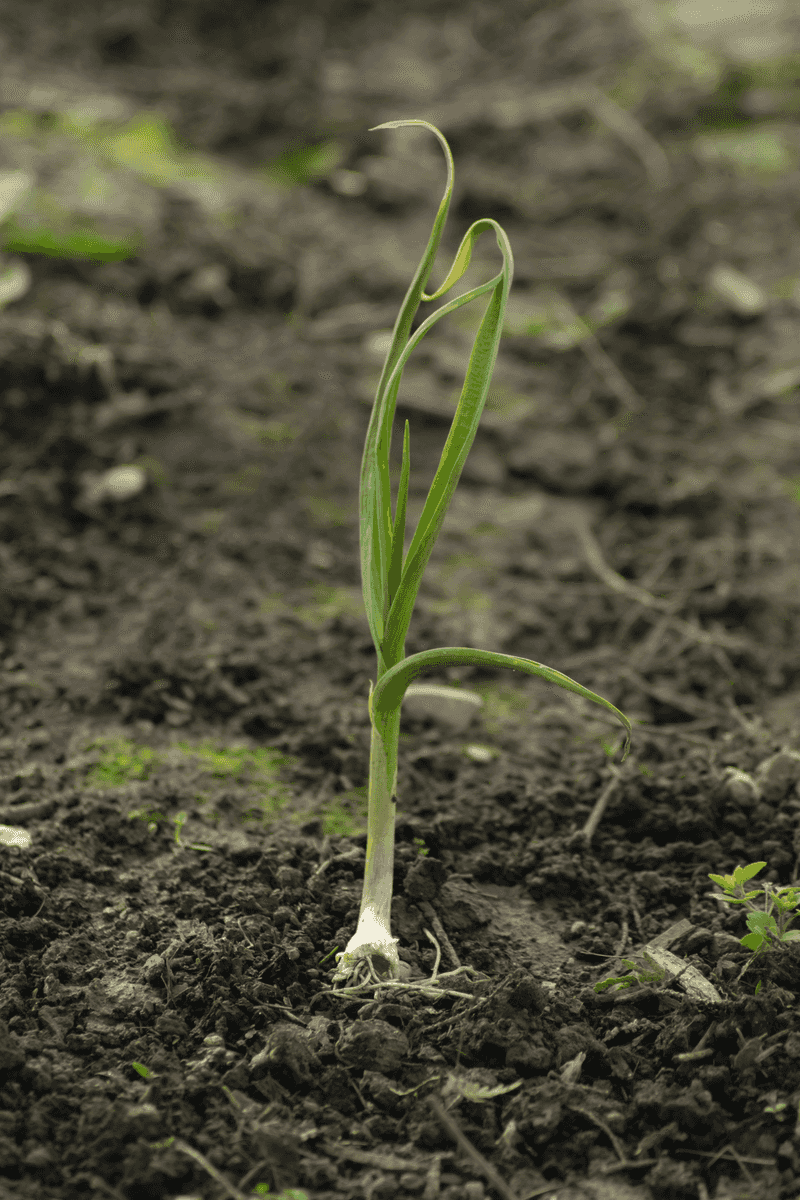
Come April, green garlic shoots start poking up through the straw. Now you get to make a choice. Both options have fans among experienced growers.
Some gardeners rake back part of the mulch in early spring. Bare soil warms faster in the sun, which can give plants a quicker start. In wet, cool springs, less mulch may also help the soil dry out and reduce rot problems.
Others leave the straw in place all season. It keeps holding moisture as summer heat arrives and continues blocking weeds. Garlic likes steady moisture through bulbing, so that can be a real advantage.
What works best often depends on your soil. Heavy clay that stays soggy may benefit from pulling mulch back for a while. Sandy soil, common in western Michigan, dries quickly and usually appreciates the straw staying put.
Either way, check that shoots are not trapped under matted clumps. Gently loosen any spots where leaves seem stuck.
Then plan to stop watering a couple of weeks before harvest, usually in July, when lower leaves start browning. That helps the bulbs cure well and store longer.
8. A Few Bales of Straw Now Mean Fat Garlic Bulbs Next July
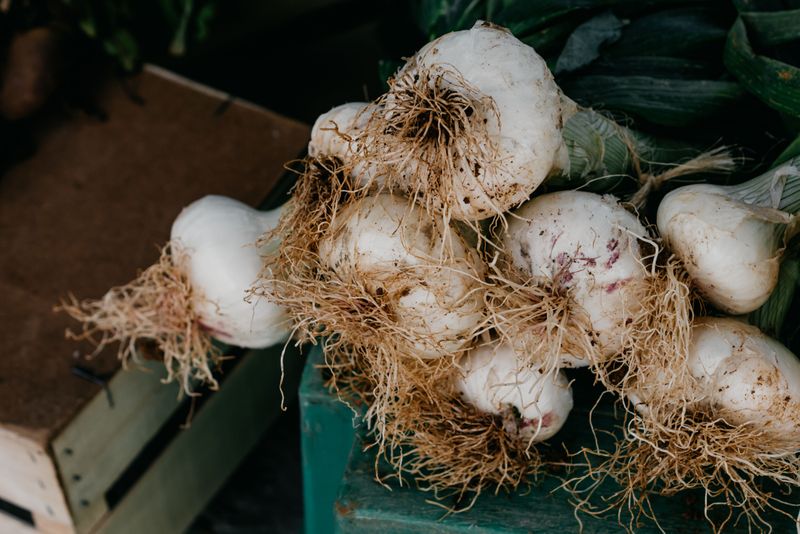
Few garden chores give back as much as mulching garlic. One or two bales can cover a good-sized bed. The payoff shows up months later as plump, papery heads ready to braid or hang.
If you have not planted yet, there may still be time. Cloves planted before the ground freezes hard can still root in many parts of the state.
Use firm, healthy cloves from a local grower or seed supplier, since grocery store garlic may be a variety suited to warmer climates.
Set cloves pointy end up, about 2 inches deep and 6 inches apart. Water them in, give them a few weeks, then add your straw blanket. Mark the rows so you remember where everything is come spring.
Keep a simple note of planting dates, varieties, and mulch depth. Next summer, compare the results. Those notes turn guesswork into a reliable routine over time.
Honestly, the best part is how little work it takes. You tuck the bed in, walk away for winter, and wait. By midsummer, you will be pulling up garlic that tastes far better than anything from a store shelf.