Why Michigan Houseplants Suddenly Look Unhappy After You Bring Them Indoors
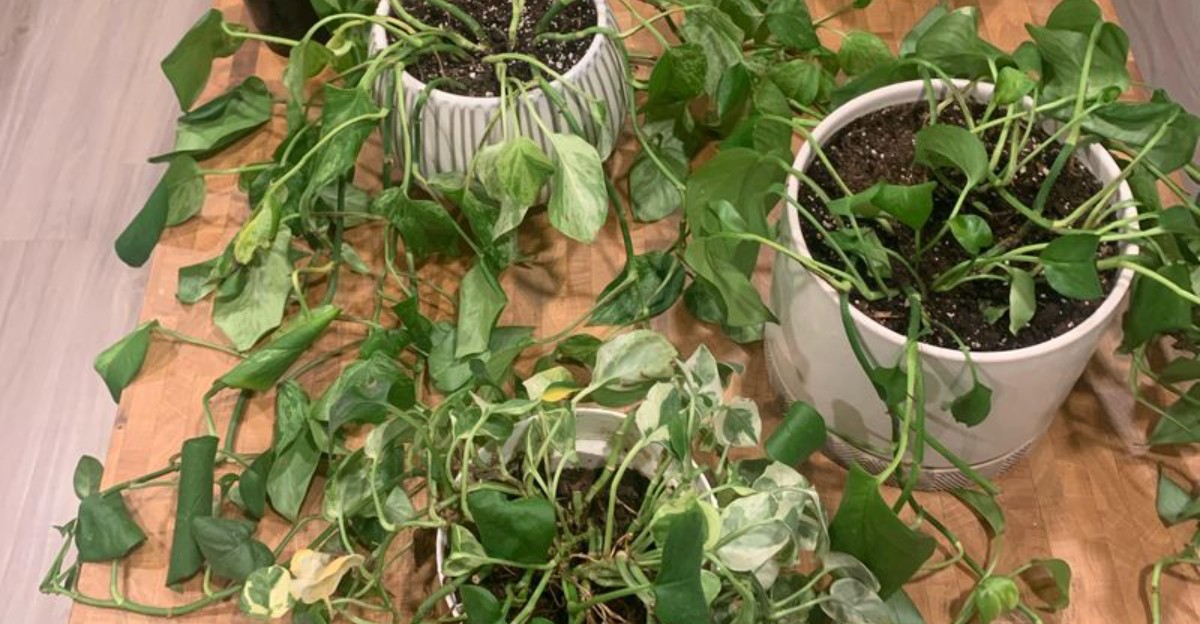
A houseplant that thrived all summer outdoors can look shockingly different within days of being brought back inside a Michigan home, and the sudden change often has nothing to do with anything being done wrong.
Indoor light levels are dramatically lower than even a partially shaded outdoor spot, and plants respond to that drop by dropping leaves or looking noticeably less vibrant as they adjust.
The shift in humidity plays a role too, since outdoor air typically holds far more moisture than the drier environment created by indoor heating systems once they kick on for the season.
This adjustment period, sometimes called transplant shock even without actual repotting, can last several weeks as the plant recalibrates to its new conditions.
Understanding that this rough patch is usually temporary helps Michigan plant owners avoid overreacting with excessive watering or unnecessary fertilizing while the plant simply adapts.
1. Indoor Light Is Much Weaker Than Outdoor Light
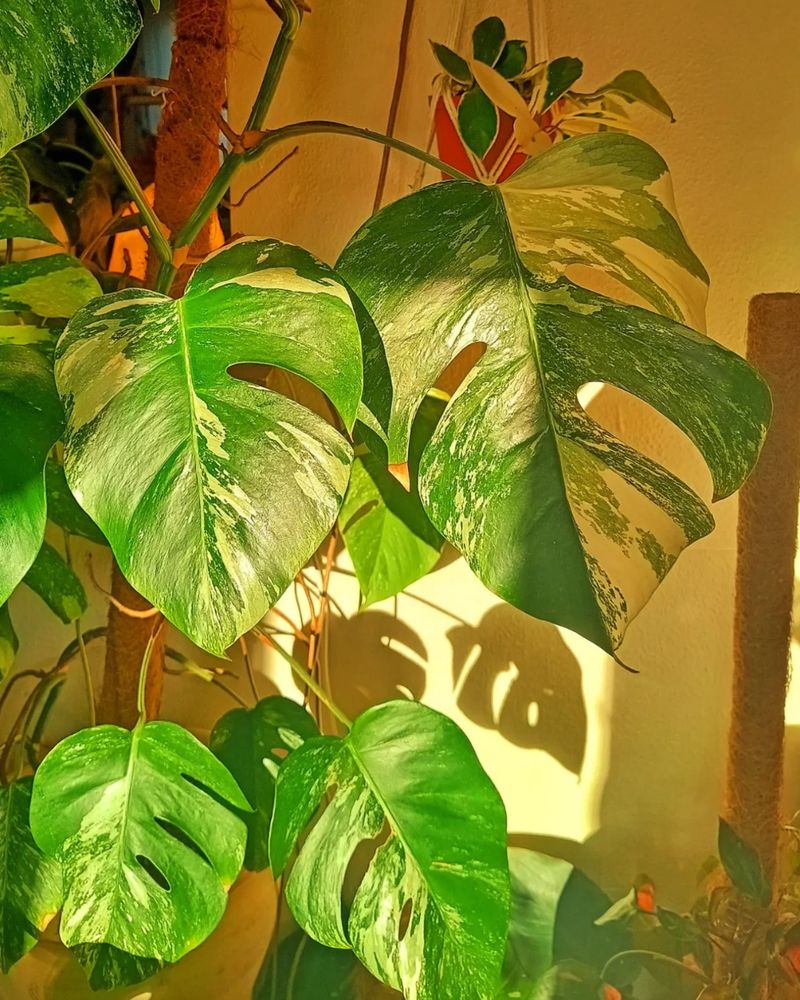
Your ficus looked lush on the patio all summer, and then, two weeks after moving inside, leaves started raining onto the floor.
That scene plays out in homes all over the state every fall. The main reason is simple: light indoors is only a small fraction of what plants get outside.
Even a sunny window can deliver far less light than an open porch, because glass, walls, and roof overhangs block much of the sky.
Plants that spent months outdoors build leaves suited to bright conditions. When the light suddenly drops, they shed the leaves they can no longer support, and the new ones often come in smaller or paler.
Ficus, hibiscus, and citrus are famous for this reaction, so do not panic if yours put on a dramatic show.
Give them the brightest window you have, which is usually one facing south or west. Wipe the glass clean inside and out, since dust and grime can block more light than you might expect.
Turn each pot a quarter turn every week or two so all sides get a fair share and the plant does not lean toward the window.
For sun lovers like citrus, an LED grow light placed a foot or so above the leaves can make a huge difference. Many growers run them for 12 to 14 hours a day on a simple timer.
Michigan makes all of it trickier. Fall and winter days are short, and gray skies settle in for weeks, especially in lake-effect areas of west and northern Michigan. Every bit of extra light you give your plants counts.
2. Heated Indoor Air Is Very Dry
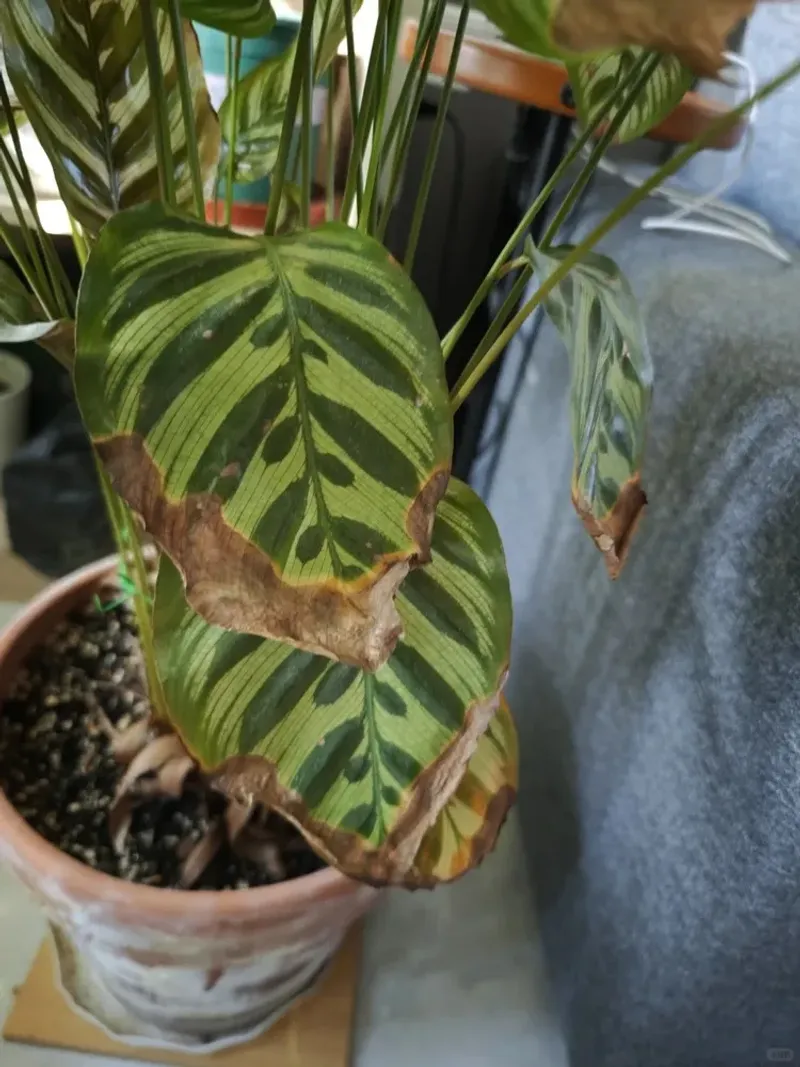
Crunch. That tiny sound when you brush a calathea leaf is a clue that something in the air is off. Once the furnace kicks on for the season, brown tips, crispy edges, and curled leaves start showing up on plants that looked fine a month earlier.
Most popular houseplants come from warm, humid places like rainforest floors. Calatheas, ferns, and peace lilies are happiest when the air feels a bit muggy, often around 50 percent humidity or higher.
Your Michigan Garden Changes Every Week. Your Plan Should Too.
Gardening in Michigan changes quickly throughout the season. Every Friday you’ll receive a simple weekly plan showing exactly what to plant, prune, fertilize, harvest, and protect so you never miss the right timing.
A heated home in winter can drop to 20 or 30 percent, which is closer to desert air than jungle air.
Luckily, you can fight back without much fuss. Cluster your plants together, because leaves release moisture and a group creates its own little pocket of humid air.
Pebble trays help too: fill a shallow tray with pebbles, add water just below the top of the stones, and set the pot on top so it never sits in the water.
For the biggest boost, run a small humidifier near your plant collection, and your skin will likely thank you too.
A cheap digital hygrometer can tell you exactly where your home stands. Keep plants away from radiators, space heaters, and fireplaces, since the heat pulling off those surfaces dries leaves fast.
Michigan winters make dry air a long-running problem. Heating season can stretch from October into April or even May up north.
Cold outdoor air holds very little moisture to begin with, so when the furnace warms it up, indoor humidity sinks even lower, and your thirsty tropicals feel every bit of it.
3. Watering Needs Drop Indoors
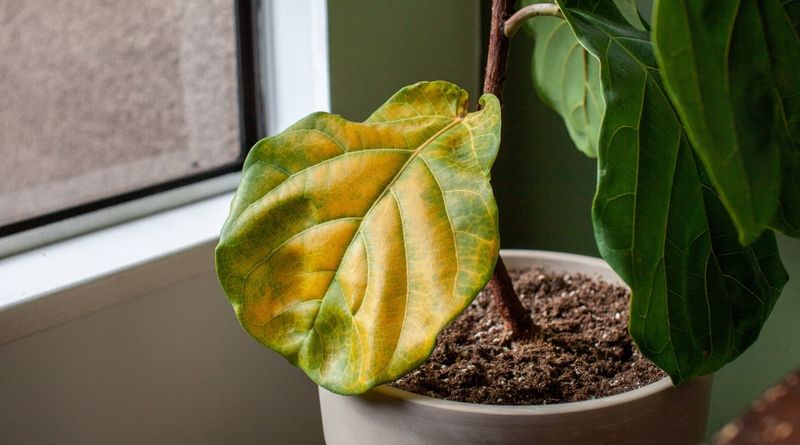
Kindness can go too far, and nowhere is that more true than with a watering can. Overwatering ranks among the top reasons houseplants go downhill after coming inside. The tricky part is that it usually starts with good intentions.
Outdoors in July, sun and warm breezes pull water out of the soil fast, so a plant may need a drink every day or two. Inside, with dimmer light and cooler rooms, growth slows way down.
The plant uses much less water, and the soil stays soggy far longer than you might guess. Soggy soil squeezes out the air that roots need.
Over time, roots begin to rot, and the plant shows it with yellow leaves, drooping stems, and sometimes a sour smell from the pot. A plant with rotting roots can wilt just like a thirsty one, which tempts people to water even more.
The fix starts with your finger. Push it into the soil before every watering, and for most houseplants, wait until the top inch or two feels dry. Succulents and cacti like to dry out even more, while ferns prefer soil that stays lightly moist.
Check that every pot has drainage holes, because water trapped at the bottom has nowhere to go. After watering, empty the saucer within 15 minutes or so. Standing water in a saucer keeps the lower roots wet, which undoes all your careful checking.
Michigan gardeners get plenty of practice during hot summers, and carrying that routine indoors is an easy habit to fall into. Try a reminder to check soil instead of watering on a fixed schedule.
4. Cold Nights Outside Caused Hidden Damage
Here is a sneaky twist: the trouble you see indoors may have started while the plant was still on your deck. Many tropical houseplants get hurt by chilly nights before they ever cross the doorway. The damage just takes a while to show up.
Pothos, philodendron, and plenty of other tropicals come from places where temperatures rarely dip low.
When the air falls below about 50°F, they can suffer something called chilling injury. No frost is needed, and the cells inside the leaves can still get harmed.
A few days later, the symptoms appear. You might spot dark or water-soaked patches, limp stems, or leaves that yellow and drop. Because the plant is already indoors by then, it is easy to blame your house instead of that one cold night last week.
Timing is your best defense. Bring tropical plants inside before nights start falling below 50°F on a regular basis.
If damage has already happened, trim off the leaves that look blotchy or mushy with clean scissors.
Skip the fertilizer for now, because a stressed plant cannot use extra food and may be harmed by it. Steady light, careful watering, and patience are what it needs most.
Fun fact: chilling injury is so common in the produce world that it is one reason bananas should not go in the fridge.
In Michigan, cool nights can sneak in by early September, especially across the northern Lower Peninsula and the Upper Peninsula. That is often weeks before the first frost, so waiting for a frost warning is usually too late.
5. Drafts And Heat Vents Create Temperature Swings
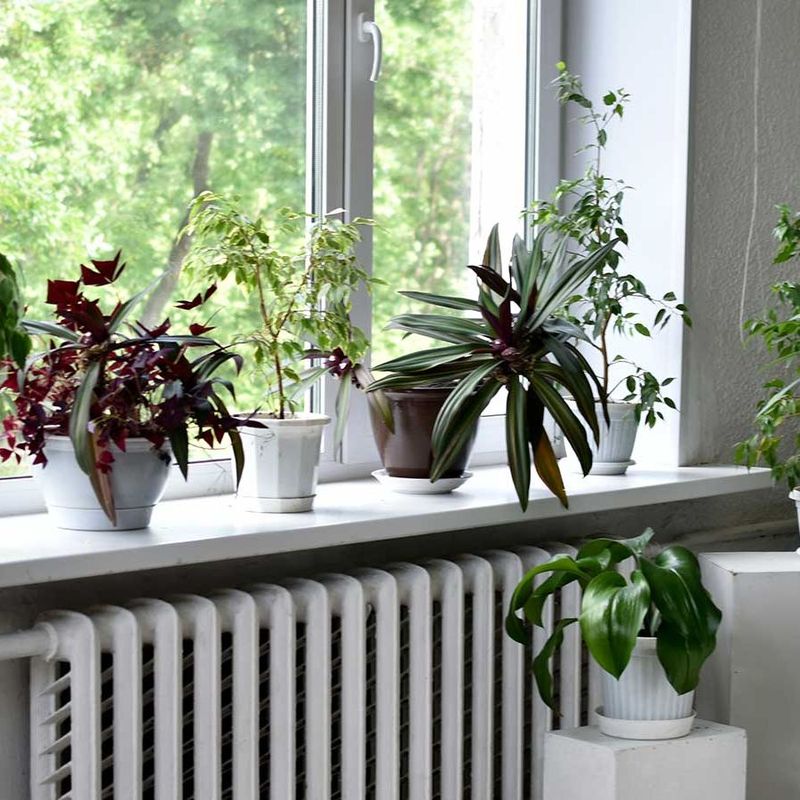
Location matters for plants just as much as it does for houses. A spot that looks perfect on a sunny afternoon can turn rough by midnight. Doors, drafty windows, and heating vents are the usual troublemakers.
Every time someone opens the front door in January, a blast of icy air rolls across the floor. Leaves in its path get chilled over and over. Meanwhile, a plant sitting over a floor vent gets hit with hot, dry air each time the furnace cycles on.
Plants can handle a steady temperature well, but constant swings wear them down. The result often looks like a mystery illness: dropped leaves, brown patches, and stems that wilt even though the soil is moist. In many cases, moving the pot a few feet solves everything.
Walk around your home and look for the danger zones. Keep plants away from exterior doors, heating vents, and baseboard heaters. A simple test is to hold your hand near the spot; if you feel a draft or a rush of warm air, your plant feels it too.
Windows need special attention after dark. Leaves pressed against cold glass can get damaged overnight, so leave a few inches of space between foliage and the pane.
On the coldest nights, close a curtain between the plant and the window or slide the pot back into the room until morning.
Michigan winters push window glass to very low temperatures, especially in older homes with single-pane windows. Doors swing open constantly as families come and go with snow on their boots. A little thought about placement keeps your plants comfortable.
6. Pests Came In With The Plant
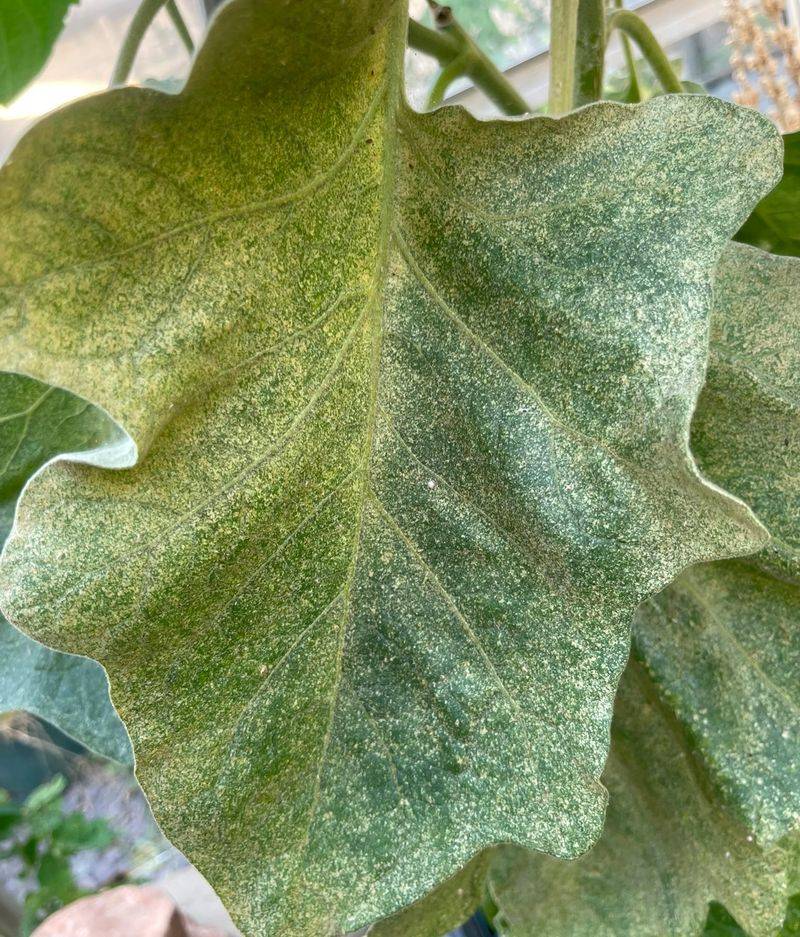
Summer guests do not always leave when the party ends. Spider mites, mealybugs, aphids, scale, and fungus gnats love to ride indoors on plants that spent the season outside. Often you will not notice them until weeks later.
Outdoors, pest numbers stay small because ladybugs, lacewings, birds, rain, and wind keep them in check. Inside, none of those helpers exist. A few tiny bugs can multiply into a full-blown problem in a surprisingly short time.
Spider mites are the champions of indoor trouble. They thrive in warm, dry air, which is exactly what a heated home provides. Look for fine webbing, tiny speckles on leaves, and a dusty look to the foliage.
Regular checkups are your secret weapon. Flip leaves over and look at the undersides, then check stems and the spots where leaves join the stem, since many pests hide there.
Mealybugs look like bits of white cotton, while scale looks like small brown bumps you can scrape off.
If you find pests, give the plant a good rinse in the shower or sink to knock them off. Follow up with insecticidal soap or horticultural oil, and repeat as the label directs, because eggs hatch in waves.
Fungus gnats are easier to control when you let the top layer of soil dry out between waterings. Keep newly moved plants in a separate room for a few weeks so any hitchhikers cannot spread to the rest of your collection.
Michigan homes turn warm and dry once the furnace runs, creating ideal conditions for pest populations to take off. Catching them early saves a lot of headaches.
7. Fertilizer Builds Up When Growth Slows
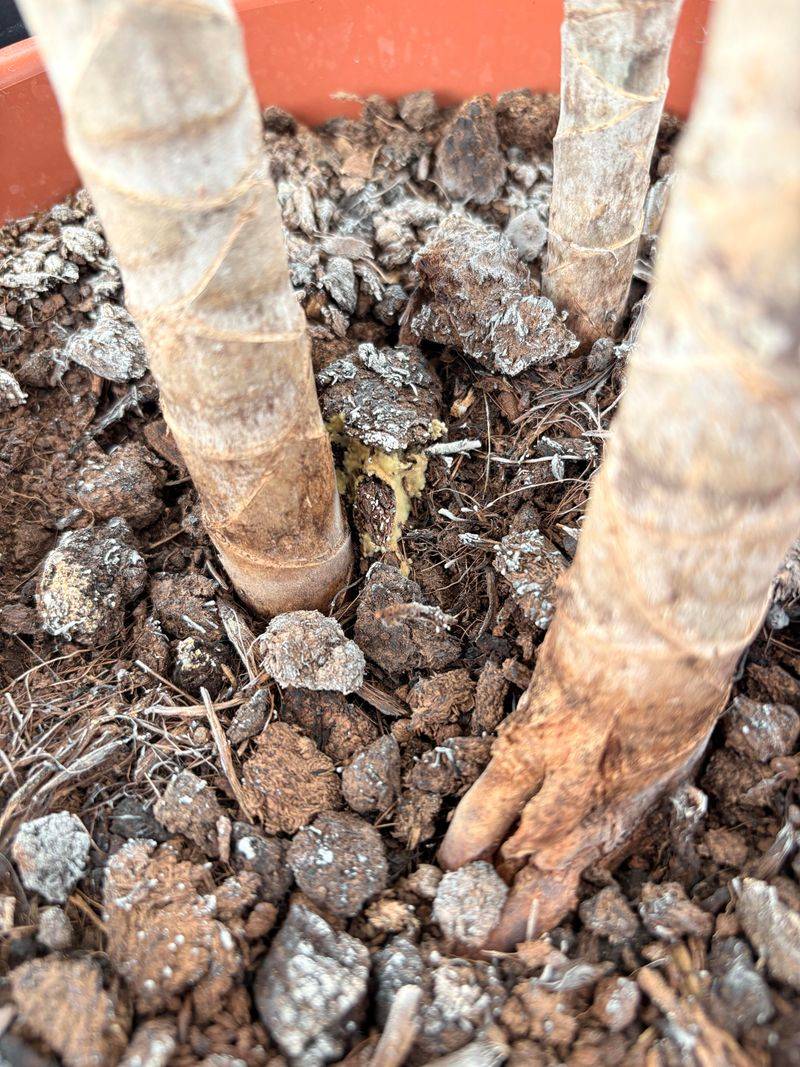
More food does not always mean more growth. Many people keep feeding their plants on a summer schedule after bringing them inside, hoping to keep them strong. Sadly, that plan often backfires.
Fertilizer works best when a plant is growing fast and has the light to use it. In the low light of fall and winter, most houseplants barely grow at all. Unused fertilizer salts stay behind in the soil, and each new dose adds to the pile.
Over time, those salts pull moisture away from roots and can burn them. Signs include brown leaf tips, a white or yellowish crust on the soil surface or the rim of the pot, and roots that look dark and weak.
The plant may seem thirsty even when the soil is wet. For most houseplants, cut back or stop fertilizing from late fall through winter. When you see fresh new leaves in spring, that is your signal to start again, usually at half strength at first.
Already noticing a crust? Flushing the pot is an easy fix. Take it to the sink or tub and slowly pour plain water through the soil for a few minutes until it drains freely out the bottom, which carries extra salts away.
Let the pot drain completely before putting it back on its saucer. Michigan’s low-light season is long, running from fall well into early spring.
That gives salts months to build up if feeding continues. Resting your fertilizer bottle until the days stretch out again is one of the easiest ways to help your plants.
8. The Sudden Move Itself Causes Stress
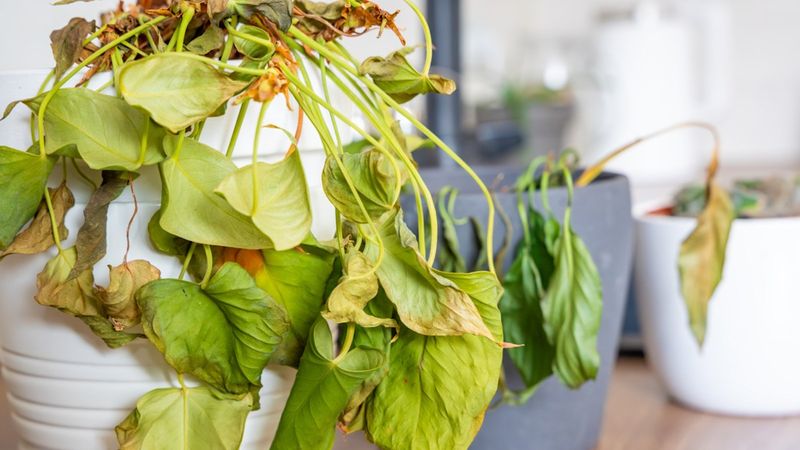
Step from a bright summer beach into a dim, chilly basement, and your eyes need a minute to catch up.
Plants go through something similar, only their adjustment takes weeks. Moving a plant indoors in one go changes its light, temperature, humidity, and airflow in a single afternoon.
That is a lot of change for any living thing. Even when the new indoor spot is a good one, the shock of so many shifts can trigger leaf drop or wilting. Plants need time to rebuild their leaves and roots for the conditions around them.
The smartest approach is a gradual transition. About a week or two before moving day, shift your plants to a shaded spot outdoors, such as a covered porch or the north side of the house.
That lower light helps them start adjusting while temperatures are still mild. Hold off on repotting right after the move, even if the roots look crowded.
Giving a plant a new pot and a new home at the same time doubles the stress. Wait until spring, when active growth helps it recover quickly.
Once your plant is inside, let it settle. Resist the urge to shuffle it from room to room hunting for the perfect spot, because every move starts the adjustment clock over again. A few weeks of steady conditions usually brings things back on track.
Michigan gardeners face an especially big leap. Summer can bring warm, humid days with bright sun, while indoor winter conditions are dry, dim, and steady. A little planning helps them bridge that gap in style.