Wild Turkeys Are Strutting Through Virginia Suburbs This November. What to Do if One Won’t Leave Your Yard
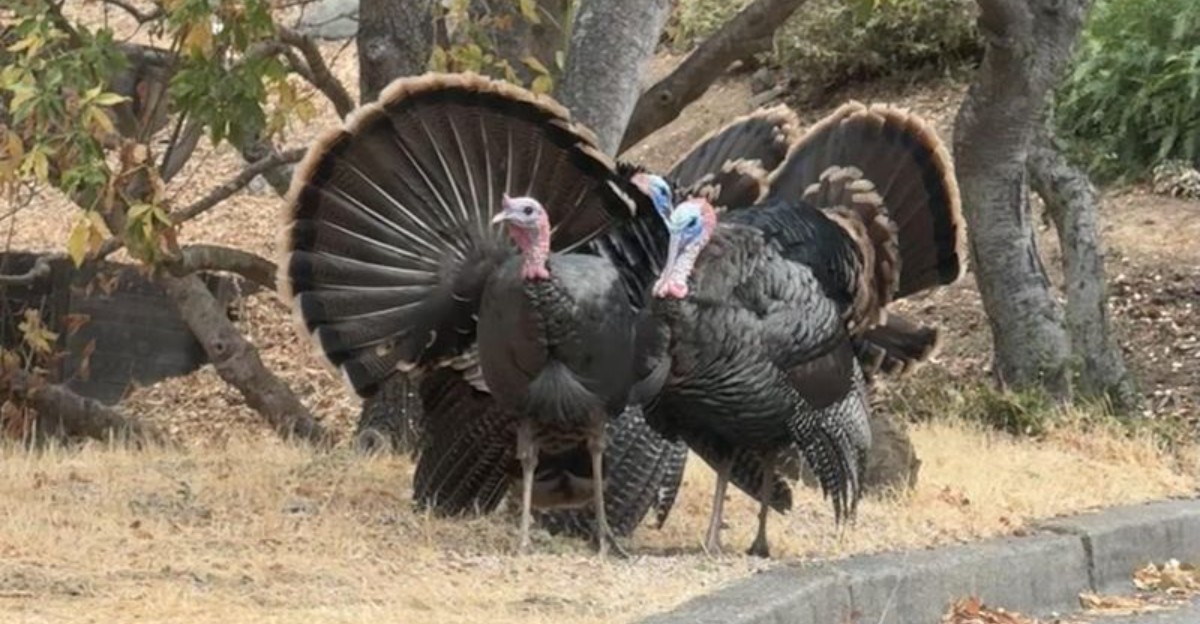
A bird that can run about 25 miles per hour and fly in short bursts near 55 just strolled past my mailbox like it paid the mortgage. It stopped, fluffed up, and stared at my front door. I blinked first.
Back in the early 1900s, this big bronze forager was scarce across much of Virginia. Restocking work by wildlife biologists changed that story, and now flocks wander through cul-de-sacs, golf courses, and school fields.
In my own yard, I’ve noticed the fall visits feel different. The birds linger longer, scratch harder, and seem oddly comfortable around people.
So what do you do when a feathered guest decides your lawn is home? And why does this one keep coming back?
Those Wild Turkeys Found Something Worth Staying For
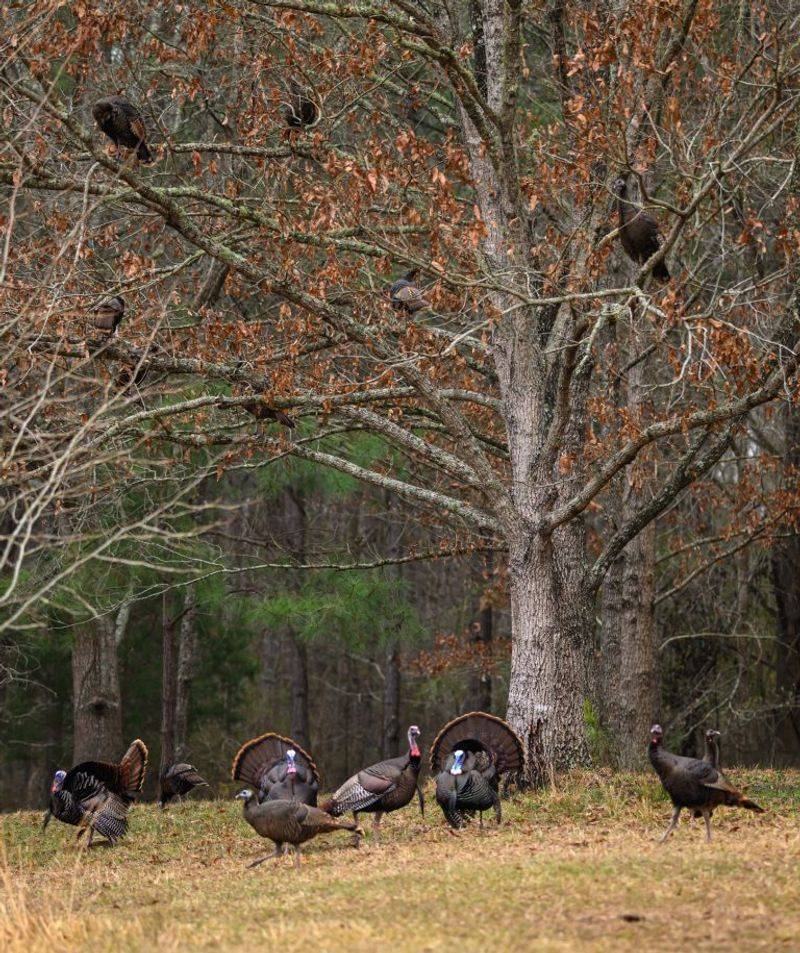
Fall is snack season for turkeys, and your yard may look like a stocked pantry. In November, these birds eat lots of acorns, seeds, berries, and insects hiding in leaf litter.
Suburbs in Virginia offer a sweet mix of open lawns and wooded edges. Biologists call this edge habitat, and turkeys love it.
They can feed in the open, then slip into trees when something spooks them.
Flocks also shift in autumn. Hens and young birds from the summer often band together, while adult males form their own small groups.
Bigger groups wander farther looking for food, so you might see visitors you never noticed in summer.
Between you and me, the most common reason a turkey sticks around is simple. Someone nearby is feeding it, on purpose or by accident.
Spilled birdseed counts. So does pet food left on a porch, or a pile of fallen crabapples nobody rakes up.
A turkey that finds easy meals and no hassle has little reason to move on. Over time, it can lose its natural caution around people.
That loss of fear is the real issue. A shy bird passing through is a treat to watch, but a bold one camped on your deck can become a headache fast.
Wave, Clap, and Spray Until That Turkey Takes the Hint
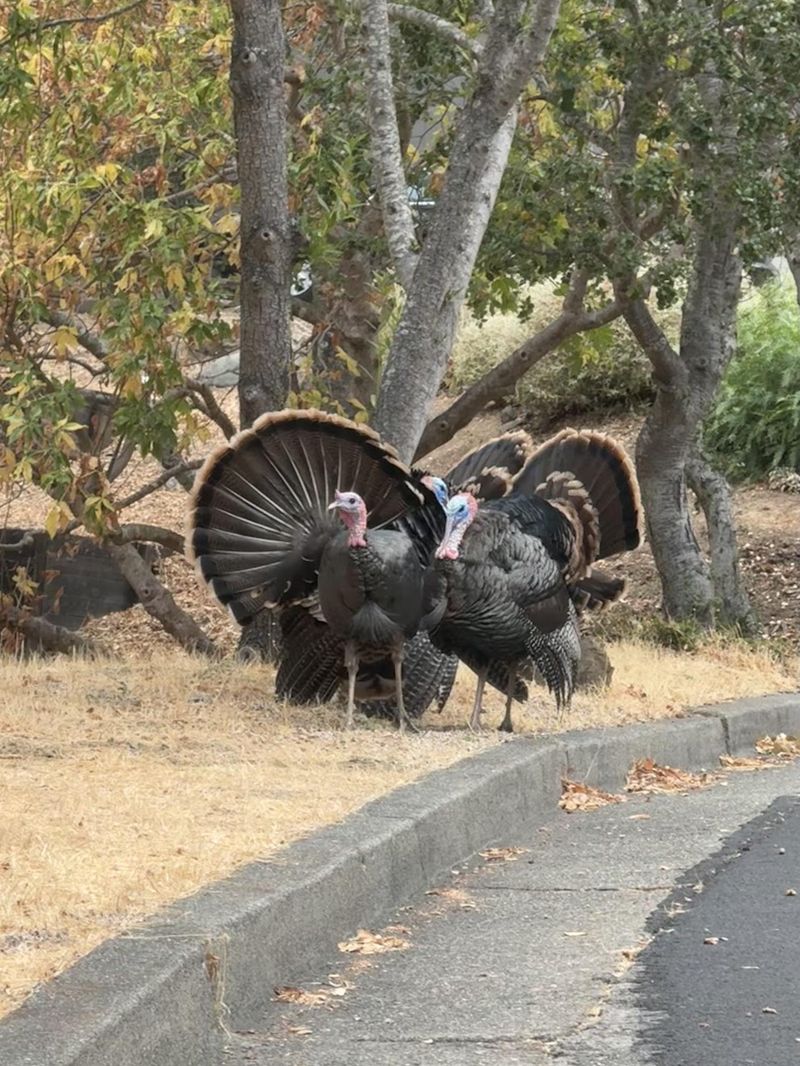
Turkeys respect a confident neighbor. Wildlife experts call the trick hazing, and it simply means making the bird uncomfortable so it chooses to leave.
Start big and loud. Stand tall, wave your arms, clap, shout, or open an umbrella toward the bird.
A quick spray from a garden hose works wonders for many folks. Motion-activated sprinklers help too, since they keep working when you’re at the grocery store.
Let’s just say a leashed dog barking from a safe distance can also send a turkey packing. Keep pets controlled, though, because a cornered turkey can kick and scratch.
Consistency matters more than force. If you chase it Monday but ignore it Tuesday, the bird learns your yard is still a decent hangout.
Get your neighbors on board if you can. A turkey bounced from your lawn may simply hop the fence and settle next door, then circle back.
Don’t make my mistake of laughing and grabbing the camera first. I gave one bird three cozy days before I acted, and it took a full week to convince it otherwise.
Never hit, trap, or corner the bird. The goal is a firm message, not harm, and gentle pressure usually wins within a few days.
Spilled Birdseed Under Your Feeder Is a Turkey Magnet
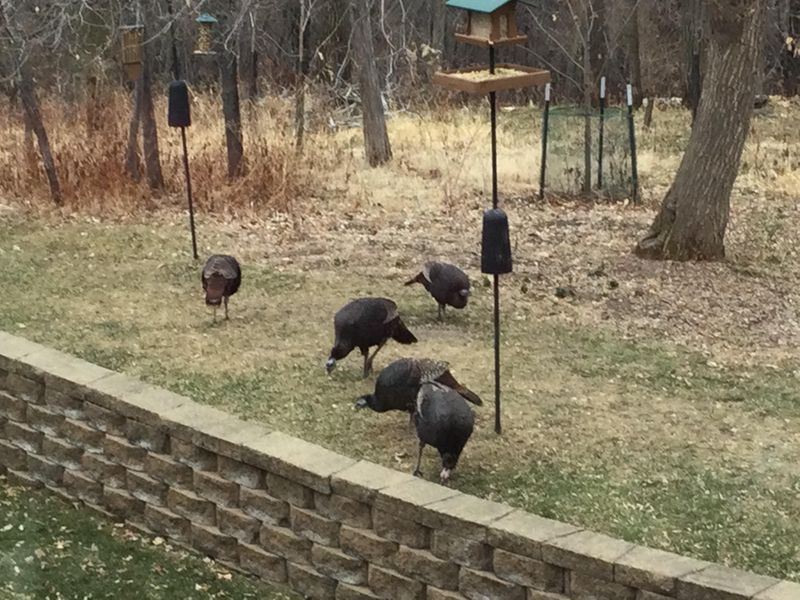
My feeder pole once hosted cardinals by day and a turkey breakfast club by morning. The culprit was the seed scattered underneath, which turkeys find in minutes.
Virginia wildlife officials make it clear that feeding wild turkeys is a bad idea. Fed birds grow bold, gather in crowds, and can spread disease among themselves.
So clean up the buffet. Use a seed tray under your feeder, rake up spills often, or switch to no-mess blends like hulled sunflower chips.
Some gardeners take feeders down for a few weeks. Once the free meals stop, turkeys usually drift off to wilder foraging spots.
Check other snack sources too. Pet bowls on the porch, open compost piles, and unsecured trash cans all send the same welcome signal.
Fallen fruit matters as well. Rake up crabapples, persimmons, or other dropped fruit that piles up under trees this time of year.
If you ask me, this step does more than any scare tactic. You can wave your arms all day, but a bird with a full belly and an easy menu will keep returning.
Remove the reward, and your hazing efforts suddenly start working much faster.
Scratched Mulch Beds Usually Mean Turkeys Were Snacking
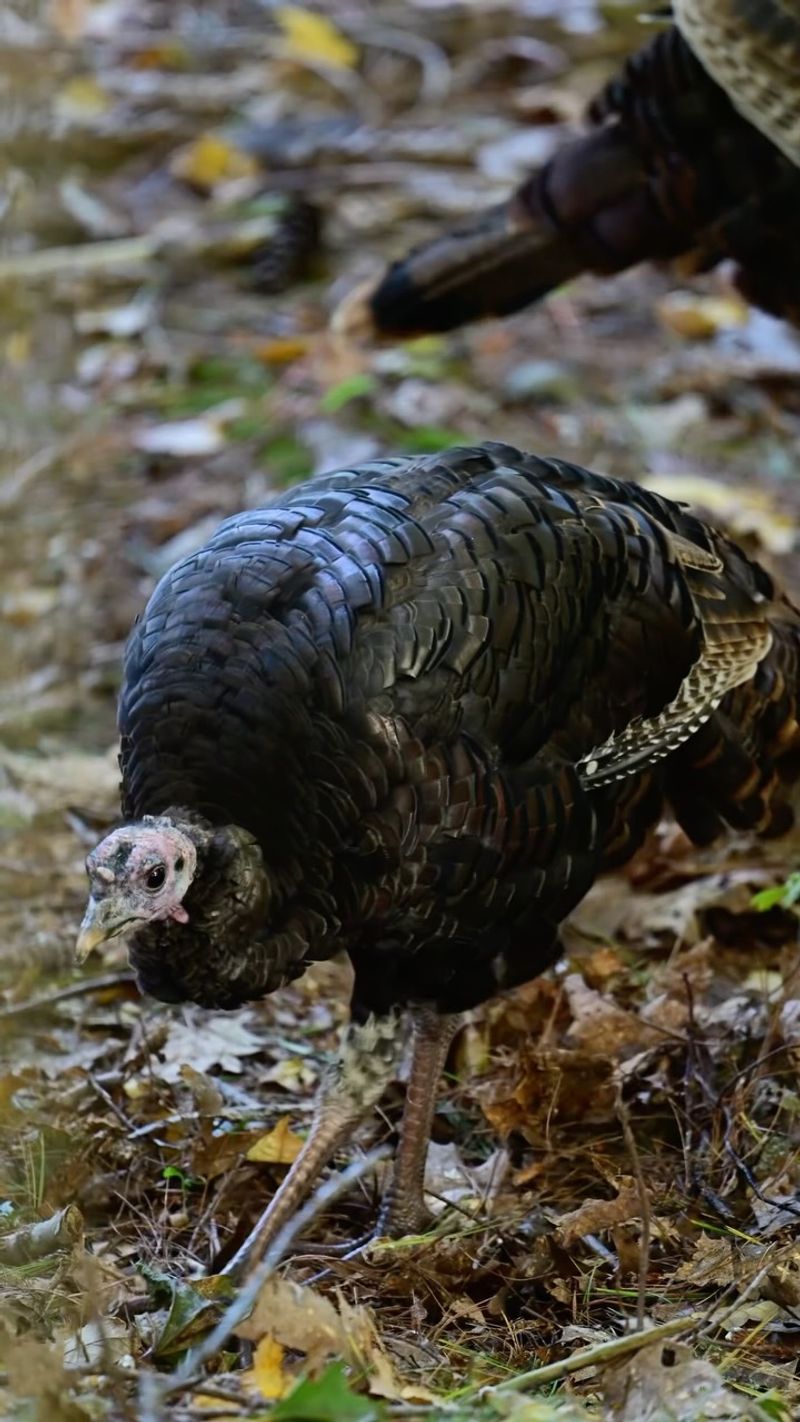
Ever walk outside and find your mulch flung onto the sidewalk like a tiny tornado hit? Turkeys scratch with their strong feet, kicking back leaves and mulch to uncover bugs, seeds, and acorns.
The signs are pretty easy to spot. Look for shallow bare patches, scattered mulch, and three-toed tracks about four inches long.
Droppings are another clue. Males often leave J-shaped droppings, while hens leave rounder, spiral ones, a quirky fact that wildlife biologists actually use.
Before blaming turkeys for every chewed plant, take a closer look. Deer, squirrels, rabbits, and skunks often cause damage that gets pinned on the biggest bird in sight.
Skunks and raccoons dig small cone-shaped holes hunting for grubs. Deer leave ragged, torn leaf edges and hoof prints instead of bird tracks.
Here’s what caught my attention in my own beds. The turkey damage was wide and shallow, like someone raked it badly, rather than deep and pointed.
Knowing the true culprit saves you money. There’s no sense buying turkey deterrents if a family of squirrels is the real problem.
A cheap trail camera can settle the mystery in a night or two.
Garden Beds Stay Safer Behind Chicken Wire and Fencing
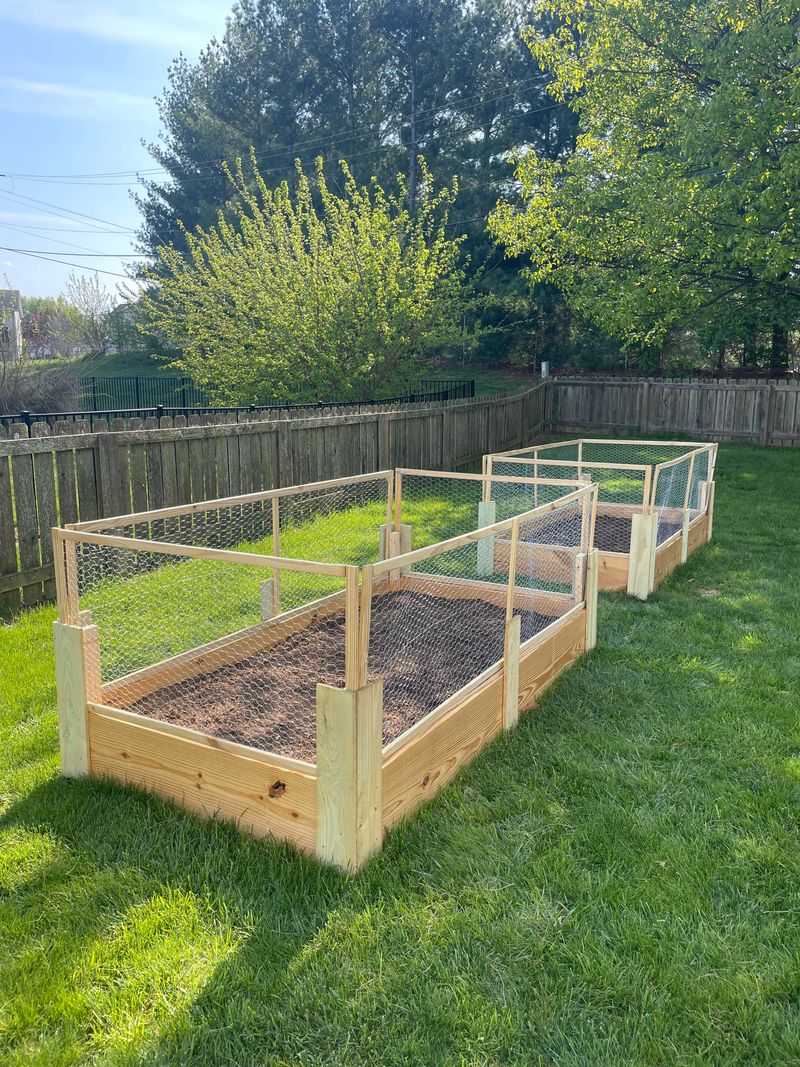
A little wire goes a long way. When turkeys keep tearing into the same beds, a physical barrier is often the most reliable fix.
Chicken wire or hardware cloth works well around small beds and fall plantings. Turkeys can fly over fences, but low barriers still discourage casual scratching in most yards.
Pin wire flat over freshly planted bulbs or seeded areas. It stops digging, and plants can grow right through the openings later.
November is prime time for tucking in garlic, tulips, and daffodils across much of Virginia. Those loose, freshly worked spots are exactly where turkeys like to poke around.
Skip thin plastic netting, though. Birds, snakes, and other small critters can tangle in it and get hurt.
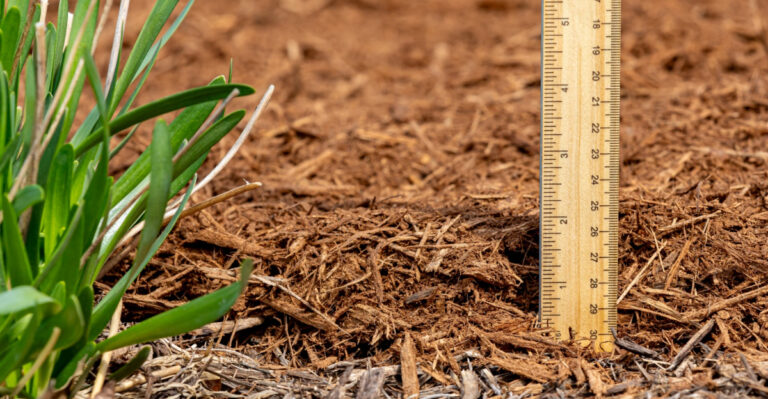
For what it’s worth, a layer of coarse bark or stones in heavy-traffic beds helps too. It’s harder to flip than fine mulch, so foraging birds often give up.
Motion-activated sprinklers pull double duty here. They protect plants and keep up your hazing message when you’re away.
A few shiny pinwheels or scare tape may help briefly. Rotate them often, since clever turkeys figure out harmless decorations in a week or two.
A Pushy Tom Turkey Is When Virginia Wildlife Experts Step In
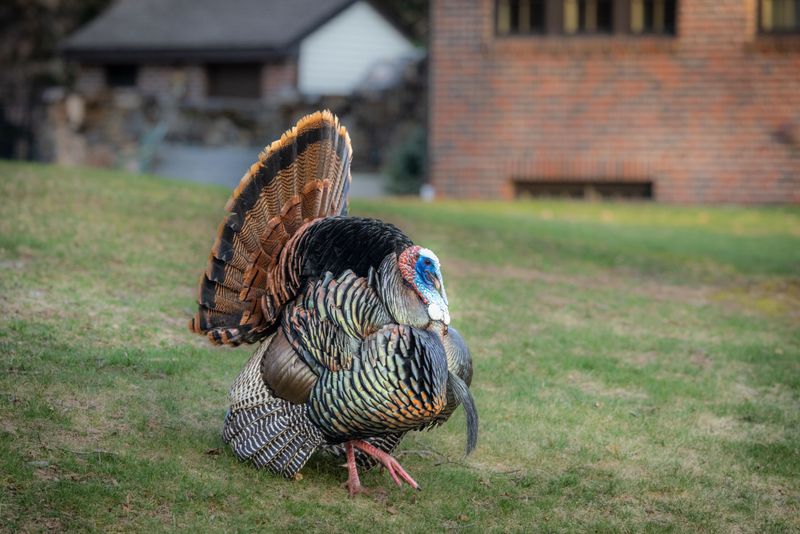
Most turkey visits are harmless and fade on their own. Still, a few situations call for professional help.
Bold turkeys sometimes peck at shiny cars, chase walkers, or puff up at kids. This behavior shows up more in spring breeding season, but a habituated bird can act pushy in fall too.
If a turkey seems aggressive, back away calmly and don’t turn and run. Holding up an open umbrella can make you look bigger.
Call the Virginia Department of Wildlife Resources if a bird threatens people or won’t respond to hazing. Their Wildlife Conflict Helpline can talk you through options.
Injured or sick turkeys need a licensed wildlife rehabilitator. Please don’t try to treat one at home, since that’s tough on the bird and against the rules.
Trapping and moving the bird yourself isn’t allowed either. Wild turkeys are a protected game species in Virginia, and relocating wildlife without permission breaks state law.
Hunting is managed with strict seasons and is generally off-limits in neighborhoods anyway. Local firearm ordinances and safety rules apply.
Looking back, I wish I’d known the helpline existed sooner. A five-minute call gave me better ideas than an hour of internet searching.
Enjoy the Turkey Parade From a Respectful Distance
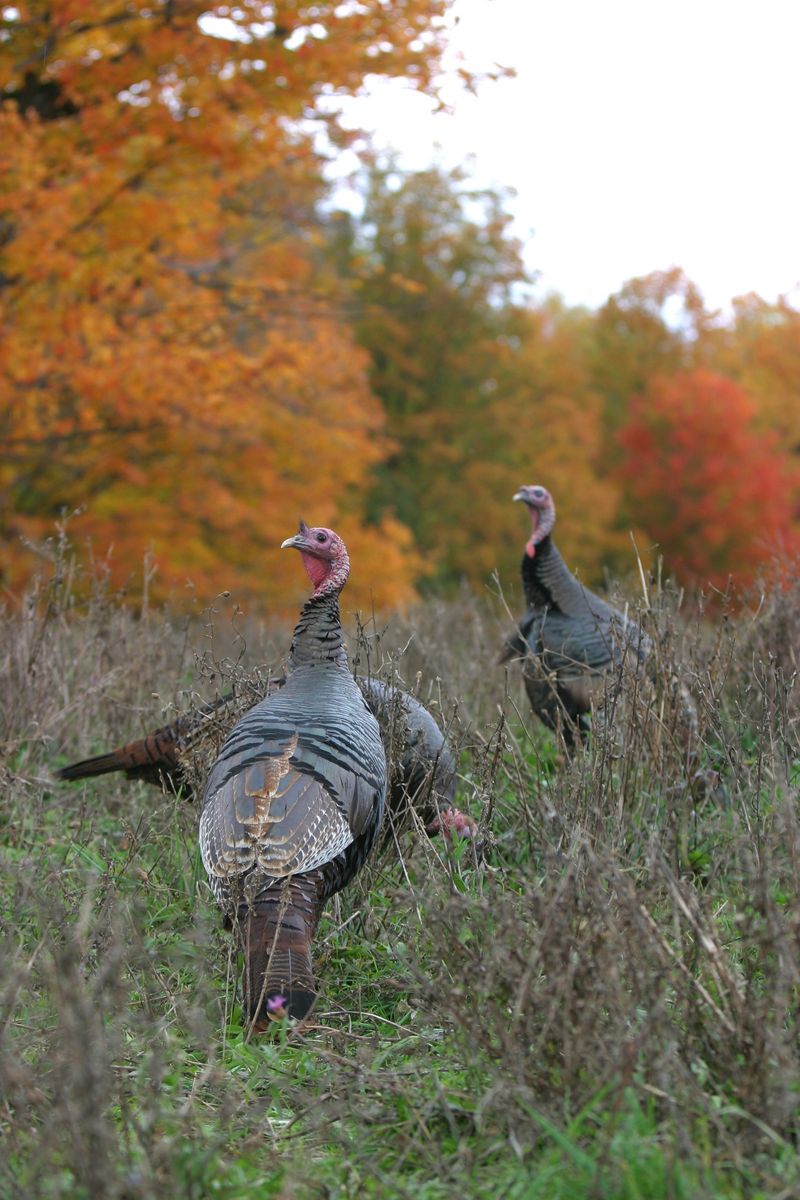
Some mornings I just sip my coffee and watch. Seeing a flock strut along the tree line reminds me how far these birds have come.
Wild turkeys were scarce across much of the East a century ago. Habitat loss and unregulated hunting pushed numbers way down before careful restoration brought them back.
Today, the National Wild Turkey Federation counts millions of wild turkeys across North America. That’s a conservation success worth celebrating, even when one tramples your pansies.
The secret to peace is simple. Keep turkeys wild by skipping handouts, securing food sources, and gently moving them along when they get too cozy.
Native plantings can help too. Oaks, dogwoods, and native grasses along wooded edges give turkeys good foraging away from your patio.
Fun fact for the kids. A turkey’s bare head can shift between red, white, and blue as its mood changes, especially in excited males.
My garden taught me that sharing space works best with clear boundaries. Turkeys belong in the landscape, just not on your porch steps.
So grab the binoculars this November and enjoy the show. A little respect and a lot less birdseed can turn a nuisance into a neighborhood highlight.