10 English Boxwood Alternatives for a Virginia Garden After Blight
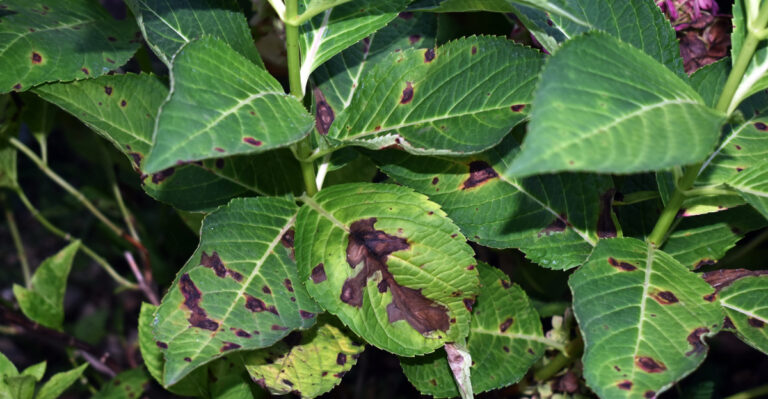
Brown patches can show up on a prized hedge in a single wet week, and the shock stings. I have stood in my own yard staring at bare twigs and missing all that tidy green.
Are you from Virginia? Then you are facing the same sad scene, and many are ready for a fresh start. Fall offers a smart window for that fresh start, with cool air and warm soil helping new roots settle.
I spent weeks comparing tough evergreens that hold their shape and shrug off the usual trouble. Some are native shrubs with deep local roots, and a few are quirky conifers with surprising textures.
One pick even blooms in October, and it still makes me grin like a kid at a candy counter. Your Virginia garden can look polished again, and the right shrub might be easier to find than you expect.
Inkberry Holly ‘Gem Box’
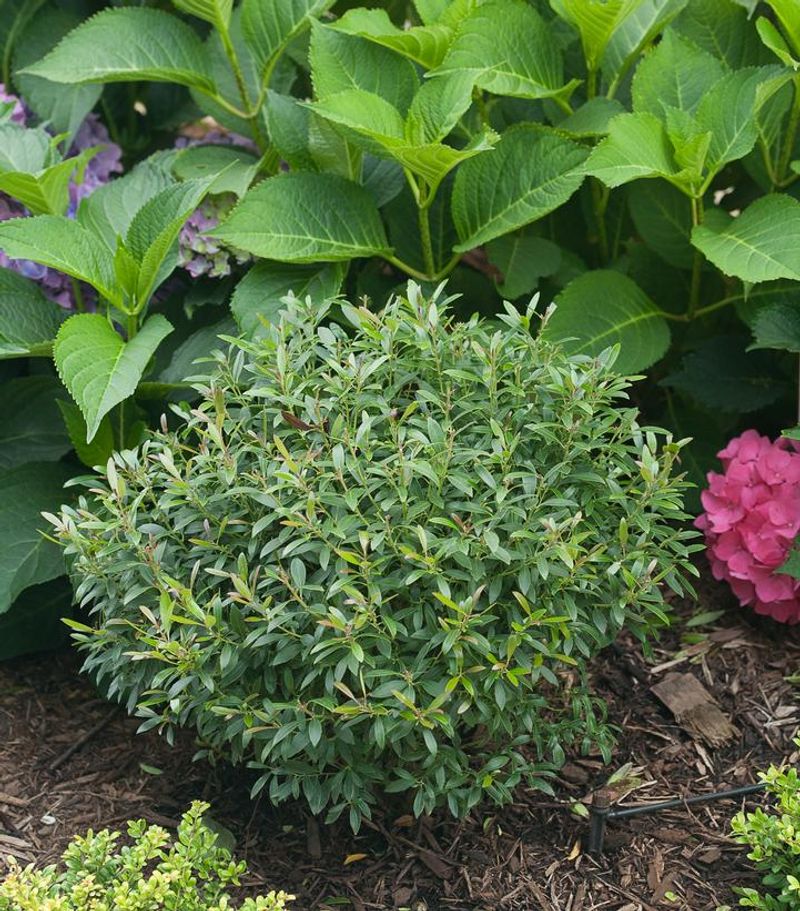
Bred to mimic a clipped little globe, this native holly fooled plenty of visitors at garden centers when it launched. I like how its tiny glossy leaves catch the low October sun and glow like polished jade.
Inkberry, known to botanists as Ilex glabra, grows wild in coastal wetlands along much of the eastern United States. ‘Gem Box’ came from Spring Meadow Nursery and stays around two to three feet tall and wide.
Unlike many older inkberries, it keeps its leaves down to the ground instead of turning leggy at the base. That lower fullness matters a lot when you want a neat edge along a walkway or patio.
Boxwood blight does not infect hollies, so you can plant this one where your old shrubs struggled and declined. Still, remove fallen leaves and old roots from the area first to keep the soil fresh and clean.
Inkberry prefers moist, slightly acidic soil, which suits many yards across the Piedmont and the Tidewater region. It handles sun or partial shade, though full sun keeps the branches thickest and the color richest.
Deer usually leave it alone, a huge relief if hungry visitors roam through your neighborhood at dusk. Small black berries may appear on female plants, and birds often snack on them during the colder months.
Planting now gives roots several cool weeks to settle in before the ground turns cold and hard. Water deeply once a week until late November, then add two inches of mulch around the base.
Dwarf Yaupon Holly ‘Nana’
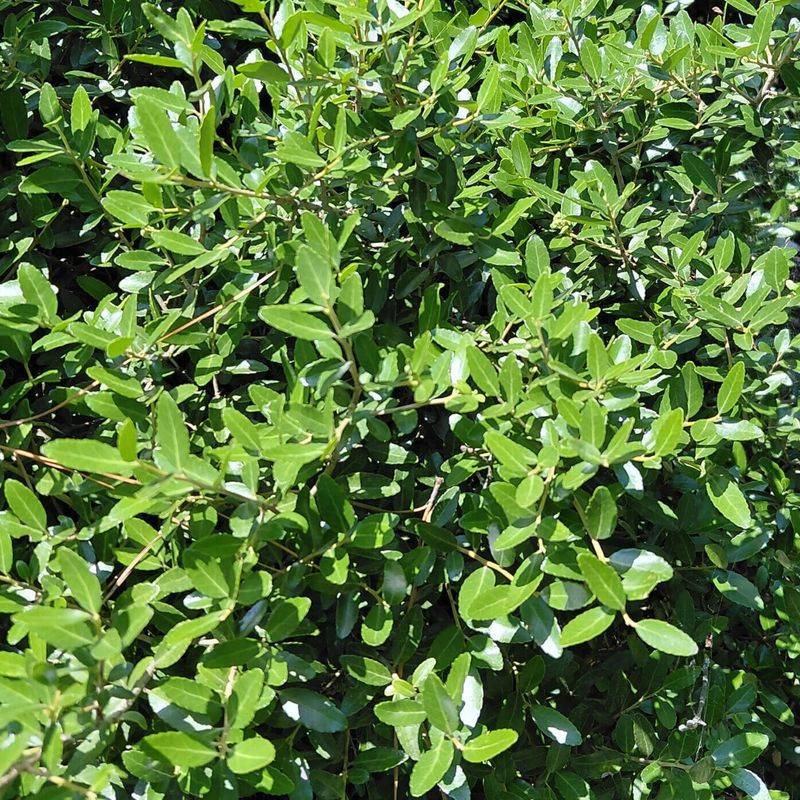
Southern gardeners have trusted this scrappy native for generations, and it barely flinches at heat or salty coastal breezes. Personally, I think dwarf yaupon deserves far more fame than it currently gets in our garden centers.
Yaupon, or Ilex vomitoria, grows naturally from coastal Virginia down through Texas and much of the Southeast. The dwarf form ‘Nana’ builds a dense mound, often reaching three to five feet tall over time.
Fresh spring leaves open with a yellowish green tint before darkening into a deep, glossy green by fall. That small leaf size gives it a fine texture that sits close to the look of traditional hedges.
Your Virginia Garden Changes Every Week. Your Plan Should Too.
Gardening in Virginia changes quickly throughout the season. Every Friday you’ll receive a simple weekly plan showing exactly what to plant, prune, fertilize, harvest, and protect so you never miss the right timing.
Heavy shearing rarely bothers it, so you can shape low formal borders or soft rounded mounds with ease. I suggest trimming in late winter, because fall cuts can push tender growth that cold snaps may damage.
Hardiness runs roughly from zone 7 to zone 10, which fits the warmer eastern and southern parts of the state. Colder mountain gardens in zone 6 should test one plant first in a sheltered spot near the house.
Deer tend to skip yaupon, and it shrugs off many pests that trouble other foundation shrubs nearby. It also tolerates both sandy soil and heavy clay, making it a forgiving pick for new homeowners.
Fun bit of history here: Native Americans brewed yaupon leaves into a caffeinated tea for centuries. In fact, it ranks as the only plant native to North America known to contain natural caffeine.
Japanese Plum Yew ‘Prostrata’
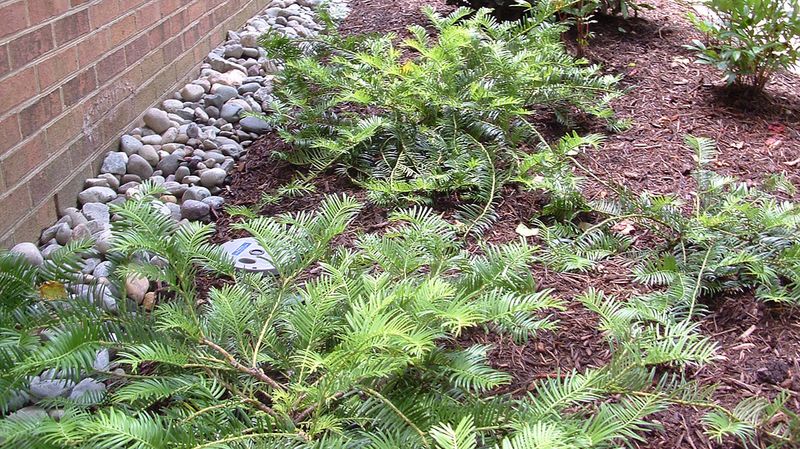
Shady corners can feel like a design headache, yet this soft, spreading conifer looks happiest right where sunlight fades. Its flat, glossy needles fan out like little green combs and feel surprisingly gentle to the touch.
Botanists call it Cephalotaxus harringtonia, and it originally comes from the woodlands of Japan and nearby parts of Asia. ‘Prostrata’ forms a low, spreading mound, usually around two to three feet tall and wider across.
Unlike true yews, plum yews are usually ignored by deer, which makes them popular across suburban neighborhoods. I can’t imagine a better choice for a shaded entry where deer wander through every single evening.
It also holds up better in southern heat than true yews, according to plant specialists at NC State Extension. That heat tolerance helps in humid lowland gardens, where many conifers sulk through long, sticky August afternoons.
Plum yews thrive in partial to full shade and moist, well drained soil rich in organic matter. Soggy ground causes root trouble, so raise the planting area slightly if your yard holds water after rain.
Growth is slow and steady, so you rarely need clippers beyond removing an odd stray branch now and then. Let it spread naturally as a low hedge, or tuck several under tall trees as an evergreen carpet.
Fall planting works beautifully for this shrub, since cooler weather eases stress on roots during establishment. Mulch with shredded leaves, and keep the soil evenly moist through autumn until the first hard freeze arrives.
Distylium ‘Blue Cascade’
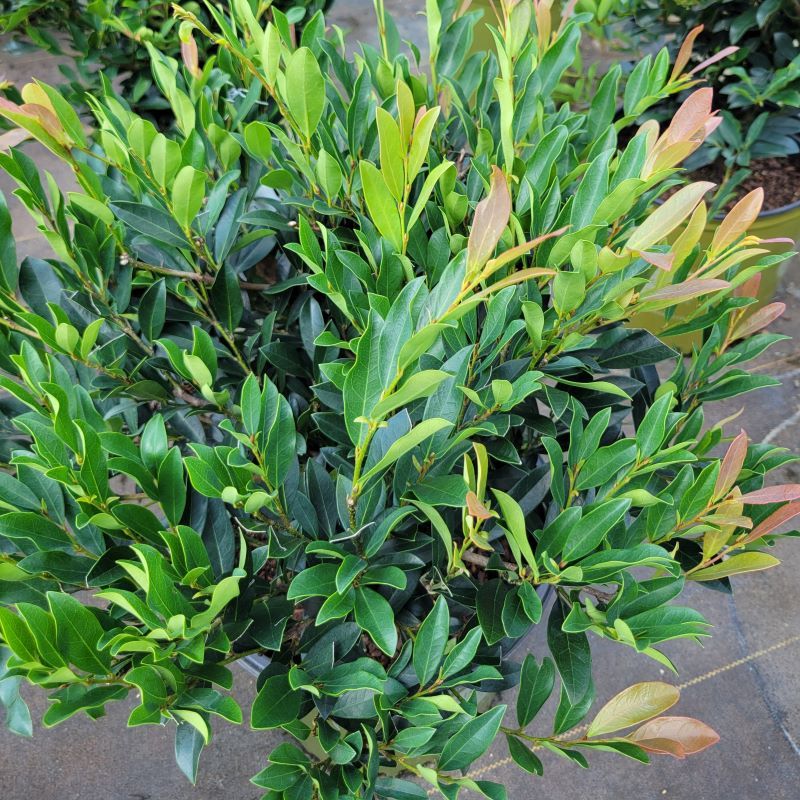
Plant breeders spent years crossing Asian species to create a shrub that shrugs off many common garden troubles. The result has blue green leaves that spill outward in soft layers, almost like a slow green waterfall.
Distylium belongs to the witch hazel family, a surprising relative for a shrub that looks so tidy and formal. ‘Blue Cascade’ typically grows three to four feet tall and spreads a bit wider in a mounded shape.
Late winter brings tiny reddish flowers tucked along the stems, a quiet treat when most shrubs look sleepy. You need to look closely to spot them, but finding them feels like discovering a little secret.
Heat and drought rarely trouble established plants, which helps during those long dry spells in late summer. It grows well in full sun or partial shade and tolerates a fairly wide range of soil types.
Hardiness runs from zone 7 through zone 9, so it suits much of central and eastern Virginia nicely. Gardeners in colder western valleys should place it near a south wall for extra winter warmth and shelter.
Deer resistance is generally good, and pests seldom bother the leathery foliage in most home landscapes. I believe it shines brightest in mass plantings, where the cascading branches blend into one flowing green band.
Early fall offers perfect timing for planting, with warm soil encouraging roots to grow before winter. Give each plant about four feet of space, and water weekly until the weather turns steadily cold.
Dwarf Cryptomeria ‘Globosa Nana’
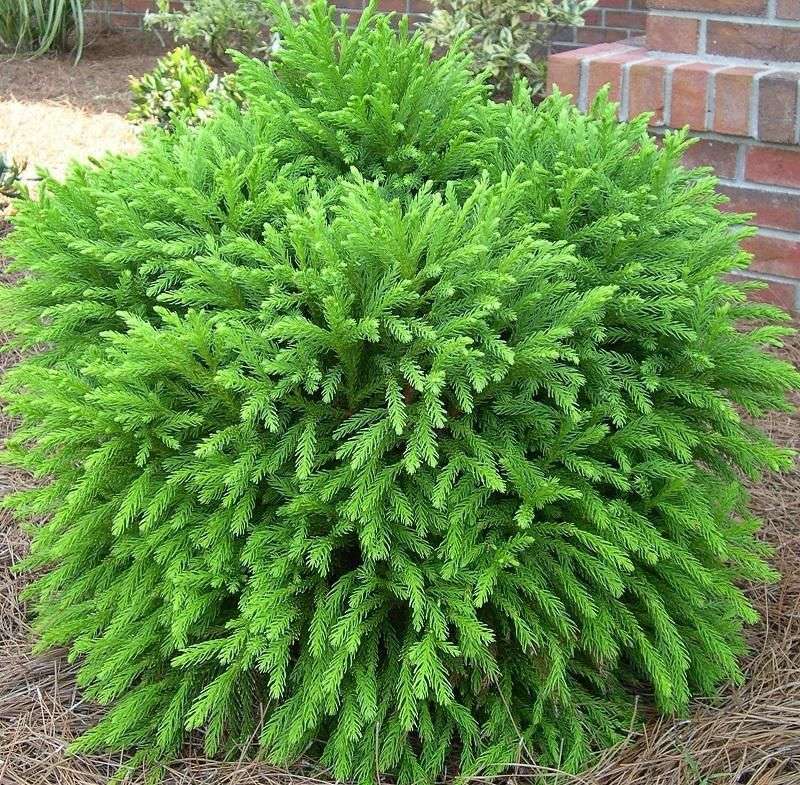
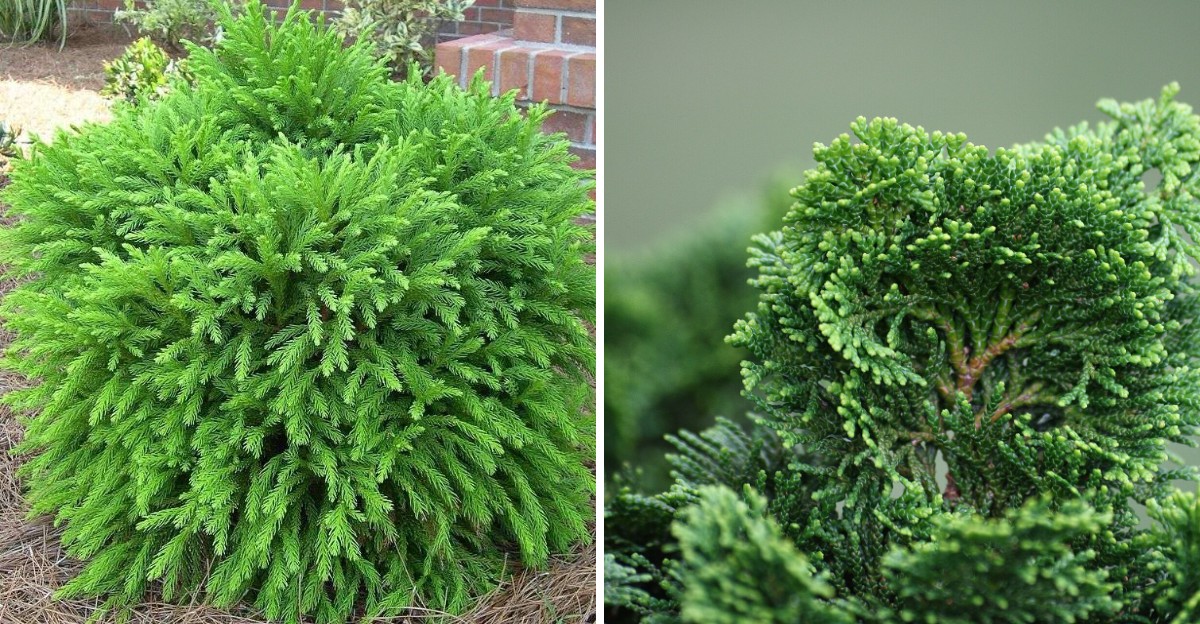
Soft, bushy, and round as a cartoon cloud, this little conifer looks like it belongs in a storybook garden. Kids often want to pat it, and honestly, I understand the urge every time I walk past one.
Japanese cedar, or Cryptomeria japonica, grows wild in Japan and can tower well over a hundred feet tall. ‘Globosa Nana’ stays far smaller, slowly forming a dense dome that fits neatly in foundation beds and borders.
Many nurseries list it at roughly three to four feet tall in ten years, with an equal spread. Its awl shaped needles feel soft rather than prickly, so brushing past it along a path stays pleasant.
Cold weather can tint the foliage slightly bronze, a cozy color change that pairs well with autumn leaves. The green returns in spring, so do not panic if your plant looks a little rusty in January.
Pruning is rarely needed, because the plant naturally holds its rounded form without much fuss from you. Skip the shears, enjoy the extra free weekends, and let the shape develop on its own over time.
Plant it in full sun to partial shade with moist, well drained, slightly acidic soil for best results. Strong afternoon sun combined with dry soil can scorch the needles, so mulch helps hold steady moisture.
Deer usually pass it by, and few serious pests bother it in typical Virginia yards and gardens. Set one at each side of a front step, and you get instant symmetry without the old hedge worries.
Dwarf Hinoki Cypress ‘Nana Gracilis’
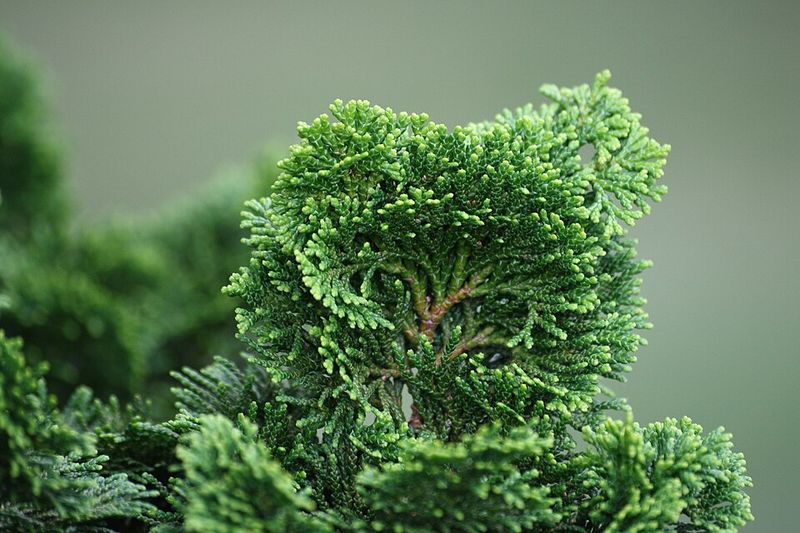
Each branch tip curls like a tiny seashell, and the effect looks almost carved by an artist’s patient hand. Garden designers adore this compact conifer for adding instant drama without taking over the whole planting bed.
Hinoki cypress, Chamaecyparis obtusa, is prized in Japan, where its fragrant wood has long been used for temples. The dwarf ‘Nana Gracilis’ grows slowly, often adding only a few inches of height in a typical year.
Over many years, it may eventually reach around six feet tall, though patience is part of the deal. That slow pace means you rarely need pruning, and it stays in scale with your house for ages.
Its foliage is dark green and glossy, with fan shaped sprays that catch light differently throughout the day. I like how it looks especially striking in early morning, when dew settles in each little cupped spray.
This plant grows best in moist, well drained soil and appreciates some shade from harsh afternoon sun. Heavy clay can cause root trouble, so mix in compost and plant slightly high if drainage looks poor.
Deer usually ignore it, and it adapts across a broad range of zones, including most of the state. Hot, dry winds can brown inner needles, so a sheltered spot near a fence or wall often helps.
Inner needle shedding in fall is normal, so a little brown inside the plant in October is no cause for alarm. Rake those needles gently, add fresh mulch, and water deeply before winter settles over the garden.
Pieris Japonica ‘Mountain Fire’
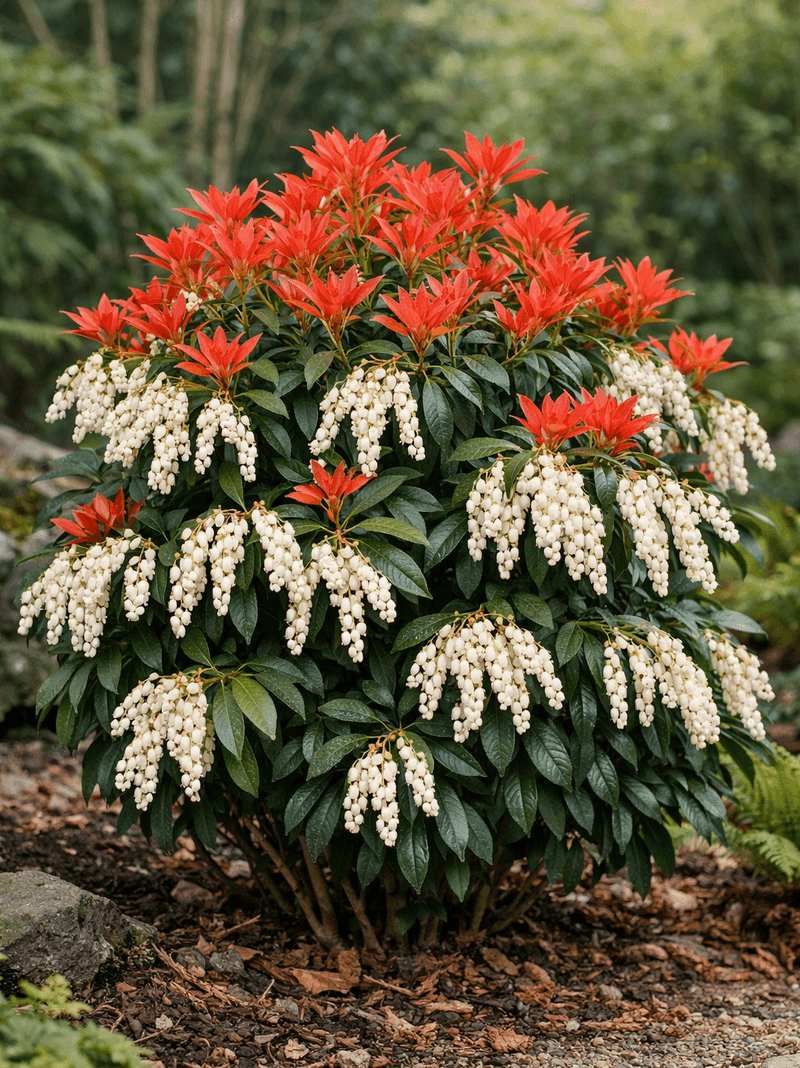
Fiery red new growth erupts on this shrub each spring, and passersby often stop just to ask what it is. Few evergreens put on a color show quite this bold, which explains why it earned a spot here.
Japanese pieris, sometimes called andromeda, is a broadleaf evergreen related to blueberries and our native mountain laurel. ‘Mountain Fire’ usually grows four to six feet tall and wide, so it works best as a larger hedge.
Glossy dark leaves stay attractive all winter, giving the garden structure while other shrubs look bare and gray. In early spring, drooping clusters of white bell shaped flowers hang like tiny strings of pearls.
Flower buds form during fall, so look closely this month to spot the little beaded chains already waiting. Avoid fall pruning, because cutting now removes the buds that would have opened into next spring’s display.
Pieris loves acidic, moist, well drained soil rich in organic matter, much like azaleas and rhododendrons do. Partial shade suits it best in hot lowland gardens, where afternoon sun can stress the glossy leaves.
Lace bugs are the main pest to watch, leaving pale speckles on leaf tops and dark spots underneath. Planting in some shade and keeping roots moist often reduces lace bug problems, according to extension specialists.
Deer tend to avoid it, partly because the leaves contain compounds that are toxic if eaten by animals. Keep that in mind if curious pets or small children spend time chewing on plants in your yard.
Oregon Grape Holly ‘Compacta’
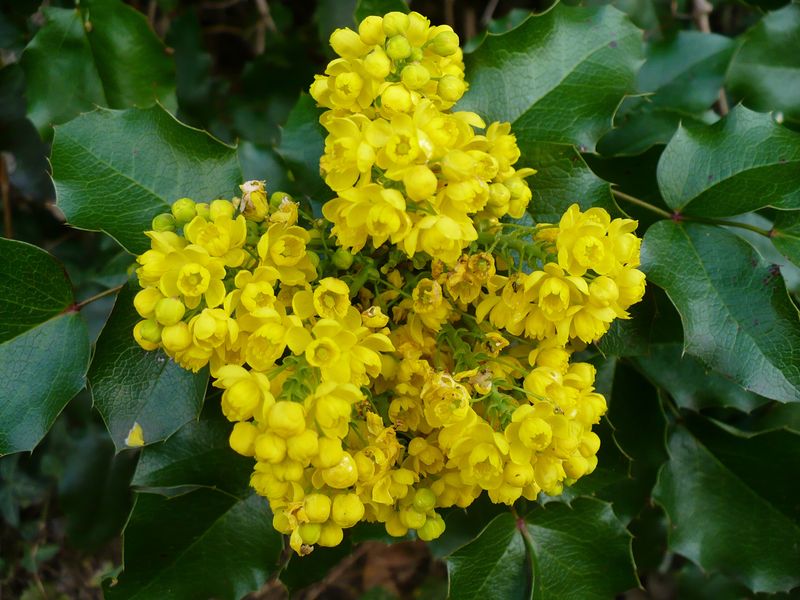
Sunny yellow blooms and dusty blue berries make this spiky shrub feel like two different plants in one. It comes from the Pacific Northwest, where it serves as the official state flower of Oregon.
Botanists call it Mahonia aquifolium, and it is a different plant from the invasive leatherleaf mahonia. Leatherleaf mahonia spreads into Virginia woods, so read plant tags carefully and choose the right species.
The ‘Compacta’ form stays fairly low, often around two to three feet tall, and spreads slowly by underground stems. That gentle spreading habit helps it fill slopes or shaded borders where a single tidy shrub looks lonely.
Holly-like leaves emerge with bronze tints, then turn glossy green, and many take on purplish hues in cold weather. I love seeing that plum colored foliage glowing in a frosty December garden after the leaves have fallen.
Bright yellow flower clusters appear in early spring, offering welcome food for bees when few other blooms exist. Blue black berries follow by summer, and birds often snack on them long before you notice.
Plant it in partial to full shade, since harsh afternoon sun and drying winds can scorch the leaves. It handles dry shade fairly well once established, making it useful beneath trees where grass struggles.
Deer generally avoid the prickly foliage, which feels a bit like brushing against a holiday wreath. Wear gloves during planting this fall, because those leaf edges can poke through thin garden gloves surprisingly well.
Encore Azalea ‘Autumn Ivory’
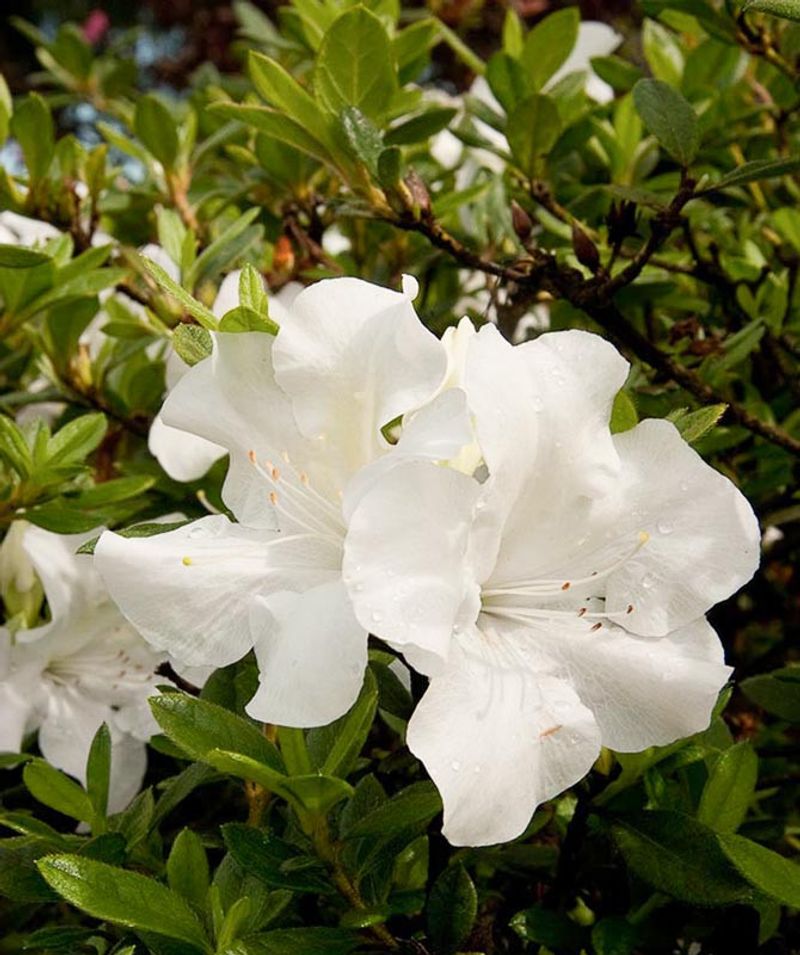
October blooms on an azalea sound almost too good to be true, yet this shrub happily delivers them. You’re in for a big surprise when white flowers pop open just as maple leaves start turning orange.
‘Autumn Ivory’ belongs to the Encore Azalea series, bred to bloom in spring and again later in the season. It stays compact, usually reaching about two feet tall and slightly wider, perfect for low borders.
Small evergreen leaves keep the shrub looking full during winter, holding the structure your old hedge once provided. The pure white flowers glow at dusk, so I suggest planting it near a patio or front walkway.
Encore azaleas handle more sun than many traditional azaleas, though afternoon shade helps in hot lowland yards. Morning sun with light afternoon shade often produces the best flowering and the healthiest, greenest foliage overall.
Like all azaleas, it needs acidic, well drained soil, and soggy roots can quickly lead to trouble. Plant it slightly high in heavy clay, and work plenty of compost into the surrounding bed first.
Prune right after the spring bloom ends, because late pruning removes buds meant for summer and fall flowers. Light feeding after spring flowering helps, but skip fertilizer now to let the shrub prepare for winter.
Watch for lace bugs on leaf undersides, especially in sunny spots, and act early if you see speckling. Deer sometimes nibble azaleas, so a light netting or repellent may help in neighborhoods with heavy deer traffic.
Dense Spreading Yew ‘Densiformis’
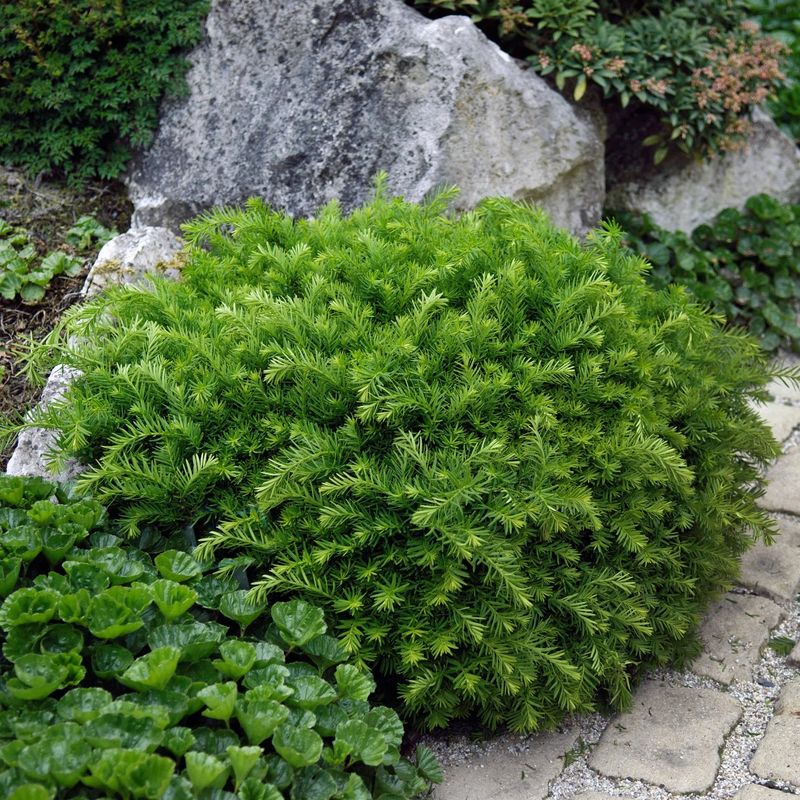
Fine needles and a dense rounded shape give this yew a polished look that sits close to classic hedges. I believe it may be the easiest swap for anyone missing those crisp green lines along a front walk.
Botanists call it Taxus x media, a hybrid between English and Japanese yews developed in the early twentieth century. ‘Densiformis’ typically grows three to four feet tall and spreads wider, forming a broad and tidy mound.
Yews handle shearing remarkably well, so you can clip them into crisp low hedges or neat rounded shapes. They also grow back from older wood better than many conifers, which forgives a few pruning mistakes.
Drainage matters more than anything else, because yews struggle quickly in soggy or compacted clay soil. Raise the bed or plant on a slight mound if water puddles in that spot after a heavy rain.
Sun or shade both work well, though hot western exposures can cause winter browning on exposed foliage. A spot with morning sun and some protection from harsh winter winds keeps the needles looking fresh.
Deer find yews delicious, so this pick works best inside fenced yards or areas with little deer pressure. Also note that most parts are toxic if eaten, so keep pets and small children away from it.
Fall planting gives roots time to settle, and cool October days reduce stress on newly planted shrubs. Water deeply each week until the ground freezes, then let winter rain and snow handle the rest.