7 Things You Should Never Do in Your Virginia Garden Right After Heavy Rain
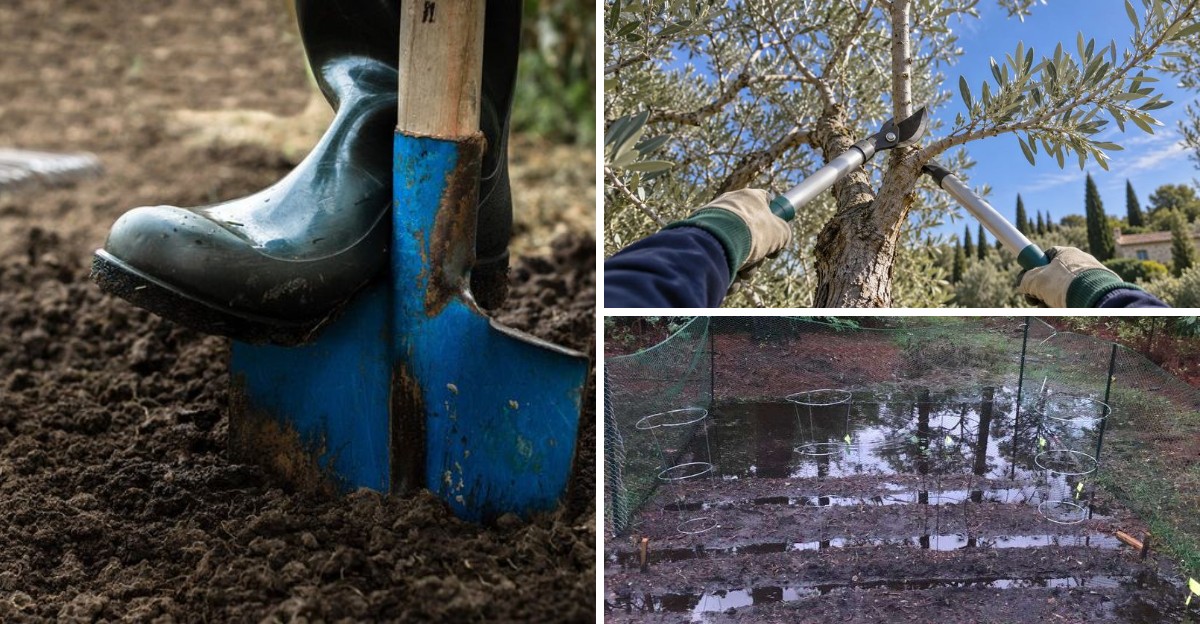
In 1969, the remnants of Hurricane Camille dumped about 27 inches of rain on Nelson County, Virginia, overnight. Most storms here are far gentler, yet even an ordinary soaking leaves garden soil fragile for days afterward.
Saturated ground loses the tiny air pockets that roots need, because water fills every gap between soil particles. Clay soils across much of the Piedmont hold that water stubbornly, so the danger lingers longer than you expect.
I learned this the hard way after one eager morning left my vegetable beds packed like a brick patio. Don’t make my mistake, because a little patience after a Virginia storm protects months of careful work.
Some of the worst post-rain habits seem helpful, which is exactly why so many of us fall for them. So which harmless-looking chores should wait until the mud dries, and which one surprised me most of all?
1. Muddy Boots Compact Soggy Garden Soil
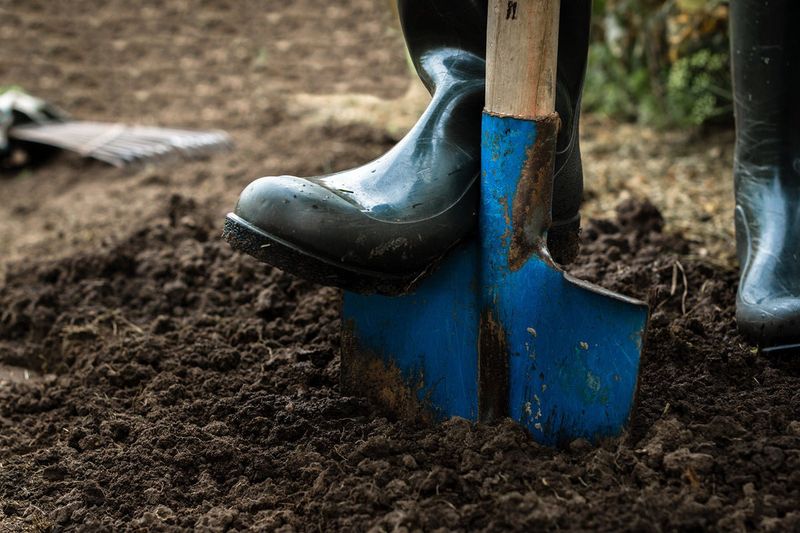
Squishy soil feels soft and harmless underfoot, but every step presses wet particles tighter together like dough. Soil scientists explain that wet ground compacts much more easily than dry ground, because water acts like a lubricant.
Once those particles squeeze together, the pore spaces that carry air and water to roots shrink dramatically. Roots in compacted soil struggle to spread, and plants often look stunted even when weather turns perfect later.
I once spent a rainy afternoon planting tomatoes in soggy beds, and those plants sulked all summer long. The soil dried into hard clods that cracked like old pottery, and my trowel barely broke the surface.
Tilling wet soil causes even more trouble, because the spinning tines smear clay into dense, airless layers below. Virginia Cooperative Extension advises waiting until soil crumbles in your hand before digging or planting anything new.
A quick squeeze test works wonders, so grab a handful of soil and press it into a tight ball. If it stays sticky and shiny, wait a few more days, but if it breaks apart, you’re ready.
Stepping stones or wide boards can spread your weight when you must reach a plant during wet weeks. Permanent paths also help, since they train everyone in the family to stay off the growing beds.
Raised beds offer another smart fix, because their narrow width lets you work from the edges without stepping inside. My garden taught me that patient feet produce happier roots, and the difference shows up by midsummer.
2. Wet Lawns Get Rutted By Heavy Mowers
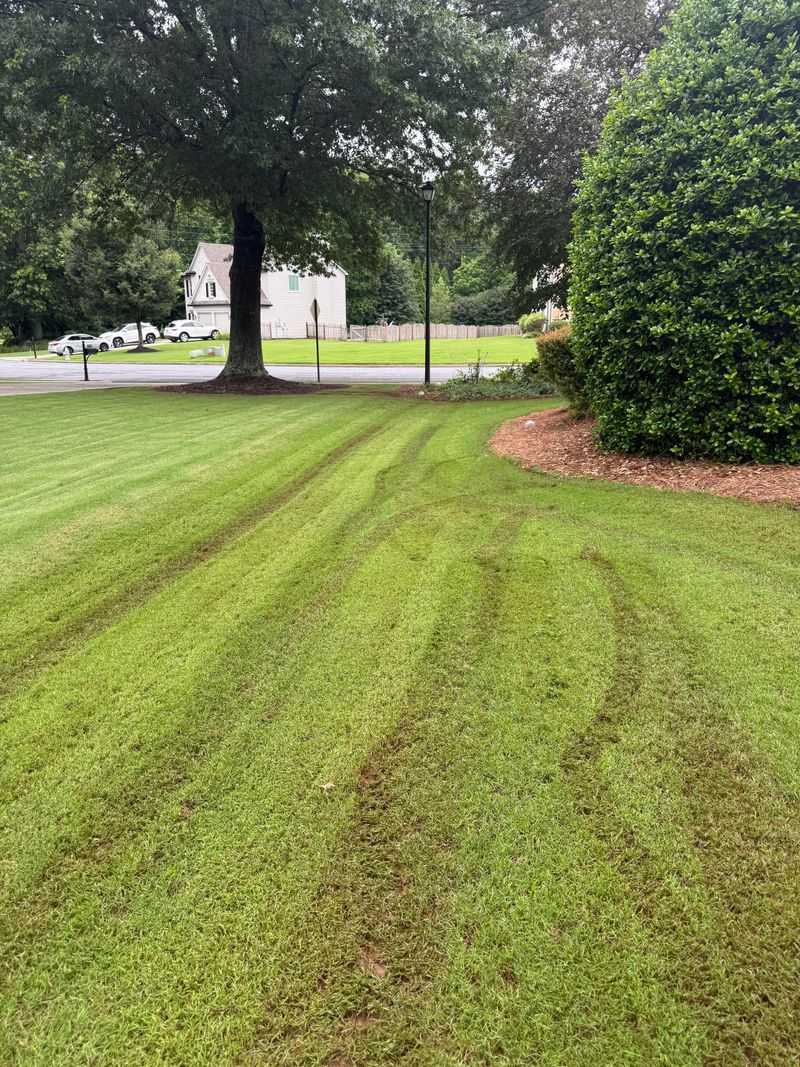
Those deep tire ruts across a soggy lawn can linger for months, and they make every future mowing bumpy. A riding mower can weigh several hundred pounds, which presses hard on waterlogged ground beneath the grass.
Wet blades of grass also bend over instead of standing tall, so the mower tears them rather than slicing cleanly. Ragged tips turn brown quickly and give fungal diseases an easy doorway into the plant tissue.
I’ll admit my impatience once left my backyard looking like a muddy racetrack after a June thunderstorm. Repairing those grooves took fresh topsoil and weeks of babying, which cost far more time than simply waiting.
Soggy clippings clump into heavy mats that smother the turf below and block sunlight from reaching new growth. Those wet clumps also clog the mower deck, forcing you to stop and scrape out green sludge repeatedly.
Safety matters too, since wet grass is slippery and push mowers on slopes can slide in unexpected ways. Electric mowers add another concern, because water and power cords are a poor pairing in any yard.
Most lawn experts suggest waiting until the grass blades look dry and your shoes stay clean on a walk. In the warm, humid summers here, that drying time might take only a day if the sun cooperates.
Sharpen your mower blade while you wait, because a crisp edge cuts more cleanly once conditions improve. Raising the cutting height a notch afterward also helps stressed grass recover from all that recent soaking.
3. Fresh Fertilizer Washes Away In Soaked Beds
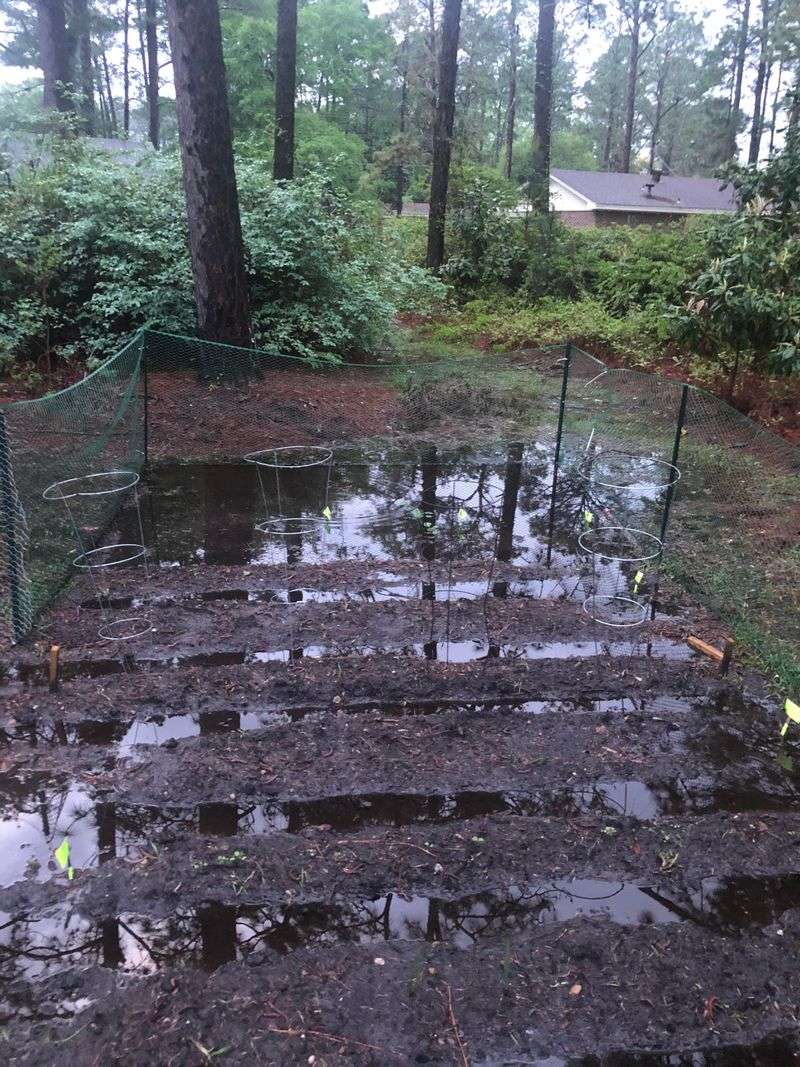
Fertilizer spread on soaked ground is a bit like mailing a letter without an address, since it rarely arrives. Nitrogen dissolves easily in water, and heavy moisture can carry it down past the roots or across the surface.
That runoff often flows into nearby creeks and eventually reaches the Chesapeake Bay watershed much farther downstream. Virginia passed a law limiting phosphorus in lawn fertilizers partly to protect that bay from extra nutrients.
Extra nutrients in water feed algae blooms, which can lower oxygen levels and harm fish and crabs. Your bag of fertilizer was meant for your plants, so it makes sense to give it a fair chance.
Plants sitting in waterlogged soil also struggle to absorb nutrients, because their roots lack the oxygen needed for uptake. Feeding a stressed plant at that moment can add salt buildup around roots without offering much real benefit.
I used to sprinkle granules right after storms, thinking the moist soil would help everything soak in faster. Now that I think about it, I was mostly feeding the street gutter instead of my hungry pepper plants.
A better plan is waiting a few days until the soil drains and the forecast shows a calmer stretch. Light rain after fertilizing can actually help, but heavy storms within a day or two often wash it away.
A soil test through your local extension office tells you exactly what your beds need before you spend money. That small step prevents waste and keeps more nutrients working where your plants can use them.
4. Pruning Shears Spread Fungus On Wet Branches
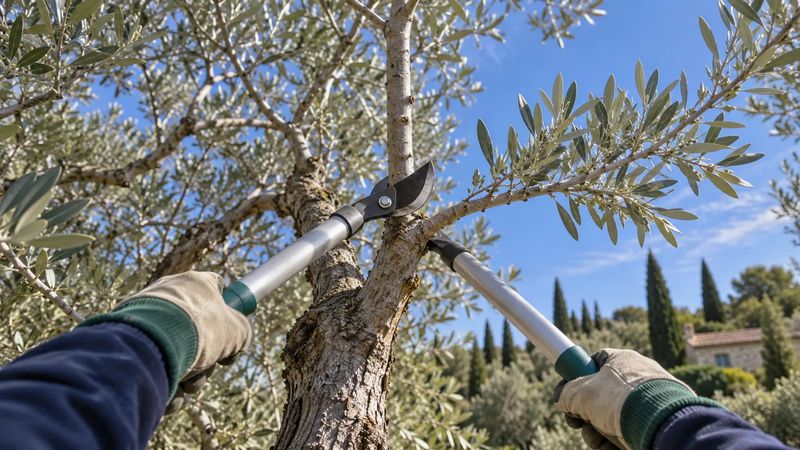
Fungal spores love nothing more than a wet branch with a fresh cut, since moisture helps them spread quickly. Rain splashes those spores from leaf to leaf, and an open pruning wound gives them a perfect landing spot.
Fire blight on pears and apples is one example, because the bacteria travel easily through wet weather and tools. Black spot on roses also thrives when leaves stay damp, and pruning wet canes can move it around.
I’m still learning to leave my shears in the shed after storms, even when a messy shrub begs for attention. Waiting a day or two feels painful, but my roses have rewarded that patience with cleaner leaves.
Broken limbs are a different story, especially when they dangle over busy walkways or your roof. Removing hazards right away makes sense, but save any shaping or thinning for a dry, sunny afternoon.
Large storm-damaged trees deserve a certified arborist, since heavy wet limbs can shift suddenly without warning. Climbing slick ladders with sharp tools is risky, and professionals have gear designed for those tricky situations.
Wipe your pruners with a household disinfectant between cuts whenever you suspect a plant might be infected. That simple habit reduces the chance of carrying problems from one shrub to the next in your yard.
Dry weather also helps cuts seal faster, because plants form protective tissue more easily without constant moisture. If you ask me, a sunny forecast is the best pruning tool any gardener could own.
5. Herbicide Sprays Rinse Off Rain-Soaked Leaves
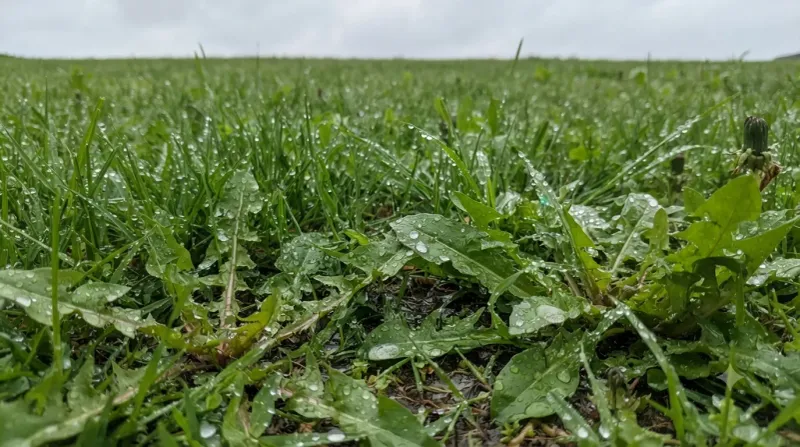
That jug of weed spray sitting in the garage needs dry leaves to work, and soggy foliage rarely cooperates. Many product labels list a rain-free period, often a few hours, so the chemical can soak into the plant.
Spraying wet leaves dilutes the mixture right away, and droplets roll off before the plant absorbs much of anything. Follow-up showers can rinse remaining product into the soil or toward storm drains and nearby streams.
I tried spraying dandelions once on a damp morning, and they looked perfectly cheerful a week later. That wasted bottle taught me to read the label carefully and check the forecast before mixing anything.
Saturated soil also allows some chemicals to move more easily, which raises the risk for groundwater and creeks. Areas with sandy soils, like parts of the coastal plain, can be especially sensitive to that kind of movement.
Wet weeds offer a hidden bonus, though, because many pull out much more easily from softened ground. Grab weeds near the base and wiggle gently, standing on a path so you avoid compacting the beds.
Insecticides follow similar rules, so wait for a dry window before treating aphids or other leaf-munching pests. Hand-picking slugs after rain works nicely, since they often crawl into the open on damp evenings.
The way I see it, a dry forecast saves money and protects the creatures living downstream from your yard. Patience costs nothing at all, while a rinsed-off treatment means buying and spraying everything again later on.
6. Garden Hoses Should Stay Coiled After A Downpour
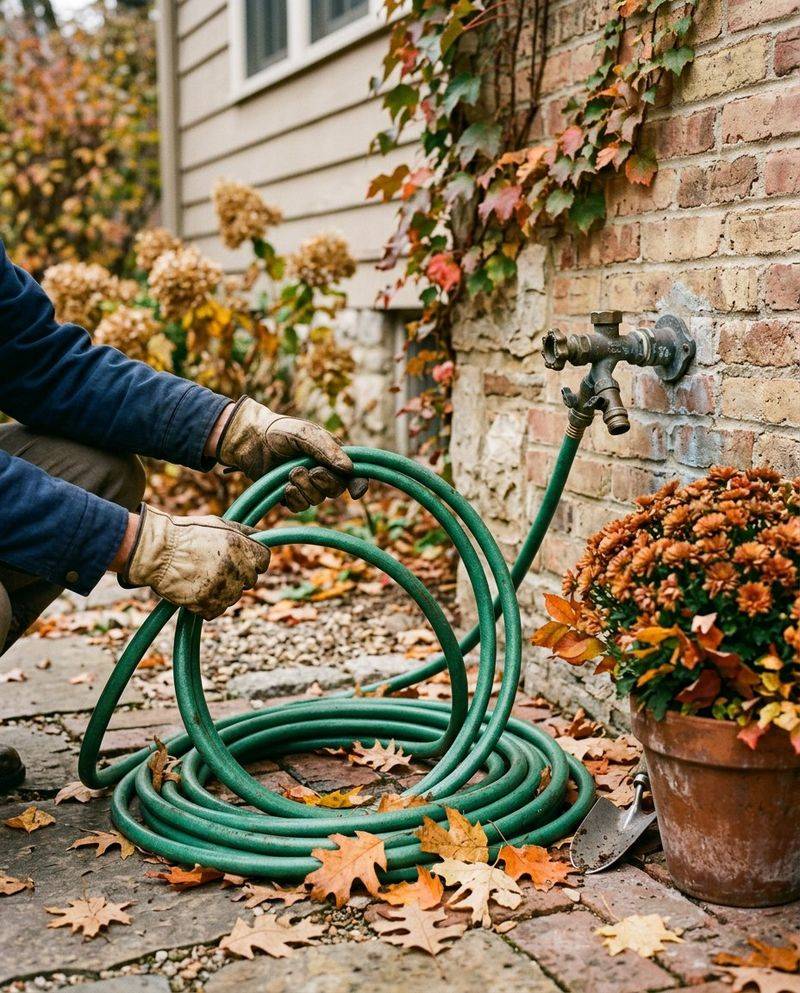
Automatic sprinklers clicking on during a puddle-filled morning might be the most common garden blunder in suburbia. Timers follow schedules rather than weather, so they cheerfully water lawns that are already swimming in rain.
Roots need oxygen as much as water, and soggy soil leaves them gasping for air below the surface. Over time, constant saturation encourages root rot organisms like Pythium and Phytophthora to take hold and spread.
Wilting after a storm confuses plenty of gardeners, because droopy leaves usually signal thirst during long dry spells. In waterlogged soil, though, damaged roots can’t move water upward, so plants droop despite plenty of moisture.
I remember watering a sad hydrangea after a long rainy week, and it slumped even further by evening. My finger in the soil would have told me the truth, if only I’d checked it first.
That finger test still works best, so push a finger two inches into the soil near the plant. If the soil feels cool and damp, skip the hose today and let the ground breathe for a while.
A rain sensor or smart controller can pause your sprinkler system automatically after a good soaking arrives. Many models cost less than a few bags of mulch, and they save water all season long.
Container plants deserve a quick check too, because pots without drainage holes can fill up like bathtubs. Tip out any standing water gently, and slide potted plants under a porch roof when another storm is coming.
7. Thick Mulch Piles Trap Moisture Around Stems
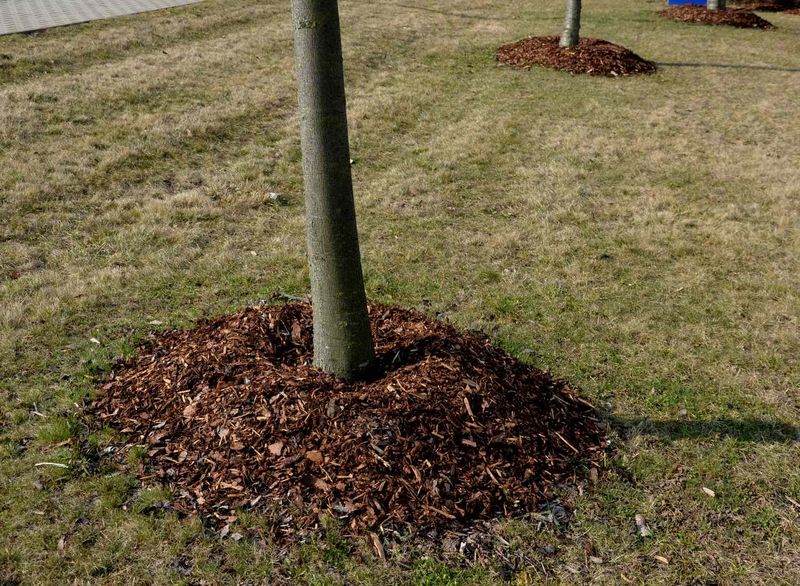
Mulch volcanoes, those tall cones piled against tree trunks, show up in parking lots and front yards everywhere. After heavy rain, those thick piles stay soggy against the bark and invite rot along with hungry pests.
Most extension experts recommend keeping mulch about two to three inches deep across your garden beds and borders. Pull it back a few inches from stems and trunks, so the bark can dry between storms.
Spreading fresh mulch over soaked ground traps moisture underneath, slowing the drying process that roots badly need. In humid Virginia summers, extra wetness can encourage fungal problems and attract slugs to tender seedlings.
My first garden had mulch heaped like winter snowdrifts, and the poor azaleas sulked through a soggy spring. Raking it thinner made a visible difference within weeks, and new growth finally returned along the branches.
Sniff your existing mulch after a storm, because a sour smell often means it stayed too wet. Sour mulch can produce compounds that burn tender plants, so fluff it with a rake to add air.
Slime molds may also appear on wet mulch, looking like bright yellow scrambled eggs spilled overnight. They look alarming at first, but they’re harmless to plants and usually disappear once the sun dries things out.
Wait until beds drain before adding new mulch, and choose shredded hardwood or pine straw for good airflow. A thin, fluffy layer protects soil from the next downpour without smothering the roots you worked hard to grow.