This Georgia Native Turns A Gorgeous Copper Color In Fall And Keeps Its Good Looks All Winter
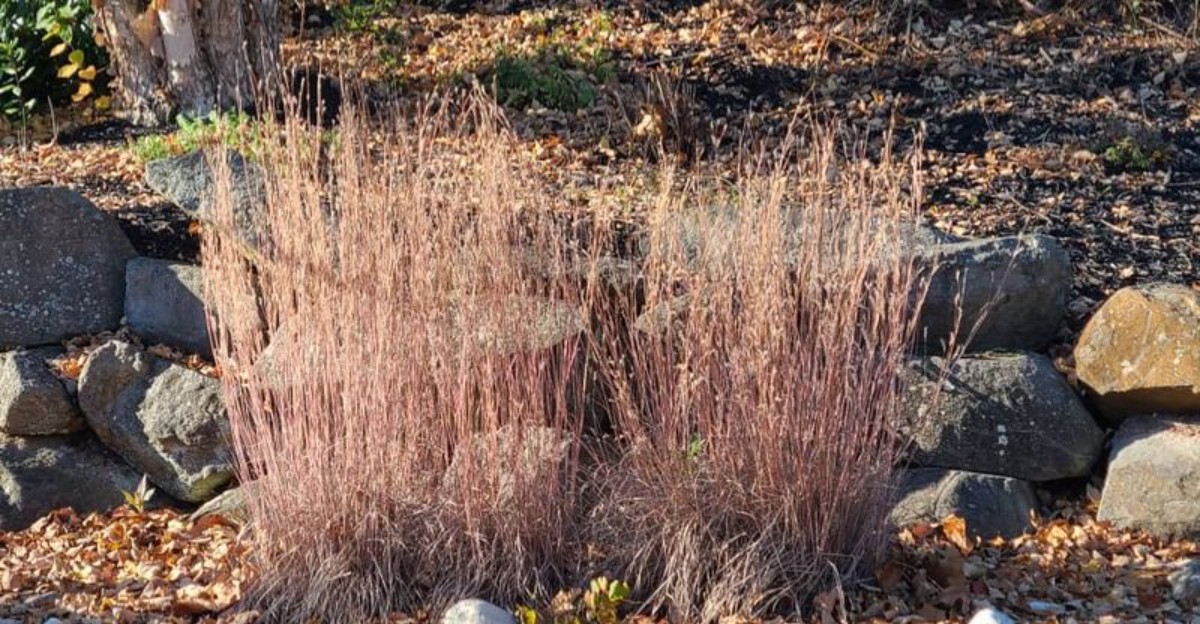
Most fall color fades fast, with leaves dropping in a matter of weeks and leaving bare stems behind. One native plant takes a different approach and holds onto its warm copper tones well into winter.
It earns a place in Georgia yards by looking good in a season when many beds go flat. Its color often deepens as the weather cools rather than disappearing.
Frost and wind that knock down other plants usually leave it standing.
Birds and other wildlife can also use it for shelter during the coldest weeks of winter.
It tends to need very little care once established, which makes it a good fit for low-maintenance spots.
Picture a corner that looks bare every January, and think about what a steady splash of copper could do there.
1. Blue-Green Summer Clumps Shift To Warm Russet As Nights Cool
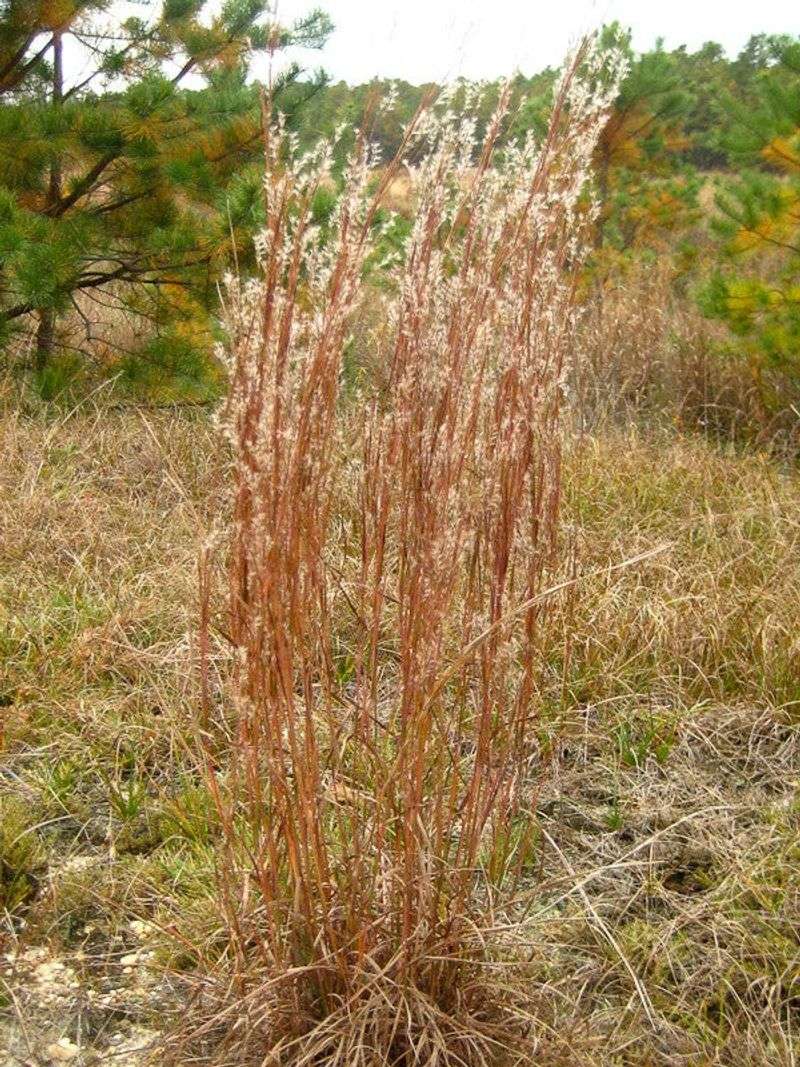
Walk past it in July and you might not look twice. By late fall, though, little bluestem, known to botanists as Schizachyrium scoparium, becomes one of the best-looking plants in the yard.
It is a native warm-season bunchgrass, which means it grows actively in hot weather and slows down as temperatures drop.
During summer, the narrow leaves often carry a soft blue-green or gray-green tint. Some named cultivars, like ‘The Blues’ and ‘Standing Ovation,’ were picked partly for stronger blue summer color.
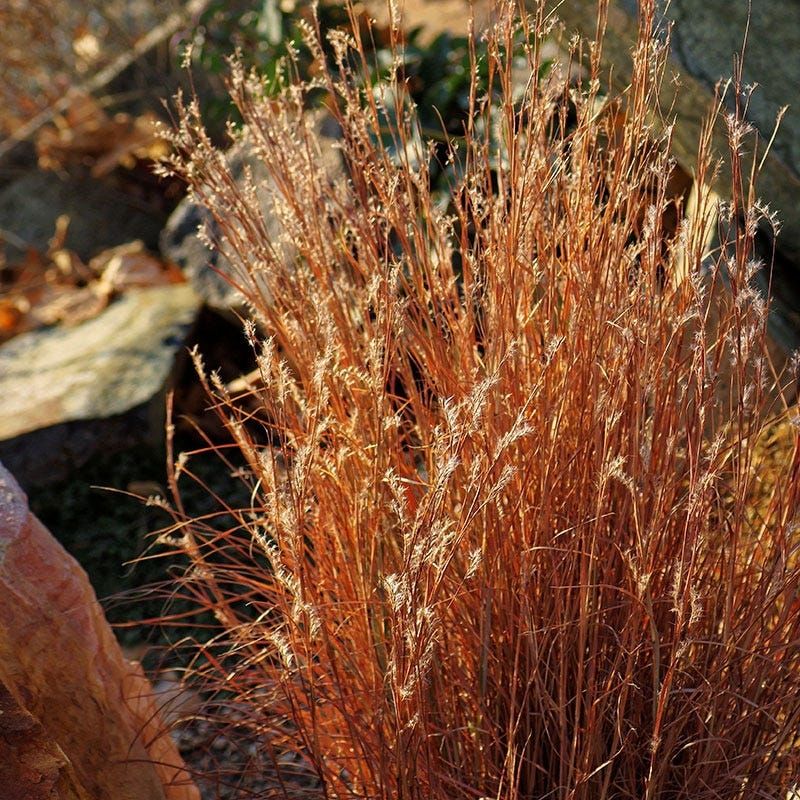
Shorter days and cooler nights trigger the change. Leaves slowly shift toward orange, copper, bronze, and reddish brown, often with hints of purple mixed in.
Across Georgia, the color show usually builds in October and November, though timing varies by region and year.
Mountain gardens tend to color up earlier than yards near the coast. Drought, shade, and rich soil can all dull the tones, so results will not match every photo you see online.
Plant it in groups of three or more for a bigger impact.
A single clump can look a bit lost, but a sweep of copper grass against evergreen shrubs or a brown fence really stands out. Pairing it with goldenrod or asters adds extra fall color while the grass is turning.
2. Fluffy, Silvery Seed Heads Catch The Low Winter Sun
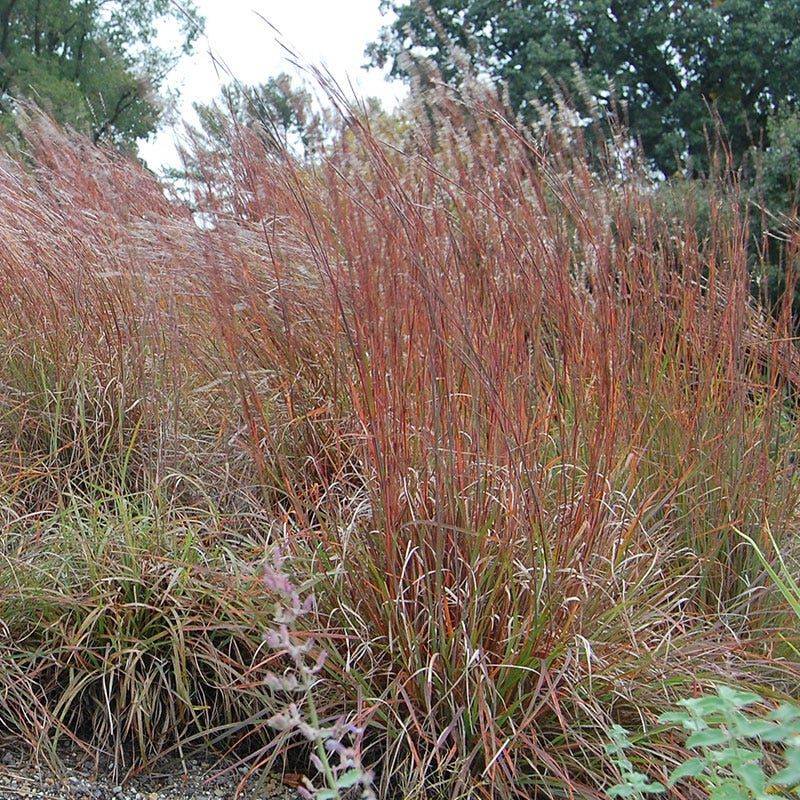
Backlighting is where this grass really earns its spot. Once the seeds ripen in fall, small fluffy tufts appear along the upper stems.
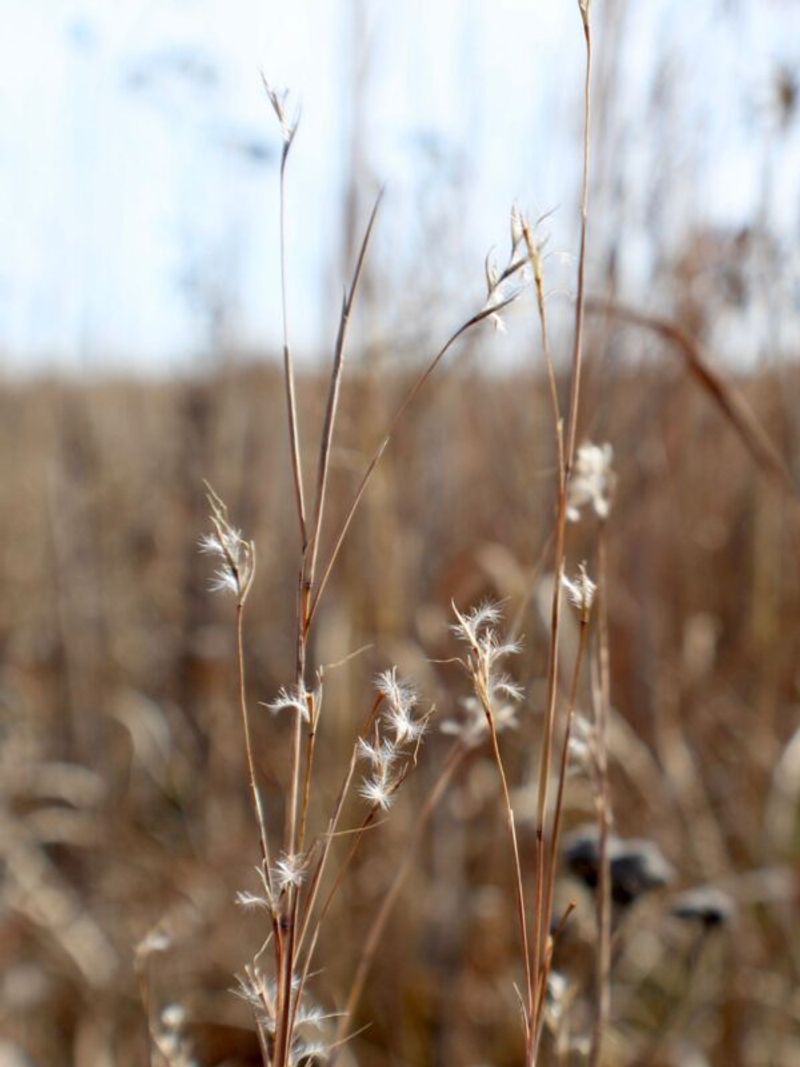
Each tuft holds tiny seeds covered in fine silvery hairs. When morning or late afternoon sun shines through them, the whole clump seems to glow.
Winter sun sits lower in the sky, so that glowing effect shows up more often in the cold months. Placing clumps where you can see them with the sun behind them makes a real difference.
Try planting along the west or east side of a path or patio.
Seed heads usually form in late summer to fall after small, easy-to-miss flowers. They tend to hold up for weeks, though heavy rain, wind, and hungry birds slowly thin them out over the season.
Gardeners in Georgia often notice the fluff looks best on dry, clear days after a frost.
Your Georgia Garden Changes Every Week. Your Plan Should Too.
Gardening in Georgia changes quickly throughout the season. Every Friday you’ll receive a simple weekly plan showing exactly what to plant, prune, fertilize, harvest, and protect so you never miss the right timing.
Wet weather can flatten the hairs for a while. Once things dry out, they usually fluff back up nicely.
Keep in mind that the seeds can drift and sprout nearby. Most people welcome a few volunteers, but you can pull unwanted seedlings while they are small and easy to remove.
3. Upright Clumps Keep Their Shape Through Cold Weather
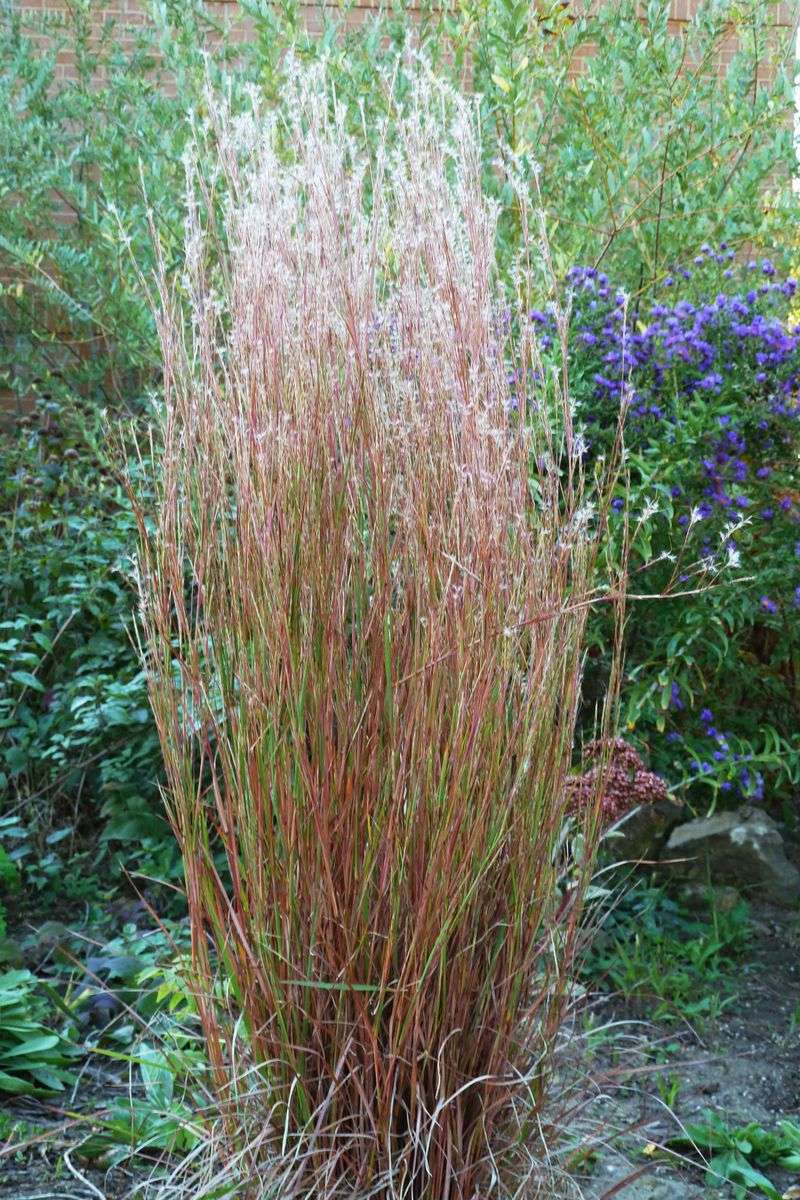
Plenty of perennials slump into a soggy pile after the first hard freeze. Little bluestem usually holds its ground.
Its stems are stiff and wiry, which helps the clumps stay upright through much of winter. Mature plants often reach about two to four feet tall, depending on the cultivar and growing conditions.
That standing structure gives a garden shape when almost everything else has gone dormant.
Frost on the blades can look beautiful on chilly mornings. A light dusting of snow in north Georgia makes the copper color pop even more against the white.
Heavy snow or ice can bend the stems, though.
Most clumps spring back after a melt, but some flop for good if the load was heavy. Older, crowded clumps sometimes open up in the center and lean outward more easily.
Spacing helps a lot. Give each plant roughly a foot and a half to two feet so air can move and stems are not crowded.
Use the clumps as a low winter screen along a driveway or in front of a porch.
Their shape adds rhythm to beds that would otherwise look flat. They also pair nicely with evergreen plants like inkberry holly or junipers.
4. Skipper Butterflies Lay Eggs On Its Leaves
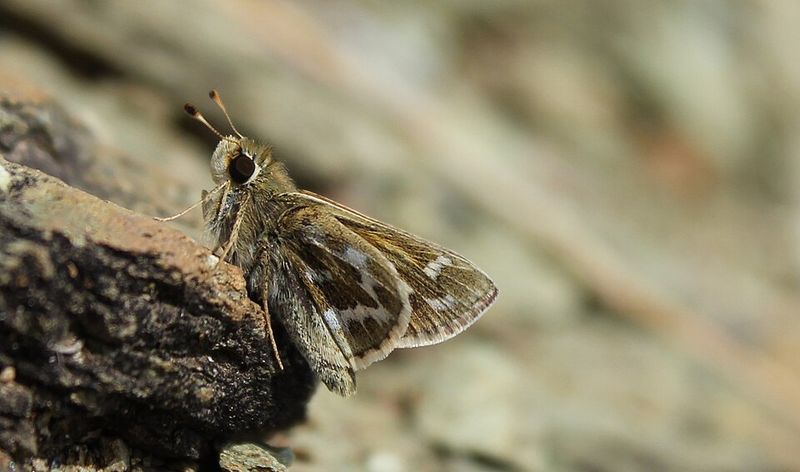
Small, quick, and often mistaken for moths, skippers are butterflies that depend heavily on native grasses.
Several skipper species use little bluestem as a host plant. Females lay eggs on the leaves, and the caterpillars feed on the blades as they grow.
Examples include the cobweb skipper, dusted skipper, and crossline skipper, among others.
Which species show up depends on where you live and what habitat is nearby. Gardens near open fields or prairie-like spaces in Georgia may see more variety than tightly packed city lots.
Caterpillar feeding rarely harms established clumps in any serious way.
You may spot a few rolled or chewed leaves, which often means a caterpillar has built a small shelter. Leave those alone if you can, since many skippers spend the cold months in those leaf shelters or in grass bases.
Skipping pesticides around the grass protects these insects.
Adult skippers also need nectar flowers. Planting native bloomers like mountain mint, blazing star, or purple coneflower nearby gives them a nearby food source.
Watching skippers dart around on a warm afternoon is a real treat. It also shows that your garden is supporting the full life cycle of local wildlife.
5. Seed-Eating Birds Find Food And Cover In The Clumps
Sparrows love a messy patch of grass. Little bluestem gives them just that.
Once seeds ripen in fall, ground-feeding birds pick through the clumps and the soil below. Native sparrows and juncos are common visitors in winter.
Field sparrows, song sparrows, and dark-eyed juncos are a few birds to watch for, though your mix will vary by area and habitat.
Food is only part of the value. The dense base of each clump offers shelter from wind, cold, and predators like hawks.
Small birds can duck into the grass quickly when they feel threatened. A cluster of plants works better than a single clump for this kind of cover.
Gardeners across Georgia can boost bird traffic by placing grasses near shrubs or a brush pile.
Birds like having several hiding spots close together. A shallow water source nearby also helps during dry spells.
Leaving seed heads standing through winter is the simplest step you can take.
Cutting clumps in fall removes both the food and the shelter at the time birds may need them most. Patience pays off here, and your yard will likely feel livelier during the quiet months.
6. Lean, Sunny Ground Keeps Stems Standing Tall
Rich soil sounds like a gift, but it can backfire with this grass.
Little bluestem grows naturally in poor, dry, well-drained ground. Too much fertilizer or overly rich soil often makes the stems soft, tall, and floppy.
Skip the fertilizer in most cases.
Full sun matters just as much. Aim for at least six hours of direct light, since shade tends to cause weak, leaning growth and duller fall color.
Drainage is the other key piece. Sandy soils of south Georgia usually suit it well, while heavy red clay in the Piedmont can stay wet in winter and cause trouble.
Raised beds, slopes, or mixing in some coarse material can help in clay areas.
Water new plants regularly during their first growing season while roots get established. After that, most clumps handle summer dry spells well, though long droughts can stress even tough plants.
Planting in spring or fall gives roots a decent start before extreme heat arrives.
Avoid spots near lawn sprinklers that run often. Constant moisture paired with rich soil is a common reason clumps fall open, and adjusting the site usually fixes it.
7. Wait For The End Of Winter Before Trimming The Old Stems
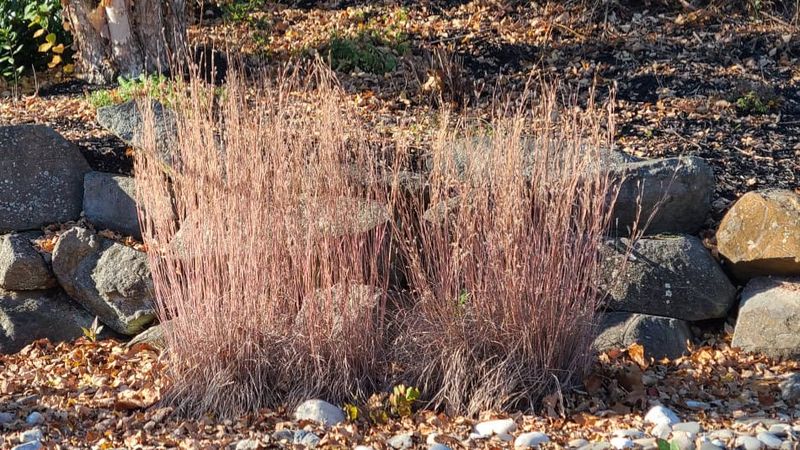
Hold off on that fall cleanup. Cutting this grass too early takes away its winter beauty and wildlife value.
Late winter is usually the right time to trim, before fresh green shoots grow tall.
In Georgia, that often means February or early March, with southern areas sometimes ready a bit earlier than the mountains. Check the base of the clump and look for new growth just starting.
Cut old stems down to roughly four to six inches above the ground.
Hand pruners or hedge shears work fine for small plantings. Tying the clump together with twine first makes cleanup much easier, since the stems stay bundled as you cut.
Try not to slice into the new green shoots. Damaging them can slow the plant’s spring start.
Leave the trimmed stems in a corner pile for a while if you can.
Some insects may still be sheltering inside, and a short delay gives them time to move on as weather warms. You can also chop the stems and use them as mulch.
Older clumps that become sparse in the middle can be divided in spring. Replant the healthy outer pieces and the cycle of copper color begins again.