Here’s Why Foxglove Thrives In Oregon Gardens
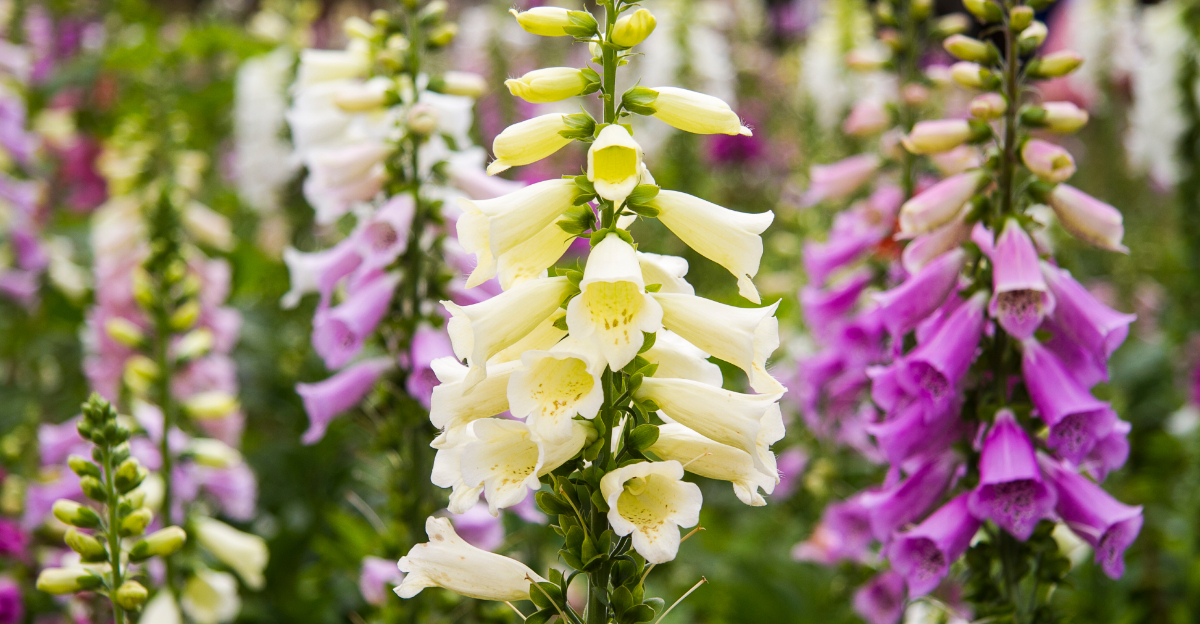
Foxglove looks like the kind of plant that might be fussy, but in Oregon it often settles in like it has found exactly where it belongs.
Cool springs, mild temperatures, and that stretch of soft moisture give it a strong start, which helps explain why it shows up so beautifully in so many gardens across the state. Once those tall spires rise up, it does not just bloom, it puts on a full performance.
That is part of the magic. Foxglove brings height, color, and a little storybook drama without looking out of place in an Oregon setting.
It feels right at home in cottage gardens, woodland edges, and those slightly wild corners that seem to come alive in late spring.
Even better, it has a way of reseeding and weaving itself back into the garden in a way that feels charming rather than pushy.
When a plant looks this striking and seems this happy in local conditions, it is no surprise gardeners keep making room for it.
1. Oregon’s Climate Suits It Well
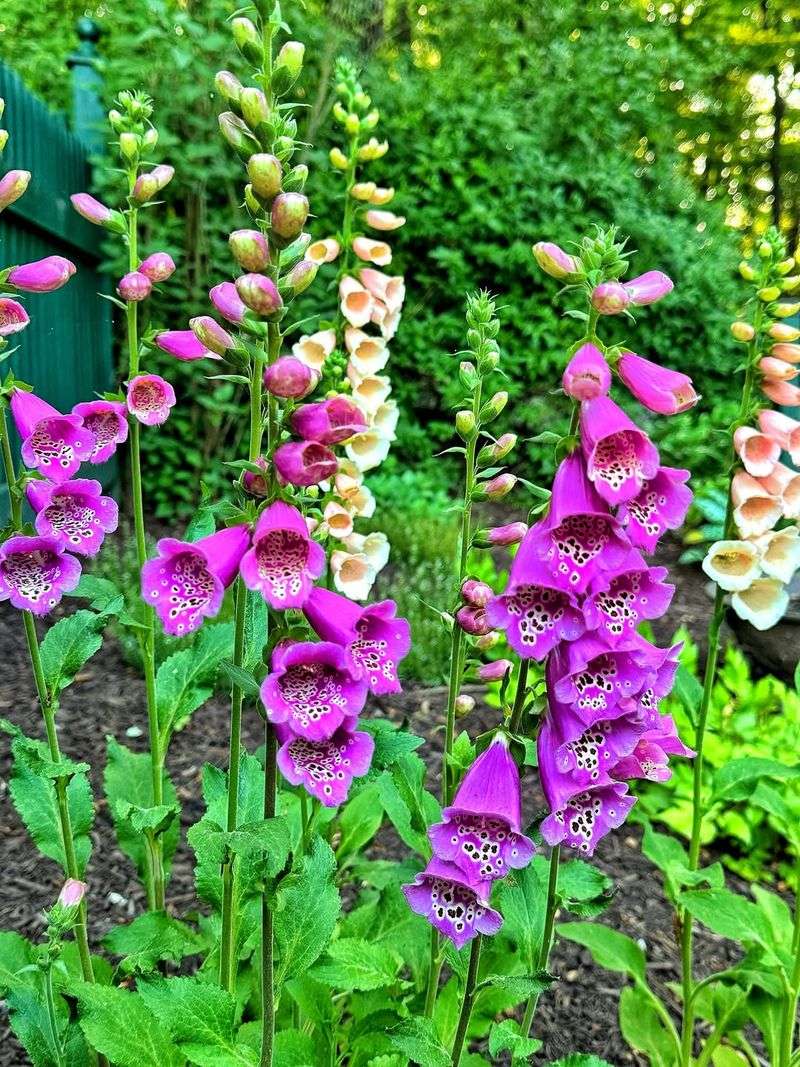
Few plants feel as at home in the Pacific Northwest as foxglove does. Oregon’s mild winters and warm but not scorching summers match almost perfectly with what this plant needs to thrive.
Foxglove grows best in USDA hardiness zones 4 through 9, and most of Oregon falls right within that range.
The state rarely sees extreme heat waves that bake the soil dry, and winter temperatures usually stay gentle enough to let foxglove survive and come back strong. That balance is hard to find in many other parts of the country, but Oregon delivers it season after season.
Coastal Oregon offers extra humidity that keeps the air moist, while the Willamette Valley provides rich farmland soil that foxglove absolutely loves. Even in higher elevation areas around the Cascades, the plant manages to hold its own.
Gardeners in Oregon rarely have to fight the climate when growing foxglove. Instead, the weather works with the plant, not against it.
That kind of natural harmony makes gardening feel rewarding and almost effortless when you pick the right plant for the right place.
2. Cool Springs Give It A Head Start
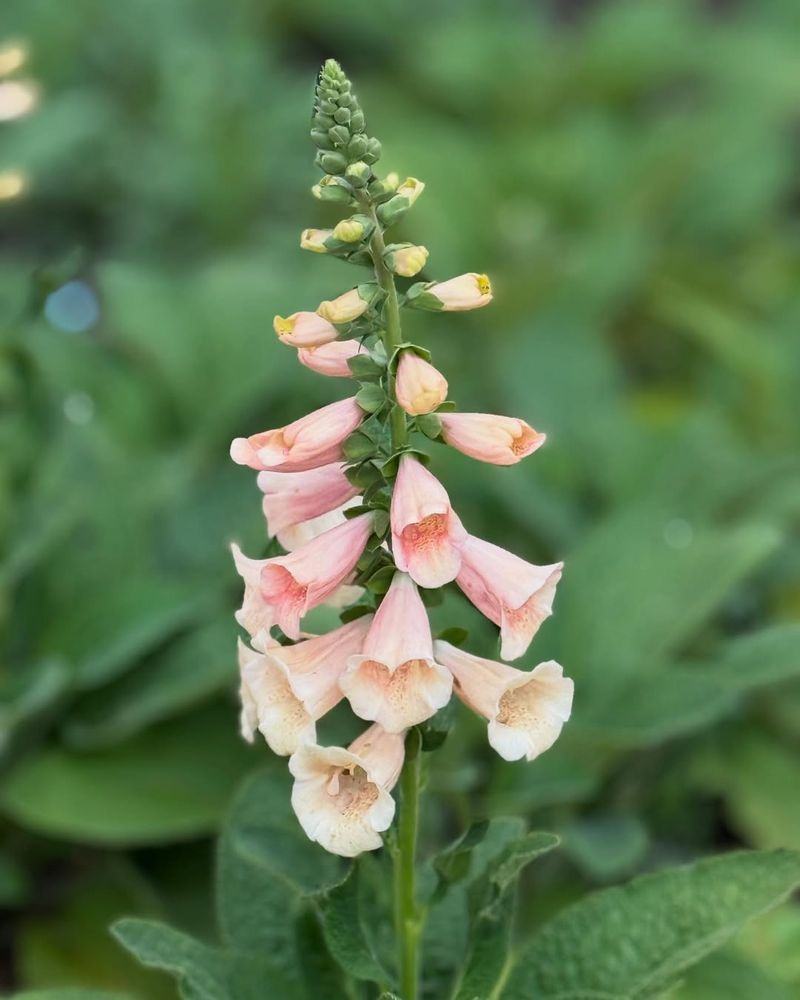
Spring in Oregon arrives with cool temperatures and steady rainfall, and foxglove could not be happier about it.
Most plants struggle to get established when the ground swings between cold nights and warm days, but foxglove actually uses those cool conditions to build strong roots before summer even begins.
When seeds sprout in the cool, moist soil of an Oregon spring, they develop a sturdy base that supports those tall flower spikes later in the season.
Gardeners who plant foxglove seeds in late summer or early fall will often see robust rosettes ready to bloom by the following spring.
Oregon’s spring temperatures tend to hover in the 50s and low 60s for weeks at a time. That slow warm-up gives foxglove exactly the gradual growing season it prefers.
Rushing into summer heat can stress many plants, but foxglove takes its time and rewards patient gardeners with spectacular blooms.
Your Oregon Garden Changes Every Week. Your Plan Should Too.
Gardening in Oregon changes quickly throughout the season. Every Friday you’ll receive a simple weekly plan showing exactly what to plant, prune, fertilize, harvest, and protect so you never miss the right timing.
If you are gardening in the Portland area or the Willamette Valley, you already know how long and lovely Oregon springs can be.
Use that to your advantage by getting foxglove in the ground early and letting the season do the heavy lifting for you.
3. It Handles Part Shade Beautifully
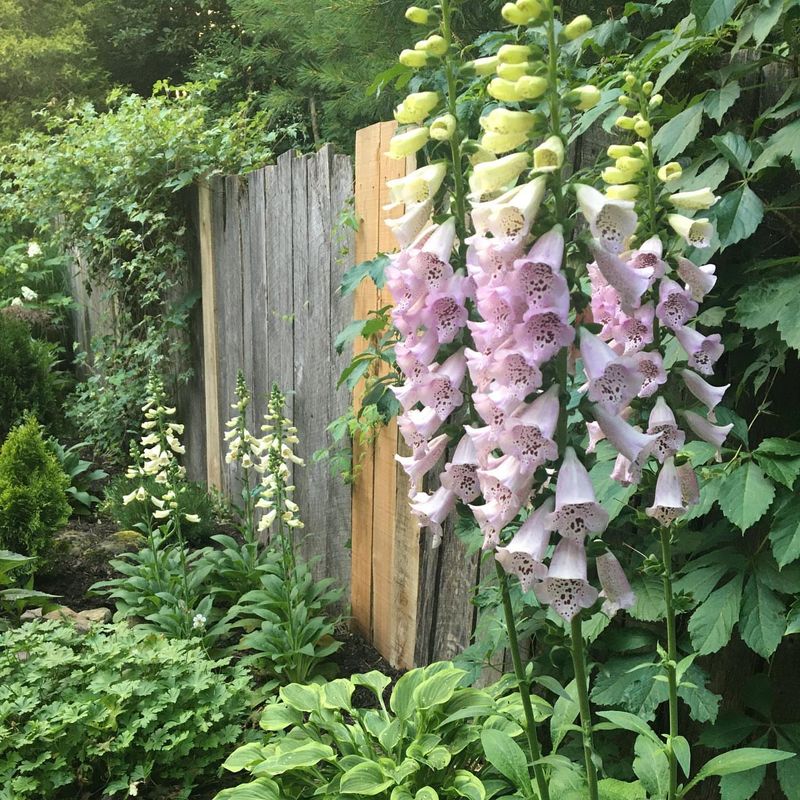
Not every corner of an Oregon garden gets full sun, and that is actually good news for foxglove fans.
One of the most appealing things about this plant is its ability to thrive in partial shade, which makes it incredibly useful in yards with tall trees or fences that block direct light.
While foxglove does enjoy a few hours of morning sun, it handles shaded afternoons without complaint.
In fact, too much harsh afternoon sun can fade those gorgeous blooms faster than you would like. Oregon’s tree-covered lots and wooded edges give foxglove the kind of filtered light it genuinely enjoys.
Many gardeners in Eugene and Bend have discovered that foxglove fills shady spots that other flowering plants simply refuse to occupy.
Plant it along a north-facing fence or beneath a Douglas fir, and you might be surprised by how tall and healthy it grows.
Pairing foxglove with shade-tolerant companions like hostas or ferns creates a layered, lush look that feels very Oregon.
The combination of textures and heights turns a dark corner of the yard into a standout garden feature without needing extra irrigation or special fertilizers to pull it off.
4. Moist Soil Helps It Settle In
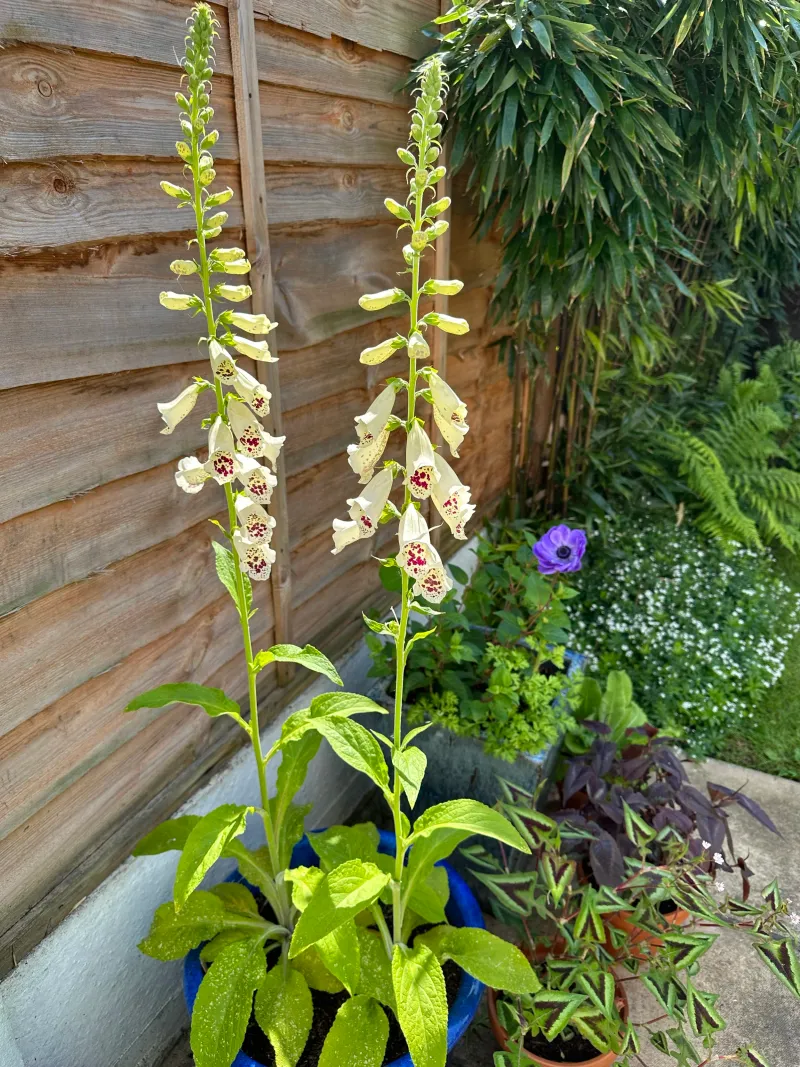
Oregon is famous for its rainfall, and that reputation is well earned. Annual precipitation across much of the state keeps garden soil consistently moist from fall through spring, which lines up perfectly with what foxglove needs during its most important growth stages.
Foxglove prefers soil that stays evenly moist but never waterlogged. Oregon’s well-draining loamy soils, especially in the Willamette Valley, hit that sweet spot naturally.
Gardeners elsewhere often struggle to maintain the right moisture balance, but in Oregon, the rain often handles it without any extra effort.
Adding organic compost to your garden bed before planting gives foxglove an even better foundation.
Rich, slightly acidic soil with good drainage encourages deep root growth and strong flower stalks that can reach five or six feet tall by midsummer.
During Oregon’s drier summer months, a layer of mulch around the base of each plant helps hold in moisture and keeps roots cool.
Water deeply once or twice a week if rain is scarce, and your foxglove will stay healthy and upright. Getting the soil right from the start is honestly the most important step in growing foxglove successfully anywhere in Oregon.
5. It Looks Right At Home
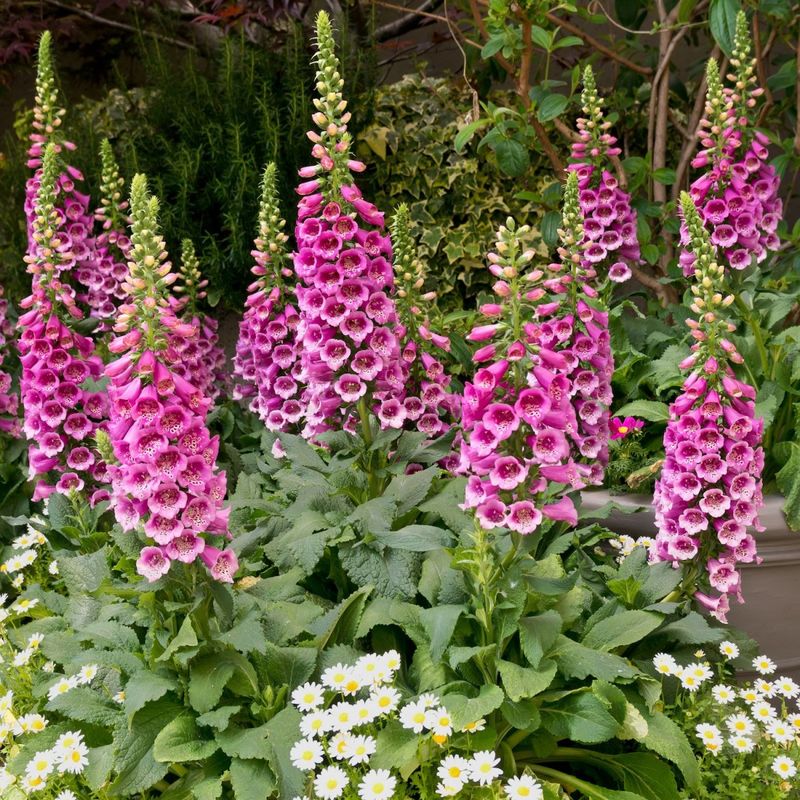
Walk through any established Oregon garden and foxglove just seems to belong there. Its tall, elegant spikes fit naturally alongside native ferns, rhododendrons, and Oregon grape.
The plant carries a wild, woodland charm that matches the Pacific Northwest’s natural landscape better than almost any imported flower.
Cottage-style gardens in Portland and Salem often feature foxglove as a centerpiece. Its vertical height adds drama and structure to beds that might otherwise feel flat or predictable.
Whether planted in clusters or scattered naturally throughout a border, foxglove creates a sense of effortless beauty.
The color range is another reason it works so well in Oregon gardens. From deep purple to soft pink to creamy white, foxglove blooms complement the mossy greens and earthy tones that define the Pacific Northwest’s natural palette.
It never looks out of place because it genuinely belongs in this kind of landscape. Many Oregon gardeners say foxglove gives their yard a storybook quality, like something out of an old English countryside painting.
That romantic, slightly wild aesthetic is exactly what draws so many people to Pacific Northwest gardening in the first place. Foxglove delivers that feeling without requiring any complicated design work or expensive landscaping.
6. Pollinators Keep Coming Back
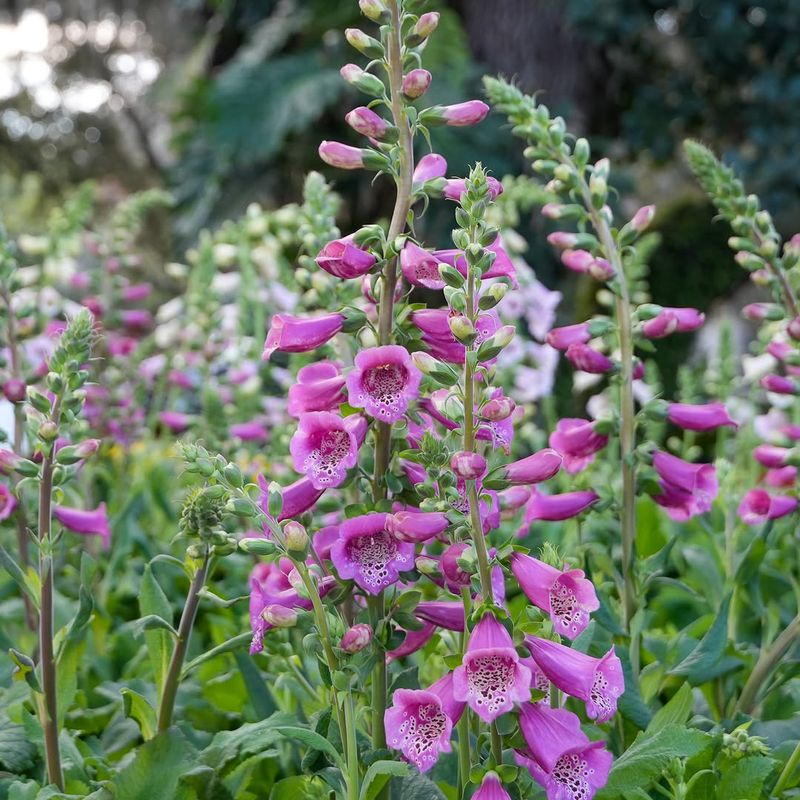
Bumblebees absolutely love foxglove, and Oregon has plenty of both. The tubular shape of each foxglove bloom is practically designed for bumblebees, which are the right size and shape to crawl inside and collect nectar efficiently.
Watch a foxglove plant on a warm Oregon morning and you will likely see bees working their way up the flower spike one bloom at a time.
Hummingbirds also visit foxglove regularly, drawn in by the bright colors and abundant nectar.
Anna’s hummingbird, which stays year-round in the state, is a frequent foxglove visitor. Having foxglove in your garden essentially turns your yard into a pollinator hotspot from late spring through early summer.
Beyond the visual delight of watching wildlife visit your garden, supporting pollinators has real benefits.
Bees that feed on foxglove also pollinate your vegetable garden, fruit trees, and other flowering plants nearby. The whole garden ecosystem gets a boost when pollinators have reliable food sources.
Oregon has made significant efforts to protect native bee populations, and planting foxglove is one easy way homeowners can contribute. It requires no special equipment or expertise.
Just plant it, let it bloom, and watch the garden come alive with buzzing, fluttering activity that makes every outdoor moment more enjoyable.
7. It Often Returns Without Much Help
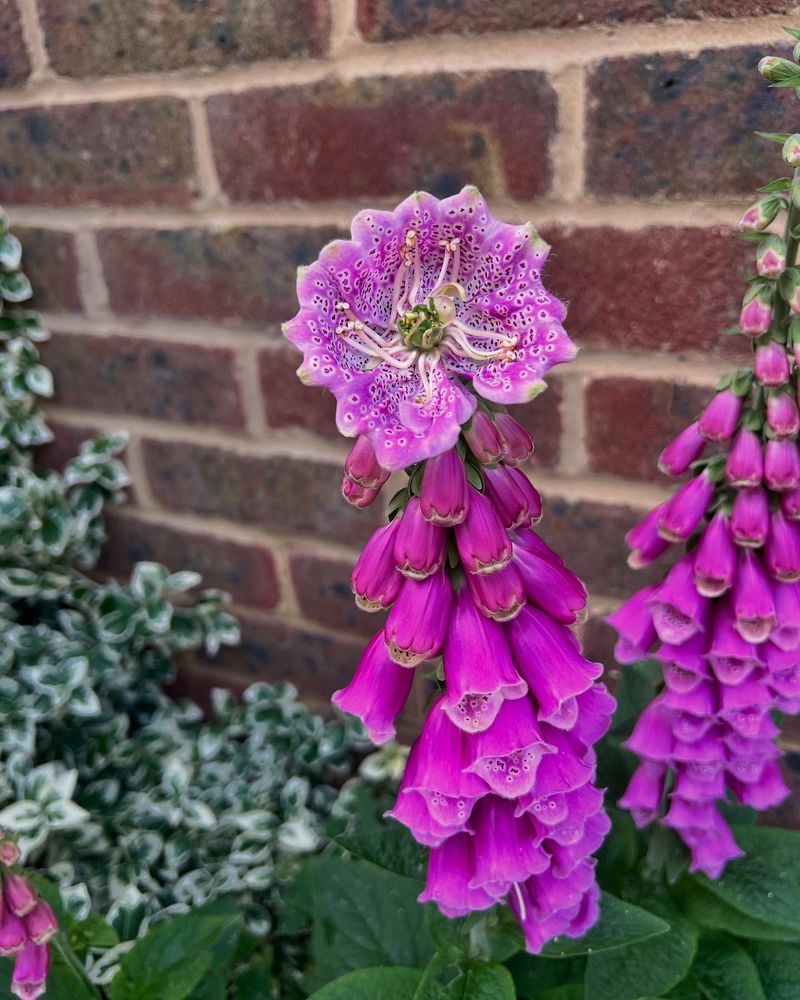
One of the most satisfying things about growing foxglove in Oregon is how little effort it takes to keep it coming back.
Foxglove is a biennial, meaning it spends its first year growing leaves and its second year producing those famous flower spikes. After blooming, it drops seeds that sprout on their own and continue the cycle.
In Oregon’s moist, mild climate, self-seeded foxglove seedlings establish themselves easily without much help from the gardener.
You might plant it once and find it naturalizing across your garden bed over the following years. That kind of reliable self-renewal feels like a gift, especially for gardeners who prefer low-maintenance plants.
To encourage self-seeding, simply leave spent flower stalks in place until the seed pods dry out and open naturally.
The seeds will scatter into the surrounding soil and germinate the following spring. Oregon’s rainfall does most of the watering work for you during those cooler months.
Gardeners in the Willamette Valley and along the Oregon coast often report having foxglove reappear in unexpected spots around the yard, which adds a spontaneous, natural quality to the garden.
It feels less like a planted bed and more like a living landscape that grows and changes on its own terms every single year.