8 Fall Garden Cleanup Habits That Can Affect Pollinators And Birds
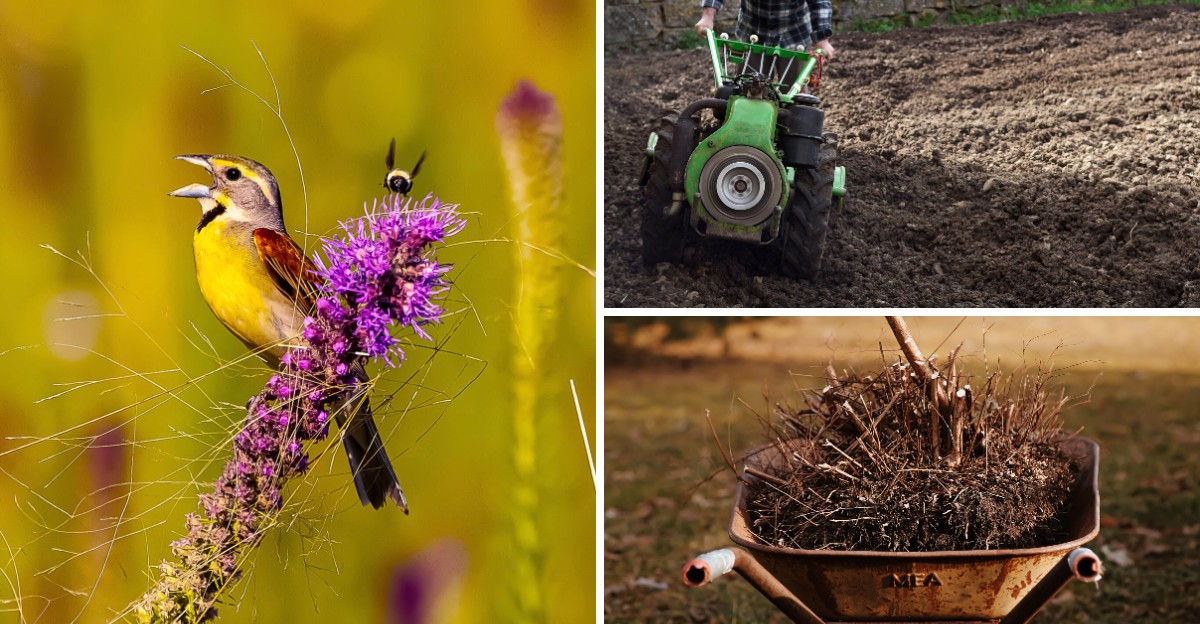
You are about to wake sleeping queen bumblebees with a sweep of your rake. Leaf litter shelters them until spring, and you hold the bag open.
Tidy a hollow stem and you expose bee larvae to the frost. Butterfly chrysalises cling to dried stalks you plan to haul away.
Juncos and sparrows gather seed heads for winter fuel, so you decide their menu. Ladybugs, beetles, and toads burrow under debris you call clutter.
Layer fallen leaves onto beds, and you feed soil while sheltering tenants. Wait until warm days return, and you can trim stems without disturbing tenants.
Leave stems standing at knee height, and you give nesting bees apartments. Pile branches in a corner, and you build a shelter for wrens.
Neighbors may glance, but pollinators may thank you later. Know which trims protect tenants before you lift clippers.
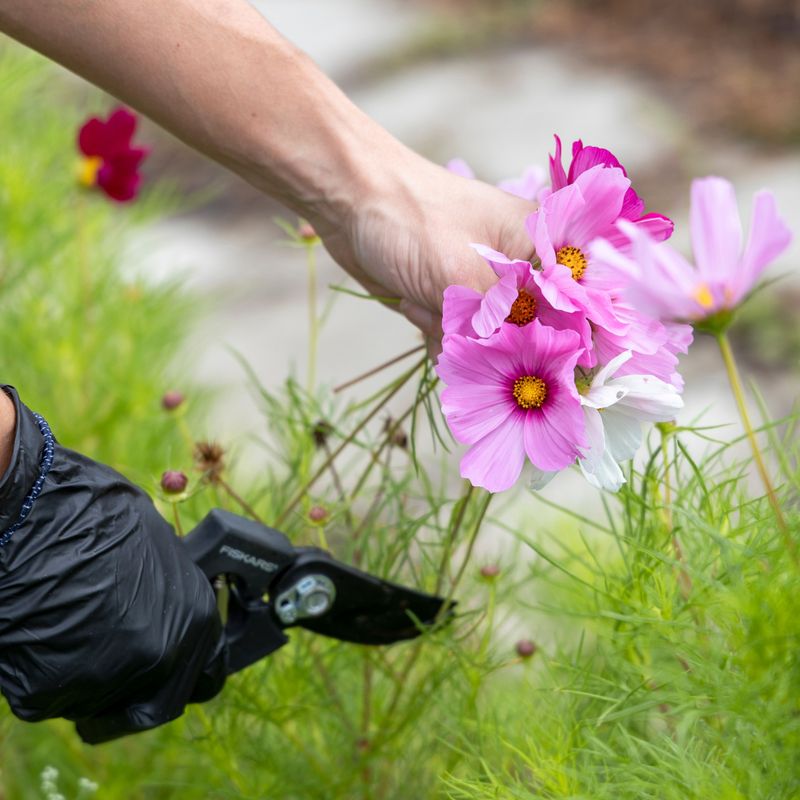
1. Cutting Back Too Many Spent Flower Stalks
Picture a goldfinch hanging upside down on a coneflower, plucking seeds like popcorn at a movie. Snip that stalk in October, and the show ends before the bird finishes its snack.
Spent flowers may look scraggly to us, but they work like bird feeders that refill themselves. Coneflowers, black-eyed Susans, and sunflowers hold seeds well into the cold months.
Chickadees, juncos, and sparrows visit those seed heads when bugs grow scarce. Each seed gives them a burst of energy to stay warm through long, frosty nights.
Bees benefit too, even though they are not eating seeds. Some native bees tuck themselves inside or near old stalks, waiting quietly for spring warmth to return.
So what should you do instead? Leave most flower stalks standing until spring, when new green growth starts poking up from the soil.
If your neighbors worry about a messy look, trim only the stalks near sidewalks or the front door. Keep the wilder patches in the backyard or along fences.
Snowy seed heads can look beautiful in winter photos, too. Frost sparkles on them like sugar, and the birds add color and movement to a gray day.
A small sign that says Wildlife Garden can help curious neighbors understand your choice. Many people smile once they spot a cardinal perched on a swaying stalk.
Think of it as setting a table you do not have to wash later. Your garden keeps serving meals while you sip cocoa by the window.
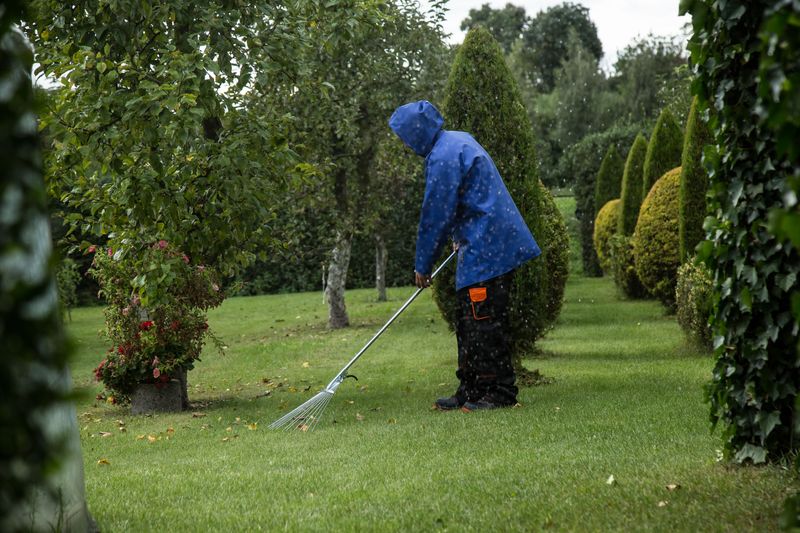
2. Raking Away Every Last Leaf
Many moths and butterflies spend the whole winter tucked inside fallen leaves, not flying south. Some hide as eggs, some as caterpillars, and some as cocoons wrapped in a crispy leaf.
When we rake every leaf into a bag, those sleeping bugs ride off to the landfill. Fireflies, luna moths, and other moths can lose their winter beds this way.
Birds feel the loss as well, especially ground feeders. Robins, thrushes, and towhees scratch through leaf litter looking for beetles, worms, and spiders to eat.
In spring, baby birds need thousands of caterpillars to grow strong. Many of those insects spend winter in the same leaves we hurried to remove in October.
You do not have to let your lawn turn into a brown blanket, though. Rake leaves off the grass and spread them under shrubs and around flower beds.
A loose layer about two inches deep works nicely, with bare sunny patches left for bees. Remove diseased leaves, such as those with blight or black spot.
A leaf layer also keeps soil moist, blocks weeds, and breaks down into free plant food over time.
Skip the leaf blower on high power and avoid shredding the pile with a mower. Whole leaves give bugs better hiding spots than chopped bits do.
If you have extra leaves, make a simple pile in a quiet corner. Toads and salamanders may move in, too, which is pretty exciting for curious kids.
Your back will appreciate raking less this fall. Local wildlife will repay you with spring songs, fluttering wings, and glowing summer fireflies.
3. Bagging Up Hollow Stems For The Trash
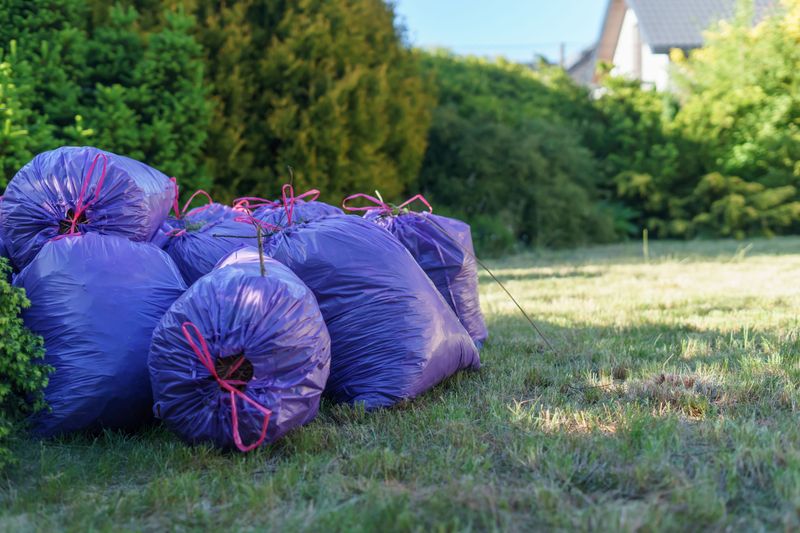
Tiny apartment buildings may be standing in your garden right now, and they are made of plant stems. Hollow and pithy stems from raspberries, bee balm, and elderberry house small native bees.
Mason bees, small carpenter bees, and leafcutter bees lay eggs inside these stems. The young bees rest there all winter and chew their way out when spring arrives.
Unlike honeybees, most of these bees live alone and rarely sting. They are gentle helpers that pollinate fruit trees, berries, and wildflowers.
Cutting and bagging those stems removes the whole nursery with the yard waste. Some gardeners do not realize the stems were occupied until fewer bees show up later.
A smarter move is to wait until spring to trim. Even then, cut stems to different heights between eight and twenty-four inches.
Those leftover stubs become fresh nesting spots for the next round of bees. Within a year, new eggs fill the tubes, and the cycle keeps rolling.
If you must clear a bed this fall, bundle the cut stems with twine. Lean the bundle against a fence or tuck it into a quiet corner.
That tiny trick keeps residents safe while making your garden look a little neater. Some folks even hang bundles from tree branches like rustic decorations.
Kids love checking the stem ends in spring for little mud plugs or leaf caps. Each plug usually means a baby bee was tucked safely inside all winter.
4. Spraying Pesticides On The Way Out
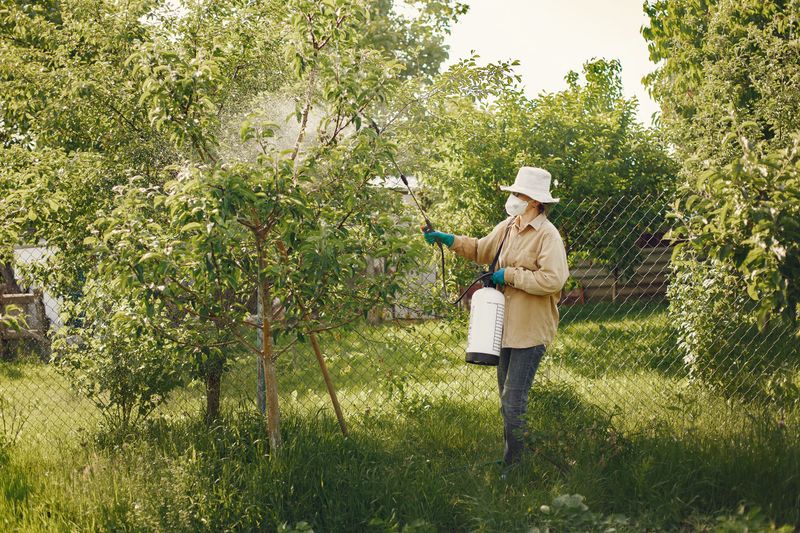
Some gardeners treat October like a final exam for bugs, spraying everything before winter. Unfortunately, pests are not the only insects affected.
Some bumblebee queens are still searching for safe winter spots in fall. Spraying late flowers like asters or goldenrod can harm a queen and her future colony.
In early fall, monarch butterflies pass through many yards on their long trip to Mexico. They stop to sip nectar, and treated blooms can expose these travelers to harmful residues.
Birds face a sneaky problem, too. When they eat insects carrying certain chemicals, residues can build up in their small bodies over time.
Fall spraying usually makes little sense anyway, since many garden pests are already slowing down for the season. Cold weather handles a large share of the work for free.
Instead, write down which pests bothered you this year and research gentle fixes for next spring. Handpicking, strong water sprays, and row covers work well for many problems.
Grub treatments on lawns deserve a second look as well. Some can affect bees that visit flowering lawn weeds like clover, so skip them wherever blooms are present.
If a spray feels necessary, pick a targeted product, avoid blooming plants, and apply it at dusk. Bees are tucked away by then, which lowers the risk.
Healthy gardens find their own balance when helpful insects stick around. Ladybugs, lacewings, and parasitic wasps keep aphids and caterpillars in check at no cost.
Put the sprayer on a high shelf until spring, and let nature run the cleanup crew. Your local bees and birds will benefit from the break.
5. Tilling Garden Soil In Fall
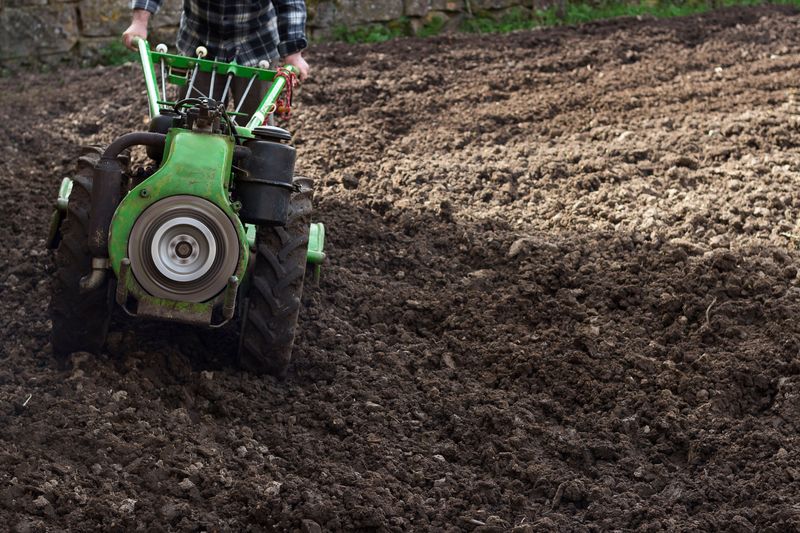
Grandpa used to turn his whole vegetable patch over every October, leaving it smooth as a brownie. It looked lovely, but he had no idea who lived under that dirt.
Around seventy percent of native bee species nest in the ground, not in hives. Many of them dig small tunnels in sunny, bare patches of soil.
Tilling in fall can disrupt those tunnels and the young bees resting inside. Squash bees, which pollinate pumpkins and zucchini, are especially at risk.
Beetle larvae, moth pupae, and earthworms also live in the top layers of soil. Robins and blackbirds rely on those critters as a steady food source.
Skipping the fall tilling saves you time, money on fuel, and sore muscles. It also protects soil from washing away during heavy autumn rains and winter snowmelt.
Where your climate allows, sow winter rye in empty vegetable beds a few weeks before the first hard frost, and save clover for spring. The roots hold soil together while the leaves shelter insects from cold winds.
Another easy option is leaving a few sunny, bare spots near the garden edge. Ground-nesting bees love those quiet patches and may reward you with better pollination.
If you spot tiny holes with small dirt mounds next spring, pause before filling them in. Those holes may be bee doorways, though ants and wasps make similar ones.
In spring, one chickadee family needs thousands of caterpillars to grow strong. A garden fork works better than a big tiller and disturbs far fewer creatures.
6. Tossing Out The Brush Pile
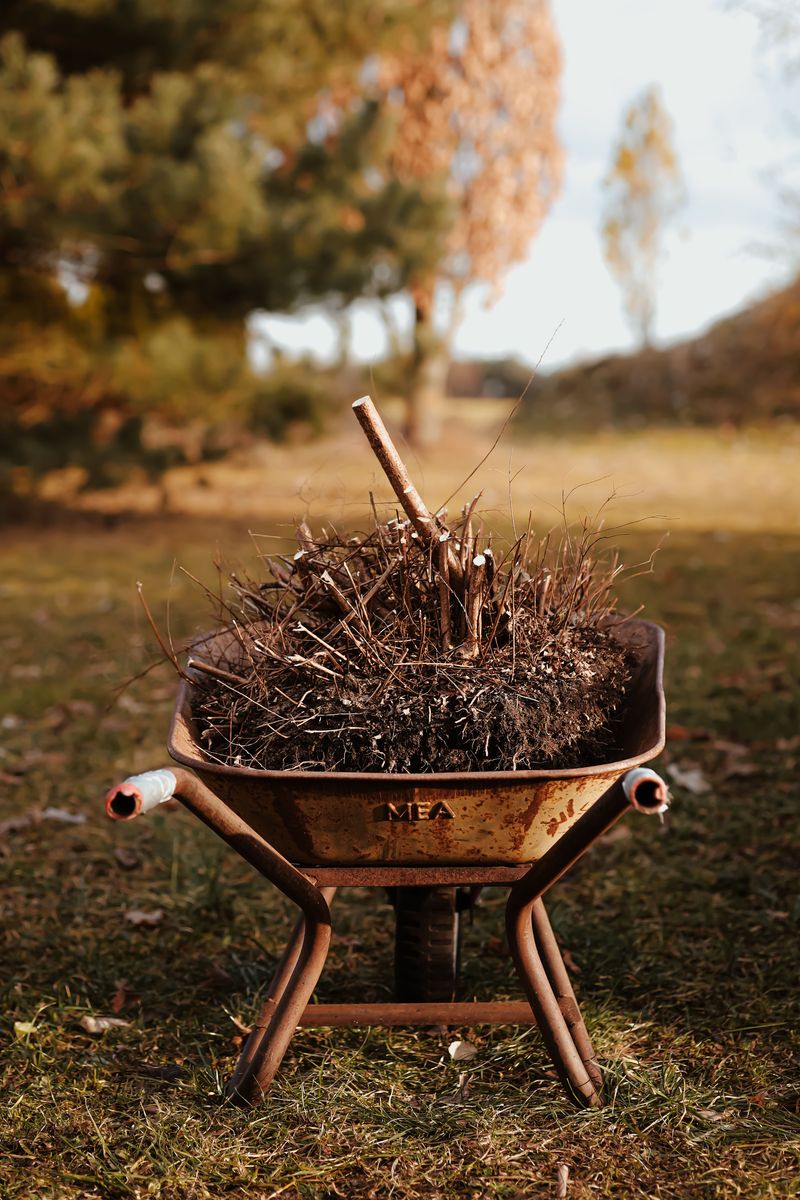
What looks like a jumble of sticks to you looks like a luxury lodge to a wren. Brush piles offer shelter from wind, snow, and hungry hawks circling overhead.
Small birds like sparrows, juncos, and cardinals duck into brush when danger shows up. They also hide there on bitter nights to stay out of icy gusts.
Pollinators use the pile, too. Some butterflies, such as mourning cloaks and question marks, spend winter as adults wedged into cracks in wood.
Hauling branches to the curb removes many of those hiding spots at once. The yard may look tidy, but the wildlife is left out in the cold.
Building a good brush pile is easier than you might think. Start with thick logs on the bottom, then stack medium branches crosswise on top.
Finish with smaller twigs and a few evergreen boughs if you have them. That mix creates big gaps below and a cozy roof above.
Pick a spot away from your house, shed, or fence, and check local fire rules first. A corner near shrubs or trees gives birds a quick escape route.
Over time, the wood slowly breaks down and feeds the soil underneath. Beetles, fungi, and worms move in, making the pile a busy little neighborhood.
You can add fresh branches every fall after pruning trees and bushes. Watch from a window with binoculars, and you might spot surprising visitors popping out.
Some families even name their brush pile, like a tiny backyard hotel. The Twig Inn has a certain charm, wouldn’t you agree?
7. Pulling Late-Blooming Native Wildflowers
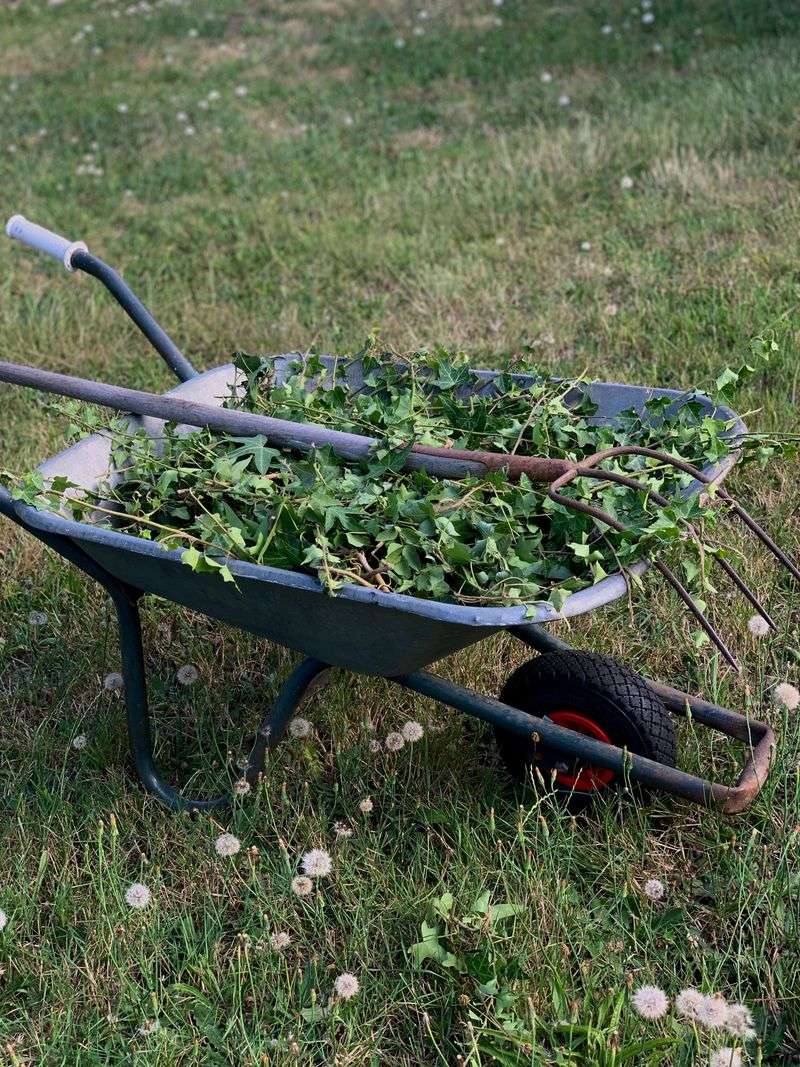
Goldenrod gets blamed for fall allergies, but ragweed is the main trigger. Meanwhile, goldenrod is one of the key late-season food sources for pollinators.
Many so-called weeds bloom in October when garden flowers have faded. Asters, goldenrod, and other late bloomers can be the last buffet before winter.
Bumblebee queens need plenty of nectar and pollen to build fat reserves before they hibernate underground. Monarchs and other migrating butterflies need fuel for their long journeys, too.
Removing every late bloom from the yard can leave these insects hungry at a critical time. A small patch of flowers might be their only gas station nearby.
Of course, some weeds truly need removing, especially invasive ones that crowd out native plants. Check a local extension office website to learn which ones cause real trouble.
In much of North America, native plants like New England aster, sneezeweed, and showy goldenrod deserve a spot in your garden. They grow easily, handle cold nights, and keep blooming from late summer into fall.
Seeds from these plants help birds after the flowers fade and frost arrives. Goldfinches and sparrows pick at the fluffy seed heads well into winter.
Consider letting one corner of your yard grow a little wild this month. Mow around it in a neat border so it looks planned and cared for.
Watch that patch on a sunny afternoon, and it may buzz like a busy airport. Counting the different bees and butterflies can become a fun family game.
8. Laying Down Too Much Mulch
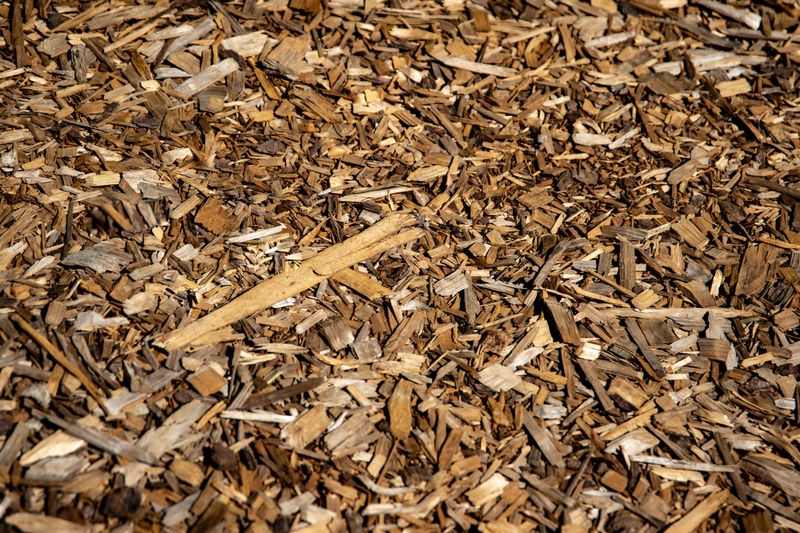
A fresh coat of shredded bark can make flower beds look like a magazine cover. Pile it on too thick, though, and you cover the entrances of many tiny residents.
Ground-nesting bees need to reach bare soil to dig their tunnels next spring. Heavy layers of mulch or landscape fabric block their entrances like a locked gate.
Rubber mulch adds another problem. It offers no food for soil life and can heat up quickly in bright sun.
Birds miss out as well when mulch covers the ground. Robins and towhees struggle to scratch for insects through a thick, packed layer.
A better choice is a thin layer of natural material, like whole leaves or pine needles. Keep it around two inches deep so air and water can still pass through.
Leave a few patches open in sunny spots, especially on gentle slopes. Bees often prefer these warm, well-drained areas for building their underground homes.
Skip landscape fabric under flower beds whenever you can. It stops weeds for a while, but it also stops worms, beetles, and bees from moving freely.
Fallen leaves from your own trees make a good mulch. They cost nothing, break down over time, and shelter overwintering caterpillars and spiders.
Your garden does not need to look perfect to be beautiful. A softer, more natural look tells visitors that wildlife is welcome here.
By next spring, you may notice more buzzing, chirping, and fluttering than before. Many gardeners find that lively scene more rewarding than a spotless flower bed.