8 Signs Snakes Are Denning Near Your House This Winter
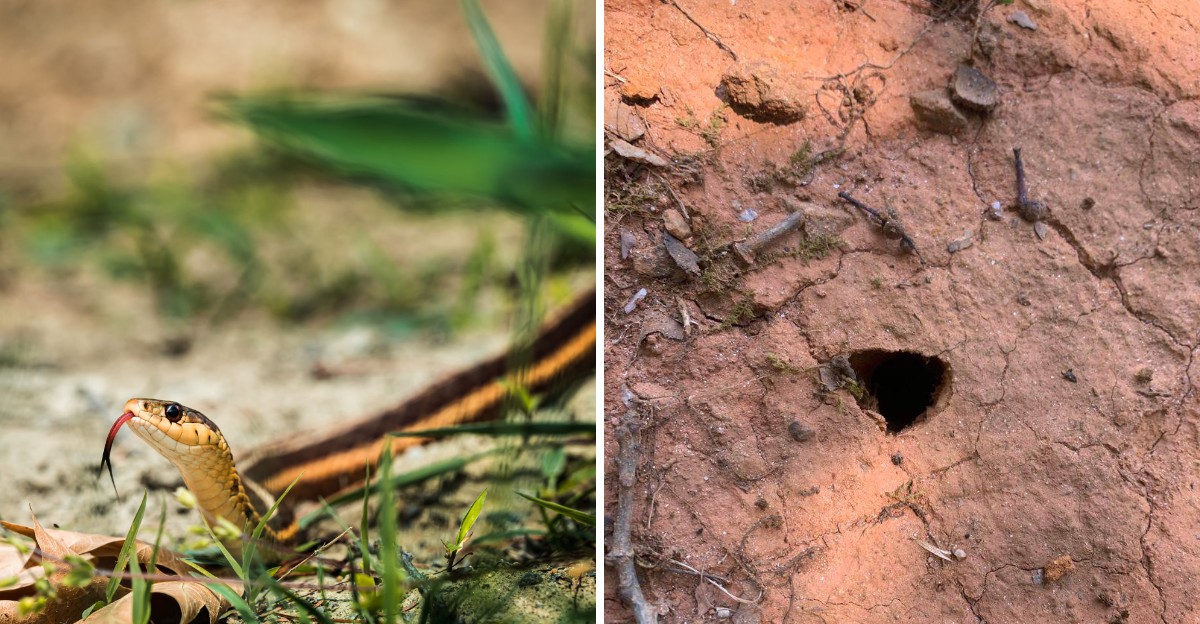
Right now, a snake may be inspecting your foundation for a winter move-in. Falling temperatures send them searching for steady warmth, and your home delivers.
You will hear no knock, no lease signing, and no footsteps. Gaps as thin as a pencil let them glide past weatherstripping.
Woodpiles, porch skirting, and dryer vents become prime real estate you overlook. Harmless species outnumber the risky ones, yet it helps to know what shares your walls.
Shed skins, slender droppings, and a musky scent reveal your tenants. Sinuous trails across dusty floors show you where they travel.
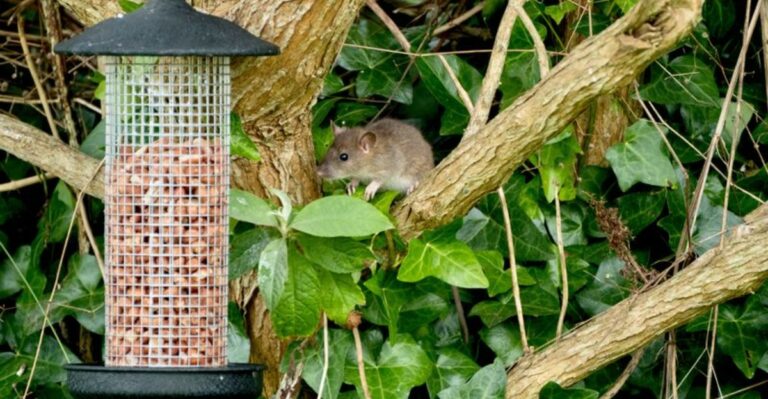
Mice make a favorite meal for them, so rodent noises in your walls matter. Attics and crawl spaces offer privacy you did not plan to provide.
Carry a flashlight with you. Your water heater closet can attract them, because steady warmth sits right beside you.
1. Shed Skins Tucked Along The Foundation
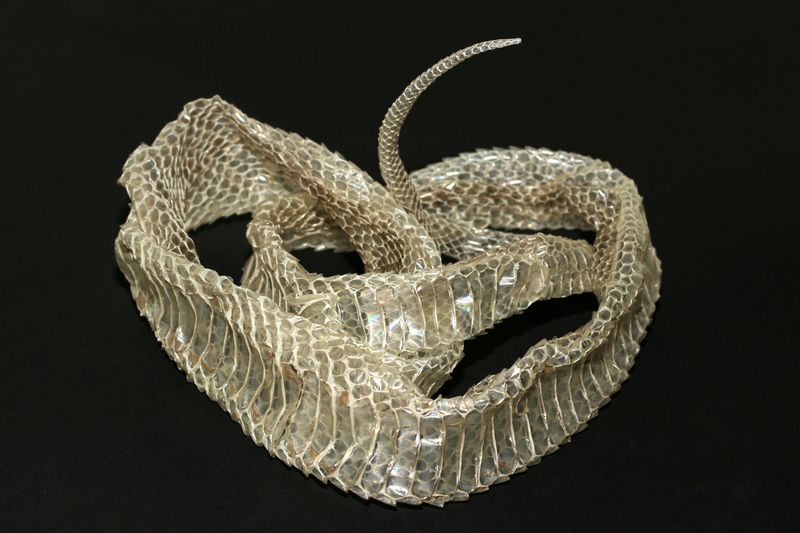
Picture finding a crinkly, see-through sock stuffed behind your air conditioner unit. That papery tube is a shed skin, and it means a snake spent real time nearby.
Snakes outgrow their skin a few times each year, much like kids outgrow sneakers. They rub against rough surfaces, like bricks or rocks, to peel the old layer away.
A fresh skin near your house in October is a big clue. Snakes sometimes shed near their winter shelter, so a den may be close.
Check spots where siding meets the ground, behind shrubs, and under deck stairs. Look inside window wells and along the edges of sheds or detached garages too.
Fresh skins look shiny, soft, and flexible, while older ones turn brittle and dusty. A soft, bendy skin suggests the owner passed through very recently, maybe this week.
You can learn a lot from that empty skin with a quick look. Length gives a rough idea of size, and the scale pattern can help identify the species.
Wear gloves when picking it up, since reptiles can carry germs like salmonella. Snap a photo first, then compare it with a local wildlife guide or extension office website.
Keep a notebook for your findings. Note the date, the spot, and the skin’s condition, because a pattern across several weeks helps a professional understand the situation.
Found more than one skin in the same area? That often points to several snakes sharing a cozy hideout, so consider calling a wildlife professional for an inspection.
2. Small Holes Near Rock Piles And Stumps
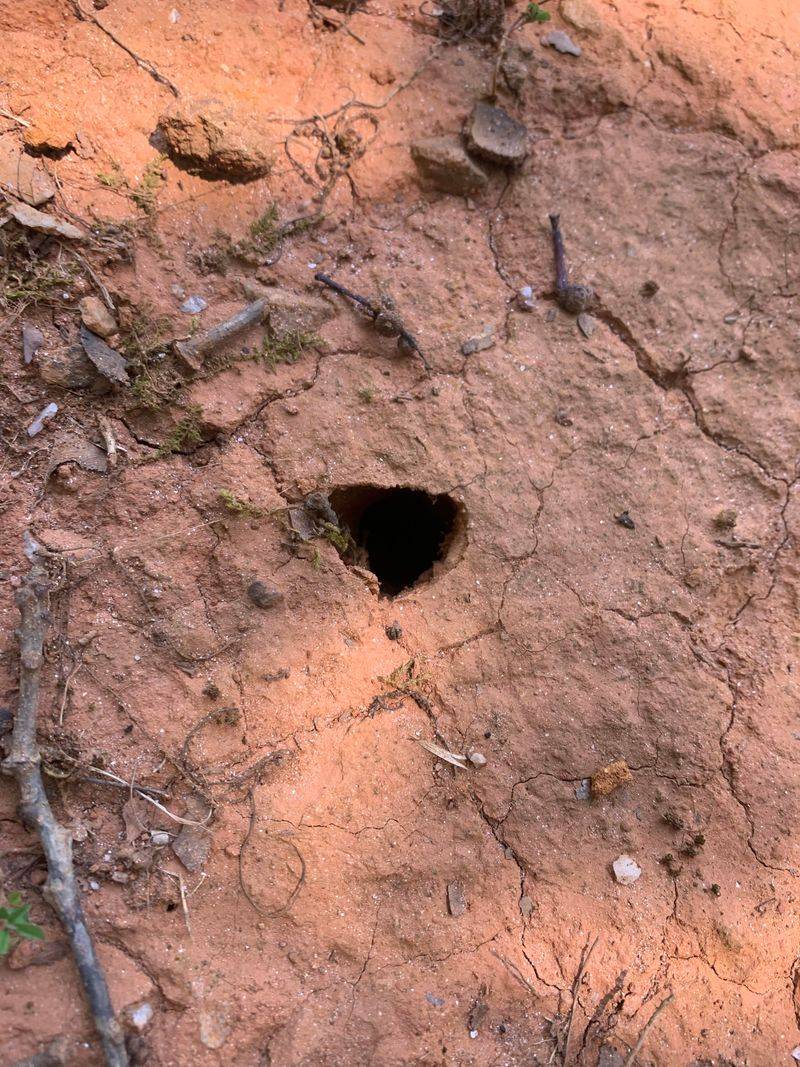
Snakes are weak diggers, which surprises plenty of homeowners. Instead of making their own holes, they move into burrows other critters already built.
Old chipmunk tunnels, mole runs, and vole holes make suitable winter shelters for a chilly snake. These spots stay a few degrees warmer than the frosty surface above.
Look closely around rock piles, rotting stumps, and the base of old trees. Holes about the width of a quarter or golf ball deserve extra attention.
A smooth, clean entrance without cobwebs suggests something is using it regularly. Messy, leaf-filled openings are more likely abandoned and not worth much worry.
One simple trick works well for checking activity. Loosely stuff a few dry leaves or a sheet of newspaper into the hole, then check back in two days.
If the plug is pushed aside, something is coming and going. It may not be a snake, but it tells you the burrow is occupied this season.
Avoid placing your hand or a stick deep inside a hole. A startled snake might protect itself, and a calm approach keeps everyone comfortable.
Take a few photos of each opening you find. Marking spots on a simple sketch of your property makes follow-up checks quicker and keeps your inspection organized.
Removing extra rock piles and grinding down old stumps helps over time. Fewer hiding places mean fewer winter tenants choosing your yard as their address next year.
3. Fewer Mice And Voles Around The Yard
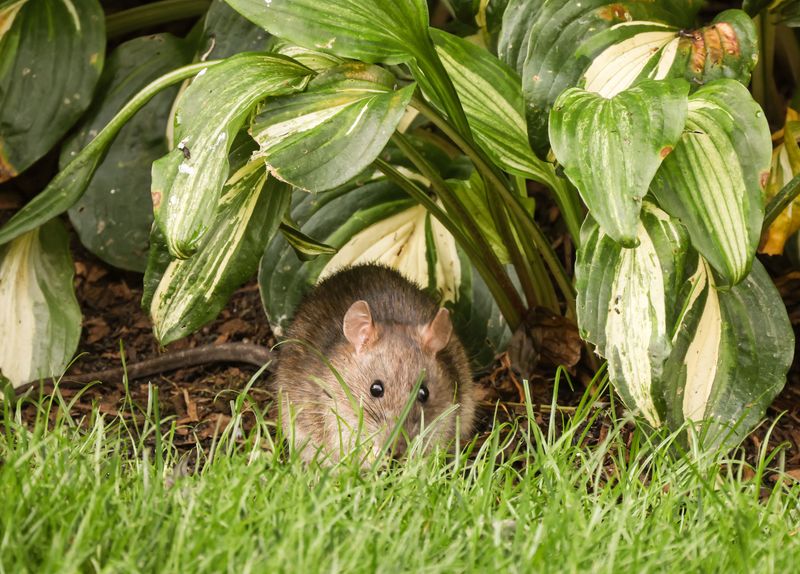
Last spring, your garage had heavy mouse activity with tiny footprints across the floor. Now it suddenly seems quiet, and you did not change your routine.
That sudden peace might feel like a lucky break. However, a quiet helper could be handling your rodent problem for you behind the scenes.
Many snakes, like rat snakes and corn snakes, love munching on mice and voles. A steady food supply is one reason they choose a yard in warmer months.
Watch the places where rodents used to show up often. Bird feeders, compost bins, and grain storage areas are classic hangouts for both mice and the snakes that follow them.
Traps that once filled each week and now stay empty can be a clue. Fewer droppings and chewed bags in the shed may also hint at a new neighbor nearby.
A snake that eats pests is not bad news for your property. Still, you probably prefer they search for food away from your home’s walls.
Store birdseed and pet food in metal containers with tight lids. Clean up spilled seed under feeders, since that mess attracts mice, which then attract snakes.
Neighbors can offer useful hints too. If rodent activity dropped across the street as well, a local snake population may be thriving nearby and worth a conversation.
Removing the food supply is a helpful long-term move. When meals disappear, both rodents and the snakes that follow them tend to move along.
4. Smooth Tracks In Dust And Mulch
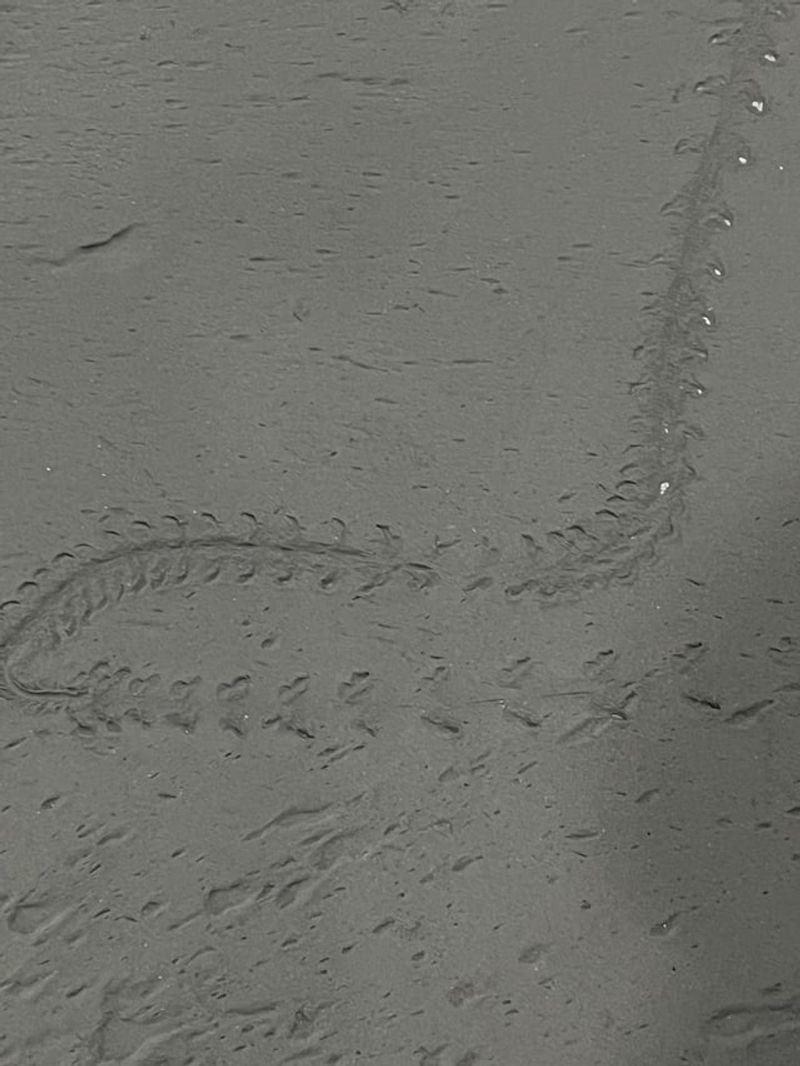
This sign takes a little detective work. Snakes leave behind trails that look like someone dragged a garden hose in wavy lines through the dirt.
These tracks show up best in soft, loose ground. Dusty crawl spaces, sandy paths, and freshly raked mulch beds are prime spots to search after a calm night.
Look for smooth, S-shaped curves without footprints. Straight lines can appear too, since some heavy snakes inch forward like a slow caterpillar.
Morning is a good time to check, before wind or rain erases the marks. Low sunlight from the side makes faint tracks pop out with long shadows.
Want an easy way to spot new trails? Sprinkle a thin layer of flour or baby powder near a suspected entry point overnight.
By sunrise, a visitor will leave a clear record behind. Snake trails look like ribbons, while mouse tracks show tiny paw prints dotted along the powder.
Follow the trail carefully to see where it leads. Tracks heading toward a foundation gap, woodpile, or porch step often point toward a winter hideout.
Kids and pets leave tracks that can confuse the picture. Compare suspicious marks with paw prints and shoe soles before deciding a snake has visited your space.
Once you know the path, you can block it before cold weather settles in. Seal the gap, clear the debris, and make that route less inviting.
5. Musky Odors Coming From Crawl Spaces
Your nose may catch the problem before your eyes do. Some homeowners describe the smell as musky, sour, or oddly similar to overripe cucumbers.
Certain snakes release a strong scent when frightened or stressed. Garter snakes are known for this defense, and large groups can fill a space with odor.
Crawl spaces, basements, and closed-up sheds trap these odors well. If a musty, unfamiliar smell lingers after you have cleaned, it is worth investigating further.
A bad smell can come from other sources too. Mold, damp insulation, and rodents create odors, so look for other clues alongside the scent.
Pair the smell with shed skins, tracks, or droppings for stronger proof. One clue alone might be a coincidence, but three together tell a clearer story.
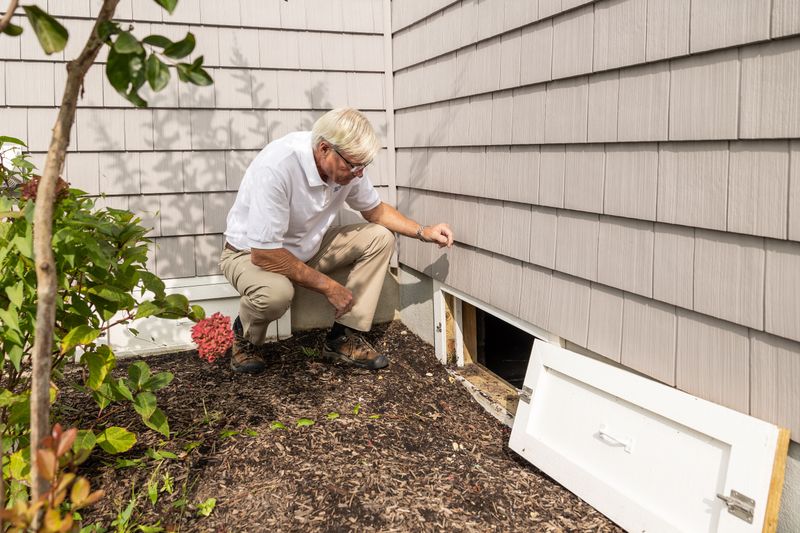
Use a bright flashlight and peek inside from a safe distance. Wear sturdy shoes, gloves, and long sleeves before crawling anywhere tight or dark.
Garter snakes sometimes gather by the dozens in one den to share warmth. Such dens sit mostly outdoors, so an indoor smell often has another cause.
Keep a record of when the scent seems strongest. Warm afternoons and damp mornings change how smells travel, which helps you narrow down the location of the source.
Improving airflow and sealing vents with sturdy mesh helps. A dry, well-ventilated crawl space is less appealing to animals seeking a snug retreat.
6. Scat With White Tips Near Entry Points
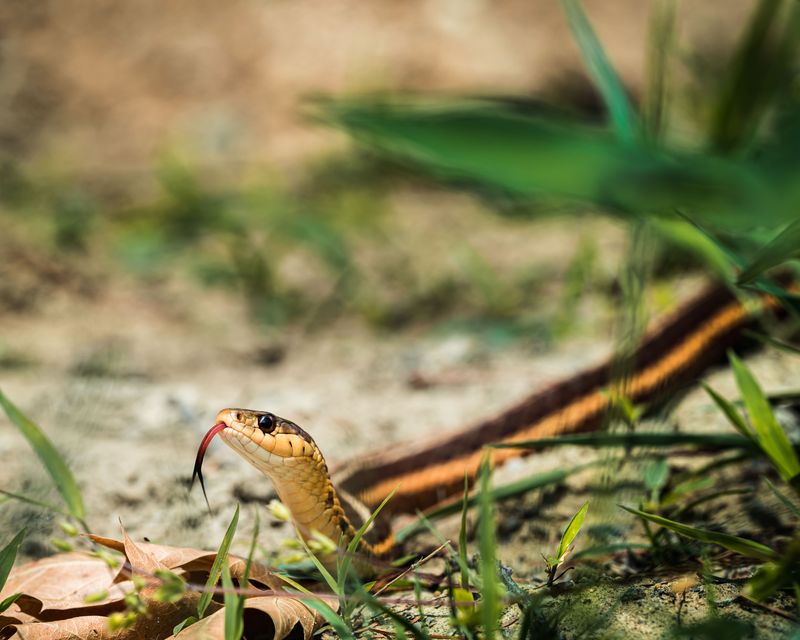
Few people enjoy inspecting droppings, yet this clue is surprisingly helpful. Snake droppings look different from what many people expect to find in a garage.
They are usually dark brown or black, long, and somewhat tube-shaped. The giveaway is a white, chalky cap on one end, which is dried uric acid.
Bird droppings also have white parts, so location matters a lot here. Snake droppings appear on the ground, often near walls, doorways, and tight gaps.
Sometimes you might spot tiny bits of fur, feathers, or insect shells inside. Those leftovers show what the snake has been eating, usually mice or bugs.
Check garage corners, under stored boxes, and beside water heaters or furnaces. Warm, hidden areas near entry points are favorite hangouts as the weather cools.
Avoid touching droppings with bare hands. Use gloves, a paper towel, and a sealed bag, then wash your hands thoroughly afterward.
Spraying the area with a disinfectant before cleaning keeps dust down. Dust from dried droppings is best not inhaled, so a simple face mask is smart too.
Photograph the droppings next to a coin for scale. A clear picture helps wildlife experts identify the species, and it gives you a useful record for later comparison.
Finding droppings in several spots suggests regular visits rather than one lost traveler. That pattern is a good reason to seal entry points and possibly call a pro.
7. Cracks And Gaps That Invite Snakes Inside
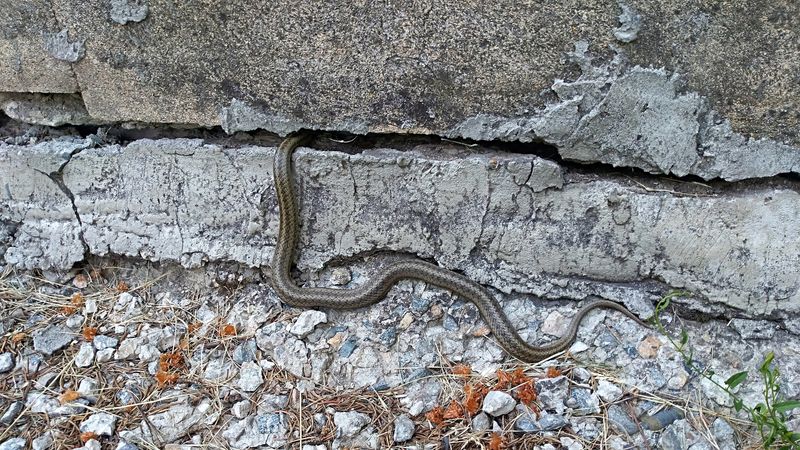
A gap the width of a pencil sounds harmless enough. Yet many small snakes can squeeze through openings that narrow with surprising ease.
Foundations shift and settle over the years, creating cracks you may not notice. Gaps around pipes, cables, dryer vents, and garage doors are other common doorways.
In many regions, October is a smart month for a walk-around inspection. Many snakes start searching for winter shelter as nights cool toward fifty degrees Fahrenheit.
Bring a flashlight and look low, right where the walls meet the soil. Pay special attention to corners, basement windows, and spots hidden behind thick bushes.
Seal small cracks with caulk, because foam alone is weak. Larger openings may need hardware cloth, concrete patch, or help from a local handyman.
Door sweeps are cheap, simple, and helpful for garages and sheds. A tight seal under the door blocks snakes, mice, and chilly drafts together.
One tip is worth remembering before you seal anything. Confirm that no animal is inside, or you could face a bigger task later.
Set a reminder to repeat this inspection each season. Soil shifts with weather, and new gaps can open after freezing and thawing cycles around your foundation.
Watch the gap for a day or two, or use the flour trick nearby. Once you feel confident the space is empty, close it up and enjoy the peace.
8. Snakes Basking On Warm Sunny Afternoons
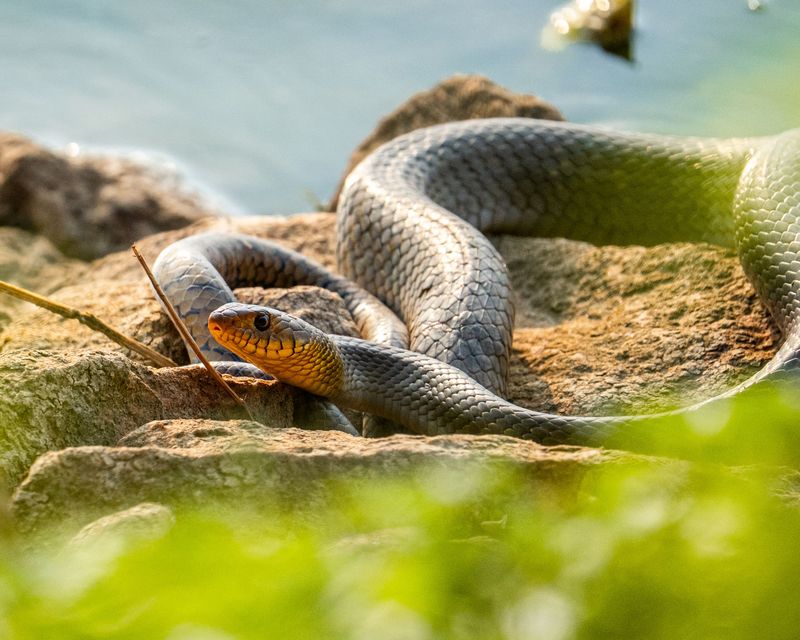
On a crisp October afternoon, you step onto the patio and pause. A snake is stretched out on the warm stones like a tiny sunbather on vacation.
Snakes are cold-blooded, so they rely on outside heat to stay active. Sunny fall days tempt them out of nearby shelters to soak up warmth.
Seeing the same snake in the same spot repeatedly is a helpful clue. It likely has a den close by and pops out when temperatures climb.
Favorite basking spots include sidewalks, rock walls, driveways, and south-facing foundations. These surfaces hold heat long after the sun starts dipping toward the horizon.
Stay calm and give the snake plenty of space if you see one. Many will slither away quietly, preferring distance from people.
Snap a photo from a safe distance to help identify it later. Knowing whether it is a harmless garter snake or a species needing more caution changes your next step.
Keep kids and pets away from the area until you know more. Curious dogs can get too close, so keep them leashed nearby.
Trimming tall grass and clearing leaf piles reduces cozy cover near basking zones. Many snakes are legally protected, so check local rules and contact a licensed wildlife expert when in doubt.
Early morning and late afternoon offer good chances to notice a basking snake. A short, quiet walk around the property during those times can reveal a lot.