This Low-Maintenance Native Is Replacing Hydrangeas In Pennsylvania Yards
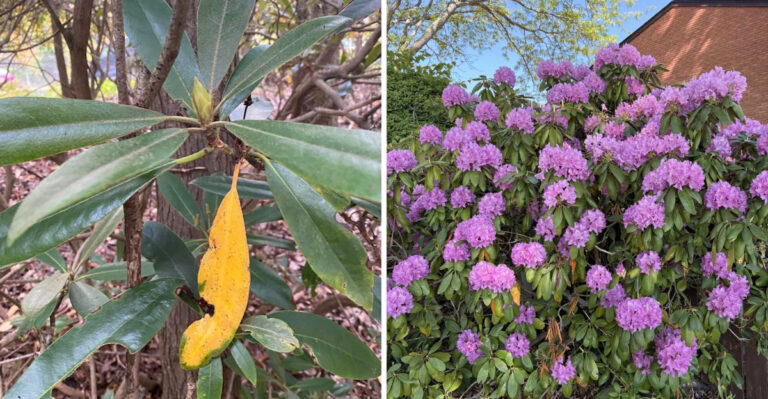
Hydrangeas have had a long run as one of Pennsylvania’s most beloved garden shrubs. The blooms are spectacular, the varieties seemingly endless. But growing hydrangeas in Pennsylvania comes with real demands.
They need consistent moisture, struggle in exposed locations, and require enough attention to perform the way the plant tag promises.
A native Pennsylvania shrub is quietly earning its place as the smarter alternative. It requires almost none of that intervention.
It produces a display through fall that genuinely stops people in their tracks, and supports native wildlife in ways that hydrangeas simply cannot match.
Low maintenance, ecologically generous, and beautiful through multiple seasons. Here’s the native Pennsylvania shrub that is replacing hydrangeas in yards across the state.
The Native Hydrangea Alternative
Walk along a Pennsylvania creek bank in May and you might spot a shrub covered in creamy blooms.
That wild plant is ninebark, and it has been growing here long before any of us planted a garden. Its scientific name is Physocarpus opulifolius.
Ninebark is a deciduous shrub. That means it drops its leaves in fall and grows new ones in spring.
It is native to Pennsylvania and much of eastern and central North America. Because it evolved here, it is already suited to our weather and soil.
Hydrangeas can be a different story. Many types need steady water and just the right mix of sun and shade. If you plant them in the wrong spot, they droop on hot afternoons. Some even refuse to bloom after a cold snap nips their buds.
Ninebark skips most of that drama. It gives you showy spring flowers and colorful leaves without daily care.
Once its roots settle in, it can handle short dry spells on its own. You will not need to drag a hose out every evening.
Size is another plus. Wild forms can reach 5 to 10 feet tall and wide. That makes them great for hedges, screens, or filling an empty corner. Newer garden types stay smaller, which we will cover later.
Here is a quick tip for buying one. Look for plants labeled as native or as named ninebark varieties at local nurseries.
Many Pennsylvania garden centers now stock several kinds. Ask staff which ones do best in your county, since they often know what works nearby.
Hydrangea-Like Flower Clusters
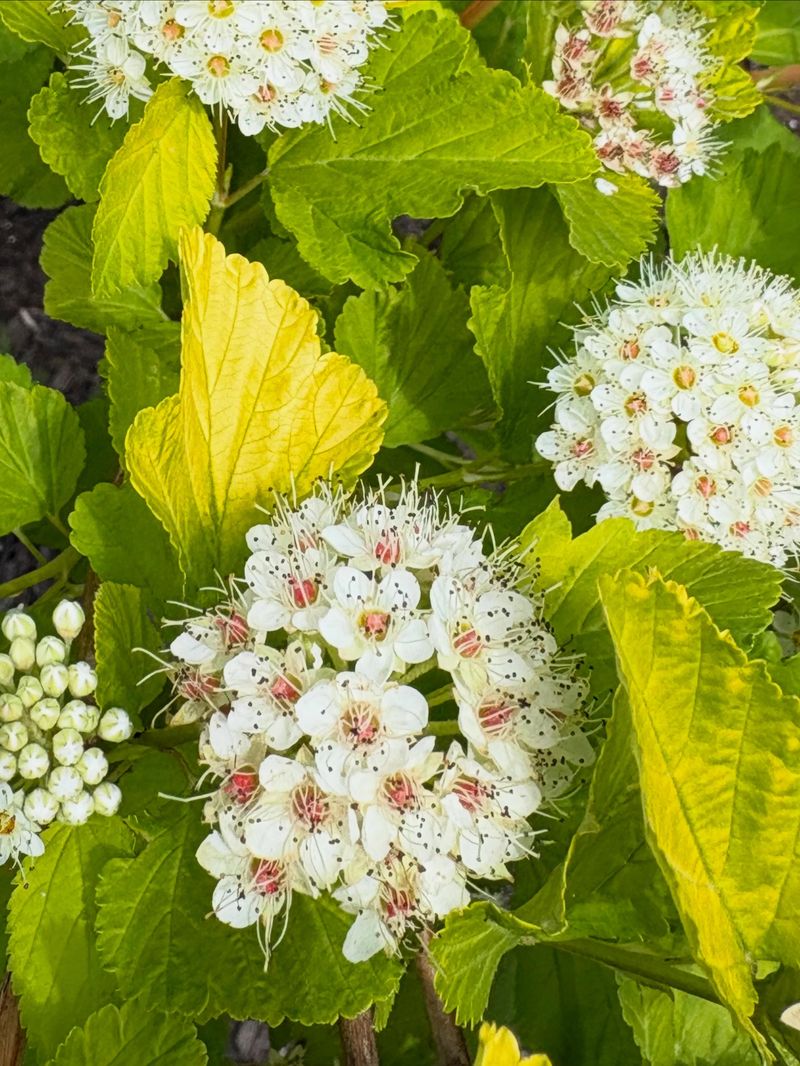
Fans of big, round hydrangea blooms are in for a nice surprise. Ninebark puts on a flower show that looks a lot like its fussy cousin. The difference is how easy it makes the whole thing.
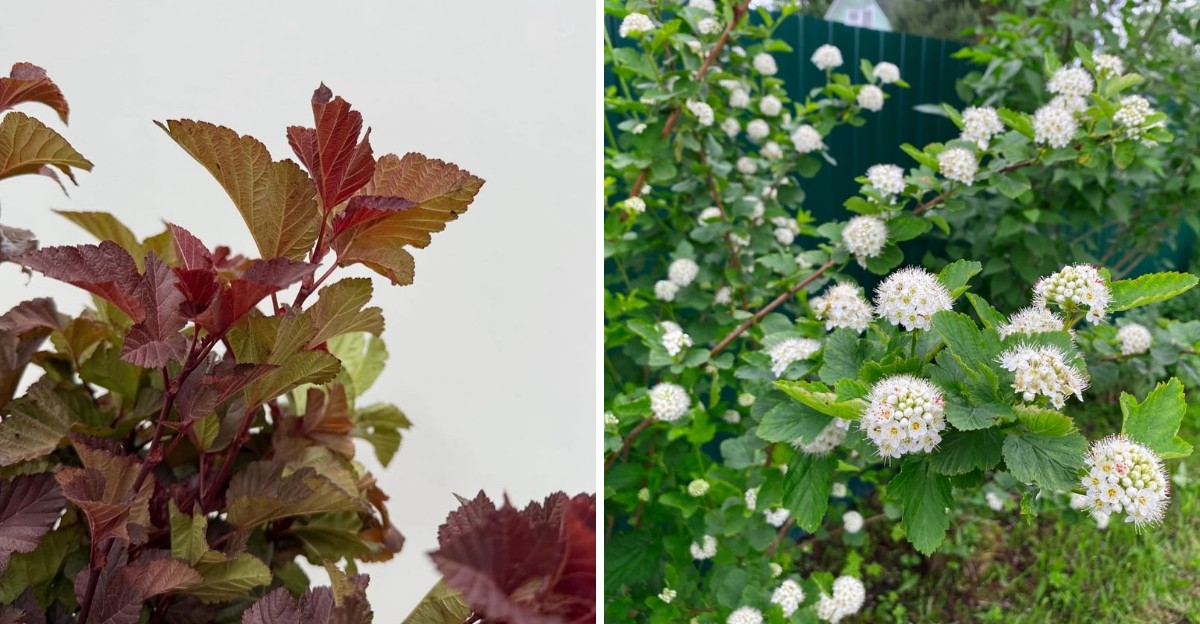
In late spring to early summer, the shrub covers itself in rounded clusters. Each cluster is made of many tiny flowers packed tightly together. They come in white or a soft blush pink, depending on the variety.
Up close, every little bloom has five petals and a fuzzy center. From a distance, they look like snowballs sitting along the branches.
The arching stems bend a bit under the weight, which gives the plant a graceful shape.
The fun does not stop once the petals fall. Next come small seed capsules that turn a reddish color. They hang on into late summer and add a warm glow to the shrub.
Your Pennsylvania Garden Changes Every Week. Your Plan Should Too.
Gardening in Pennsylvania changes quickly throughout the season. Every Friday you’ll receive a simple weekly plan showing exactly what to plant, prune, fertilize, harvest, and protect so you never miss the right timing.
Many people think the plant is blooming a second time. Want to enjoy the flowers indoors? Cut a few stems when the clusters are just starting to open. Place them in a vase of cool water.
They pair nicely with peonies or garden roses in a simple bouquet. Fun fact time. The seed capsules look puffy, almost like tiny balloons. That trait gave the plant its scientific name, since Physocarpus roughly means bladder fruit.
For the best bloom, give ninebark at least a few hours of direct sun each day. More sun usually means more flower clusters. Shady spots still work, but the display may be lighter.
Colorful Foliage All Season
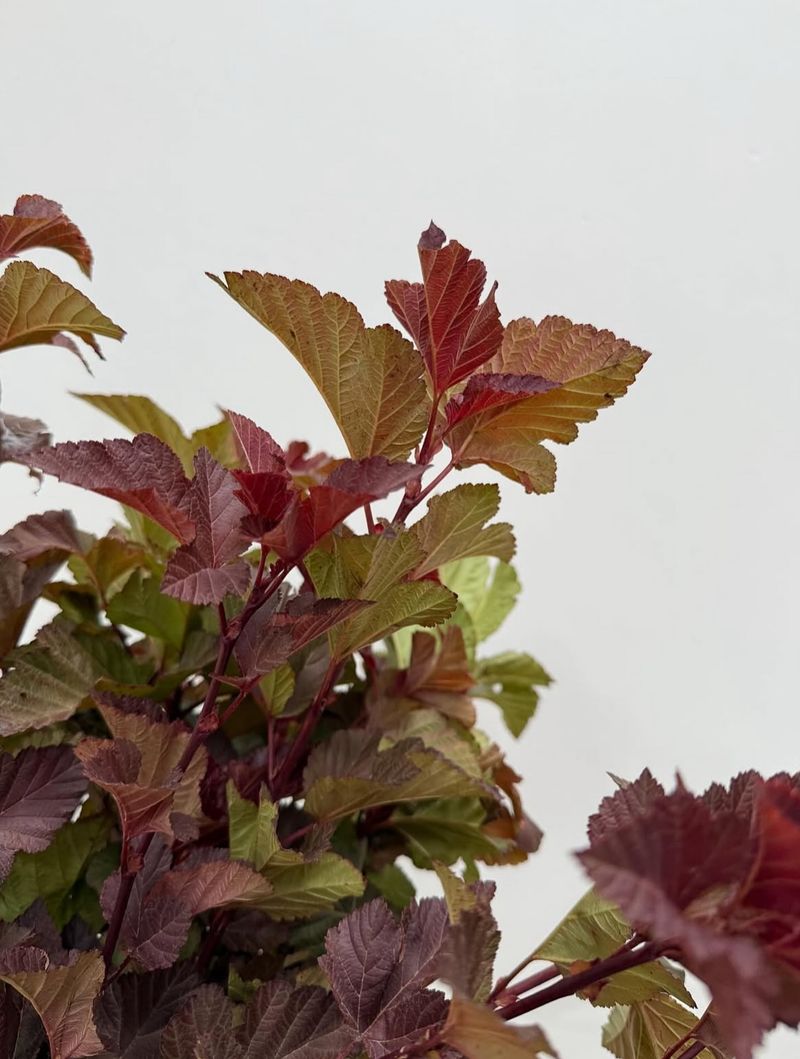
Flowers come and go, but leaves stick around for months. That is where ninebark really shines. Some gardeners grow it for the foliage alone and treat the blooms as a bonus.
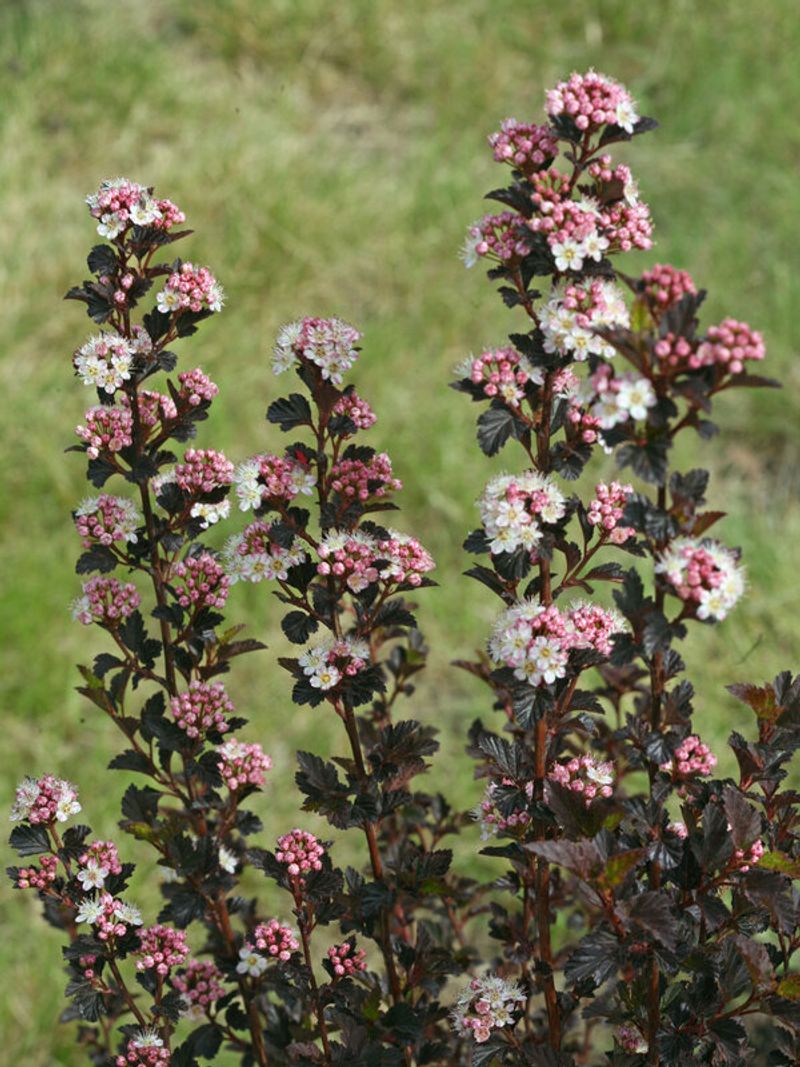
Popular varieties like Diabolo and Summer Wine have deep purple or burgundy leaves. In bright sun, they almost glow like red wine held up to a window. They make a bold statement next to green lawns or light-colored houses.
Prefer something sunnier? Other types come in gold, lime, or copper tones. Varieties such as Dart’s Gold and Amber Jubilee bring warm shades that brighten dull corners.
Some even shift colors as the season moves along. Hydrangeas mostly offer plain green leaves once their flowers fade.
Ninebark keeps the color party going from spring until fall. When autumn arrives, many varieties add hints of orange, red, or bronze.
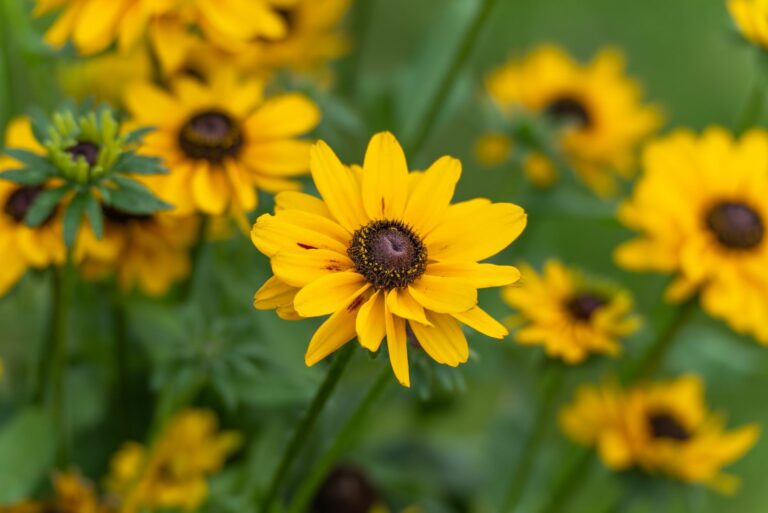
Here is a design trick that works well. Plant a purple ninebark behind bright flowers like yellow coneflowers or orange daylilies.
The dark leaves make the blooms pop. Silver plants like lamb’s ear look striking nearby too.
Gold ninebarks pair nicely with blue flowers such as catmint or salvia. The contrast feels cheerful and fresh. You can also mix a purple and a gold ninebark for a lively hedge.
One helpful note about light. Purple and gold types keep their richest color in full sun. In heavy shade, purple leaves can turn greenish and gold ones may fade.
Aim for at least six hours of sun if leaf color matters most to you.
Year-Round Interest From Its Peeling Bark
Ever wonder how a shrub earns a name like ninebark? Old stories say the bark has nine layers. Nobody actually counts them, but the name stuck because the bark is so eye-catching.
On older stems, the bark peels away in thin, papery strips. Underneath, you will see shades of tan, cinnamon, and reddish brown. The layers curl and flake in a way that feels a bit like old birch trees.
During summer, the leaves hide most of this detail. Then winter arrives and the leaves drop. Suddenly the shrub becomes a textured sculpture in your yard.
That matters more than you might think. Pennsylvania winters can feel long and gray. Many gardens look bare and flat from December to March.
Ninebark gives your eyes something interesting to rest on during those chilly months.
Hydrangeas can hold dried flower heads in winter, which is pretty. But their stems are fairly plain. Ninebark offers a different kind of beauty that lasts every year.
Want to show off the bark? Plant ninebark where you can see it from a window. A spot near the kitchen or living room works great.
Light snow on the peeling stems looks wonderful on a quiet morning.
Kids often love touching the flaky bark too. It makes a fun nature lesson about how plants grow and protect themselves. Just remind them not to pull strips off, since the shrub needs its bark.
For extra winter charm, pair ninebark with evergreen plants like holly or boxwood. The green backdrop makes the warm bark stand out even more.
Tough Enough For Tricky Pennsylvania Spots
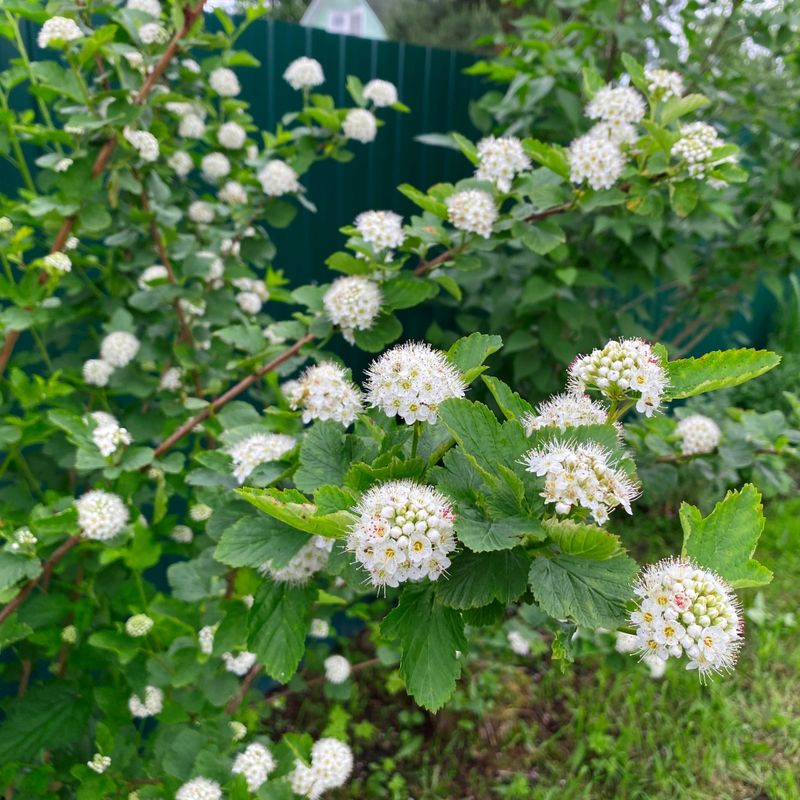
Every yard has that one spot. Maybe it is a patch of heavy clay, a rocky slope, or a corner that bakes in August. Most plants struggle there, but ninebark usually just shrugs and keeps growing.
Much of Pennsylvania sits on dense clay or stony ground. Hydrangeas often dislike these conditions.
Their roots can stay too wet in clay or dry out fast in rocky soil. Ninebark handles both far better.
Light needs are flexible too. The shrub grows in full sun to part shade. That gives you lots of options when planning where it goes.
What about dry spells? Once established, ninebark tolerates them well. Plan to water it deeply once a week during its first year.
After that, it mostly takes care of itself unless a long drought hits.
Cold is barely a concern. Ninebark is hardy in USDA zones 2 through 8. Pennsylvania falls roughly in zones 5 to 7, so our winters are easy for it. You never need to wrap it in burlap or cover it on frosty nights.
Here is how to plant it right. Dig a hole about twice as wide as the root ball but no deeper. Set the plant in, fill with the soil you removed, and water well.
Add two inches of mulch, keeping it a few inches away from the stems. Ninebark also helps on slopes. Its roots hold soil in place and slow erosion from heavy rain. That makes it handy along driveways, ditches, or hilly backyards.
Easy Care And Wildlife Benefits
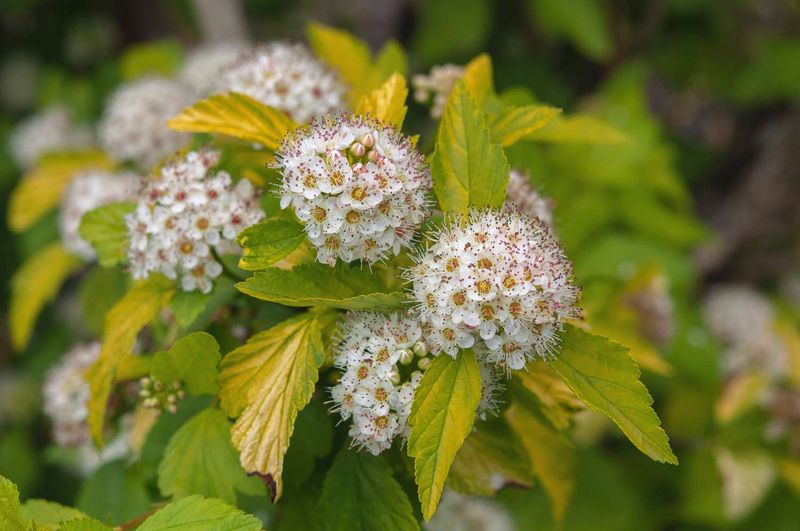
Buzzing is the first thing you notice near a blooming ninebark. Bees, butterflies, and other pollinators flock to those flower clusters. For anyone hoping to help local wildlife, that sound is pure music.
Native bees are especially fond of ninebark. They have visited it for thousands of years. Planting one gives them a reliable food source right in your yard. Birds also enjoy the shrub for shelter and nesting cover.
Deer are a common headache in Pennsylvania. They munch hydrangeas, hostas, and many other favorites.
Ninebark usually gets left alone compared to many garden shrubs. No plant is fully deer-proof, but this one has a good track record.
Pruning is simple once you know the rule. Ninebark blooms on the previous year’s growth. So any trimming should happen right after flowering ends in early summer.
If you cut in fall or winter, you remove next spring’s flower buds. Every few years, you can also refresh an older plant. Remove a few of the oldest, thickest stems at the base. New shoots will grow in and keep the shrub full and lively.
Short on space? Compact varieties are made for smaller yards. Tiny Wine, Little Devil, and Ginger Wine stay around 3 to 5 feet tall.
They fit nicely in foundation beds, borders, and even large patio pots. Care beyond that is minimal. There is no need for special fertilizer in most soils. A layer of compost each spring is plenty.
That easygoing routine is exactly why so many neighbors are swapping hydrangeas for ninebark.