How Much To Cut Back On Watering Your Houseplants Once You Move Them Indoors In North Carolina
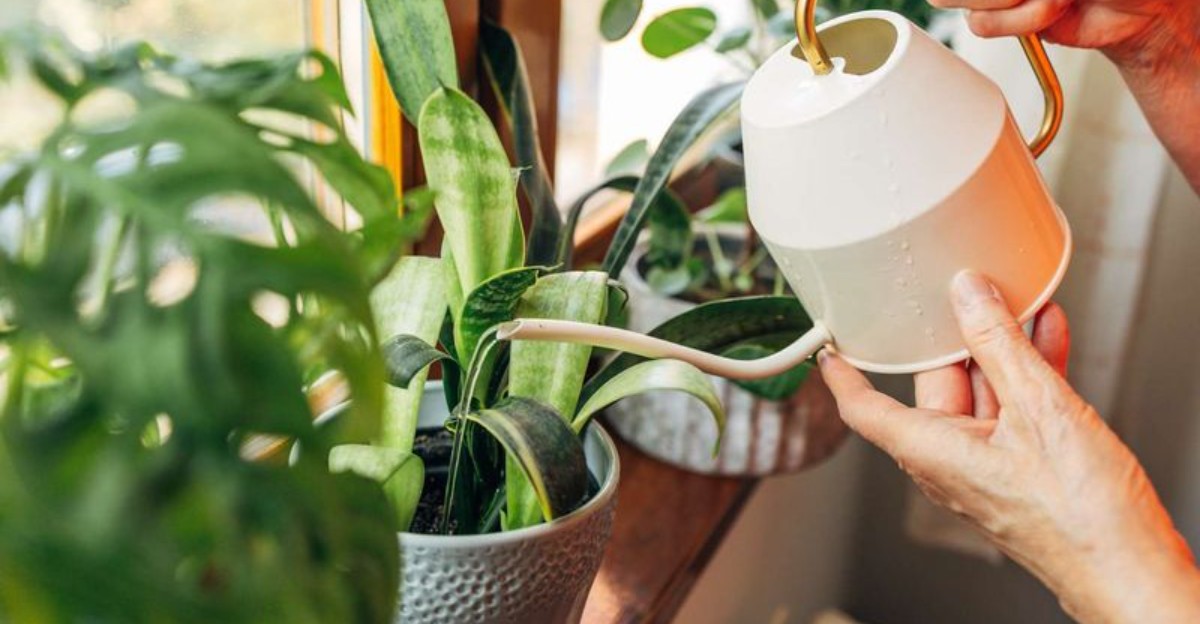
The instinct to keep watering houseplants on the same schedule they had outdoors is one of the fastest ways to accidentally destroy them once they’re back inside a North Carolina home.
Indoor conditions dramatically slow a plant’s growth rate, since lower light levels and still, sheltered air mean roots simply aren’t using water at anywhere near the pace they did outdoors during peak summer growing season.
Soil that took two or three days to dry outdoors might now take a full week or longer indoors, and continuing the old watering rhythm often leads straight to root rot before anyone notices a problem.
Because this shift happens gradually as light and temperature change, many plant owners don’t realize they’ve overcorrected until yellowing leaves or a mushy stem gives it away.
Learning to judge soil moisture by feel, rather than sticking to a fixed calendar, makes the indoor transition far safer for houseplants this time of year.
1. Why Indoor Plants Need Less Water
Out on a summer porch, your plants lived in a world of bright sun, warm breezes, and afternoon heat. All of that pulled water out of their leaves and soil fast, so they drank a lot. Once they come inside, the whole game changes.
Indoor light is much weaker than outdoor light, even near a bright window. With less light, plants grow more slowly, and slower growth means their roots take up less water. The still air inside your home also lets moisture sit in the soil instead of blowing away.
So how much should you cut back? Honestly, no single number fits every plant. A pothos, a cactus, and a fern all have different needs.
Still, most houseplants need water far less often indoors, sometimes half as often or even less than they did outside.
Sticking to your summer schedule is one of the quickest ways to cause root rot. Roots need air as well as water, and soggy soil smothers them. Once rot sets in, the roots turn brown and mushy and stop feeding the plant.
Timing makes this even more important in North Carolina. Many people bring plants inside in September or October, when the weather is still humid and the air conditioning may barely run.
That damp indoor air slows drying even more, so pots can stay wet for days longer than you expect.
A good mindset helps here. Think of the move indoors as your plants shifting into a slower, calmer season, and let your watering slow down right along with them.
2. Let The Soil Tell You When To Water
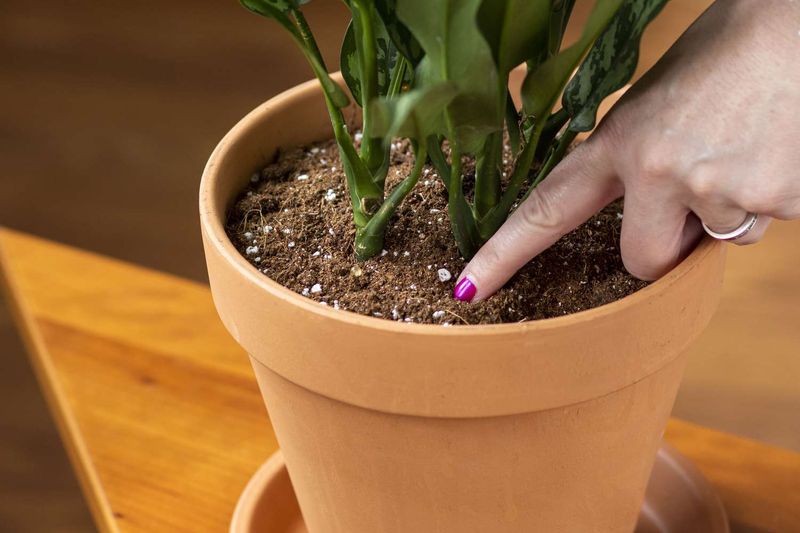
Calendars are great for dentist visits, but they make poor plant helpers. Watering every Saturday sounds tidy, yet your plants do not follow a weekly plan. Their thirst depends on the pot, the light, the room, and the plant itself.
A monstera by a sunny window might dry out in five days. Move that same plant to a dim hallway, and it could stay damp for two weeks. That is why checking the soil beats any fixed schedule.
Your North Carolina Garden Changes Every Week. Your Plan Should Too.
Gardening in North Carolina changes quickly throughout the season. Every Friday you’ll receive a simple weekly plan showing exactly what to plant, prune, fertilize, harvest, and protect so you never miss the right timing.
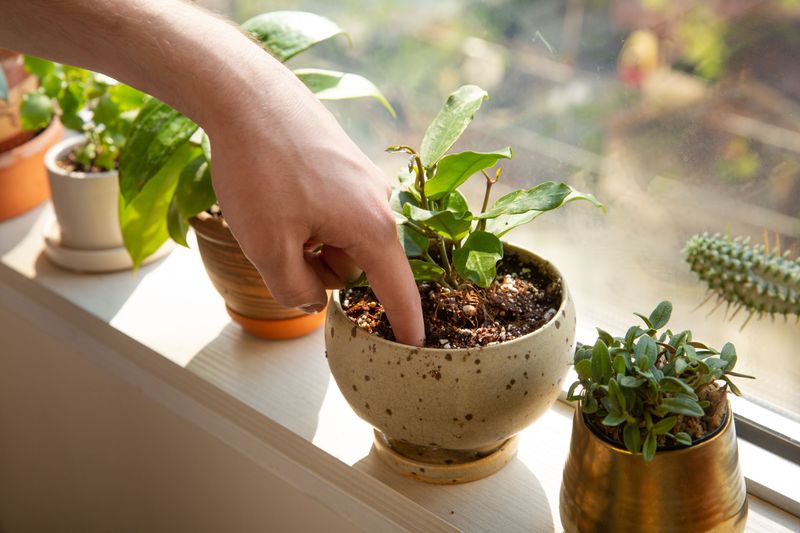
The easiest tool is already attached to your hand. Push a finger into the soil up to the second knuckle. For most houseplants, water only when the top 1 to 2 inches feel dry.
If the soil feels cool and damp, wait a few more days and check again. Lifting the pot is another handy trick. Right after watering, pick it up and notice how heavy it feels. A few days later, lift it again.
Over time, you will learn the difference between a thirsty pot and a full one without even touching the dirt.
When it is time to water, do it well. Soak the soil slowly until water runs out of the drainage holes at the bottom. Then empty the saucer so the roots are not left sitting in a puddle.
North Carolina fall weather keeps you on your toes. A muggy week can follow a crisp, dry one, and soon the heat pump kicks on. Because conditions shift so often, checking the soil keeps your care matched to what your plants really need right now.
3. Tropical Foliage Plants Need A Moderate Cutback
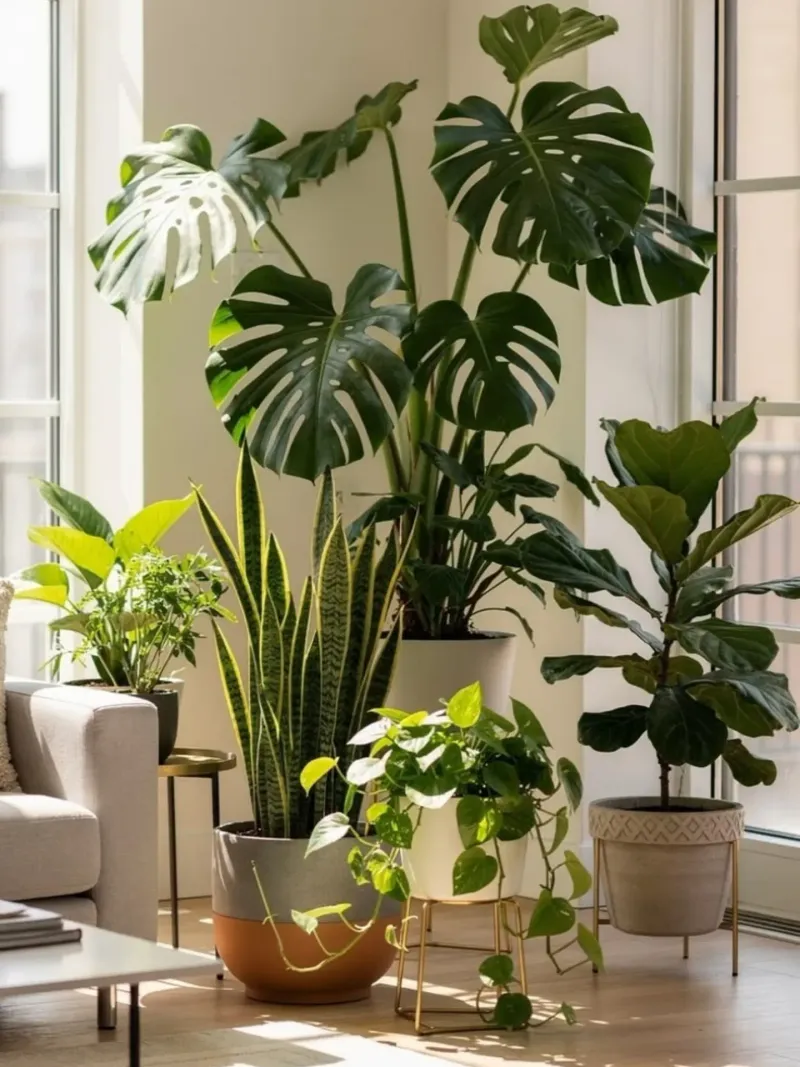
Remember how your pothos seemed to grow a new leaf every other day last July? Tropical foliage plants love a shaded Southern porch.
Pothos, philodendron, monstera, and peace lily often race through summer, soaking up warmth and humidity like happy kids at a pool.
Inside, their pace changes. Lower indoor light slows their growth, and slower growth means thirsty roots become sipping roots. They simply cannot use as much water as they did outside.
Many of these plants that needed a drink every few days on the porch will go about a week or longer between waterings indoors.
Some may stretch even further in dim rooms. Snake plants are the champions of patience, and they often go two to four weeks or more without water during fall and winter.
Peace lilies are a helpful exception to watch. They tend to droop dramatically when thirsty, then perk up within hours after a good drink. Even so, use the finger test first, since drooping can also come from soggy roots.
The best habit is checking each plant on its own. Do not water the whole group just because one pot looks dry. Each plant sits in a slightly different spot, and each one dries at its own speed.
North Carolina summers are long, so these plants often push out lots of fresh growth before coming inside.
That sudden slowdown can surprise gardeners. Give them time, keep them near bright but indirect light, and trust that they are resting rather than struggling.
4. Succulents And Cacti Need The Biggest Cutback
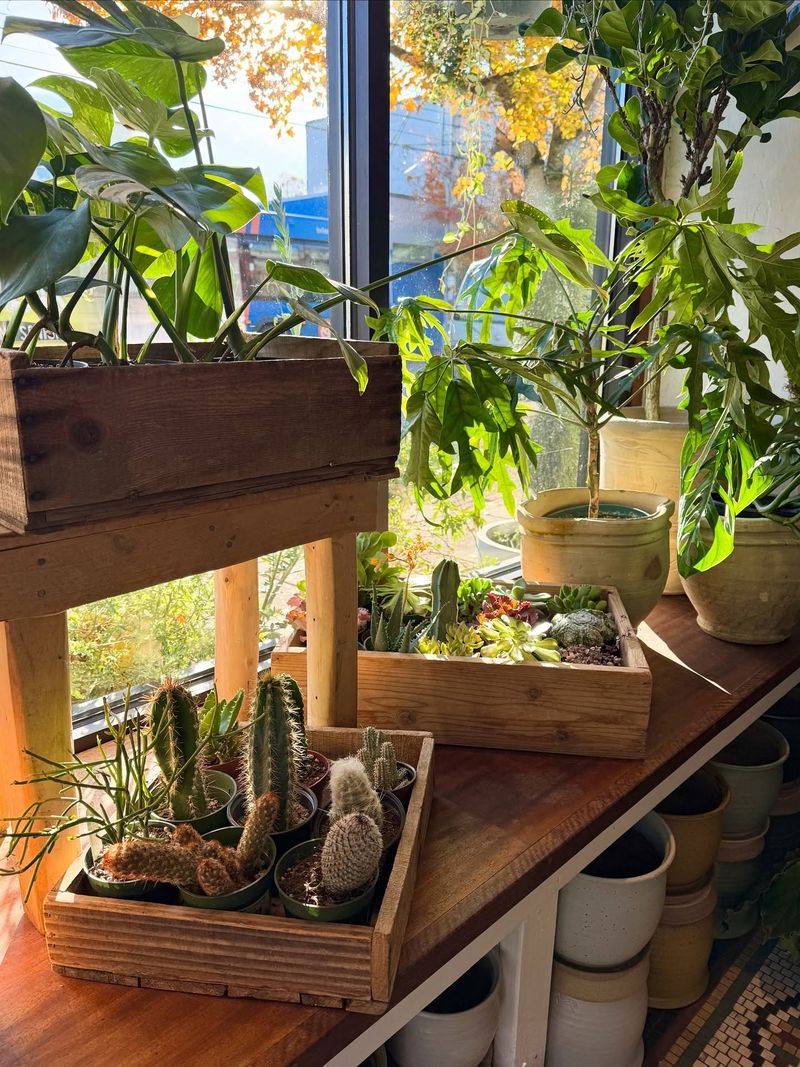
Think of succulents and cacti as tiny camels. Their thick leaves and stems store water, so they can go a long time between drinks. Once they move indoors, they need the biggest watering cutback of any plant on your list.
Fall and winter bring shorter days and weaker light. Most succulents respond by slowing way down, almost like taking a long nap.
During that rest, wet soil around their roots can quickly lead to rot, which often shows up as soft, dark, or see-through stems and leaves.
The rule is simple. Let the soil dry out completely before watering again. During winter, that often means once every few weeks, and some cacti may need water only once a month or even less.
Soil and pots matter just as much as timing. Use a fast-draining cactus or succulent mix, which contains grit like sand or perlite so water rushes through.
Always pick pots with drainage holes, and terracotta is a smart choice because it helps soil dry faster.
Light is the other piece of the puzzle. Place these sun lovers in your brightest window, ideally one facing south or west. Without enough light, they stretch out and look leggy and pale.
North Carolina gardeners should pay special attention here. Summer thunderstorms often soak outdoor succulents over and over, so they may have gotten far more water than they truly need.
Indoors, give them a sharp break from that routine, and they will reward you with firm, colorful growth come spring.
5. Moisture-Loving Plants Still Need Steady Water
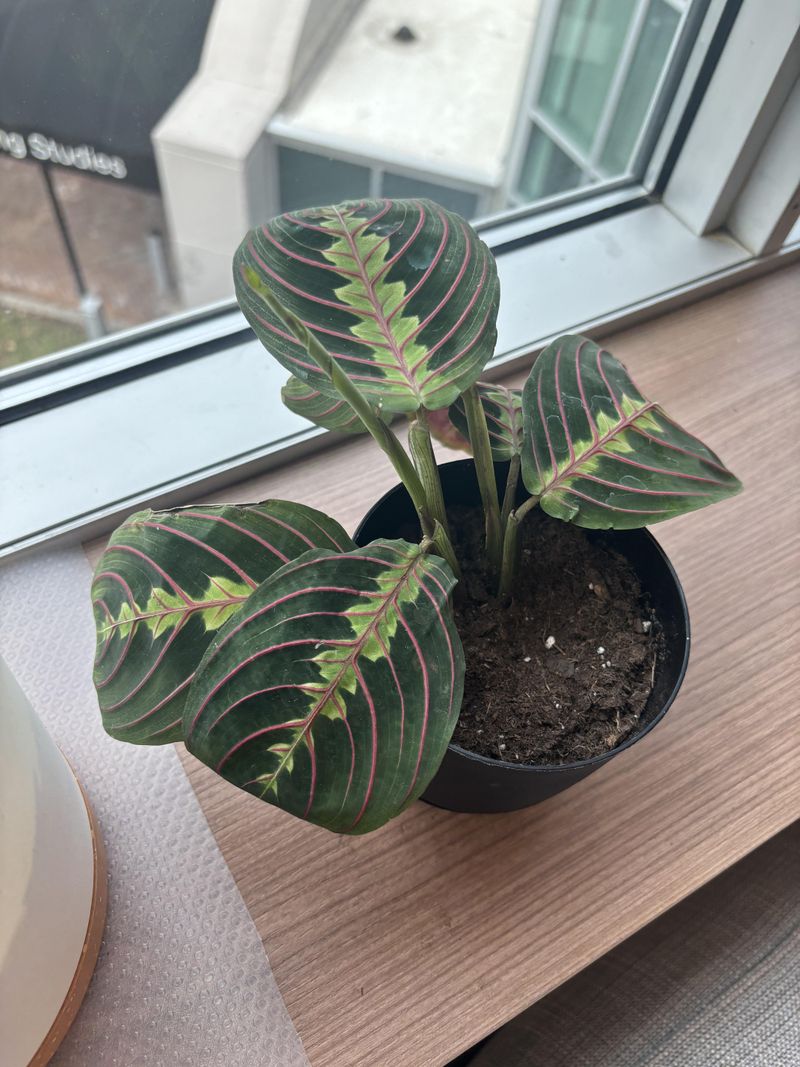
Some plants are a bit fussy, and that is part of their charm. Ferns, calatheas, and prayer plants love soil that stays lightly moist, a lot like a wrung-out sponge. They still use less water indoors, but they need only a small cutback.
Letting these plants dry out fully can cause fast trouble. Fern fronds may turn brown and crispy, while calathea leaves curl up and develop brown tips. Once that damage shows, the leaves will not turn green again, so prevention is key.
Aim to water when the soil surface just begins to feel dry to the touch. You do not need to wait for the top inch or two to dry like you would with a pothos. At the same time, never let the pot sit in standing water, because soggy roots are just as unhappy as dry ones.
Humidity is the secret weapon for these plants. Grouping them together creates a small pocket of moist air, since plants release water through their leaves. A small humidifier nearby works even better, especially once the heat starts running.
Prayer plants offer a neat bonus. Their leaves fold upward at night like hands in prayer, which is how they got their name. If the folding slows or the leaves look limp, check the soil and the air.
In North Carolina, these plants spend summer bathing in thick, humid air outdoors. Indoor air feels like a desert by comparison, so they notice the change quickly. A little extra attention helps them settle in smoothly.
6. Pot Type And Size Change How Often To Water
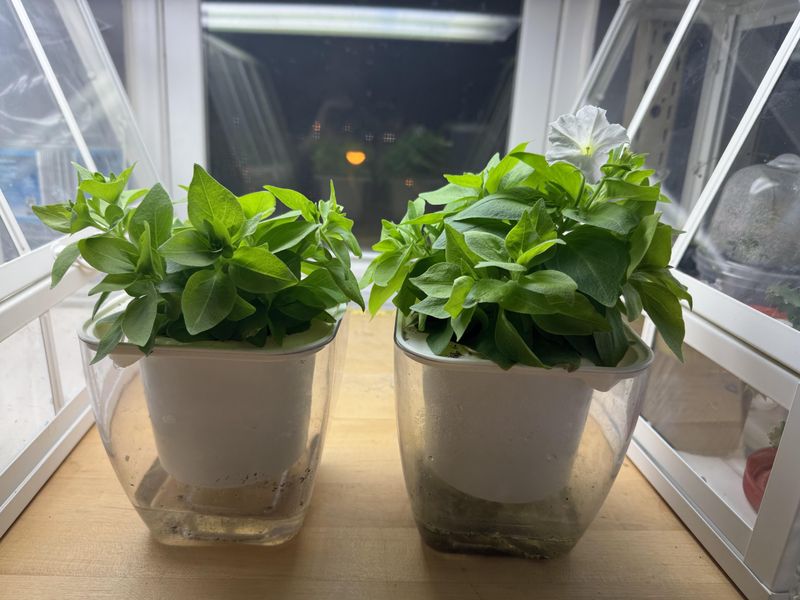
Two identical plants can have totally different watering needs just because of the pots they live in. It sounds odd, but containers play a huge role in how fast soil dries. Knowing your pots makes watering much easier.
Terracotta, that classic orange clay, is porous. Tiny openings in the clay let water escape through the walls, so soil dries faster. Plastic and glazed ceramic pots work the opposite way, holding moisture in for much longer.
Size matters too. A small pot holds only a little soil, so it dries out quickly, sometimes in just a few days. A large pot holds lots of soil that stays damp in the middle long after the top feels dry.
So here is the practical plan. Check plants in terracotta and small pots more often, since they may need water sooner. Plants in big plastic or glazed pots usually need water less often, so dig your finger in a little deeper before deciding.
Drainage holes are the one thing every pot needs. Without them, extra water pools at the bottom and slowly rots the roots. If you love a decorative pot with no hole, set a plain plastic pot with drainage inside it and pour out any water that collects.
Many North Carolina gardeners gather a mix of pots over the years, from clay planters on the steps to plastic tubs on the patio.
When they all come indoors together, each one dries at its own rate. Treat every pot as its own little world, and your plants will thank you.
7. Heating Season Can Speed Up Drying Again
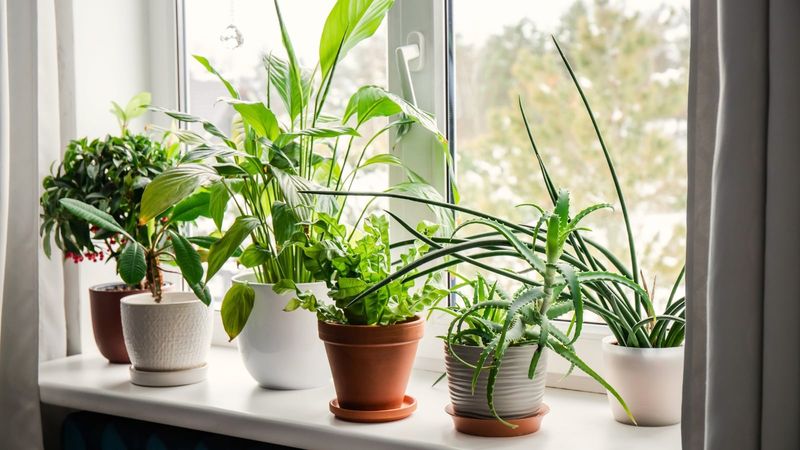
Just when you finally get the hang of indoor watering, the thermostat changes everything. Once the heat comes on, your plants may start drying out faster again. It can feel like a plot twist, but it makes perfect sense.
Forced-air heating from furnaces and heat pumps blows warm, dry air through your home. Indoor humidity can drop low in winter, well below what most houseplants enjoy. That dry air pulls moisture from both leaves and soil.
Location makes a big difference. A plant sitting right next to a vent may dry out in a few days, while a similar plant across the room stays damp much longer. Warm rooms, like a kitchen or a sunny den, can also speed things up.
Keep checking the soil on a regular basis after the heat comes on. Do not assume the slow fall pattern will last all winter. Some plants may need a bit more water than they did in October.
Moving plants away from heat sources helps too. Keep them clear of vents, radiators, fireplaces, and space heaters, since blasts of hot air can scorch leaves and dry roots fast. Then adjust watering plant by plant based on where each one sits.
Across North Carolina, timing varies by region. In the Mountains, around Boone and Asheville, heat often starts running in October.
Folks in the Piedmont, near Charlotte or Raleigh, and on the Coastal Plain may not need much heat until November or later. Watch your own home, not the calendar.
8. Know The Signs Of Too Much Or Too Little Water
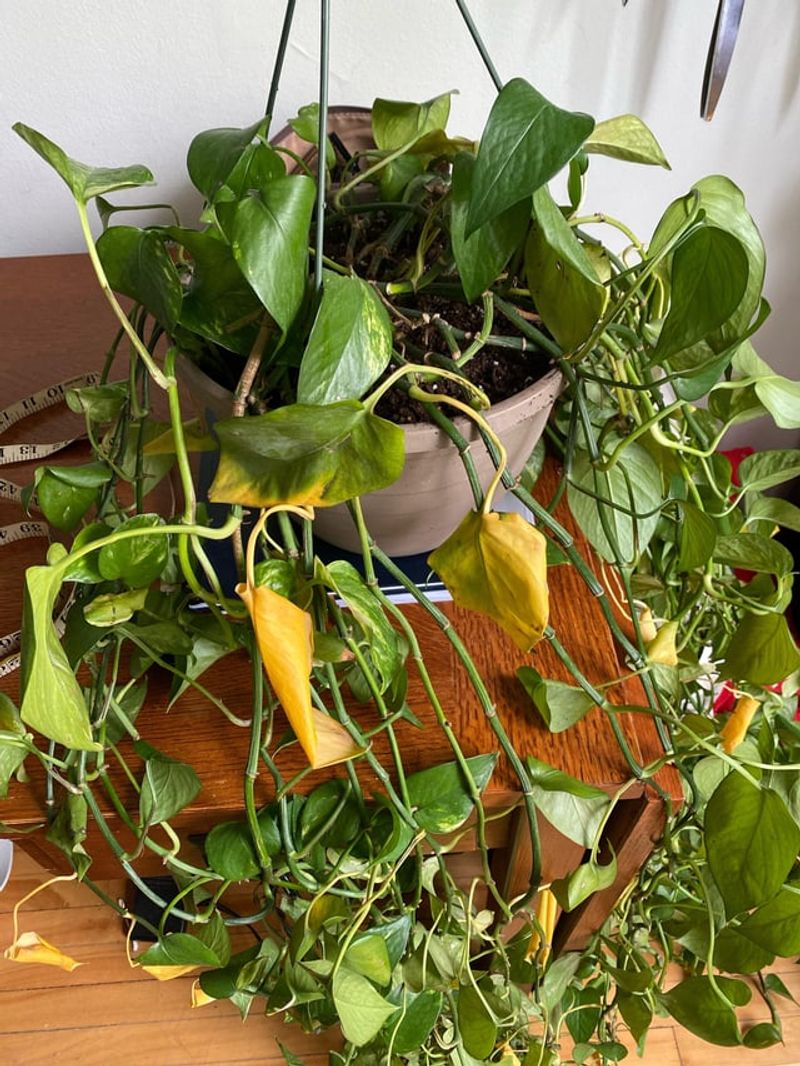
Plants cannot talk, but they send plenty of signals. Learning to read them is like cracking a secret code. The tricky part is that too much water and too little water can look similar at first.
Wilting is the classic example. A droopy plant might be thirsty, or it might be sitting in soggy soil with roots that cannot work. If you guess wrong and add more water to a drowning plant, you make the problem worse.
Watch for these clues of overwatering. Yellowing lower leaves, soil that always feels wet, and tiny flying fungus gnats all point to too much water. Mushy stems and wilting even when the soil is damp are serious warning signs that roots are struggling.
Underwatering looks different once you know what to check. Leaf edges turn brown and crispy, and the soil may shrink and pull away from the sides of the pot. The best clue of all is wilting that bounces back within a few hours after a good drink.
If you spot overwatering, let the soil dry out more and make sure the pot drains well. For a thirsty plant, give a slow, deep soak, and consider setting the pot in a sink of water for a bit if the soil has shrunk.
Here in North Carolina, the first few weeks after plants move indoors are when most watering slips happen. Old summer habits are hard to break.
Check your plants closely during that stretch, and you will catch small issues before they grow into big ones.