The Flower That Represents Ohio Is Disappearing From Gardens
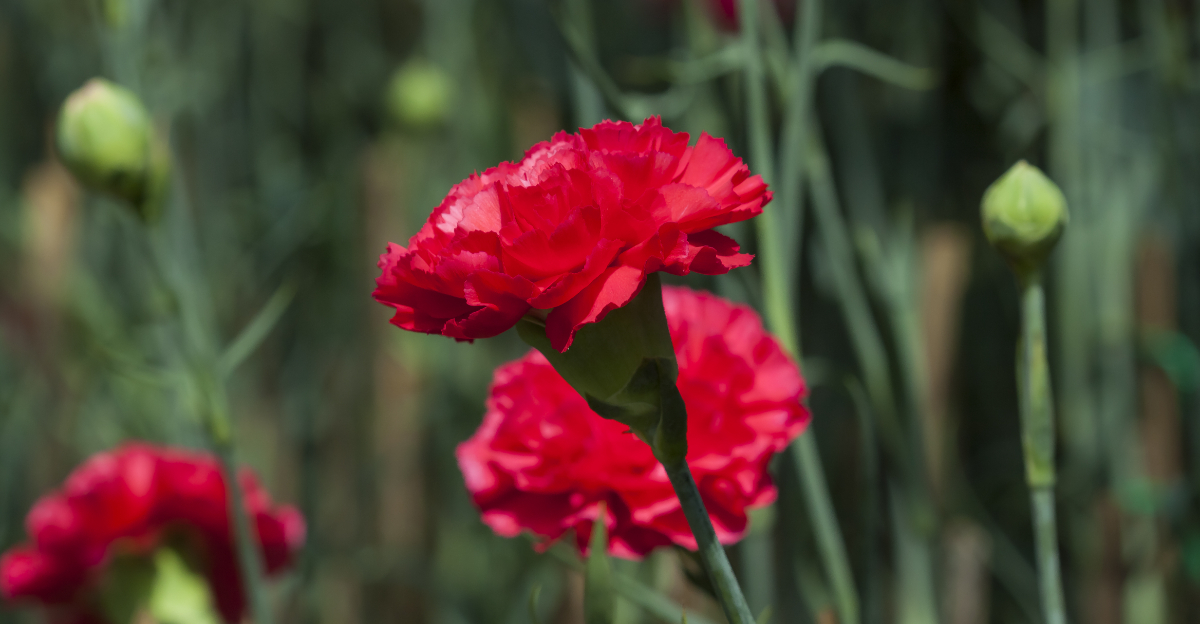
Ohio has a state flower. Most residents have no idea what it is.
That says everything about how quickly a symbol loses its footing when nobody tends to the story behind it. The scarlet carnation earned that designation through grief, loyalty, and one of the most significant figures our state ever produced.
The story is remarkable. The flower disappeared from gardens anyway.
What was once deliberately grown, understood, and recognized has become something most Ohio gardeners have never thought to plant. It is not extinct.
It is not even rare. It is simply forgotten in the specific way that happens when a cultural connection breaks and nobody notices until the gardens that held it have moved on entirely.
The carnation is still here. The story behind why it matters here is worth knowing before both fade out completely.
1. Scarlet Carnations Became Ohio’s Flower More Than A Century Ago
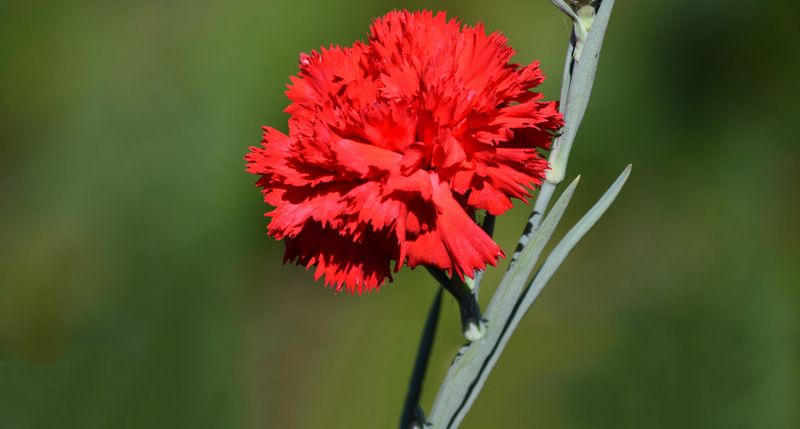
Back in 1904, the Ohio General Assembly made it official: the scarlet carnation would represent the state. The designation came through formal legislative action, giving the flower a permanent place in our identity.
That recognition has never been reversed or replaced.
Dianthus caryophyllus is the botanical name for the carnation. It originated in the Mediterranean region and was cultivated across Europe long before it ever reached American shores.
Ohio claimed it as a symbol of culture and memory, not as a native wildflower.
Ohio also has a separate official state wildflower. Large white trillium, Trillium grandiflorum, holds that title.
The two plants are completely different and should never be confused with each other.
State symbols often reflect important historical moments rather than local plant life. Ohio chose the scarlet carnation to honor a president, a tradition, and a shared sense of pride.
Gardeners who want to grow the official state flower should know they are planting a Mediterranean species. It needs conditions quite different from what native woodlands and prairies naturally provide.
Understanding that distinction helps set realistic expectations from the start.
2. McKinley Turned A Red Boutonniere Into A State Symbol

President William McKinley had a well-known habit of wearing a red carnation on his lapel. He considered it a personal good luck charm and was rarely seen in public without one.
That small floral detail became one of the most recognized things about him.
The specific variety he favored had a connection to Dr. Levi Lamborn of Alliance, Ohio. Lamborn was an amateur horticulturist who bred a red carnation that became known as the Lamborn Red.
McKinley reportedly received carnations from Lamborn and wore them with pride throughout his political career.
After McKinley’s assassination in 1901, Ohio mourned the loss of a beloved president. The scarlet carnation became a way to remember him and honor what he represented to the state.
When legislators formalized the designation in 1904, they were connecting a flower to a man, not just a color.
That cultural weight still matters. Gardeners who plant a scarlet carnation today are growing a piece of political history.
Your Ohio Garden Changes Every Week. Your Plan Should Too.
Gardening in Ohio changes quickly throughout the season. Every Friday you’ll receive a simple weekly plan showing exactly what to plant, prune, fertilize, harvest, and protect so you never miss the right timing.
The flower links a garden bed to a president, a horticulturist, and a tradition that stretches back more than a century.
3. Modern Garden Centers Rarely Spotlight Classic Carnations
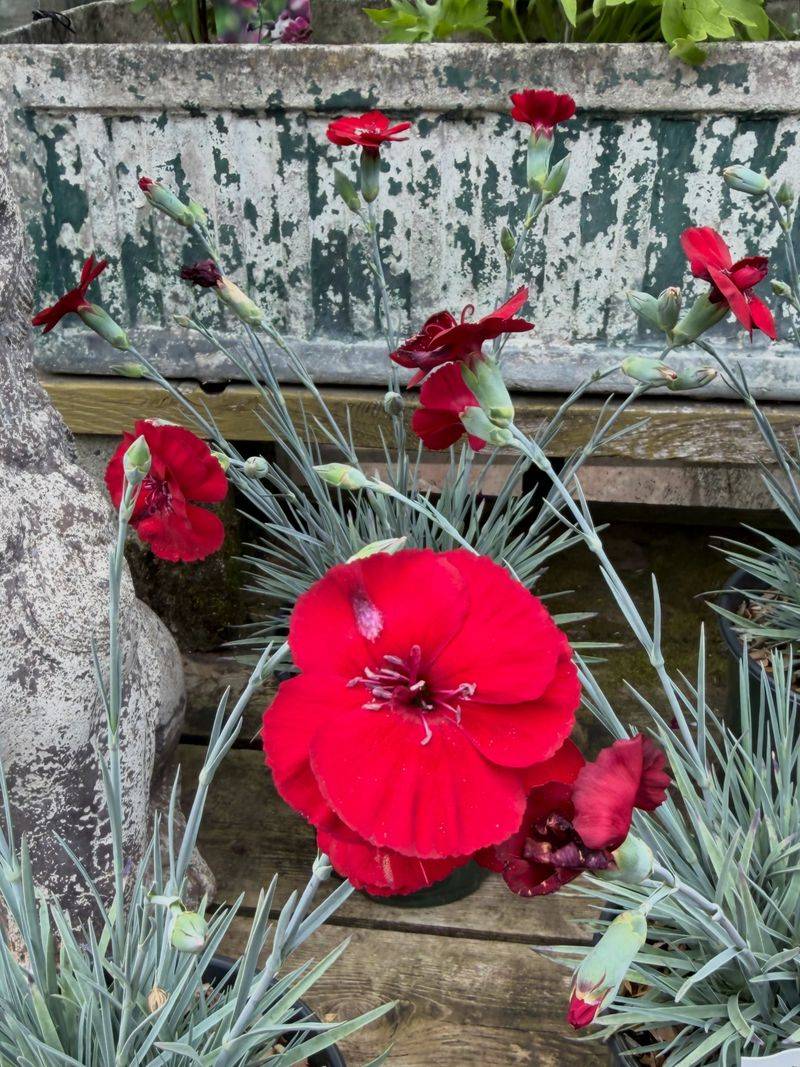
Stroll through a typical Ohio garden center in spring and you will find tables loaded with Dianthus. Most of those plants will be compact hybrids, low-growing pinks, or border varieties bred for easy container use.
Classic florist-type carnations with tall stems and large, layered blooms are far less common on those same shelves.
That shift is not a conspiracy against Ohio’s state flower. It reflects how modern gardening has changed.
Shoppers today often look for plants that stay compact, bloom for a long season, and fit neatly into small pots or raised beds. Tall carnation varieties do not always match those preferences.
Breeders have responded by developing Dianthus selections that tick every modern box. Shorter stems, repeat blooming, and heat tolerance are common selling points.
These newer forms are genuinely useful, but they are not the same plant that our state officially honors.
Knowing the difference matters if you want to grow the real thing. A label that says Dianthus does not automatically mean scarlet carnation.
Checking the botanical name, Dianthus caryophyllus, helps confirm you have the right species before you bring it home.
4. Ohio Winters Can Challenge Some Florist-Type Carnations
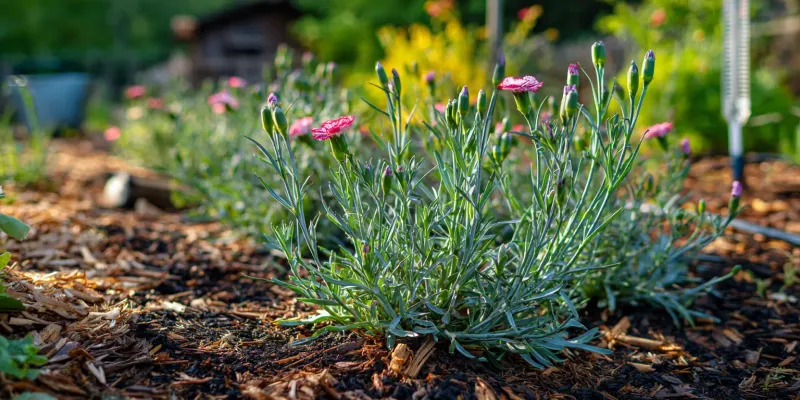
Florist-type carnations are generally listed as hardy in USDA zones 5 through 9. Much of the state falls in zones 5 and 6, which means a well-chosen cultivar could survive winter in some locations.
However, that range is not a guarantee for every plant in every yard.
Hardiness depends on more than temperature. Drainage plays a huge role.
A carnation sitting in wet soil during a freeze is far more vulnerable than one planted on a slope or in a raised bed where water moves away from the roots. Winter wetness can be just as damaging as bitter cold.
Some gardeners treat carnations as short-lived perennials, others as tender perennials, and others simply as seasonal plants they replace each year. The right approach depends entirely on the cultivar.
A plant tag that lists zone 7 hardiness signals trouble for most of the state.
Reading cultivar-specific information before purchasing saves a lot of frustration. Not all carnations behave the same way through an Ohio winter.
Selecting a variety rated for your specific zone, then giving it excellent drainage, gives it the best possible chance of returning in spring.
5. Summer Humidity Makes Good Airflow More Important
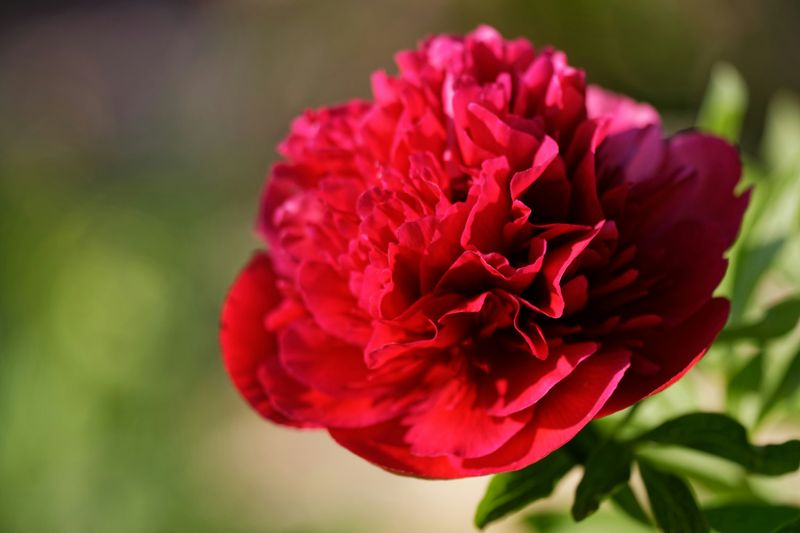
Ohio summers bring heat and humidity that can stress many garden plants, and carnations are no exception. Prolonged moisture on foliage creates conditions where fungal issues can develop.
Crowded planting makes that situation worse by trapping humid air around leaves and stems.
Spacing plants according to their mature size allows air to circulate freely between them. That movement helps foliage dry out after rain or watering.
The exact spacing varies by cultivar, so checking the plant tag for the expected spread gives a more reliable number than any single rule.
Watering habits also matter. Directing water at the base of the plant rather than over the top keeps foliage drier.
Morning watering can help because any moisture that does reach the leaves has time to evaporate before evening temperatures drop.
If foliage problems do appear, accurate identification should come before any treatment decision. Spotting, wilting, or discoloration can have several causes.
Jumping straight to a spray product without knowing what you are treating often wastes money and effort. A local cooperative extension office can help identify the problem and suggest the most sensible response.
6. Sharp Drainage Matters More Than Rich Garden Soil
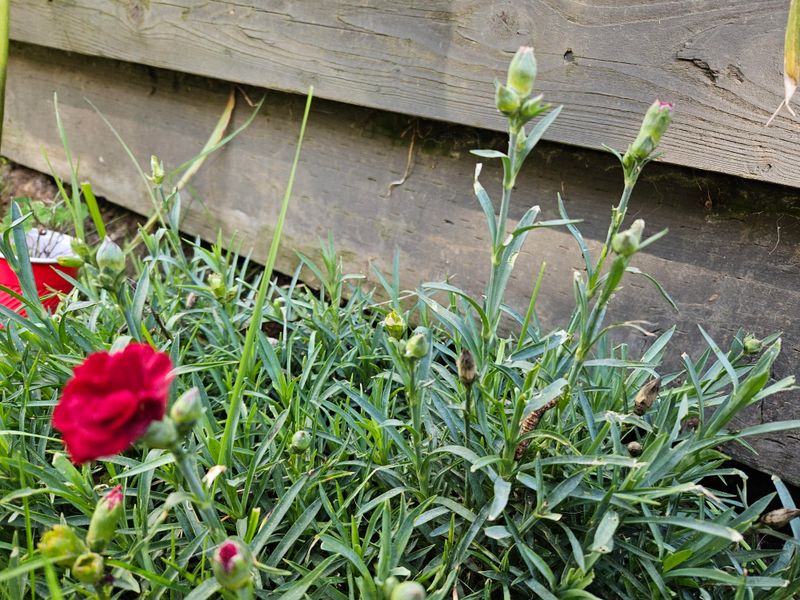
Carnations have a strong preference for well-drained soil, and that preference is not flexible. Roots sitting in water for extended periods are at serious risk of rot.
A site that holds standing water after heavy rain is not suitable for these plants without significant modification.
Soil fertility matters less than drainage. Carnations actually perform reasonably well in moderately fertile soil.
Pushing too much nutrition into the bed can produce lush foliage at the expense of flowers and can make plants more vulnerable to certain problems. Restraint with fertilizer is usually the wiser approach.
Carnations prefer a slightly alkaline to neutral soil pH, generally around 6.5 to 7.5. Testing the soil before planting gives you useful information about what adjustments, if any, are actually needed.
Gardeners with heavy clay soil have practical options. Raised beds filled with a well-draining mix solve the drainage problem efficiently.
Containers work well too, provided they have adequate drainage holes. Adding sand directly to clay soil is not reliably effective and can sometimes make the problem worse.
A raised bed is the more straightforward fix and gives carnations the root environment they genuinely need to perform well.
7. Newer Dianthus Varieties Often Steal The Spotlight
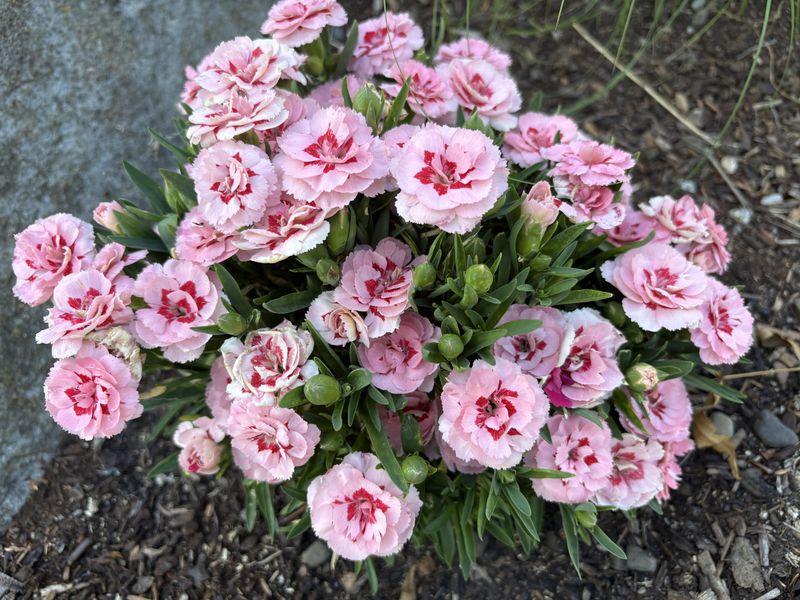
The Dianthus genus is large and includes quite a few plants that look nothing like the classic florist carnation. Garden pinks such as Dianthus plumarius have been popular in cottage gardens for generations.
Sweet William, Dianthus barbatus, is another familiar face that many gardeners know without connecting it to carnations at all.
Modern Dianthus hybrids often combine traits from multiple species. The result can be a plant with a compact habit, a long bloom period, and a tidy appearance that suits contemporary landscapes.
Those qualities appeal to gardeners who want color without a lot of maintenance.
Classic carnations tend to grow taller and may need staking. Their blooms are larger and often richly fragrant, which is a quality some modern hybrids have traded away in favor of other traits.
Gardeners who value fragrance should look specifically for varieties known to carry it, since not all Dianthus selections are scented.
Changing garden preferences have shifted attention toward compact forms, but that does not make older carnation types outdated. Tall, fragrant, layered carnation blooms have a presence in the garden that smaller hybrids simply cannot replicate.
Both have a place, depending on what a gardener values most.
8. A Sunny Raised Bed Can Bring Ohio’s State Flower Back
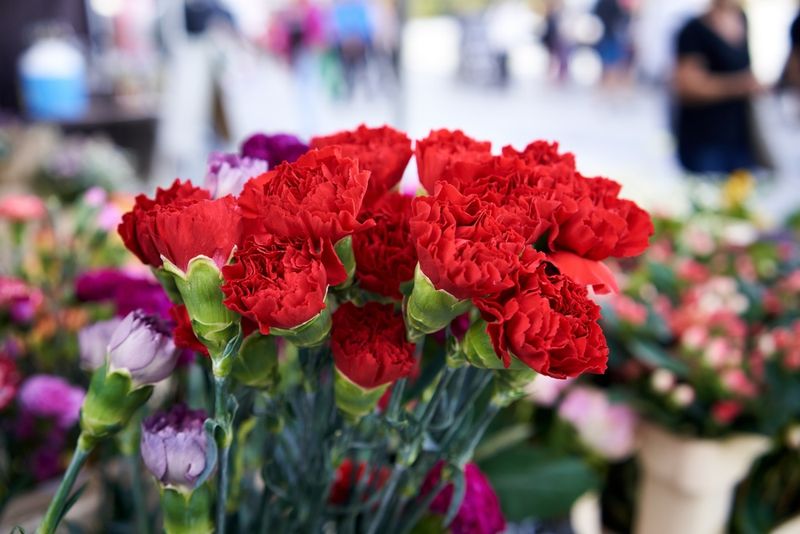
Full sun is the starting point for growing carnations well. A site that receives at least six hours of direct sunlight each day gives the plants the energy they need to produce strong stems and good flower color.
Shady spots lead to weak, floppy growth and far fewer blooms.
A raised bed addresses the two biggest challenges at once. It lifts the root zone above heavy or poorly draining ground-level soil, and it makes it easy to fill the bed with a suitable growing mix.
That combination solves most of the site problems gardeners commonly face.
Watering should follow the soil, not the calendar. Check moisture a few inches below the surface before adding water.
Carnations prefer to dry out slightly between waterings rather than sit in consistently wet soil. Keeping the crown wet over long periods increases risk of rot.
Removing spent blooms encourages many carnation varieties to keep flowering. Check the specific cultivar to confirm that trimming benefits that particular plant.
Winter protection, such as a light layer of mulch after the ground cools, may help borderline-hardy cultivars survive in Ohio. Always verify the cultivar’s rated hardiness zone first.
Ohio’s official flower can still earn a genuine place in a well-planned modern garden.