The Exact Time To Cut Ohio Hydrangeas For Dried Blooms That Hold Their Color
The difference between a dried hydrangea bloom worth keeping and a brown, crumbling disappointment comes down to one thing. Not the drying method.
Not the vase or the ribbon or the dark room. The cut.
Specifically, when it happened. Most Ohio gardeners pull hydrangea blooms too early or too late.
Both produce the same result. A dried stem that looks nothing like what was on the plant.
There is a window. It is narrow.
It arrives once per season and does not wait for anyone’s schedule. The bloom looks a specific way during that window and a different way on either side of it.
Hit it right and the color holds for months. Miss it and no drying technique in the world salvages what got cut at the wrong moment.
Ohio hydrangea season is almost over. The window is open right now for exactly the right amount of time.
1. Wait Until Blooms Feel Papery Not Fresh
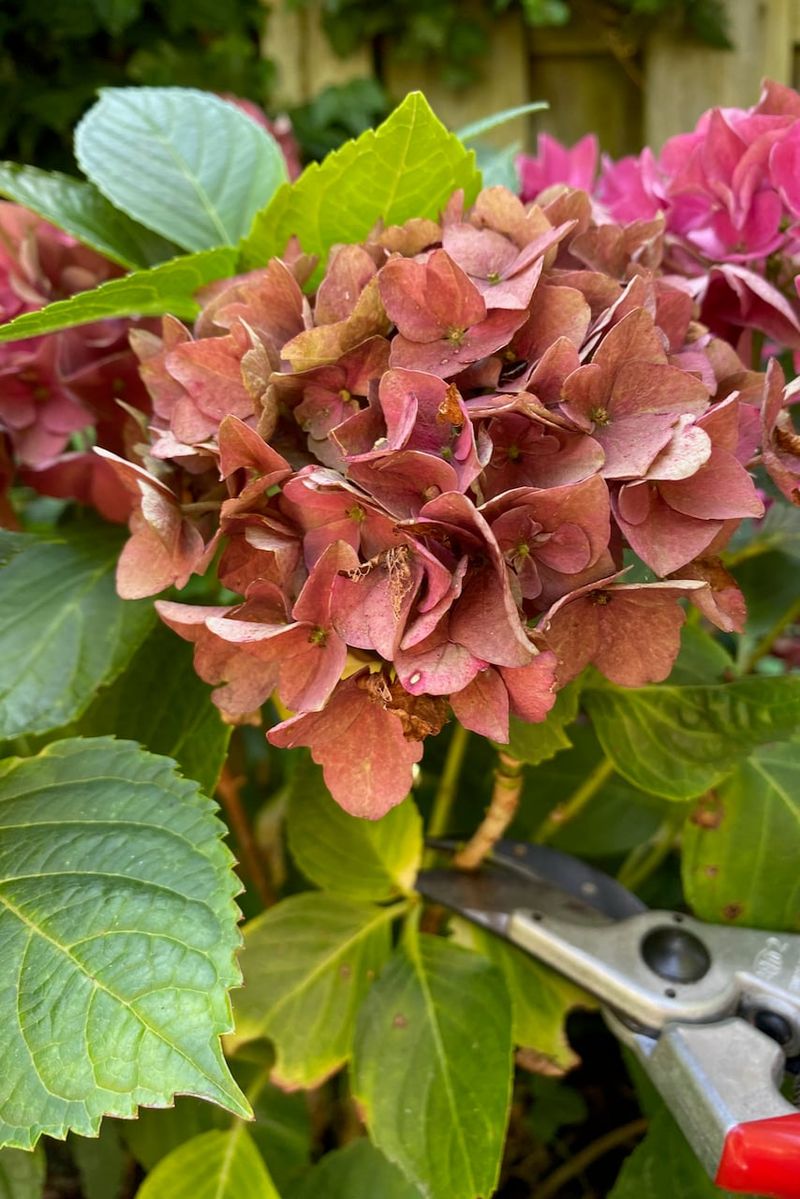
A papery flower head in late summer is one of the clearest signs your hydrangeas are ready for cutting. When petals shift from that soft, lush feel to something slightly stiff and dry at the edges, the bloom has begun its natural drying process right on the plant.
That process is exactly what makes dried hydrangeas hold their shape and color indoors.
Fresh, newly opened blooms still hold a lot of moisture inside each petal. When cut at that stage, they almost always wilt or collapse before drying properly.
University extension flower-drying guidance explains that blooms aged on the plant have released much of their moisture. That gives them a head start when drying continues indoors.
To check readiness, press a few petals gently between your fingers. Fresh blooms feel soft and slightly watery.
A bloom ready for cutting feels more like dry paper or a thin dried leaf. Check several heads on the same shrub because not every cluster matures at the same speed.
If the petals still feel lush, give the plant another week or two. Rushing this step is the most common reason dried hydrangeas lose color or go limp.
Waiting costs nothing and almost always improves results. The exact time is not a date; it is a texture you can feel with your own hand.
2. Cut After Color Deepens But Before Browning Wins
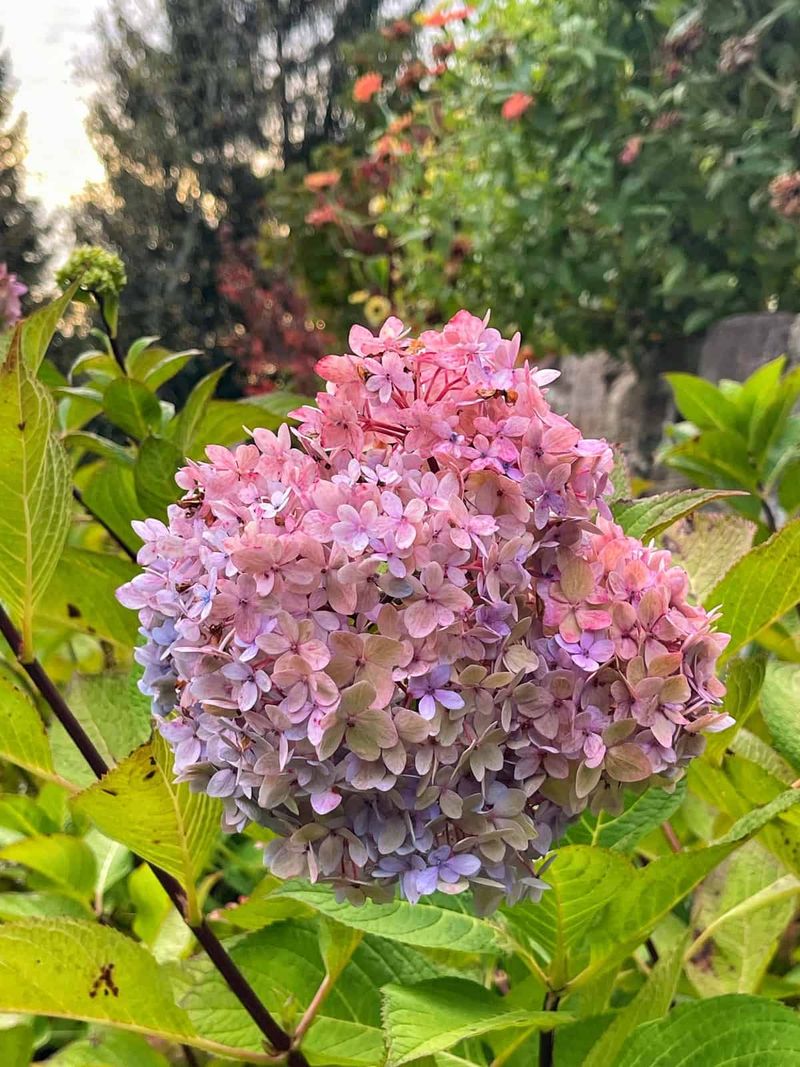
An antique-pink cluster hanging heavy on the shrub in early fall is a pretty reliable signal that cutting time is close. Color change is one of the most useful visual cues an Ohio gardener can use when timing a hydrangea harvest for dried arrangements.
Fresh blooms often open in bright white, pink, blue, or lavender, depending on variety. As they mature on the plant, those shades shift into deeper, more muted tones.
Panicle hydrangeas may fade from white to rose or burgundy. Smooth hydrangeas can move from creamy white toward soft green or tan.
Bigleaf varieties sometimes deepen into dusty mauve or antique purple.
OSU Extension hydrangea guidance notes that color outcome depends heavily on cultivar, soil, sun exposure, and local weather conditions. Do not expect the same result from every plant or every season.
Your Ohio Garden Changes Every Week. Your Plan Should Too.
Gardening in Ohio changes quickly throughout the season. Every Friday you’ll receive a simple weekly plan showing exactly what to plant, prune, fertilize, harvest, and protect so you never miss the right timing.
The goal is to cut after that color shift has begun but before brown edges take over the bloom.
Rain-damaged heads often show uneven browning, spotting, or a washed-out look that will not improve with drying. Skip those and focus on the cleanest, most evenly colored clusters first.
Cut the best heads before the rest fade further. Leaving a few behind for garden interest is perfectly fine.
Color is your guide, and it tells a more honest story than any date on the calendar ever could.
3. Choose Morning Stems After Dew Has Dried
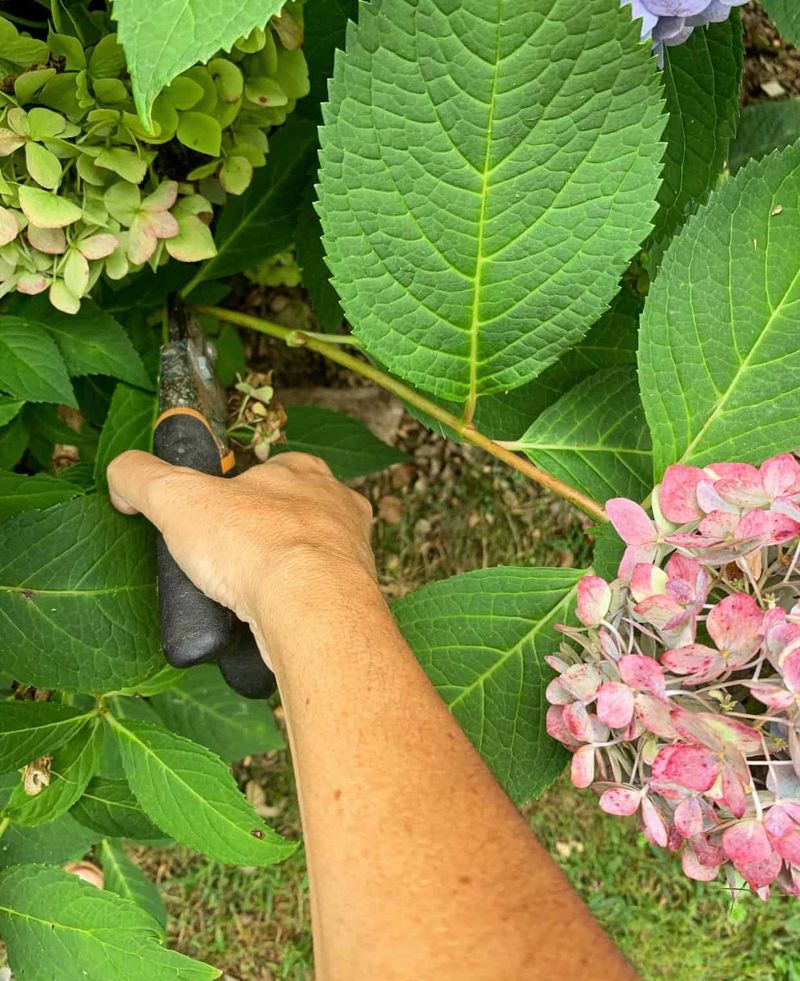
Damp stems after a dewy morning look tempting to cut, but waiting a little longer pays off. Excess moisture on petals and stems can encourage mold or uneven drying once the flowers are brought indoors.
Cutting after the dew has fully evaporated gives each bloom a better start.
Cut-flower resources advise harvesting in the cooler, drier part of the morning after surface moisture has cleared. That window is usually a few hours after sunrise on a clear day.
Avoid cutting on rainy mornings, after heavy overnight rain, or when blooms are visibly wet. Wet flower heads are more fragile and carry more moisture than they need for good drying results.
Use clean, sharp pruning shears every time. Dull blades can crush stem tissue, which affects water uptake and stem strength.
Wipe blades with a clean cloth between cuts if you are moving between plants. Place cut stems into a clean bucket or dry container right away to keep them upright and undamaged.
The “exact time” of day is not a specific hour on the clock. It is simply a dry moment, usually mid-morning on a clear day, when surface moisture is gone and the air is still comfortable.
Choosing that window gives dried hydrangeas the cleanest possible start. It also reduces the chance of spotting, mold, or collapsed petals before drying is complete.
4. Snip Long Stems Without Removing Next Year’s Buds
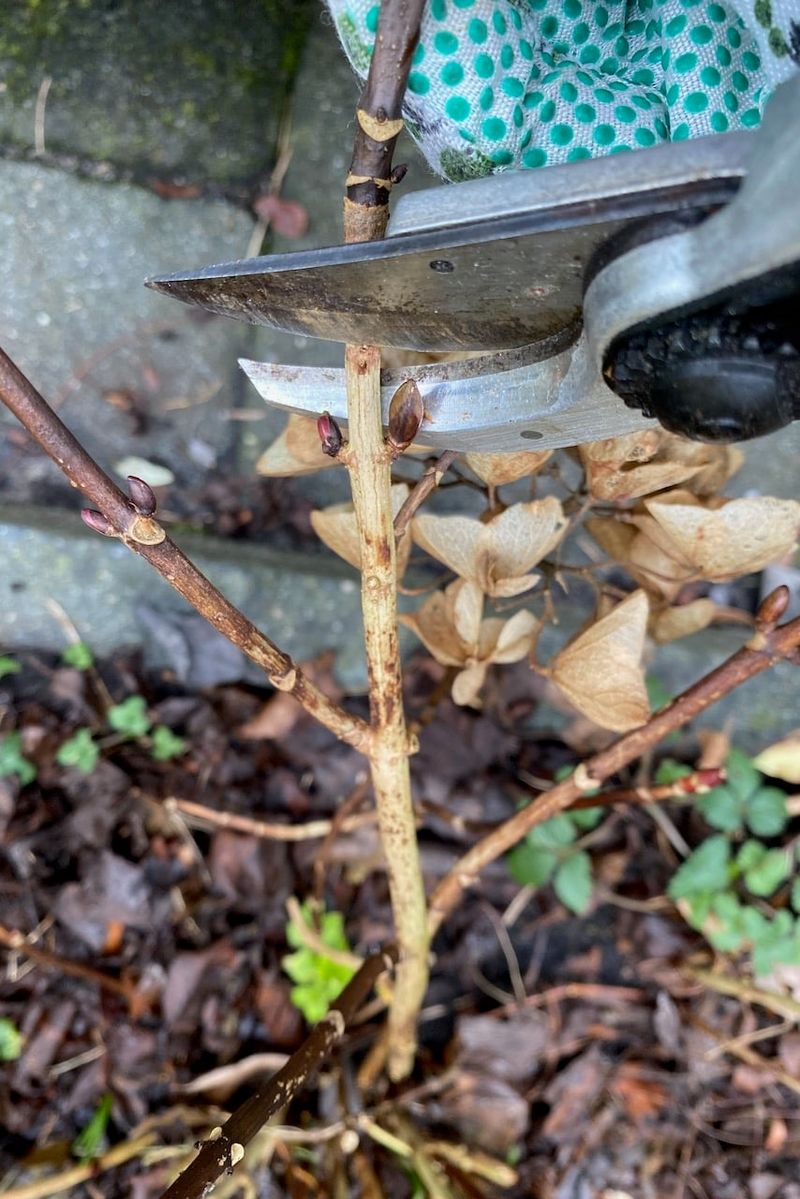
Long stems make beautiful dried arrangements, but a long cut can accidentally become a pruning cut that removes buds you cannot get back until next year. Knowing where to snip makes a real difference, especially on shrubs that bloom on old wood.
Hydrangea pruning guidance warns that bigleaf, oakleaf, and mountain hydrangeas set next year’s flower buds on old wood. That means the stems that grew during the current season.
Those buds often form by late summer. A deep cut made while harvesting dried blooms can remove those buds and leave the shrub with fewer flowers the following year.
To avoid that, cut just above a leaf node, which is the point on the stem where a leaf or pair of leaves attaches. That keeps the stem intact below the cut and protects any buds forming lower on the branch.
Take only the stem length you actually need for your arrangement. Avoid cutting all the way back to the main framework of the shrub unless you are intentionally pruning.
Panicle and smooth hydrangeas bloom on new wood, so they are more forgiving of deeper cuts during harvest. Still, cutting only what you need is always the safer habit.
Treating a dried-bloom harvest like light selective cutting, not a full pruning session, protects both this year’s arrangement and next year’s flower show. A little care at the cutting point goes a long way.
5. Know Which Hydrangea Type You Are Cutting
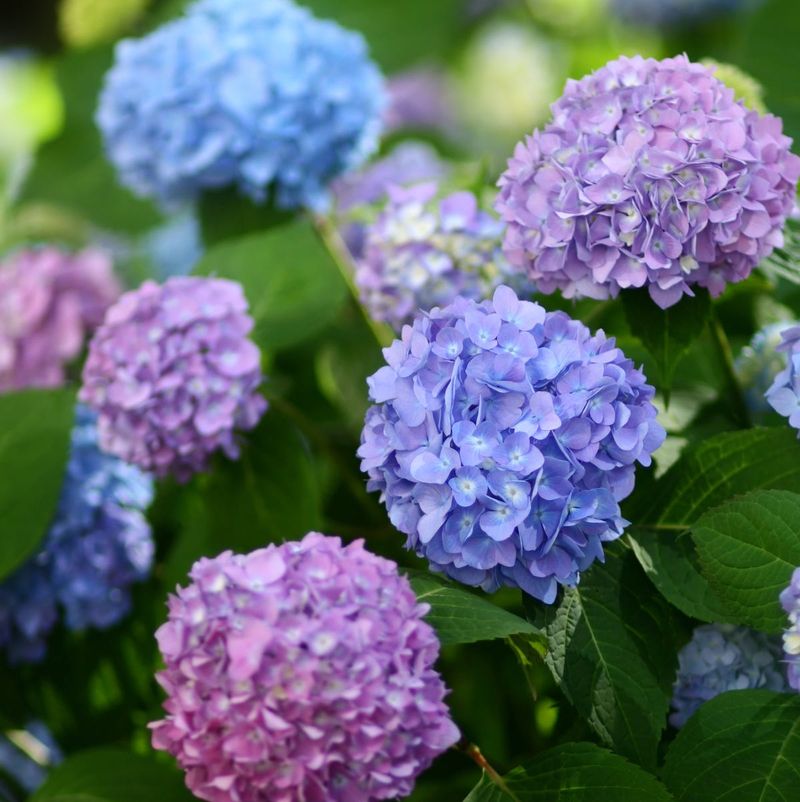
A plant tag hidden under leaves might seem like a small detail, but knowing your hydrangea type before you cut can save you from losing next year’s blooms. Not all hydrangeas behave the same way, and their pruning needs are genuinely different.
Panicle hydrangeas, such as Limelight and Pinky Winky, bloom on new wood and are among the easiest to harvest from without worry. Smooth hydrangeas, like Annabelle, also bloom on new wood and tend to be forgiving of cuts made during harvest season.
Both types are common in Ohio local gardens and respond well to late-summer cutting for dried blooms.
Bigleaf hydrangeas, including the popular mophead and lacecap types, bloom on old wood in most cases. Oakleaf and mountain hydrangeas also bloom on old wood.
OSU Extension hydrangea guidance confirms that deep cuts into these types can remove buds. Those buds may already be forming for the following year.
If you are not sure which type you have, check the leaf shape, flower form, and bloom timing. Oakleaf hydrangeas have deeply lobed leaves that resemble oak leaves.
Bigleaf types have broad, glossy leaves. Panicle types produce cone-shaped flower clusters.
Knowing the difference before you cut protects your plant and helps you make smarter decisions every season. When in doubt, cut conservatively and research before going deeper.
6. Strip Leaves Before They Curl And Spot
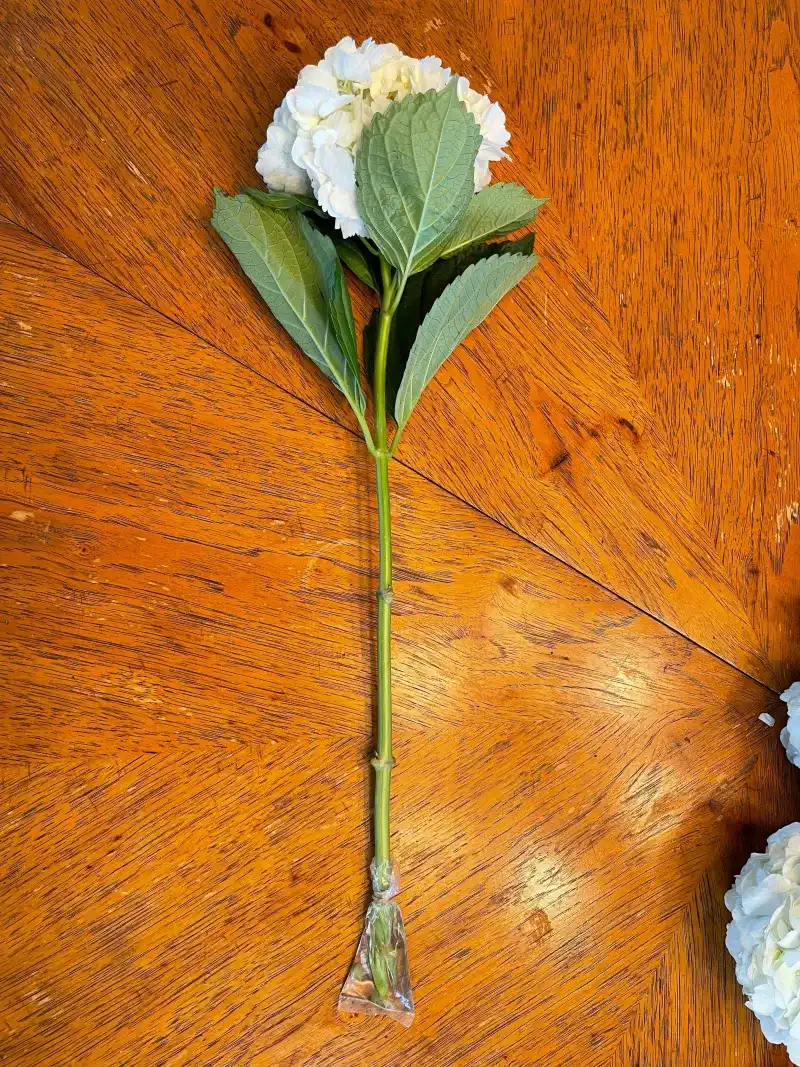
Stripped stems in a vase look clean and deliberate, but leaf removal also serves a practical purpose that directly affects how well your dried hydrangeas turn out. Leaves left on cut stems do not dry attractively and can cause problems during the drying process.
Once a stem is cut and brought indoors, the leaves have no way to stay fresh. They begin to wilt, curl at the edges, and may develop dark spots as moisture leaves them unevenly.
In a vase-drying setup, curled or spotted leaves press against the flower heads and can transfer moisture or discoloration to the petals.
Remove leaves from the stem after cutting, not before. Strip them carefully by sliding your hand down the stem from just below the flower head toward the cut end.
Avoid pulling leaves upward toward the bloom, which can damage petals or knock off small florets. Keep the flower head completely intact throughout this step.
Leaf removal also makes vase drying neater and allows better airflow around each stem. Crowded, leafy stems trap humidity between them, which slows drying and raises the risk of mold on petals.
A clean stem with a full, undamaged bloom head gives the drying process the best possible conditions. This small preparation step takes less than a minute per stem and noticeably improves the final look of your dried arrangement.
7. Dry Blooms In A Vase With Shallow Water
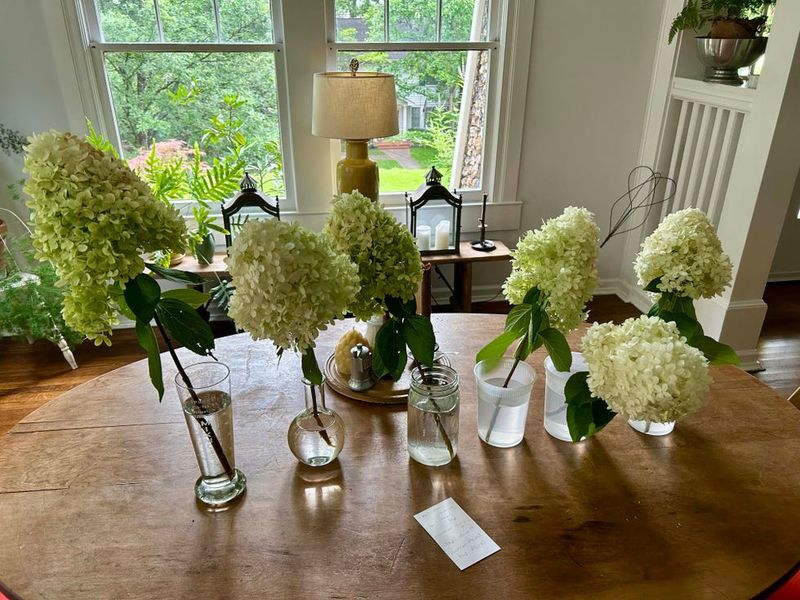
Placing freshly cut hydrangea stems into a vase with just a small amount of water is one of the most recommended methods for drying these blooms at home.
The shallow water supports the stems while they transition slowly from fresh to dried, which helps petals hold their shape without collapsing suddenly.
Horticulture experts describe this method as a gradual drying process. The stems absorb a little water at first, then the water level drops naturally as it evaporates.
As the water disappears, the blooms continue drying in place, supported upright by the vase. That upright position helps petals dry in a natural, open shape rather than drooping or pressing flat.
Choose a dry indoor spot away from harsh direct sunlight. Strong sun can bleach petals or cause uneven color loss during drying.
A room with good airflow and low humidity works best. Avoid placing vases near heating vents, humidifiers, or steamy kitchen areas.
Space stems so flower heads are not pressing against each other. Crowding traps humidity between blooms and slows the drying process.
Most hydrangea heads dry fully within one to three weeks using this method, though results vary by bloom size, moisture level at cutting, and room conditions. Do not add more water once the original amount evaporates.
Let the process finish naturally for the best color and texture outcome.
8. Save The Best Heads Before Fall Rain Ruins Them
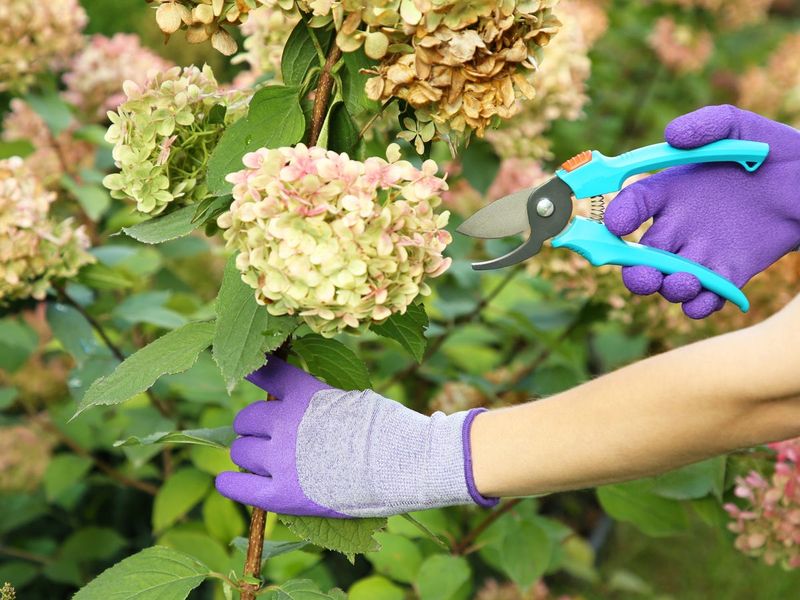
A storm forecast before fall rain arrives is one of the most urgent reasons to get out to the garden and cut your best hydrangea heads right away.
Once blooms reach the papery, mature stage, they are more vulnerable to weather damage than most Ohio gardeners expect.
Heavy rain can shatter the small florets that make up each bloom cluster. It can leave behind a sparse, ragged head that will not dry well or look good in an arrangement.
Wind can knock petals loose, bend stems, or press wet blooms against leaves in ways that cause brown spotting. A single overnight storm can ruin heads that were perfect the morning before.
Check your plants before any stretch of wet, windy weather in late summer or early fall. Cut the prime blooms first, the ones with the best color, fullest shape, and cleanest petals.
You do not need to cut every bloom on the shrub. Leaving some heads in place through fall adds garden interest and provides texture even after petals drop.
When cutting before a storm, move quickly but carefully. Use sharp, clean pruners and avoid deep cuts on old-wood types where next year’s buds are forming.
Bring cut stems inside promptly and begin the leaf-stripping and vase-drying process right away. The best dried hydrangeas come from waiting long enough for the bloom to fully mature, then acting with purpose before the weather takes the color away for good.
9. Understand Why Fresh Blooms Fail At Drying
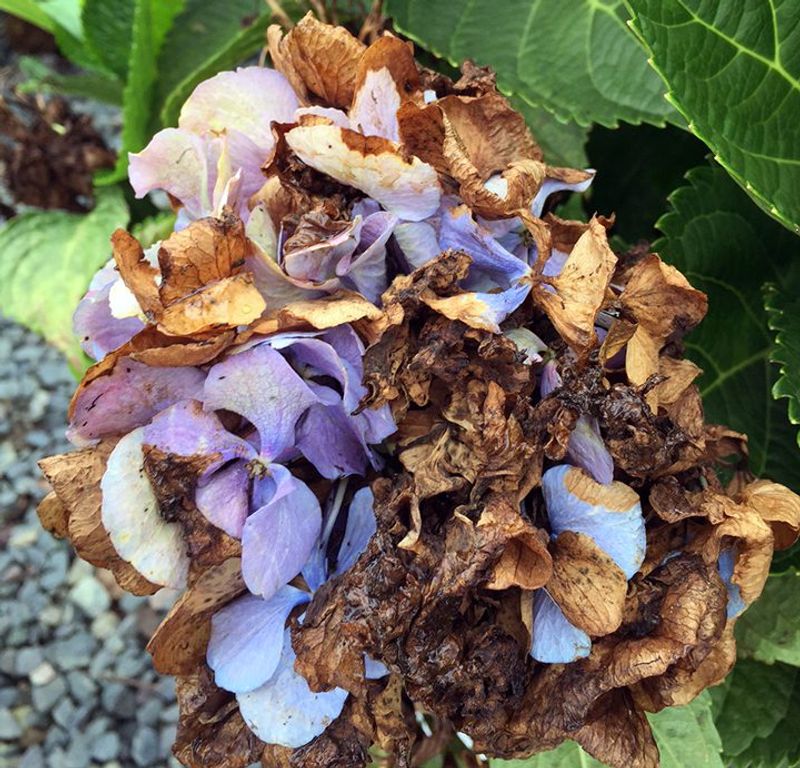
Reaching for a bloom the moment it opens is a natural impulse, especially when the color is bright and the petals look perfect. But fresh, newly opened hydrangea blooms almost always disappoint when used for drying.
Understanding why helps you resist the urge to cut too soon.
A newly opened bloom is still full of cellular moisture. Each petal is plump, flexible, and actively drawing water through the stem.
When that stem is cut and the water supply stops, the petals lose moisture faster than they can stabilize. The result is wilting, shriveling, or a flat, papery mess that looks nothing like the full, rounded dried heads seen in fall decor.
Ohio botanical garden sources recommend waiting until the bloom has begun its natural aging process on the plant. At that stage, the flower has already started releasing moisture gradually.
Petals become slightly stiffer, color shifts toward deeper or more muted tones, and the internal structure of each floret firms up. That natural pre-drying on the plant is what makes the difference between a bloom that holds its shape and one that collapses.
Patience is the most important tool in the dried-hydrangea process. A bloom that looks slightly past its peak in the garden is often exactly right for cutting.
That small shift in thinking, from harvesting at peak freshness to harvesting at peak maturity, changes everything about the final dried result.