Why Raking Mature Spurge Can Spread Seeds in Arizona Yards
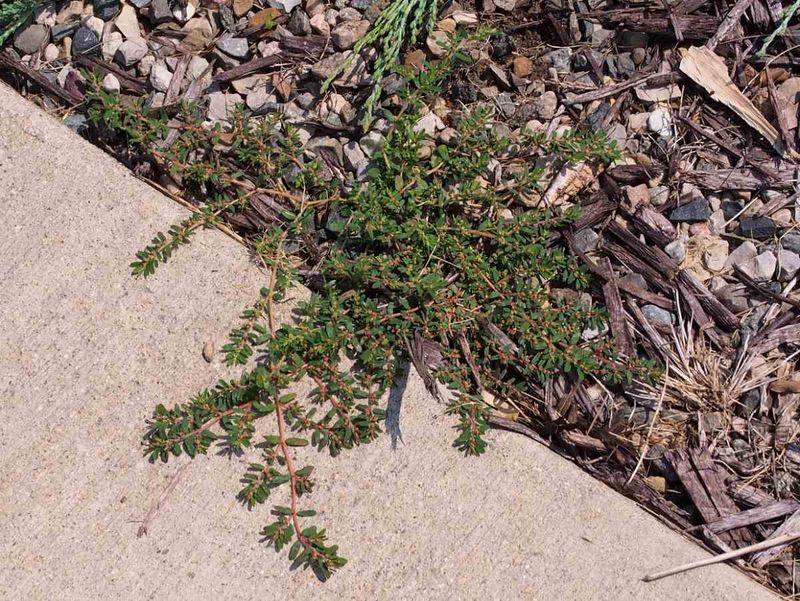
Spurge pops up in gravel, lawns, and planter beds all over the low desert, and it can seem to return no matter what you do. Pulling it is not the problem.
The real trouble starts when a grown, seed-bearing plant gets dragged or raked across the soil. A few small habits can keep your cleanup from planting next season’s weeds.
A seed-bearing plant can turn cleanup into seed dispersal
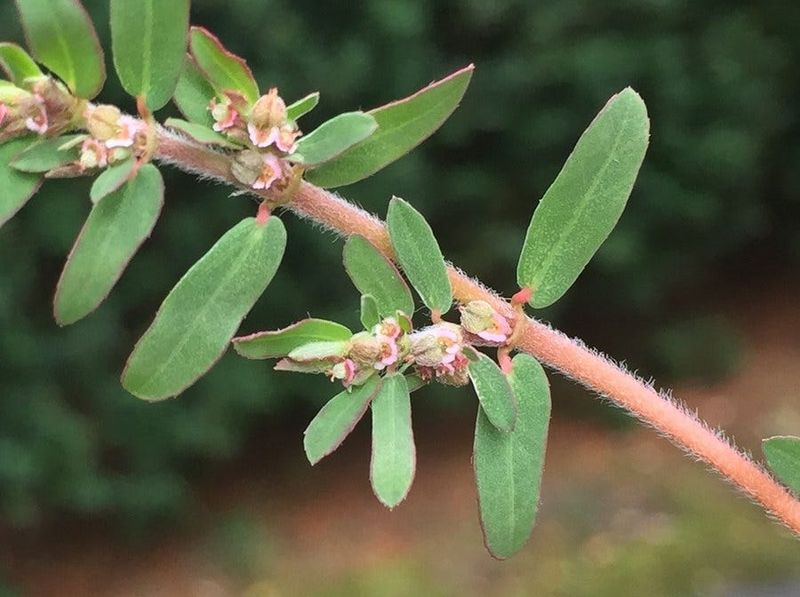
Spurge seeds ride inside tiny capsules, and those capsules burst open when the plant matures and dries. Arizona extension guidance describes this burst-and-scatter habit and warns against raking uprooted mature spurge, because the seeds can be flung across the soil.
Notice what that warning covers. It is about a mature plant loaded with capsules that gets disturbed, dragged, or raked.
It does not say that every pulled spurge plant will multiply.
Picture a gravel bed in July with a big green mat of spurge dotted with tiny pods. If you yank it and sweep it across the rocks, you may be shaking seeds into every gap.
A young plant with no capsules has nothing to shake loose, so pulling it carries far less risk. Cleanup becomes seed dispersal only when the plant is already carrying seed.
Spurge species do not all behave alike
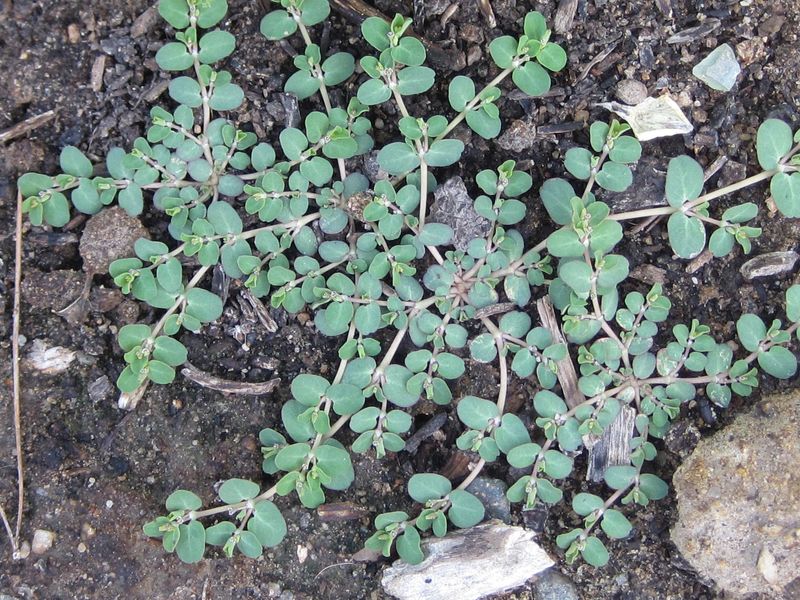
Several species go by the name spurge in Arizona, and they can be tough to tell apart. The common low-growing ones, such as spotted and prostrate spurge, are annuals that live and spread mainly by seed, according to the University of Arizona publication on managing spurge.
Others behave differently. White-margin spurge is a perennial whose stem joints can form roots where they touch soil, and creeping spurge can also root along its stems.
With those plants, pieces left behind may regrow, so a careful, complete removal matters.
That also explains why a cleared patch can fill in again. Sometimes seeds were already waiting in the soil.
Sometimes a rooting species regrew from what remained. Blaming the pulling alone misses both causes, so try to identify what is growing before you choose a plan.
Pull young plants before they produce seeds
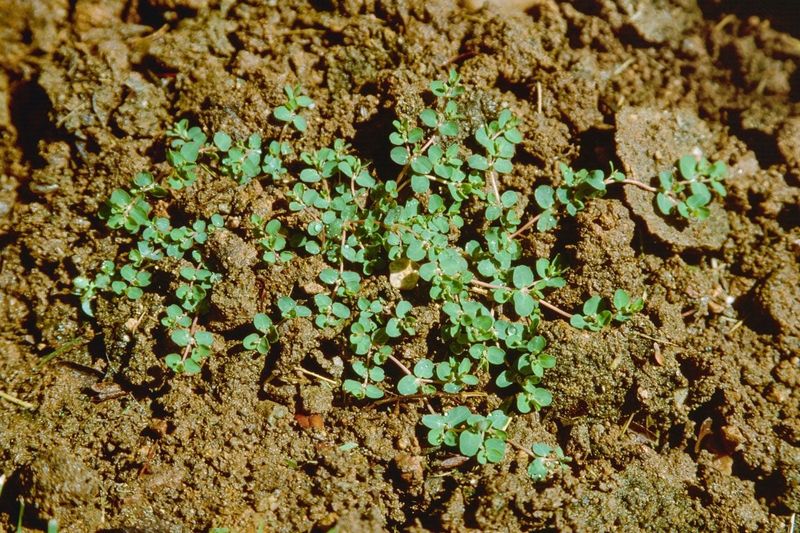
Timing is your best tool. Small spurge plants without capsules are the easiest and safest to remove, and Arizona guidance recommends pulling or hoeing them before they set seed.
Spotted spurge can move fast. UC IPM reports seed production as early as five weeks after germination, and NC State Extension says mature capsules may be ready about a month after seeding.
Your own timing will vary by species and location, so there is no single calendar date to trust.
A simple habit works better than a date: walk the yard after irrigation or monsoon rain, when seedlings flush out. Pull them while they are tiny.
Then come back to the same spots, because new seedlings often keep appearing.
Handle mature plants without scattering them
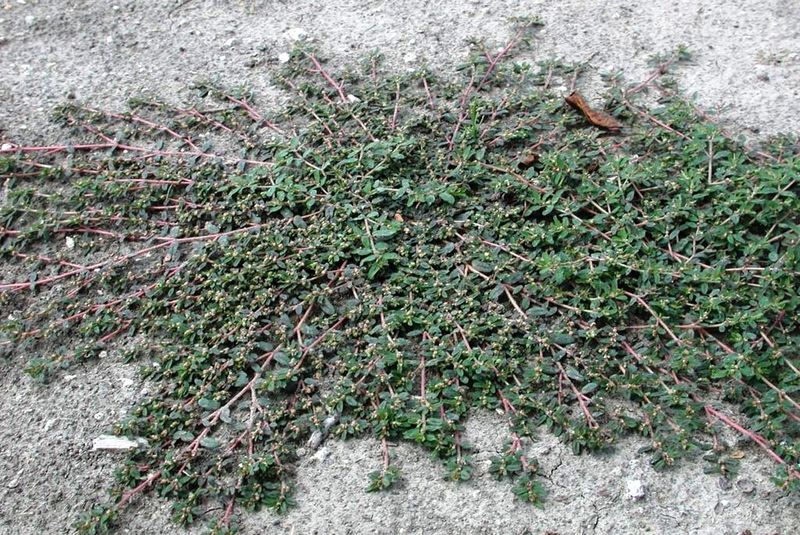
Sometimes you miss the early window and face a large, pod-covered plant. In that case, the main rule is simple: do not rake uprooted mature plants across the soil, and do not drag them around the yard.
Your Arizona Garden Changes Every Week. Your Plan Should Too.
Gardening in Arizona changes quickly throughout the season. Every Friday you’ll receive a simple weekly plan showing exactly what to plant, prune, fertilize, harvest, and protect so you never miss the right timing.
Both moves can fling the seeds you were trying to remove.
Work slowly and keep the plant as undisturbed as you can while you take it out. Moving it only a short distance is far better than hauling it over open ground.
Leaving uprooted mature plants lying on the soil is not a safe shortcut either.
Afterward, clean your tools. Arizona extension guidance recommends this step because a hoe, trowel, or rake blade can carry seeds to the next bed.
A quick check of your gloves and shoe treads is smart too.
Protect your skin and eyes during cleanup
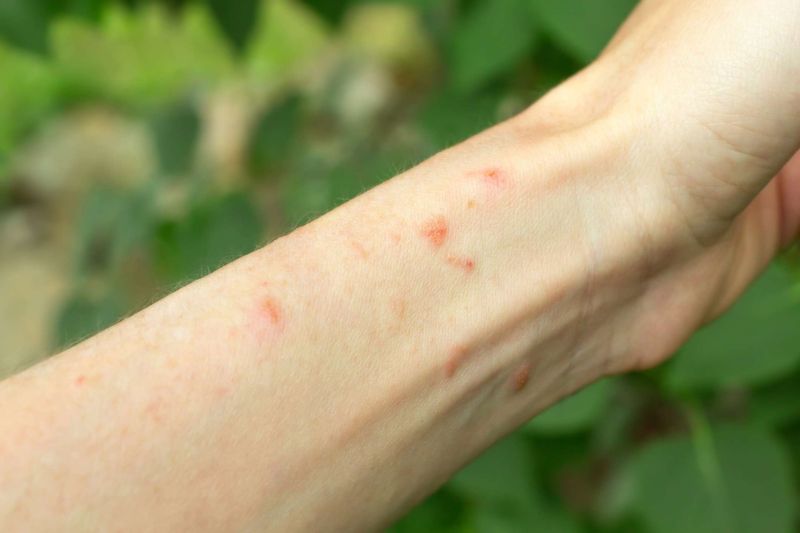
Break a spurge stem and you will see milky sap. That sap can irritate skin and eyes, so gloves are a must for this job.
Long sleeves help as well when plants are thick.
Keep your hands away from your face while you work, and be especially careful near your eyes. Poison Control warns about spurge sap for this reason.
Many people wipe sweat off their brow without thinking, which is exactly the habit to watch in Arizona heat.
Watch the ground, too. Arizona guidance notes that stinging ants can be found around spurge plants, so look before you reach into a dense mat.
Working in the cooler morning hours makes it easier to take your time and stay careful.
Check the patch again after the first pass
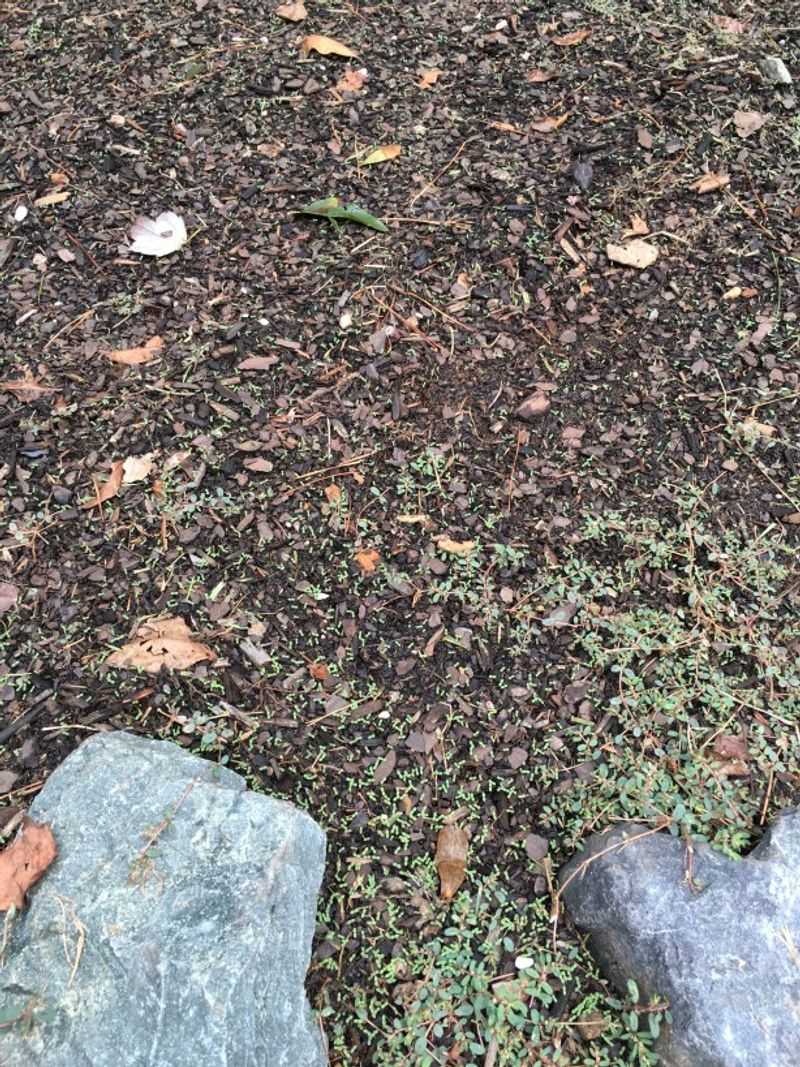
One cleanup rarely ends the story. Seeds may already be in the soil, and spurge grows quickly, so plan on checking the same patch again in the following weeks.
Pull any new seedlings while they are small.
If you consider a herbicide, read the current product label first and protect plants you want to keep. Pre-emergent products work on seeds that have not sprouted yet, and they do not control weeds that have already emerged.
No single product suits every yard, so follow Arizona extension guidance and local advice.
A short routine helps: scan after irrigation or rain, pull small plants, and clean your tools. Pull early, and handle the big ones without scattering them.
Spurge runs on seeds, so the best cleanup is the one that leaves none behind.