Florida Has Native Maple Trees, And Fall Is When They Finally Show Off
Almost everyone leaves Florida to see fall. Booked flights, mountain cabins, three hundred miles of leaf-peeping traffic in Tennessee.
Meanwhile something is happening along the creek behind the neighborhood.
It happens late. Long after the postcards from Vermont have arrived, when many people have stopped looking for color entirely.
That timing is exactly why almost nobody notices.
There’s a group of native trees down here that spends all summer being completely unremarkable. Green, ordinary, blending into the wall of green that Florida does so well.
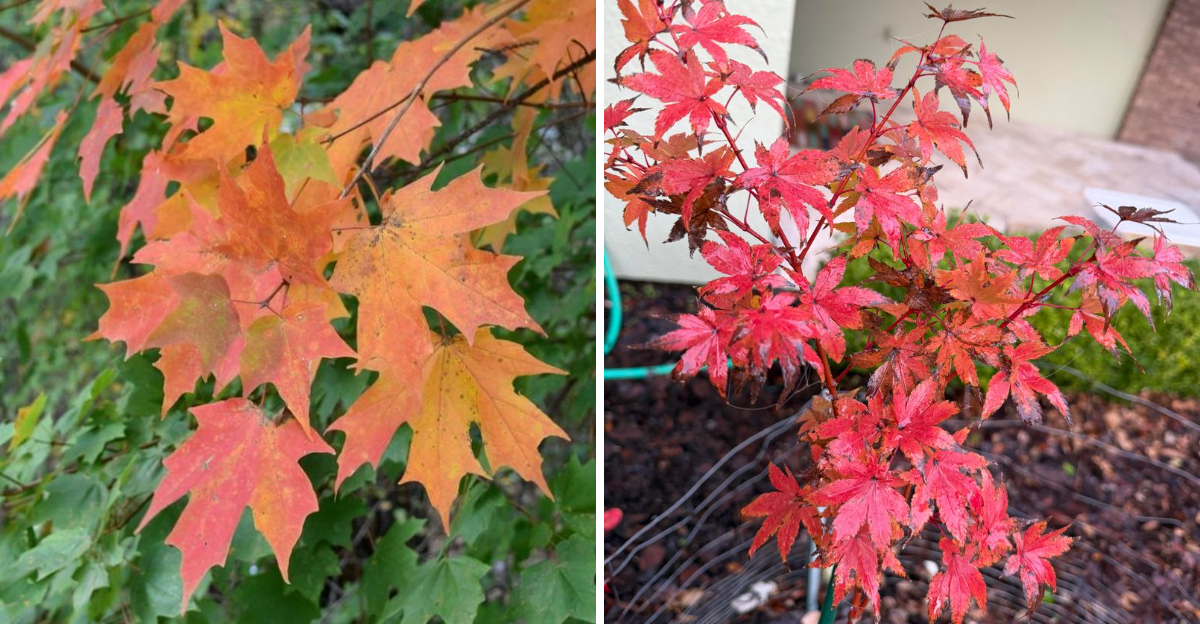
Then something shifts in the air, and a few of them light up in reds and golds that look genuinely out of place this far south.
They’ve been here the whole time. Along riverbanks, in swampy corners, occasionally in a front yard where someone planted one by accident.
One of them hides its identity so thoroughly that many people never realize what family it belongs to.
Curious which trees have been waiting for their moment?
1. Red Maple
If Florida crowned fall royalty, red maple would take it.
This tree grows across nearly the whole state, from the Panhandle down into the southern swamps.
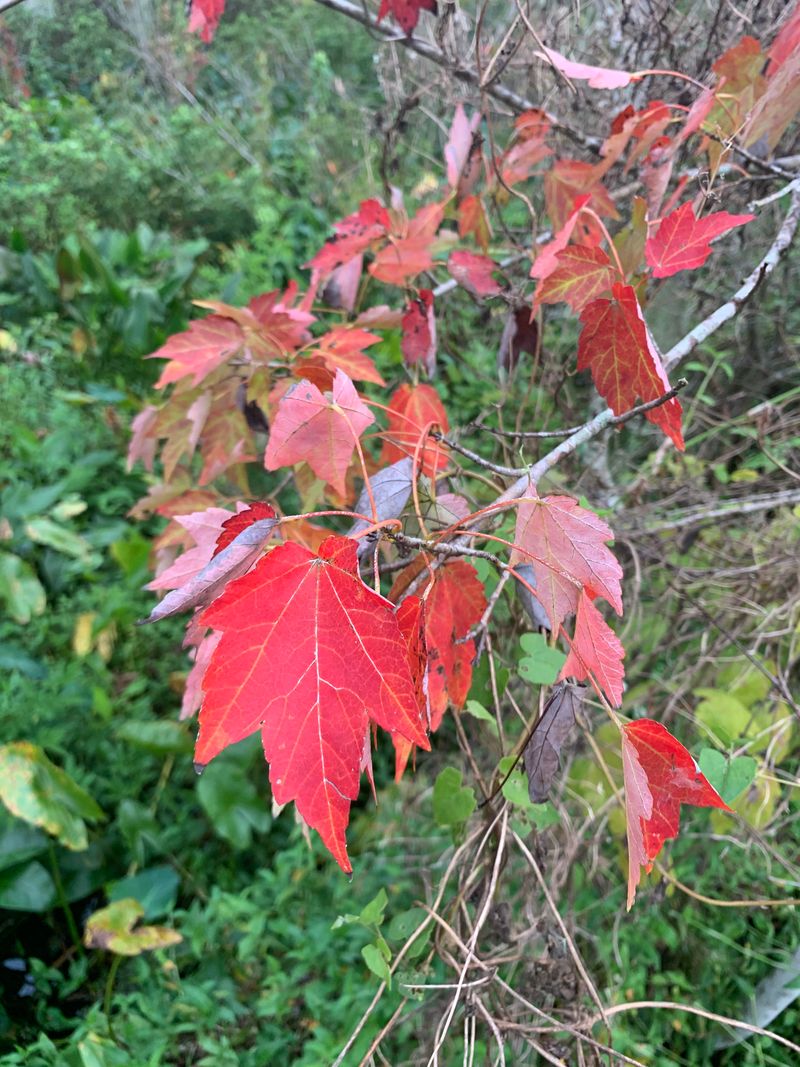
Autumn shifts its leaves toward red and orange, though intensity varies considerably. Some years bring bold color while others stay muted, since fall color depends heavily on weather.
Red maples handle wet soil well. Look for them near ponds, rivers, and low areas where fussier trees struggle.
Worth knowing that individual trees vary genetically in fall color, so buying a named cultivar selected for color gives more predictable results than a random seedling.
Here’s a detail worth mentioning at a party. Red maples are among the earliest trees to flower, producing small red blooms in late winter before most plants have woken up.
Planting is fairly forgiving. Give it room, keep soil moist while it establishes, and let it settle.
Growth runs fast, and that speed comes with a tradeoff. The wood is not especially strong, so placement away from structures matters.
Wildlife benefits too. Birds use the branches, and early flowers provide pollen when little else is blooming.
For a damp corner nobody knows what to do with, red maple turns a problem into a seasonal feature.
2. Florida Maple
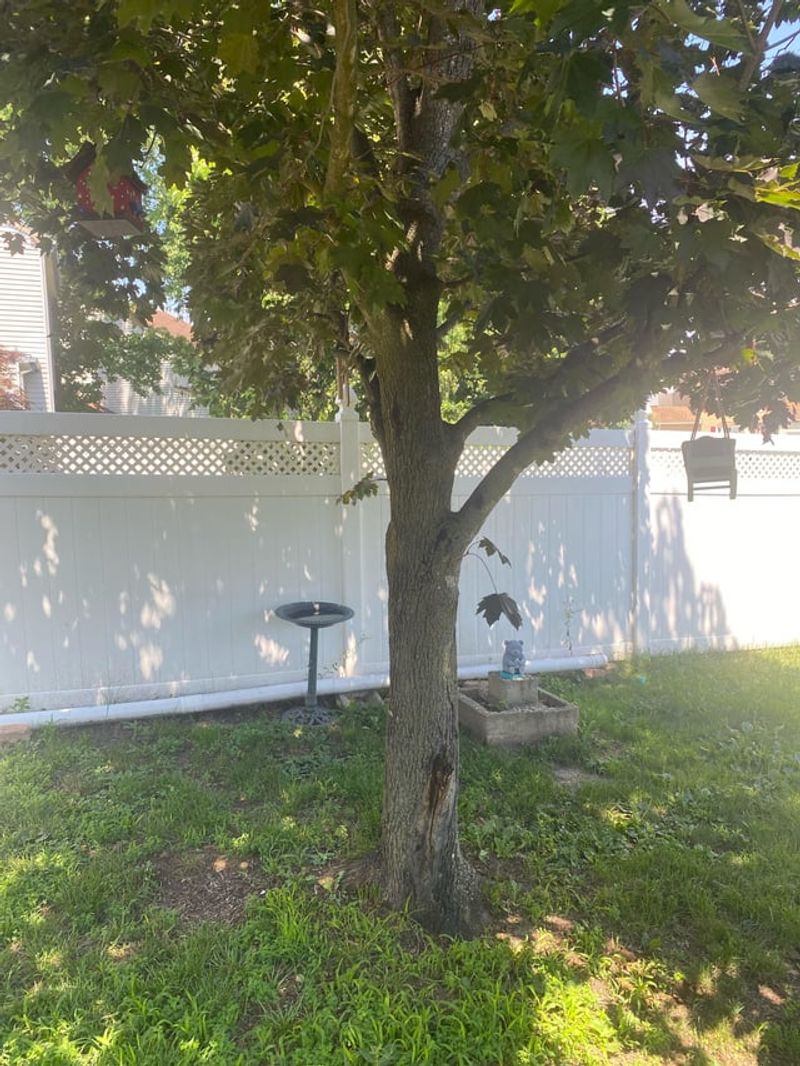
Meet the quieter relative of the famous sugar maple.
Florida maple resembles its northern cousin closely while handling heat considerably better. Botanists have gone back and forth on whether it’s a separate species or a variety of sugar maple, which tells you how similar they are.
Fall brings soft yellows and gentle oranges. The display runs elegant rather than dramatic.
You’ll find it across north and central Florida, often tucked into shady woodlands. It prefers rich, well drained soil and appreciates afternoon shade while young.
On the syrup question, since it always comes up. Sugar content in Florida maple sap is low and the climate lacks the freeze thaw cycles that drive sap flow, so tapping is not realistic here.
Growth is steady rather than fast, and the tree holds a tidy rounded shape. That form appeals to anyone who dislikes constant pruning.
Your Florida Garden Changes Every Week. Your Plan Should Too.
Gardening in Florida changes quickly throughout the season. Every Friday you’ll receive a simple weekly plan showing exactly what to plant, prune, fertilize, harvest, and protect so you never miss the right timing.
Drought tolerance improves noticeably once established, which sets it apart from red maple.
Give it space, water through the first couple of years, and it mostly manages itself afterward.
Availability can be limited at general garden centers, so native plant nurseries are the better bet.
For that classic maple look without needing a northern winter, this tree makes a strong case for southern maples.
3. Chalk Maple
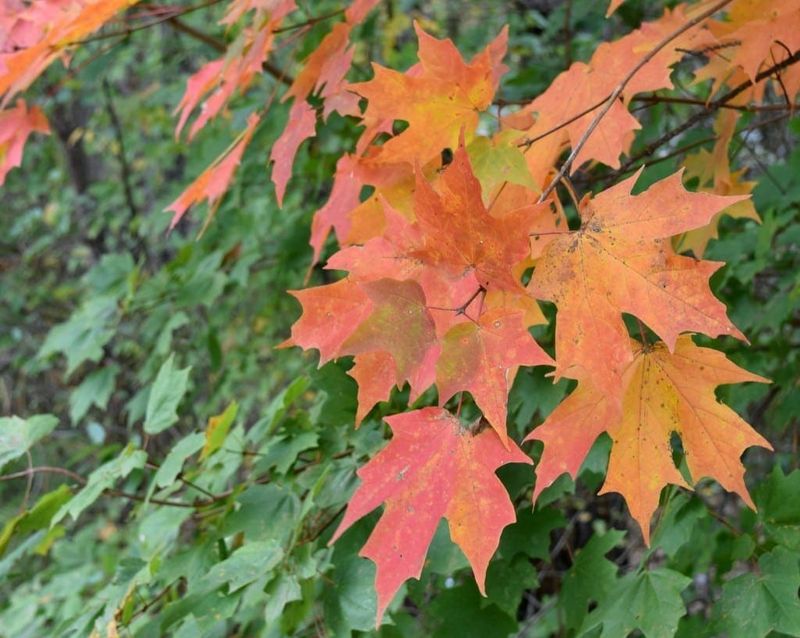
Not every maple wants to overshadow your house.
Chalk maple stays small and well behaved, which suits tighter yards and corners where a large tree would cause problems.
The name comes from pale chalky gray bark that stands out in the understory. That smooth light trunk gives the tree character before any leaf turns.
Fall brings a mix of orange, red, and yellow. For a compact tree, the color performance is generous.
Mature size typically runs around fifteen to thirty feet, which explains the appeal for small spaces.
Chalk maples grow naturally beneath larger trees, so partial shade suits them well. Full sun in central Florida may be more than they prefer.
Range matters here. This species occurs mainly in the Panhandle and northern Florida rather than statewide, so central and south Florida gardeners have fewer options.
Soil should drain well while holding some moisture. Soggy ground suits it less than it suits red maple.
Care stays simple. Water while it establishes, add mulch, and let it grow at its own pace.
Small birds use it for shelter, which is more than most compact ornamentals contribute.
Great things do occasionally arrive in small chalk covered packages.
4. Boxelder
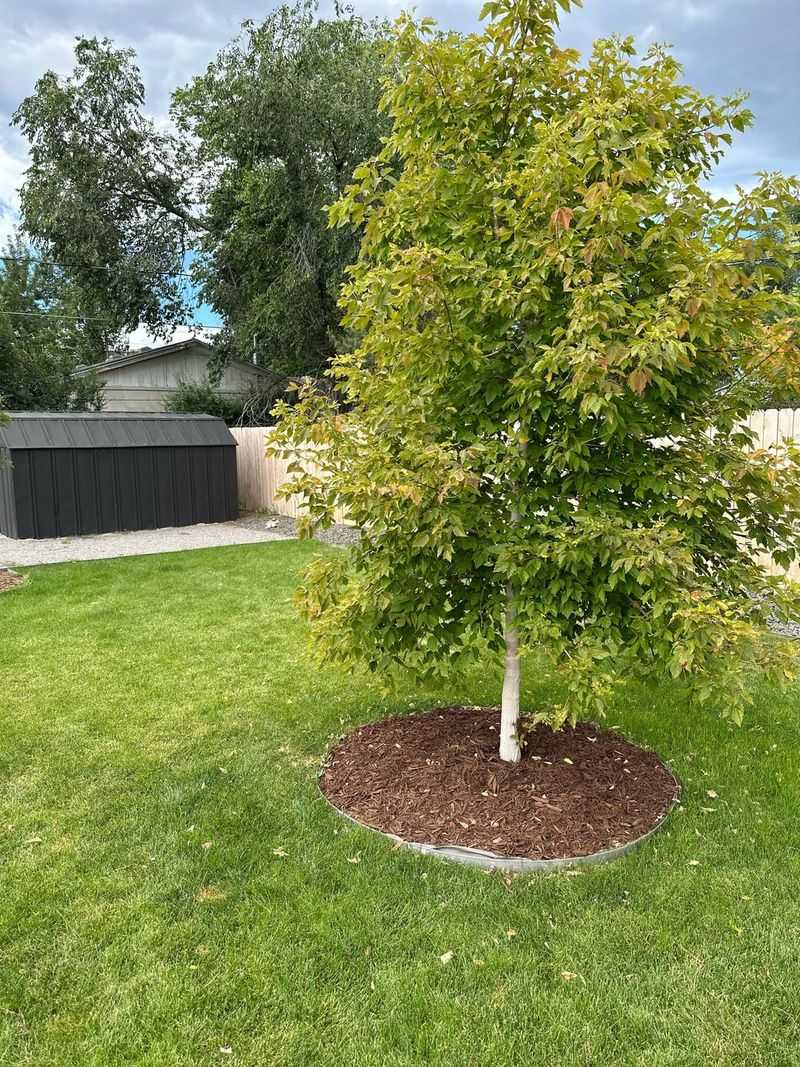
Plenty of people meet a boxelder without realizing they’ve met a maple.
The leaves are the reason. Instead of the classic single broad leaf, boxelder carries compound leaves made of several leaflets.
Fall turns that foliage buttery yellow. The color brightens creek and river edges where the tree thrives.
Growth runs fast and the tree tolerates damp soil readily. Quick shade comes with a shorter lifespan than sturdier maples offer.
Winged seeds are the family giveaway. Boxelder produces the same helicopter samaras other maples do, in generous quantity.
That seed production has a downside worth knowing. Boxelder self sows enthusiastically, so volunteers turn up across a yard for years.
Boxelder bugs are the other consideration. These insects feed on the seeds and can gather in large numbers on nearby houses in fall, which is harmless but genuinely annoying.
Planting male trees avoids both issues, since only female trees produce seed.
The tree handles flood prone ground that defeats pickier species, which is its real strength.
Care is undemanding. Moisture, space, and the tree largely handles itself.
For a maple that keeps everyone guessing, boxelder wins the disguise contest without much competition.
5. Silver Maple
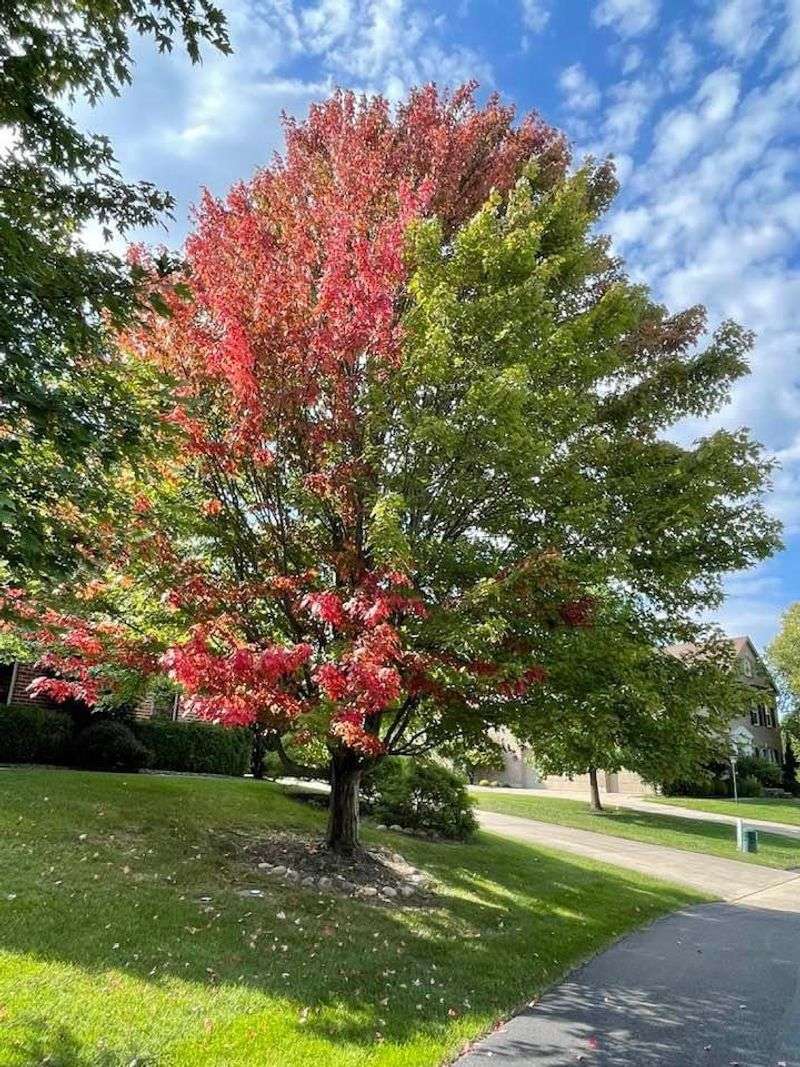
A breeze through a silver maple creates a small light show.
Leaf undersides flash silvery white, which explains the name.
Autumn brings soft yellow rather than dramatic color. The flickering silver carries more of the visual interest through the season.
Range needs mentioning first. Silver maple occurs only in the western Panhandle in Florida and is uncommon in the state, so most Florida gardeners are looking at red maple instead.
Growth is genuinely fast, which explains the historical popularity for quick shade.
That speed produces brittle wood. Limb breakage in storms is common, and Florida gets storms, so placement well away from structures matters considerably.
Roots are the other consideration. Silver maple roots run shallow and aggressive, lifting sidewalks and finding their way into drain lines.
Moist soil suits it well, and riverbanks and low areas are its natural habitat.
Wildlife uses the early seeds, which arrive before many other trees offer anything.
For anyone in the Panhandle with a large open yard and patience for cleanup, it delivers shade quickly. Anywhere near a house or driveway, red maple is the better call.
6. When Florida Fall Color Actually Peaks
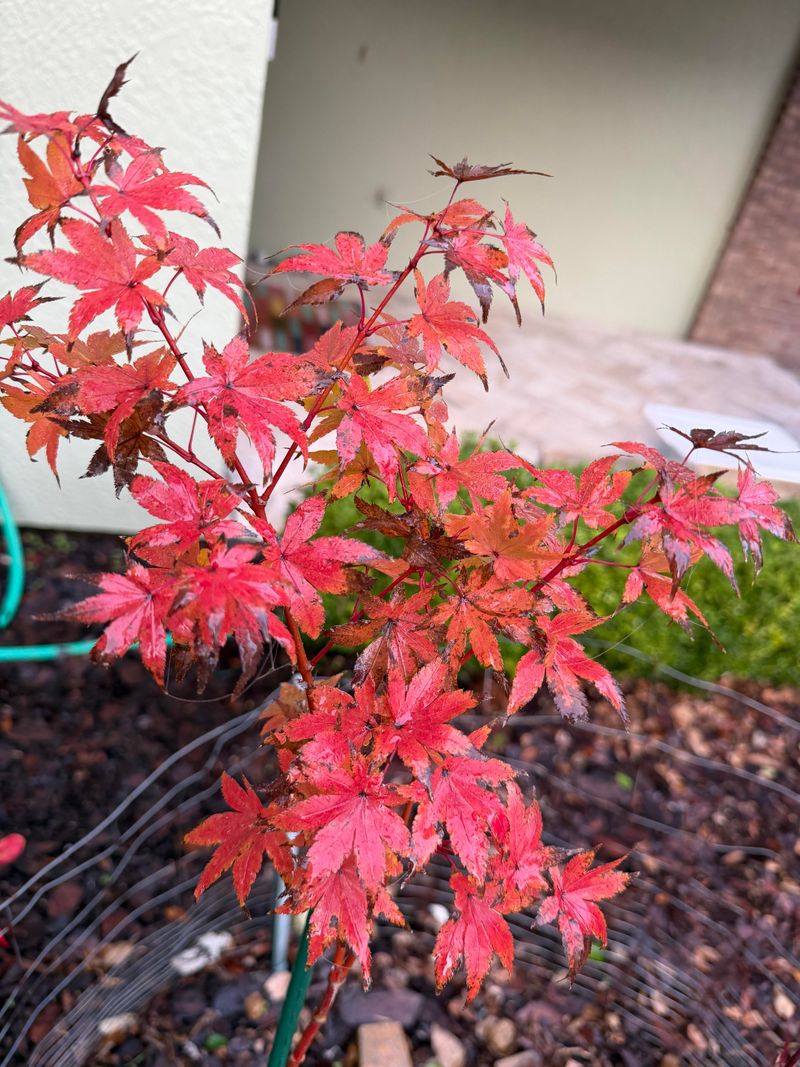
Timing decides everything when chasing color down here.
Florida fall arrives late compared with most of the country, often running into November and December.
The reason is straightforward. Cool weather takes its time reaching the state, and leaves wait for that cue.
Red maples typically lead, coloring early once temperatures drop. Other species follow at their own pace.
Geography matters considerably. North Florida gets the earliest and most reliable color, while central Florida shows softer, later hints and south Florida sees very little.
Weather shapes the display more than most people expect. Sunny days paired with cool nights bring out the strongest tones, while a warm stretch mutes everything.
Drought earlier in the year can also cause early leaf drop, cutting the show short before it starts.
State parks and river corridors offer the best viewing, since native maples cluster in those wet habitats.
Timing shifts year to year, so local nature updates beat any fixed date on a calendar.
Don’t head out too early. Mid to late fall catches the trees at their best.
Florida fall runs on its own schedule and still delivers something real. Patience is the entry fee.
7. Why Wet Spots Make The Best Maple Homes
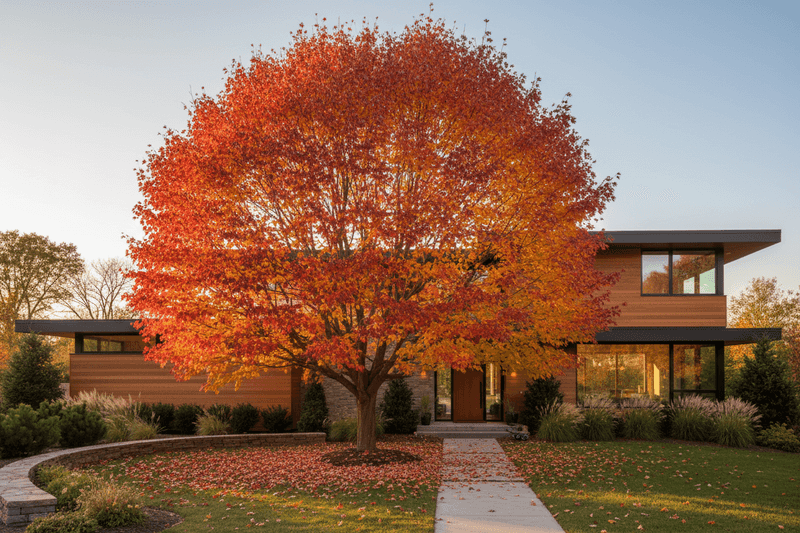
A soggy corner where nothing thrives has more options than most people assume.
Several native maples handle damp ground comfortably. Red maple, silver maple, and boxelder all tolerate wet soil rather than merely surviving it.
That makes them useful near ponds, drainage areas, and low yards that stay moist.
One common claim deserves qualifying. Trees do take up water, though a single maple won’t drain a wet area meaningfully, so persistent standing water still needs a drainage solution.
What the trees offer instead is thriving where alternatives fail. That’s the actual benefit.
Root systems suit these conditions, spreading wide rather than deep. Wide roots provide reasonable stability in soft ground.
Even so, saturated soil reduces anchorage during storms, so wet site trees still deserve distance from structures.
Wildlife concentrates in these habitats. Frogs, birds, and insects gather where trees shade water.
Care is minimal since nature handles irrigation. Plant, mulch, and let moisture do the work.
Spacing still matters. Crowded trees compete, and each needs room for roots to develop properly.
For anyone tired of fighting a wet corner, a native maple turns the losing battle into something worth looking at each November.
8. Planting Your Own Native Maple
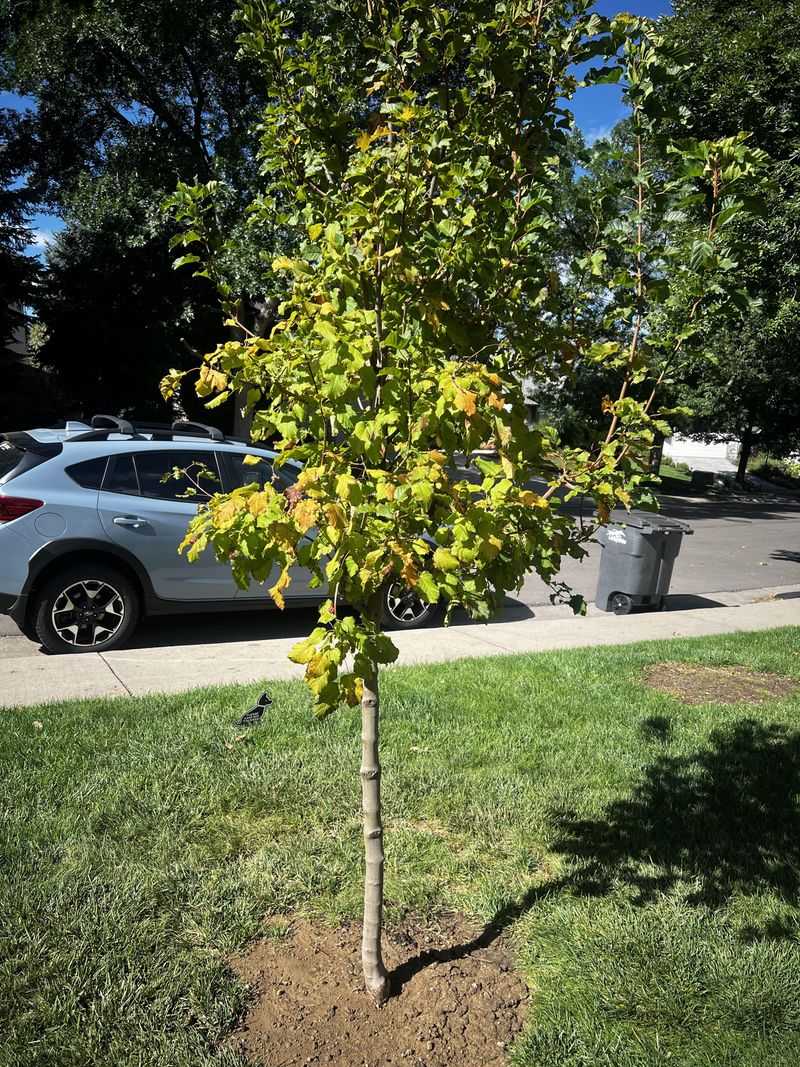
Bringing a maple home is more straightforward than people expect.
Match the species to your site first. Wet areas suit red maple, while chalk maple prefers drier, shadier ground.
Fall and winter work well for planting in Florida. Cooler weather lets roots establish before summer heat arrives.
Dig the hole two to three times as wide as the root ball and no deeper. Wide roots need lateral room, not depth.
Set the tree so the root flare sits at or slightly above grade. Planting too deep is one of the most common causes of tree failure.
Check the root ball for circling roots before planting, and tease them outward or cut them if needed. Container grown trees often need that correction.
Water thoroughly right after planting, then keep soil moist through the first couple of growing seasons.
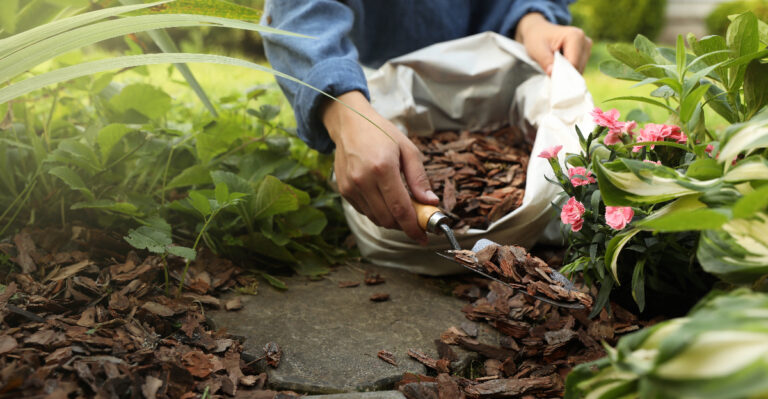
Add mulch in a ring around the base, kept several inches off the trunk. Mulch holds moisture and suppresses weeds without inviting rot.
Give young trees real distance from buildings, driveways, and utility lines. Roots spread, and canopies do too.
Skip heavy fertilizer early. Native maples generally establish fine in local soil.
Check on it during dry spells for the first few years. After that, the tree takes over and you get November for free.
9. Common Mistakes That Waste A Good Maple
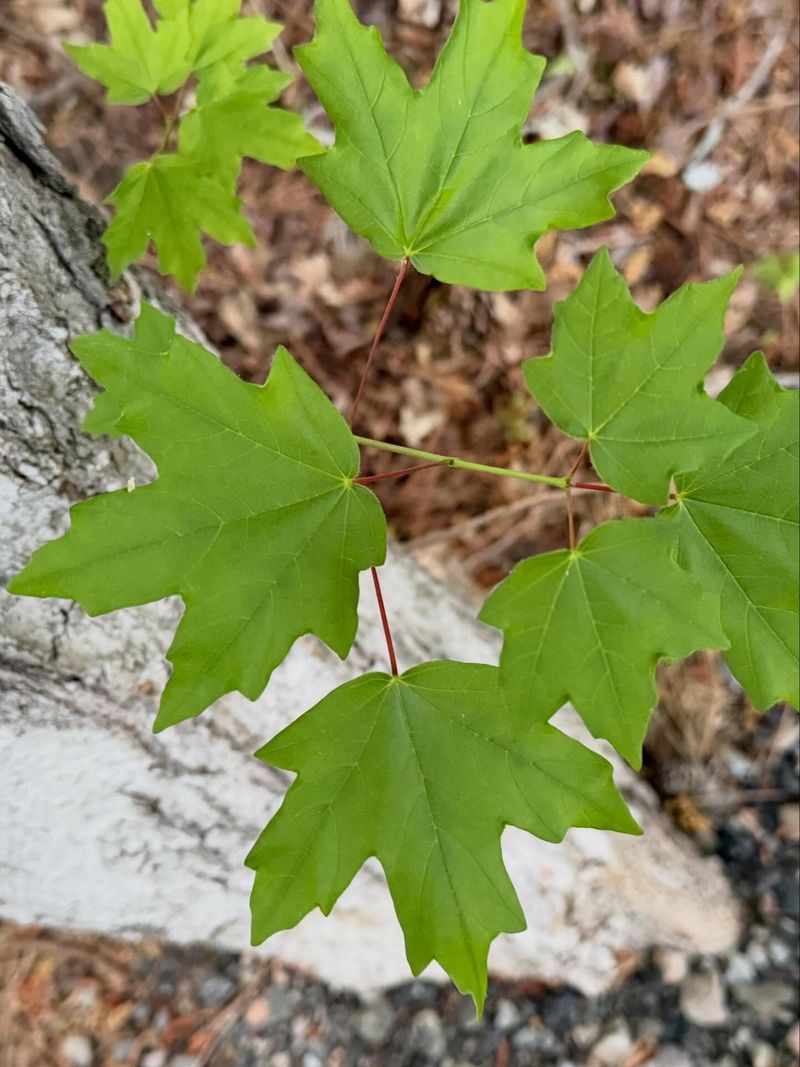
Plenty of Florida maples fail for reasons that have nothing to do with the tree.
The most frequent problem is species mismatch. Planting a red maple on a dry sandy ridge, or a chalk maple in standing water, sets up years of struggle.
Location within the state matters as much as the site itself. A chalk maple ordered online to central Florida is fighting climate before it ever fights soil.
Sun exposure trips people up too. Understory species like chalk maple handle partial shade well and struggle in reflected heat off a driveway.
Expectations about color deserve adjusting. Central and south Florida rarely produce northern intensity, so hoping for Vermont in Sarasota leads to disappointment.
Planting depth is the one that catches people years later. A tree set too deep may look fine for three or four years, then decline for reasons nobody connects back to installation day.
Mulch piled against the trunk causes similar slow damage. Bark stays wet, decay follows, and the problem hides beneath the mulch.
Over-pruning young maples is another common misstep. Removing lower limbs too early weakens trunk development, so leaving temporary branches for a few seasons helps.
String trimmer damage around the base accumulates over years. A wide mulch ring prevents it entirely.
Watering also gets abandoned too soon. Native status does not mean drought-proof during the establishment period, which runs two to three years.
Get the match right and the tree handles the rest. Get it wrong and no amount of attention fixes it.