What Texas Gardeners Should Do With Shasta Daisies Now For Bigger Blooms Next Year
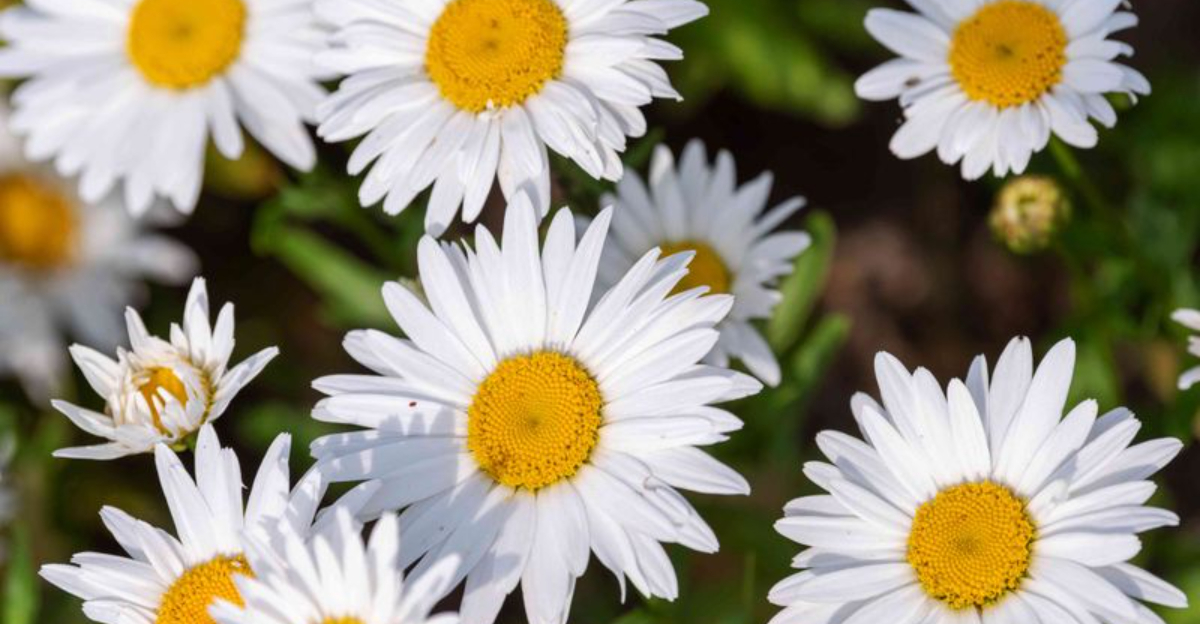
Your Shasta daisies look finished, and plenty of Texas gardeners treat them that way. Brown stems. Leggy growth. Leaves that gave up somewhere around the third week of July.
Many people pull them or forget them entirely, then buy new ones next spring.
Here’s what makes that a waste. The plant is probably just exhausted, which is a completely different situation with a completely different fix.
Texas heat and humidity are genuinely hard on this species. These are not the long-lived perennials they behave as in cooler states.
So the real question is not how to get bigger flowers. It’s how to keep the plant going long enough to produce any.
A handful of fall decisions determine that, and one of them involves cutting less than instinct suggests. Another involves resisting something that feels generous.
Curious what your tired patch actually needs before winter?
1. Cut Back Shasta Daisies At The Right Time
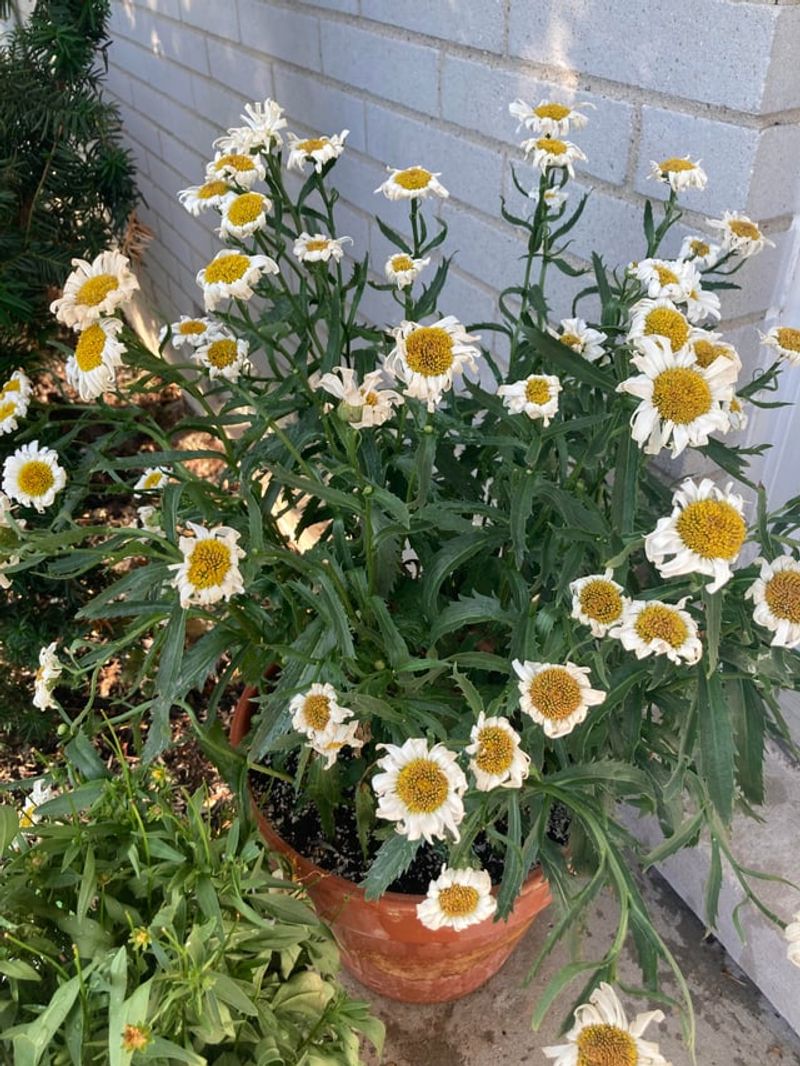
Timing carries more weight than technique when trimming Shasta daisies in Texas.
Once flowers fade and stems brown, usually by late summer or early fall, the shears come out.
Wait until blooming has clearly stopped for the season. Cutting early removes energy the plant still needs to store in its roots.
Cutting too late leaves messy disease-prone growth standing through winter.
For the how, snip spent flower stems down to the base rosette of leaves near the ground.
Leave that low cluster of green foliage intact, since it keeps feeding the roots through cooler months.
Clean sharp tools matter here, wiped with rubbing alcohol between plants. Texas humidity spreads fungal problems quickly, and dirty blades help them travel.
Resist the urge to cut everything to the dirt. That basal foliage functions as the plant’s solar panel through fall and winter.
Shasta daisies belong in the category of perennials that benefit from a tidy cutback rather than a hard chop.
Mild Texas winters mean that basal rosette often stays green and productive all season.
A clean well-timed trim keeps the plant focused on survival rather than supporting spent growth through the changing season, and survival is genuinely the goal with this species down here.
2. Remove Spent Growth Before Winter
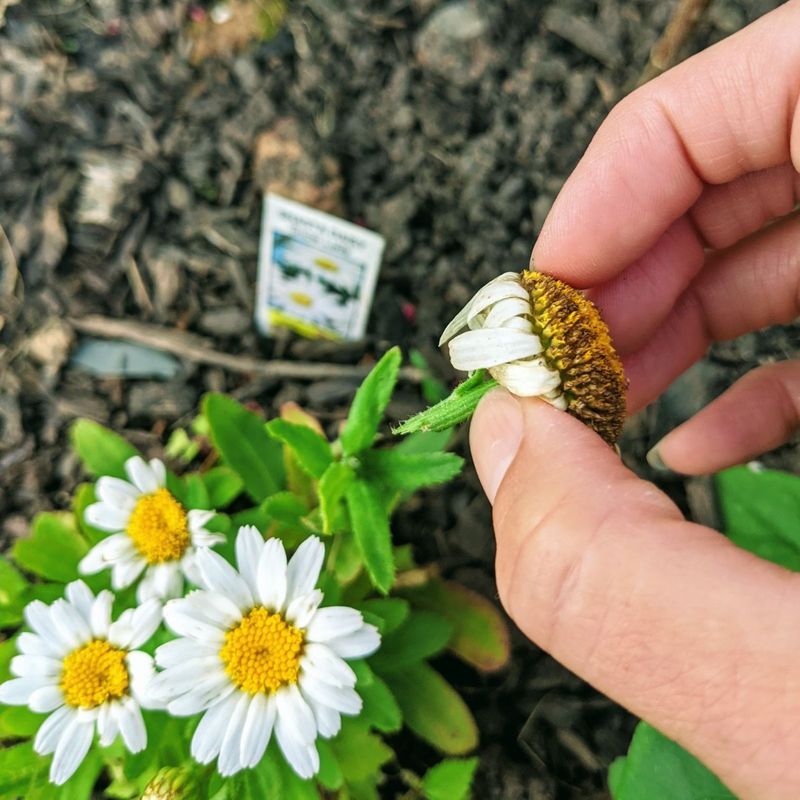
Spent stems and mushy leaves piled around the base amount to an invitation. Fungal spores and insects both shelter in that debris through winter.
After cutting back old flower stalks, rake and remove foliage that has yellowed or browned. Clear anything slimy, spotted, or moldy without hesitation.
Texas humidity makes this cleanup step more important than it would be further north. Warm damp air keeps fungal issues viable when cold dry conditions would suppress them.
Diseased material belongs in the trash rather than a compost pile, since home piles rarely reach temperatures that reliably handle pathogens.
While you’re working, examine the crown closely. Soft dark rotting spots signal a moisture problem worth addressing.
Give the base some breathing room by pulling weeds and clearing packed leaves.
Better airflow means less trapped moisture sitting against the plant, which is the underlying cause of most crown problems here.
Your Texas Garden Changes Every Week. Your Plan Should Too.
Gardening in Texas changes quickly throughout the season. Every Friday you’ll receive a simple weekly plan showing exactly what to plant, prune, fertilize, harvest, and protect so you never miss the right timing.
Snails and slugs also shelter in that debris and feed on the basal rosette through mild winters, so clearing it serves two purposes.
Garden sanitation remains among the cheapest disease prevention available.
A few minutes of cleanup now can spare you the frustration of spotty struggling daisies come March.
3. Divide Crowded Clumps For More Flowers
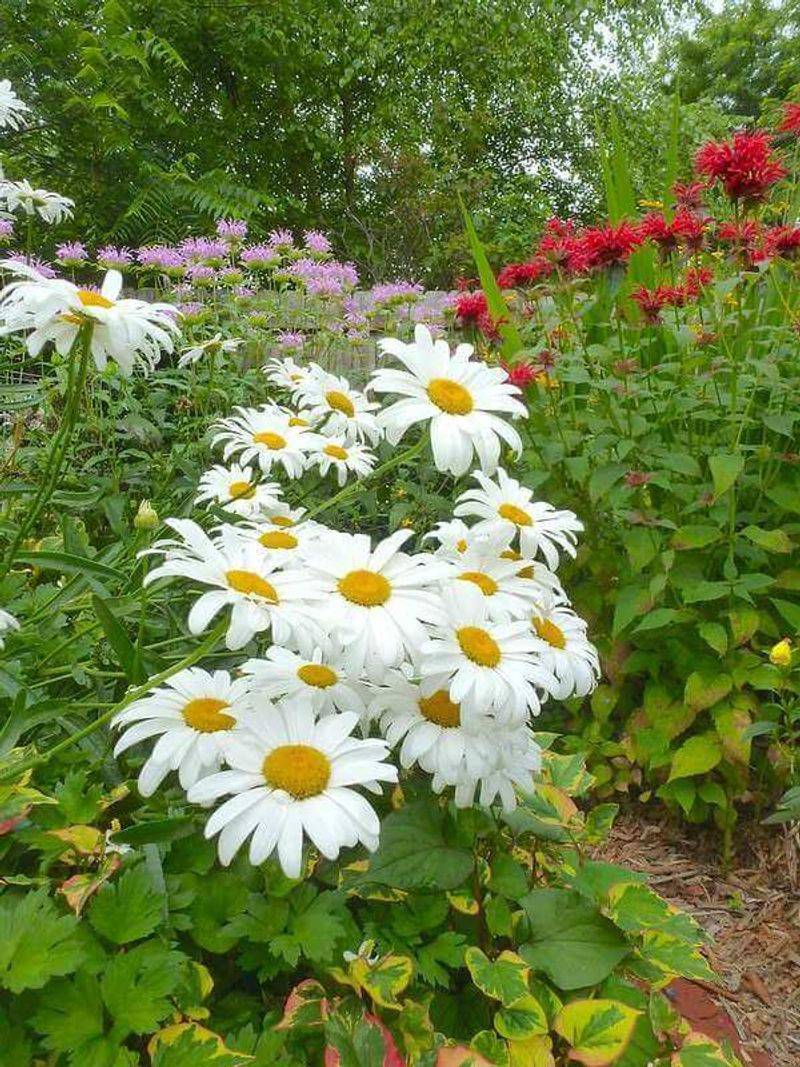
Here’s what surprises newer gardeners. Shasta daisies genuinely want to be broken apart every couple of years.
Left alone, the center of a clump turns woody, crowds itself, and stops flowering well.
Since these plants tend to be short-lived in Texas heat and humidity, division is really about keeping them going rather than chasing larger blooms.
Splitting produces fresh young sections with room to grow.
Fall works well across most of Texas once temperatures ease, and very early spring works too before new growth begins.
Cooler weather lets roots establish without heat stress.
Dig the whole clump with a spade, keeping as many roots as possible. Then pull or cut it into pieces, each carrying healthy roots and a few leaves.
Discard the tired woody center and keep vigorous outer sections.
Replant divisions immediately at their original depth, since exposed roots dry fast in Texas air.
Space new plants a foot or more apart so air moves between them. That spacing directly reduces the fungal problems humidity encourages.
Larger divisions establish faster than small ones, so generous pieces beat maximizing plant count.
Division renews vigor rather than guaranteeing a flower explosion. Younger healthier plants simply produce a fuller display over time.
4. Improve Soil Around Daisy Roots
If Shasta daisies dislike one thing above all, it’s wet feet.
Roots rot quickly when water sits around them, and Texas clay is famous for holding moisture.
Poor drainage is a leading reason these plants struggle here. Heavy clay traps water after rain, and roots turn soft before anything shows above ground.
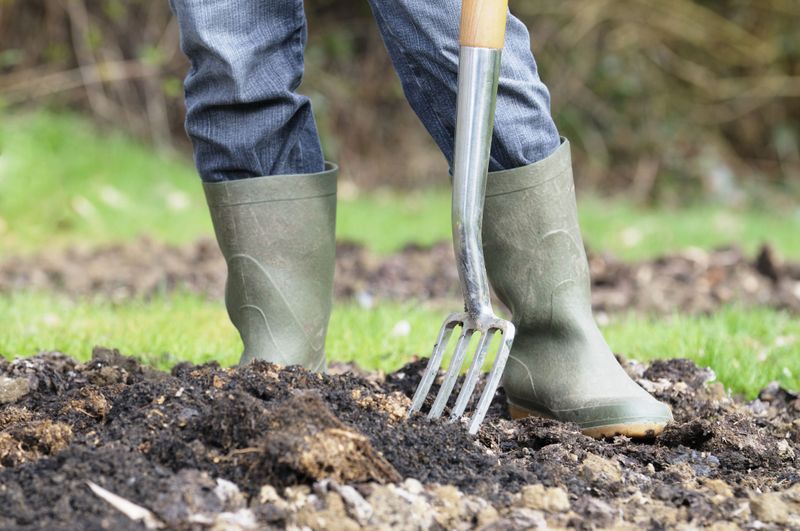
Fall suits soil work well. Mixing a few inches of compost around the plants loosens packed clay and helps water move through.
Compost improves drainage while feeding soil biology, and over time it turns stubborn clay into something roots can actually occupy.
Amend a broad area rather than just the planting hole. A pocket of loose soil surrounded by clay collects water like a bucket.
Beds that stay wet call for raised areas or mounds. Even a small rise moves water away from the crown.
Avoid piling soil or mulch against the base, since trapped dampness there invites crown rot.
Test drainage directly. Water the bed and watch how long puddles last, since water standing for hours identifies a real problem.
Good drainage matters more than fertility for this species.
Give them loose well-drained ground and you remove the single biggest obstacle to keeping them going in a Texas garden.
5. Avoid Late Feeding Mistakes
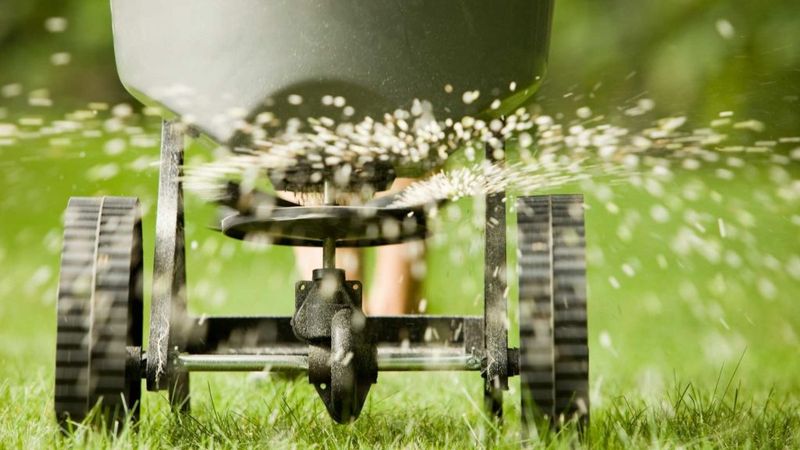
Reaching for fertilizer in late fall feels helpful and works against you.
A late application pushes tender new growth at exactly the wrong moment.
That soft growth has no time to harden before cold arrives. When a hard freeze hits, those shoots take damage and the plant enters winter weaker.
Texas weather complicates this considerably. Warm spells trick plants into growing when they should be resting.
Adding fertilizer on top of that encourages more vulnerable tissue.
The better plan skips heavy feeding as the season winds down. Let the plants slow naturally and store energy in their roots.
Soil that genuinely needs a boost can wait for early spring, when growth is supposed to accelerate.
A light layer of compost in fall differs from a shot of high-nitrogen fertilizer. Compost improves soil gradually without forcing growth.
Watch nitrogen specifically, since it drives the tender flushes that freezes damage.
Shasta daisies are not heavy feeders to begin with, so restraint costs very little.
Excess nitrogen also produces the weak floppy stems this plant is already prone to, which means late feeding creates two problems rather than one.
Feed at the right time and the plants reward you with steadier growth next season.
6. Protect Plants Through Texas Weather Swings
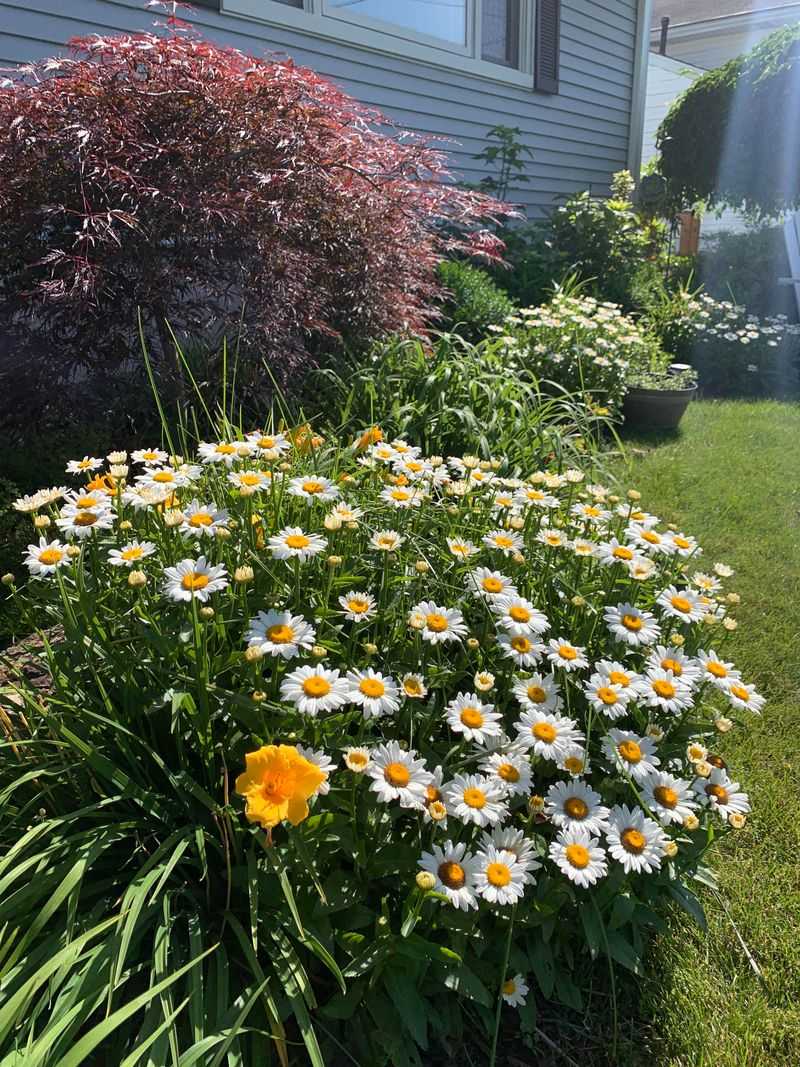
Texas winters change their mind constantly.
One week feels like April, the next delivers a hard freeze that catches everything unprepared.
Those swings are difficult for Shasta daisies. Warm spells wake the plants, then cold snaps damage growth that emerged too soon.
A light mulch layer steadies conditions. Two or three inches of shredded bark or leaves around the base helps, kept slightly back from the crown.
Mulch evens out soil temperature, which keeps roots from cycling between warm and frozen as weather flips.
Skip heavy soggy mulch piled directly on the plant. In humid conditions that damp mound smothers the crown and invites disease.
When a hard freeze follows a warm stretch, a frost cloth or old sheet draped overnight helps. Remove it once temperatures climb.
Plastic sheeting does not work for this, since it holds cold against foliage and can cause more harm than leaving plants uncovered.
Watering soil before a freeze helps too, since moist ground retains warmth better than dry ground. Avoid leaving standing water around roots.
Protection here isn’t about coddling. It’s about easing the plant through rough patches so it makes it to spring.
North Texas gardeners face harder freezes than the Gulf Coast, so adjust effort to your region.
7. Encourage Strong Spring Growth
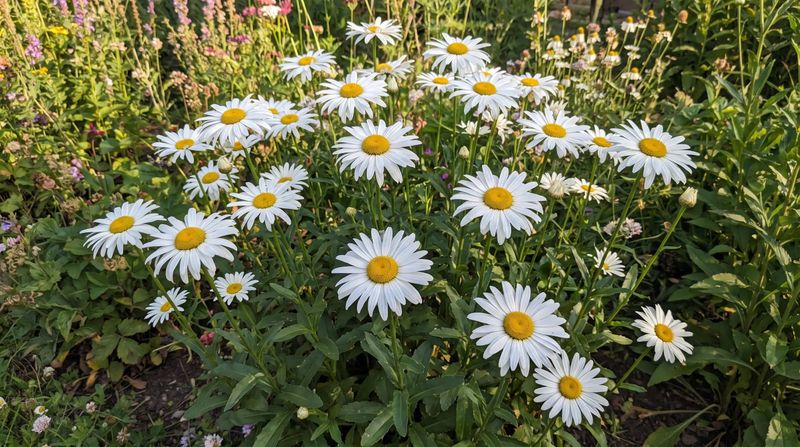
Fall effort pays off in spring, and a few follow-up steps preserve that momentum.
Early spring is when these plants determine how the whole season will go.
As new green shoots appear, pull back some of the winter mulch. Letting light and air reach the crown helps the plant wake up and dry out after damp weather.
Once steady growth appears, that’s the moment for light feeding. A balanced fertilizer or fresh compost topdressing supplies fuel for the coming months.
Check soil moisture as temperatures climb. Texas spring turns hot quickly, so water deeply when the top inch dries rather than sprinkling daily.
Look the plants over for winter damage and soft rotted spots. Trim spent material so energy goes toward healthy new leaves.
Fall divisions need monitoring through spring, watered consistently as they establish without staying soggy.
Pinching back early growth encourages bushier plants, though it may delay the first flowers slightly. Many Texas gardeners accept that trade.
Trimming through the bloom season extends flowering considerably, since spent flowers left standing shift the plant toward seed production.
Steady small care now builds on the fall work and launches the season properly.
8. Watch For Problems That Show Up In Fall
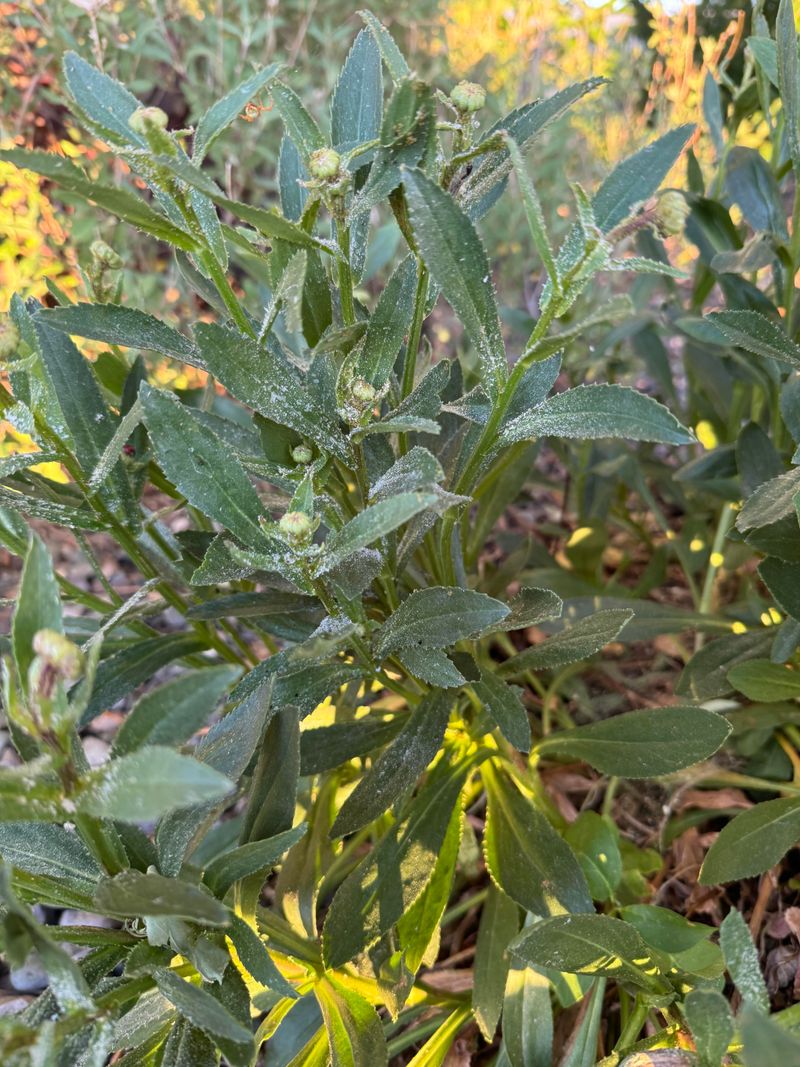
Cooler weather brings its own set of visitors to a Shasta daisy patch.
Powdery mildew tops the list in Texas. That dusty white coating spreads across foliage during humid stretches with cool nights, and crowded clumps get hit hardest.
Spacing and airflow prevent more than any spray does. Watering at the base rather than overhead keeps foliage dry and helps considerably.
Leaf spot shows up as dark circular marks, usually starting on lower leaves. Removing affected foliage and clearing debris slows it down.
Both problems trace back to the same conditions, which is why sanitation and spacing do double duty here.
Aphids cluster on tender new growth during mild fall weather. A firm spray of water knocks most of them off, and insecticidal soap handles heavier populations.
Slugs and snails feed on the basal rosette through wet stretches. Iron phosphate baits work reasonably well and are generally considered safer around pets than older products.
Crown rot deserves the closest attention. Soft dark mushy tissue at the soil line points to drainage trouble rather than an insect.
That one calls for improving the site rather than treating the plant, since no product fixes soil holding water.
Scouting twice a month catches most issues while they stay small. Flip a few leaves, check the crown, and keep the base clear.
9. Set Realistic Expectations For This Species
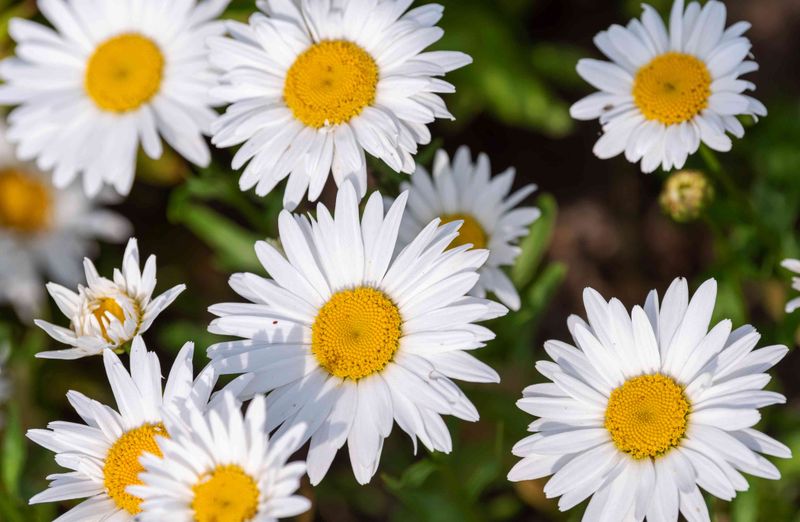
Honesty helps more than optimism with Shasta daisies in Texas.
These are short-lived perennials in most of the state, and heat plus humidity shortens that span further.
Two or three good years is a reasonable expectation rather than a disappointment.
Regional differences are substantial. North Texas gardeners generally get better performance than anyone along the Gulf Coast, where summer humidity runs relentless.
Cultivar choice affects the outcome too. Becky has the strongest reputation for heat tolerance and sturdy stems, and it outperforms older selections in southern gardens.
Placement matters as much as care. Morning sun with some afternoon protection suits Texas better than full exposure all day.
Replacement is a legitimate strategy rather than a sign something went wrong. Dividing every two years effectively replaces the plant with its own offspring.
Letting a few flowers go to seed sometimes produces volunteers, though seedlings from named cultivars rarely match the parent.
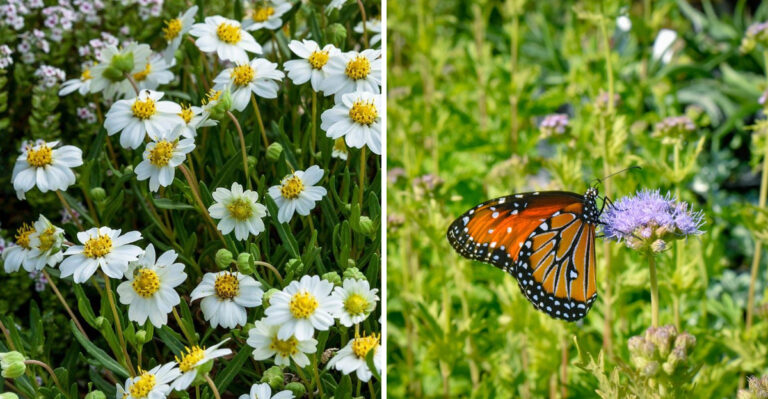
Some Texas gardeners eventually swap Shasta daisies for better adapted alternatives like blackfoot daisy or coreopsis.
Nothing wrong with either path. Knowing what the plant can realistically deliver here means the fall work feels worthwhile rather than futile.