Florida Herbs That Thrive In Full Shade When Everything Else Burns
Full shade in a Florida yard feels like a losing battle for herb gardens. Every list of culinary herbs assumes sun, more sun, and then a little more on top of that.
Basil scorches without it. Rosemary sulks.
Most of the herbs gardeners actually want to grow seem to have signed an agreement requiring direct light as a condition of participation. A handful of herbs never signed that agreement.
Florida’s full shade creates conditions that certain herbs not only tolerate but genuinely prefer. Lower temperatures, retained moisture, protection from the afternoon intensity that pushes so many plants past their limit.
For the right herb, a shaded spot is not a compromise. It is an advantage.
Most gardeners never discover these options because they stop looking once the standard herb list fails them in low light. The herbs that thrive in Florida full shade are worth knowing.
1. Culantro Handles Shade Better Than Cilantro Ever Could
Picture a cilantro plant bolting and going bitter after just a few weeks in the Florida summer heat. That is a frustrating cycle many herb gardeners know well.
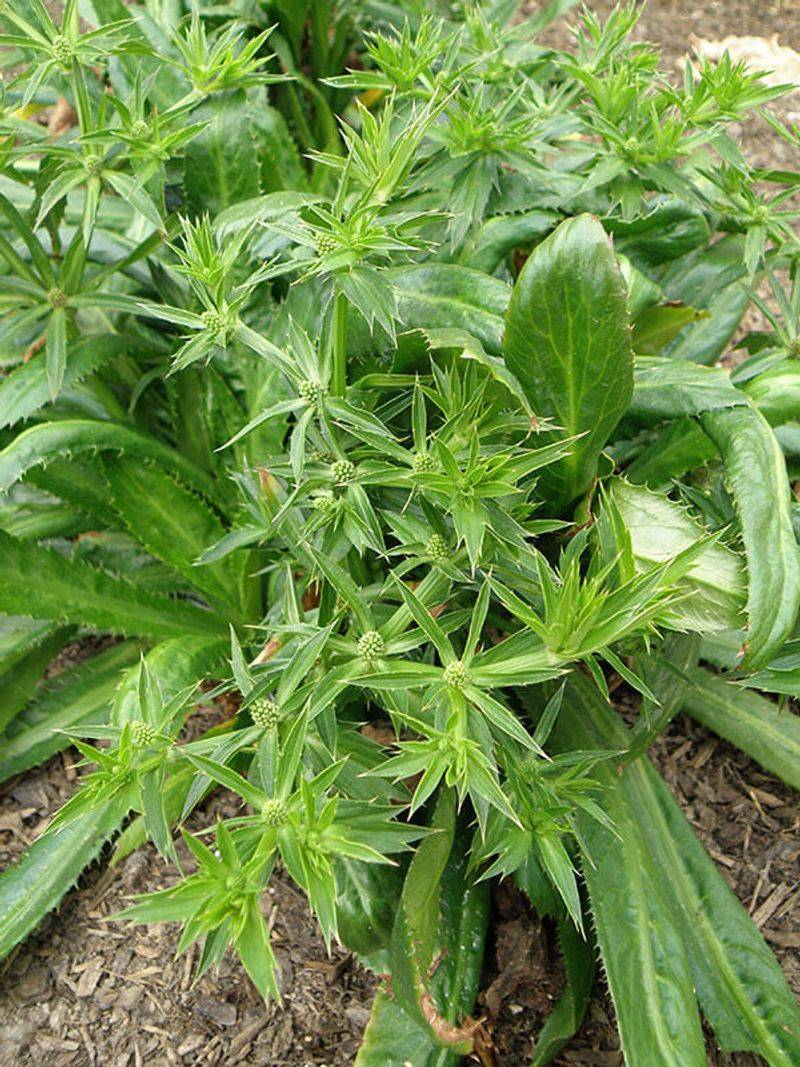
Culantro (Eryngium foetidum) sidesteps that problem almost entirely, making it one of the most practical leafy herbs for warm, shaded growing spots in this state.
Culantro is not the same plant as cilantro, though the two share a bold, recognizable flavor. This herb is widely used in Caribbean, Latin American, and Southeast Asian cooking.
The long, serrated leaves pack a stronger punch than regular cilantro leaves, so a little goes a long way in salsas, soups, and rice dishes.
Unlike cilantro, culantro handles heat and humidity with far more resilience. Bright outdoor shade, filtered light under a tree canopy, or a covered porch planter can give it the protection it needs to stay productive during the hottest months.
It still needs several hours of gentle, indirect light each day.
Steady moisture is important. Sandy soil dries fast, so a container with good drainage and consistent watering works well.
Watch for flower stalks appearing as the plant matures. Removing them promptly can help extend the harvest season.
Leaf edges are prickly, so gloves are helpful at harvest. Confirm the scientific name before eating any plant with unfamiliar common names, as lookalikes exist in ornamental plantings.
2. Mint Stays Fresher When Afternoon Sun Backs Off
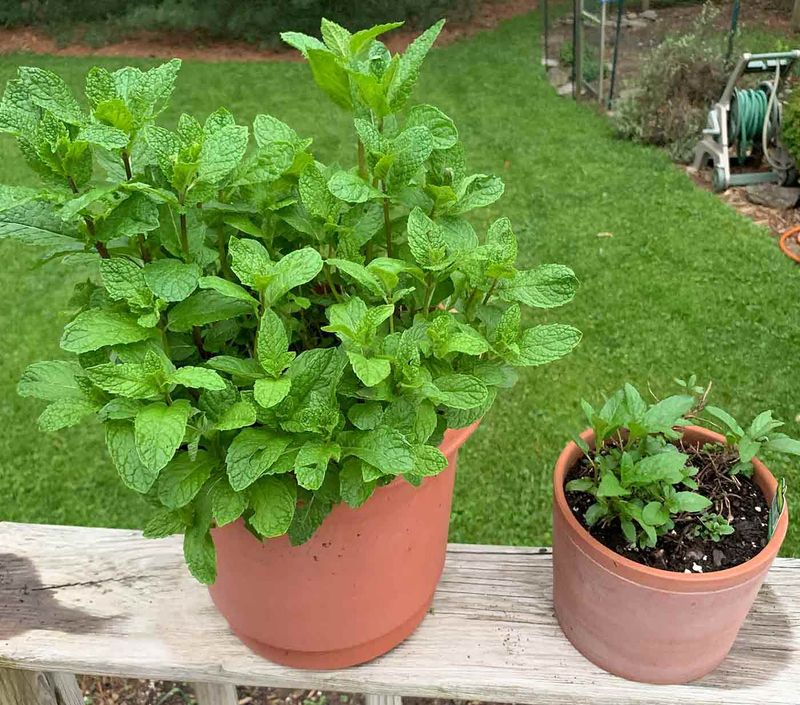
A mint pot wilting on a sunny patio is a familiar sight during summer in warm regions. The soil in small containers heats up fast under full sun, and mint is one of the first herbs to show stress when moisture runs out.
Moving it to a bright shaded spot can make a noticeable difference in leaf quality and plant health.
Mint (Mentha species) is a culinary classic with dozens of varieties to explore. Spearmint, peppermint, and mojito mint all bring fresh flavor to drinks, desserts, salads, and savory dishes.
The leaves stay crisper and more aromatic when afternoon sun is not beating down on the pot for hours.
Bright shade, morning sun with afternoon protection, or a covered porch planter all work well. Steady moisture is key since mint does not like to dry out completely between waterings.
Your Florida Garden Changes Every Week. Your Plan Should Too.
Gardening in Florida changes quickly throughout the season. Every Friday you’ll receive a simple weekly plan showing exactly what to plant, prune, fertilize, harvest, and protect so you never miss the right timing.
Good drainage prevents root issues in humid conditions.
Containers are strongly recommended over open garden beds. Mint spreads aggressively through underground runners and can overwhelm nearby plants quickly.
A pot near a patio entry, an outdoor kitchen shelf, or a shaded herb corner keeps it contained and convenient for clipping fresh leaves.
Trim regularly to encourage bushy growth and prevent legginess. Harvest before flowering for the best flavor, and refresh the container every season or two as roots fill the space.
3. Vietnamese Coriander Loves Humid Shade And Steady Moisture
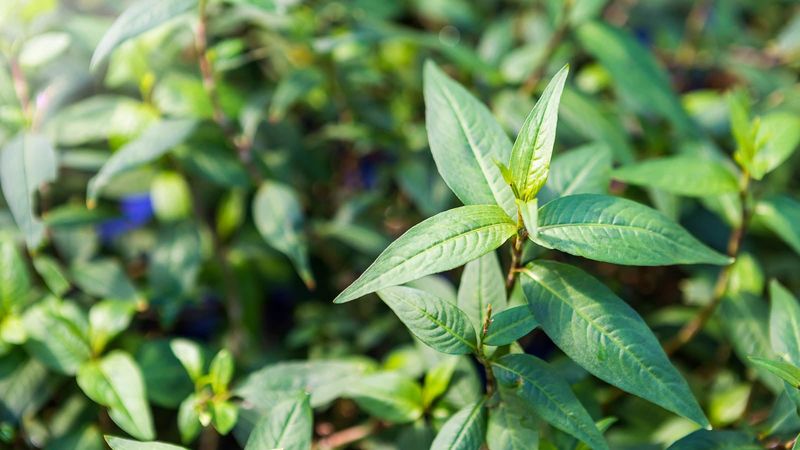
When regular cilantro bolts and turns bitter in the heat, a cook clipping fresh leaves from a Vietnamese coriander plant in a shaded corner has a real advantage.
This herb (Persicaria odorata) delivers a similar flavor profile that works well in fresh rolls, soups, salads, and noodle dishes where cilantro would normally shine.
Vietnamese coriander is not the same as cilantro, and the two plants are not related. The flavor has its own distinct character, sometimes described as slightly spicy or peppery alongside the familiar herbal notes.
Pointed leaves with dark chevron markings make it easy to identify once you know what to look for.
Warm, humid conditions with bright shade or filtered light suit this herb well. It prefers steady moisture and does not handle dry soil gracefully.
A container with rich, well-draining potting mix placed in a bright shaded spot works well during the hottest months.
This herb is non-native and frost-sensitive, so it will need protection or overwintering indoors if temperatures drop in northern Florida regions. Managing it in a pot rather than an open bed is wise since it can spread in warm, moist conditions.
Harvest by snipping stems above a leaf node to encourage continued growth. Confirm the scientific name before eating, as common names for coriander-flavored herbs can cause confusion with unrelated plants.
4. Parsley Holds Longer In Bright Shade Than Harsh Sun
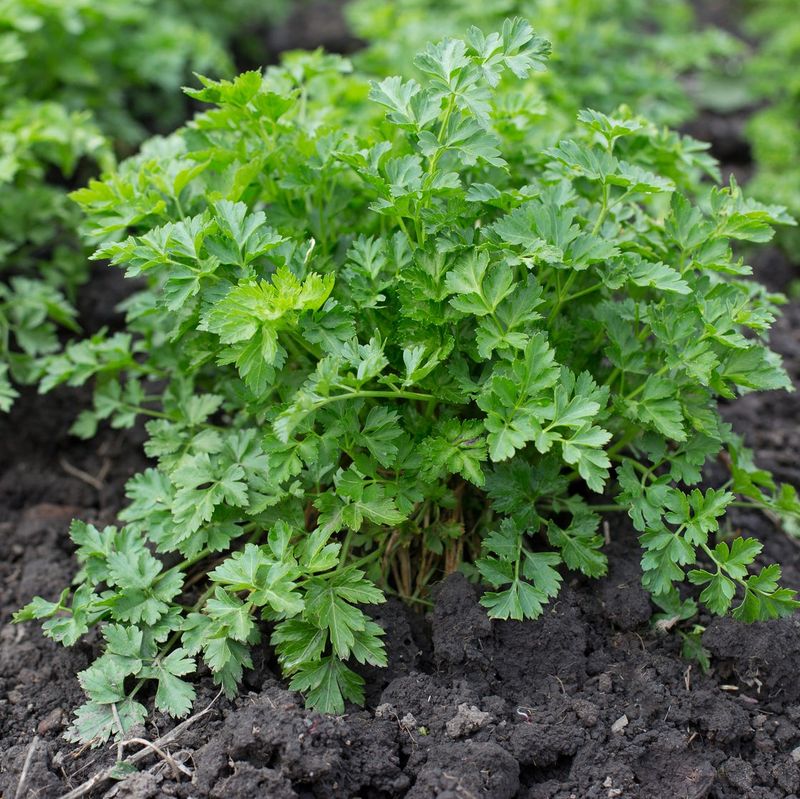
A parsley plant protected from afternoon sun often outlasts one left in full exposure by several weeks during the hottest stretch of the year. Afternoon sun in warm regions can be intense enough to stress parsley quickly.
It can cause leaves to yellow, dry at the edges, or bolt before a gardener gets a decent harvest.
Parsley (Petroselinum crispum) comes in two main types. Flat-leaf parsley, sometimes called Italian parsley, tends to have stronger flavor and is popular in cooking.
Curly parsley has a milder taste and works well as a garnish. Both types can benefit from bright shade or morning sun with afternoon protection during hot weather.
Containers work well for parsley in shaded spots. A pot with good drainage, rich potting mix, and consistent moisture keeps it productive longer.
Parsley has a taproot, so a deeper container is better than a shallow one.
Honest expectation-setting matters here. Parsley is typically a cool-season or short-lived herb in hot climates.
Even with shade protection, it may still decline when summer stress becomes too intense. Starting fresh plants in early fall often gives better results than fighting through a brutal midsummer stretch.
Harvest outer stems first, leaving the center growth intact. Steady trimming encourages new leaf production.
Watch for caterpillars, which are the larvae of swallowtail butterflies and are worth leaving on the plant if you can spare the leaves.
5. Chives Stay Useful Where Heat Feels Less Brutal
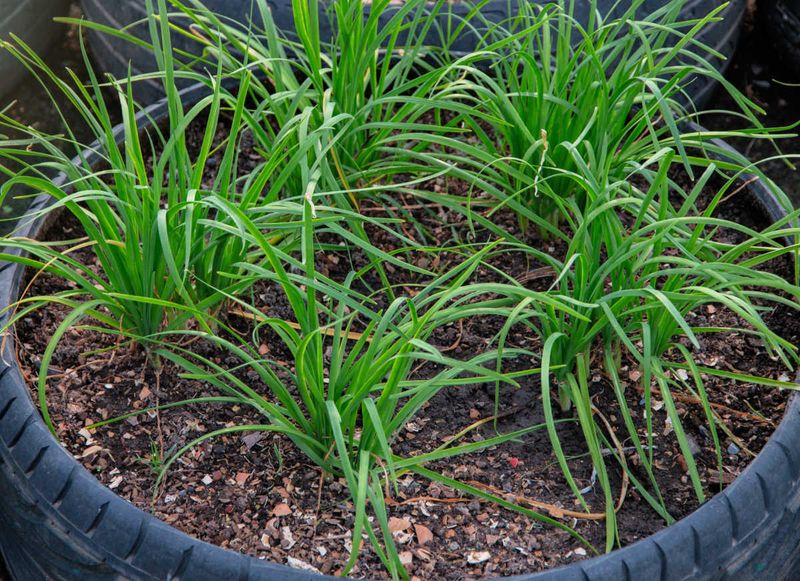
There is something satisfying about snipping fresh chives over eggs, soups, or baked potatoes without having to walk across a blazing-hot garden bed.
Tucking a pot of chives into a bright shaded spot near the kitchen door or on a covered porch shelf makes that kind of easy harvesting very doable.
Chives (Allium schoenoprasum) bring a mild onion flavor to all kinds of dishes. Garlic chives (Allium tuberosum) offer a slightly garlicky note and flat leaves instead of round hollow ones.
Both types grow in clumps, produce edible flowers, and can be harvested regularly throughout the season with simple snipping.
Bright shade, morning sun, or a spot with filtered light works well when afternoon sun becomes harsh.
Full shade without any reflected or indirect light will reduce productivity, so placement near a bright wall or under open tree canopy is better than a truly dark corner.
Containers suit chives well in shaded herb gardens. A pot with good drainage and steady moisture keeps the clumps healthy and prevents waterlogging in humid conditions.
Dividing the clumps every year or two refreshes growth and prevents crowding.
Garlic chives can reseed if flowers are left to mature, so trimming after blooming is a smart habit. Both types are non-native culinary herbs that perform reliably in containers across warm regions when light levels are adequate.
6. Lemon Balm Belongs In Pots With Cool Filtered Light
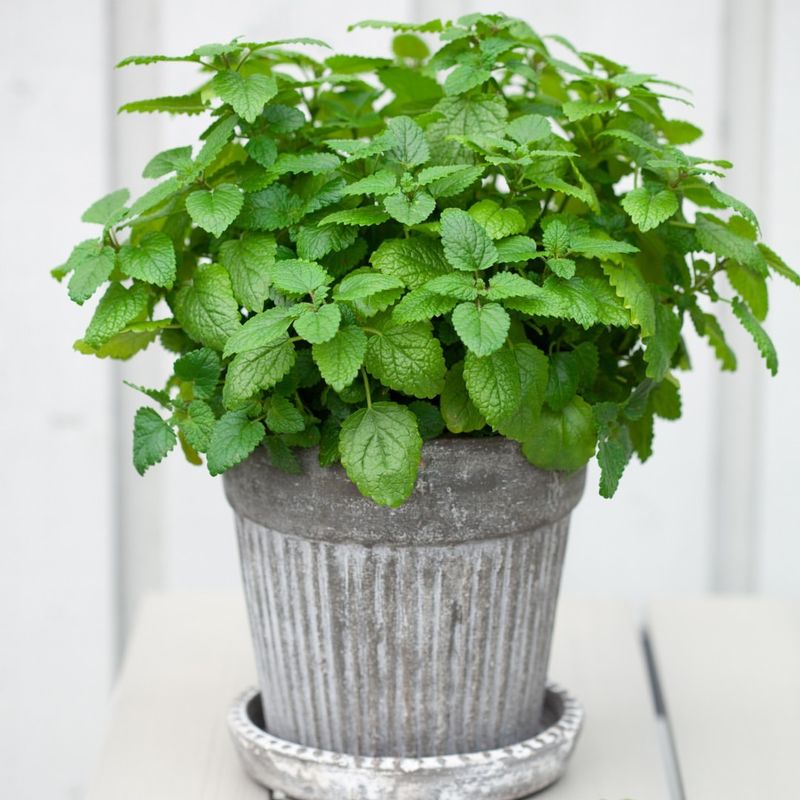
Brushing a hand across a lemon balm leaf and catching that fresh citrus scent is one of the small pleasures of growing herbs at home. This herb (Melissa officinalis) has a clean, lemon-forward fragrance.
That makes it a cheerful addition to a shaded porch shelf or a covered herb corner during the warmer months.
Bright shade or filtered light suits lemon balm well when afternoon heat becomes intense. Too much direct sun in hot weather can scorch the leaves and cause the plant to look ragged.
A spot with morning light and afternoon shade, or consistent bright indirect light, tends to produce the healthiest-looking plants.
Lemon balm is non-native and can spread or reseed in some climates if left unchecked. Containers are the smarter choice over open beds, especially in warm Florida regions where conditions favor rapid growth.
A medium to large pot with good drainage and quality potting mix keeps it manageable and healthy.
Moisture balance matters. Lemon balm does not thrive in soggy soil, and humid summers can lead to root problems if drainage is poor.
Good airflow around the plant also helps reduce fungal issues.
Harvest by trimming stems above a leaf node to encourage bushy regrowth. The fresh leaves can be used in cold drinks, fruit salads, and culinary recipes where a gentle lemon note is welcome.
No medicinal claims are made here.
7. Ginger Brings Edible Shade Growth To Warm Protected Beds
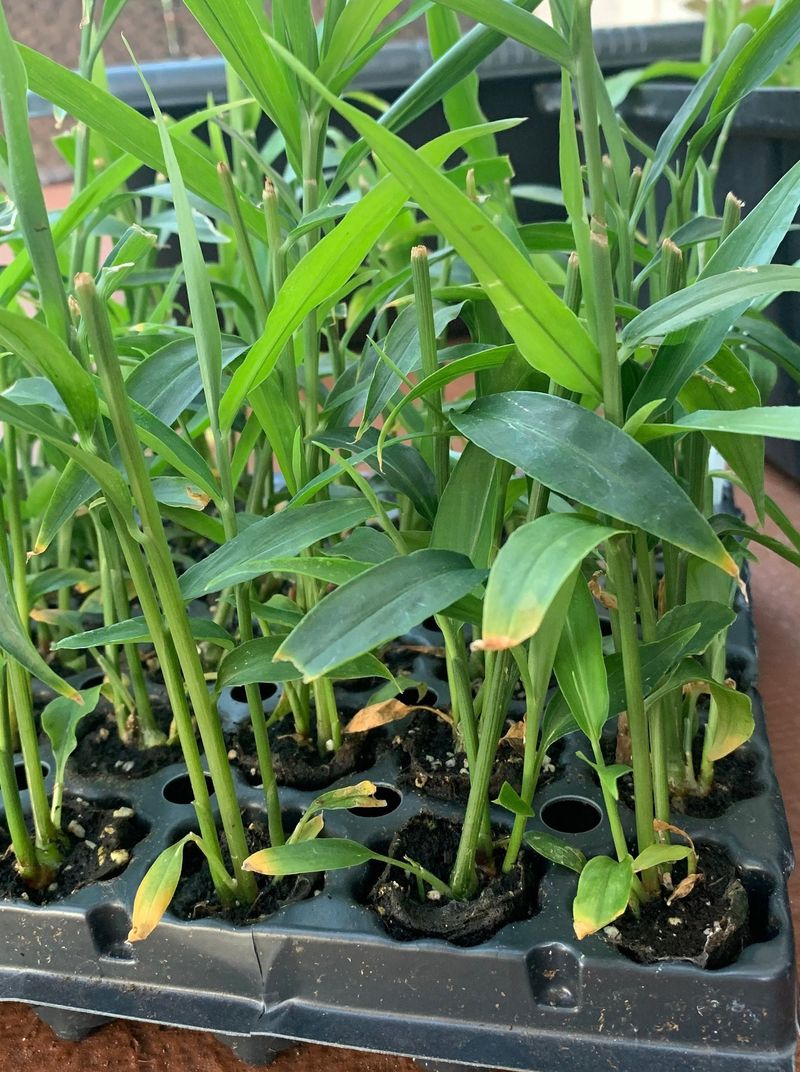
A ginger clump filling out under filtered light in a warm protected bed is a rewarding sight for any herb gardener willing to give it the space and time it needs.
Edible ginger (Zingiber officinale) is one of the few culinary plants that genuinely prefers bright shade or indirect light over harsh direct sun.
That is especially true during the hottest stretch of the growing season.
The tall, leafy stalks give this plant a lush tropical look that fits naturally into shaded porch planters, covered side yards, or spots under open tree canopies. Rich, well-draining soil and steady moisture are essential.
Sandy soil should be amended with organic matter to hold enough moisture without staying waterlogged.
Edible rhizomes develop underground over a full warm season. Patience is part of growing ginger.
Planting in spring and harvesting in late fall after the foliage starts to go dormant gives the best results for root development.
Containers work well for ginger, but the pot needs to be large enough to allow rhizome spread. A wide, deep container with drainage holes is a practical choice for patios or covered outdoor spaces.
Confirm the scientific name (Zingiber officinale) before harvesting and eating. Ornamental gingers are common in warm-region landscapes, and not all of them are edible.
Keeping the two clearly separate prevents confusion at harvest time.
8. Turmeric Thrives In Humid Shade With Room To Spread
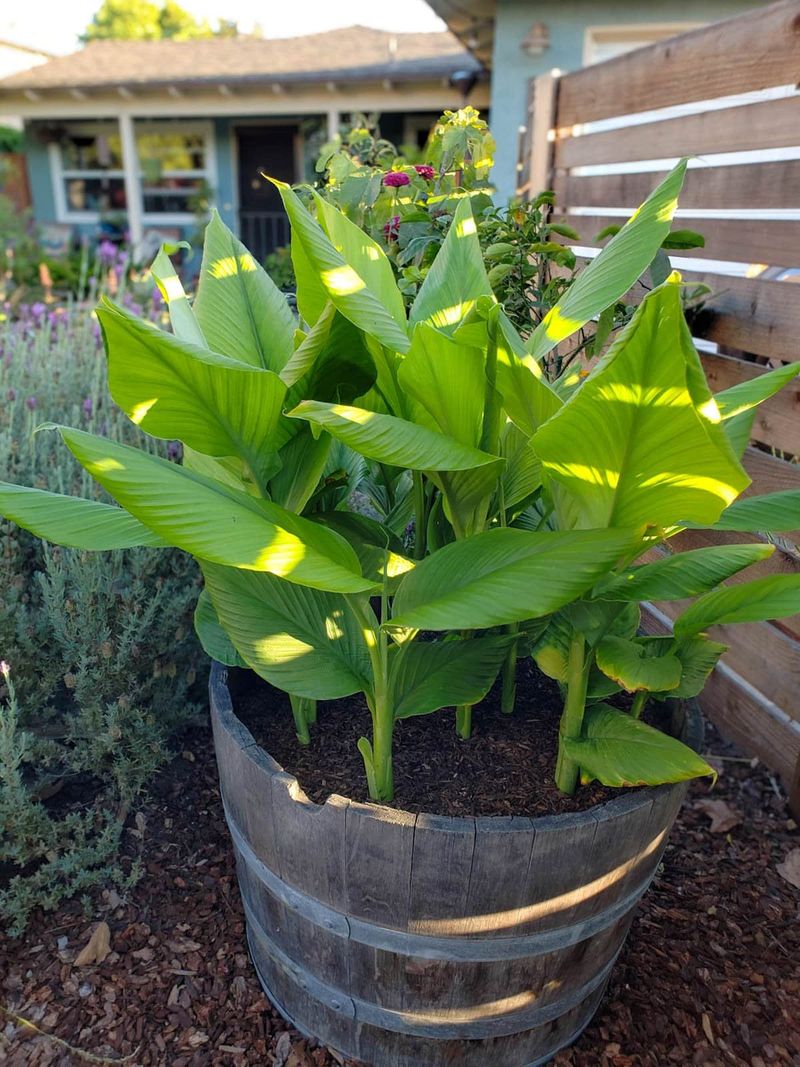
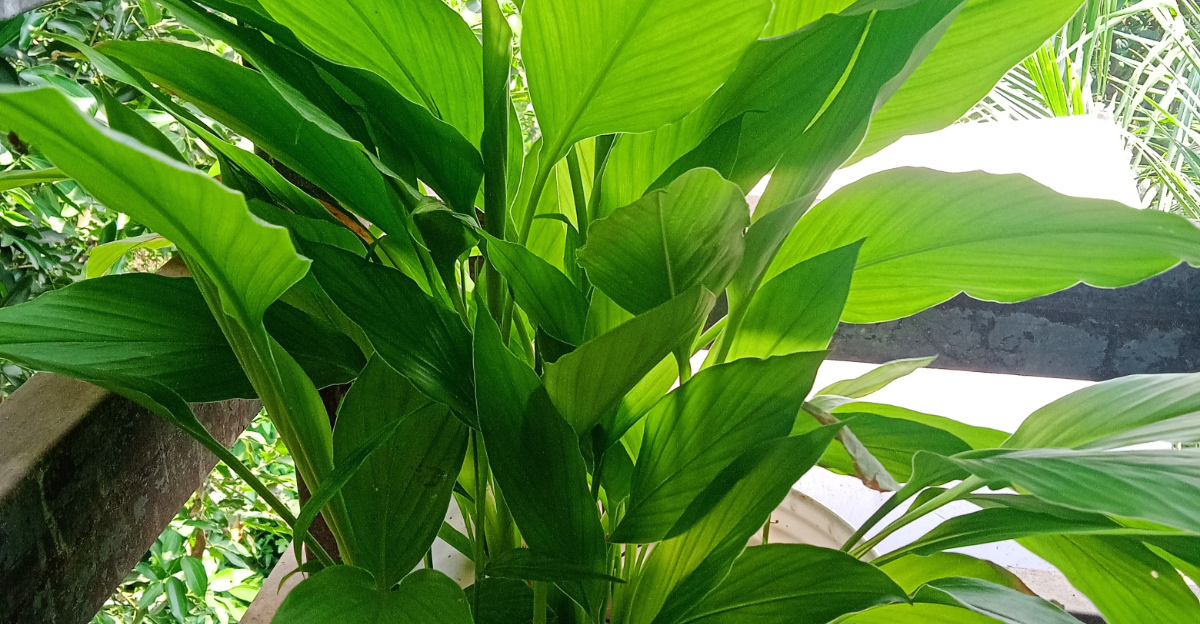
Bold, wide leaves and a compact but spreading growth habit make turmeric one of the most visually striking herbs you can grow in a shaded warm-season garden.
Turmeric (Curcuma longa) is a tropical plant that genuinely suits the humid warmth of this state.
It does especially well with bright shade, filtered light, and consistent moisture through the growing season.
The edible part is the rhizome underground, which develops its signature orange-yellow color as the season progresses. Above ground, the broad foliage creates an attractive display.
It works well in large containers, raised beds, or protected side yards with good light levels and airflow.
Rich, well-draining soil is important. Turmeric does not perform well in waterlogged conditions, even though it likes moisture.
Raised beds or large containers with quality potting mix and drainage holes give it the environment it needs to develop strong rhizomes over the warm season.
Turmeric is non-native and will go dormant when temperatures drop seasonally. In northern regions, containers can be moved to a protected spot during cooler months.
Potted plants are also easier to monitor and manage than those planted directly in open beds.
At harvest, confirm you are growing Curcuma longa and not an ornamental Curcuma variety before eating the rhizomes. Common names and appearances can overlap.
Dig carefully, rinse well, and handle fresh turmeric with care since it stains surfaces and skin easily.